
Zero Punctuation: Hatfall - Hatters Gonna Hat Edition
HATFALL is a high-energy game of skill and hat-wearing born from Zero Punctuation, the hit online video series from The Escapist, created by the man behind ZP, Ben 'Yahtzee' Croshaw.
Sync your Steam wishlist to find the lowest game prices instantly. No login required, just paste your Steam profile URL!
⚡ Try Wishlist Radar!
Sync your Steam wishlist to find the lowest game prices instantly. No login required!
⚡ Try Wishlist Radar!
Close

DARK NIGHT WITH FLOPPA on Steam
Quick menu
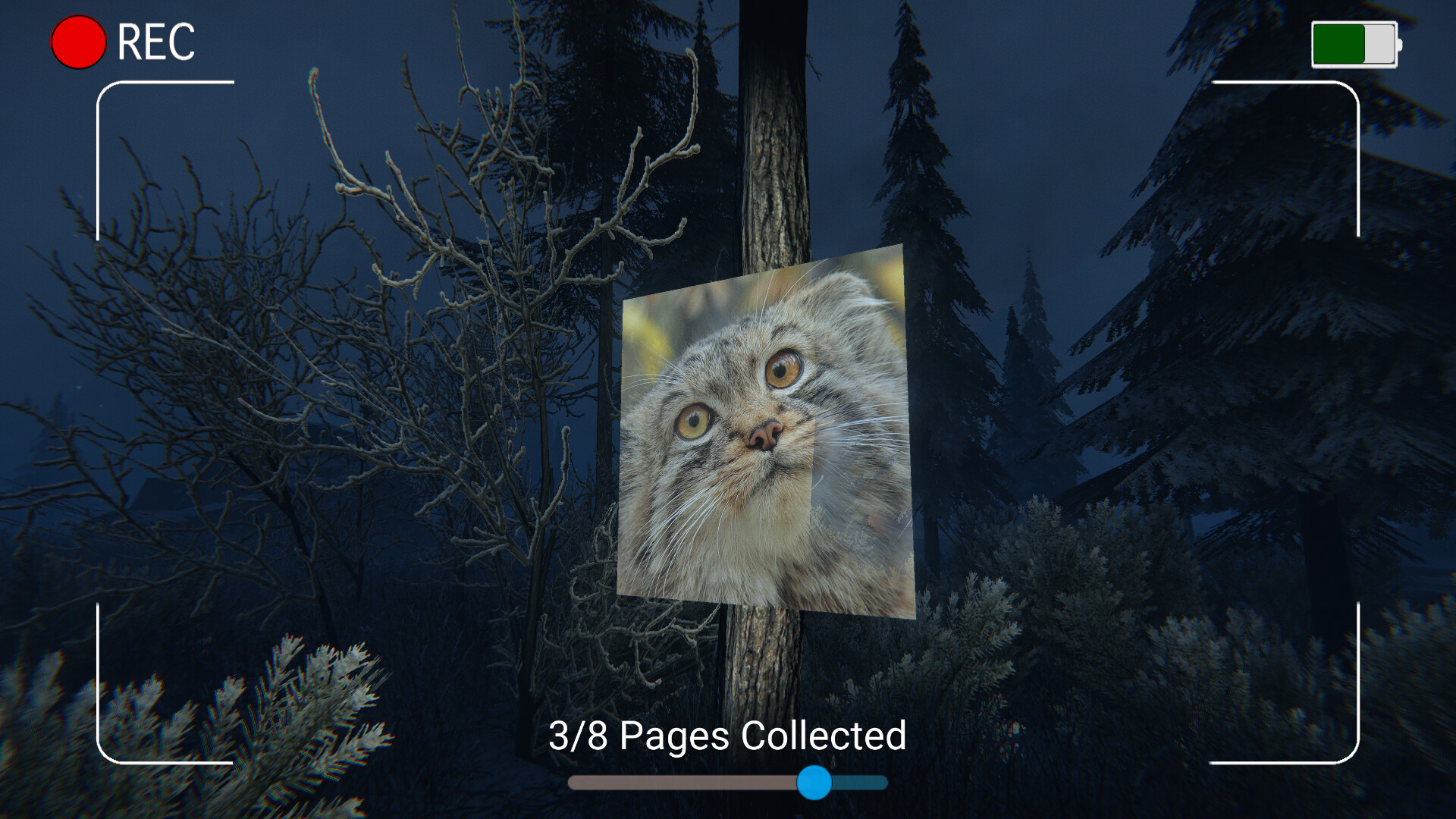
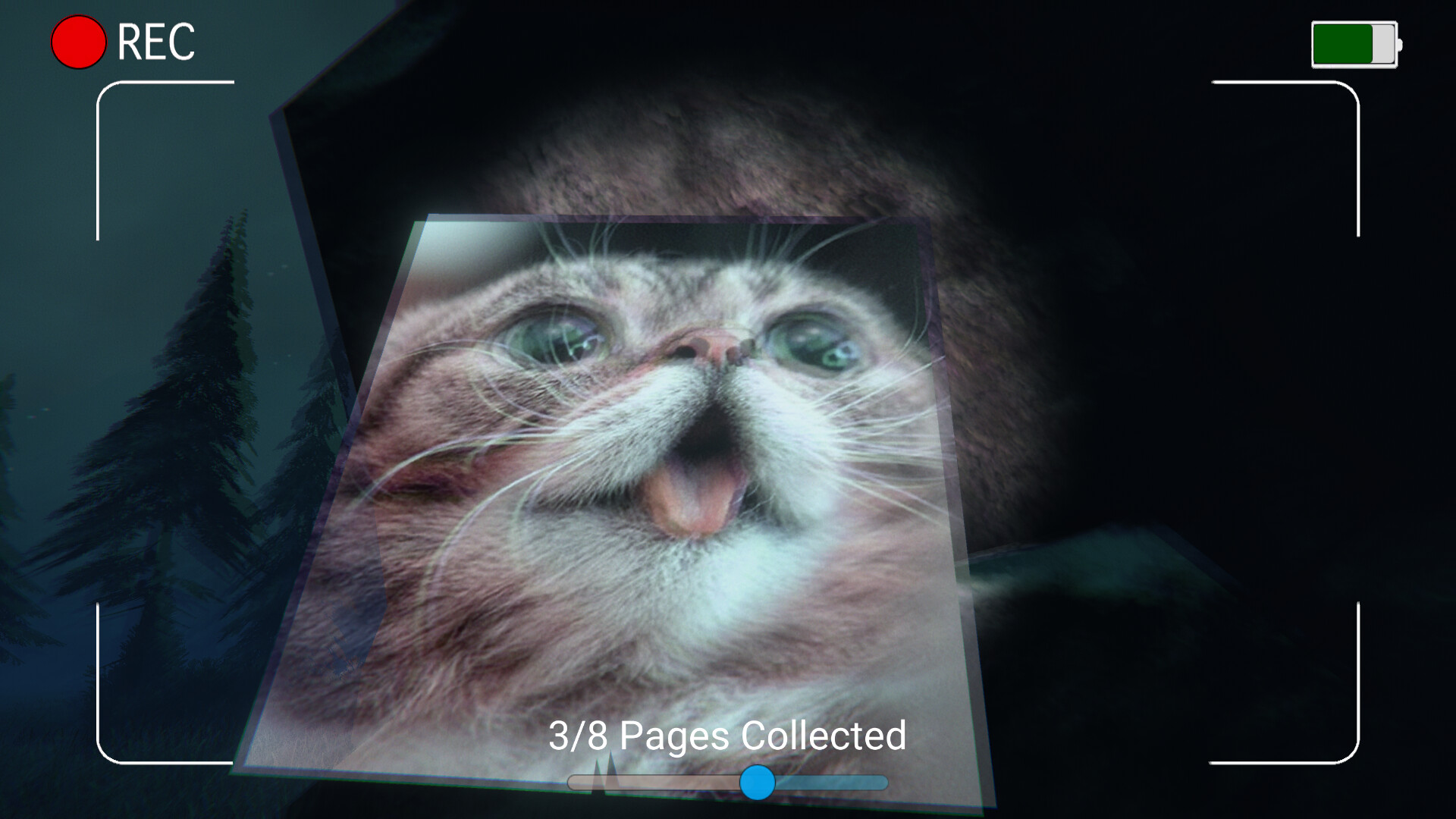
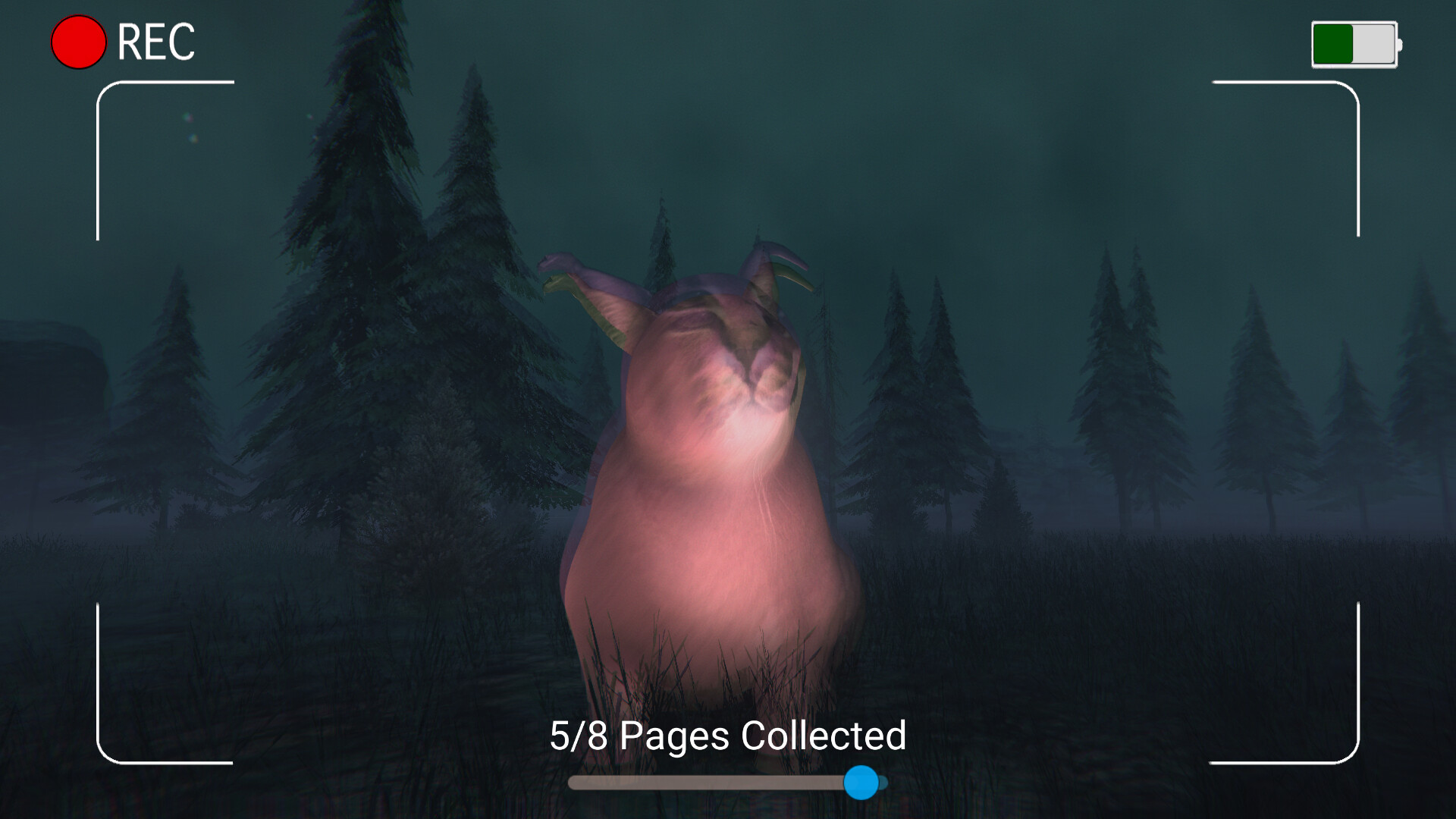
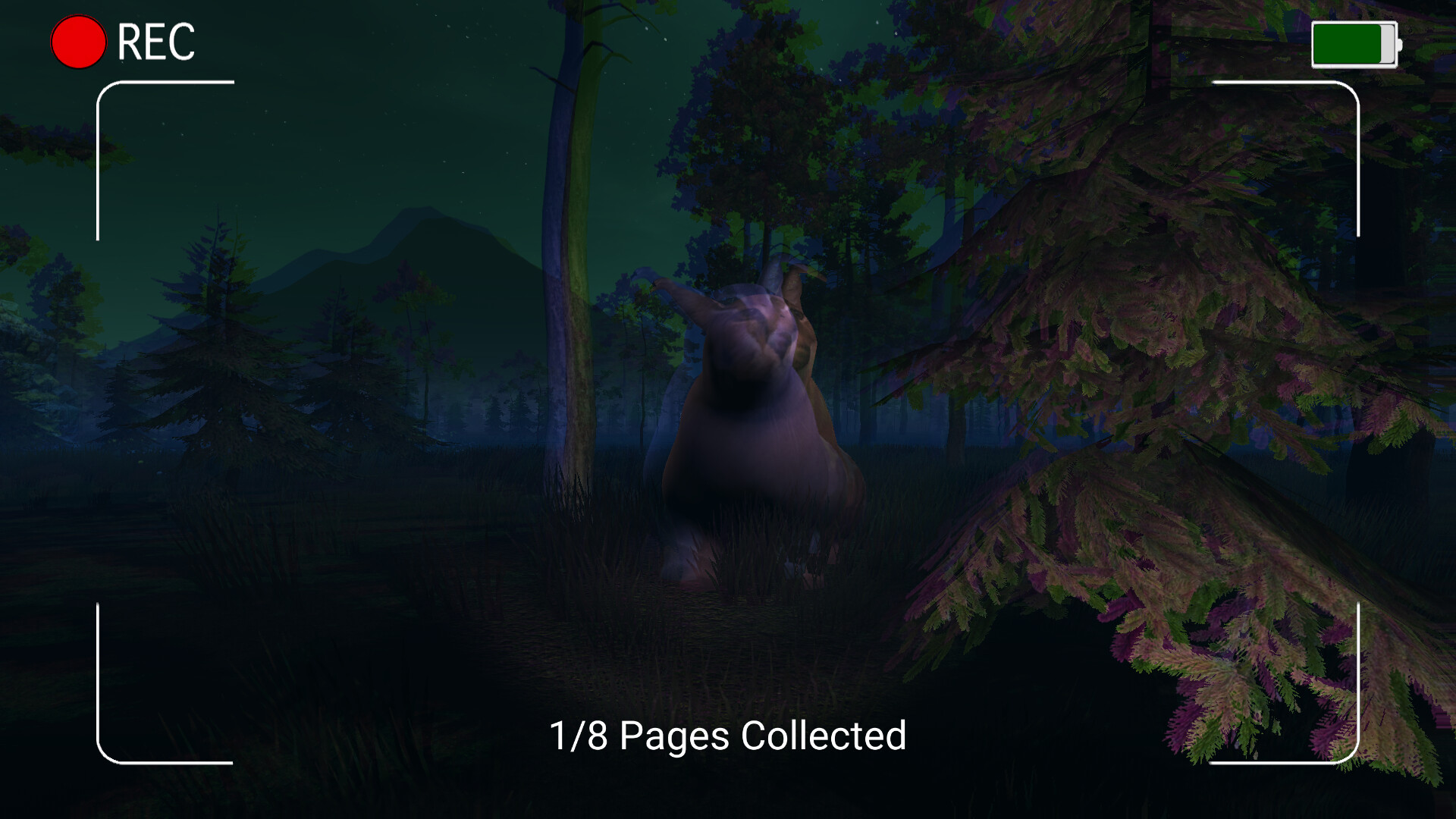
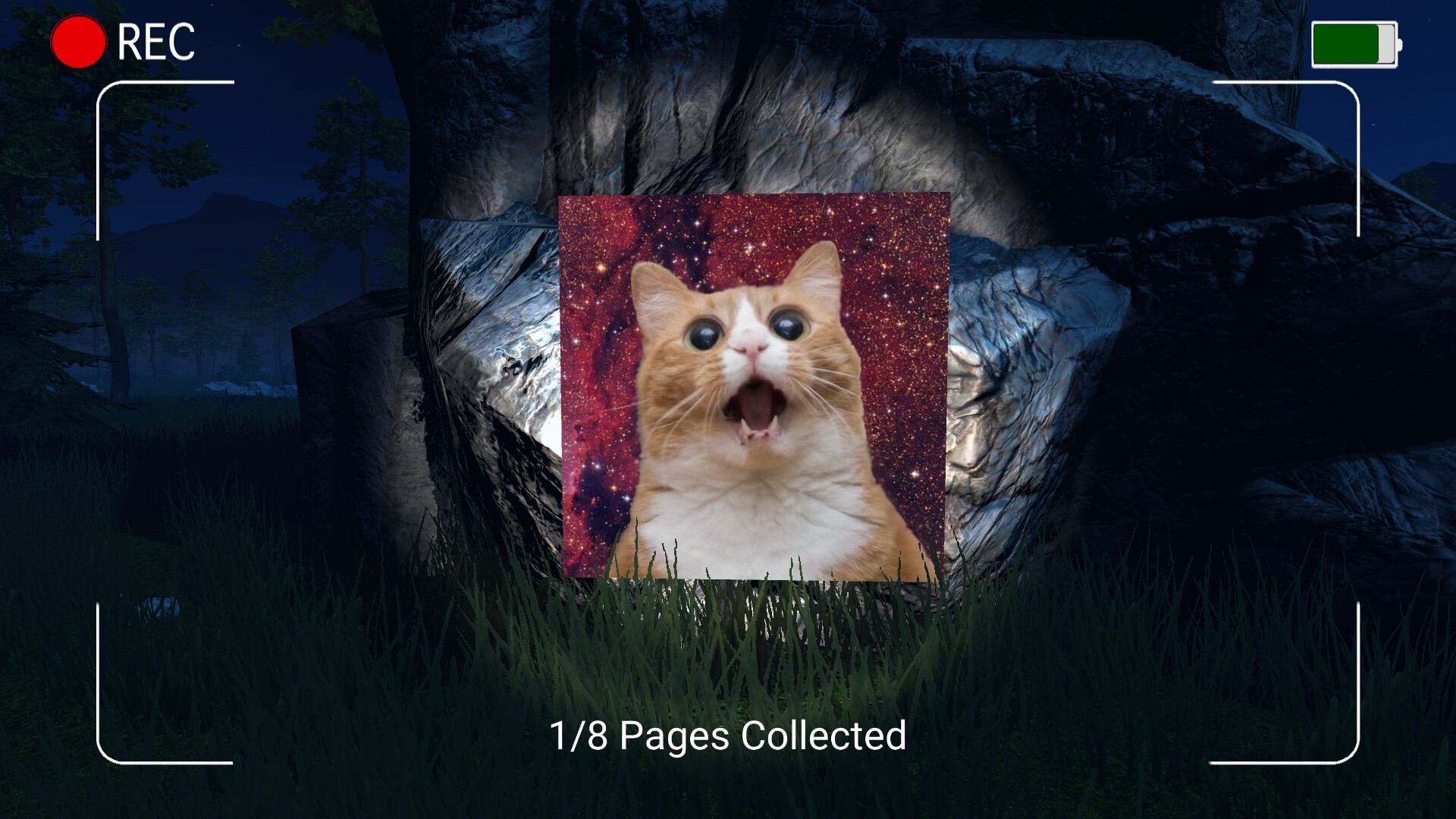
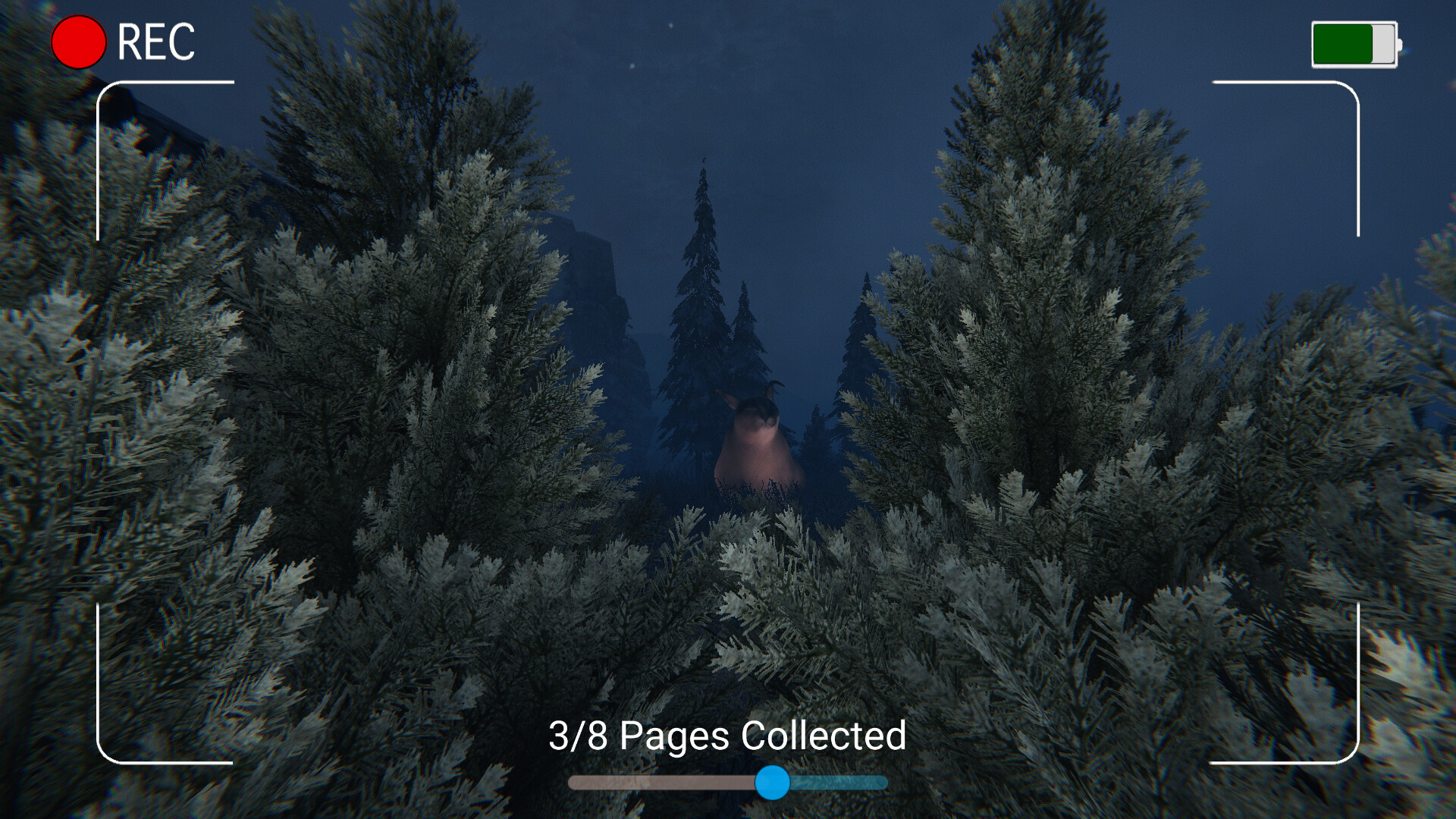
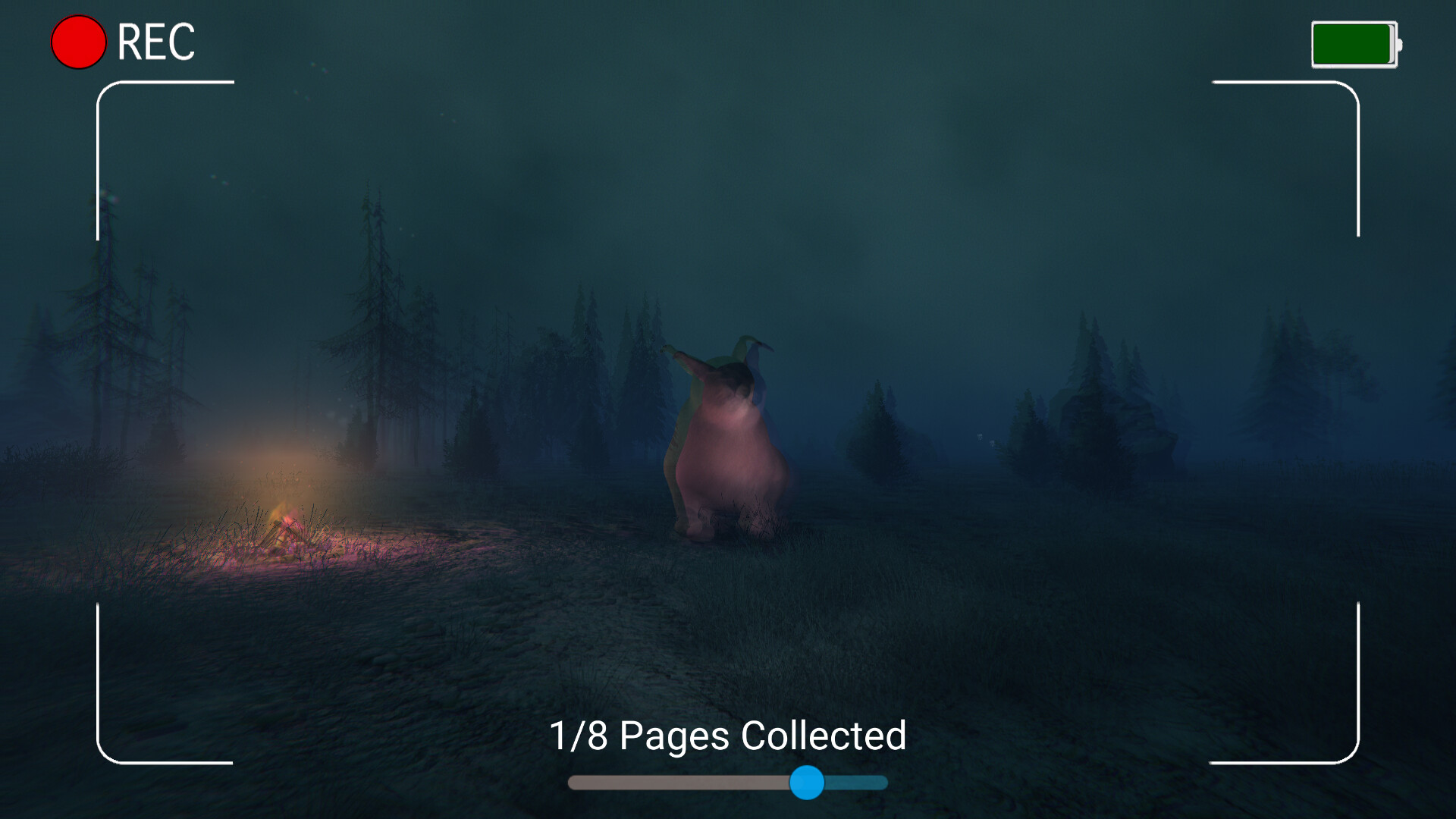
Find all the pictures before Floppa finds you.
DARK NIGHT WITH FLOPPA is a memes, funny and horror game
developed and published by BLOCK 211.
Released on January 06th 2023 is available only on Windows.
It has received 506 reviews of which 456 were positive and 50 were negative resulting in a rating of 8.4 out of 10. 😎
The game is currently priced at 0.55€ on Steam with a 50% discount.
The Steam community has classified DARK NIGHT WITH FLOPPA into these genres:
Media & Screenshots
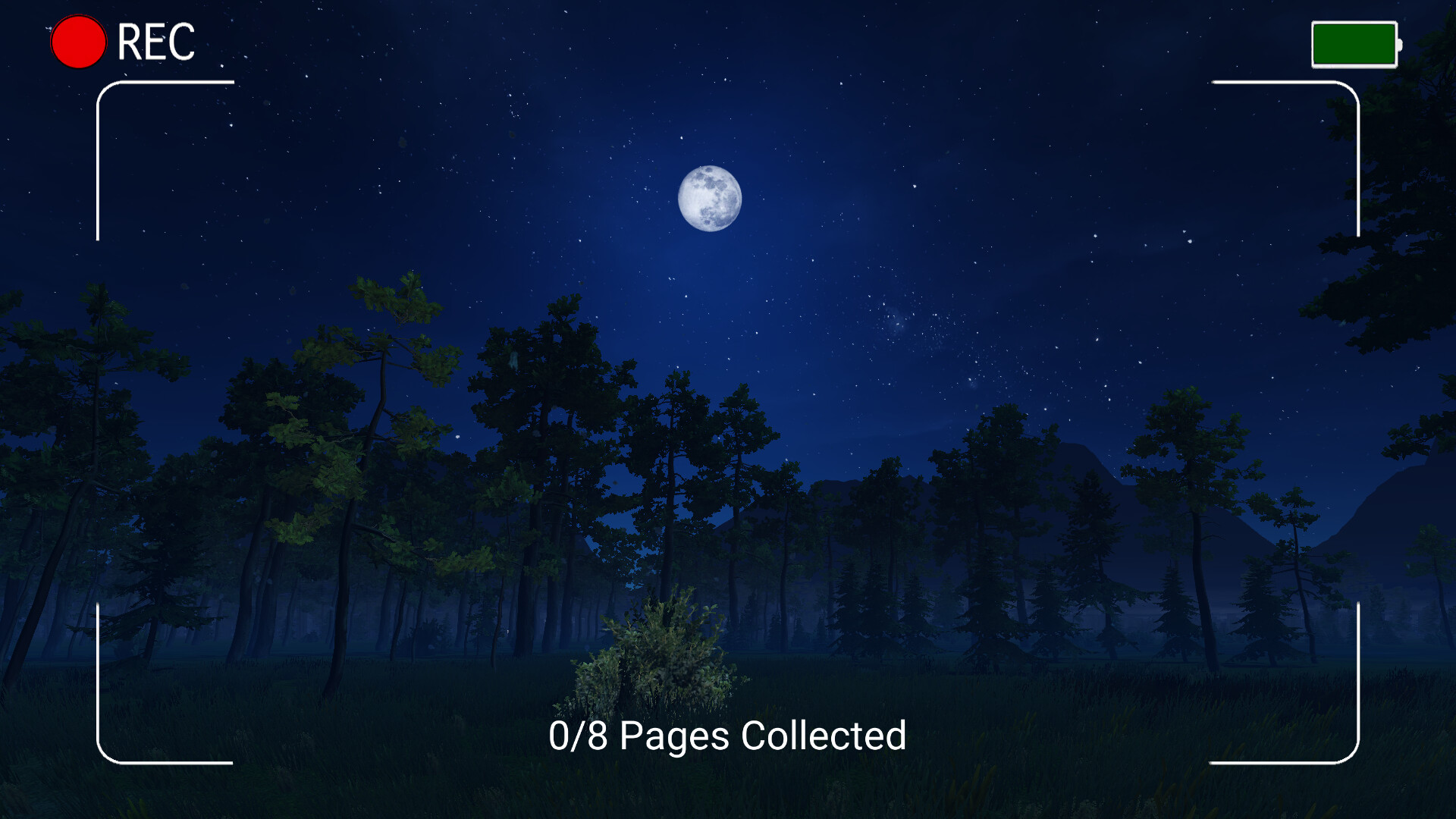
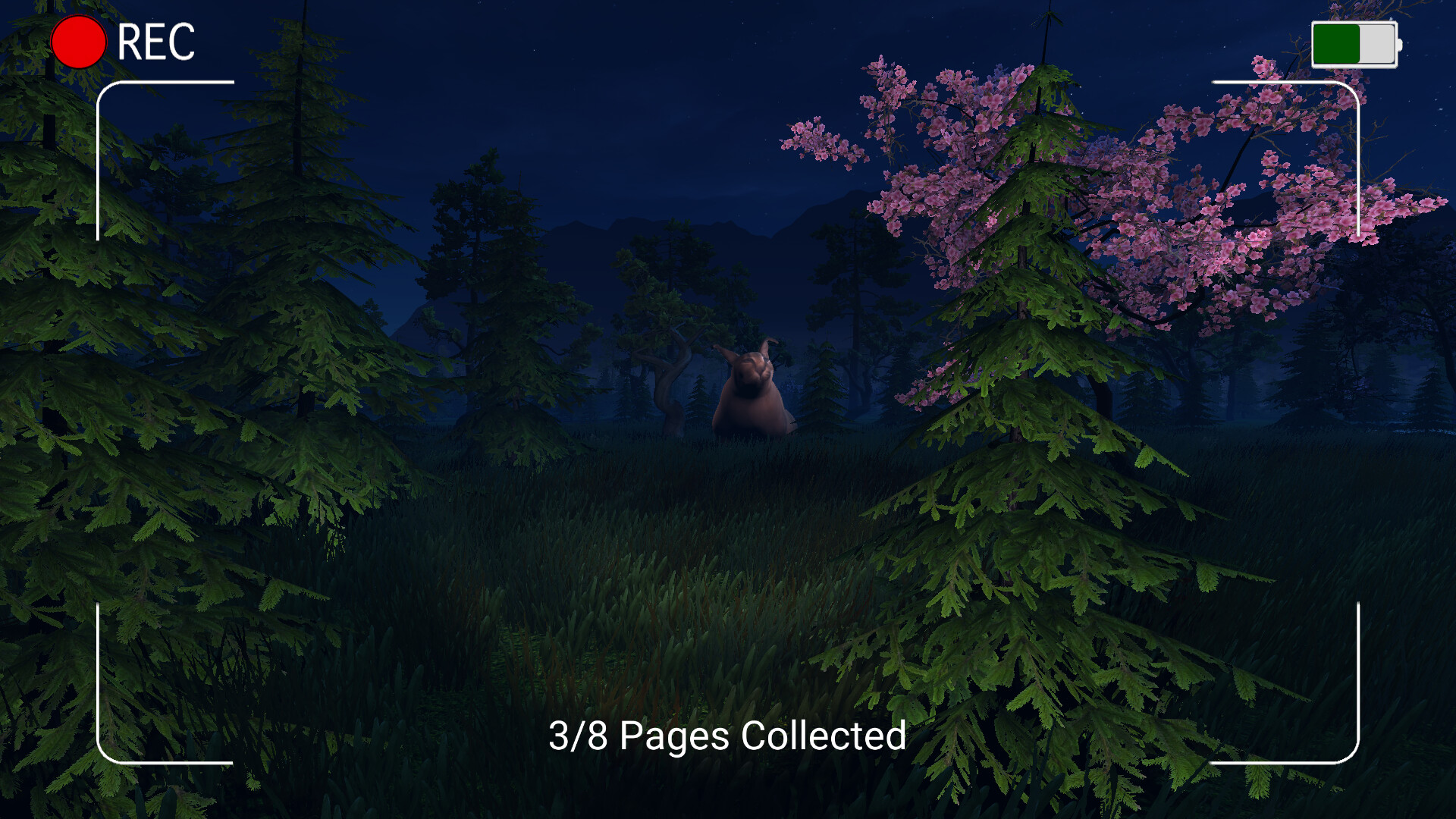
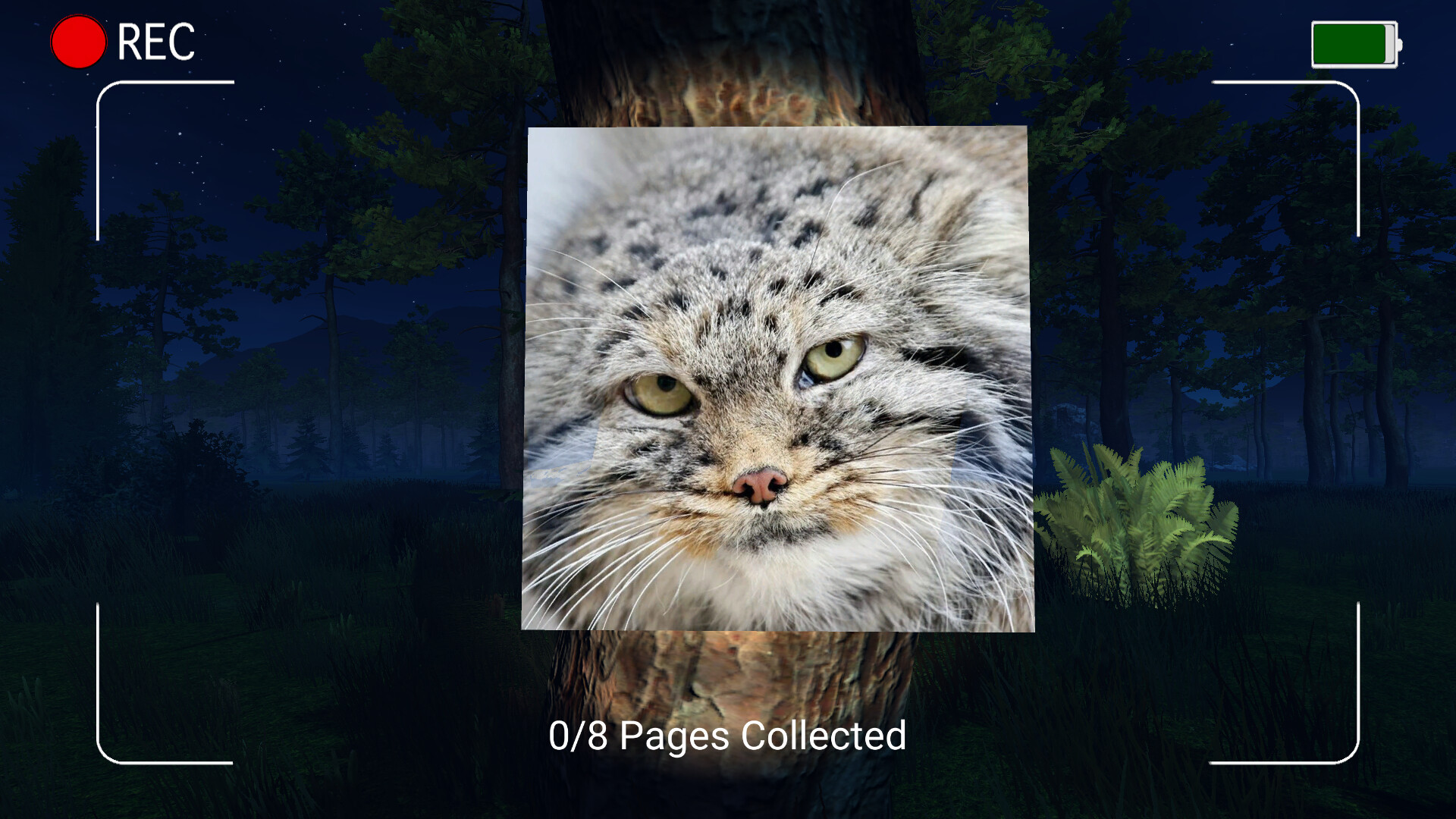
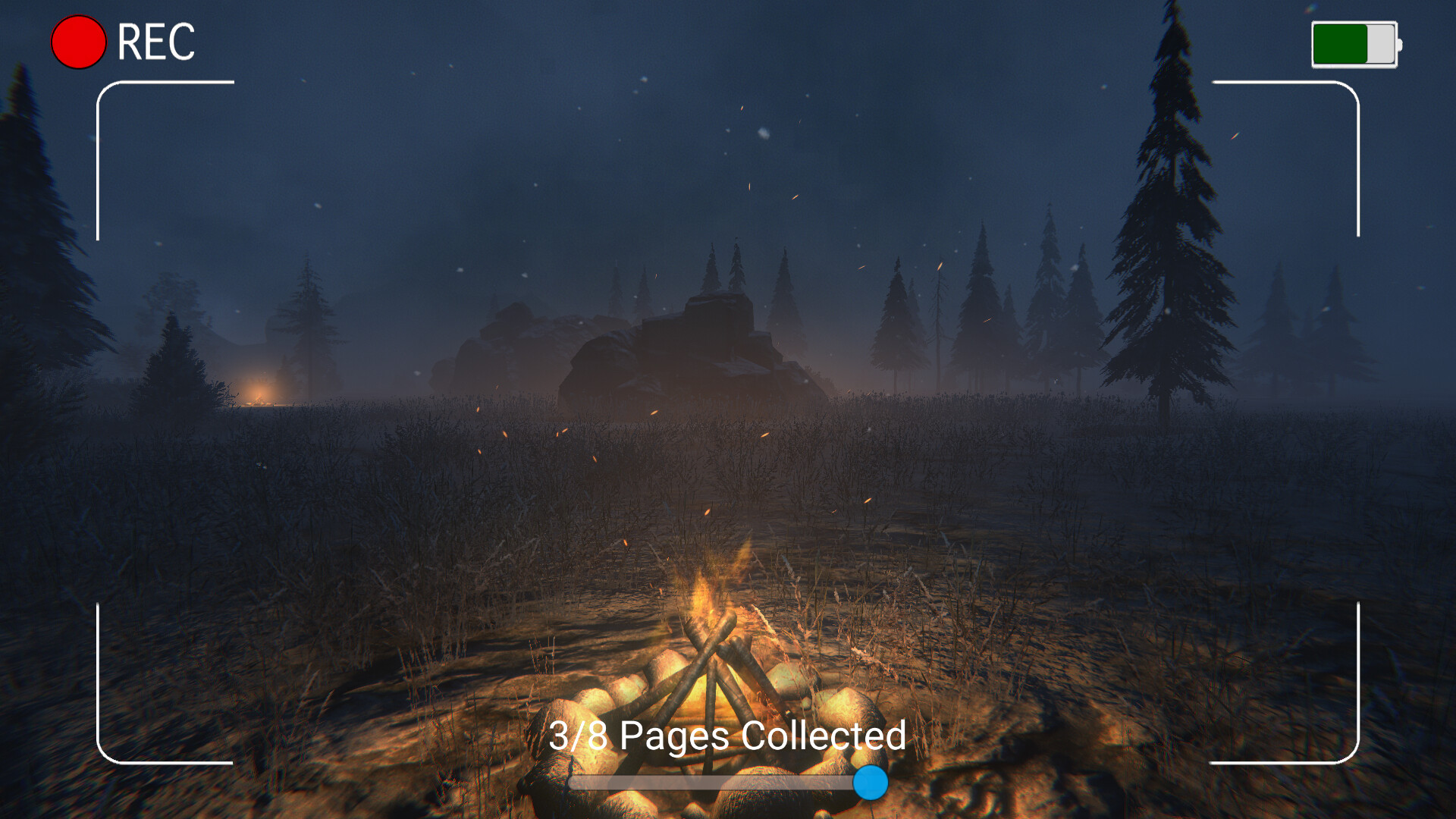
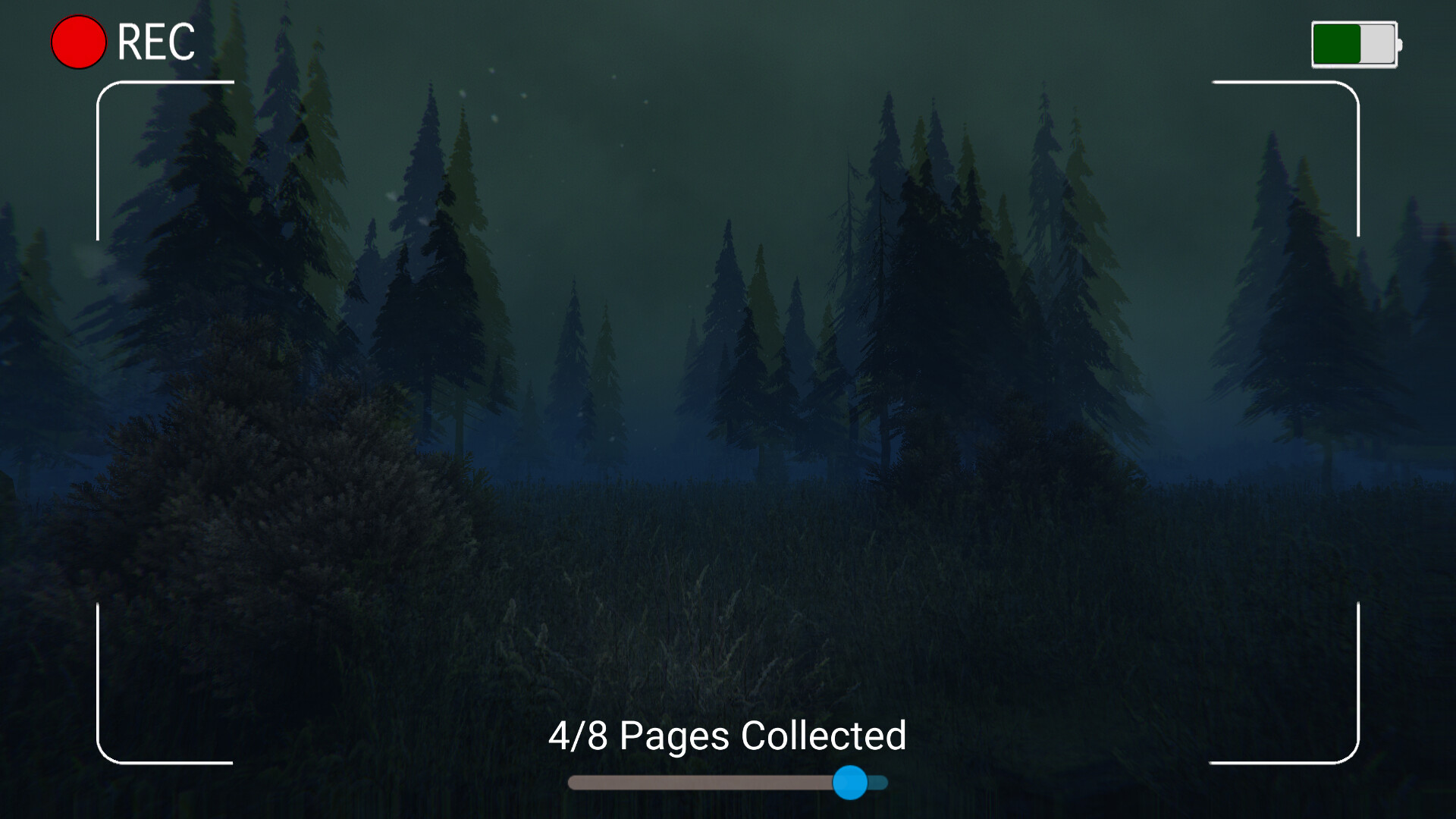
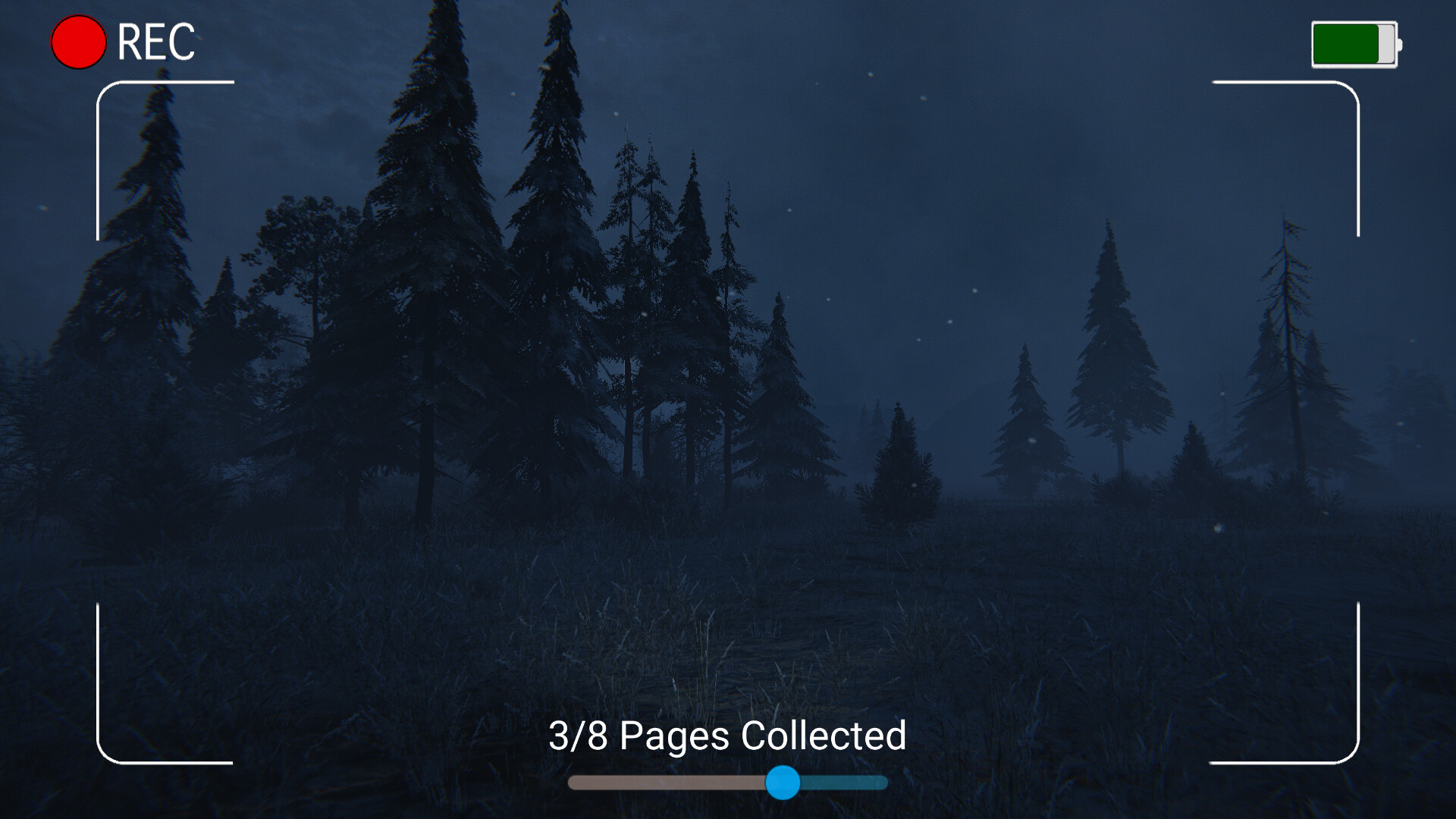
Get an in-depth look at DARK NIGHT WITH FLOPPA through various videos and screenshots.

Load More

System requirements
These are the minimum specifications needed to play the game. For the best experience, we recommend that you verify them.
Windows
- OS *: Windows 7 / 8 / 10 / 11
- Processor: Intel Core 2 Duo or AMD Athlon 64 X2 5600
- Memory: 2 GB RAM
- Graphics: GeForce 240 GT or Radeon HD 6570
- Storage: 1 GB available space
Steam Price & Best Deals
User reviews & Ratings
Explore reviews from Steam users sharing their experiences and what they love about the game.
Similar games
View all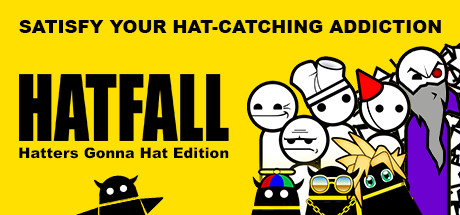

Five Nights At Floppa
A horror film in which Shlepa appears in his frightening form. The main character had no idea where he would end up when he first got a job. Now he is forced not to protect, but to survive in a terrible office.
Lawnmower Game
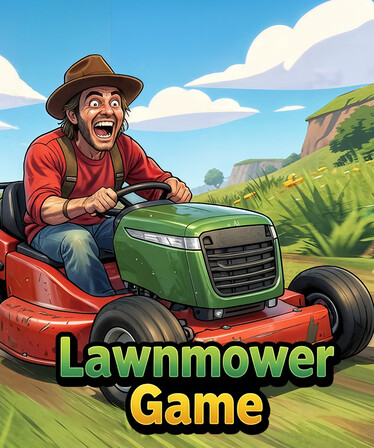
Lawnmower Game is that proudly trashy lawnmower simulator where you drive around, cut endless grass, farm easy achievements and enjoy pure absurd fun.
Fever Meme
This game is a cross between The Stanley Parable, Undertale, and rage games like I Wanna Be the Guy. And the deeper you get, the less the fourth wall is respected. This game is a parody of game design and laughs on the surface, but there is a deeper and darker story to this game's origin to unravel.

Chushpan Simulator 2
On their way from Ugryupinsk, Egor and Nastya find themselves caught in the middle of a conflict between two gangs — the Pavers and the Glaziers. Egor must find common ground with the Glaziers, deal with the Pavers, and rescue Nastya
Gachi Heroes
Gachi Heroes is a game about the dark fantasies. That's amazing an endlass journey in which you will know yourself with your favorite gachimuchi characters. How deep would you go?

Take me, Vitaly
Do you remember the Scary Movie? I do ;) So... In every woman's life, there comes a moment when she walks into the wrong door... The last thing I remember is a masquerade party at a nightclub and a tall, muscular man with a Belarusian accent who offered to buy me a cocktail...

The Pony Factory
Winston thought he could use heavy machinery and power from the depths of hell to transform sinful men into magic ponies. Winston was wrong.


Chushpan Simulator
A game in which you have to go from an insignificant person to the king of the world
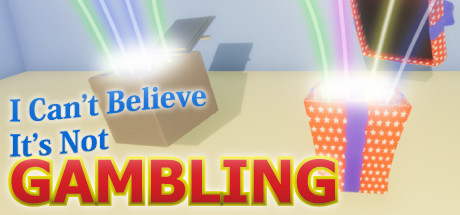
I Can't Believe It's Not Gambling
Do you love opening loot crates, but hate the tedious gameplay sessions in between? Our marketing department has the game for you! Unbox random items! Get stuff, but not what you really want! Skate legal and ethical lines! Remember kids, its only a video game, so grab your parents credit card!
Frequently Asked Questions
DARK NIGHT WITH FLOPPA is currently priced at 0.55€ on Steam.
Yes, DARK NIGHT WITH FLOPPA is currently available at a 50% discount. You can purchase it for 0.55€ on Steam.
Yes, DARK NIGHT WITH FLOPPA received 456 positive votes out of a total of 506 achieving a rating of 8.40.
😎
DARK NIGHT WITH FLOPPA was developed and published by BLOCK 211.
Yes, DARK NIGHT WITH FLOPPA is playable and fully supported on Windows.
No, DARK NIGHT WITH FLOPPA is not playable on MacOS.
No, DARK NIGHT WITH FLOPPA is not playable on Linux.
This information about DARK NIGHT WITH FLOPPA is not available yet.
This information about DARK NIGHT WITH FLOPPA is not available yet.
No, DARK NIGHT WITH FLOPPA does not support VR.
DARK NIGHT WITH FLOPPA is a single-player game.
No, DARK NIGHT WITH FLOPPA does not currently offer any DLC.
No, DARK NIGHT WITH FLOPPA does not support mods via Steam Workshop.
No, DARK NIGHT WITH FLOPPA does not support Steam Remote Play.
Yes, DARK NIGHT WITH FLOPPA is enabled for Steam Family Sharing. This means you can share the game with authorized users from your Steam Library, allowing them to play it on their own accounts. For more details on how the feature works, you can read the original Steam Family Sharing announcement or visit the Steam Family Sharing user guide and FAQ page.
You can find solutions or submit a support ticket by visiting the Steam Support page for DARK NIGHT WITH FLOPPA.
Data sources
The information presented on this page is sourced from reliable APIs to ensure accuracy and relevance. We utilize the Steam API to gather data on game details, including titles, descriptions, prices, and user reviews. This allows us to provide you with the most up-to-date information directly from the Steam platform.
Additionally, we incorporate data from the SteamSpy API, which offers insights into game sales and player statistics. This helps us present a comprehensive view of each game's popularity and performance within the gaming community.
Last Updates| Steam data | 15 September 2026 20:19 UTC |
|---|---|
| SteamSpy data | 19 October 2026 14:58 UTC |
| Steam price | 26 October 2026 19:49 UTC |
| Steam reviews | 19 October 2026 21:59 UTC |
If you'd like to dive deeper into the details about DARK NIGHT WITH FLOPPA, we invite you to check out a few dedicated websites that offer extensive information and insights. These platforms provide valuable data, analysis, and user-generated reports to enhance your understanding of the game and its performance.
- SteamDB - A comprehensive database of everything on Steam about DARK NIGHT WITH FLOPPA
- SteamCharts - Analysis of DARK NIGHT WITH FLOPPA concurrent players on Steam
- ProtonDB - Crowdsourced reports on Linux and Steam Deck DARK NIGHT WITH FLOPPA compatibility

Game modes
Features
Online players
0
Developer
BLOCK 211
Publisher
BLOCK 211
Release
06 Jan 2023
Platforms