


Cyberhunt
Cyberhunt is a retro procedurally generated twin stick shooter, that takes you back to the sweet to the sweet arcade machines era!
Sync your Steam wishlist to find the lowest game prices instantly. No login required, just paste your Steam profile URL!
⚡ Try Wishlist Radar!
Sync your Steam wishlist to find the lowest game prices instantly. No login required!
⚡ Try Wishlist Radar!
Close

Distant Space on Steam
Quick menu
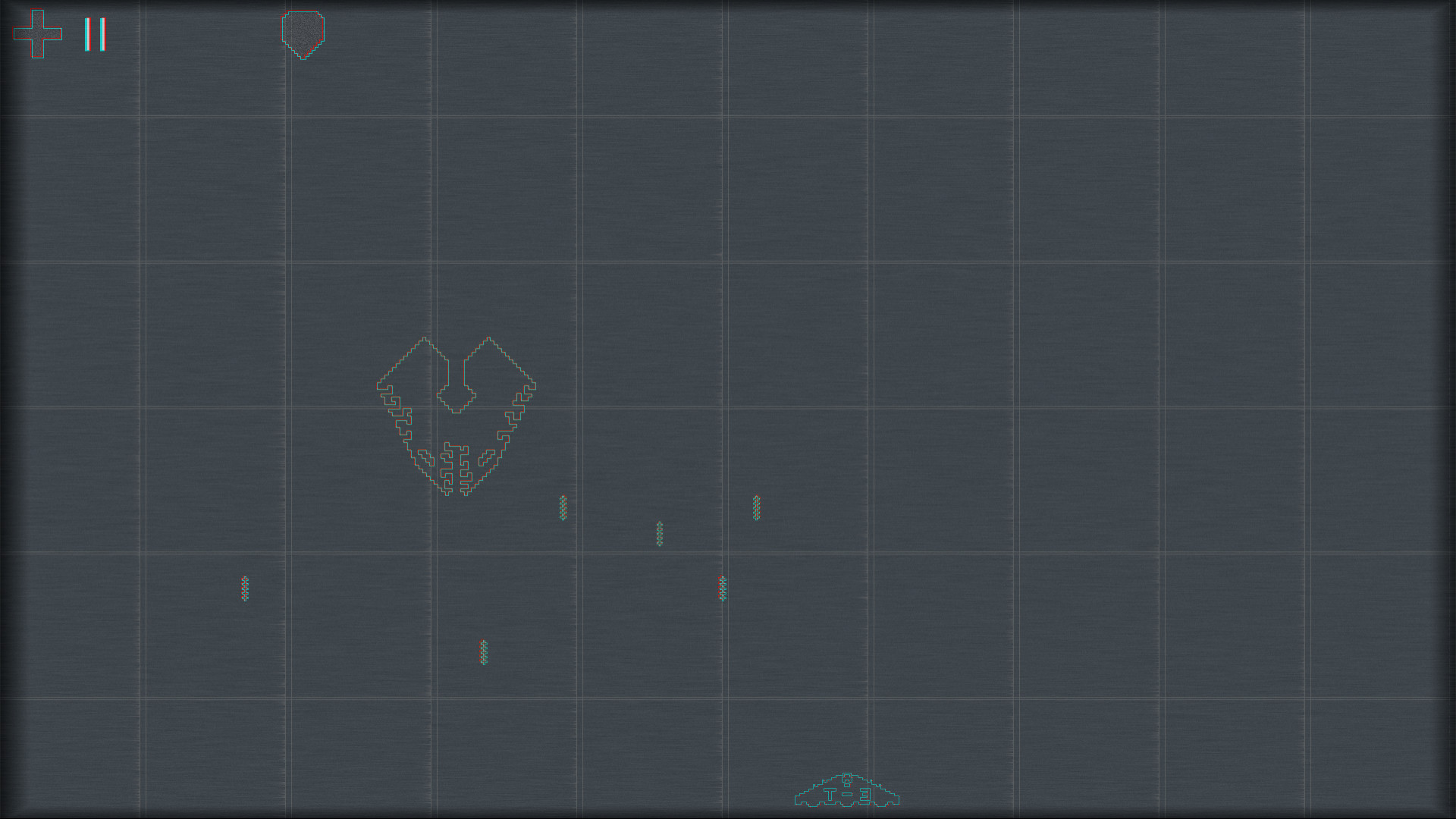
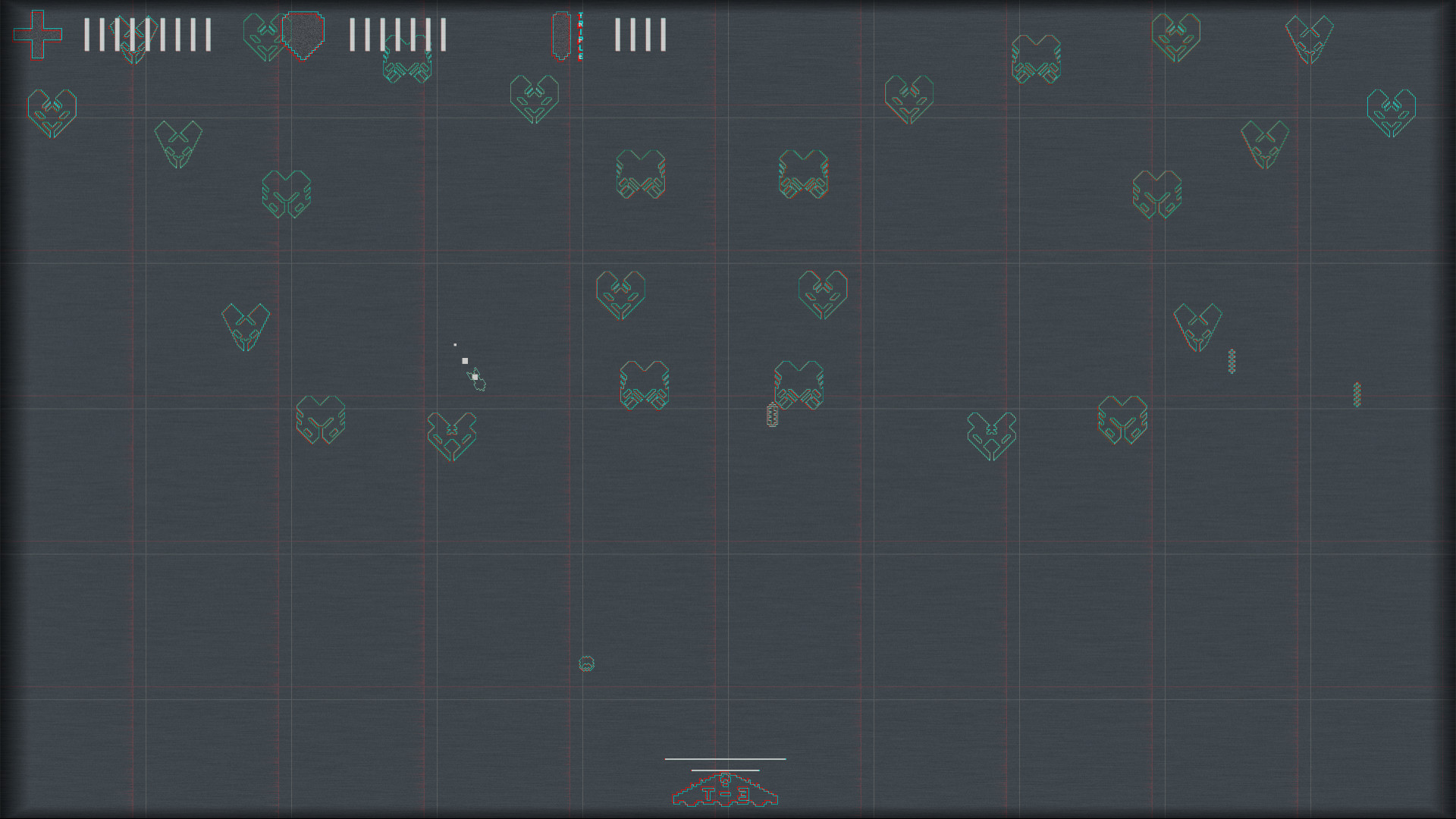
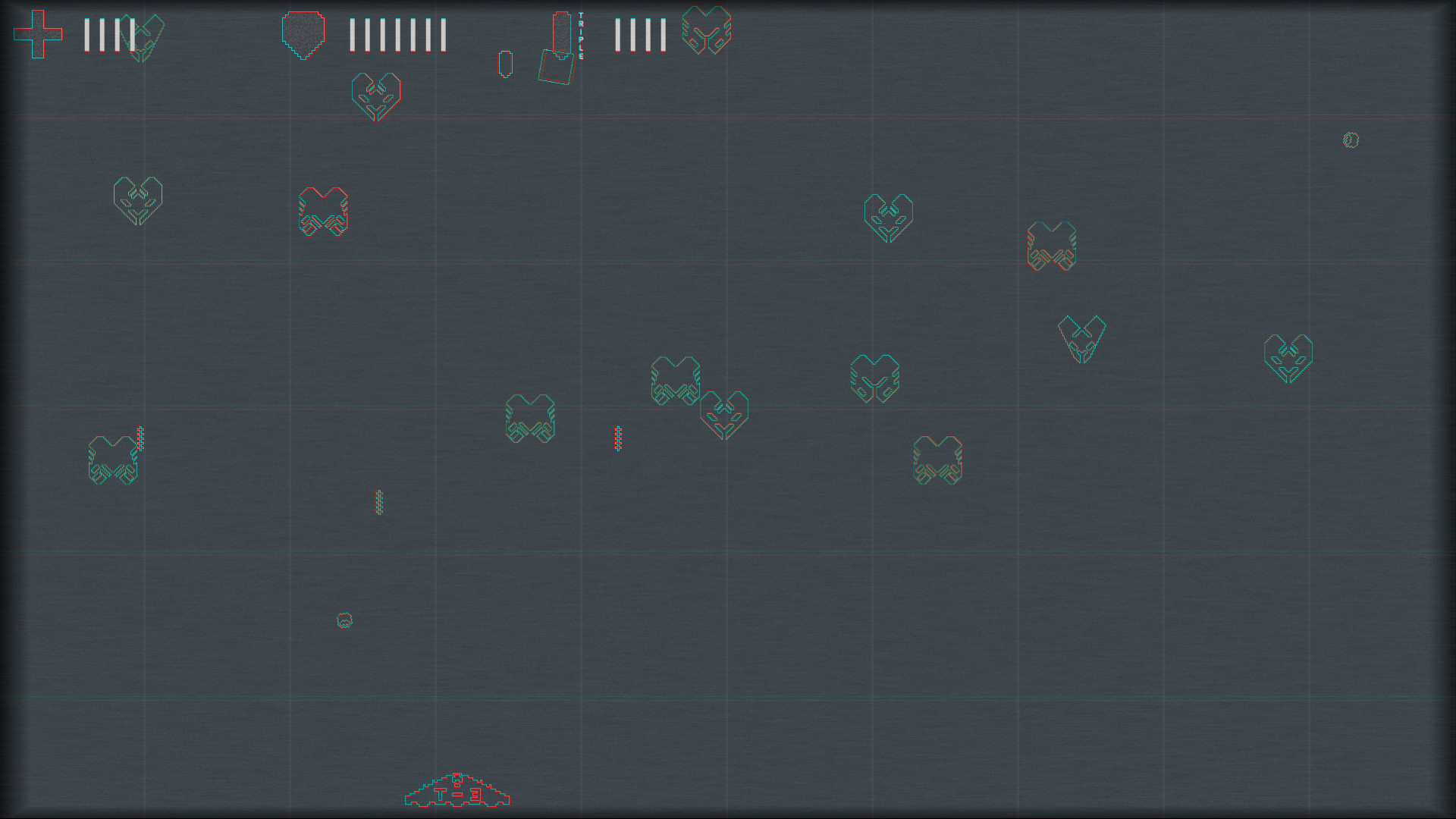
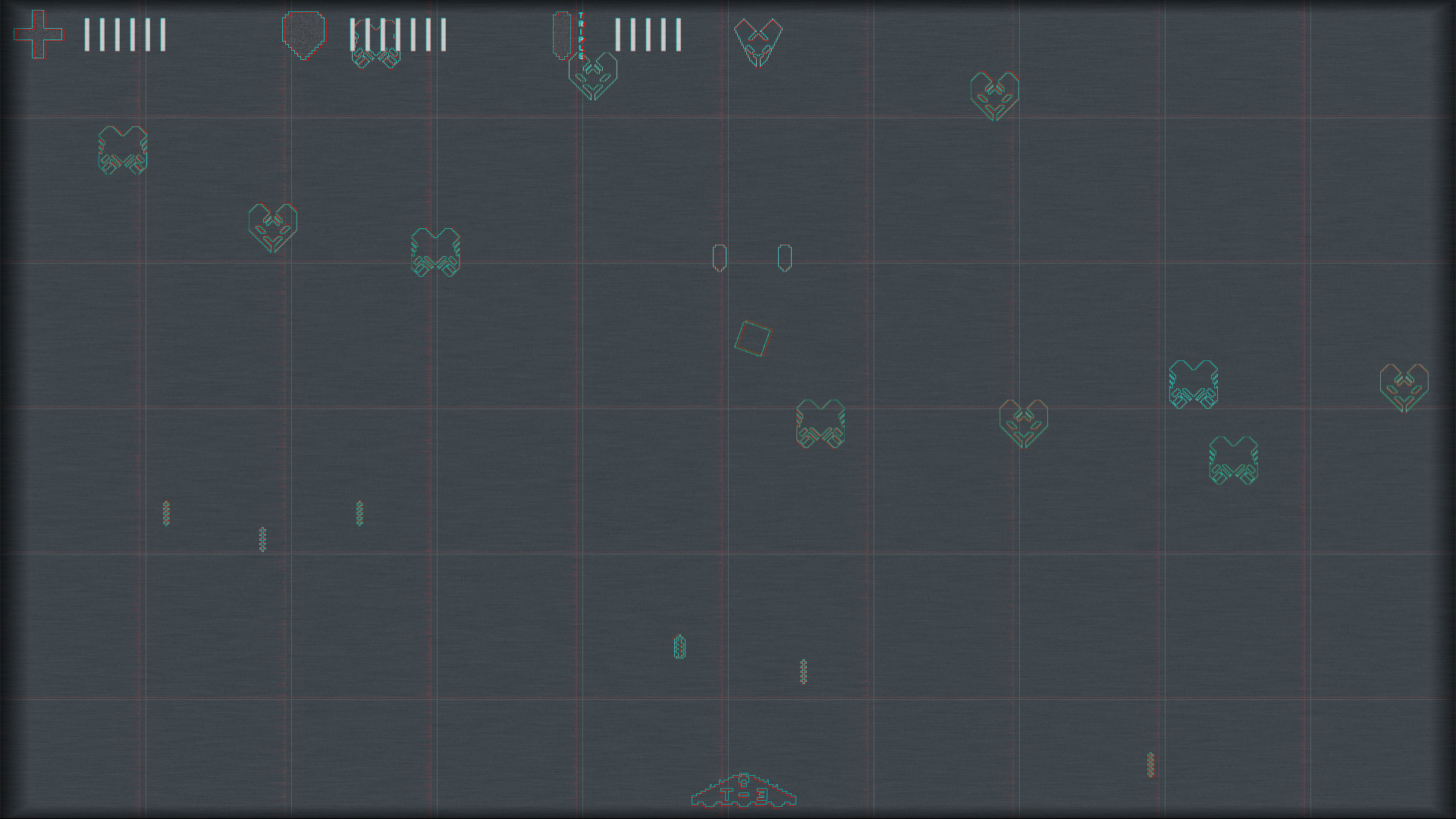
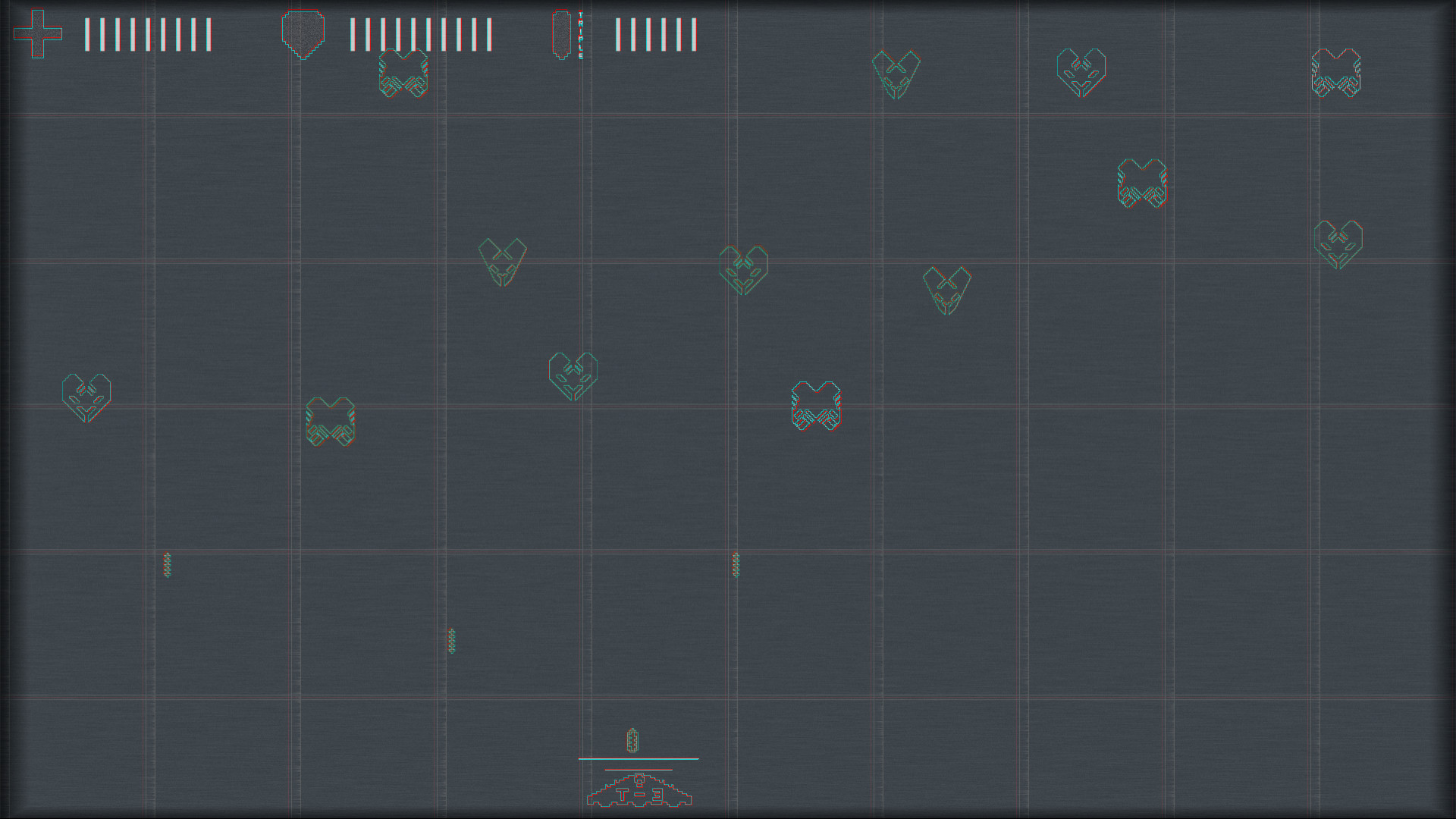
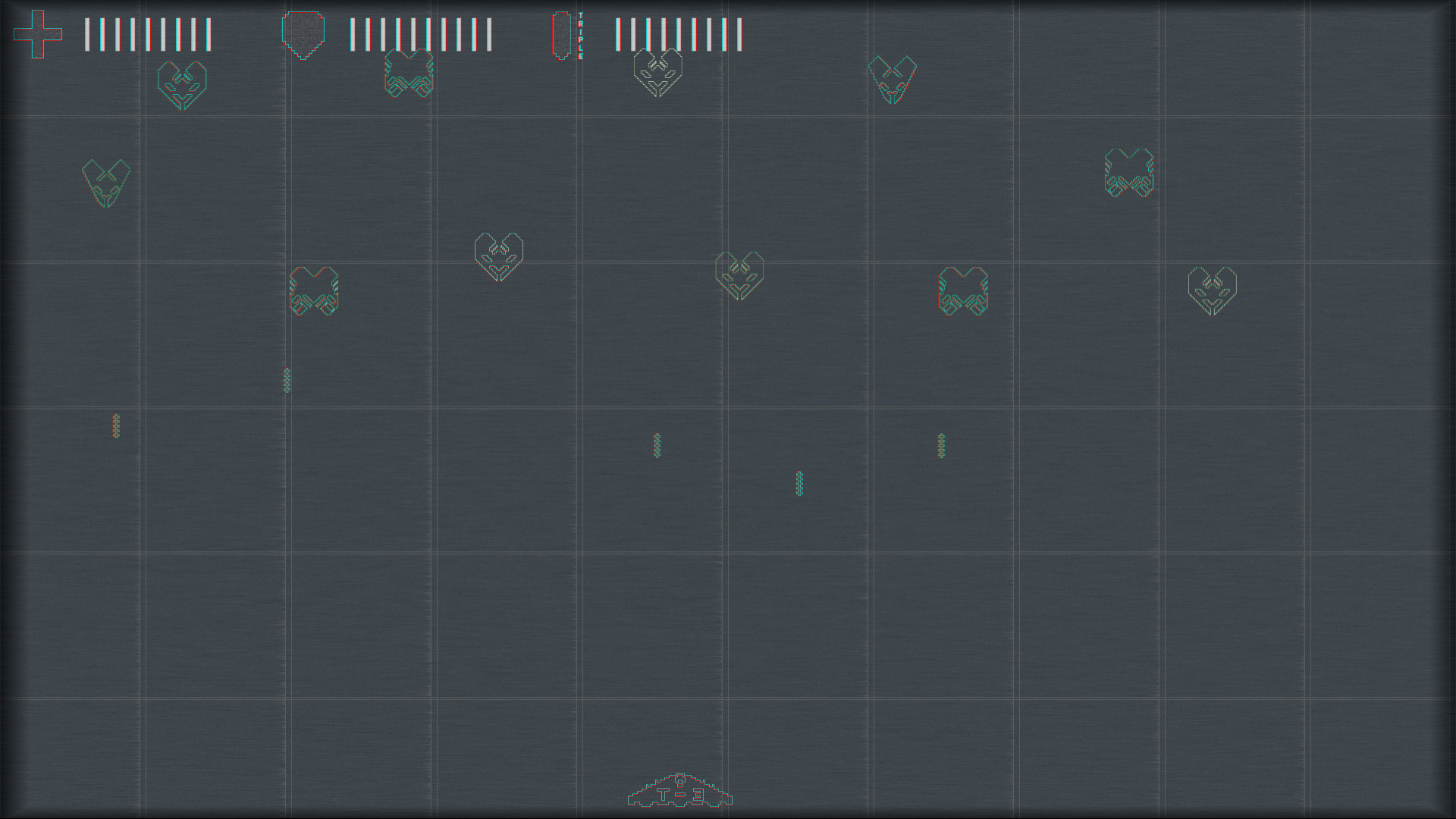
Distant Space are present the arcade game of cosmic fights in arcade style of the 80's, this is a game where you can control the spaceship and forced to destroy extraterrestrials, which are moving in the certain order.
Distant Space is a shoot 'em up, indie and arcade game
developed and published by PixelMouse.
Released on December 20th 2016 is available only on Windows.
It has received 399 reviews of which 317 were positive and 82 were negative resulting in a rating of 7.5 out of 10. 😊
The game is currently priced at 0.99€ on Steam, but you can find it for 0.66€ on G2A.
The Steam community has classified Distant Space into these genres:
Media & Screenshots
Get an in-depth look at Distant Space through various videos and screenshots.
System requirements
These are the minimum specifications needed to play the game. For the best experience, we recommend that you verify them.
Windows
- OS *: Windows 7
- Processor: 1 GHz Processor
- Memory: 2 GB RAM
Steam Price & Best Deals
User reviews & Ratings
Explore reviews from Steam users sharing their experiences and what they love about the game.
Similar games
View all

Spooky Station
Welcome to Spooky Station! Prepare to be amazed and bewildered by our enigmas and puzzles, afraid of our deadly enemies and extremely challenging bosses. Tons of exciting stories and distinct fictional worlds await for you in this mysterious pack!

Polygoneer
Test your reflexes in POLYGONEER, defend yourself from prolygonal shapes taht comes from everywhere, just hitting is not enough you need to match the right color shot to the polygon too! Are you ready for the challenge?
Arcade Mayhem Juanito
Arcade Mayhem Juanito is a retro experience about arcade-hopping. Teleport into different video games, play with unique mechanics inspired by well-known arcade games, face stunningly animated bosses and join the fight against the clonocell invasion.
Gun Rocket
Prepare for a challenge. Gun Rocket is a 2D physics arcade game that is not for the feint of heart or the stiff of fingers. In search of adventure, you have been caught by holes in space and time. Can you escape?
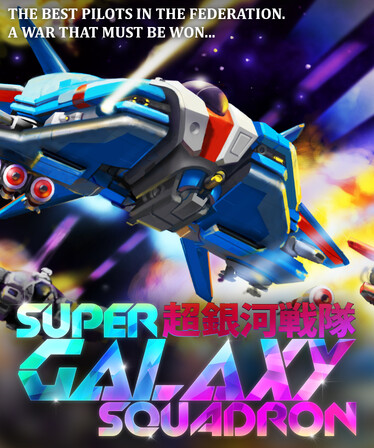
Super Galaxy Squadron EX Turbo
Super Galaxy Squadron is a fast-paced vertical shooter designed for human beings as well as SHMUP veterans. Featuring multiple game modes, a challenging but merciful difficulty curve, forgiving health system, and SEVENTEEN playable ships.

ZeroRanger
This is the story of a fighter who wanted to become...


Really Big Sky
A super fast, twin analogue shooter for the modern age!

Enemy Mind
A retro shooter with a new power: the power to become any ship.Lost in the depths of space, you are a being of pure psychic energy with the uncanny power to take over and control anything you see in order to survive.Built for PC, Enemy Mind lets you battle your way through 70+ waves of challenging enemies.

Star Saviors
Saviors brings the best bullet hell experience you can find on Steam. Play through 18 challenging stages in this ultimate test of tactics and reflexes.

Aqua Kitty - Milk Mine Defender
Aqua Kitty is a fast paced retro styled submarine arcade shooter with optional 2 player local Co-op.Blast through hordes of mechanical sea monsters in your kitty sub and defend the deep sea milk mining kittens!THE MILK MUST FLOW!
Frequently Asked Questions
Distant Space is currently priced at 0.99€ on Steam.
No, Distant Space is currently not on sale. You can purchase it for 0.99€ on Steam.
Yes, Distant Space received 317 positive votes out of a total of 399 achieving a rating of 7.46.
😊
Distant Space was developed and published by PixelMouse.
Yes, Distant Space is playable and fully supported on Windows.
No, Distant Space is not playable on MacOS.
No, Distant Space is not playable on Linux.
This information about Distant Space is not available yet.
This information about Distant Space is not available yet.
No, Distant Space does not support VR.
Distant Space is a single-player game.
No, Distant Space does not currently offer any DLC.
No, Distant Space does not support mods via Steam Workshop.
No, Distant Space does not support Steam Remote Play.
Yes, Distant Space is enabled for Steam Family Sharing. This means you can share the game with authorized users from your Steam Library, allowing them to play it on their own accounts. For more details on how the feature works, you can read the original Steam Family Sharing announcement or visit the Steam Family Sharing user guide and FAQ page.
You can find solutions or submit a support ticket by visiting the Steam Support page for Distant Space.
Data sources
The information presented on this page is sourced from reliable APIs to ensure accuracy and relevance. We utilize the Steam API to gather data on game details, including titles, descriptions, prices, and user reviews. This allows us to provide you with the most up-to-date information directly from the Steam platform.
Additionally, we incorporate data from the SteamSpy API, which offers insights into game sales and player statistics. This helps us present a comprehensive view of each game's popularity and performance within the gaming community.
Last Updates| Steam data | 20 September 2026 12:23 UTC |
|---|---|
| SteamSpy data | 23 October 2026 12:09 UTC |
| Steam price | 26 October 2026 19:59 UTC |
| Steam reviews | 20 October 2026 15:53 UTC |
If you'd like to dive deeper into the details about Distant Space, we invite you to check out a few dedicated websites that offer extensive information and insights. These platforms provide valuable data, analysis, and user-generated reports to enhance your understanding of the game and its performance.
- SteamDB - A comprehensive database of everything on Steam about Distant Space
- SteamCharts - Analysis of Distant Space concurrent players on Steam
- ProtonDB - Crowdsourced reports on Linux and Steam Deck Distant Space compatibility

Game modes
Features
Online players
12
Developer
PixelMouse
Publisher
PixelMouse
Release
20 Dec 2016
Platforms
Clicking and buying through these links helps us earn a commission to maintain our services.