

Faery - Legends of Avalon
Faery: Legends of Avalon is a big role playing game packed with a very distinctive ambience and graphic style. Create your character, embark in a great adventure and discover the fantastic world of Avalon!
Sync your Steam wishlist to find the lowest game prices instantly. No login required, just paste your Steam profile URL!
⚡ Try Wishlist Radar!
Sync your Steam wishlist to find the lowest game prices instantly. No login required!
⚡ Try Wishlist Radar!
Close

Divinity: Original Sin - Enhanced Edition on Steam
Quick menu
Gather your party and get ready for the kick-ass new version of GameSpot's PC Game of the Year 2014. With hours of new content, new game modes, full voiceovers, split-screen multiplayer, and thousands of improvements, there's never been a better time to explore the epic world of Rivellon!
Divinity: Original Sin - Enhanced Edition is a rpg, turn-based and co-op game
developed and published by Larian Studios.
Released on October 27th 2015 is available on Windows, MacOS and Linux.
It has received 29,066 reviews of which 26,069 were positive and 2,997 were negative resulting in a rating of 8.8 out of 10. 😎
The game is currently priced at 39.99€ on Steam, but you can find it for 21.09€ on G2A.
The Steam community has classified Divinity: Original Sin - Enhanced Edition into these genres:
Media & Screenshots
Get an in-depth look at Divinity: Original Sin - Enhanced Edition through various videos and screenshots.
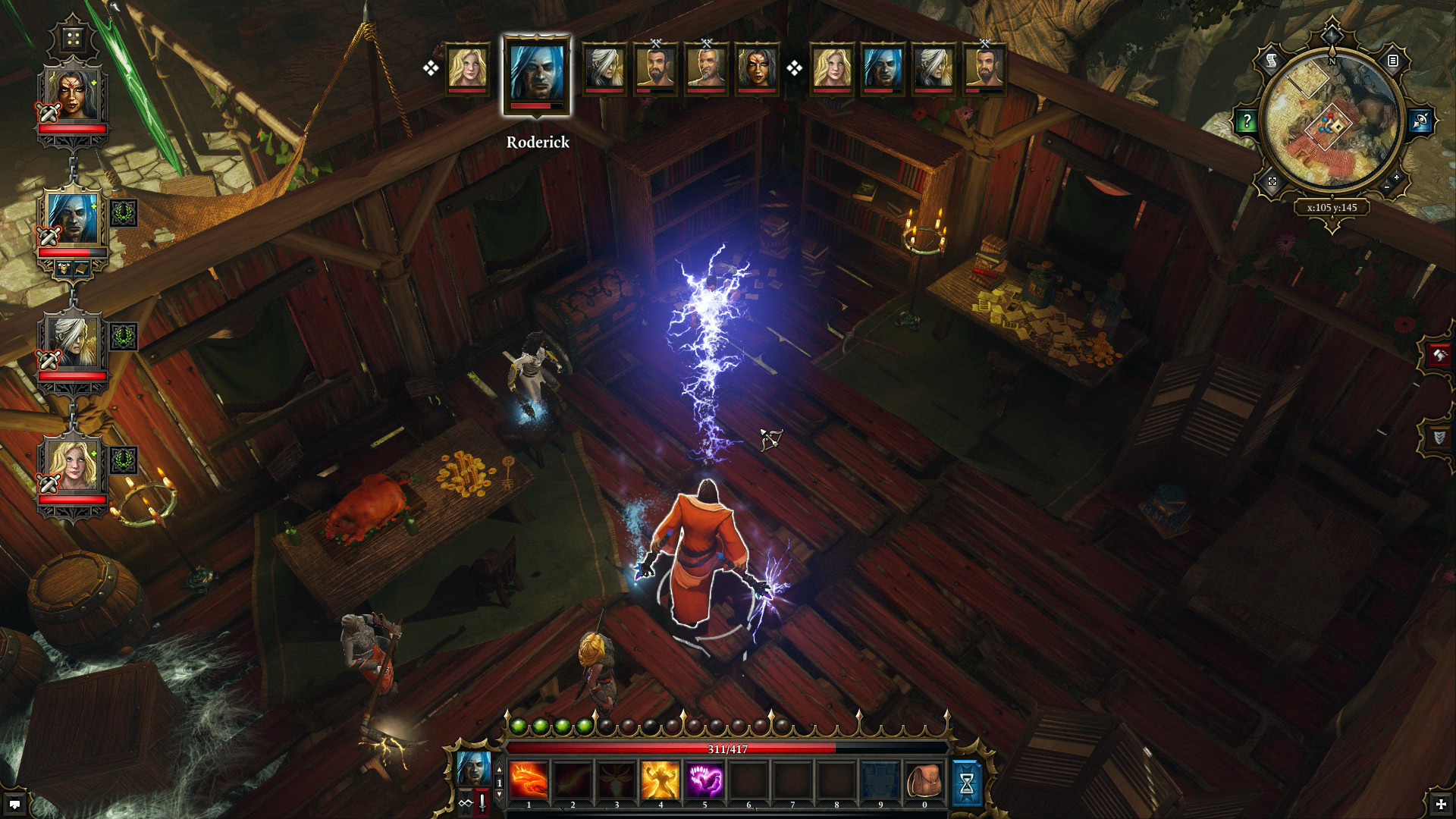


Load More


System requirements
These are the minimum specifications needed to play the game. For the best experience, we recommend that you verify them.
Windows
- OS *: Windows 7 SP1 64-bit or Windows 8.1 64-bit or Windows 10 64-bit
- Processor: Intel Core2 Duo E6600 or equivalent
- Memory: 2048 MB RAM
- Graphics: DirectX 11 Compatible GPU
- DirectX: Version 11
- Storage: 10000 MB available space
MacOS
- OS: OS X 10.9.5
- Processor: Intel Core2 Duo E6600 or equivalent
- Memory: 2048 MB RAM
- Graphics: Intel HD4000
- Storage: 10000 MB available space
- Additional Notes: HFS+ case sensitive partitions not supported
Linux
- OS: Fedora 21, Ubuntu 14.04
- Processor: Intel Core2 Duo E6600 or equivalent
- Memory: 4096 MB RAM
- Graphics: OpenGL 4.x compliant video card
- Storage: 10000 MB available space
Steam Price & Best Deals
User reviews & Ratings
Explore reviews from Steam users sharing their experiences and what they love about the game.
Quick Sum-Up In-depth analysis further down. No AI was used to write this review. Keep writing works AI free. 🟩 Pros 🟩 • An enormous world filled with endless secrets, Easter eggs, hidden quests and unique encounters that will surprise you from start to end. • Superb combat system that gives player complete freedom of approach, and has great mechanical depth. On Tactician difficulty, be prepared for a solid challenge. • Excellent roleplaying system that organically accounts for your characters’ actions, items and knowledge to unlock new options, with multiple context-based dialogue choices. • Vast character building possibilities: all builds, pure and hybrid ones alike, have their own identity and usefulness both in combat and outside. • Absolute player agency in how to approach quests, exploration and encounters. The game doesn’t only allow, but encourages, finding unusual solutions to achieve your goals. 🟥 Cons 🟥 • The way character personality traits are assigned based on dialogue choices (e.g. Materialistic vs. Spiritual, etc.) doesn’t make much sense logically in multiple cases. • Respec will force you to re-acquire all the skill books from traders, some of which only have a chance to spawn in their loot table per refresh. 🟨 Bugs / Issues 🟨 • Loading a save made during a dialogue can often lead to a crash. • Inaccurate enemy highlight models in combat can lead to frequent misclicks. Content & Replay Value: It took me, alongside my partner in co-op, about 105 hours to complete DOS1:EE on Tactician difficulty, taking considerable extra time to fully explore the world and complete all possible side quests and encounters. Thanks to its extensive dialogue options, complete player freedom and build diversity, the replay value is high. Is it worth buying? Absolutely. Divinity Original Sin is one of the greatest CRPGs ever made, and it’s worth every cent even for the current full price of 39,99€. Verdict: Masterpiece A genre-defining milestone for CRPGs as a whole. DOS1:EE is the improved version of a great classic that elevated Larian Studios into the pantheon of CRPG masters. An unmissable title for any RPG fan. [url=https://steamcommunity.com/sharedfiles/filedetails/?id=2548409603]Rating Chart Want to see more reviews of the same quality? Check out and Follow my Curator, [url=https://store.steampowered.com/curator/39323490]Tamaster's Review Archive . In-Depth Analysis Writing & Worldbuilding Narratively, DOS1:EE sits at the very top tier. From the beautifully animated, albeit rare hand-drawn cutscenes, conversations, banter, to the side lore found in books and documents, the writers have made sure each line of dialogue had its own distinct flair. Most of the characters you’ll meet will stick in your mind, not just plot-related ones, but almost all of them in fact. Despite there being hundreds, each of them has enough personality, quirks and mannerisms to result in someone you’ll remember, instead of the umpteenth generic NPC. The plot itself is articulate, interesting, and nuanced; it blends well the lines between good and evil, except for the final parts that, unfortunately, fall in the “insane villain” trope a bit too much. It’s ultimately a serious plot, that however doesn’t shy away from comedic, goofy tropes when appropriate, and never feels cringeworthy at any point in doing so. The worldbuilding is deep and detailed, with much lore to be discovered in order to know more about Rivellon’s society, culture, issues and history. There sometimes are references to places and realms outside of it, but most of it is left to deduction or imagination; that’s not a bad thing, considering how much there already is to go through about Rivellon alone. All environments and locations have been made with the utmost care, subtle details and environmental elements adding an ulterior layer of depth to an already hefty lore package. Exploration & Secrets You’ll explore on foot, with a handy map marking each important building and location once discovered, but covered by fog initially. Many locations, however, remain unmarked and will be up to you to place custom markers to remember them. A system of fast travel portals scattered throughout the land makes going back and forth convenient and immediate, while your personal Teleporter Pyramids, acquired very early, allow one character holding them to teleport to the other instantly. The Pyramids open up to endless exploration possibilities: throw them to use as beacons and cross gaps, put them into someone’s inventory with pickpocketing to access forbidden areas, use them to ambush your enemies, or as a retreat point if combat goes wrong. Barring a few areas inaccessible for lore reasons, exploration is non-linear and completely up to you; the only thing stopping you will be, mainly, enemies too strong to face yet. Other than that, there’re plenty of secrets (often found with high enough Perception, or knowledge from documents) and optional locations scattered throughout the four, large main locations, from dungeons to ruins and even dimensional portals. You never know what could be around the next corner, and DOS1:EE will surprise you time and again the more you delve into it. Combat System & Bosses Combat is turn-based, using AP for both movement, skills and other actions like using items or spell scrolls. The system is deep, with a plethora of status effects and elemental interactions to account for, other than the usual roster of resistances, weaknesses and stats like armor found in most other CRPGs. DOS1:EE however takes elements a step up from the crowd in how they interact: blood spilled on the ground can freeze and make anyone stepping on it slip, fire hitting water becomes steam, which can be in turn electrified to stun anyone nearby. Barrels of oil and poison explode when on fire, creating hazardous surfaces and smoke that blocks line of sight. These are just a couple of the many interactions you can use in combat to gain an advantage. But so will your enemies: the AI, especially for its time, is incredibly smart: enemies will give their back to walls if there’s a rogue around to not get backstabbed, use the elements in smart ways, and work with each other for coordinated actions. Bosses are usually tough challenges, especially optional ones and those of your same level or above; they often possess unique abilities and talents. Great risks, great rewards: the system allows you to kill an enemy six levels above you, even if it’s almost impossible, and get enormous amounts of XP if you succeed. Given how much freedom of approach, items, and features you have to prepare for battle, it will be common to lay down traps, like barrel clusters or surfaces, before a fight begins to gain an advantage. Character Progression & Roleplaying A standard XP-based system gives you attribute and ability points each level, and talents every few levels to further specialize each of your characters. XP is split in numbers, meaning a party of four will get less XP for each member than a party of two; you can’t play solo for lore reasons, but you can definitely have just two characters instead of four, even if that would mean missing out on the excellent companions’ writing and backstories. You won’t learn skills as you progress automatically; instead, skill books have to be found, bought or crafted in order to get new spells and abilities. The leveling system allows hybrid builds which allow more combat flexibility, and that can be just as effective, if not more so, than pure ones. The gameplay for each is markedly different, both in combat and outside of it, with activities like pickpocketing, charisma-related checks, crafting and trading taking a large chunk of what you’ll do when not exploring new areas.
I spent over 100 hours in Divinity: Original Sin: Enhanced Edition and completed everything the game has to offer. The combat system remains one of the best turn-based systems out there. Elemental interactions, positioning, and creative builds make every fight feel like a puzzle rather than just a stat check. Tactician mode takes this even further — mistakes are punished, and smart decisions truly matter. What really makes the game special is the freedom. Quests can be solved in multiple ways, builds feel flexible, and the game constantly rewards experimentation instead of forcing a single “correct” solution. Even after all that time, it never felt repetitive. If you enjoy deep RPG systems, meaningful choices, and challenging turn-based combat, this is an absolute classic. Highly recommended.
Divinity: Original Sin feels like an old-school tabletop campaign where the DM says “yes” to everything and then quietly waits for you to ruin it. The combat is dense, systems-driven, and gloriously unforgiving, demanding attention, planning, and the willingness to reload after one wrong step. It’s not smooth, it’s not modern, but it has soul, the kind that only CRPGs with too many mechanics and too much confidence can have. Finished it at 100%. 100% complete. No regrets. (Some regrets.)
Similar games
View all
Blackguards 2
Blackguards 2 is a turn-based strategy-RPG and will deliver challenging hexfield battles and a gritty story filled with violence and crime. - Includes bonus content: Soundtrack, digital Art Book and Strategy Guide Book!

幻想三國誌5/Fantasia Sango 5
Fantasia Sango 5 is based on the post era of the Three Kingdoms. At the time, hosts like Cao Cao and Liu Bei are all gone. Cao Pi, son of Cao Cao, at the northern territory proclaims himself emperor, and uses Sima Yi to start his expansion proactively.
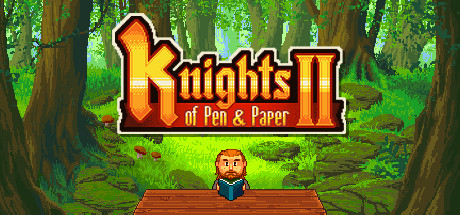
Knights of Pen and Paper 2
Prepare to inhabit a world of chivalry, class warfare and off-beat pop references. Knights of Pen & Paper 2 is a turn-based, retro style, pixel-art adventure full of danger, intrigue, death, and saving throws!

侠客风云传前传(Tale of Wuxia:The Pre-Sequel)
Tale of Wuxia: The Pre-Sequel, the authentic sequel of Tale of Wuxia which surpasses the latter it in every way, is a CRPG developed by Fenghuang Game and Heluo Studio. This U3D-based game includes better story, funnier events and enhanced gameplay.

Archaelund
Explore a vast open world and crawl through dungeons in first person, then fight tactical turn-based battles from a top-down perspective. Guide your adventuring party through Archaelund, mankind's last frontier, and uncover its many secrets.
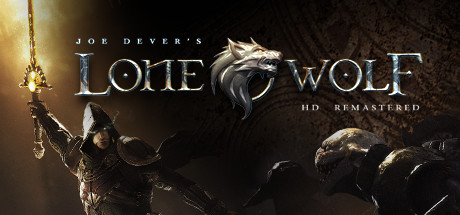
Joe Dever's Lone Wolf HD Remastered
For Sommerlund and the Kai! Lone Wolf is back with an exclusive storyline, stunning graphics and a deep combat system. Make meaningful choices and carve your own path.
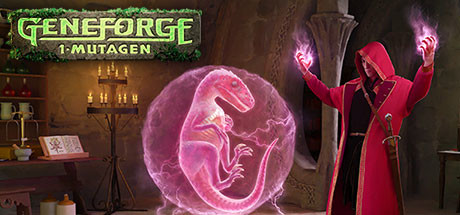
Geneforge 1 - Mutagen
Unique, truly open-ended fantasy adventure in a strange, new world. Use battle or cunning to change the world, served by your own army of custom-made mutant monsters. Over 80 zones to explore and 50+ hours of gameplay. Multitudes of skills, abilities, factions, treasures, and servants to create.
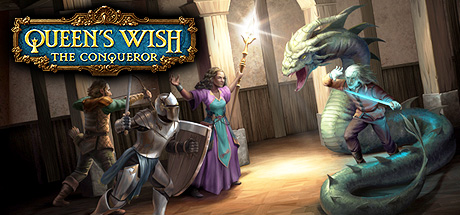
Queen's Wish: The Conqueror
At last, the Queen has given you power and freedom! The cost? You must rebuild her Empire. Will you? In this epic, indie fantasy adventure, you are free to explore, fight for fame and power, and shape the world as you choose. Escape into an unpredictable open-ended story and cunning tactical combat.

Ruined King: A League of Legends Story
Rise Against Ruin - Unite a party of League of Legends Champions, explore Bilgewater and set sail for the Shadow Isles to uncover the secrets of the deadly Black Mist in this immersive turn-based RPG.
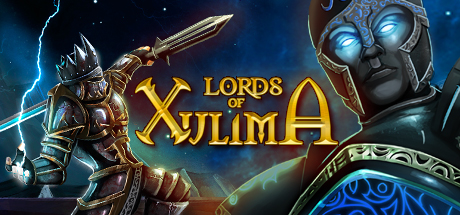
Lords of Xulima
Lords of Xulima is a challenging Role-playing game set on the mythical continent of Xulima, where Gods and humans once walked side by side. Experience a genuine RPG featuring over 100 hours of gameplay, and discover one of the most epic sagas ever told.
Frequently Asked Questions
Divinity: Original Sin - Enhanced Edition is currently priced at 39.99€ on Steam.
No, Divinity: Original Sin - Enhanced Edition is currently not on sale. You can purchase it for 39.99€ on Steam.
Yes, Divinity: Original Sin - Enhanced Edition received 26,069 positive votes out of a total of 29,066 achieving a rating of 8.79.
😎
Divinity: Original Sin - Enhanced Edition was developed and published by Larian Studios.
Yes, Divinity: Original Sin - Enhanced Edition is playable and fully supported on Windows.
Yes, Divinity: Original Sin - Enhanced Edition is playable and fully supported on MacOS.
Yes, Divinity: Original Sin - Enhanced Edition is playable and fully supported on Linux.
This information about Divinity: Original Sin - Enhanced Edition is not available yet.
This information about Divinity: Original Sin - Enhanced Edition is not available yet.
No, Divinity: Original Sin - Enhanced Edition does not support VR.
Divinity: Original Sin - Enhanced Edition offers both single-player and multi-player modes.
Divinity: Original Sin - Enhanced Edition includes Co-op mode where you can team up with friends.
Yes, there is a DLC available for Divinity: Original Sin - Enhanced Edition. Explore additional content available for Divinity: Original Sin - Enhanced Edition on Steam.
No, Divinity: Original Sin - Enhanced Edition does not support mods via Steam Workshop.
Yes, Divinity: Original Sin - Enhanced Edition supports Remote Play Together. Discover more about Steam Remote Play.
Yes, Divinity: Original Sin - Enhanced Edition is enabled for Steam Family Sharing. This means you can share the game with authorized users from your Steam Library, allowing them to play it on their own accounts. For more details on how the feature works, you can read the original Steam Family Sharing announcement or visit the Steam Family Sharing user guide and FAQ page.
You can find solutions or submit a support ticket by visiting the Steam Support page for Divinity: Original Sin - Enhanced Edition.
Data sources
The information presented on this page is sourced from reliable APIs to ensure accuracy and relevance. We utilize the Steam API to gather data on game details, including titles, descriptions, prices, and user reviews. This allows us to provide you with the most up-to-date information directly from the Steam platform.
Additionally, we incorporate data from the SteamSpy API, which offers insights into game sales and player statistics. This helps us present a comprehensive view of each game's popularity and performance within the gaming community.
Last Updates| Steam data | 18 September 2026 22:26 UTC |
|---|---|
| SteamSpy data | 15 October 2026 16:42 UTC |
| Steam price | 26 October 2026 20:06 UTC |
| Steam reviews | 22 October 2026 08:11 UTC |
If you'd like to dive deeper into the details about Divinity: Original Sin - Enhanced Edition, we invite you to check out a few dedicated websites that offer extensive information and insights. These platforms provide valuable data, analysis, and user-generated reports to enhance your understanding of the game and its performance.
- SteamDB - A comprehensive database of everything on Steam about Divinity: Original Sin - Enhanced Edition
- SteamCharts - Analysis of Divinity: Original Sin - Enhanced Edition concurrent players on Steam
- ProtonDB - Crowdsourced reports on Linux and Steam Deck Divinity: Original Sin - Enhanced Edition compatibility


Game modes
Multiplayer
Features
Online players
570
Developer
Larian Studios
Publisher
Larian Studios
Release
27 Oct 2015
Platforms
Remote Play
Clicking and buying through these links helps us earn a commission to maintain our services.