Blackguards 2
Blackguards 2 is a turn-based strategy-RPG and will deliver challenging hexfield battles and a gritty story filled with violence and crime. - Includes bonus content: Soundtrack, digital Art Book and Strategy Guide Book!
Sync your Steam wishlist to find the lowest game prices instantly. No login required, just paste your Steam profile URL!
⚡ Try Wishlist Radar!
Sync your Steam wishlist to find the lowest game prices instantly. No login required!
⚡ Try Wishlist Radar!
Close

EARTHLOCK on Steam
Quick menu
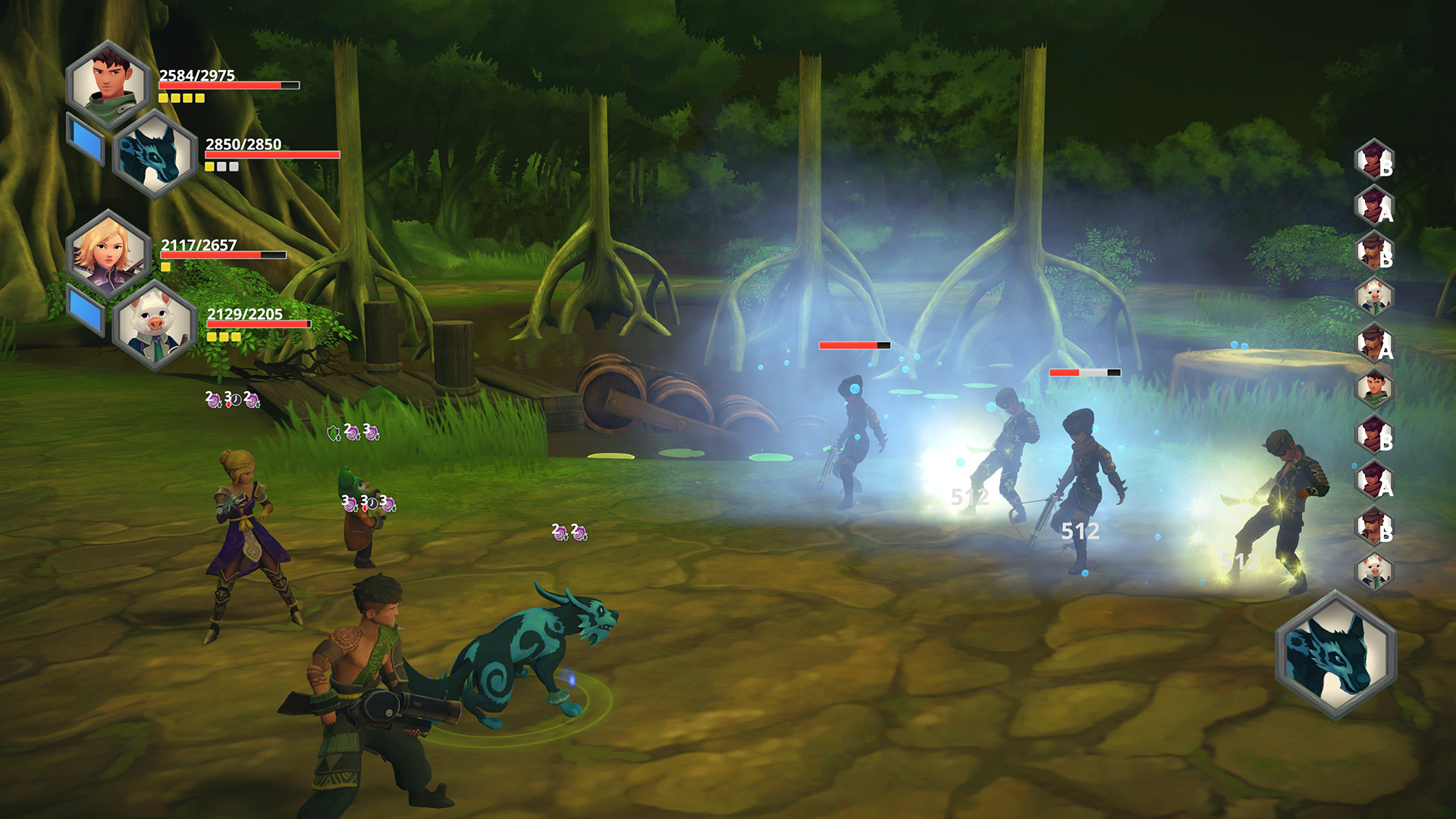
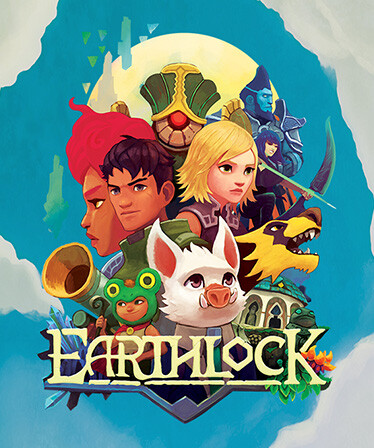
Earthlock is an indie developed, adventure RPG inspired by the classic 3D RPGs of the late 90's, with a fresh take on turn based combat and character progression.
EARTHLOCK is a rpg, adventure and strategy game
developed and published by Snowcastle Games.
Released on March 08th 2018 is available on Windows, MacOS, Linux, Steam Deck and Steam Machine
in 11 languages: English, French, Italian, German, Spanish - Spain, Arabic, Norwegian, Polish, Portuguese - Brazil, Russian and Japanese.
It has received 381 reviews of which 290 were positive and 91 were negative resulting in a rating of 7.2 out of 10. 😊
The game is currently priced at 28.99€ on Steam, but you can find it for 0.66€ on K4G.
The Steam community has classified EARTHLOCK into these genres:
RPG
Adventure
Strategy
Indie
Turn-Based Combat
JRPG
Turn-Based
Fantasy
Singleplayer
Exploration
Story Rich
Party-Based RPG
Atmospheric
Retro
Great Soundtrack
Classic
Strategy RPG
Turn-Based Strategy
Farming
Agriculture
Here is the detailed breakdown of supported languages for EARTHLOCK:
| UI | Subtitle | Audio | |
|---|---|---|---|
| English | |||
| German | |||
| French | |||
| Italian | |||
| Spanish - Spain | |||
| Russian | |||
| Japanese | |||
| Polish | |||
| Norwegian | |||
| Portuguese - Brazil | |||
| Arabic |
Media & Screenshots
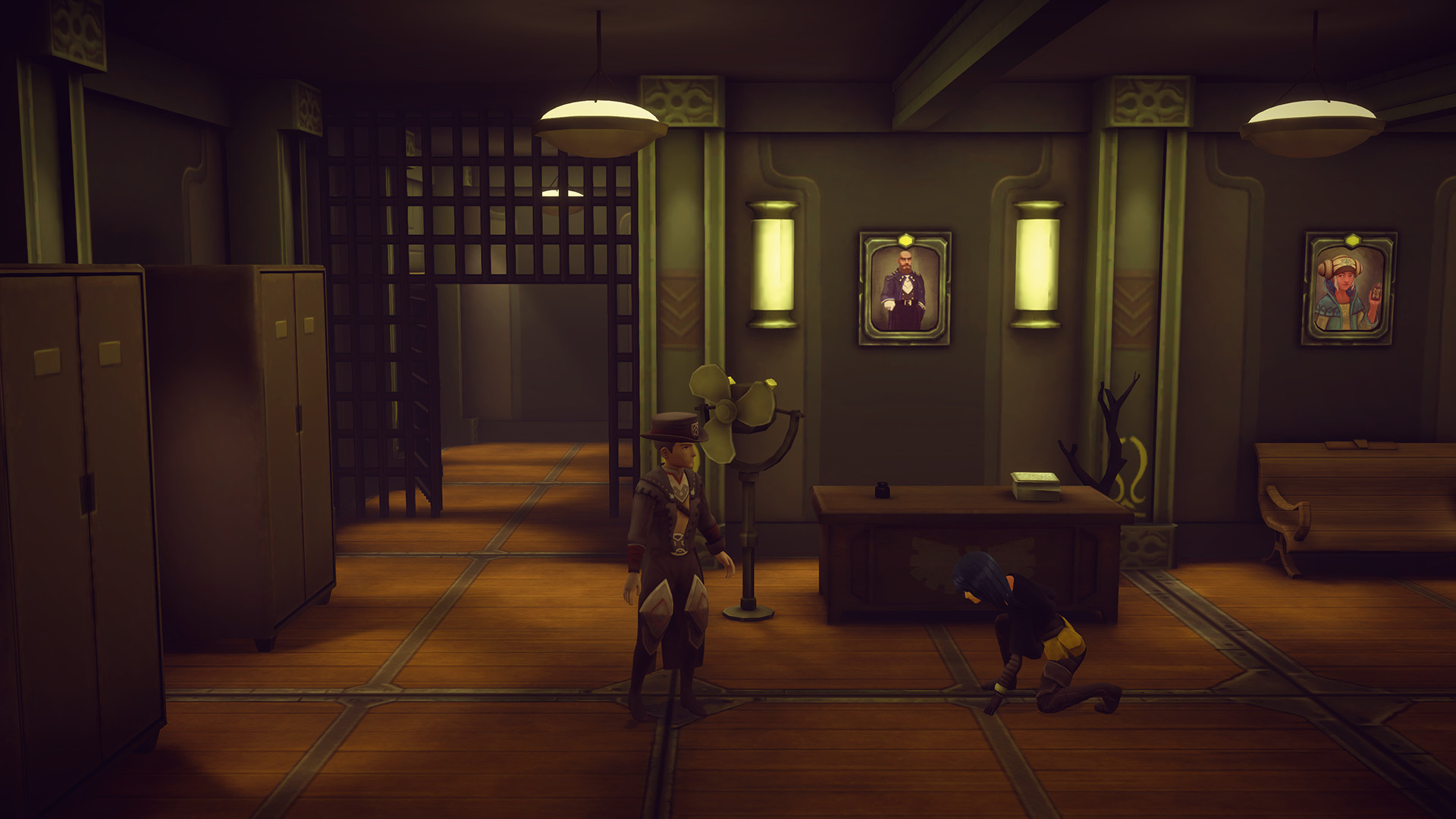
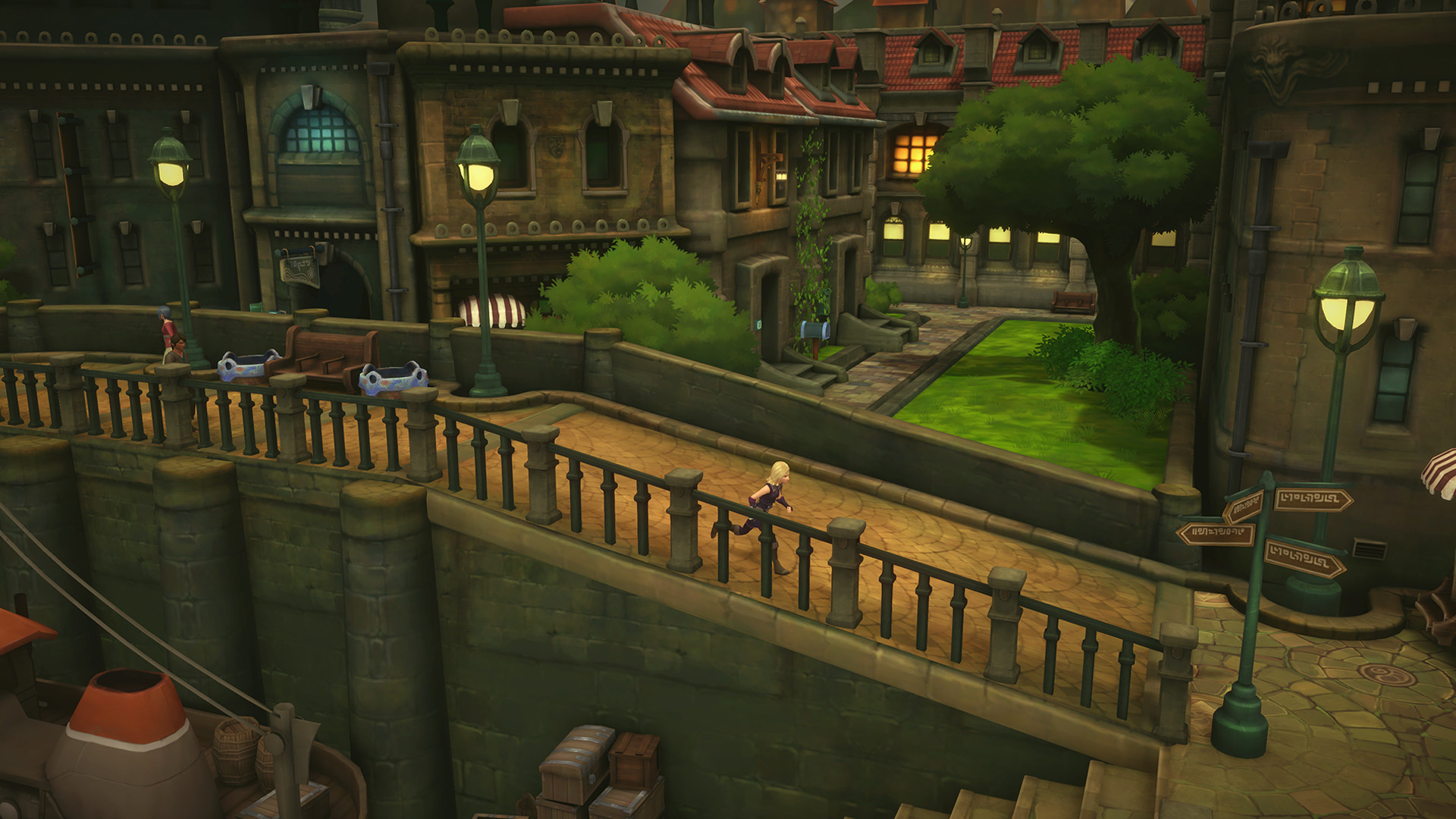
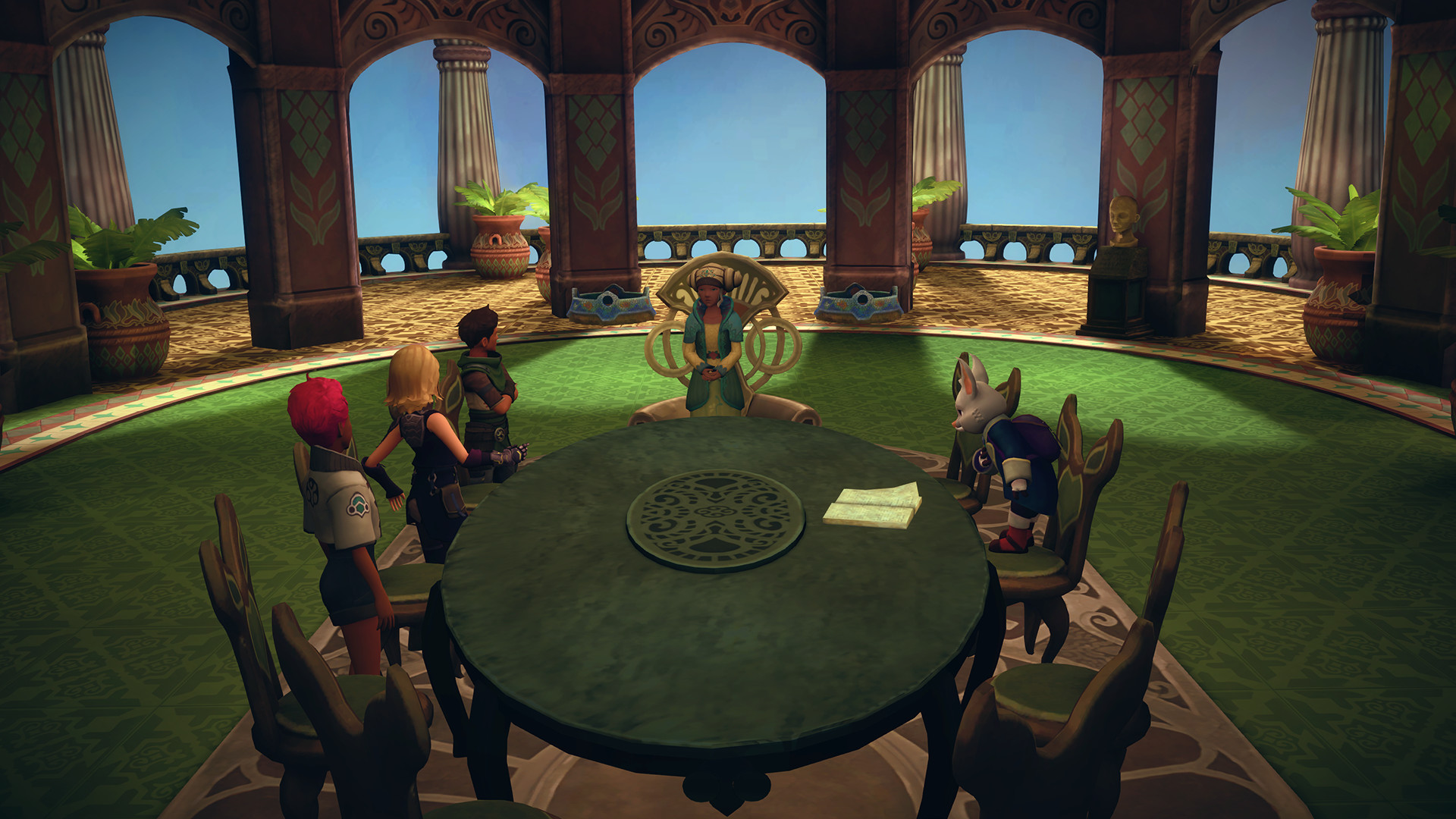
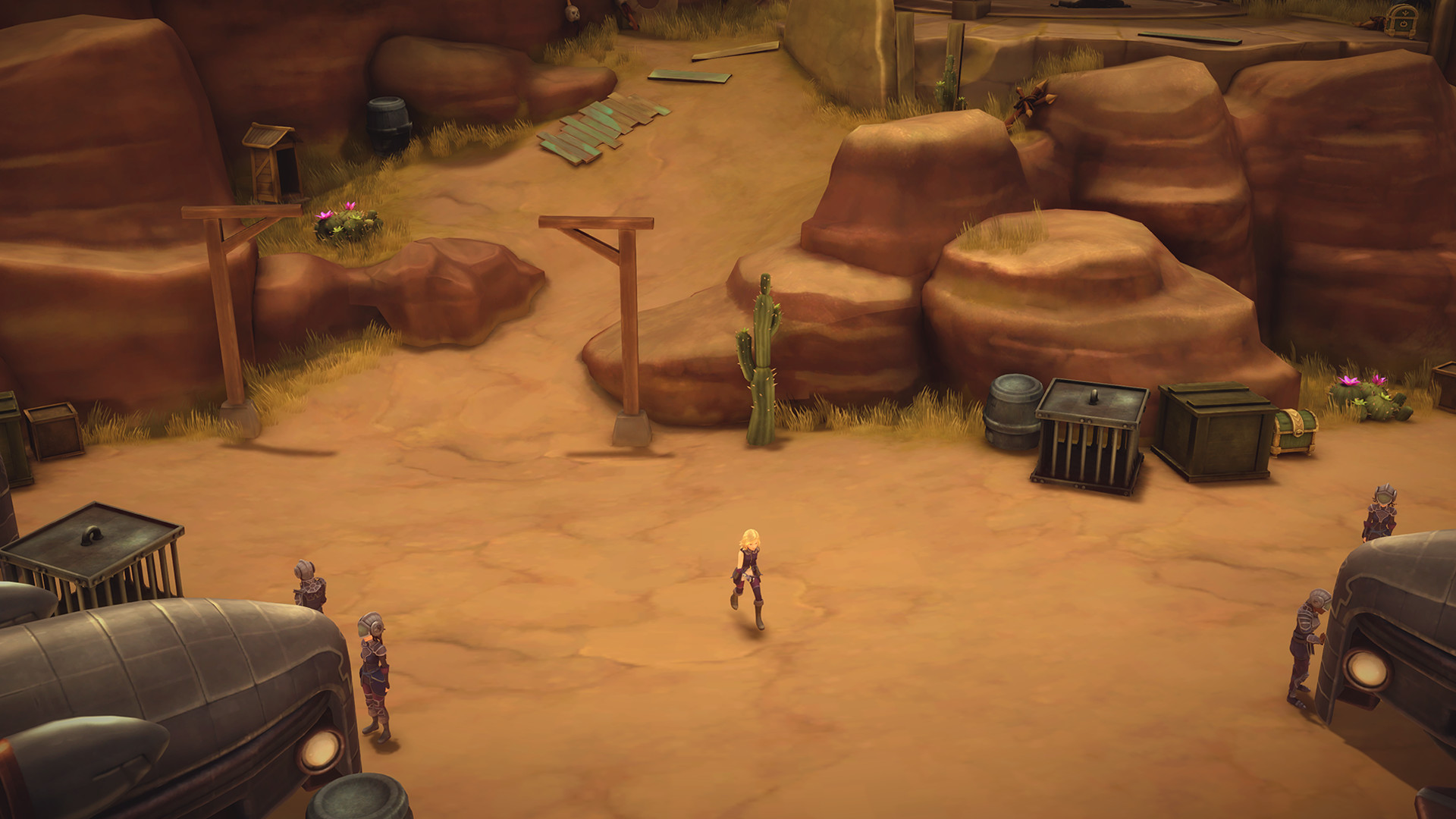
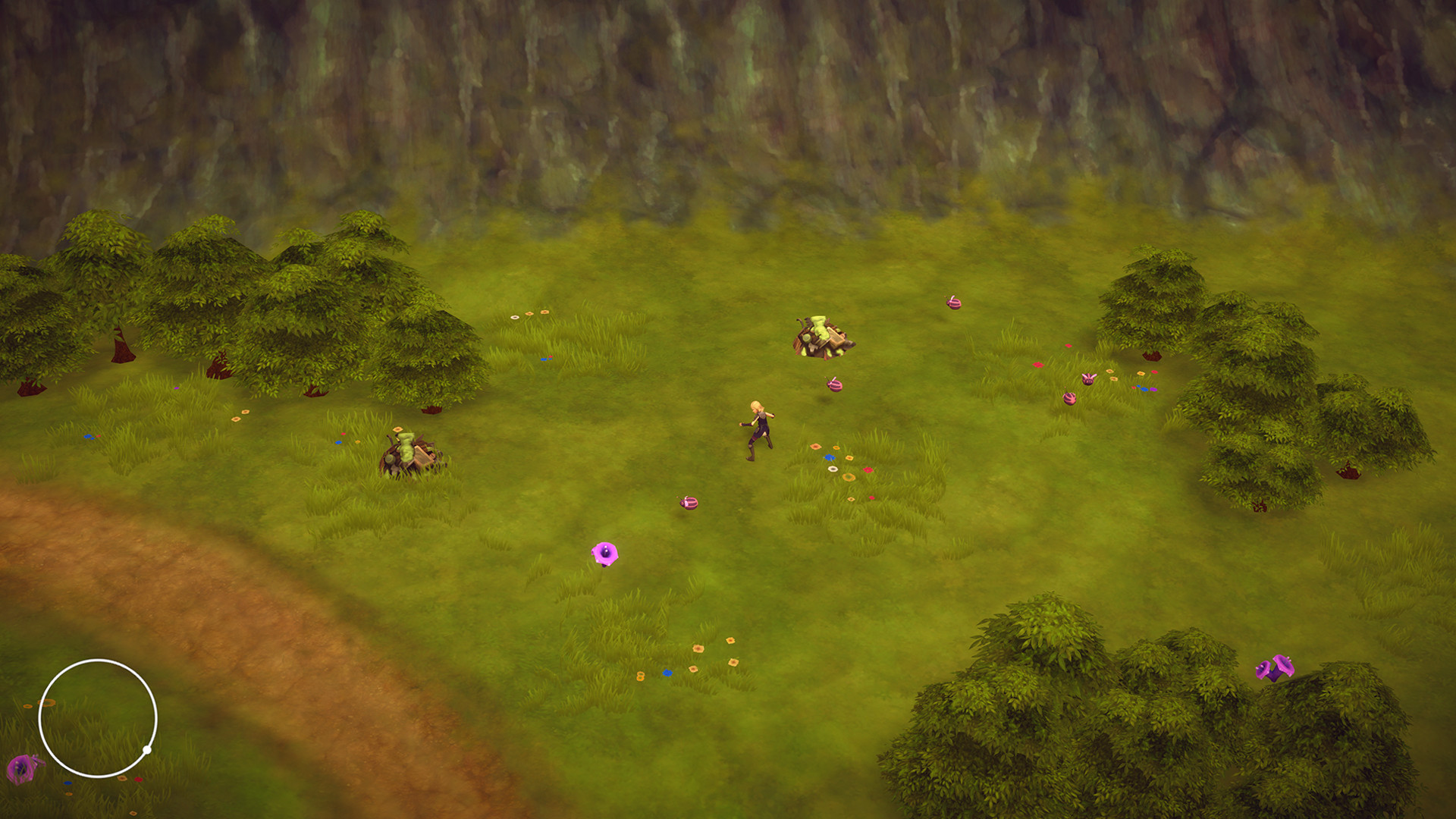
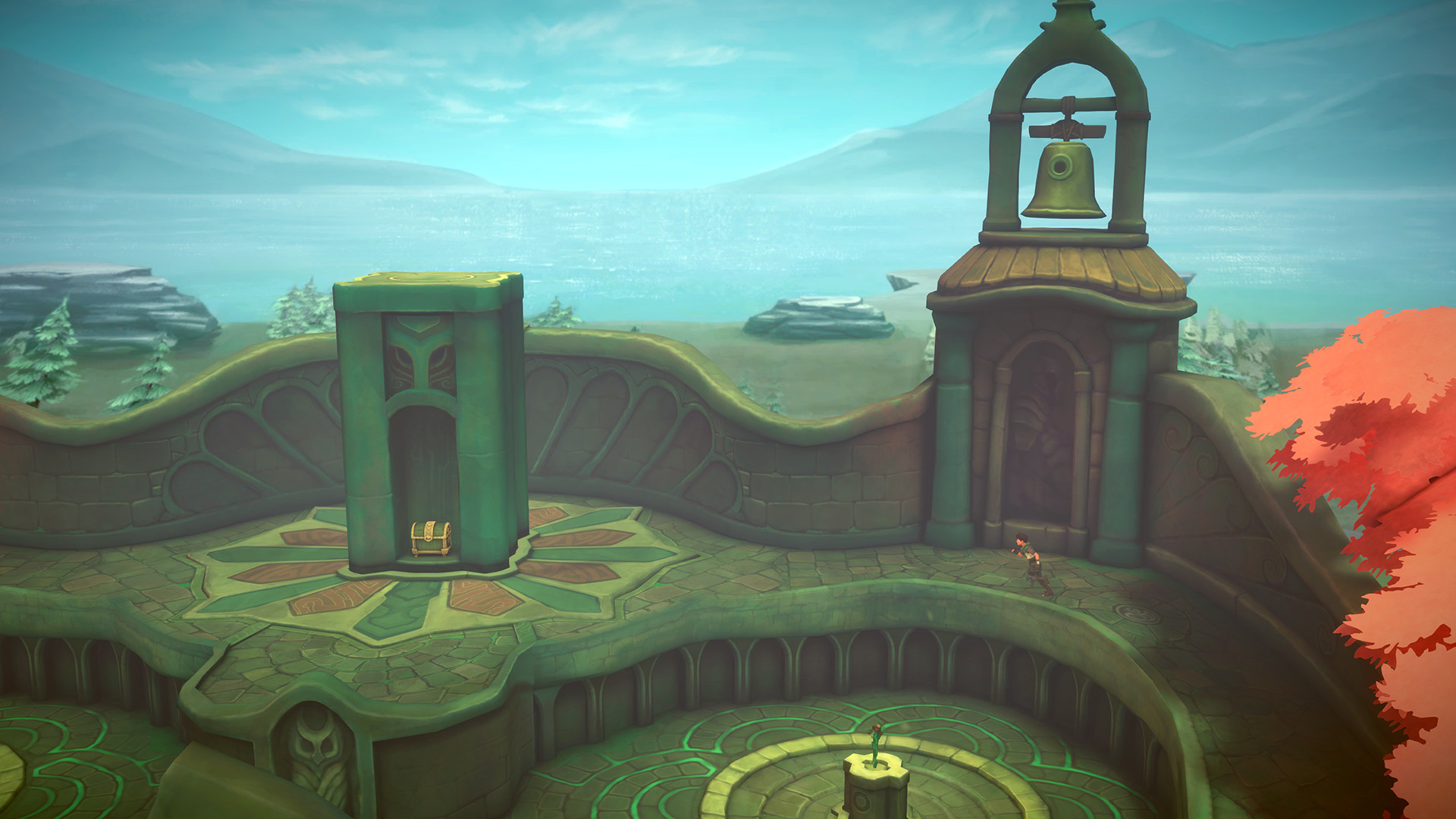
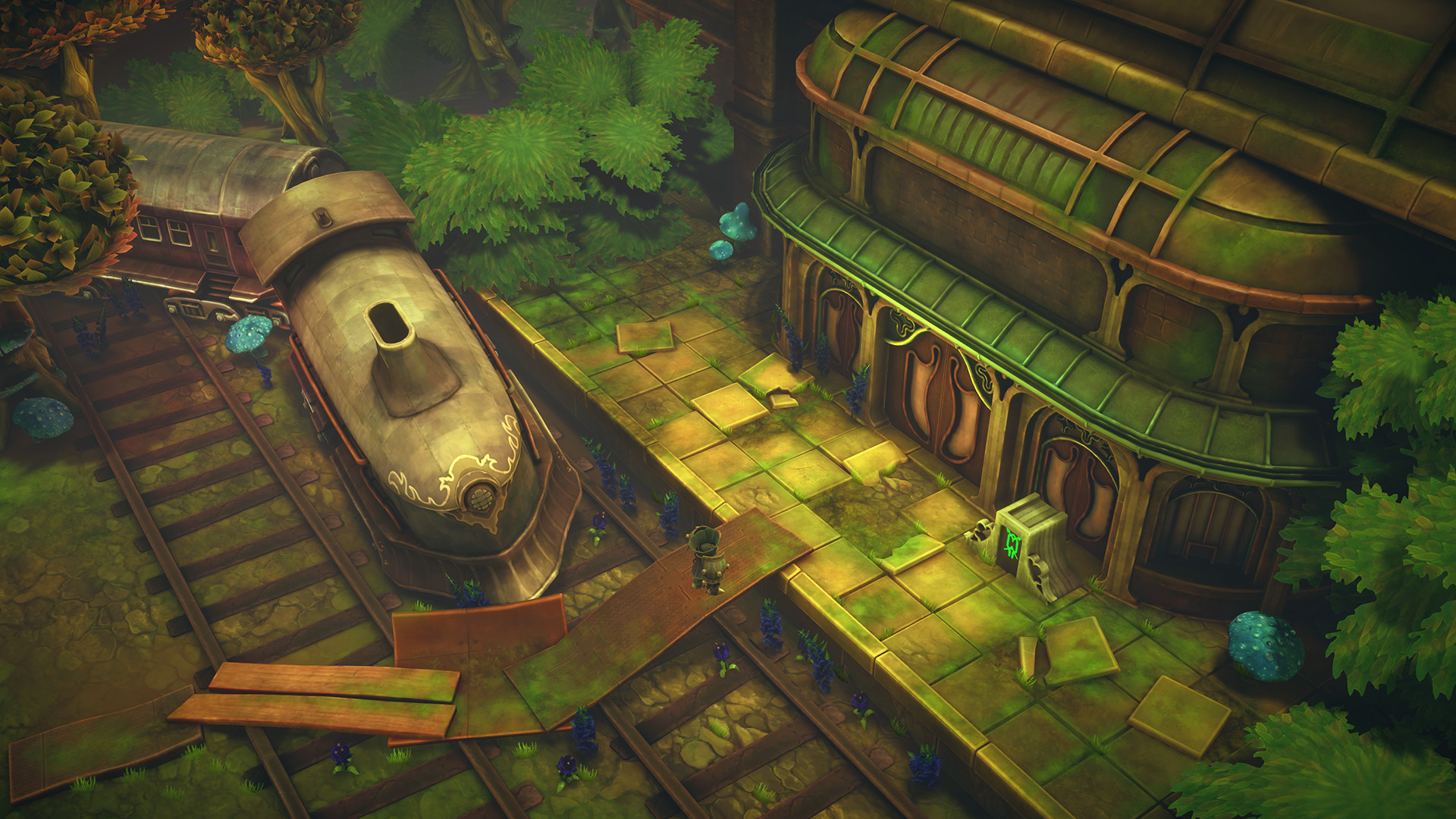
Get an in-depth look at EARTHLOCK through various videos and screenshots.
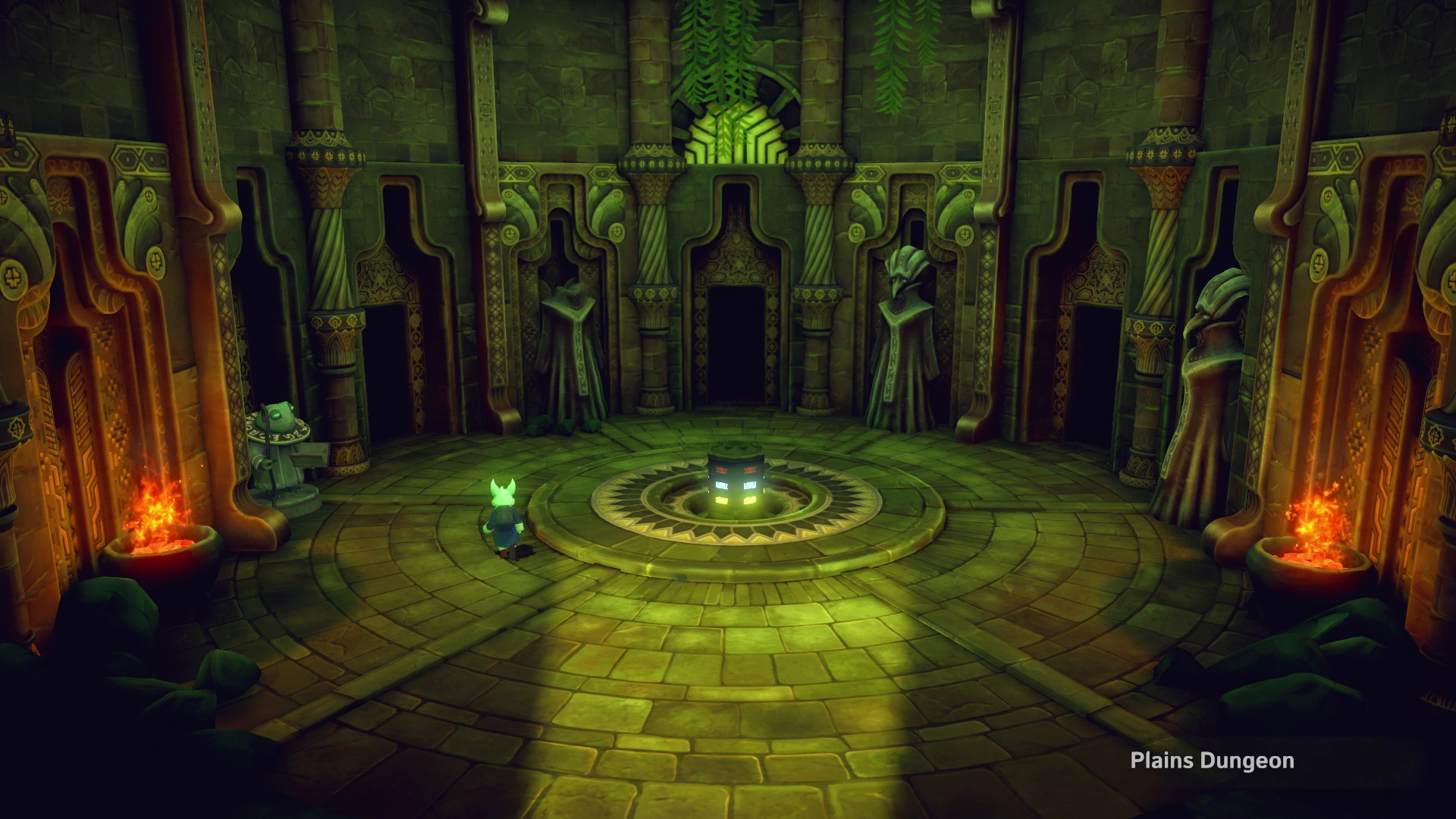

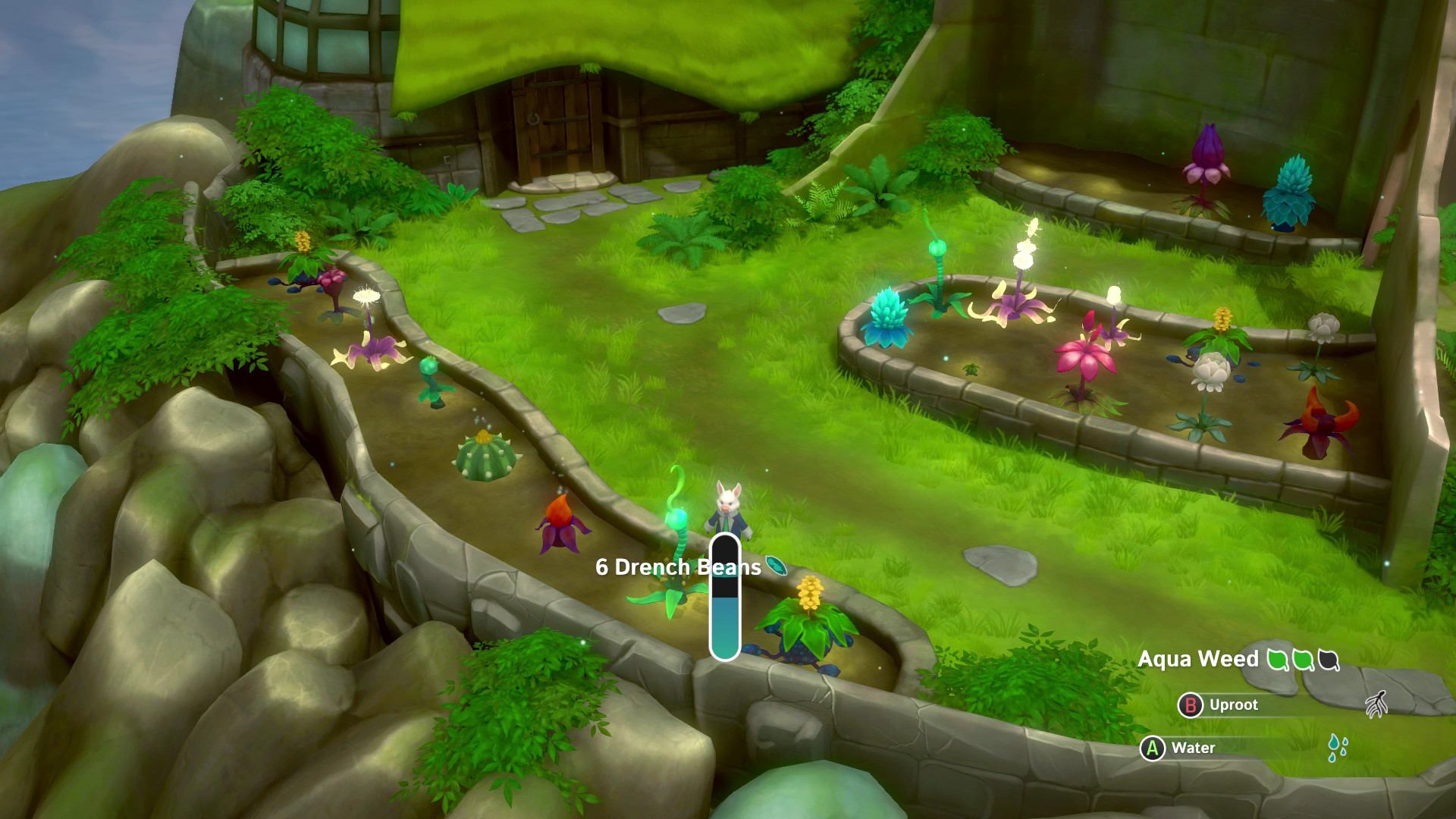
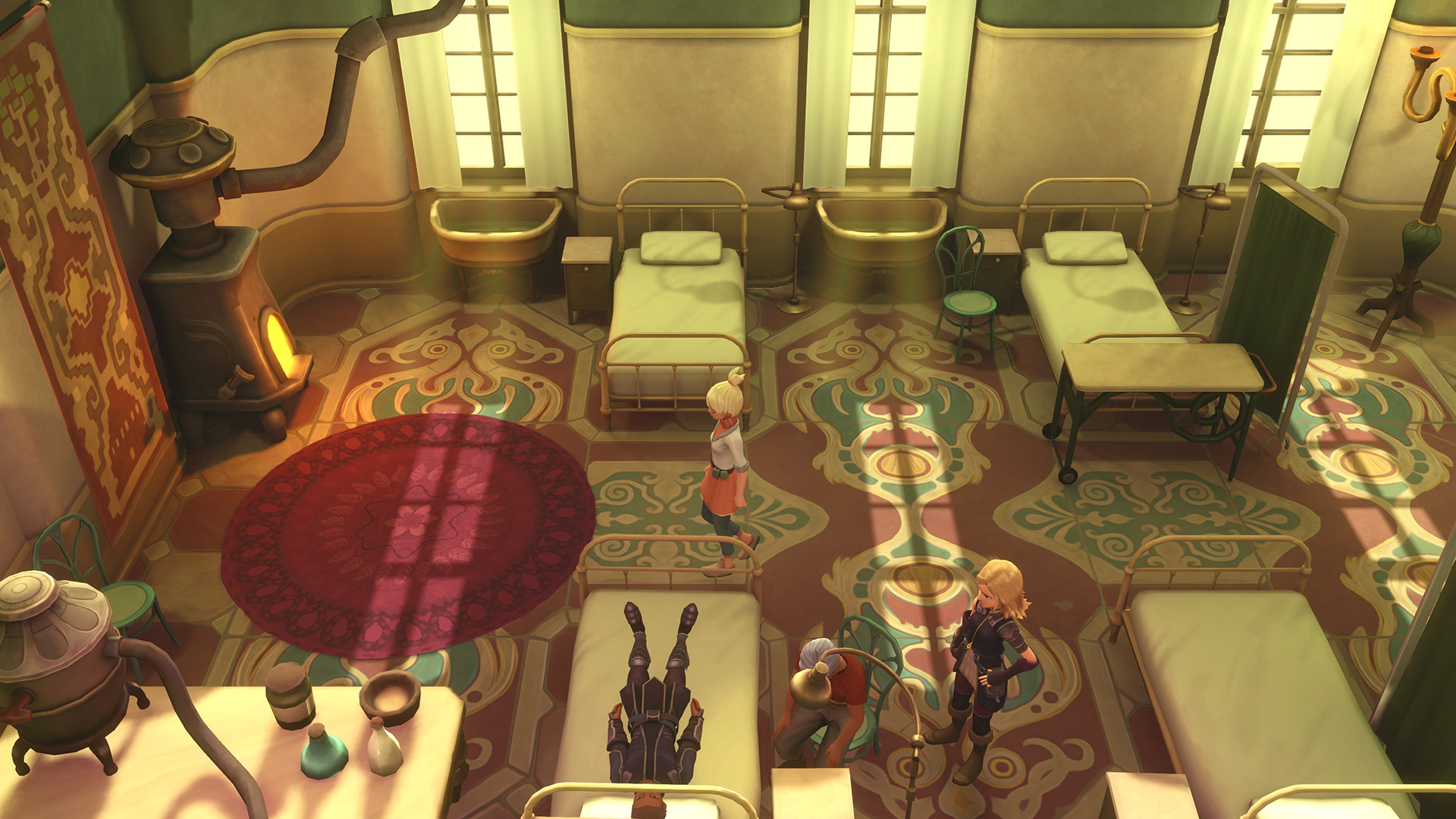
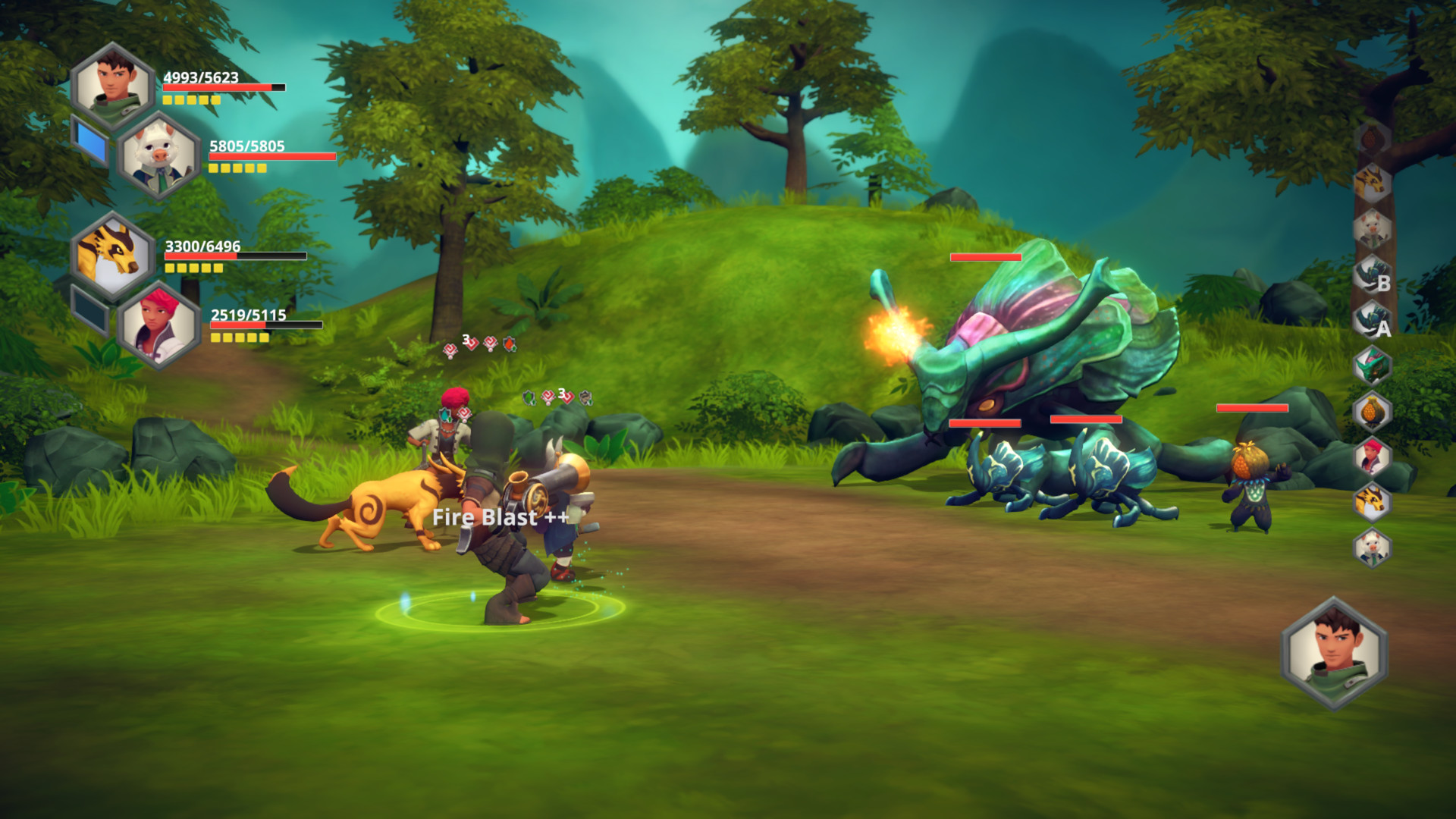
Load More


System requirements
These are the minimum specifications needed to play the game. For the best experience, we recommend that you verify them.
Windows
- OS *: Windows 7 or newer
- Processor: x86 Dual Core 2.6 GHz
- Memory: 4 GB RAM
- Graphics: DirectX 10 GPU with 1GB of memory
- DirectX: Version 10
- Storage: 4 GB available space
MacOS
- OS: OS X 10.6 or newer
- Processor: x86 Dual Core 2.4 GHz
- Memory: 4 GB RAM
- Graphics: OpenGL 3.2+ GPU with 1GB of memory
- Storage: 4 GB available space
Linux
- Memory: 4 GB RAM
- Storage: 4 GB available space
Steam Price & Best Deals
User reviews & Ratings
Explore reviews from Steam users sharing their experiences and what they love about the game.
This is the closest thing, in terms of its combat system, to the original Final Fantasy VII I have ever played. I am pretty sure that the game took some inspiration on character designs too. It's a traditional JRPG experience with a level cap so that the player is never over-leveled for the final bosses, which while not difficult, are a little challenging. The game plays well, controls are intuitive, and just like the JRPGs that came before, there is plenty of hidden content that I definitely did not explore nearly thoroughly enough to collect. The fast travel system is a bit clunky, and the farming section of the game is tedious, but I enjoy management systems especially when they are in RPGs and serve a purpose in gameplay. It's a pretty fun and lighthearted experience. It can be a good introduction to someone who is unfamiliar with JRPGs.
I never dreamt to be a stategist on my life but this game almost made me do. Bought at insane 90% discount in 2023 and directly played it through but about 65% progress I lost interest and abandoned it. After becoming Achievement Hunter, I determined to clear the game and succeded with mixed feeling actually. because : Con : No maps in all dugeons and world map. You have to survive and prepare for surpised encounters. Maps only for marking treasure chests. Con : At early stages this game was easy to play and have easy boss battle..suitable for 12+ but afterward believe me it should be for 17+ Con : Grinding and warping to various places often. The best walking speed was Gnart then PAT . Con : Repeated quests. Con : Detail logs are inexsistance. If you don't remember where you left-off last time..you'll be running along all places just to figure-out. Hits places to do your progress, marked in yellow before you warp. + No random battles or ATB. Engage battle only when you're ready and you can escape/feign death except boss battle. + No free-loaders of all charactes. You have to play as all of them. Their turn will be available on spesific events and battles. + This game exceed S.Enix best strageist RPG..You have to manage Pairs, Bonds, Abilities, Talents, Foe's element vurnerabilities and also crafting items. + Perfect Achievement only for die-hard Strategist. Trust me it's hard to get, time-consuming and patiences deprived! but I still recommend this. Thanks the Devs for making the game. Hope Earthlock 2 won't be as hard as its preccedor.
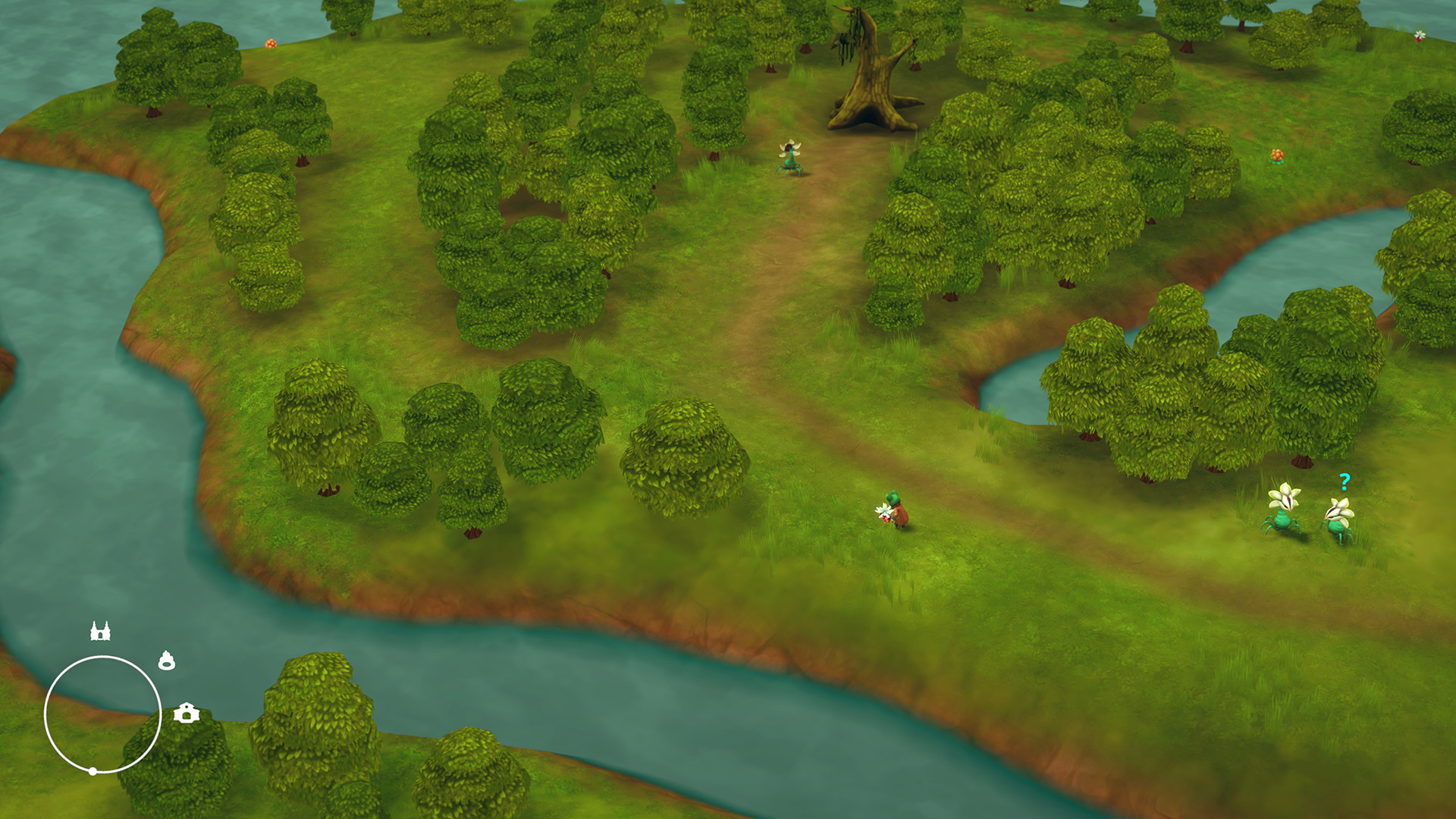
I have mixed feelings on EARTHLOCK, so it’s best I just describe my experience and let you decide if it’s for you. Storywise, it’s nothing new. The world is threatened by an ancient evil and set off to fight it, picking up friends along the way. The final team comprises six characters, all with different backgrounds, races, roles, and abilities they apply on the overhead map as well as during the battles. The battles are engaged by running into the monsters who are all visible in the world – there’s no random encounters here. While the enemies are generally grouped in packs of 2-4, it is possible to kite them around, pull them apart, and engage them in smaller numbers – or larger if you want to clear them out quicker in groups of 8-10 – or just avoid them altogether. A lot of effort has gone into giving you complete control over how you want to play. When killed, the monsters stay gone while you remain in the area, but respawn after you transition to another zone. During combat, each of your characters has two stances they can flip between that affects what abilities they have access to. The characters also operate in pairs, allowing them to build bonds with one another that unlocks additional perks, as well as sharing a power meter that, when activated, opens up a special ability tree that bolsters a number of their standard moves, often allowing them to affect the entire group instead of a single target. The gameplay is quite slick as a whole, with fast transitions between combat and exploration along with quick battle animations that’ll get you inputting your next round of attacks within a few seconds of the last one going off. The levelling system’s also quite unique. On top of the standard stat gains, you also get points that allow you to slot cards that give additional stat boosts and abilities onto a board, allowing you to build your team however you want. That said, the game isn’t great at explaining its systems. I was halfway through the game before I figured out the pairing system, and I had to work out most of the buffs/debuffs based off the small icons that appear above the characters’ heads (some of which I still don’t know exactly what they do) since there doesn’t seem to be any in-game windows that allow you to analyse status icons. This could be a positive or negative depending on how you like to play, and while I found it frustrating in places, I can’t deny I got some thrill from the discovery aspect this created. When not fighting, exploration is split between the overhead map and the dungeons littered about it. There’s been an effort to make the world seem big, with alien words and races a plenty, but this wasn’t enough to disguise the fact that it’s really quite empty. There’s only two towns in the whole world, and while the land is split into four elemental zones, they all felt identical beyond the colour scheme. Each has one low-end dungeon, one side quest hub, one late-game dungeon you return for, a bridge dungeon used to move between the areas, and a whole lot of emptiness between. Sure, they’ve dotted a few collectibles around to break up the monster packs, but these are identical in every area and not hard to find. In contrast, the towns/dungeons, while on the small side, did have a lot more detail in their appearance, along with a number of extra puzzles, and I generally found them interesting and fun to work through. For those who like to challenge themselves, there’s only one difficulty setting, and it’s kind of on the low side. Despite the characters having two stances, one is obviously superior and once you realise it you’ll be going into every fight just spamming the same abilities. I was very quickly grouping the monsters up into as big a pack I could make and aoe’ing them down. The handful of wipes I had across my playtime resulted mostly from being too lazy to single-target down the one monster that can kill you if left alone. A couple of bosses also caught me off-guard with some of their counter abilities, but should you die to a boss, a handy helper NPC pops up at the nearest save point to give you a hint on how to beat it, though I never actually spoke to him so I can’t say how detailed that is. My biggest gripe, however, comes from the storytelling. The speed of the gameplay bleeds over into the story, and while the cast has variety in its makeup, they’re not that well developed as you whiz around the world. The initial quest is to save an uncle kidnapped by the country’s military organisation, yet while chasing them down, you stumble across a soldier from that same military who is just happily invited into the party, no questions asked. When said uncle is found locked in a prison and literally dying from an illness, our heroic protagonist and nephew is content to just go off on a quest to recover a stolen artifact from the nearby museum for another member of the group, seemingly unconcerned with the seriousness of the timeframe at play here. Later on, you stumble on the wreckage of a crashed military flagship, a result of sabotage and betrayal, a storybeat that’s resolved 10 minutes later after collecting five pieces of scrap scattered around the area so that the scavenger of YOUR party can repair the ship and they can fly off home – something the engineers on this ship apparently couldn’t do themselves. The last recruit is a revived ancient robot that joins with zero fanfare and just starts interacting with old tech in the world with not a single party member even commenting “Wow. Isn’t that something?” I'm not looking for non-stop bickering here, but some friction, caution, or just excitement for what's being found wouldn’t have gone amiss once in a while. The whole plot plays like a collection of bullet points turned into quests that you go through one by one, and while I enjoyed the gameplay and wanted to love the world, by the end I was ultimately left feeling hollow and lacking any memorable moments. All told, I’d say EARTHLOCK is a decent enough RPG for the price, but one better suited to younger gamers looking to break into the RPG scene, where the quick gameplay and forgiving difficulty can keep them engaged while their heightened imaginations can fill in the gaps in the story and characterisation.
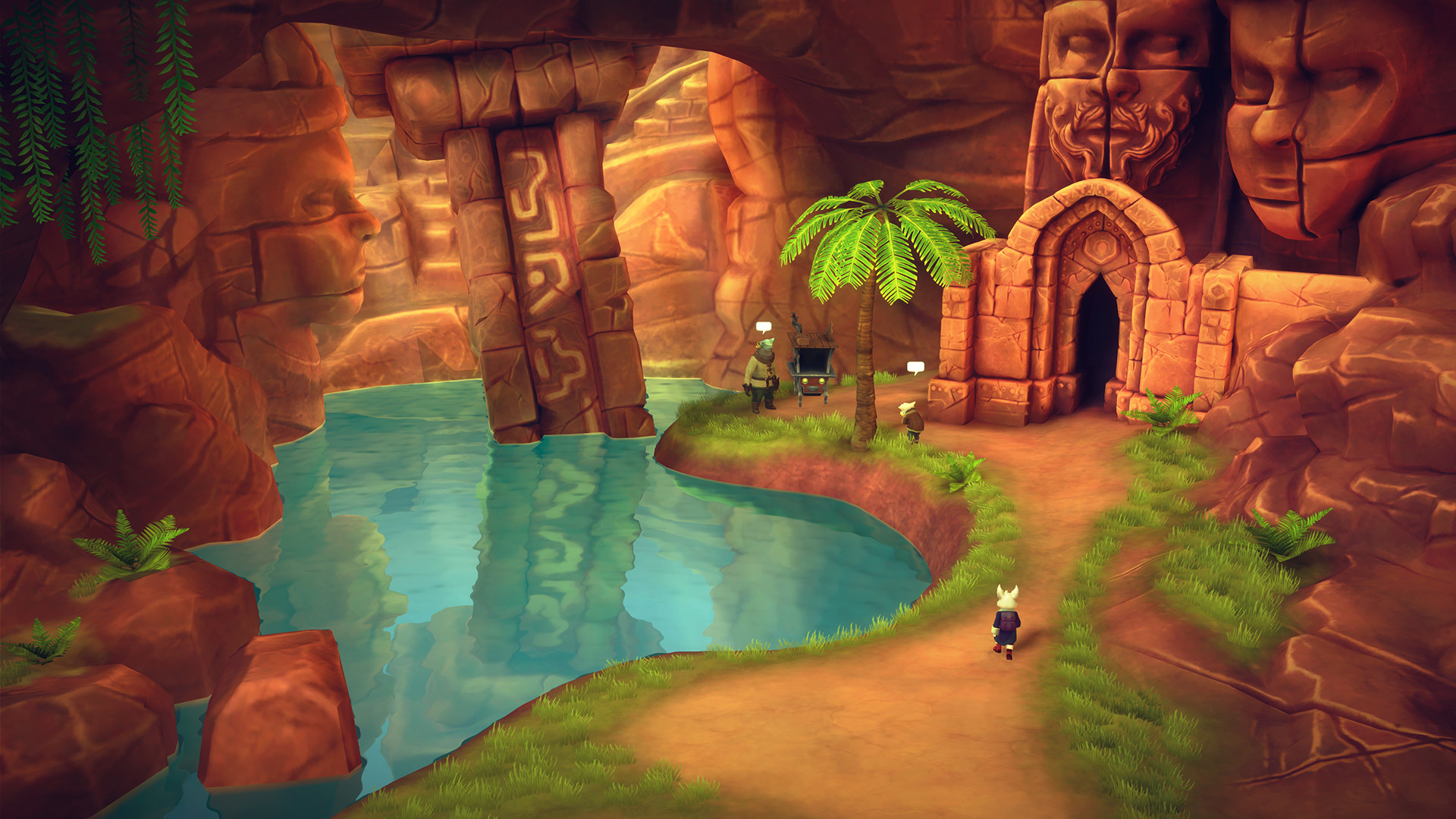
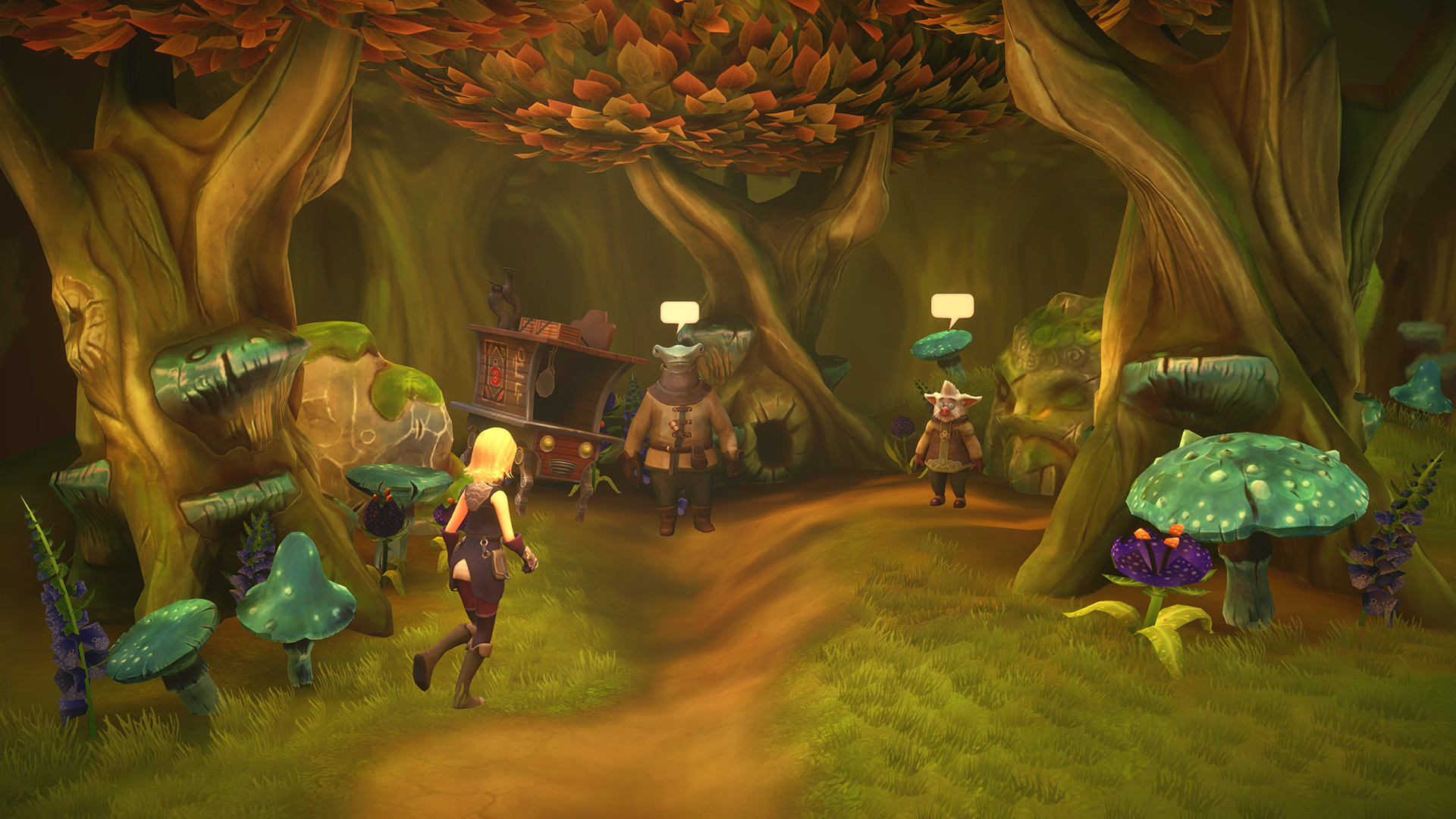
Earthlock, developed and published by Snowcastle Games, is a modern homage to the golden age of turn-based role-playing games. It strives to capture the feeling of classic JRPGs from the PlayStation and late SNES eras while building its own mythology within a vividly imagined world. Set on the planet of Umbra, a world that stopped spinning generations ago, the game uses this cosmic premise as a metaphor for imbalance—both in nature and in the lives of the people who inhabit it. You play as Amon, a young scavenger who becomes entangled in an adventure that quickly escalates from a personal rescue mission to a world-spanning struggle involving ancient technologies, lost civilizations, and the power of the mysterious artifact known as the Earthlock. Though its storytelling is familiar and its tone leans toward the lighthearted, there is an earnestness in its world-building and presentation that makes it stand out from many indie RPGs trying to emulate nostalgia. The structure of Earthlock is rooted firmly in the traditions of classic turn-based combat and exploration. Instead of relying on random encounters, enemies roam the environment and can be engaged at will, which gives players the freedom to control pacing and strategy. The combat system itself has a satisfying sense of rhythm, blending straightforward attack commands with tactical positioning and unique stances. Each character has two stances that change their role in battle—offensive, defensive, or support—and this system encourages experimentation rather than simple repetition. A defining mechanic is the “bonding” system, which allows pairs of characters to strengthen their relationship through combat, unlocking passive abilities and special techniques. This dynamic gives battles an additional layer of synergy and personality, allowing party composition to feel meaningful beyond raw statistics. The learning curve is moderate, offering enough challenge to keep players alert without leaning into unfair difficulty spikes. Outside of battle, Earthlock introduces a hub feature in the form of Plumpet Island, a home base that serves as a quiet space for resource gathering, crafting, and farming. These elements add texture to the adventure, allowing players to grow materials used in potion-making or ammunition crafting. It’s a charming addition that breaks up the monotony of constant dungeon crawling, though it occasionally feels like a diversion rather than a necessity. Exploration across the overworld is handled with an old-school sensibility, complete with treasure chests, optional dungeons, and secret passages that reward curiosity. The game’s pacing is deliberate—some might say slow—but it captures the essence of exploration that classic JRPG fans often crave. Every location feels distinct, and despite the game’s moderate budget, Snowcastle’s attention to atmosphere and environmental detail gives Umbra a sense of lived-in wonder. The art direction is one of Earthlock’s strongest qualities. Its visual style is colorful and painterly, with stylized character designs that strike a balance between Western animation and Japanese RPG influences. The environments, ranging from desert ruins to lush jungles and ancient temples, are rich in color and personality. The choice of a bright, almost storybook aesthetic works well with the game’s tone, evoking adventure rather than oppression. Complementing the visuals is a memorable soundtrack that enhances the sense of exploration and emotion without overwhelming it. The score, composed in part by Eiko Nichols and featuring contributions from the legendary Hiroki Kikuta, fits seamlessly with the game’s intent to honor the spirit of the classics. The combination of art and music creates an inviting atmosphere that carries the player through even the slower sections of the narrative. Where Earthlock falters is in its storytelling and pacing. While the world itself feels well realized, the narrative doesn’t always rise to the same level. The dialogue can be stiff, and character arcs occasionally lack the emotional resonance that the story’s premise suggests. The main plot moves briskly but often feels underdeveloped, relying on familiar tropes—the kidnapped relative, the ancient artifact, the chosen heroes—to drive the adventure forward. There’s charm in its simplicity, but also a sense that the story never quite reaches the depth it hints at. The progression system, while functional, is another area that shows limitation. The level cap is low, and character growth feels constrained once the party reaches a certain strength, which can make the final third of the game feel static. Likewise, while combat remains enjoyable, repetition sets in as enemy types and encounter patterns begin to recycle. Despite these shortcomings, Earthlock succeeds in what it sets out to do: provide a heartfelt, mechanically solid throwback to the turn-based RPGs of the past. It doesn’t attempt to reinvent the genre, but rather to refine it within the limitations of an indie production. Its focus on tactical combat, exploration, and resource management makes it a satisfying experience for players who grew up with games like Final Fantasy IX or Grandia. The charm of its characters, the warmth of its world, and the polish of its presentation give it a distinct identity within the modern indie RPG landscape. While it may not rival the narrative sophistication of its inspirations, it captures the sense of discovery and progression that made those games timeless. In the end, Earthlock stands as a love letter to an earlier era of role-playing games, crafted with care and respect for the genre’s foundations. It may not deliver the emotional highs or narrative depth of the classics it emulates, but it offers a rich, comforting experience that reminds players why turn-based adventures have endured for decades. It’s a game that celebrates structure and familiarity rather than innovation, and in doing so, it creates a space where nostalgia and modern craftsmanship coexist harmoniously. For those seeking a traditional RPG that values atmosphere, strategy, and a sense of journey over spectacle, Earthlock delivers a world worth exploring—one that, even with its imperfections, feels alive and thoughtfully made. Rating: 7/10
Similar games
View all

Pastelia Stories
"Pastelia Stories" is a turn-based JRPG. You will be summoned into Pastelia world, and here begins your wonderful journey. Explore big world just like you want, pick any out of 30 companions, chose one of the story lines and factions to find your way back home.

Avernum 2: Crystal Souls
Huge indie fantasy role-playing adventure in a massive, underground land. Packed with over 100 towns and dungeons and an epic story. Fight to complete up to three distinct game-winning quests. Master over 60 spells and abilities. Hunt for hundreds of magical artifacts. Over 50 hours of gameplay.

The World of Kungfu: Dragon and Eagle
Make a name for yourself in this old-school Wuxia RPG. Explore the chaotic lands of ancient China and engage in challenging turn-based battles to change the world of kungfu forever.
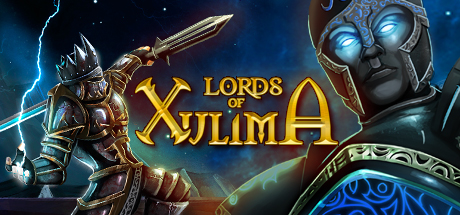
Lords of Xulima
Lords of Xulima is a challenging Role-playing game set on the mythical continent of Xulima, where Gods and humans once walked side by side. Experience a genuine RPG featuring over 100 hours of gameplay, and discover one of the most epic sagas ever told.
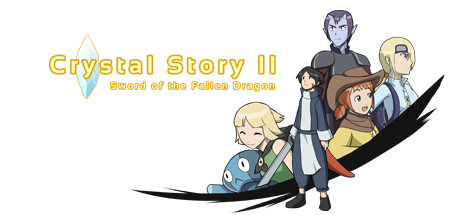
Crystal Story II
Crystal Story II is a turn-based RPG that follows the story of a young Dragon on his quest to defeat an evil witch. He must seek allies to aid him on his journey and save the world from the oncoming invasion.
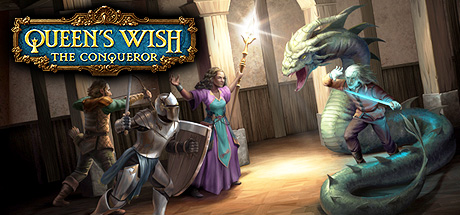
Queen's Wish: The Conqueror
At last, the Queen has given you power and freedom! The cost? You must rebuild her Empire. Will you? In this epic, indie fantasy adventure, you are free to explore, fight for fame and power, and shape the world as you choose. Escape into an unpredictable open-ended story and cunning tactical combat.
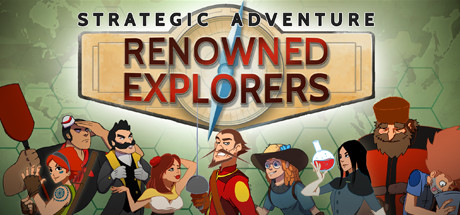
Renowned Explorers: International Society
In this strategic rogue-like you become a famous expedition leader in the 19th century. You form your own crew with the skills and personality to discover legendary treasures, while exploring randomized locations and stories on every new adventure.
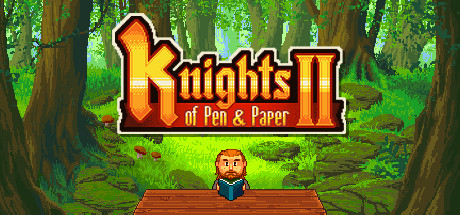
Knights of Pen and Paper 2
Prepare to inhabit a world of chivalry, class warfare and off-beat pop references. Knights of Pen & Paper 2 is a turn-based, retro style, pixel-art adventure full of danger, intrigue, death, and saving throws!

Druidstone: The Secret of the Menhir Forest
A tactical, turn-based RPG from the makers of Legend of Grimrock games. Every action, every turn counts as you control your party of heroes through challenging, handcrafted missions in the ancient, mist-clad Menhir Forest.

Ruined King: A League of Legends Story
Rise Against Ruin - Unite a party of League of Legends Champions, explore Bilgewater and set sail for the Shadow Isles to uncover the secrets of the deadly Black Mist in this immersive turn-based RPG.
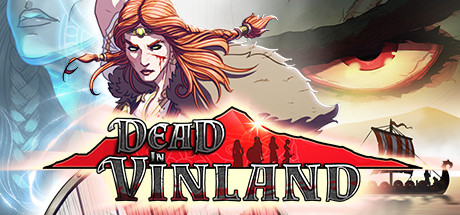
Dead In Vinland
DEAD IN VINLAND is a survival/management game, mixed with RPG and adventure elements, about a Viking family trying their best to survive on a mysterious island.
Frequently Asked Questions
EARTHLOCK is currently priced at 28.99€ on Steam.
No, EARTHLOCK is currently not on sale. You can purchase it for 28.99€ on Steam.
Yes, EARTHLOCK received 290 positive votes out of a total of 381 achieving a rating of 7.18.
😊
EARTHLOCK was developed and published by Snowcastle Games.
Yes, EARTHLOCK is playable and fully supported on Windows.
Yes, EARTHLOCK is playable and fully supported on MacOS.
Yes, EARTHLOCK is playable and fully supported on Linux.
Yes, EARTHLOCK is playable on Steam Deck, though it might require a few minor tweaks. Make sure to check the Steam store page and community feedback on ProtonDB for exact compatibility details.
Yes, EARTHLOCK is playable on Steam Machine, though it might require a few minor tweaks. Make sure to check the Steam store page and community feedback on ProtonDB for exact compatibility details.
No, EARTHLOCK does not support VR.
EARTHLOCK is a single-player game.
Yes, there are 4 DLCs available for EARTHLOCK. Explore additional content available for EARTHLOCK on Steam.
No, EARTHLOCK does not support mods via Steam Workshop.
No, EARTHLOCK does not support Steam Remote Play.
Yes, EARTHLOCK is enabled for Steam Family Sharing. This means you can share the game with authorized users from your Steam Library, allowing them to play it on their own accounts. For more details on how the feature works, you can read the original Steam Family Sharing announcement or visit the Steam Family Sharing user guide and FAQ page.
You can find solutions or submit a support ticket by visiting the Steam Support page for EARTHLOCK.
Data sources
The information presented on this page is sourced from reliable APIs to ensure accuracy and relevance. We utilize the Steam API to gather data on game details, including titles, descriptions, prices, and user reviews. This allows us to provide you with the most up-to-date information directly from the Steam platform.
Additionally, we incorporate data from the SteamSpy API, which offers insights into game sales and player statistics. This helps us present a comprehensive view of each game's popularity and performance within the gaming community.
Last Updates| Steam data | 06 October 2026 21:35 UTC |
|---|---|
| SteamSpy data | 23 October 2026 00:28 UTC |
| Steam price | 26 October 2026 19:57 UTC |
| Steam reviews | 20 October 2026 09:53 UTC |
If you'd like to dive deeper into the details about EARTHLOCK, we invite you to check out a few dedicated websites that offer extensive information and insights. These platforms provide valuable data, analysis, and user-generated reports to enhance your understanding of the game and its performance.
- SteamDB - A comprehensive database of everything on Steam about EARTHLOCK
- SteamCharts - Analysis of EARTHLOCK concurrent players on Steam
- ProtonDB - Crowdsourced reports on Linux and Steam Deck EARTHLOCK compatibility

 28.99€
Visit Store
28.99€
Visit Store
 🔥 Deal
-98%
28.99€
0.66€
Buy Now
🔥 Deal
-98%
28.99€
0.66€
Buy Now
 -97%
28.99€
0.94€
Visit Store
-97%
28.99€
0.94€
Visit Store
 -97%
28.99€
1.09€
Visit Store
-97%
28.99€
1.09€
Visit Store
 -97%
28.99€
1.11€
Visit Store
-97%
28.99€
1.11€
Visit Store
Game modes
Features
Online players
2
Developer
Snowcastle Games
Publisher
Snowcastle Games
Release
08 Mar 2018
Platforms
Clicking and buying through these links helps us earn a commission to maintain our services.