
Heaven Forest NIGHTS
The sequel to the Heaven Forest series. While the first game was about the meaning of life, this new one is about its opposite: what is the meaning of death? Since we are sentient beings who know that sooner or later we will die, do our efforts in the everyday life have a meaning at all?
Sync your Steam wishlist to find the lowest game prices instantly. No login required, just paste your Steam profile URL!
⚡ Try Wishlist Radar!
Sync your Steam wishlist to find the lowest game prices instantly. No login required!
⚡ Try Wishlist Radar!
Close

Doll Impostor on Steam
Quick menu
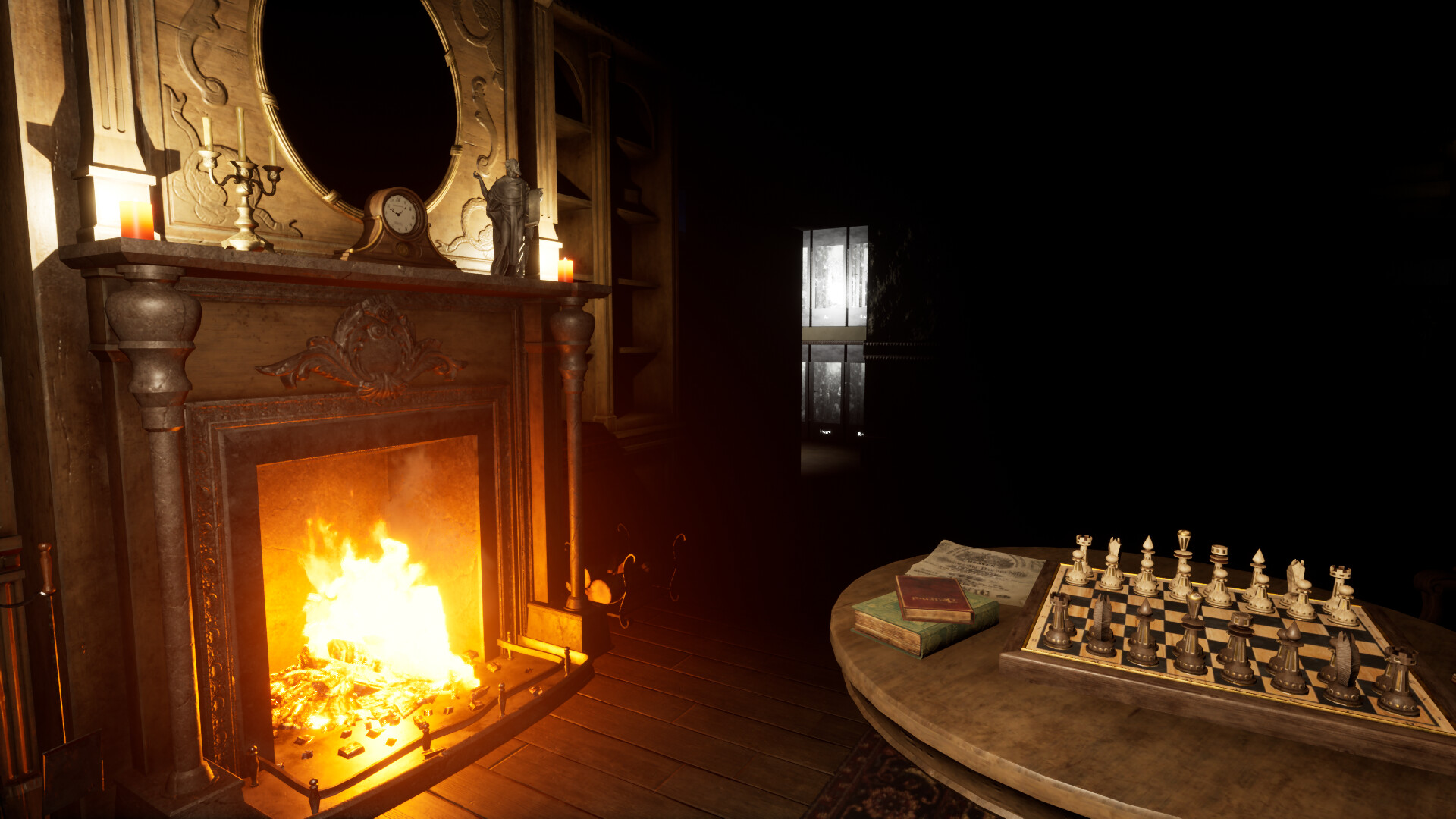
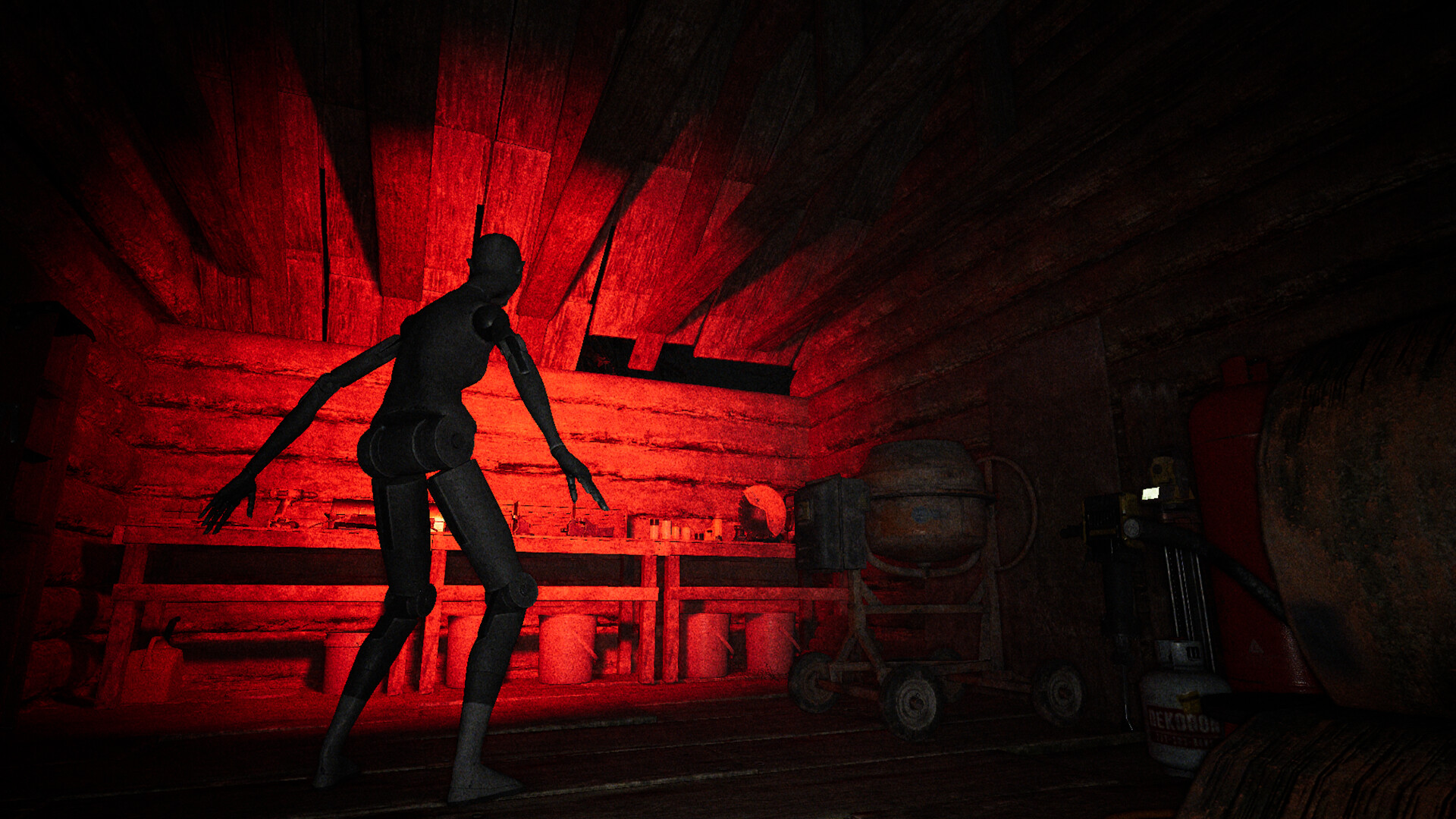
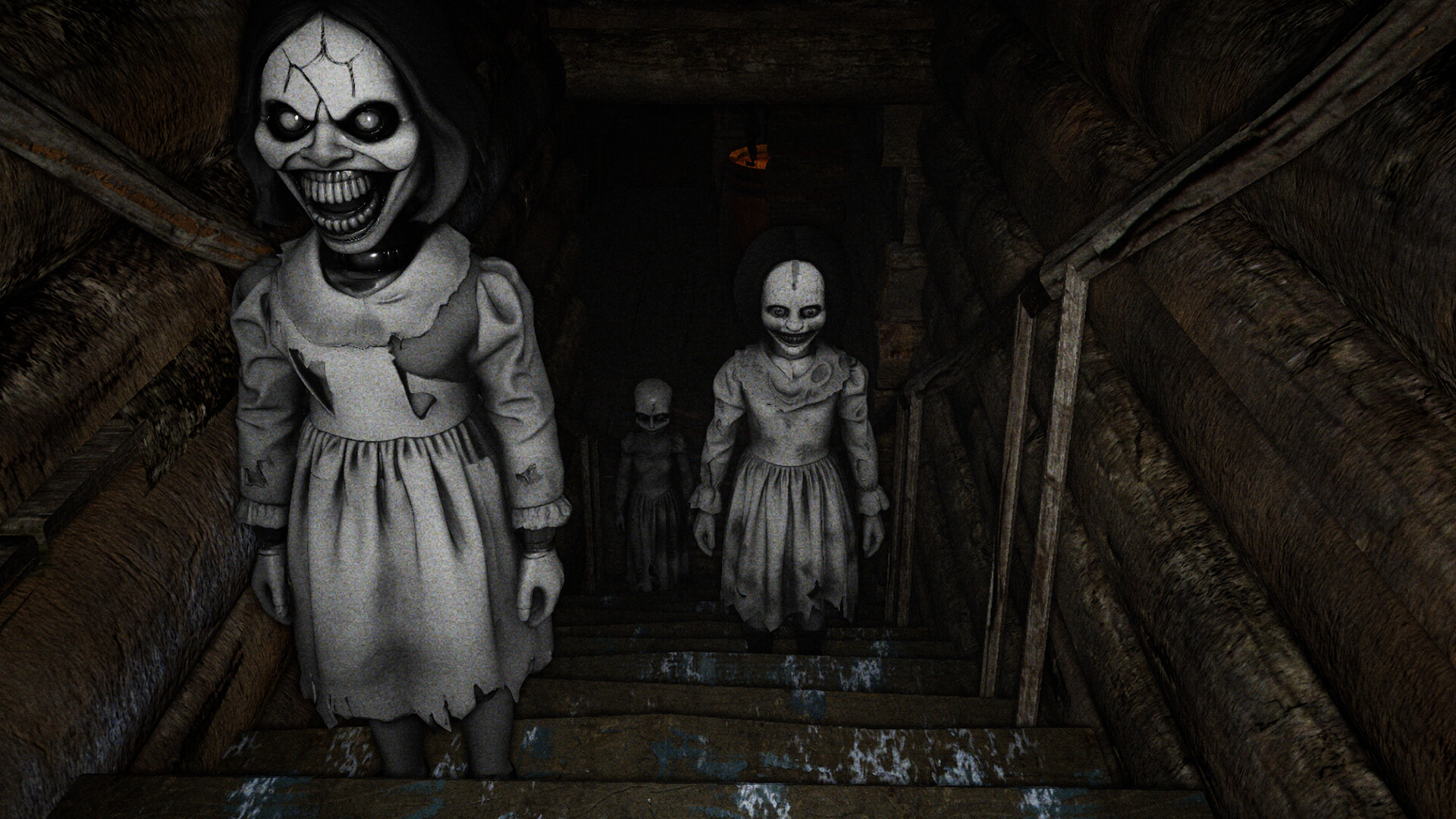
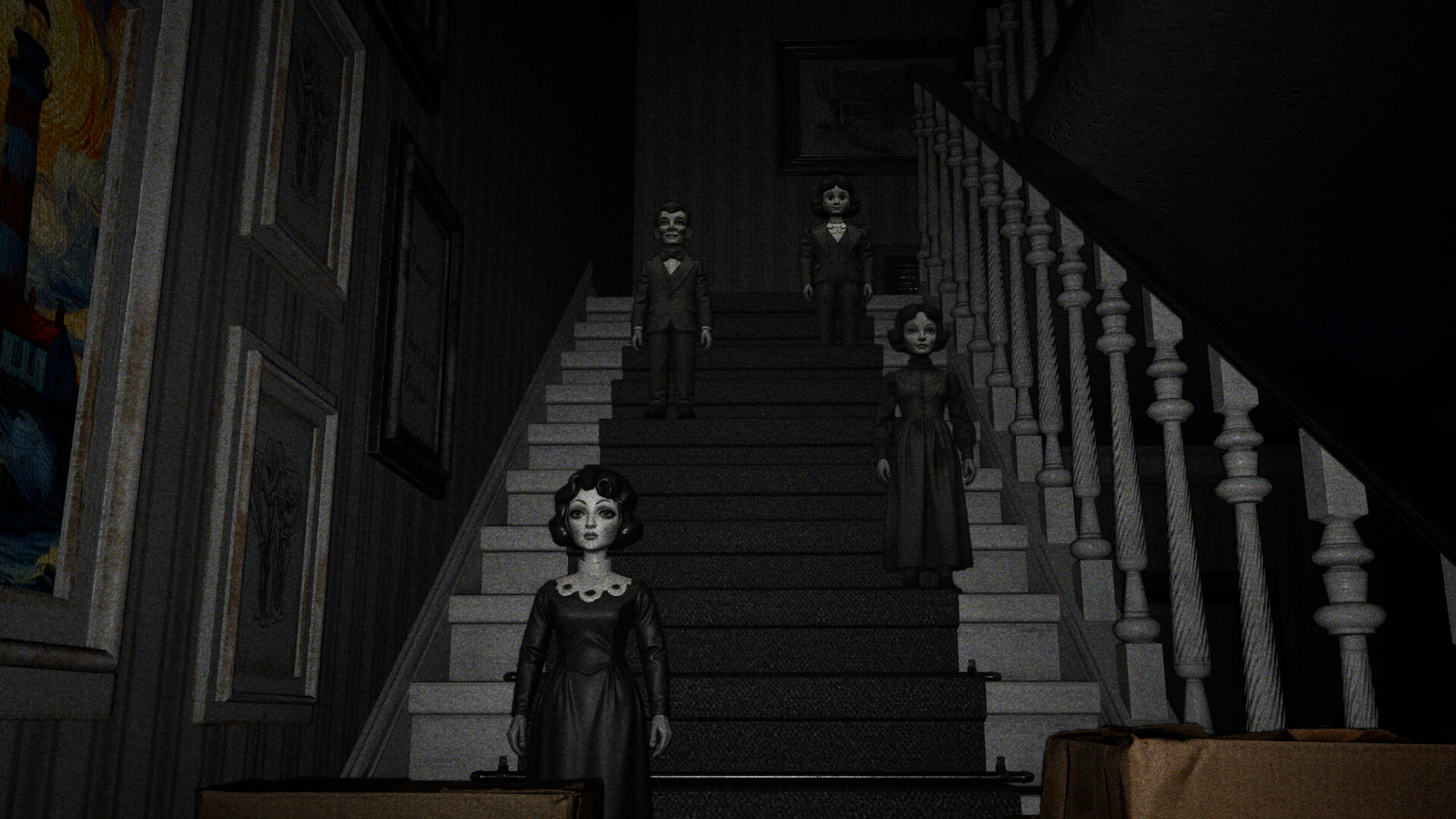
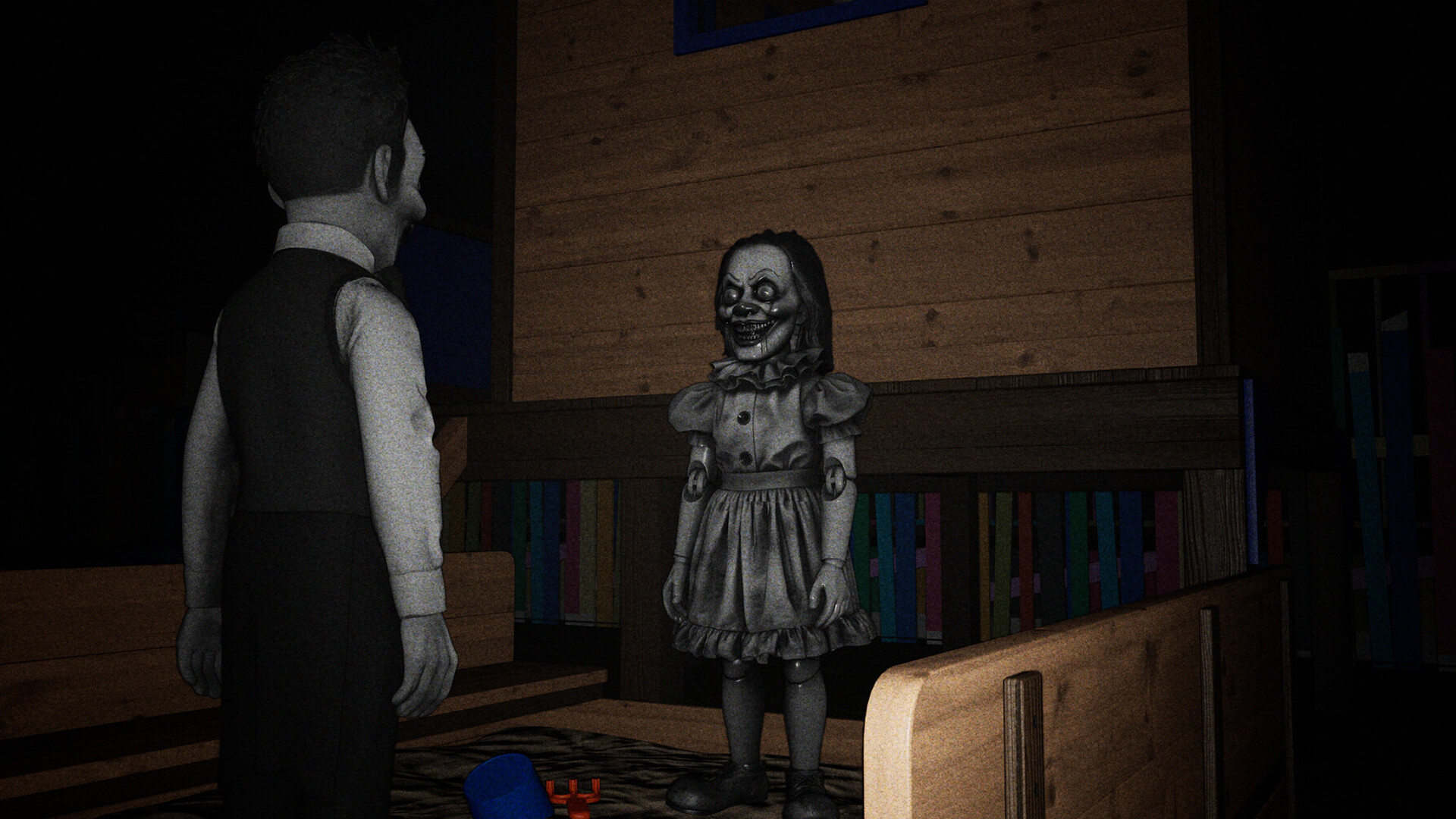
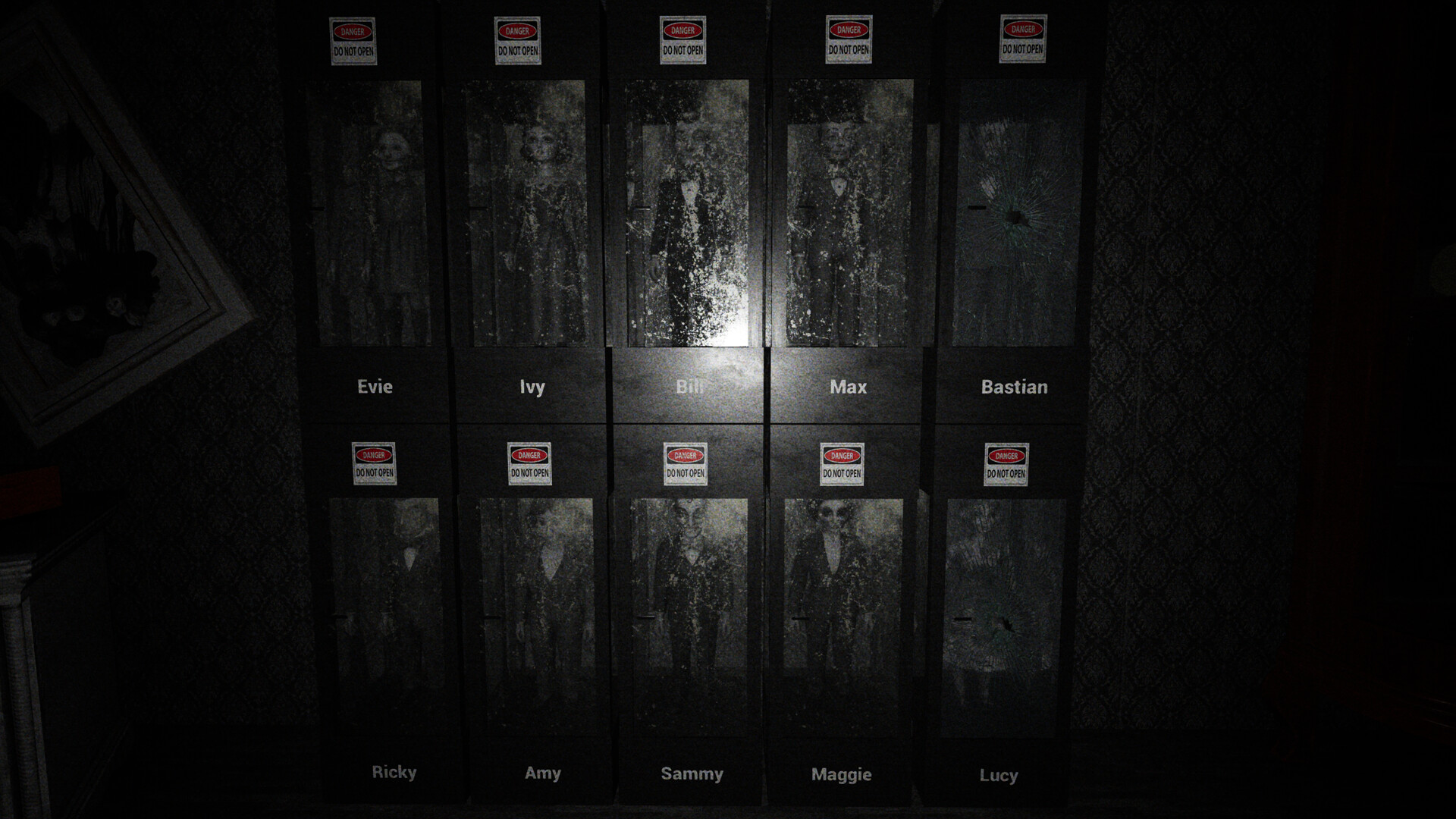
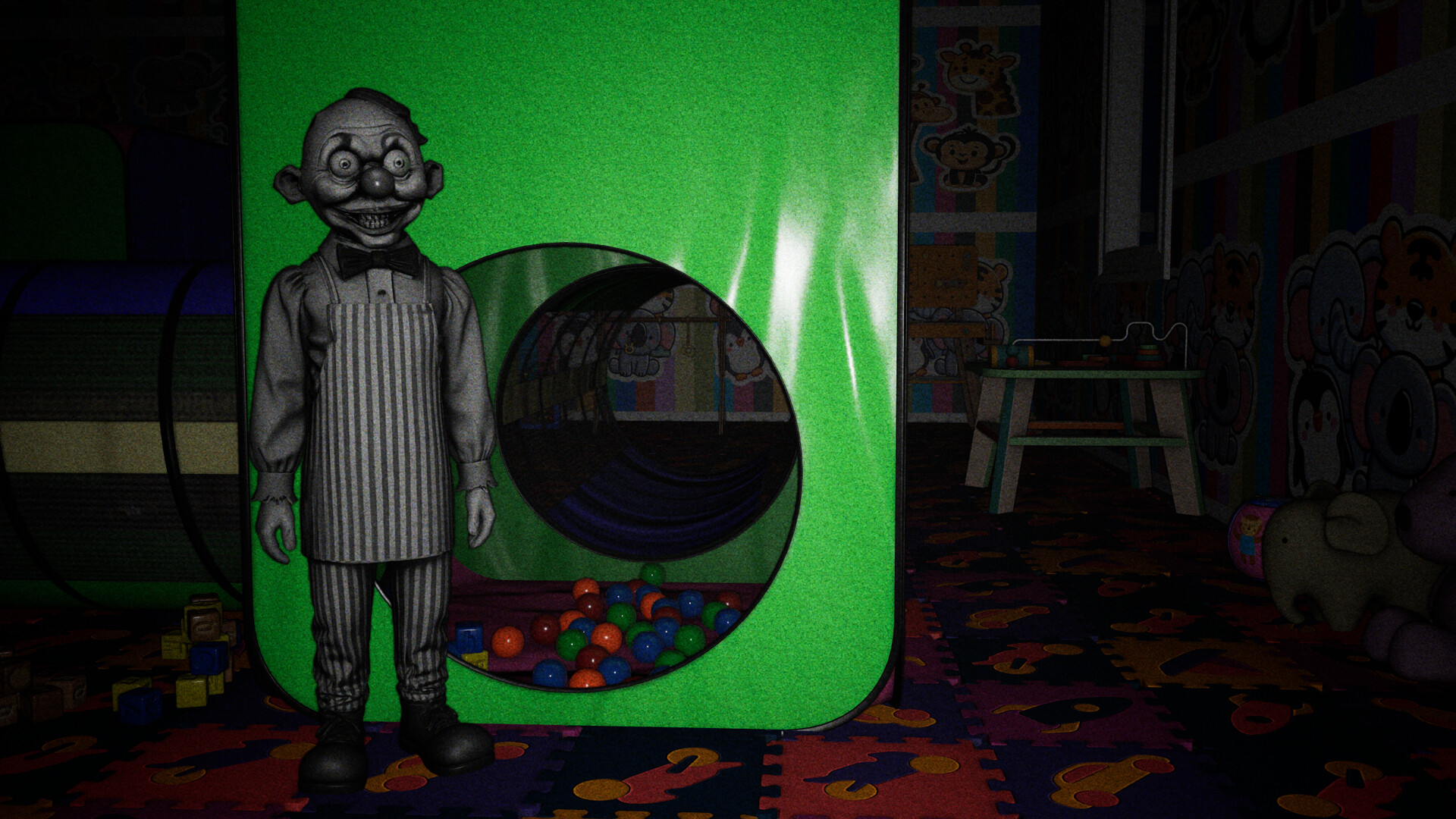
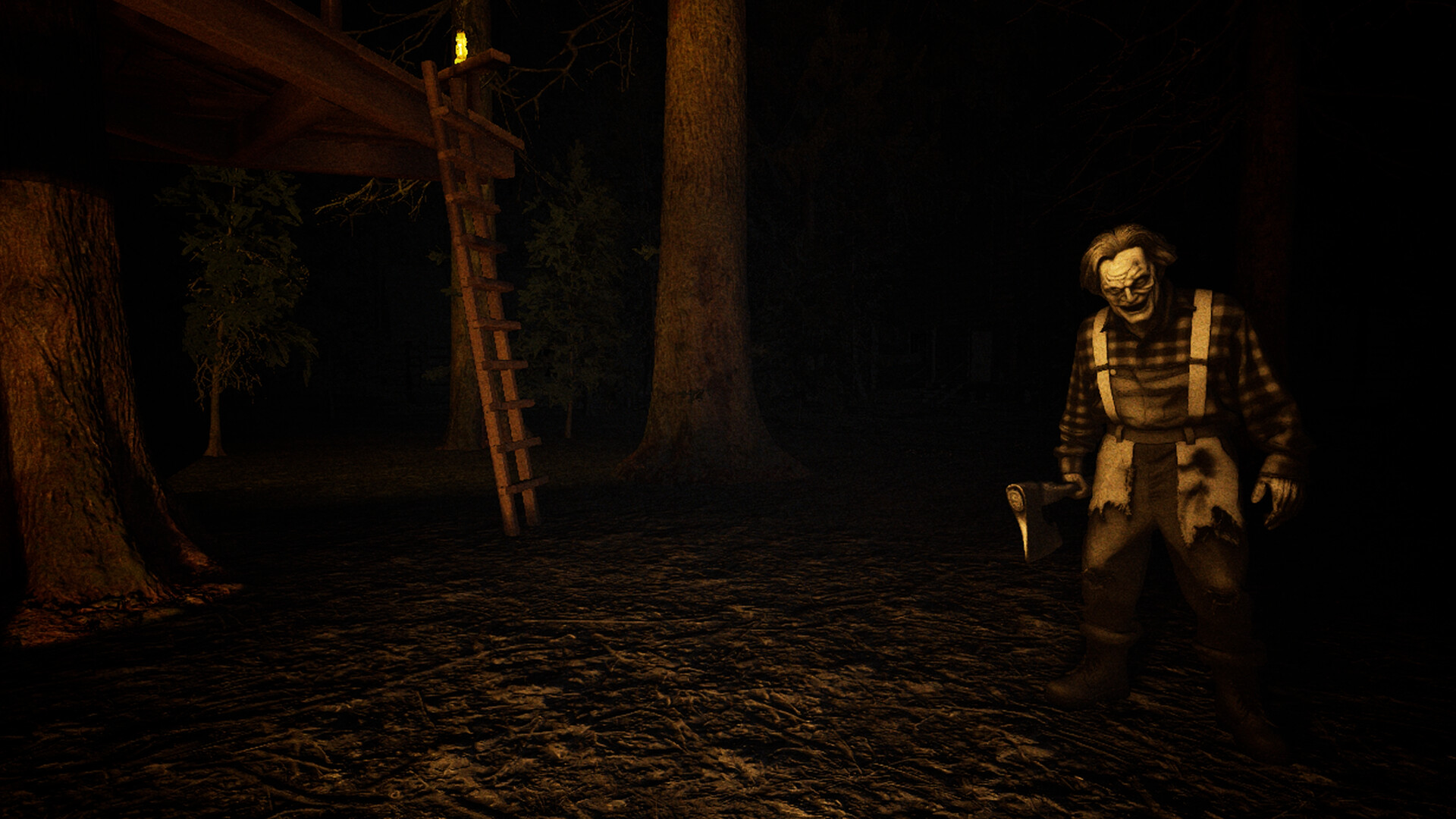
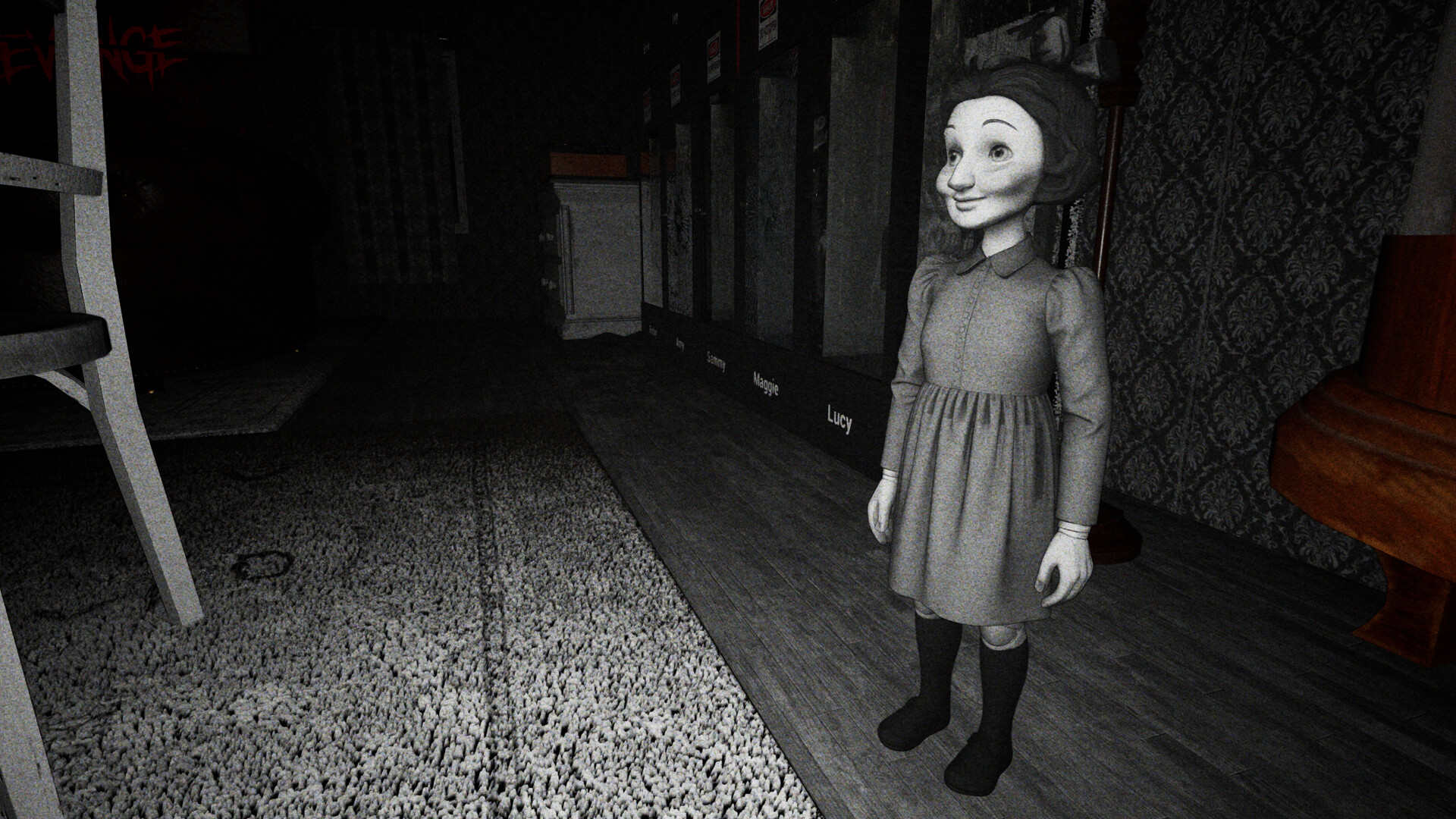
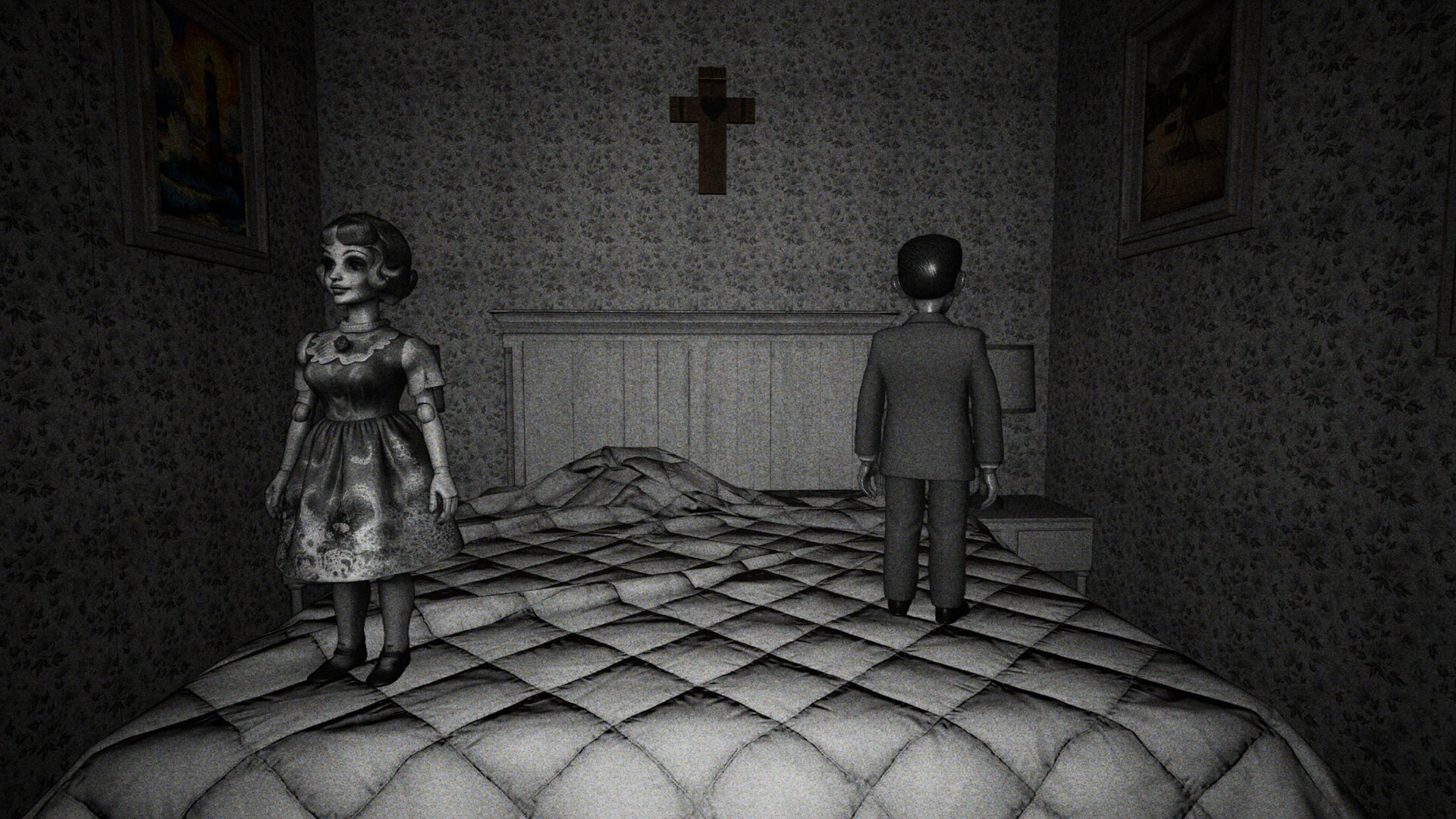
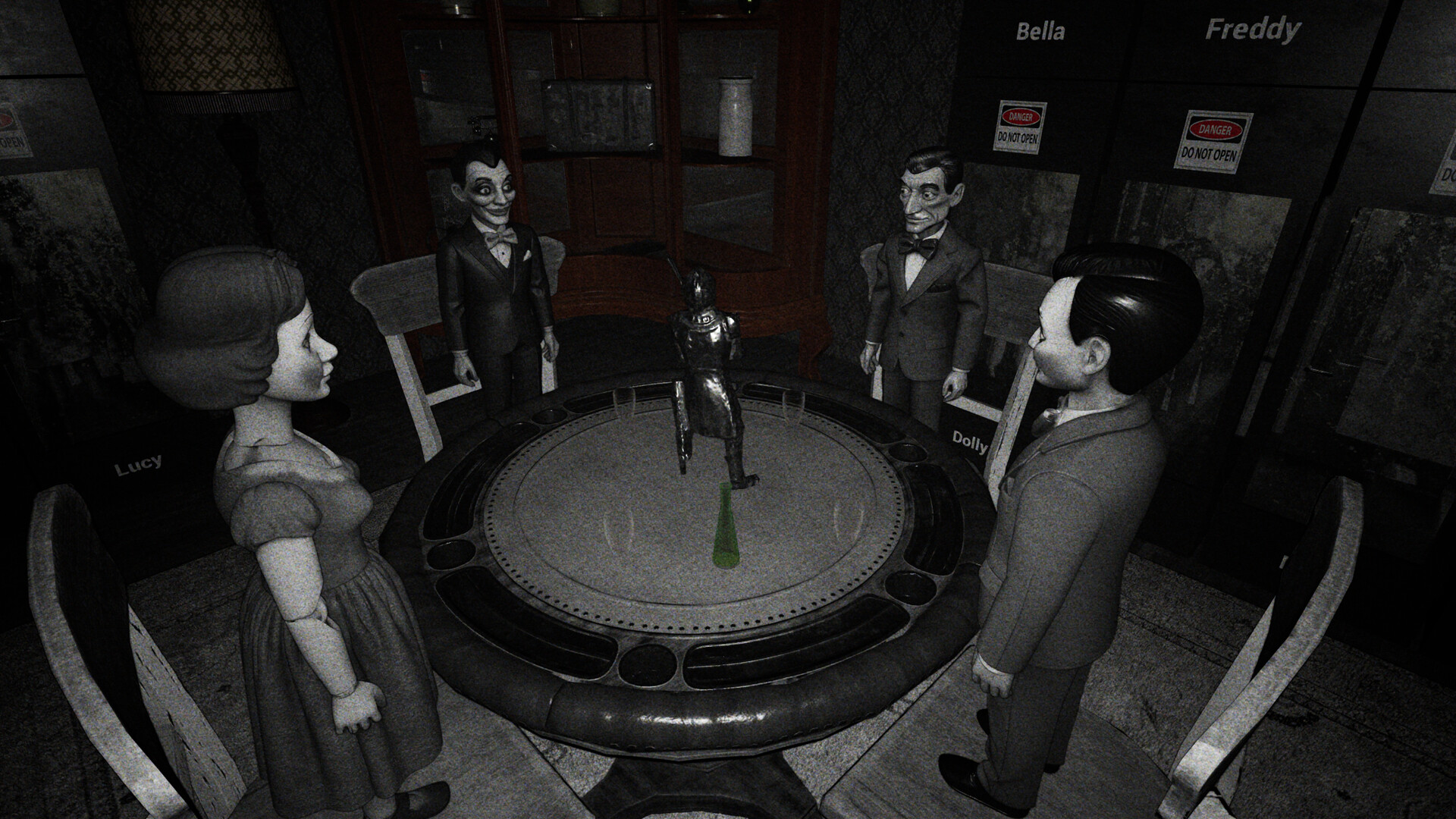
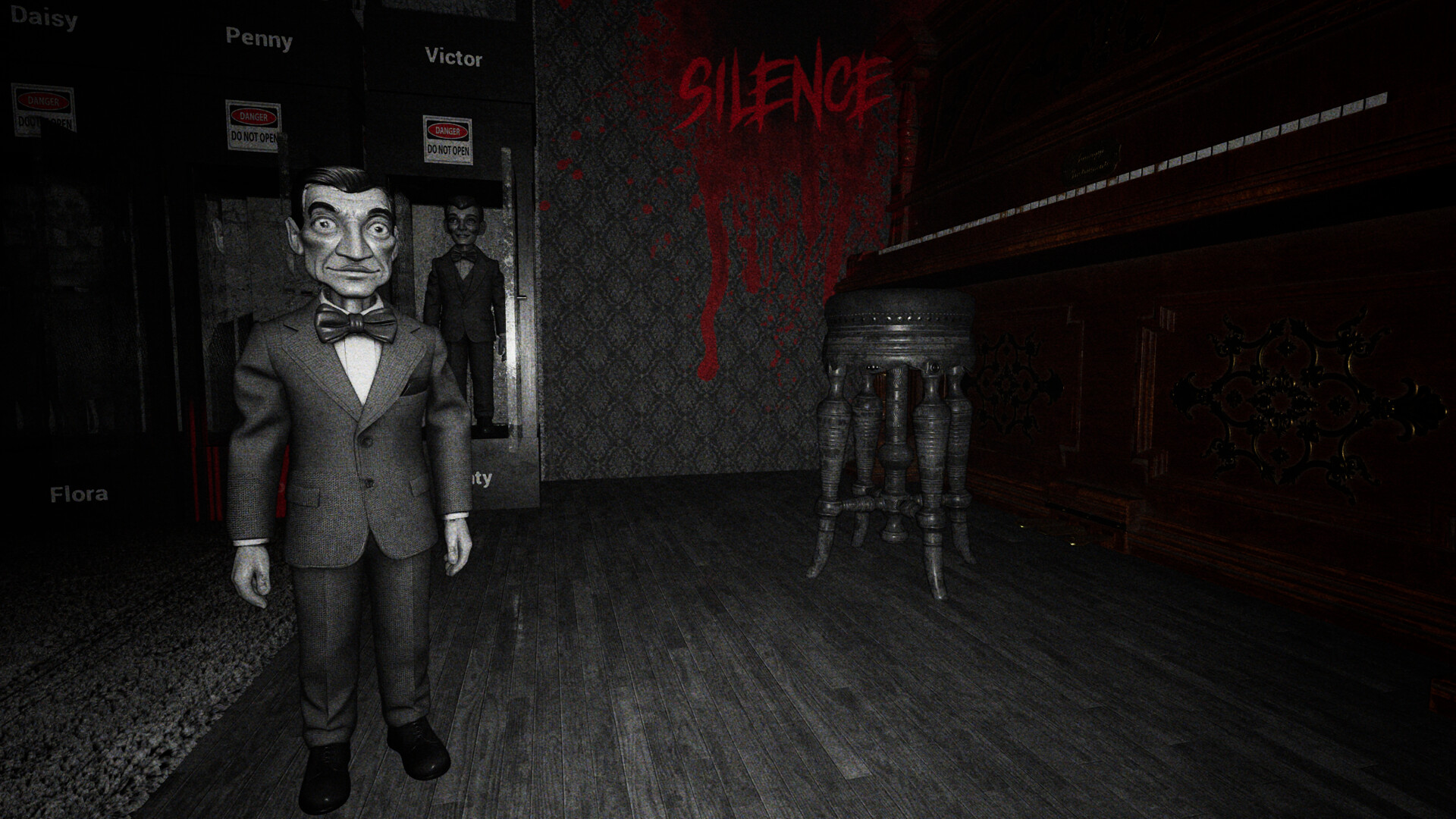
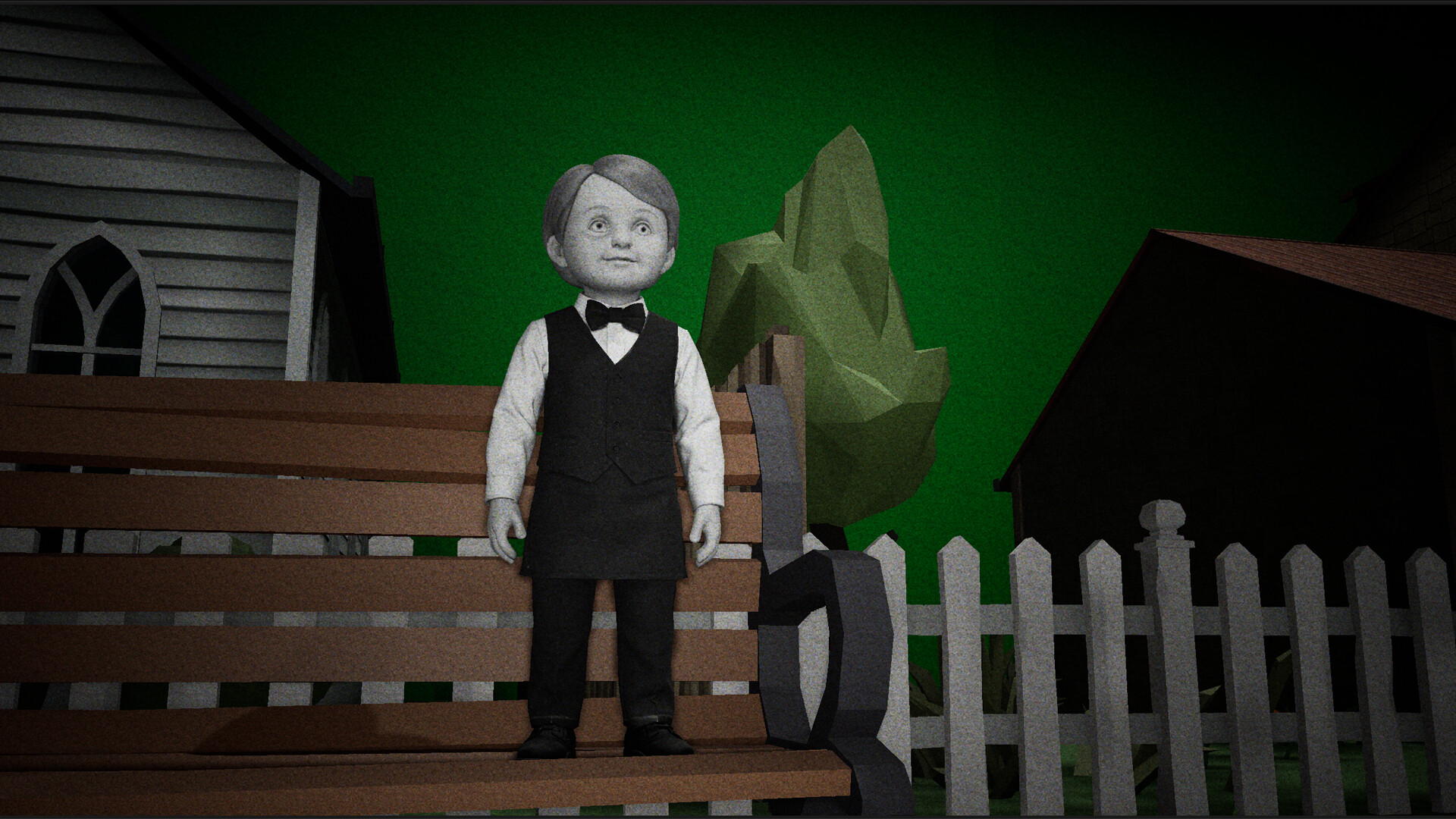
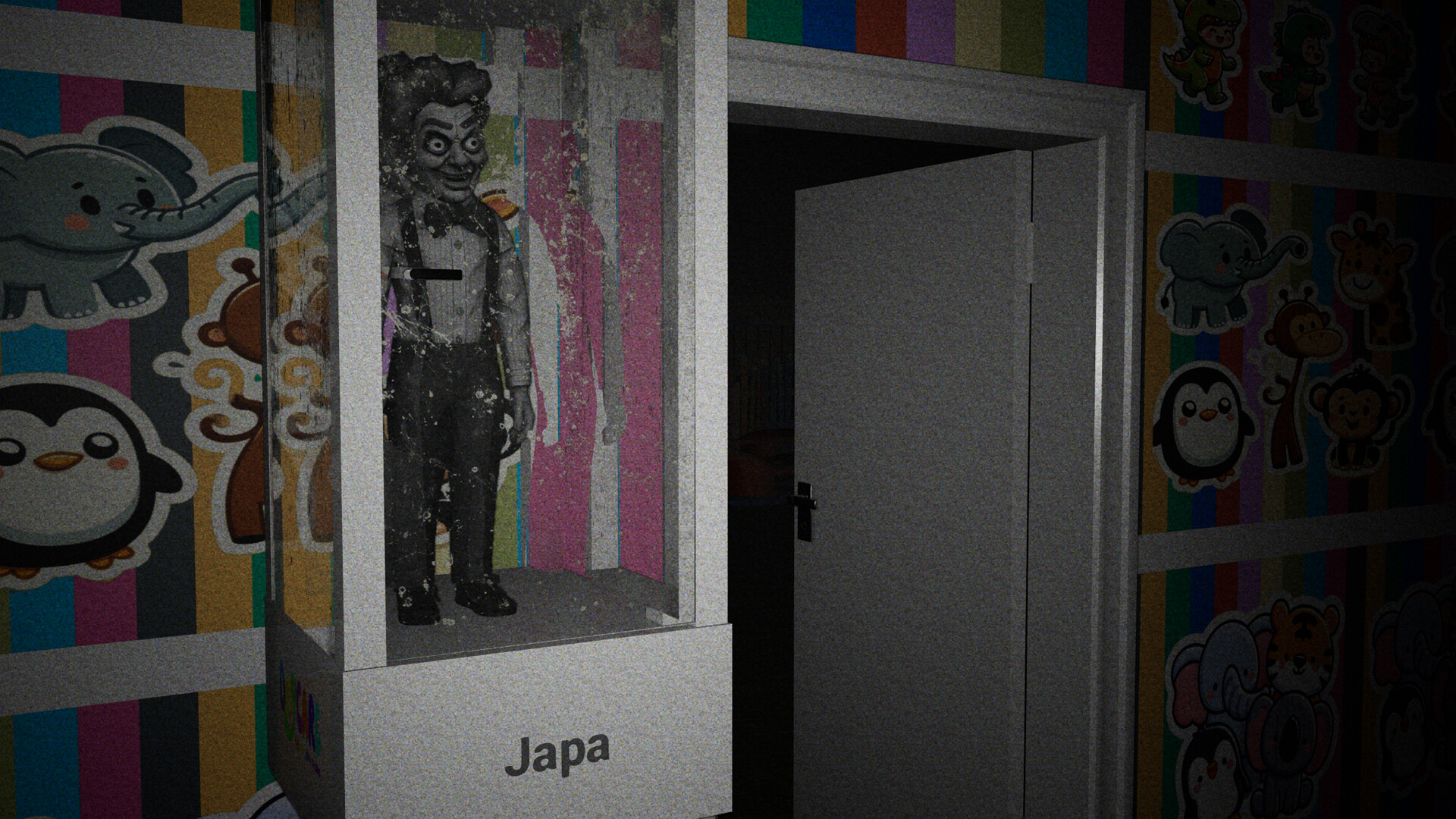
Doll Impostor is a horror game where 1-4 players take on the role of guardians of possessed dolls. Work together to identify the impostor doll before 9 a.m, or face dire consequences. Every hour counts in this tense, fear-filled race against time.
Doll Impostor is a strategy, action and adventure game
developed by David Gallardo
and published by HeadArrow.
Released on March 28th 2024 is available on Windows, Steam Deck and Steam Machine
in 30 languages: English, Spanish - Spain, Spanish - Latin America, French, Italian, German, Bulgarian, Czech, Simplified Chinese, Traditional Chinese, Korean, Danish, Finnish, Greek, Dutch, Hungarian, Indonesian, Japanese, Norwegian, Polish, Portuguese - Brazil, Portuguese - Portugal, Romanian, Russian, Swedish, Thai, Turkish, Ukrainian, Vietnamese and Arabic.
It has received 970 reviews of which 892 were positive and 78 were negative resulting in a rating of 8.7 out of 10. 😎
The game is currently priced at 2.45€ on Steam with a 80% discount.
The Steam community has classified Doll Impostor into these genres:
Strategy
Action
Adventure
Walking Simulator
Horror
3D
Cinematic
Psychological Horror
First-Person
Singleplayer
Indie
Realistic
Casual
Co-op
Multiplayer
Puzzle
Here is the detailed breakdown of supported languages for Doll Impostor:
| UI | Subtitle | Audio | |
|---|---|---|---|
| English | |||
| German | |||
| French | |||
| Italian | |||
| Korean | |||
| Spanish - Spain | |||
| Simplified Chinese | |||
| Traditional Chinese | |||
| Russian | |||
| Thai | |||
| Japanese | |||
| Portuguese - Portugal | |||
| Polish | |||
| Danish | |||
| Dutch | |||
| Finnish | |||
| Norwegian | |||
| Swedish | |||
| Hungarian | |||
| Czech | |||
| Romanian | |||
| Turkish | |||
| Portuguese - Brazil | |||
| Bulgarian | |||
| Greek | |||
| Arabic | |||
| Ukrainian | |||
| Spanish - Latin America | |||
| Vietnamese | |||
| Indonesian |
Media & Screenshots
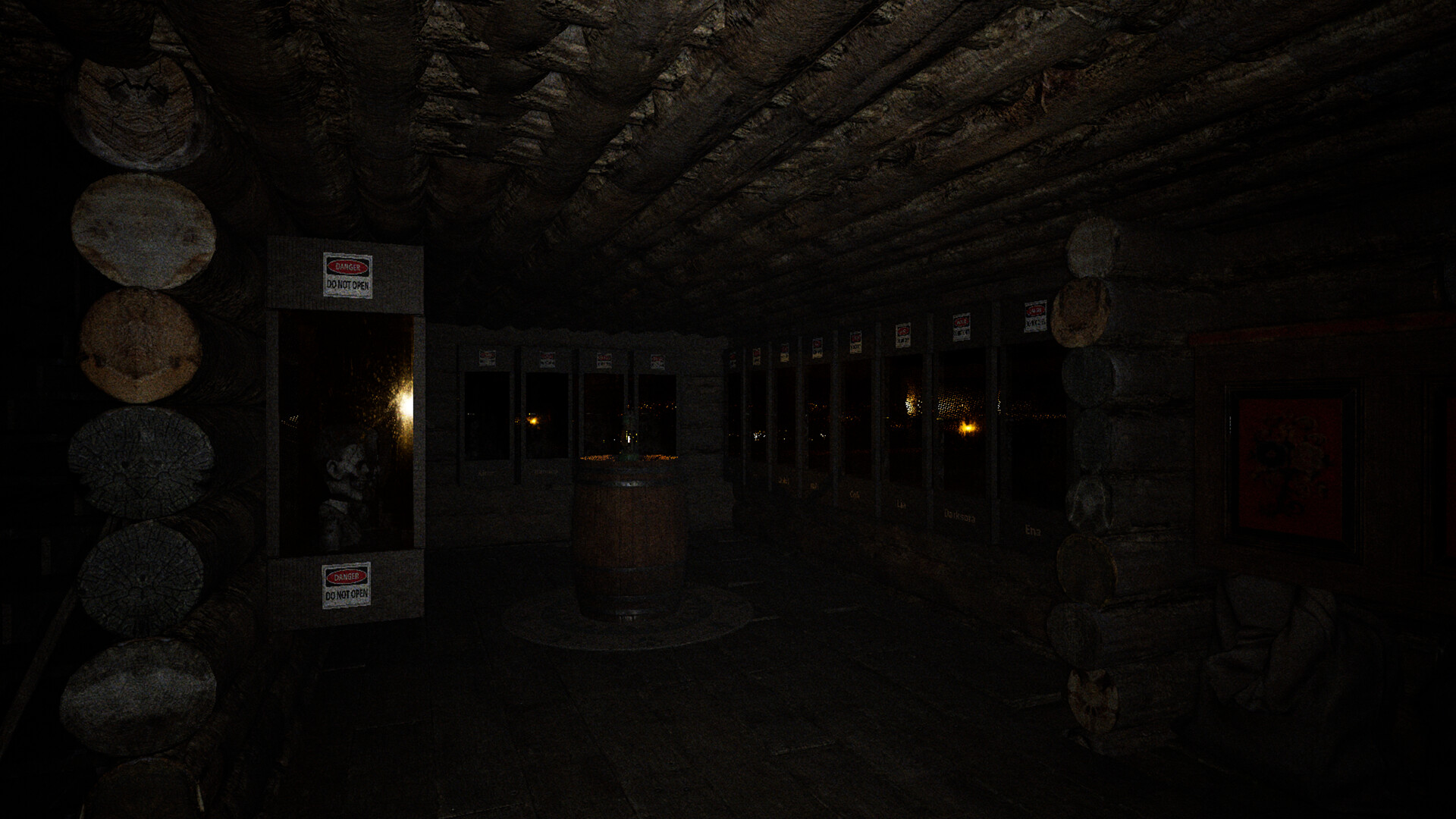
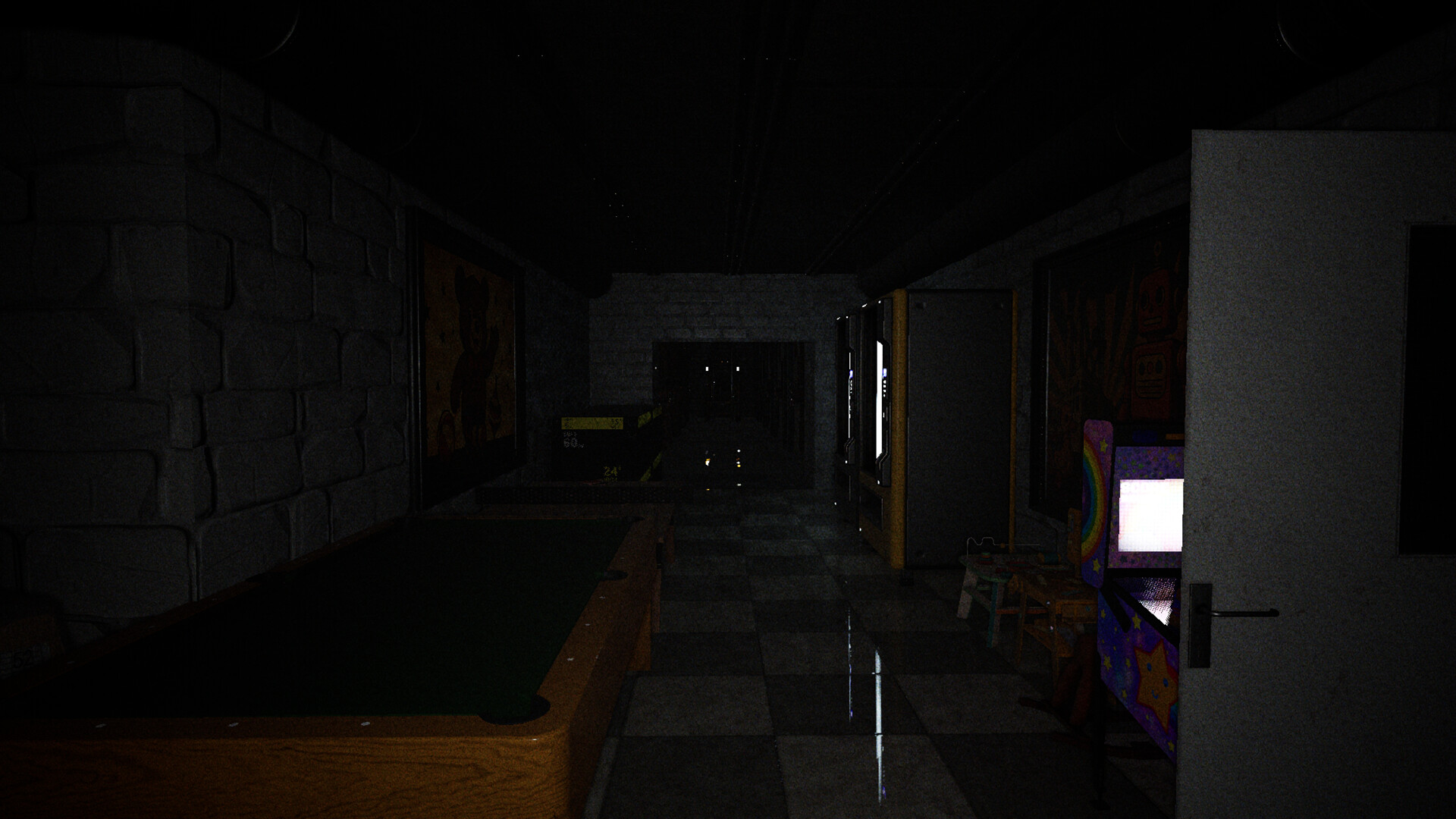
Get an in-depth look at Doll Impostor through various videos and screenshots.


Load More












System requirements
These are the minimum specifications needed to play the game. For the best experience, we recommend that you verify them.
Windows
- Requires a 64-bit processor and operating system
- OS: Windows 10 (64 Bits)
- Processor: AMD FX-8320
- Memory: 8 GB RAM
- Graphics: MSI Radeon R7 200 Series
- Storage: 18 GB available space
- VR Support: OpenXR, SteamVR, Meta Quest 3s
Steam Price & Best Deals
User reviews & Ratings
Explore reviews from Steam users sharing their experiences and what they love about the game.
Is it scary? Not at all. Did my cat rubbing against my leg while I was playing the game make me fall out of the chair in a blind panic... maybe... The two are NOT connected. The game is a lot more fun than I had expected it to be. I honestly just expected it to be a game I would play once or twice and them just put away for good. But the updates come pretty often and new features are always surprising me. The new dolls are Sooooo...Cute... (Although honestly when I walk in the room and they are riding on the little toy cars I honestly melted. It was unexpected.) Anyways. Play the game! You wont be scared at all. Unless you have a cat.. Or anything else that can sneak up on you.
It´s fun. If I remember right, I got this while it was on discount. Even with full price i would say its definitely worth to try. At first it took some time to really understand the game and when i did, it felt almost too easy. But then after unlocking more difficulties and stages, the game has more to offer. I´ve been playing solo, but hopefully co-op one day. Some stages are quite large and with higher difficulties it might be more enjoyable with more people. But so far it has been really fun alone too. Using the chat feature to make notes is very useful. What I really like about this, there is no timer and you won't get killed randomly unless you make one dumb mistake (i did that mistake many times). I haven't unlocked all the difficulties and stages so at least when you start the game, it gives you all the time to figure out how everything works.
I Like the game could be better if you could refuse a contract once a day, if the map boarders were more open and defined, for example the circus and cabin in the woods. Also if there were more ineractive thing in the lobby, other than that really a fun and unique gameplay experience.
Similar games
View all

SILENT HILL: Townfall
Returning to an island town to ‘put things right’, Simon Ordell descends into a world of tense evasion, explosive confrontations, and mind-bending puzzles that slowly surface the truth of St. Amelia.
![[Chilla's Art] Missing Children | 行方不明](https://shared.fastly.steamstatic.com/store_item_assets/steam/apps/1306620/header.jpg)
[Chilla's Art] Missing Children | 行方不明
Missing Children | 行方不明 is a Japanese horror-themed adventure game about a bully detective searching for reported missing children.
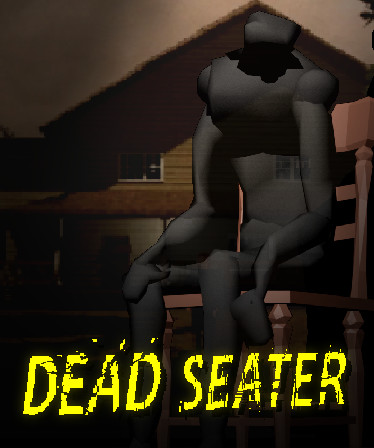
Dead Seater
Explore the halls and travel deeper into the Vincent estate, but beware what lurks there. Father is coming home.

Toilet 8
What, you don’t know Toilet 8 🚽💩? The most immature parody anomaly game ever made? You’re stuck in a loop of public toilets where you must spot what’s wrong each time. Absurd surprises and plenty of poop-fart humor designed to make you laugh.
![[Chilla's Art] Inunaki Tunnel | 犬鳴トンネル](https://shared.fastly.steamstatic.com/store_item_assets/steam/apps/1185160/header.jpg?t=1662351834)
[Chilla's Art] Inunaki Tunnel | 犬鳴トンネル
Inunaki tunnel (or Inunaki village) is a famous Japanese horror spot where people have been killed or burnt to death.
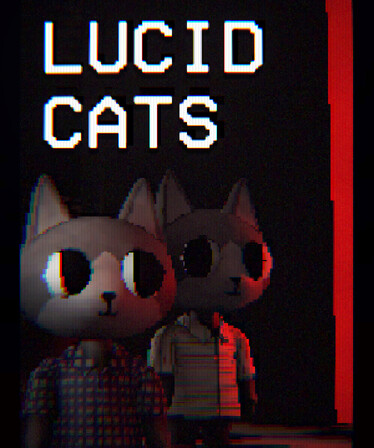
Lucid Cats
An online co-op horror extraction game. Fall asleep, loot a shared nightmare, and find the escape to keep your valuables.

A.A.U. Black Site
As an agent of the secret special forces A.A.U., your covert mission in Serbia goes wrong fast. Framed, intercepted, and stranded in the abandoned territory of Uzovnica, you’ll need every skill to survive, especially when everything around you is not what it seems.
![[Chilla's Art] Stigmatized Property | 事故物件](https://shared.fastly.steamstatic.com/store_item_assets/steam/apps/1162680/bcd35f659ff51cfabb84ac3cf2a8f61cf97e2247/hero_capsule.jpg?t=1760423568)
[Chilla's Art] Stigmatized Property | 事故物件
Stigmatized Property, 事故物件 (Jiko bukken) is a horror game inspired by haunted apartment rooms in Japan. These properties are known to have cheap rents and you play to find out the exact reason why.


Emily Wants to Play Too
No one believed the pizza guy. They kept the dolls. A sandwich delivery guy is on his way to Central Evidence. He is not ready for what he finds. Emily and the dolls are back with new friends, scares and more. Use stealth and strategy to survive their unique games in this survival horror.
![[Bober Bros] It's Just A Prank](https://shared.fastly.steamstatic.com/store_item_assets/steam/apps/3001730/hero_capsule.jpg?t=1735476825)
[Bober Bros] It's Just A Prank
It's Just A Prank is a first-person horror game about kids playing pranks on each other until a PRANK GOES WRONG. Experience suspense, fear, and unexpected twists as a simple joke becomes a nightmare.
Frequently Asked Questions
Doll Impostor is currently priced at 2.45€ on Steam.
Yes, Doll Impostor is currently available at a 80% discount. You can purchase it for 2.45€ on Steam.
Yes, Doll Impostor received 892 positive votes out of a total of 970 achieving a rating of 8.67.
😎
Doll Impostor was developed by David Gallardo and published by HeadArrow.
Yes, Doll Impostor is playable and fully supported on Windows.
No, Doll Impostor is not playable on MacOS.
No, Doll Impostor is not playable on Linux.
Yes, Doll Impostor is playable on Steam Deck, though it might require a few minor tweaks. Make sure to check the Steam store page and community feedback on ProtonDB for exact compatibility details.
Yes, Doll Impostor is playable on Steam Machine, though it might require a few minor tweaks. Make sure to check the Steam store page and community feedback on ProtonDB for exact compatibility details.
No, Doll Impostor does not support VR.
Doll Impostor offers both single-player and multi-player modes.
Doll Impostor offers both Co-op and PvP modes.
Yes, there is a DLC available for Doll Impostor. Explore additional content available for Doll Impostor on Steam.
No, Doll Impostor does not support mods via Steam Workshop.
No, Doll Impostor does not support Steam Remote Play.
Yes, Doll Impostor is enabled for Steam Family Sharing. This means you can share the game with authorized users from your Steam Library, allowing them to play it on their own accounts. For more details on how the feature works, you can read the original Steam Family Sharing announcement or visit the Steam Family Sharing user guide and FAQ page.
You can find solutions or submit a support ticket by visiting the Steam Support page for Doll Impostor.
Data sources
The information presented on this page is sourced from reliable APIs to ensure accuracy and relevance. We utilize the Steam API to gather data on game details, including titles, descriptions, prices, and user reviews. This allows us to provide you with the most up-to-date information directly from the Steam platform.
Additionally, we incorporate data from the SteamSpy API, which offers insights into game sales and player statistics. This helps us present a comprehensive view of each game's popularity and performance within the gaming community.
Last Updates| Steam data | 12 October 2026 05:04 UTC |
|---|---|
| SteamSpy data | 25 October 2026 12:11 UTC |
| Steam price | 27 October 2026 04:09 UTC |
| Steam reviews | 22 October 2026 18:08 UTC |
If you'd like to dive deeper into the details about Doll Impostor, we invite you to check out a few dedicated websites that offer extensive information and insights. These platforms provide valuable data, analysis, and user-generated reports to enhance your understanding of the game and its performance.
- SteamDB - A comprehensive database of everything on Steam about Doll Impostor
- SteamCharts - Analysis of Doll Impostor concurrent players on Steam
- ProtonDB - Crowdsourced reports on Linux and Steam Deck Doll Impostor compatibility

Game modes
Multiplayer
Features
Online players
4
Developer
David Gallardo
Publisher
HeadArrow
Release
28 Mar 2024
Platforms