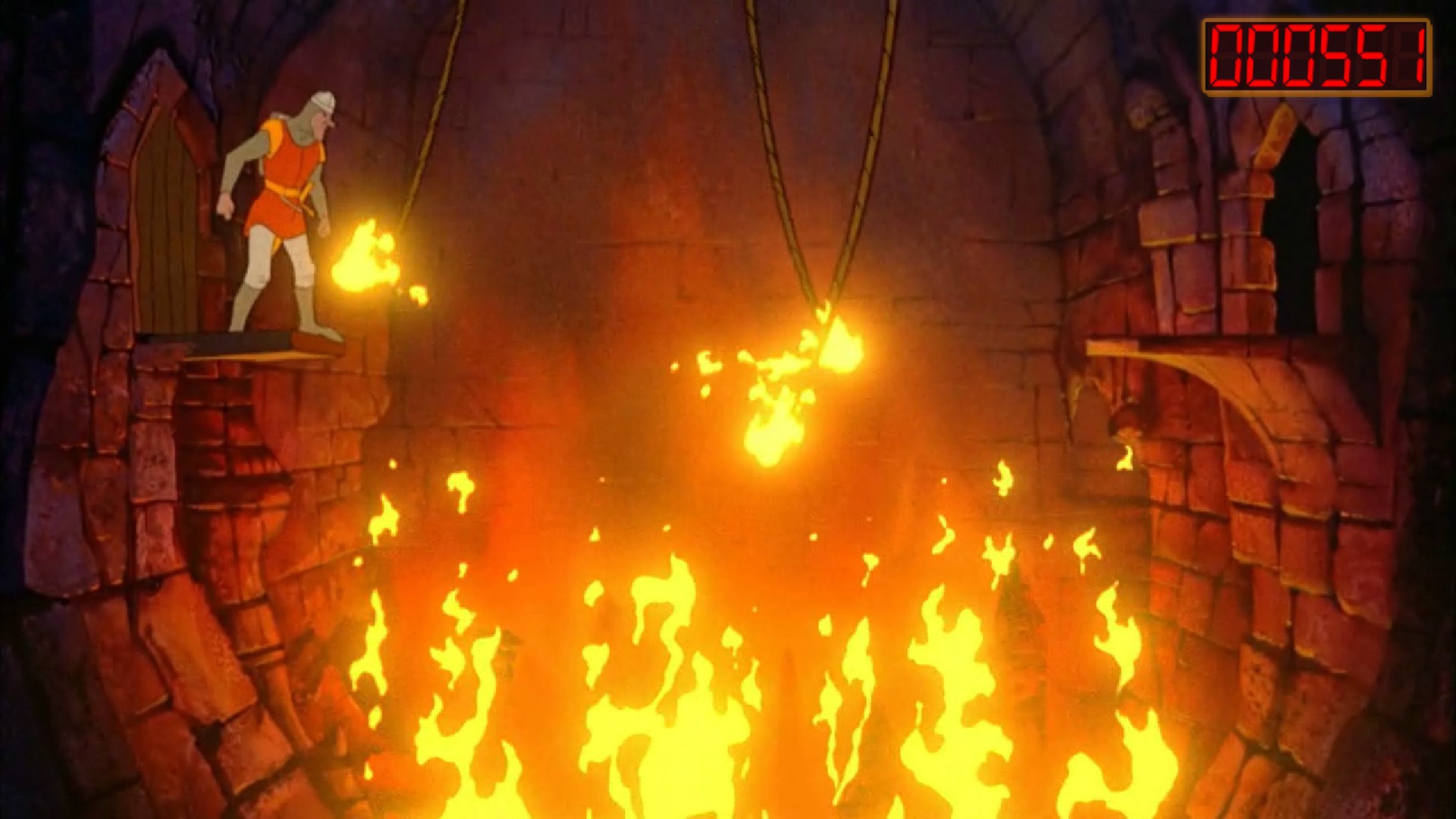
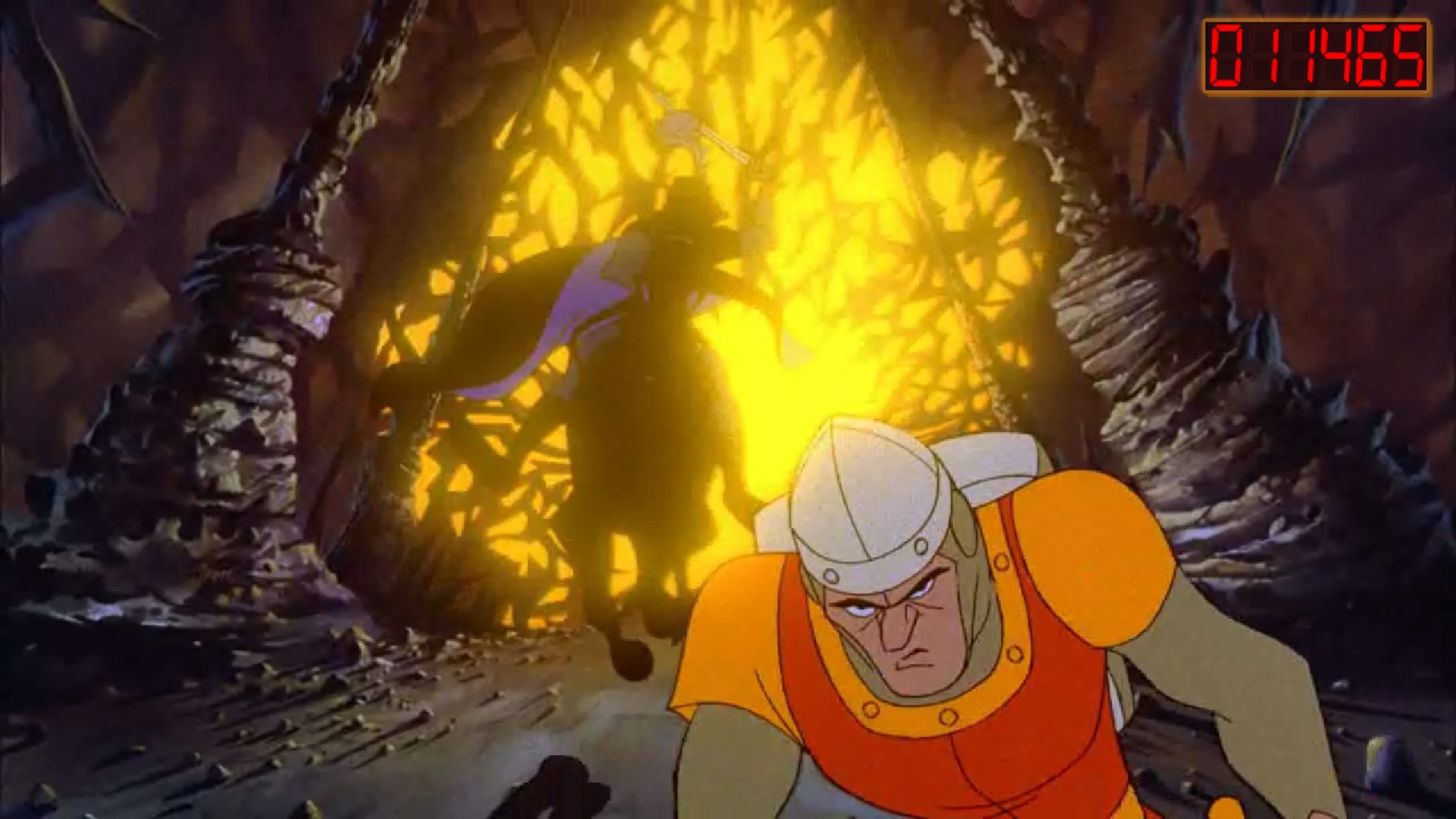
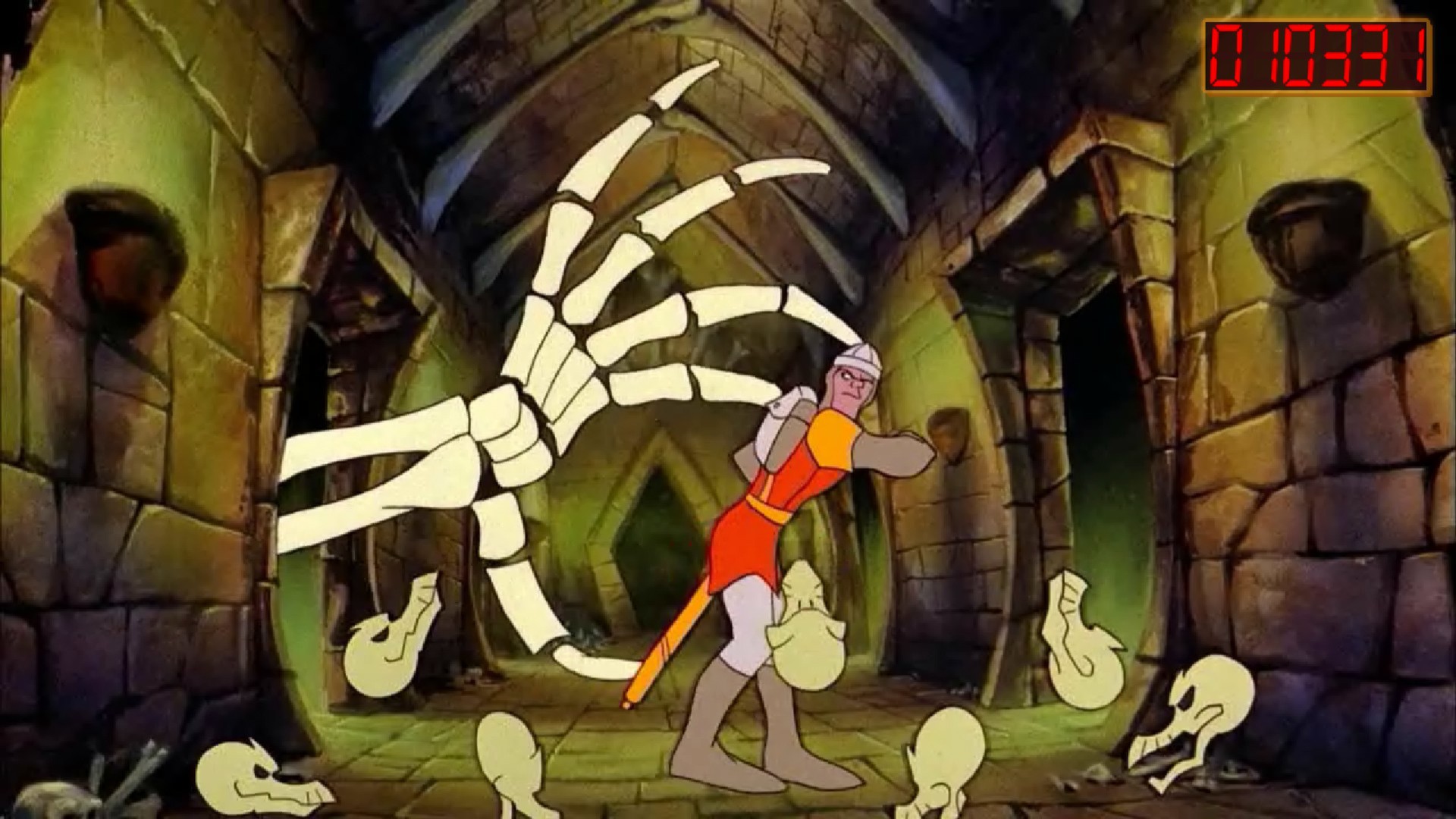
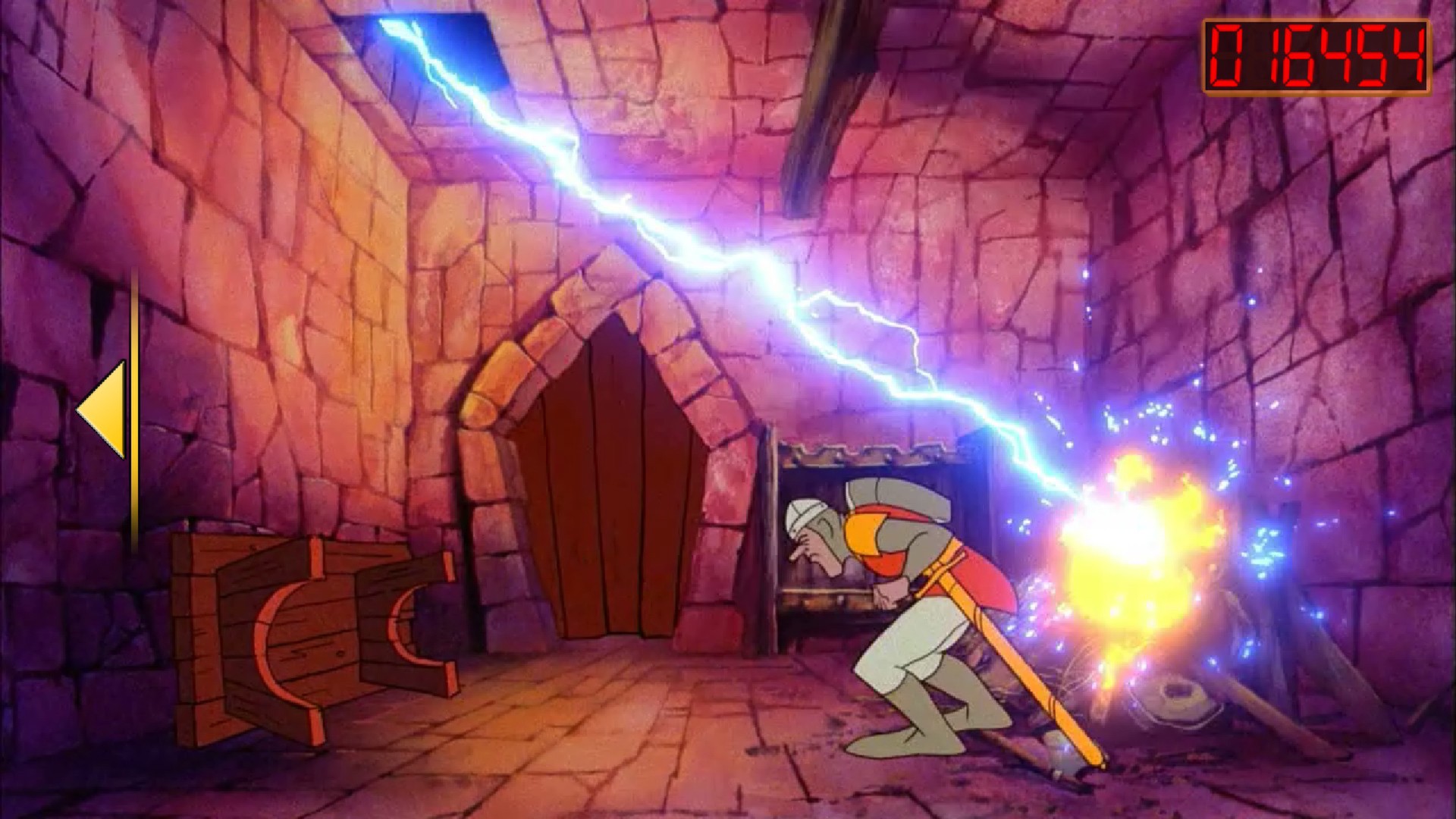
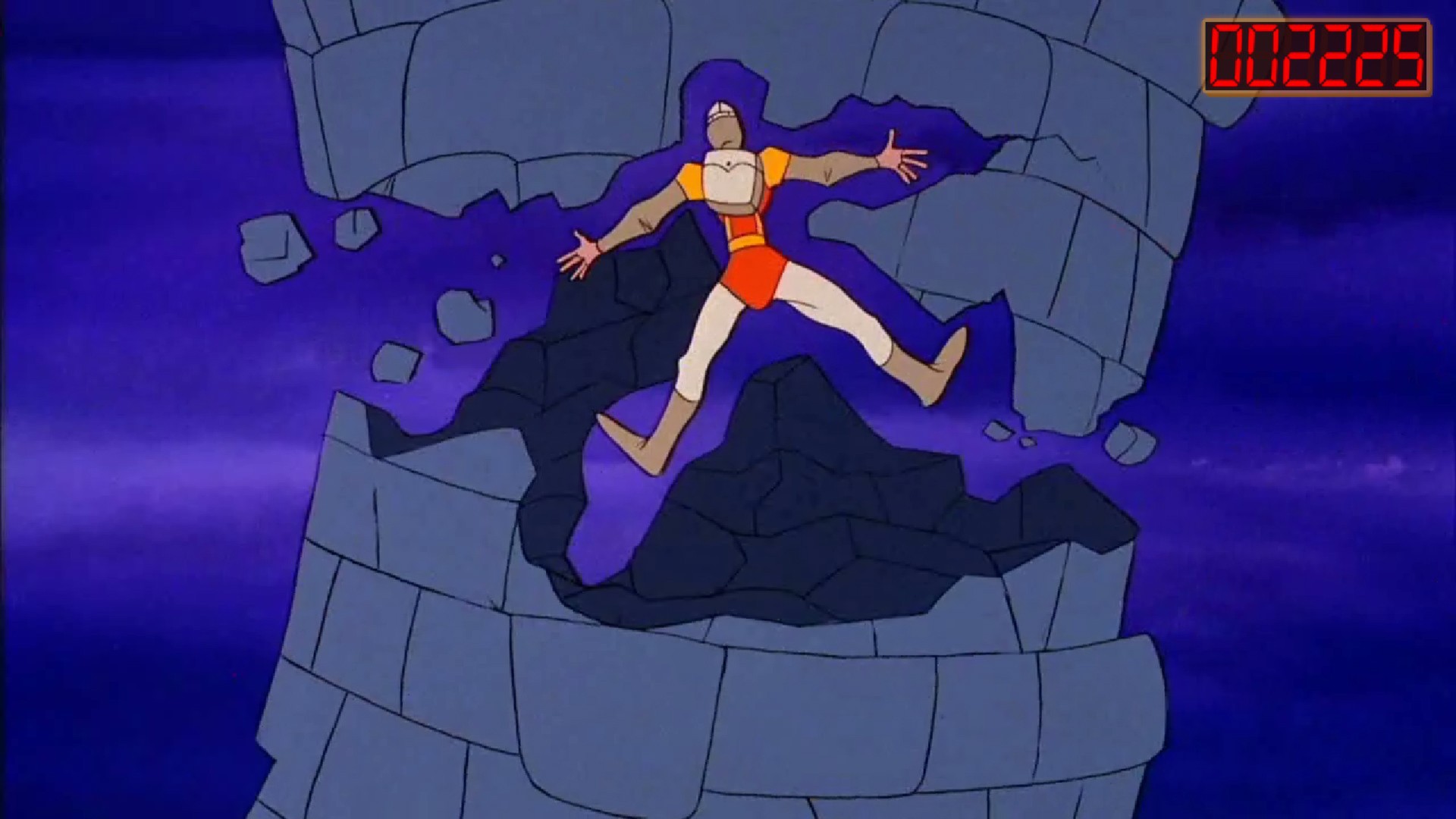
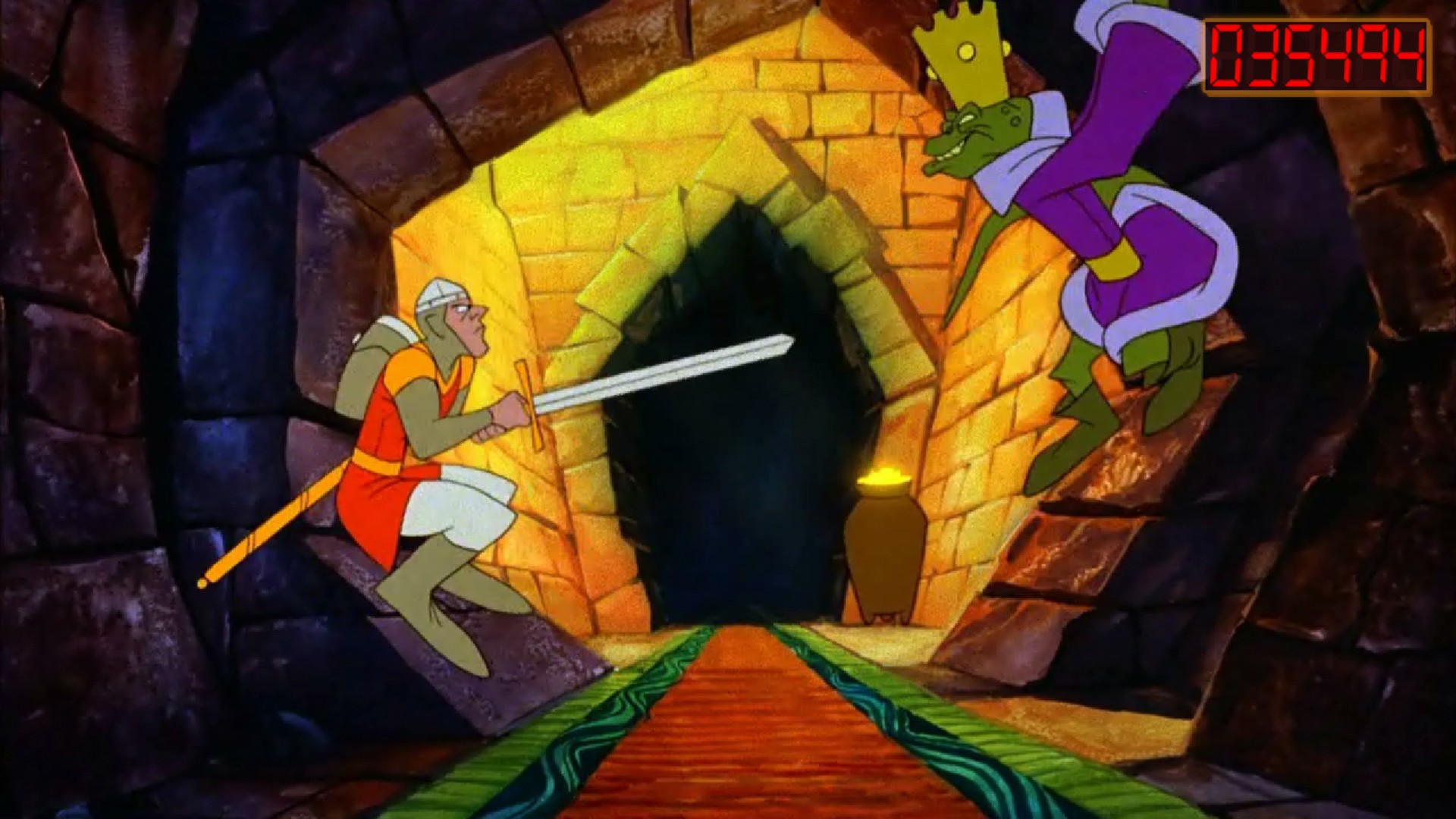
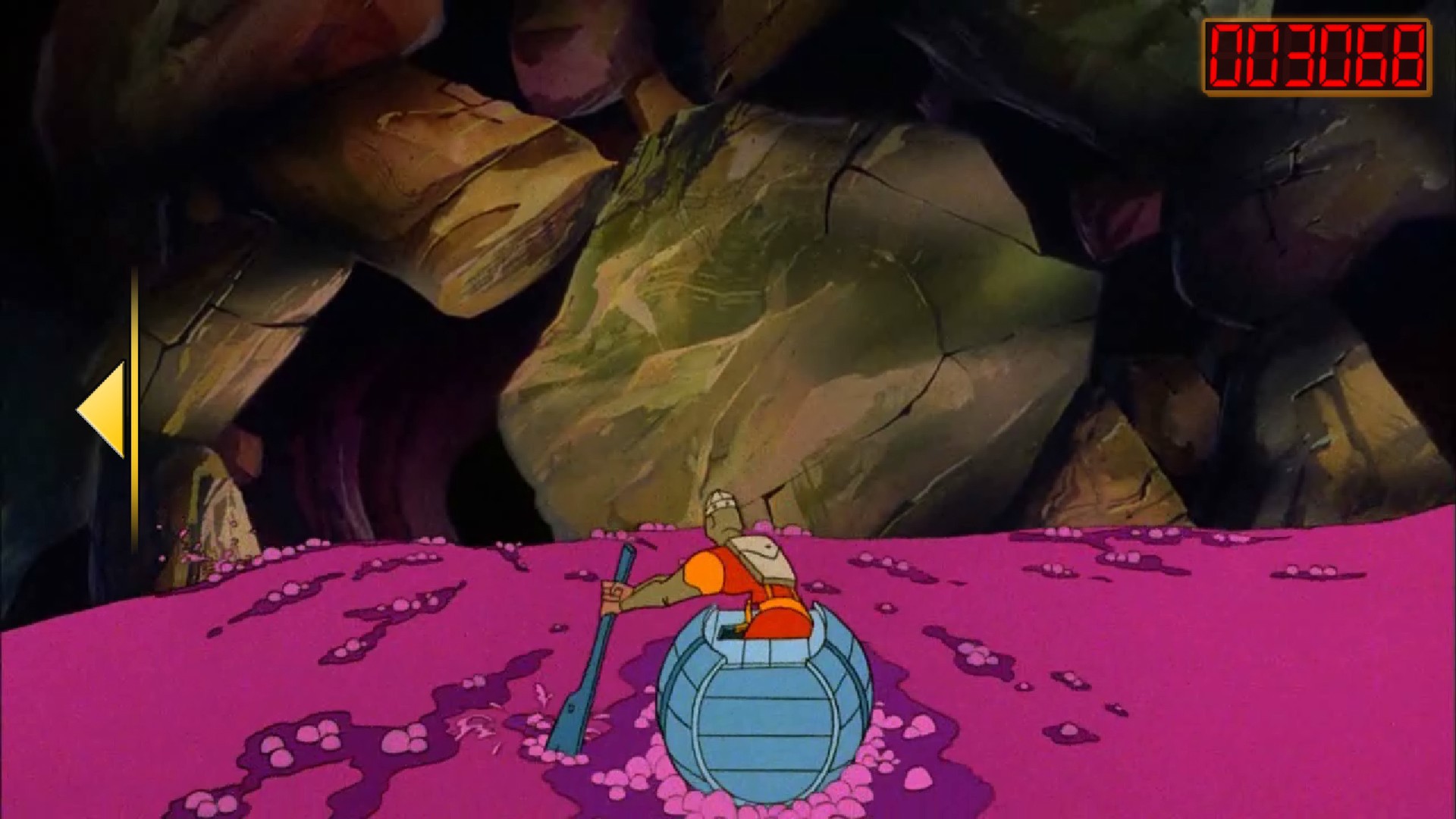
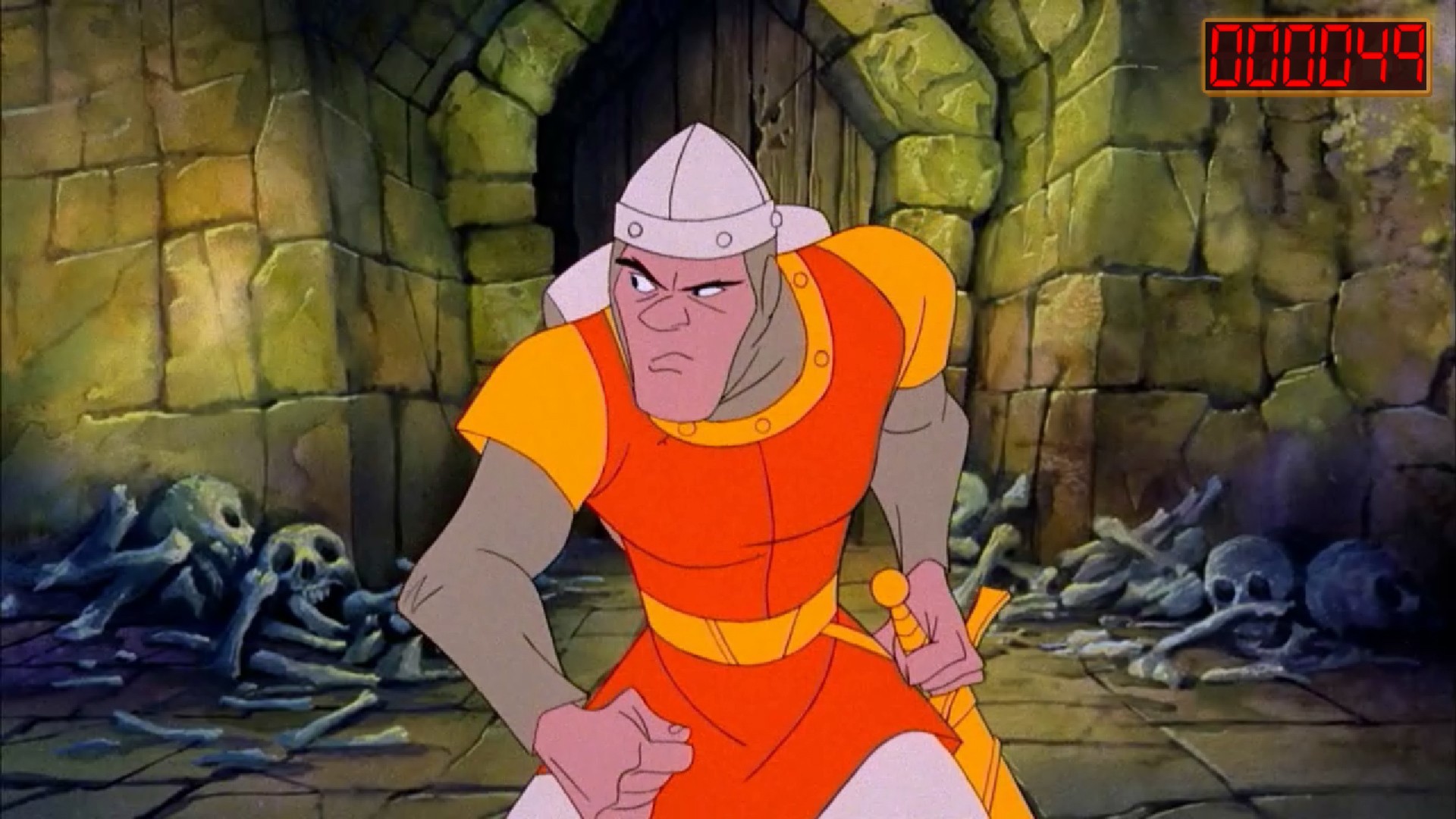
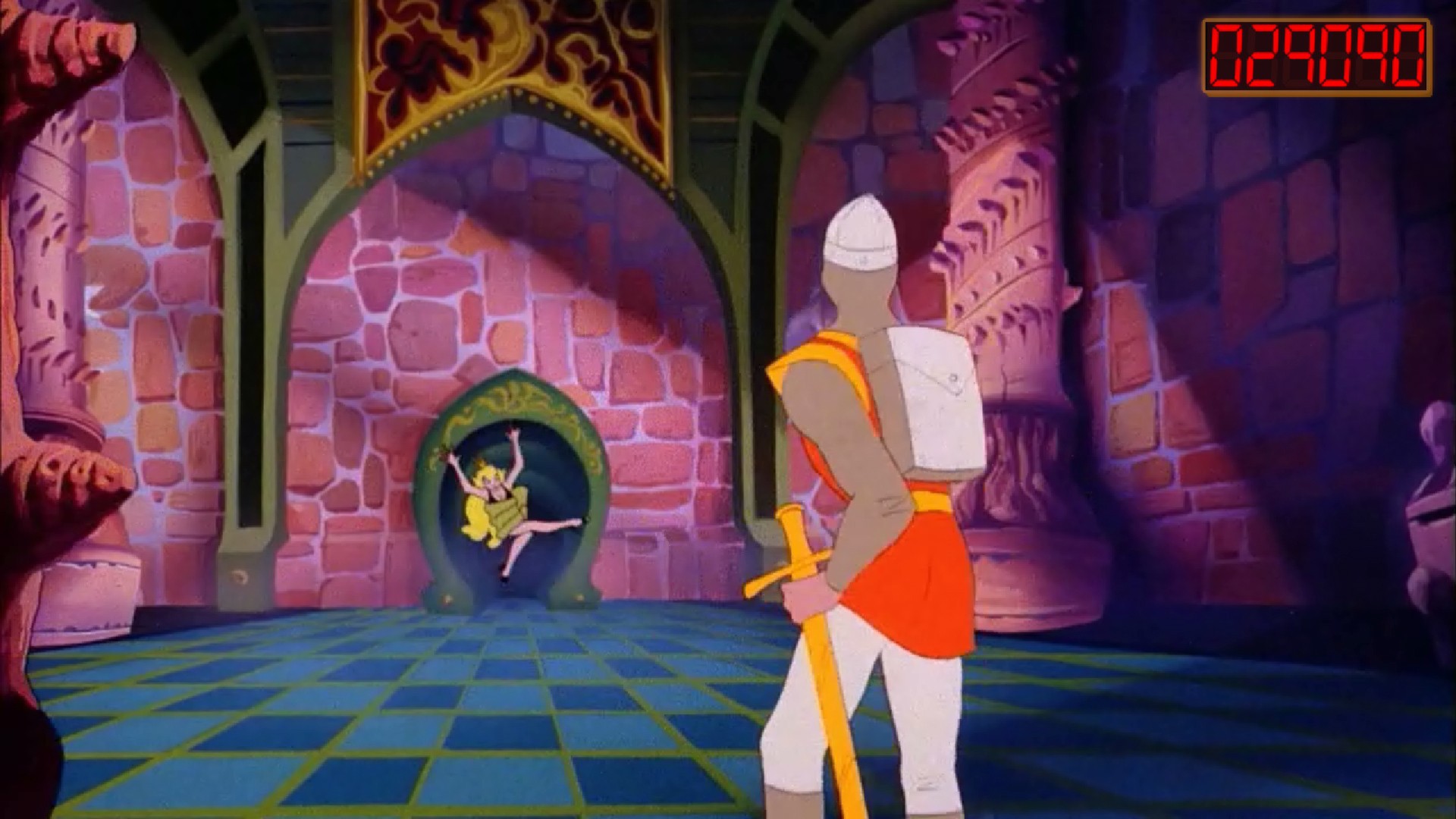
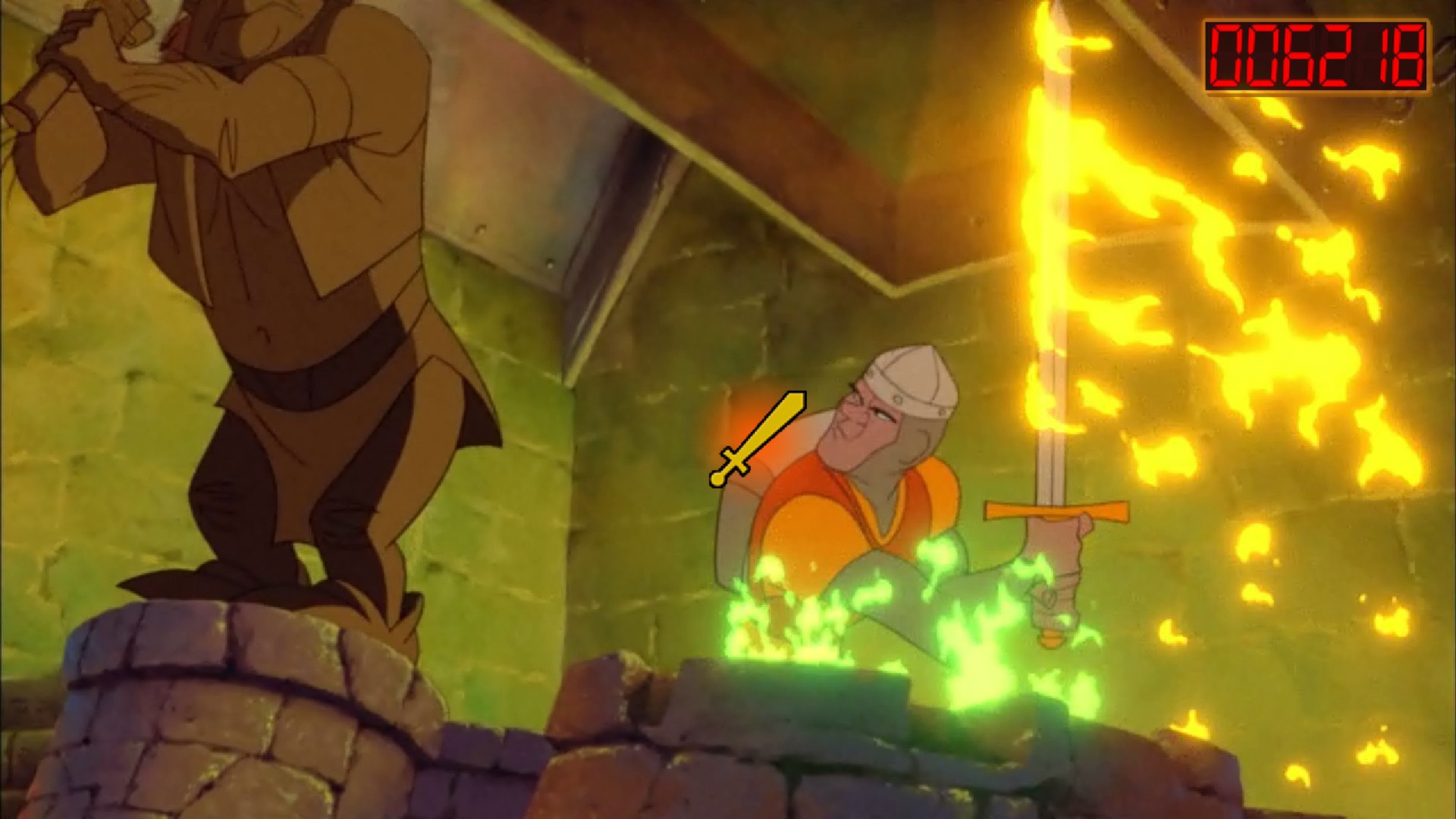
Dragon’s Lair, developed and published by Digital Leisure Inc., is one of gaming’s most iconic and historically significant titles, a bridge between the arcade era of pixelated adventures and the cinematic storytelling that would define later generations. Originally released in 1983 and faithfully preserved on Steam through this digital adaptation, it remains a stunning example of interactive animation and a pioneering effort to merge film and gameplay. Directed by Don Bluth, a former Disney animator whose hand-drawn style defined much of 1980s animation, Dragon’s Lair introduced players to the hapless yet heroic Dirk the Daring, a clumsy knight on a perilous quest to rescue Princess Daphne from the dragon Singe. What made the game revolutionary then—and still fascinating now—is that it wasn’t rendered in traditional sprites or polygons but in full-motion animation. Every frame was hand-drawn and colored, creating an experience that felt more like playing a cartoon than a video game. At its core, Dragon’s Lair is a test of reflexes and memorization. The gameplay consists of a sequence of short scenes—animated vignettes in which Dirk must dodge traps, monsters, and environmental hazards by pressing the correct direction or timing a sword attack at exactly the right moment. The player’s input triggers a corresponding animation, seamlessly continuing the scene if successful or ending in an amusing and often gruesome death if not. These moments play out almost like rhythm sequences, where timing and recognition are everything. While the concept may seem simple today, in its time it was groundbreaking, blending film editing techniques with player agency. However, this structure also exposes the game’s limitations: there’s little room for improvisation or exploration, and success often depends on memorizing precise inputs through repetition rather than intuition. What gives Dragon’s Lair its enduring charm is not its mechanics but its presentation. Don Bluth’s animation is a masterclass in expressive, fluid artistry. Every frame bursts with life and character, from Dirk’s exaggerated pratfalls and wide-eyed panic to Daphne’s deliberately over-the-top damsel persona. The environments are lavishly illustrated, filled with dark dungeons, collapsing bridges, enchanted chambers, and eerie creatures that leap from the shadows. The animation’s hand-painted detail gives the world a warmth that digital art often struggles to replicate. Decades later, it still feels magical to see a game so deeply rooted in the tradition of classic animation, where the labor of every frame is visible in its craftsmanship. The restoration by Digital Leisure preserves this legacy beautifully, offering high-definition visuals that maintain the grain and texture of the original LaserDisc footage while enhancing color vibrancy and sharpness. Sound plays an equally important role in defining Dragon’s Lair’s identity. The booming orchestral score and the exaggerated sound effects—clanking armor, echoing roars, the zap of magical traps—lend a cinematic energy to every scene. Dirk’s vocal grunts and Daphne’s melodramatic exclamations reinforce the game’s tongue-in-cheek humor. Despite its dark fantasy trappings, the tone is playful, almost comedic. Every death animation, whether Dirk being electrocuted, crushed, or turned into bones, carries a slapstick quality that softens the frustration of failure. This humor makes the trial-and-error gameplay more palatable, encouraging players to keep trying, not just for victory but to see what absurd demise awaits next. It’s this balance between tension and comedy that has helped Dragon’s Lair remain endearing across generations. From a gameplay standpoint, however, Dragon’s Lair can feel rigid and unforgiving to modern audiences. Inputs must be made with split-second precision, and the window for success is narrow. Without memorization, most players will die repeatedly, sometimes unsure of what went wrong because the visual cues are subtle or inconsistent. This reliance on rote learning and repetition can frustrate those expecting fluid control or freedom of movement. Yet in its own way, this design reflects the arcade philosophy of the 1980s—games were meant to challenge and consume quarters, rewarding persistence and precision over exploration or narrative depth. On Steam, Digital Leisure includes adjustable difficulty settings and optional visual indicators that make the experience more approachable, allowing players to enjoy the cinematic spectacle without being punished by its harsh learning curve. Beyond its nostalgic appeal, Dragon’s Lair represents an important milestone in the evolution of interactive media. It was among the first games to utilize LaserDisc technology, allowing unprecedented visual fidelity at the time. The idea of merging film animation with gameplay inspired a generation of developers and paved the way for later full-motion video games and narrative-driven experiences. Modern interactive films, from quick-time event-heavy adventures to cinematic story games, owe a creative debt to the template that Dragon’s Lair helped establish. Its influence extends beyond gaming as well; Dirk the Daring and Princess Daphne became pop-culture icons, featured in cartoons, remakes, and even referenced in other media. The game’s continued availability on platforms like Steam ensures that its legacy remains accessible not only as a historical artifact but as a living piece of entertainment history. The Steam version of Dragon’s Lair remains faithful to its origins while adding the conveniences expected by contemporary players. Load times are nearly instantaneous, video playback is smooth, and high-definition restoration brings a clarity never possible in the original arcade cabinets. The inclusion of the original arcade mode, along with home console variants and bonus features, gives fans a complete archival package. That said, the gameplay loop remains essentially unchanged, which means that the frustrations of the past—repetitive failure, lack of player freedom, and limited interactivity—persist. But for those approaching it as an experience rather than a traditional game, these quirks enhance its nostalgic charm rather than diminish it. Ultimately, Dragon’s Lair is less about skill mastery and more about witnessing a pivotal moment in gaming history unfold through artistry and innovation. It remains a product of its time—challenging, linear, and occasionally opaque—but it also embodies a timeless ambition: to turn games into animated storytelling. Even today, it stands as a testament to the creative risks developers were willing to take in the pursuit of something new. Digital Leisure’s careful preservation of this classic ensures that players can continue to experience its magic as it was intended: colorful, perilous, humorous, and wholly original. For fans of animation, retro games, or interactive storytelling, Dragon’s Lair is more than just a nostalgic curiosity—it is a window into the moment when video games first began to dream of becoming art. Rating: 8/10
Expand the review