
Draw a Stickman: EPIC 2
Imagination is the key, as you enter a magical storybook full of mystery and wonder, unusual creatures, and enigmatic puzzles! Create your own original Stickman and then watch it come to life in DRAW A STICKMAN: EPIC 2! Jump in to this action-packed adventure that allows for endless creativity!
Sync your Steam wishlist to find the lowest game prices instantly. No login required, just paste your Steam profile URL!
⚡ Try Wishlist Radar!
Sync your Steam wishlist to find the lowest game prices instantly. No login required!
⚡ Try Wishlist Radar!
Close

Draw a Stickman: EPIC on Steam
Quick menu
Draw a stickman, then guide him through a fantastic world of adventure! Using an assortment of pencils, draw elements, tools, and weapons to solve puzzles and overcome obstacles.
Draw a Stickman: EPIC is a adventure, indie and casual game
developed and published by Hitcents.
Released on December 03rd 2013 is available only on Windows.
It has received 1,237 reviews of which 974 were positive and 263 were negative resulting in a rating of 7.5 out of 10. 😊
The game is currently priced at 3.99€ on Steam.
The Steam community has classified Draw a Stickman: EPIC into these genres:
Media & Screenshots
Get an in-depth look at Draw a Stickman: EPIC through various videos and screenshots.


System requirements
These are the minimum specifications needed to play the game. For the best experience, we recommend that you verify them.
Windows
- OS *: XP/Vista/Windows 7/Windows 8
- Processor: Dual-core processor (Intel Dual Core 2.0 GHz or AMD Athlon X2 5200+ 2.6 GHz)
- Memory: 1.5 GB RAM
- Graphics: DirectX 9.0c compatible
- Storage: 300 MB available space
- Sound Card: DirectX 9.0c compatible sound cards
Steam Price & Best Deals
User reviews & Ratings
Explore reviews from Steam users sharing their experiences and what they love about the game.
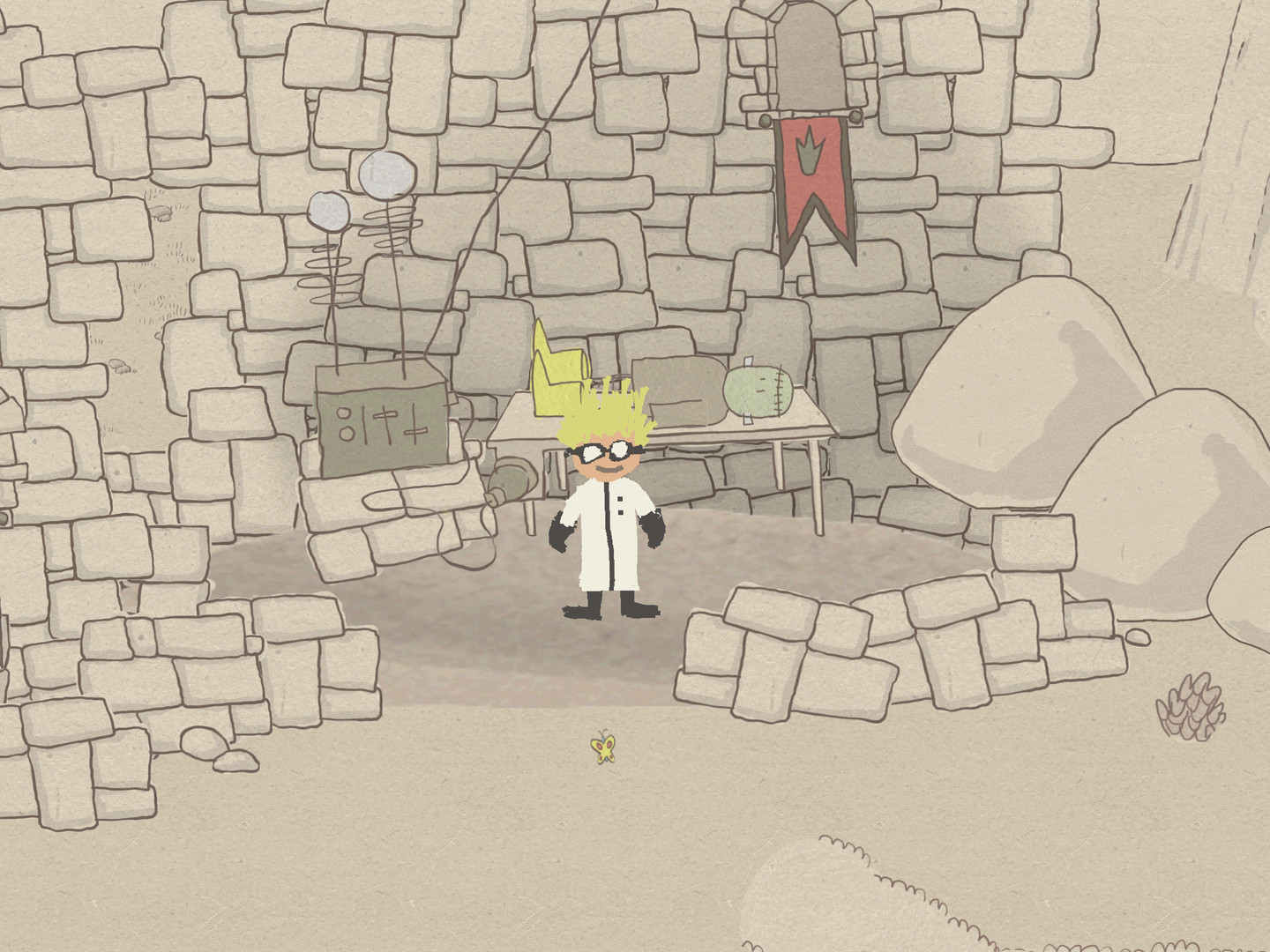
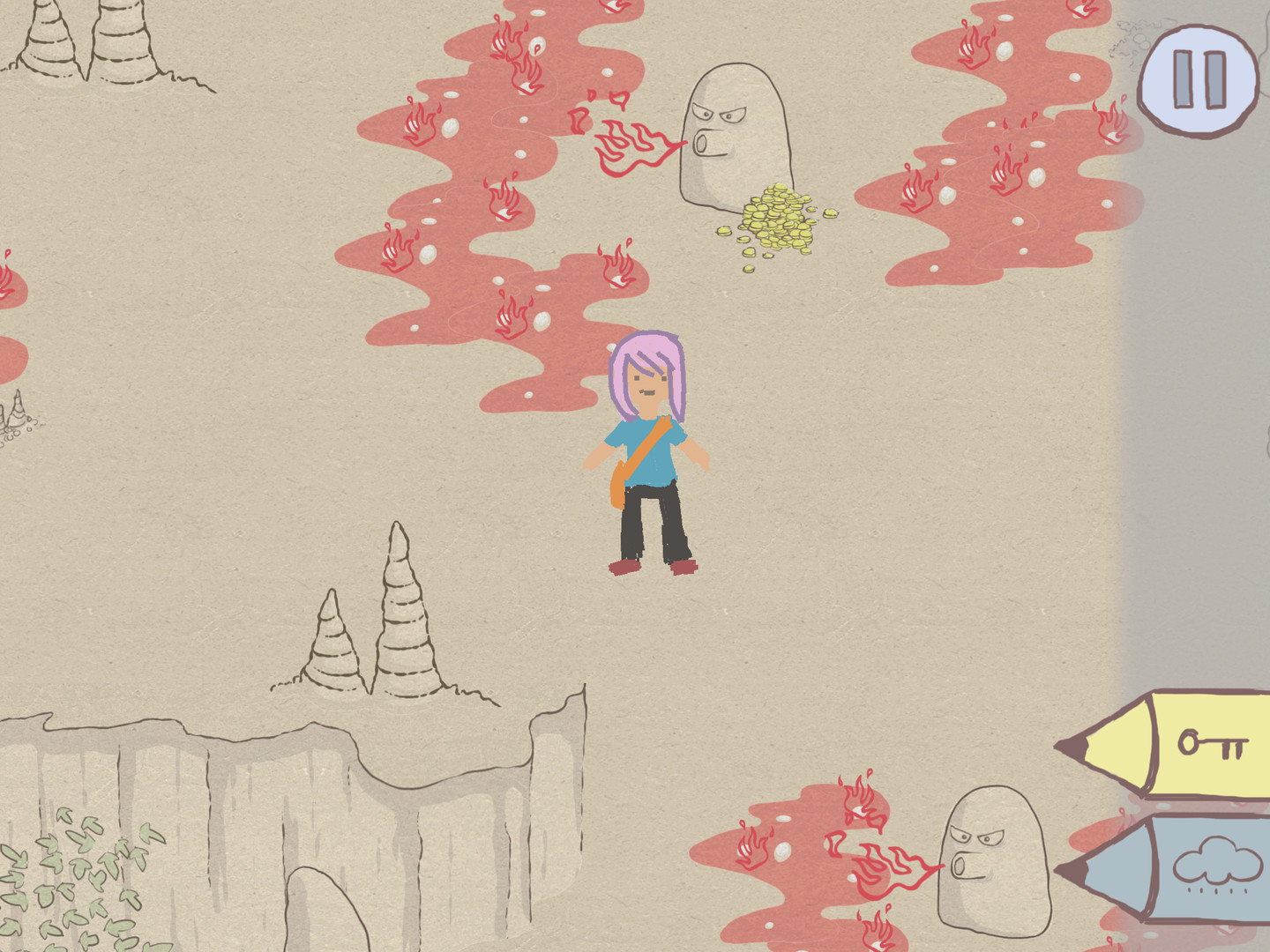
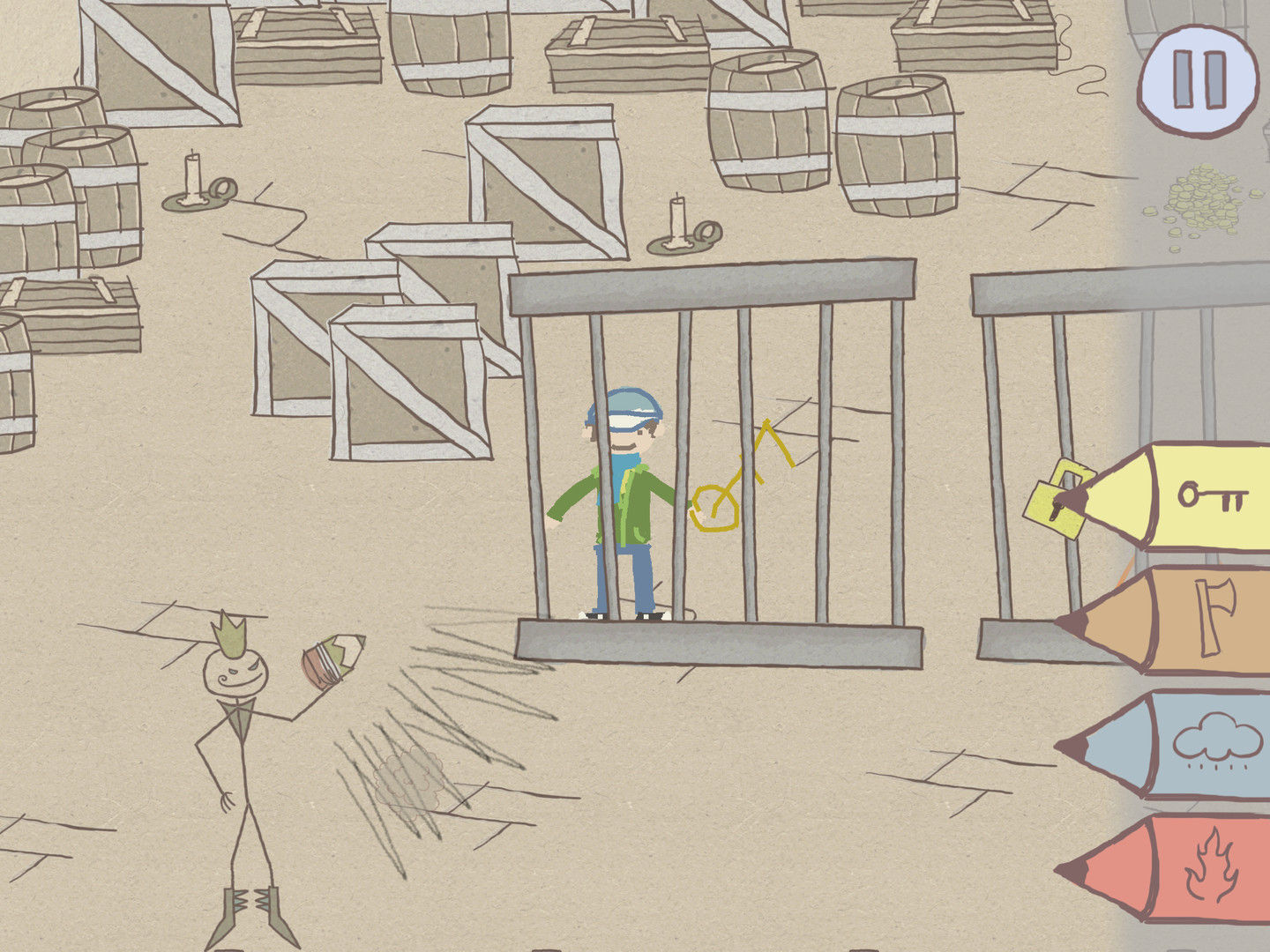
Draw a Stickman: EPIC takes the familiar idea of doodling a simple character and turns it into the foundation of an imaginative puzzle adventure. Developed and published by Hitcents, it stands apart from conventional adventure games by allowing the player to create the hero before guiding that creation through a colorful hand-drawn world. Its premise is immediately charming because even the most awkward drawing can become the star of the adventure, making the experience feel more personal than simply selecting a premade character. The story begins with the player drawing a stick figure and then creating a companion. Things quickly go wrong when that friend is pulled into a mysterious illustrated world, leaving the player's character to follow and attempt a rescue. The narrative itself is deliberately uncomplicated, with most of the appeal coming from exploring the strange locations and seeing how the player's drawings interact with them. It feels like entering an animated sketchbook where seemingly ordinary scribbles suddenly become functional parts of the environment. Drawing is the central gameplay mechanic, but it is combined with traditional exploration and environmental puzzle solving. Different magical pencils are gradually introduced, allowing the player to create objects or elements needed to overcome obstacles. Fire can burn appropriate objects and activate certain environmental features, while clouds provide water that can affect plants and other parts of the scenery. Other pencils allow the creation of useful items such as axes and keys. The game does not judge artistic ability, so there is no need to produce a convincing masterpiece. Even a crude drawing will generally perform its intended function. This system creates plenty of entertaining situations because progression often depends on understanding how different elements of the environment react to one another. Instead of simply finding a key sitting somewhere in the level, the player may have to recognize a problem and use the appropriate drawing ability to create a solution. The puzzles remain accessible for most of the adventure and rarely become frustratingly complicated. That makes the game particularly welcoming for younger players and casual puzzle fans, although experienced adventure players may find many challenges relatively easy. Exploration provides another layer beyond the basic puzzles. The adventure features multiple stages with branching progression, secrets, collectible pieces, hidden areas, and optional objectives. Players can simply concentrate on reaching the end, but investigating each environment more carefully reveals additional content. Collectible colors provide further customization possibilities, while achievement hunters have plenty of optional tasks to pursue. Steam achievements, Trading Cards, statistics, and Steam Cloud support complement the main experience and give completion-focused players additional incentives. The visual presentation is intentionally simple and works beautifully with the concept. Environments resemble pages from a children's illustrated book, filled with sketch-like characters, creatures, trees, hazards, and interactive objects. The deliberately rough appearance means the player's homemade stick figure rarely looks out of place. In fact, creating an absurdly proportioned character often makes the adventure more entertaining. The animation and environmental reactions add enough personality to keep the minimalist artwork from feeling lifeless. There is an important limitation to the drawing mechanic, however. The game creates the impression of unlimited creativity, but players are not actually free to invent any imaginable object and have the world understand it. Each pencil represents a defined gameplay function, meaning the drawing component eventually reveals itself as an imaginative interface for a relatively traditional collection of puzzle-solving tools. Once this becomes obvious, some of the initial novelty fades. The interaction system can also occasionally feel imprecise compared with more polished modern adventure games. The relatively short and straightforward nature of the campaign may disappoint anyone expecting a large-scale adventure. There is no elaborate combat system, extensive character progression, or particularly deep narrative. Its strength instead comes from experimentation, visual creativity, exploration, and discovering how each pencil affects the environment. Returning to levels for secrets and achievements can extend the experience, but players interested exclusively in completing the main journey should expect a fairly compact game. Steam Deck compatibility is currently best considered Unknown or Unverified rather than officially supported. The Steam version does not presently provide a confirmed Steam Deck compatibility rating. Its modest hardware requirements suggest that raw performance should not be particularly demanding, but that should not be confused with official verification. Players intending to use a Steam Deck should therefore expect that compatibility may require experimentation with controls or compatibility settings rather than assuming a completely verified handheld experience. What ultimately makes Draw a Stickman: EPIC memorable is not the complexity of its puzzles but the personality generated by combining the player's own creations with an interactive illustrated world. There is something inherently amusing about watching a poorly drawn hero become the protagonist of a genuine adventure, especially when equally crude drawings can solve problems, manipulate nature, and open new paths. The concept gives ordinary puzzle mechanics a playful identity that still feels distinctive. Overall, this is an inventive and approachable adventure that makes excellent use of a simple creative premise. Its puzzles could have been deeper, and the freedom offered by the drawing system is more structured than it initially appears, but the combination of customization, environmental puzzles, secrets, collectibles, humor, and charming hand-drawn presentation gives it lasting appeal. It is particularly suitable for casual players, families, younger audiences, achievement hunters, and anyone who enjoys unusual puzzle games that prioritize creativity over difficulty. Rating: 8/10
Similar games
View all

VITATIO 2
VITATIO 2 brings you a new take on the previous game, in this game you have to guide your crystal through the mazes, collect power crystals and bring them to the power core in order to power it up, you can pass a level with 1 power core but for the 100% achievements you will need to bring them all back


Peregrin
Peregrin is a story puzzle game. A solitary traveller undertakes a perilous voyage through the haunted ruins of a lost civilisation. Seeking to fulfil an ancient prophecy, she will have to use her arcane powers to solve puzzles and survive battles - if she is to find a way to restore the fallen world of Peregrin.

Optika
Discover the world of light physics: play with lasers, prisms, mirrors, magnets and dozens of other optical devices. Explore the world of Optika with Prof. Opticus and his assistant, Sofia! Research and complete more than one hundred challenging puzzles!

Fire: Ungh’s Quest
FIRE is an exploration-adventure with intuitive puzzle design. Without losing many words it tells a savagely hilarious story. Journey into the Stone Age and face the most challenging task of this era: The search for fire!


Old Man's Journey
Old Man’s Journey, a soul-searching puzzle adventure, tells a story of life, loss, and hope. Interacting with the world around you, you'll shape the landscape to create the old man's path forward. Experience heartache and hope as you embark on a heartfelt journey through a sunkissed world.

Gnomes & Goblins (preview)
Explore the interactive fantasy world of Gnomes & Goblins from Jon Favreau, produced by Wevr in collaboration with Reality One. Interact with an enigmatic resident and take a first step into the lucid dream of Gnomes & Goblins and its many realms and denizens.

Please, Don't Touch Anything 3D
Now with Vive Support! A cryptic, brain-racking, button-pushing non-linear puzzle game.

GNOG
GNOG is a tactile 3D puzzle game about exploring whimsical monster heads and the secret worlds inside them. Filled with eye-catching designs, lively interactions, and a rich, reactive soundtrack, the hand-crafted heads come to life as you grab, poke, spin, pull, and play with each charming contraption.

Mimpi
Explore strange new worlds and enjoy unique adventures in Mimpi! Mimpi is fantastic new adventure, puzzle, and platformer game.
The game is like a psychedelic illustration come alive.
Mimpi the dog is searching for his master in eight diverse worlds. The environment is seldom repetitive, the puzzles are always new.
Frequently Asked Questions
Draw a Stickman: EPIC is currently priced at 3.99€ on Steam.
No, Draw a Stickman: EPIC is currently not on sale. You can purchase it for 3.99€ on Steam.
Yes, Draw a Stickman: EPIC received 974 positive votes out of a total of 1,237 achieving a rating of 7.54.
😊
Draw a Stickman: EPIC was developed and published by Hitcents.
Yes, Draw a Stickman: EPIC is playable and fully supported on Windows.
No, Draw a Stickman: EPIC is not playable on MacOS.
No, Draw a Stickman: EPIC is not playable on Linux.
This information about Draw a Stickman: EPIC is not available yet.
This information about Draw a Stickman: EPIC is not available yet.
No, Draw a Stickman: EPIC does not support VR.
Draw a Stickman: EPIC is a single-player game.
Yes, there is a DLC available for Draw a Stickman: EPIC. Explore additional content available for Draw a Stickman: EPIC on Steam.
No, Draw a Stickman: EPIC does not support mods via Steam Workshop.
No, Draw a Stickman: EPIC does not support Steam Remote Play.
Yes, Draw a Stickman: EPIC is enabled for Steam Family Sharing. This means you can share the game with authorized users from your Steam Library, allowing them to play it on their own accounts. For more details on how the feature works, you can read the original Steam Family Sharing announcement or visit the Steam Family Sharing user guide and FAQ page.
You can find solutions or submit a support ticket by visiting the Steam Support page for Draw a Stickman: EPIC.
Data sources
The information presented on this page is sourced from reliable APIs to ensure accuracy and relevance. We utilize the Steam API to gather data on game details, including titles, descriptions, prices, and user reviews. This allows us to provide you with the most up-to-date information directly from the Steam platform.
Additionally, we incorporate data from the SteamSpy API, which offers insights into game sales and player statistics. This helps us present a comprehensive view of each game's popularity and performance within the gaming community.
Last Updates| Steam data | 19 September 2026 20:02 UTC |
|---|---|
| SteamSpy data | 13 October 2026 04:10 UTC |
| Steam price | 26 October 2026 20:02 UTC |
| Steam reviews | 21 October 2026 06:00 UTC |
If you'd like to dive deeper into the details about Draw a Stickman: EPIC, we invite you to check out a few dedicated websites that offer extensive information and insights. These platforms provide valuable data, analysis, and user-generated reports to enhance your understanding of the game and its performance.
- SteamDB - A comprehensive database of everything on Steam about Draw a Stickman: EPIC
- SteamCharts - Analysis of Draw a Stickman: EPIC concurrent players on Steam
- ProtonDB - Crowdsourced reports on Linux and Steam Deck Draw a Stickman: EPIC compatibility

Game modes
Features
Online players
2
Developer
Hitcents
Publisher
Hitcents
Release
03 Dec 2013
Platforms