
Lords and Villeins
Build a prosperous settlement in a unique simulation of a feudal economy - each family runs their shop, owns their goods, and trades with other villagers in a free market. You will manage the land, build houses, organise events, set taxes, and balance supply and demand while engaging in diplomacy!
Sync your Steam wishlist to find the lowest game prices instantly. No login required, just paste your Steam profile URL!
⚡ Try Wishlist Radar!
Sync your Steam wishlist to find the lowest game prices instantly. No login required!
⚡ Try Wishlist Radar!
Close

Dungeon Village on Steam
Quick menu
Build a heroic hamlet that warriors and merchants can call home!
Dungeon Village is a colony sim, city builder and pixel graphics game
developed and published by Kairosoft Co. and Ltd.
Released on March 27th 2022 is available on Windows, Steam Deck and Steam Machine.
It has received 716 reviews of which 635 were positive and 81 were negative resulting in a rating of 8.3 out of 10. 😎
The game is currently priced at 7.99€ on Steam.
The Steam community has classified Dungeon Village into these genres:
Media & Screenshots
Get an in-depth look at Dungeon Village through various videos and screenshots.


System requirements
These are the minimum specifications needed to play the game. For the best experience, we recommend that you verify them.
Windows
- Requires a 64-bit processor and operating system
- OS: Windows 10 64bit
- Processor: Intel Atom® x7-Z8750
- Memory: 1 GB RAM
- DirectX: Version 10
- Storage: 250 MB available space
Steam Price & Best Deals
User reviews & Ratings
Explore reviews from Steam users sharing their experiences and what they love about the game.
Simple RPG village management. Dungeon Village is a breath of fresh air for the classic Kairosoft formula. The fantasy theme is fun, exciting, and much more enjoyable than the modern day settings found in some of their other games, in my opinion. You start with a barren village located near a monster infested forest. Your goal is to build facilities that support adventurers who come to your village to hunt monsters and complete bounties. The main focus of the game is the adventurers. They come to fight monsters, help you complete quests, and spend their money at your shops and facilities. Once they become comfortable enough with your village, they may ask you to build a house for them. In return, you'll later be able to collect taxes from time to time. There are also a bunch of different adventurer classes to explore, each providing different benefits. Some are best for combat, while others improve your village output. Once an adventurer masters a class, they receive a permanent stat boost, giving you another reason to experiment with different class combinations. Unlike many Kairosoft games, there are no building combos here. Instead, you can use items to upgrade your buildings and improve their stats. Adventurers can also equip weapons, armor, and other items to increase their abilities. The biggest downside is that the game is pretty short. Once you figure out the tricks, your adventurers can become overpowered, and money is very easy to earn. Before long, you can win most of the game's challenges.
Really more of a neutral recommendation. It's an early Kairosoft game, so it's on the simple side. You build your town, and adventurers visit, move in, and autonomously go fight monsters. You also trigger quests & events for them, though events are just a cute image and stat gain. Positives are lots of Kairosoft charm with cute sprites/animations, fun pun-heavy adventurer names and so on. It's a relaxing game you could use to wind down or to play alongside watching videos or something. There's some light strategy to how you layout your town, there was a brief period where I was struggling to increase my profit but aside from that, the difficulty was low. Negatives, the balance is really bad, there are a lot of redundant buildings, and the class bonuses seem to get really lazy like they couldn't think of or program any more interesting mastery bonuses. The building levelling system is bad, as if you used many consumable items on a building that can make levelling it do nothing since both levelling and giving it items just increase the same 3 stats that have caps per building. Also I completely ran out of content by about year 13 and just had to wait for the 'story' to end to get the last achievements in year 16, but that might not be a common issue based on the achievement %s. It's a 5/10, but a decent, charming & relaxing 5/10
Similar games
View all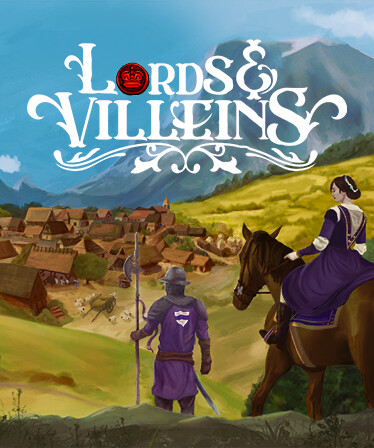

Dream Town Island
A town sim where you raise generations of residents. Unlock new stores and facilities, help your residents find love, or cash in on the stock market!

Steel Artery: Train City Builder
Hardcore city-building sim in a fantasy steampunk world. Manage multi-racial colonies with hundreds of autonomous citizens, balance their needs, grow the economy, build logistics, and travel a vast world carrying out the Emperor’s orders.

Academia : School Simulator
Design, build, and manage a high school with terrific teachers and fantastic facilities or simply let your students poop in the bushes? Academia : School Simulator is a management/tycoon game where you get to decide!
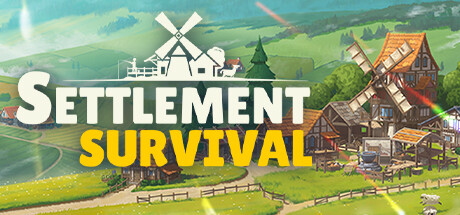
Settlement Survival
In this city-building game, you will lead a group of survivors in their search for a new home. Manipulate the landscape, manage limited supplies, plant crops, hunt wildlife, gather resources, and develop trade routes to build a bustling and unique town.

The Colonists
Build a new home for your team of robots as they begin a new life for themselves on a distant planet where they can fulfil their ultimate dream: to be human.

Unholy Heights
Welcome to Unholy Heights, a mashup of Tower Defense and Apartment Management Simulation!
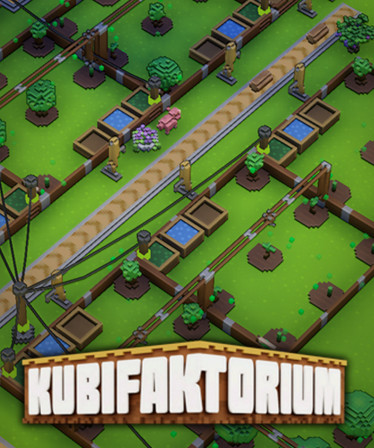
Kubifaktorium
Build, manage and grow a thriving colony in Kubifaktorium. The game features different biomes to explore, plenty of resources to exploit, complex machinery to build and interesting production chains to master.
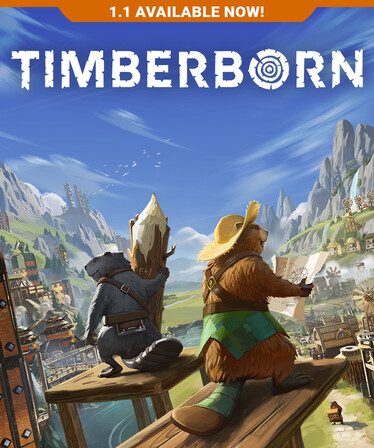
Timberborn
Humans are long gone. In a world struck by droughts and toxic waste, will your lumberpunk beavers do any better? A sandbox city-building game featuring ingenious animals, vertical architecture, water physics, and terraforming. Contains high amounts of wood.
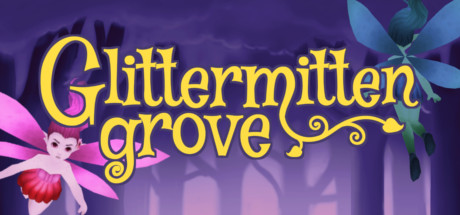
Glittermitten Grove
Just like the faeries in your garden, we love collecting berries for our prickleberry loaves and finding treasure with our special fribblesham fireworks. Come join us in our faerieland, full of strange adventure!

Frequently Asked Questions
Dungeon Village is currently priced at 7.99€ on Steam.
No, Dungeon Village is currently not on sale. You can purchase it for 7.99€ on Steam.
Yes, Dungeon Village received 635 positive votes out of a total of 716 achieving a rating of 8.33.
😎
Dungeon Village was developed and published by Kairosoft Co. and Ltd.
Yes, Dungeon Village is playable and fully supported on Windows.
No, Dungeon Village is not playable on MacOS.
No, Dungeon Village is not playable on Linux.
Yes, Dungeon Village is playable and fully supported on Steam Deck.
Yes, Dungeon Village is playable and fully supported on Steam Machine.
No, Dungeon Village does not support VR.
Dungeon Village is a single-player game.
No, Dungeon Village does not currently offer any DLC.
No, Dungeon Village does not support mods via Steam Workshop.
No, Dungeon Village does not support Steam Remote Play.
Yes, Dungeon Village is enabled for Steam Family Sharing. This means you can share the game with authorized users from your Steam Library, allowing them to play it on their own accounts. For more details on how the feature works, you can read the original Steam Family Sharing announcement or visit the Steam Family Sharing user guide and FAQ page.
You can find solutions or submit a support ticket by visiting the Steam Support page for Dungeon Village.
Data sources
The information presented on this page is sourced from reliable APIs to ensure accuracy and relevance. We utilize the Steam API to gather data on game details, including titles, descriptions, prices, and user reviews. This allows us to provide you with the most up-to-date information directly from the Steam platform.
Additionally, we incorporate data from the SteamSpy API, which offers insights into game sales and player statistics. This helps us present a comprehensive view of each game's popularity and performance within the gaming community.
Last Updates| Steam data | 22 September 2026 23:14 UTC |
|---|---|
| SteamSpy data | 17 October 2026 16:41 UTC |
| Steam price | 27 October 2026 14:27 UTC |
| Steam reviews | 18 October 2026 21:57 UTC |
If you'd like to dive deeper into the details about Dungeon Village, we invite you to check out a few dedicated websites that offer extensive information and insights. These platforms provide valuable data, analysis, and user-generated reports to enhance your understanding of the game and its performance.
- SteamDB - A comprehensive database of everything on Steam about Dungeon Village
- SteamCharts - Analysis of Dungeon Village concurrent players on Steam
- ProtonDB - Crowdsourced reports on Linux and Steam Deck Dungeon Village compatibility

Game modes
Features
Online players
4
Developer
Kairosoft Co.,Ltd
Publisher
Kairosoft Co.,Ltd
Release
27 Mar 2022
Platforms