


Candleman: The Complete Journey
Despite only being able to burn for 10 seconds, a little candle journeys into the darkness, with the purpose of seeking light.
Sync your Steam wishlist to find the lowest game prices instantly. No login required, just paste your Steam profile URL!
⚡ Try Wishlist Radar!
Sync your Steam wishlist to find the lowest game prices instantly. No login required!
⚡ Try Wishlist Radar!
Close

Face It - A game to fight inner demons on Steam
Quick menu
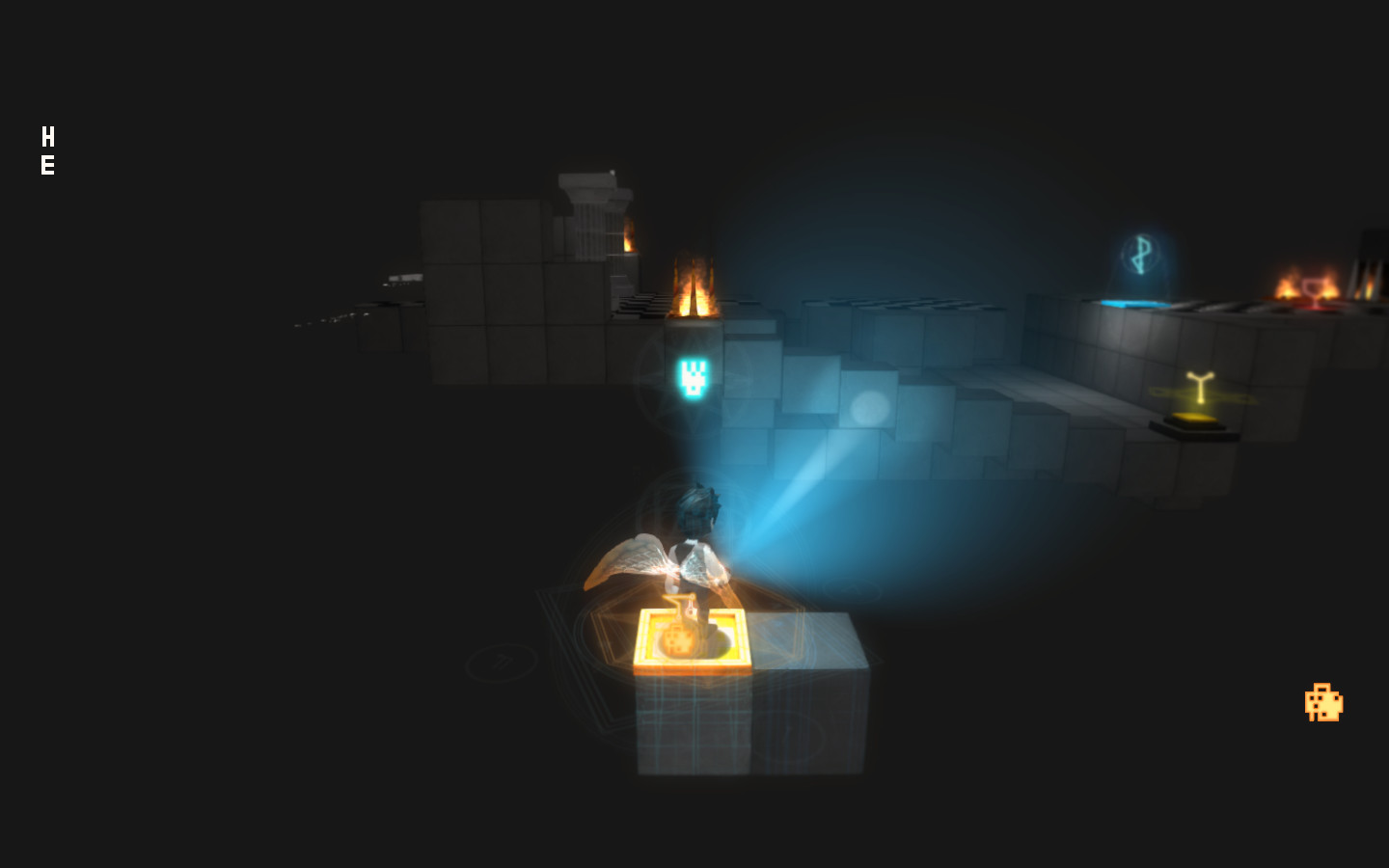
Carefuly crafted puzzles in a challenging 3D plaformer take the player on a surrealistic journey through a maze of feelings. In Face It, abstract concepts are shaped into gameplay: darker emotions are monsters and traps, while brighter concepts are the powers you need to beat the levels.
Face It - A game to fight inner demons is a indie, adventure and action game
developed by Tlön Studios and Ilex Games
and published by Gamestorming.
Released on June 09th 2017 is available on Windows, MacOS and Linux.
It has received 1,244 reviews of which 940 were positive and 304 were negative resulting in a rating of 7.3 out of 10. 😊
The game is currently priced at 3.99€ on Steam, but you can find it for 0.94€ on G2A.
The Steam community has classified Face It - A game to fight inner demons into these genres:
Media & Screenshots
Get an in-depth look at Face It - A game to fight inner demons through various videos and screenshots.


Load More




System requirements
These are the minimum specifications needed to play the game. For the best experience, we recommend that you verify them.
Windows
- OS *: Windows 7 or higher
- Processor: 1.6Ghz+
- Memory: 1 GB RAM
- Graphics: 128 MB DirectX®–compliant, Shader 2.0–enabled video card
- DirectX: Version 9.0
- Storage: 1500 MB available space
MacOS
- OS: OSX 10.9 or higher
- Processor: 1.6Ghz+
- Memory: 1 GB RAM
- Graphics: 128 MB, Shader 2.0
- Storage: 1500 MB available space
Linux
- OS: Ubuntu Linux 14.04 or higher
- Processor: 1.6Ghz+
- Memory: 1 GB RAM
- Graphics: 128 MB, Shader 2.0
- Storage: 1500 MB available space
Steam Price & Best Deals
User reviews & Ratings
Explore reviews from Steam users sharing their experiences and what they love about the game.
Face It: A Game to Fight Inner Demons is an unusual indie platformer that blends psychological themes, surreal symbolism, puzzle-solving, and abstract storytelling into a deeply personal experience centered around emotional struggle and self-reflection. Developed by Tlön Studios and Ilex Games and published by Gamestorming, the game attempts to transform concepts like fear, anxiety, attachment, loneliness, and hope into literal gameplay systems and environmental challenges. Rather than focusing on traditional action or fast-paced platforming, the experience is designed more as an emotional and symbolic journey through the subconscious mind. The game’s premise revolves around confronting internal demons inside a surreal psychological world where negative emotions become enemies, traps, and obstacles. Every environment represents a specific emotional or mental state, and progression often feels like moving through symbolic manifestations of personal fears and insecurities. Positive concepts such as hope, truth, courage, and love appear as powers or tools that help players overcome the darkness surrounding them. This metaphor-driven structure gives the game a distinct identity that separates it from more conventional indie platformers. Gameplay combines 3D platforming, exploration, environmental puzzles, and light horror-inspired mechanics. Players navigate dreamlike levels filled with abstract architecture, floating structures, hidden pathways, and hostile manifestations of emotional conflict. Some areas focus on avoiding threats, while others require solving simple puzzles or surviving dangerous obstacle sequences. Mechanically, the gameplay remains fairly straightforward, but the emotional symbolism layered over each section gives the experience a more introspective tone than typical puzzle-platformers. One of the game’s most ambitious ideas is its heavy use of symbolic and occult-inspired imagery. Throughout progression, players unlock sigils and magical symbols representing emotional growth or mental breakthroughs. The game openly references concepts tied to subconscious symbolism and sigilization practices associated with occult philosophy, particularly the work of Austin Osman Spare. These ideas are integrated directly into the game’s worldbuilding and progression systems, creating an atmosphere that feels both mystical and psychological at the same time. The result is a game that often feels more like an interactive allegory than a traditional platforming adventure. Visually, Face It embraces surrealism over realism. Environments are intentionally abstract, filled with distorted spaces, eerie lighting, floating objects, and symbolic imagery designed to represent emotional states rather than believable locations. The graphics themselves are clearly limited by indie production values, but the art direction succeeds at creating a strange and dreamlike atmosphere that remains memorable throughout the experience. The game constantly prioritizes mood and symbolism over technical polish, and while this approach does not always work perfectly, it gives the world a unique personality. The soundtrack and sound design play an important role in maintaining the emotional tone. Ambient music, unsettling background sounds, and atmospheric audio effects create a sense of unease during darker moments while softer musical tracks support calmer and more reflective sections. The soundscape often feels intentionally oppressive, reinforcing the themes of emotional struggle and psychological tension that define the game’s identity. One of the most admirable aspects of Face It is its willingness to tackle emotional and psychological themes directly. Few indie games attempt to represent inner conflict through gameplay mechanics and environmental symbolism so openly. The project clearly feels personal and creatively driven, with the developers trying to explore emotional healing and mental confrontation through interactive storytelling rather than relying solely on dialogue or cutscenes. That sincerity gives the game a sense of artistic ambition even when the mechanics themselves struggle to fully support the ideas being presented. However, the execution is not always successful. The most noticeable weakness is the platforming itself. Movement often feels stiff and imprecise, making jumps and obstacle navigation more frustrating than satisfying. Controls lack the smooth responsiveness expected from stronger 3D platformers, which becomes increasingly noticeable during sections requiring accurate movement or quick reactions. Instead of enhancing immersion, some gameplay segments can feel awkward due to the lack of polish in the movement system. Level design is also inconsistent throughout the experience. Certain environments effectively combine symbolism and gameplay to create emotionally meaningful moments, while others feel repetitive or mechanically underdeveloped. Some stages communicate their themes successfully through atmosphere and visual storytelling, but others rely on overly direct symbolism that can make the emotional messaging feel simplistic rather than nuanced. Pacing presents another challenge. Because the game leans heavily into abstract storytelling and surreal presentation, progression can occasionally feel vague or disjointed. Players looking for a clearly structured narrative or tightly focused gameplay experience may struggle with the slower sections and symbolic ambiguity. The surrealism that gives the game its identity can also make certain moments difficult to interpret emotionally or narratively. Despite these flaws, Face It remains memorable because of how different it feels from most indie platformers. It is a game driven more by artistic expression and emotional metaphor than by polished mechanics or commercial design trends. Even when the gameplay becomes rough or repetitive, the ambition behind the project remains visible throughout nearly every environment and interaction. What ultimately makes the experience interesting is its attempt to transform emotional conflict into something physically explorable. Fear, trauma, hope, and healing become literal spaces filled with hazards and symbols that players must overcome. The game treats psychological struggle not simply as narrative background but as the foundation for the entire gameplay experience. That conceptual ambition gives Face It a strange charm that lingers long after completion. Face It: A Game to Fight Inner Demons may not fully succeed as a polished platformer, but it stands out as an experimental and emotionally driven indie project willing to explore difficult themes through surreal gameplay and symbolic design. Players interested in abstract storytelling, psychological symbolism, and unconventional indie experiences may find it flawed but genuinely fascinating. Rating: 7/10
Similar games
View all

Warp
Warp™ is a strategic stealth-action puzzler where gamers play as Zero, a loveable yet lethal, little orange alien with a big score to settle. Abducted by a villainous General from his home world and taken to an underwater research facility, Zero must plan his ultimate escape by relying on his arsenal of special abilities.

Nefarious
Play as the villain in Nefarious! An action platformer where you globe hop between several kingdoms kidnapping princesses who alter gameplay in unique ways. Then thwart various heroes in reverse boss fights, recreated iconic battles where you control the boss.
Mushroom 11
An award-winning anti-platformer where destruction is the only way to move. Mold yourself into any form by destroying your cells, and traverse a devastated landscape filled with brain-twisting puzzles and bizarre mutations. Are you ready to break the mold?

Muffin Knight
Muffin Knight is an arena based action-packed platformer with stunning visuals and a myriad of fairytale characters, each with their own unique abilities, which gain strength as you advance.

Bird Assassin
Birds murdered your Pa! His final wishes are for vengeance. Take your Pa's rifle and kill as many birds as you can to avenge his death. Battle a variety of enemies and bosses on your quest to kill the bird that murdered your Pa.
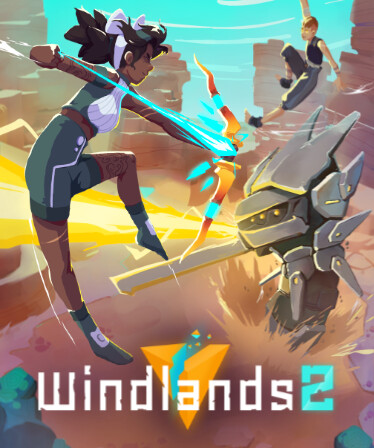
Windlands 2
Windlands 2 is a built-for-VR fantasy action adventure game, use grappling hooks and a bow to explore the vast mysterious world to take down gigantic titans alone or with friends.

LEAVES - The Return
Mononino and the Treefruities fared well without you - until another disaster scattered the leaves of their home tree. Once more, take on the journey and challenging puzzles along the way.

A Blind Legend
A Blind Legend is the first-ever action-adventure game without video – where ears replace eyes! Discover the original, innovative sensory experience of binaural 3D sound.

Zack Zero
Zack Zero takes you on an action-packed platform adventure with incredible 3D graphics and the playability and entertainment of classic 2D games. Help Zack Zero save his beloved Marlene, kidnapped by the evil Zulrog in an effort to obtain the powerful substance that will allow him to travel back in time.
Frequently Asked Questions
Face It - A game to fight inner demons is currently priced at 3.99€ on Steam.
No, Face It - A game to fight inner demons is currently not on sale. You can purchase it for 3.99€ on Steam.
Yes, Face It - A game to fight inner demons received 940 positive votes out of a total of 1,244 achieving a rating of 7.26.
😊
Face It - A game to fight inner demons was developed by Tlön Studios and Ilex Games and published by Gamestorming.
Yes, Face It - A game to fight inner demons is playable and fully supported on Windows.
Yes, Face It - A game to fight inner demons is playable and fully supported on MacOS.
Yes, Face It - A game to fight inner demons is playable and fully supported on Linux.
This information about Face It - A game to fight inner demons is not available yet.
This information about Face It - A game to fight inner demons is not available yet.
No, Face It - A game to fight inner demons does not support VR.
Face It - A game to fight inner demons is a single-player game.
Yes, there is a DLC available for Face It - A game to fight inner demons. Explore additional content available for Face It - A game to fight inner demons on Steam.
No, Face It - A game to fight inner demons does not support mods via Steam Workshop.
No, Face It - A game to fight inner demons does not support Steam Remote Play.
Yes, Face It - A game to fight inner demons is enabled for Steam Family Sharing. This means you can share the game with authorized users from your Steam Library, allowing them to play it on their own accounts. For more details on how the feature works, you can read the original Steam Family Sharing announcement or visit the Steam Family Sharing user guide and FAQ page.
You can find solutions or submit a support ticket by visiting the Steam Support page for Face It - A game to fight inner demons.
Data sources
The information presented on this page is sourced from reliable APIs to ensure accuracy and relevance. We utilize the Steam API to gather data on game details, including titles, descriptions, prices, and user reviews. This allows us to provide you with the most up-to-date information directly from the Steam platform.
Additionally, we incorporate data from the SteamSpy API, which offers insights into game sales and player statistics. This helps us present a comprehensive view of each game's popularity and performance within the gaming community.
Last Updates| Steam data | 19 September 2026 21:04 UTC |
|---|---|
| SteamSpy data | 15 October 2026 01:31 UTC |
| Steam price | 27 October 2026 20:05 UTC |
| Steam reviews | 22 October 2026 09:48 UTC |
If you'd like to dive deeper into the details about Face It - A game to fight inner demons, we invite you to check out a few dedicated websites that offer extensive information and insights. These platforms provide valuable data, analysis, and user-generated reports to enhance your understanding of the game and its performance.
- SteamDB - A comprehensive database of everything on Steam about Face It - A game to fight inner demons
- SteamCharts - Analysis of Face It - A game to fight inner demons concurrent players on Steam
- ProtonDB - Crowdsourced reports on Linux and Steam Deck Face It - A game to fight inner demons compatibility

Game modes
Features
Online players
0
Developer
Tlön Studios,
Ilex Games
Publisher
Gamestorming
Release
09 Jun 2017
Platforms
Clicking and buying through these links helps us earn a commission to maintain our services.