


Face It - A game to fight inner demons
Carefuly crafted puzzles in a challenging 3D plaformer take the player on a surrealistic journey through a maze of feelings. In Face It, abstract concepts are shaped into gameplay: darker emotions are monsters and traps, while brighter concepts are the powers you need to beat the levels.
Sync your Steam wishlist to track the lowest game prices instantly. No login required, just paste your Steam profile URL!
⚡ Try Wishlist Radar!
Sync your Steam wishlist to track the lowest game prices instantly. No login required!
⚡ Try Wishlist Radar!
Close

Candleman: The Complete Journey on Steam - User reviews, Price & Information
Quick menu
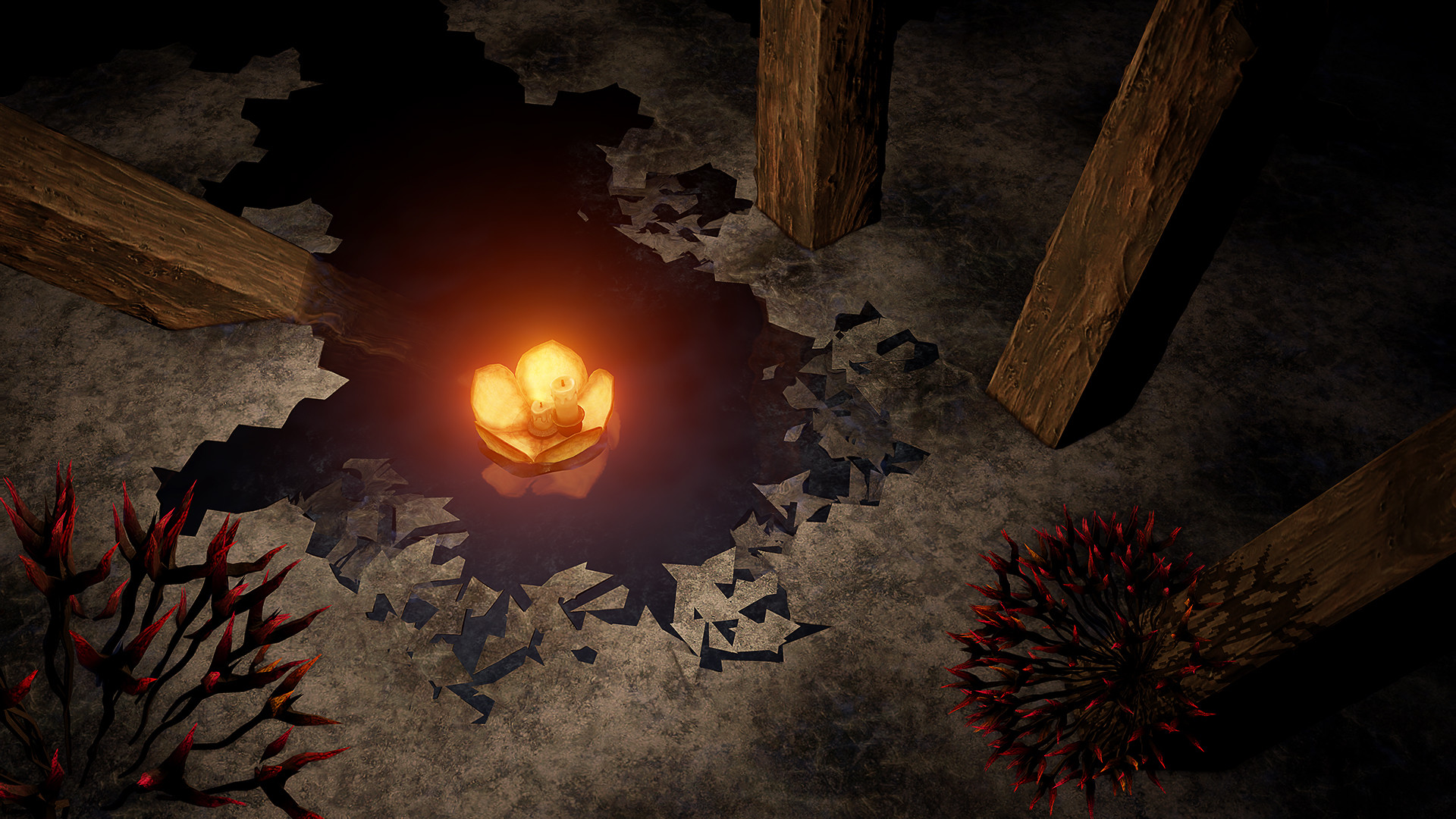
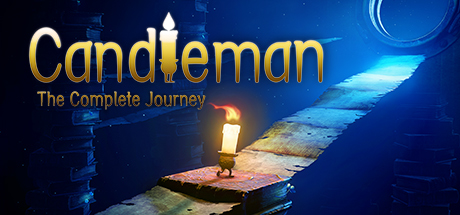
Despite only being able to burn for 10 seconds, a little candle journeys into the darkness, with the purpose of seeking light.
Candleman: The Complete Journey is a action, indie and adventure game
developed and published by Candleman Games.
Released on January 31st 2018 is available on Windows and MacOS
in 19 languages: English, Simplified Chinese, Japanese, Traditional Chinese, French, Italian, German, Spanish - Spain, Danish, Russian, Turkish, Norwegian, Polish, Finnish, Dutch, Portuguese - Portugal, Korean, Arabic and Hungarian.
It has received 1,220 reviews of which 1,126 were positive and 94 were negative resulting in a rating of 8.7 out of 10. 😎
The game is currently priced at 14.99€ on Steam, but you can find it for 10.99€ on Eneba.
The Steam community has classified Candleman: The Complete Journey into these genres:
Media & Screenshots
Get an in-depth look at Candleman: The Complete Journey through various videos and screenshots.
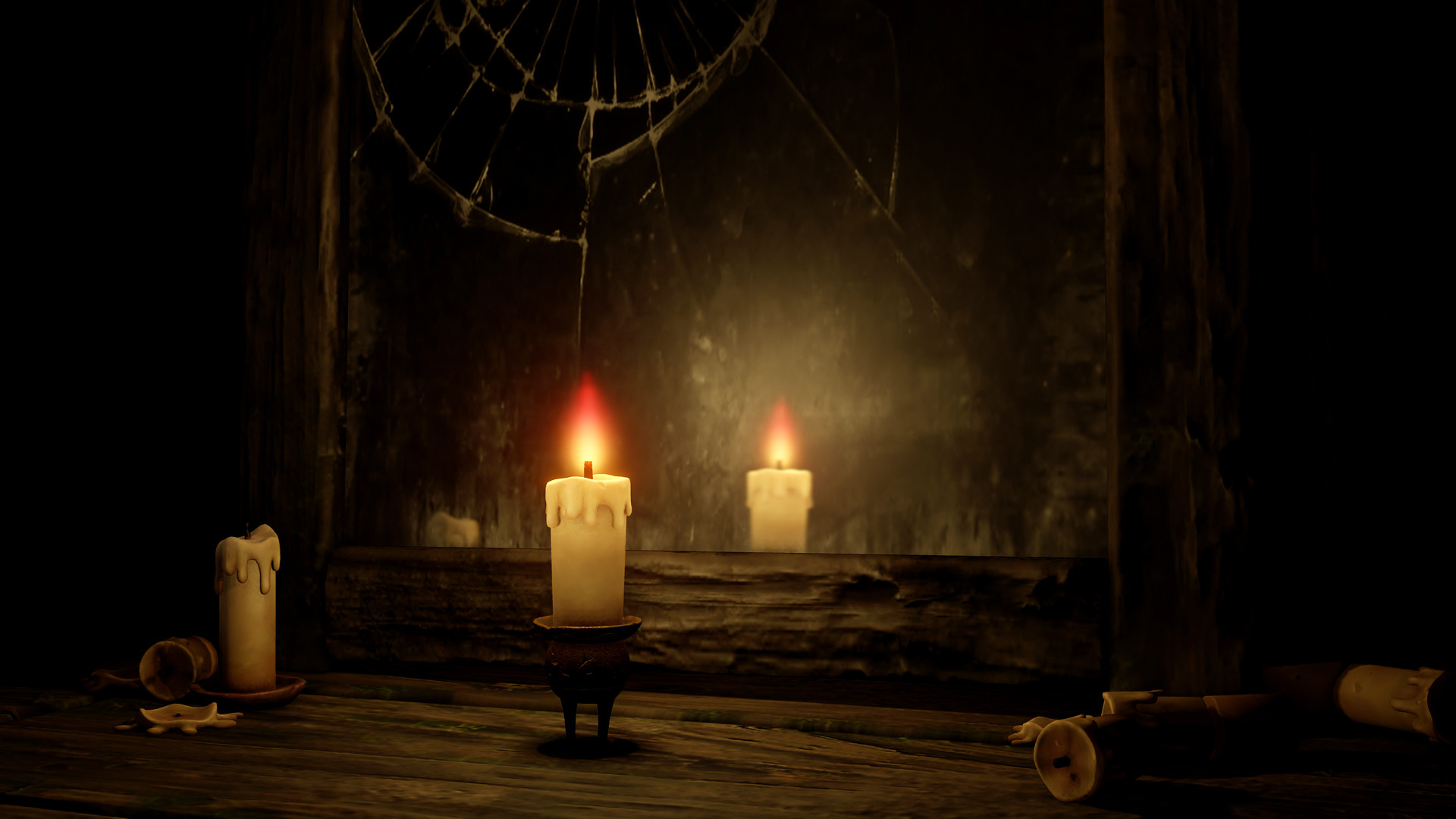
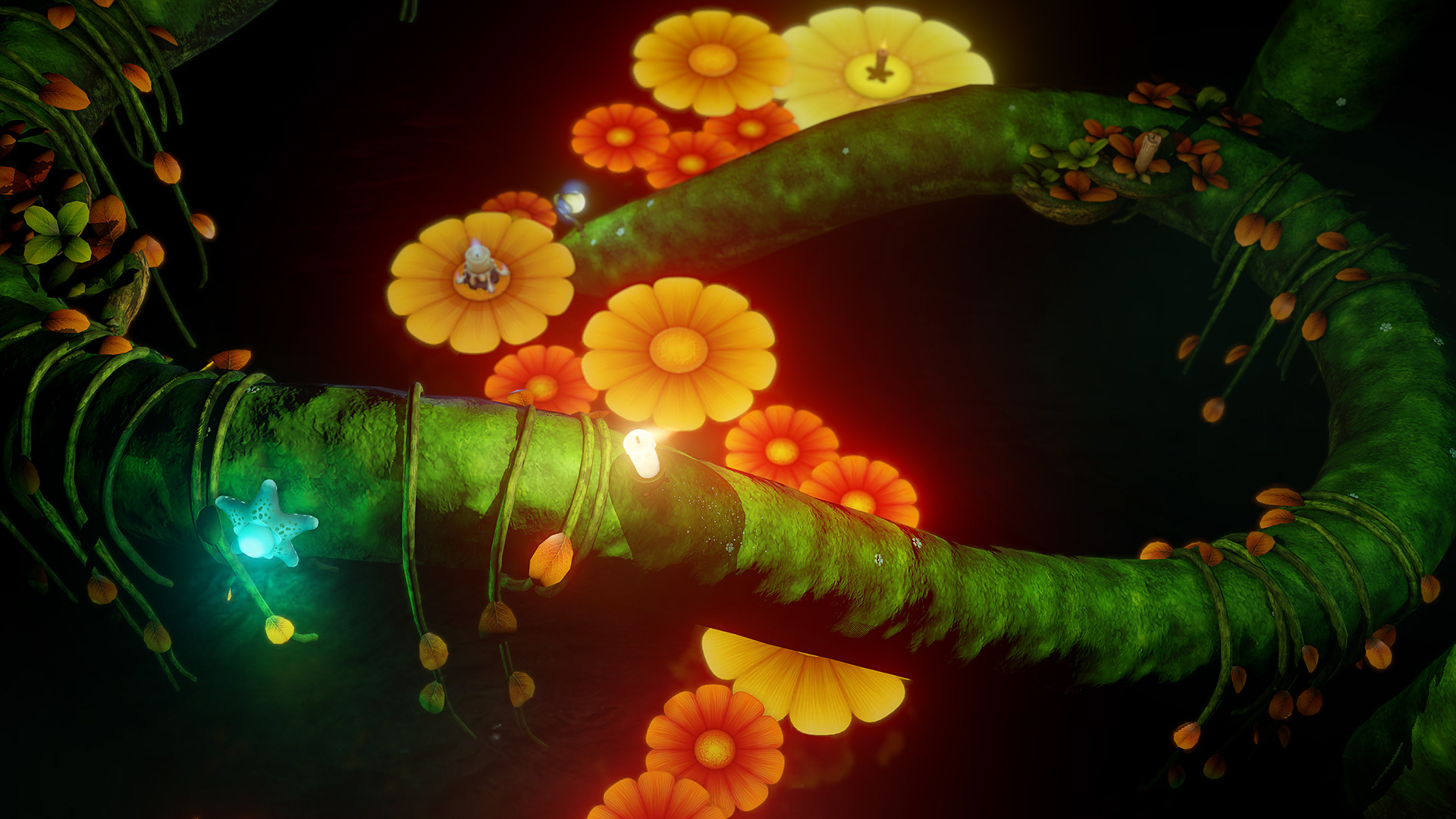

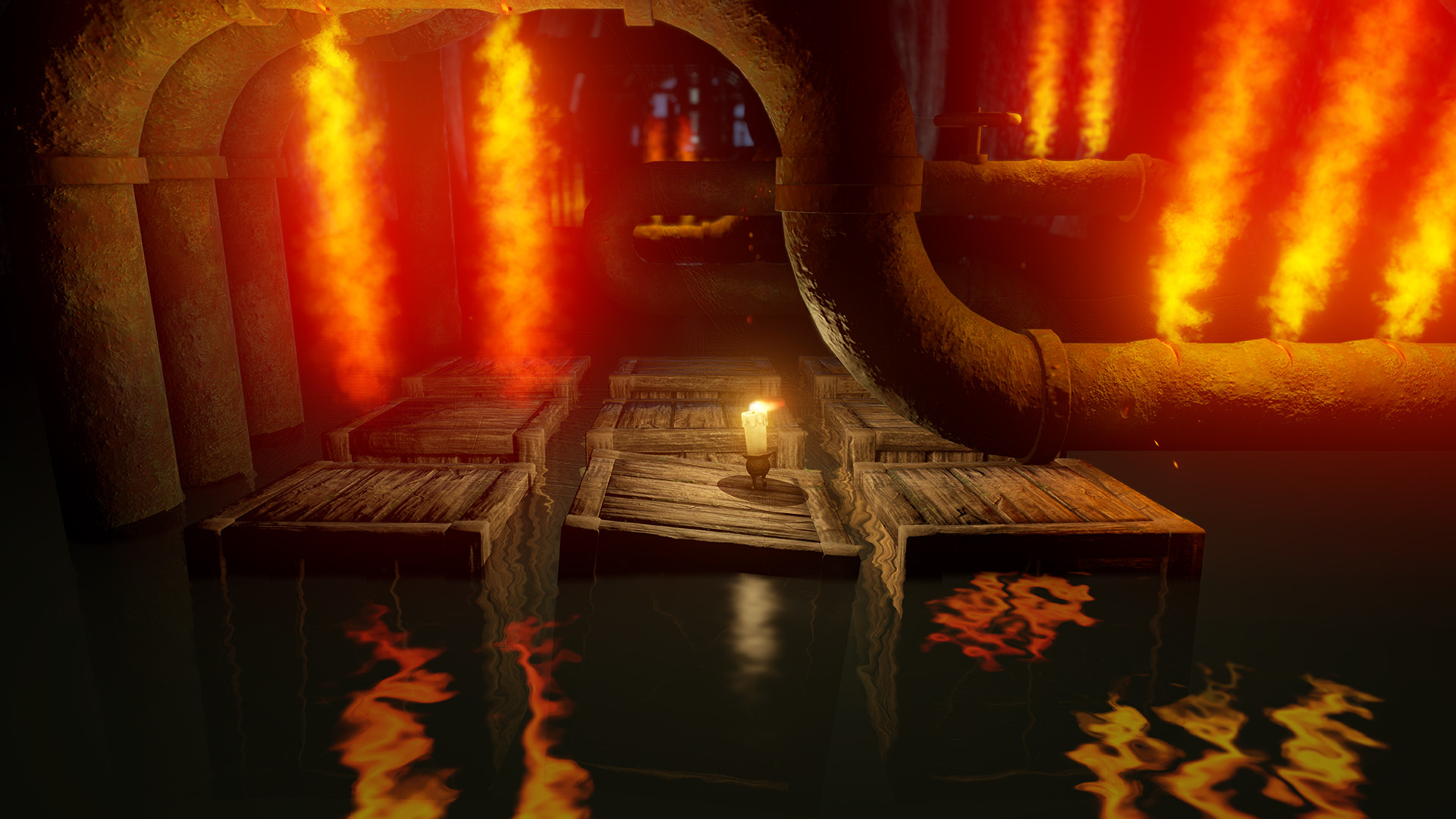
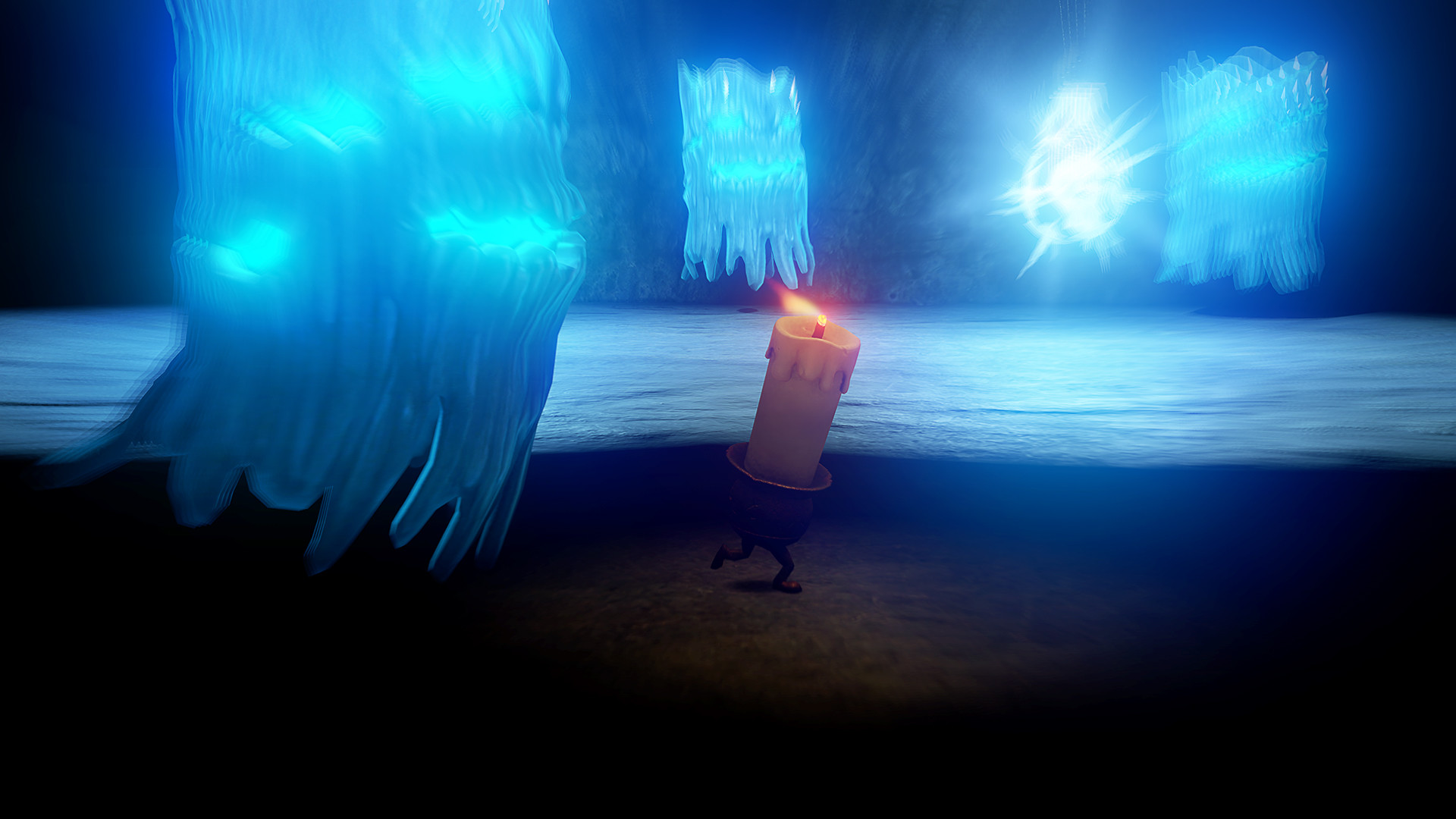
Load More
System requirements
These are the minimum specifications needed to play the game. For the best experience, we recommend that you verify them.
Windows
- OS *: Windows 7, 64-bit
- Processor: Intel CPU Core i3
- Memory: 4 GB RAM
- Graphics: Nvidia GPU GeForce GTX460
- DirectX: Version 11
- Storage: 4 GB available space
- Sound Card: DirectX compatible sound card
MacOS
- OS: OSX version Lion 10.7
- Processor: Intel Core 2 Duo 2.2 GHz
- Memory: 2 GB RAM
- Graphics: nVidia GeForce GT 9600M/320M 512MB VRAM, AMD Radeon HD 4670 512MB VRAM (Intel integrated GPUs are not supported!)
- Storage: 4 GB available space
Steam Price & Best Deals
User reviews & Ratings
Explore reviews from Steam users sharing their experiences and what they love about the game.
I really enjoyed this puzzle platformer, colours look incredible on an OLED screen. The overall concept is pretty simple but some parts can become pretty difficult. I struggled a bit with the checkpoint candles, it's a shame if you have low wax when you get there - you have low wax when you return upon dying which often makes a level difficult to complete. Overall great fun, give it a go if you haven't already.
An extremely charming and cozy puzzle platformer that deserves far more attention than I believe it has received. The environments are stunning and varied and the mechanics are unique and fresh. The ending was endearing and I only wished I could have spent more time with the little candleman. The game is broken into 12 chapters, each with a varying number of levels. You are limited to running/walking, jumping, and lighting yourself to illuminate and interact with the environment. Each chapter has its own unique environment and gimmick/mechanic. Each level has optional candles you can light that act as collectables and completing the game unlocks a time challenge mode. Some chapters have similar environments and mechanics that build off each other, while others are much more distinct and have mechanics only used in that chapter. All of the environments are absolutely stunning with cozy vibes. Being a puzzle platformer from an indie developer I expected some bugs and unfair moments. However, I was pleasantly surprised. The game is extremely fair and while the controls are limited they feel very polished. I cannot recall encountering any issues or perceiving anything as unfair. The game is also very forgiving. You get 10 lives per level, which is extremely generous, and all the optional candles you lite along the way remain lit to illuminate the environment. You also leave a trail of wax when you light yourself that is visible in the dark and also remains when you die. The majority of the collectable candles are easy to find as long as you explore, though there are a handful that are extremely well hidden and took me a long time to find. The time challenges are easy to beat once you've beaten the game and are familiar with the levels. I expect anyone without much gaming experience could pick this up and enjoy it a lot. I was surprised by how novel many of the mechanics were given such limited controls. The developers were so innovative not only in how unique the mechanics were, but how many times they took the same concept of candlelight/darkness and made it interesting every time. The mechanics for chapters 8, 10, and 11 especially had me saying out loud "This is such a unique concept and it's so cool! I've never seen anything like this before! It's so clever!" I would highly recommend this game to anyone who enjoys puzzle platformers and exploration. While the game might not provide much challenge, it certainly provides a unique experience and is unlike most others of its genre. If they ever made a second game I would certainly play it.
Similar games
View all

PAGUI打鬼
Major update coming July 29, 2022"Ten national languages。PAGUI is based on a true story from Taiwan's history. One day, by chance, an orphan raised at a temple learned of his family background. From then, he decided to set out on a journey to uncover the secrets of his family and identity...

Fantasy Versus
Fantasy Versus focuses on quick paced 4 vs.4 multiplayer battles. Find your own play style, team up and fight towards victory in Fantasy Versus!
Souls of Blades
Famous sword, spiritual realm after the death of the awakening. Where is the owner? How did Gorgeous architecture and The Mysterious Island become a ruin? What happened before the destruction?

Zack Zero
Zack Zero takes you on an action-packed platform adventure with incredible 3D graphics and the playability and entertainment of classic 2D games. Help Zack Zero save his beloved Marlene, kidnapped by the evil Zulrog in an effort to obtain the powerful substance that will allow him to travel back in time.
Toy Odyssey: The Lost and Found
Toy Odyssey is fundamentally an action-adventure platformer. The player spends the night exploring a randomly-generated house, defeating bosses in each of the unique rooms, and then going up against the final boss.

Little Orpheus
A technicolor side-scrolling narrative adventure game inspired by classic movies including Flash Gordon, Sinbad, and The Land that Time Forgot. Join our bold yet hapless hero as he explores lost civilizations, undersea kingdoms, prehistoric jungles, and lands beyond imagination.

The Maw
The pinnacle of alien evolution, Maw is a cowardly fat blob concerned mostly with snacking and lounging. He can, however, absorb the traits of anything he eats, is virtually indestructible, and can grow to unlimited size. If he wasn't a danger to all life in the universe, he'd make the perfect pet.
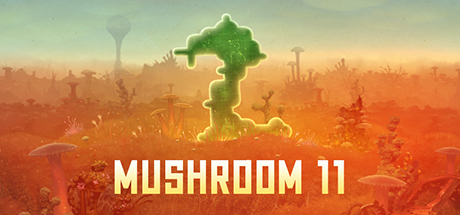
Mushroom 11
An award-winning anti-platformer where destruction is the only way to move. Mold yourself into any form by destroying your cells, and traverse a devastated landscape filled with brain-twisting puzzles and bizarre mutations. Are you ready to break the mold?
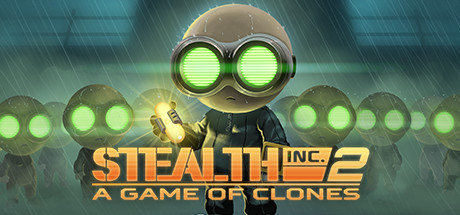
Stealth Inc 2: A Game of Clones
In Stealth Inc 2, you play the role of a clone escaping a sinister and high-tech testing facility. Stealth Inc 2 tests both your brain and your reflexes over 60 varied levels linked together in a sprawling overworld.

Muffin Knight
Muffin Knight is an arena based action-packed platformer with stunning visuals and a myriad of fairytale characters, each with their own unique abilities, which gain strength as you advance.
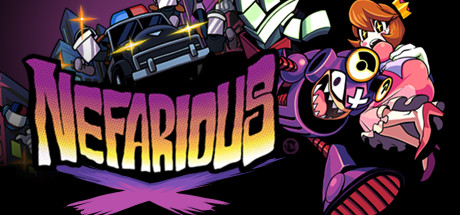
Nefarious
Play as the villain in Nefarious! An action platformer where you globe hop between several kingdoms kidnapping princesses who alter gameplay in unique ways. Then thwart various heroes in reverse boss fights, recreated iconic battles where you control the boss.
Frequently Asked Questions
Candleman: The Complete Journey is currently priced at 14.99€ on Steam.
No, Candleman: The Complete Journey is currently not on sale. You can purchase it for 14.99€ on Steam.
Yes, Candleman: The Complete Journey received 1,126 positive votes out of a total of 1,220 achieving a rating of 8.73.
😎
Candleman: The Complete Journey was developed and published by Candleman Games.
Yes, Candleman: The Complete Journey is playable and fully supported on Windows.
Yes, Candleman: The Complete Journey is playable and fully supported on MacOS.
No, Candleman: The Complete Journey is not playable on Linux.
This information about Candleman: The Complete Journey is not available yet.
This information about Candleman: The Complete Journey is not available yet.
No, Candleman: The Complete Journey does not support VR.
Candleman: The Complete Journey is a single-player game.
Yes, there is a DLC available for Candleman: The Complete Journey. Explore additional content available for Candleman: The Complete Journey on Steam.
No, Candleman: The Complete Journey does not support mods via Steam Workshop.
Yes, Candleman: The Complete Journey supports Remote Play on TV. Discover more about Steam Remote Play.
Yes, Candleman: The Complete Journey is enabled for Steam Family Sharing. This means you can share the game with authorized users from your Steam Library, allowing them to play it on their own accounts. For more details on how the feature works, you can read the original Steam Family Sharing announcement or visit the Steam Family Sharing user guide and FAQ page.
You can find solutions or submit a support ticket by visiting the Steam Support page for Candleman: The Complete Journey.
Data sources
The information presented on this page is sourced from reliable APIs to ensure accuracy and relevance. We utilize the Steam API to gather data on game details, including titles, descriptions, prices, and user reviews. This allows us to provide you with the most up-to-date information directly from the Steam platform.
Additionally, we incorporate data from the SteamSpy API, which offers insights into game sales and player statistics. This helps us present a comprehensive view of each game's popularity and performance within the gaming community.
Last Updates| Steam data | 03 September 2026 12:18 UTC |
|---|---|
| SteamSpy data | 01 September 2026 03:31 UTC |
| Steam price | 12 September 2026 18:40 UTC |
| Steam reviews | 10 September 2026 13:57 UTC |
If you'd like to dive deeper into the details about Candleman: The Complete Journey, we invite you to check out a few dedicated websites that offer extensive information and insights. These platforms provide valuable data, analysis, and user-generated reports to enhance your understanding of the game and its performance.
- SteamDB - A comprehensive database of everything on Steam about Candleman: The Complete Journey
- SteamCharts - Analysis of Candleman: The Complete Journey concurrent players on Steam
- ProtonDB - Crowdsourced reports on Linux and Steam Deck Candleman: The Complete Journey compatibility
Game modes
Features
Online players
0
Developer
Candleman Games
Publisher
Candleman Games
Release
31 Jan 2018
Platforms
Remote Play
Clicking and buying through these links helps us earn a commission to maintain our services.