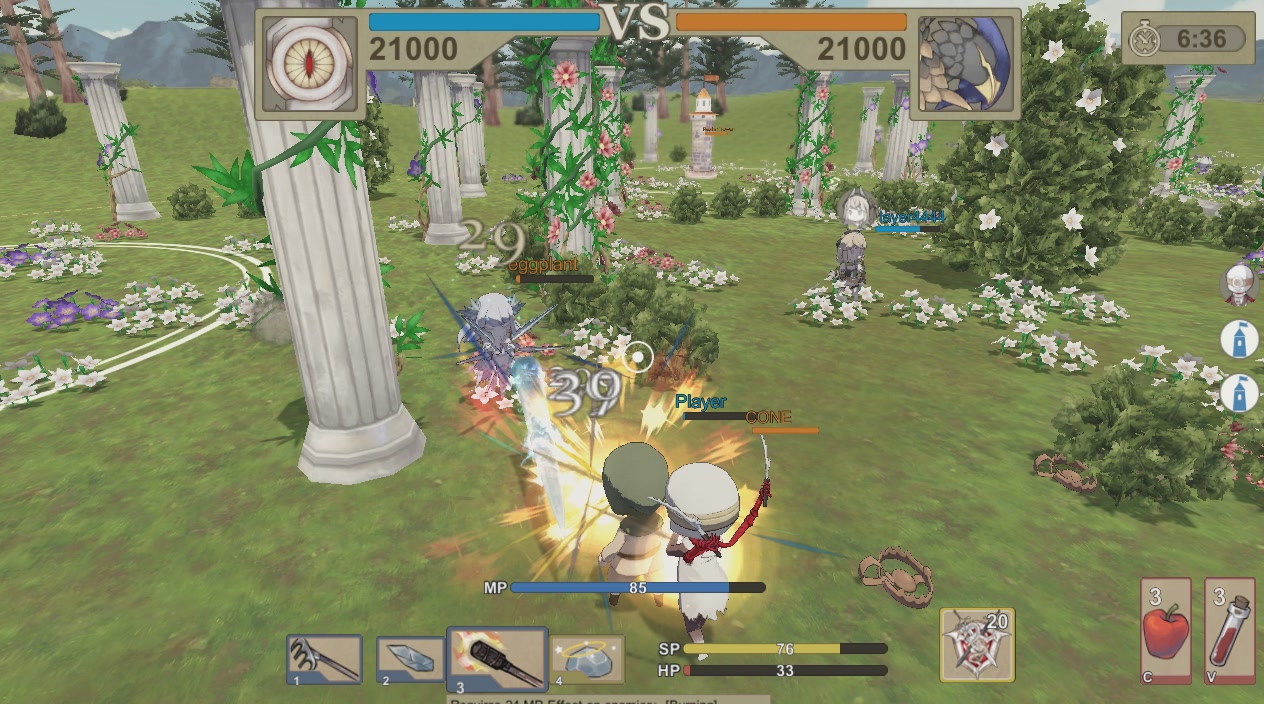
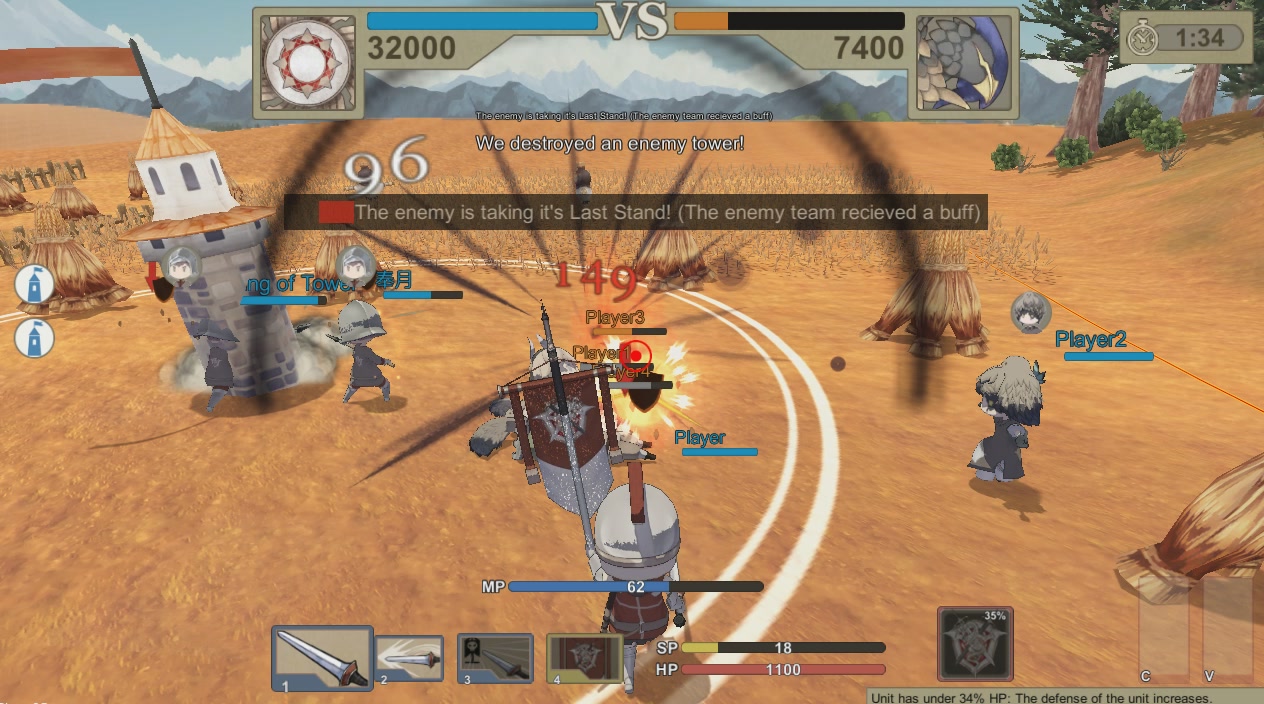
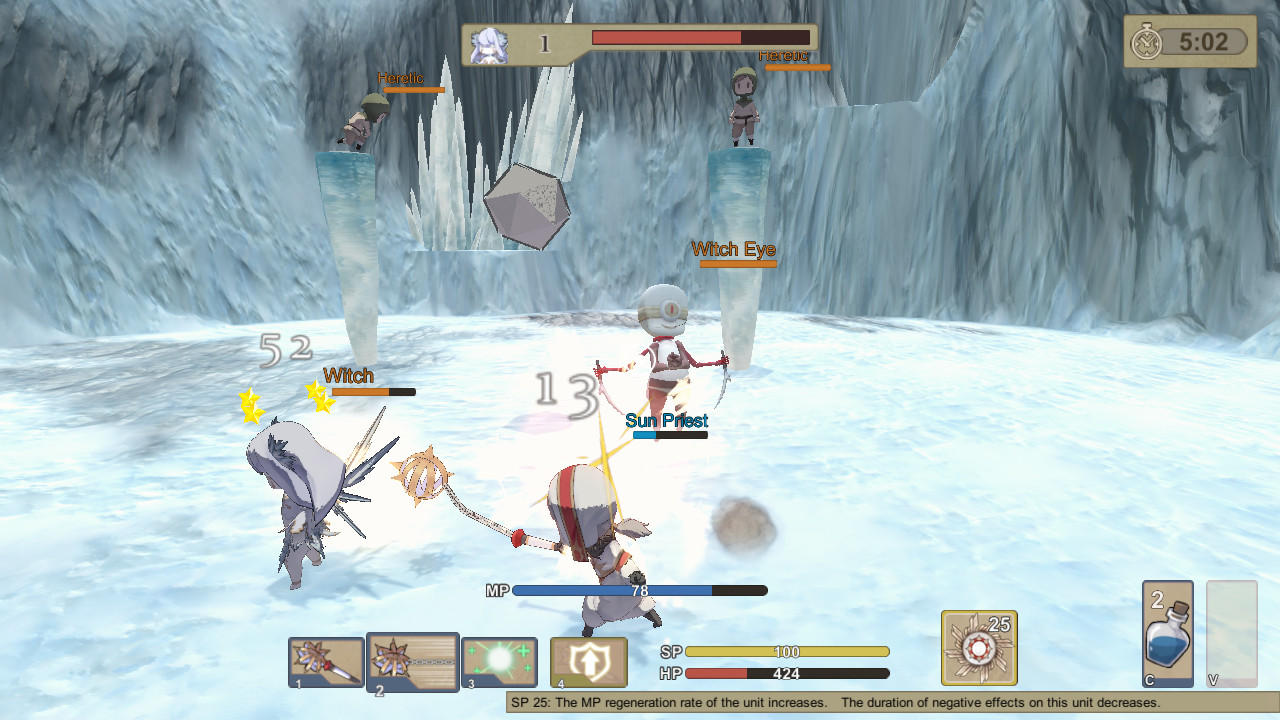
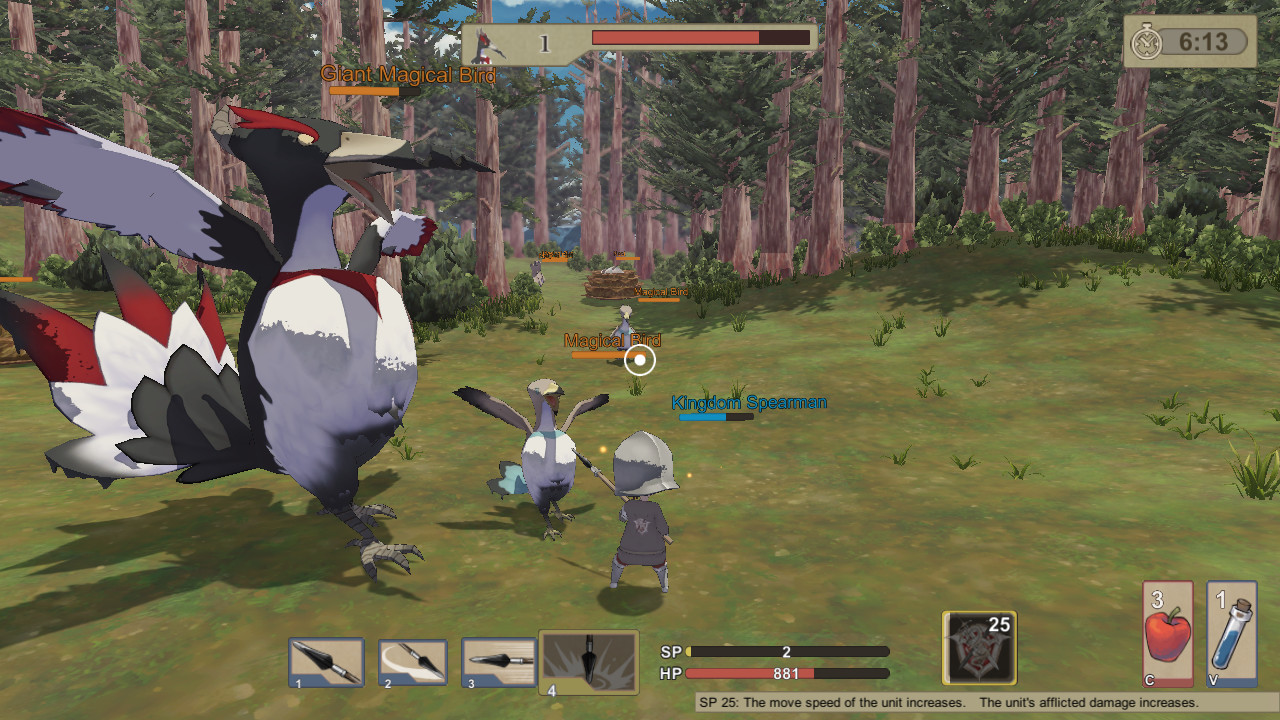
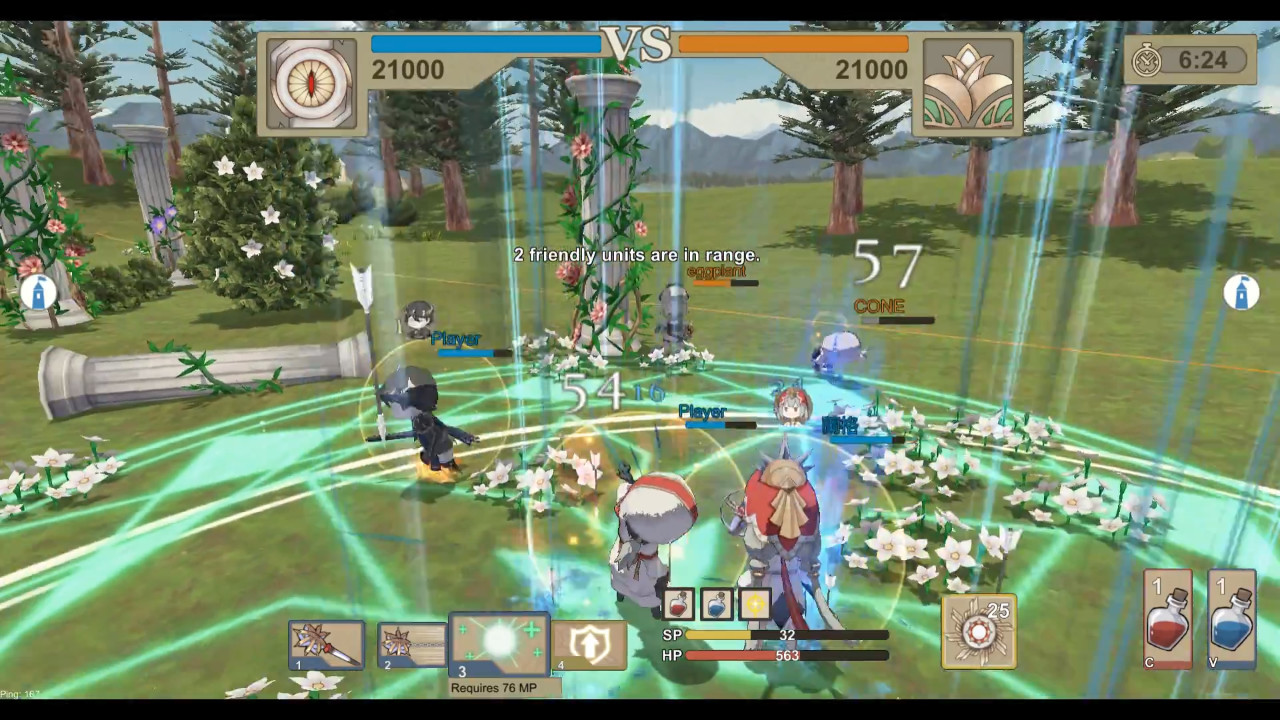
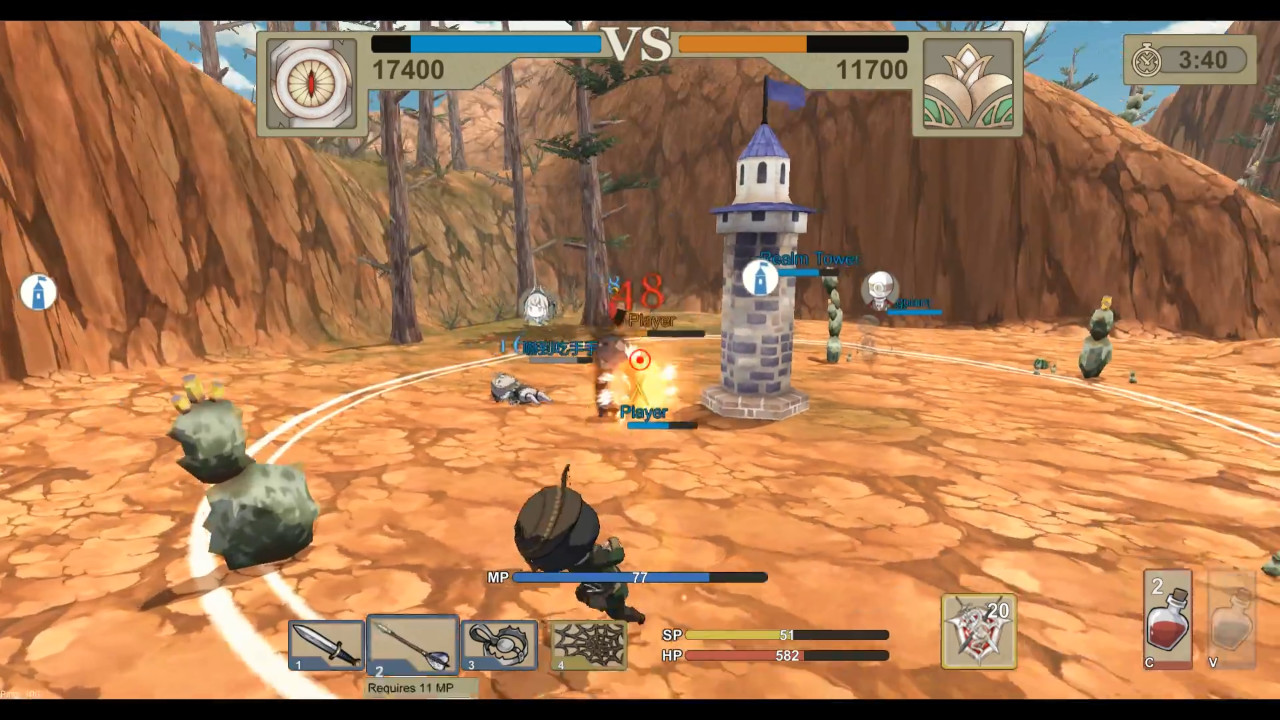
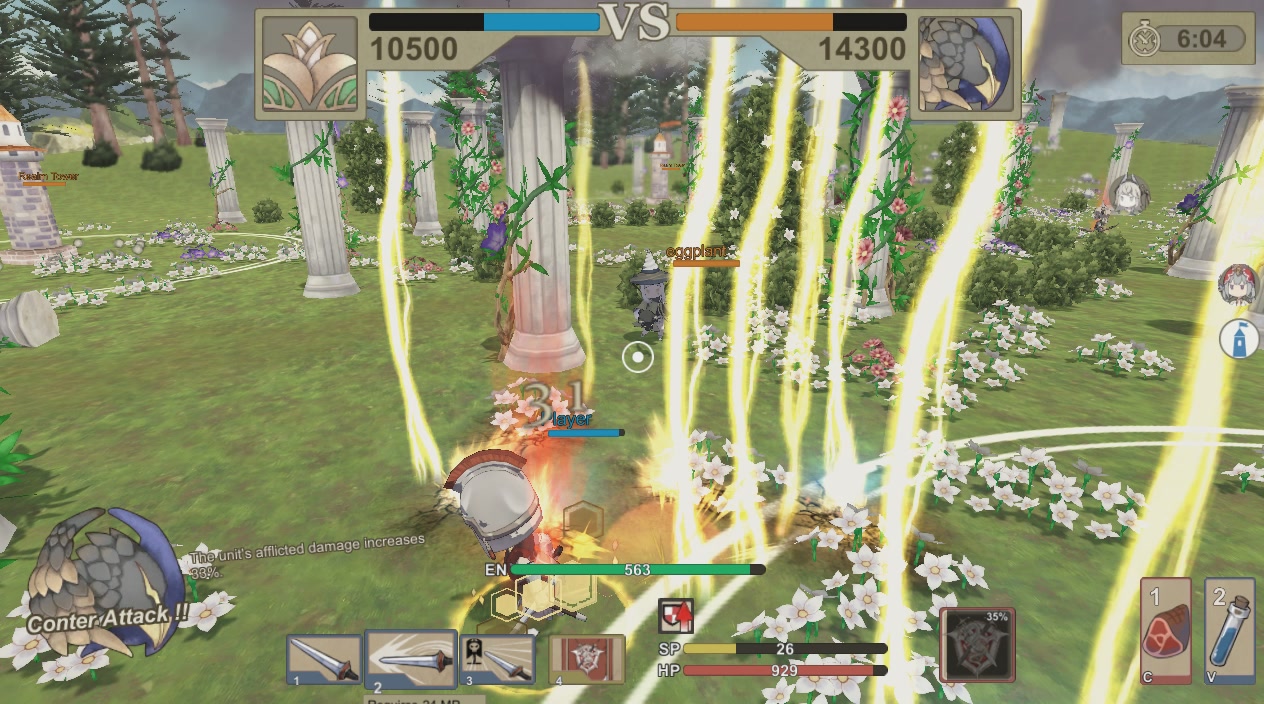
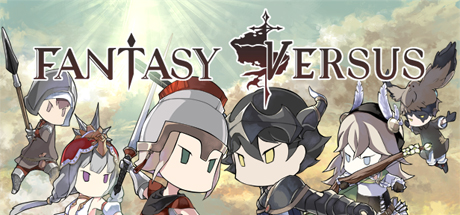
Fantasy Versus is a multiplayer action arena game developed and published by Animu Game, blending anime-inspired visuals with fast-paced team-based combat. The game centers on short, energetic matches where groups of players control unique fantasy characters and compete in cooperative battles against opposing teams. Designed with accessibility in mind, the gameplay focuses on simple mechanics and quick engagements rather than deep strategic complexity, making it easy for newcomers to understand while still providing enough variety for players who enjoy experimenting with different characters and abilities. Although it does not attempt to compete with large-scale multiplayer arena games in terms of scope, Fantasy Versus offers a colorful and approachable experience built around teamwork and character-driven combat. The core gameplay revolves around team battles, typically structured as four-versus-four matches in compact arenas. Players select a hero from a roster of characters, each possessing their own set of abilities and roles on the battlefield. Once a match begins, both teams attempt to outmaneuver and defeat their opponents using a mixture of attacks, special skills, and coordinated tactics. The pace of combat is intentionally brisk, encouraging players to remain constantly active as they reposition, engage enemies, and assist their teammates. Because the arenas are relatively small, encounters occur frequently, leading to continuous bursts of action rather than long periods of strategic buildup. Before jumping into multiplayer matches, players can experience a short single-player campaign that introduces the game’s characters and basic mechanics. The campaign consists of a series of stages where players fight against computer-controlled enemies, allowing them to learn the fundamentals of combat and explore different character abilities in a more relaxed setting. While the campaign is relatively brief and primarily serves as a tutorial for the multiplayer component, it still provides a small amount of narrative context and helps players become comfortable with the controls before facing human opponents. One of the game’s main attractions is its diverse roster of playable characters. Each hero represents a different combat style, giving players multiple ways to approach battles depending on their preferences. Some characters specialize in direct melee combat, charging into the center of the fight with powerful weapons and aggressive abilities. Others rely on stealth, traps, or ranged attacks that allow them to disrupt enemies from a distance. There are also support-oriented characters capable of healing allies, enhancing their teammates’ abilities, or controlling the flow of combat through magical skills. This variety encourages experimentation, as players discover which characters best suit their individual playstyle or the needs of their team. Customization also plays a role in shaping the gameplay experience. Characters can equip various items that modify their performance in battle, enhancing certain abilities or improving overall effectiveness. These items allow players to tailor their chosen hero to specific strategies, whether that involves increasing offensive power, boosting defensive resilience, or enhancing support capabilities. While the customization system is not particularly deep compared to larger role-playing games, it still adds a sense of progression and personalization to the character roster. Combat itself is designed to feel dynamic and responsive. Characters move quickly across the battlefield, using a mixture of standard attacks and special abilities to deal damage, control enemies, or assist allies. The simplicity of the controls ensures that players can quickly learn the basics, but mastering the timing and coordination of abilities becomes essential for success in competitive matches. Effective teamwork often determines the outcome of battles, as coordinated attacks and well-timed support abilities can overwhelm opponents who rely solely on individual skill. The visual presentation of Fantasy Versus reflects its anime-inspired design philosophy. Characters are depicted with colorful costumes, exaggerated weapons, and expressive animations that help distinguish them from one another during battles. The environments are relatively simple but bright and vibrant, providing clear arenas where players can easily track their teammates and enemies. While the graphical quality is modest compared to modern large-scale multiplayer games, the stylized art direction gives the game a lively and energetic personality that fits well with its arcade-like gameplay. Sound design contributes to the overall atmosphere with upbeat background music and impactful sound effects. The soundtrack maintains a fast tempo that complements the game’s energetic combat, while sound cues help signal important events during matches, such as the activation of powerful abilities or successful attacks. Although the audio elements remain relatively straightforward, they support the gameplay effectively by reinforcing the intensity of the battles. Despite its enjoyable mechanics, Fantasy Versus does face some limitations that affect its long-term appeal. One of the most noticeable challenges is its relatively small player base, which can make finding multiplayer matches difficult at times. Since the game relies heavily on online competition, the availability of active players significantly influences the overall experience. Additionally, the amount of content—such as maps, game modes, and character variety—is somewhat limited compared to more established multiplayer arena titles. The game’s mechanics, while accessible, may also feel somewhat simplistic to players accustomed to deeper competitive systems. Because the combat design prioritizes quick action over complex strategy, experienced players may find that matches rely heavily on reflexes and coordination rather than long-term tactical planning. For some players this simplicity is part of the game’s charm, but others may desire additional layers of depth and progression. Even with these limitations, Fantasy Versus succeeds in delivering a lighthearted multiplayer experience built around cooperative combat and character diversity. Its fast-paced matches, approachable controls, and colorful presentation make it a game that can be easily enjoyed in short sessions. The emphasis on teamwork encourages players to coordinate strategies and experiment with different character combinations, adding variety to the gameplay despite its relatively small scale. Ultimately, Fantasy Versus stands as a modest but entertaining arena game that captures the excitement of team-based combat without overwhelming players with complicated systems. While it may not rival the scope or longevity of larger multiplayer titles, its anime-inspired style and energetic battles provide a fun and accessible experience for players looking for quick cooperative matches. For fans of character-based action games who enjoy fast-paced arena combat, Fantasy Versus offers a colorful and enjoyable alternative within the indie multiplayer scene. Rating: 7/10
Expand the review