



Hatsune Miku Logic Paint S
"Hatsune Miku Logic Paint -MIKULOGI-" has evolved! Hatsune Miku Logic Paint S is now available on Steam!
Sync your Steam wishlist to find the lowest game prices instantly. No login required, just paste your Steam profile URL!
⚡ Try Wishlist Radar!
Sync your Steam wishlist to find the lowest game prices instantly. No login required!
⚡ Try Wishlist Radar!
Close

Flashback on Steam
Quick menu
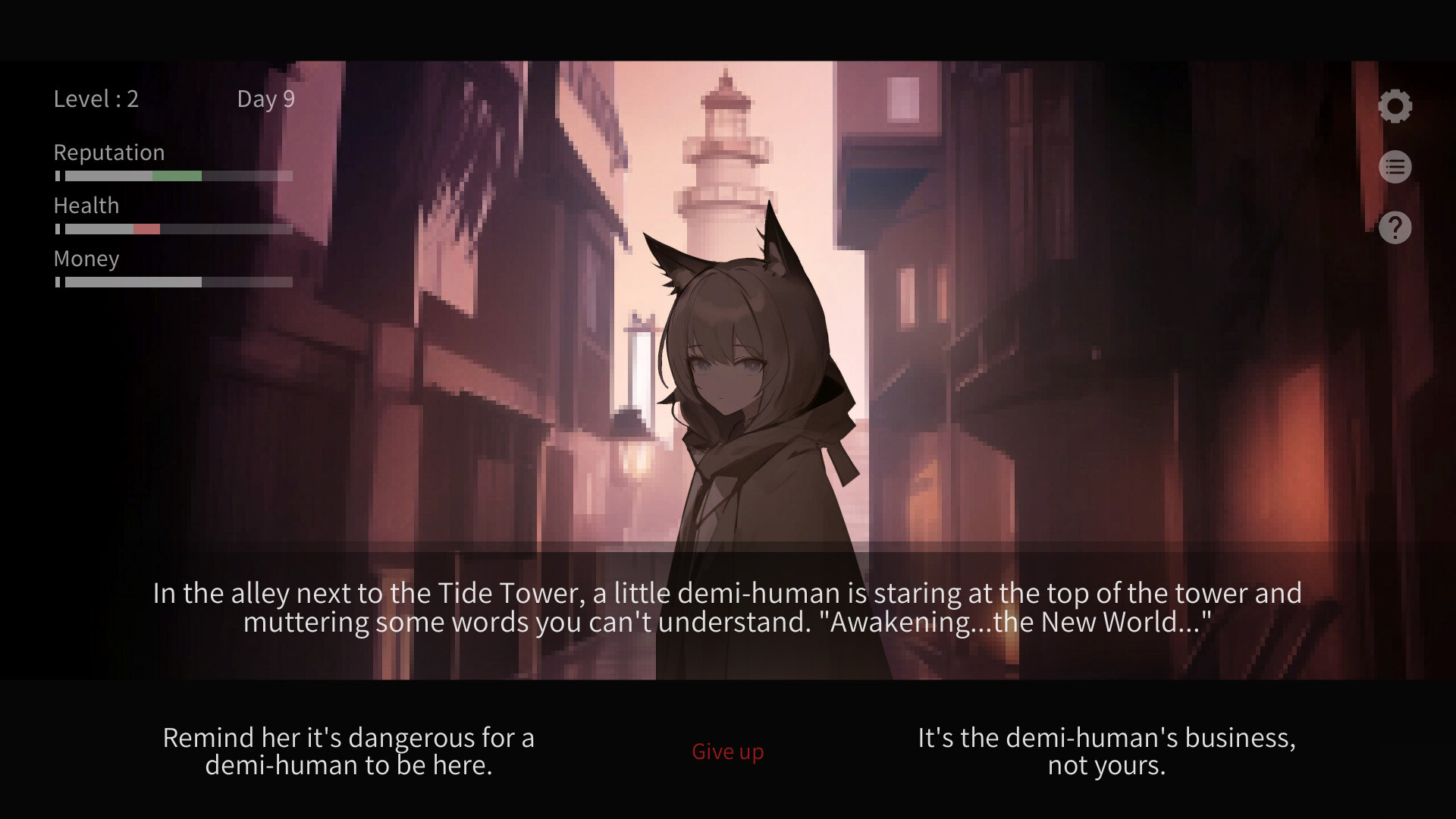
Flashback is a strategy game oriented to your choices. You will play the role of a deliveryman and live in a turbulent city for a month. You will meet various characters and experience events, and those characters' fates will cross and they will usher in their own futures based on your choices.
Flashback is a anime, choices matter and multiple endings game
developed and published by Renka.
Released on February 20th 2023 is available only on Windows.
It has received 409 reviews of which 356 were positive and 53 were negative resulting in a rating of 8.1 out of 10. 😎
The game is currently priced at 0.99€ on Steam, but you can find it for 0.82€ on Eneba.
The Steam community has classified Flashback into these genres:
Media & Screenshots
Get an in-depth look at Flashback through various videos and screenshots.


Load More

System requirements
These are the minimum specifications needed to play the game. For the best experience, we recommend that you verify them.
Windows
- OS *: Windows XP, Vista, 7, 8/8.1, 10,11
- Processor: 2.0 Ghz
- Memory: 4 GB RAM
- Graphics: 512mb Video Memory
- Storage: 400 MB available space
Steam Price & Best Deals
User reviews & Ratings
Explore reviews from Steam users sharing their experiences and what they love about the game.
Playing as a deliveryman navigating a stressful month in a turbulent city actually turned out to be a surprisingly engaging resource-balancing act. Juggling your attributes and deciding when to let alternate personalities take the wheel makes for a neat little indie strategy loop. For less than a buck, it's a remarkably clever narrative distraction with plenty of branching outcomes to poke through.
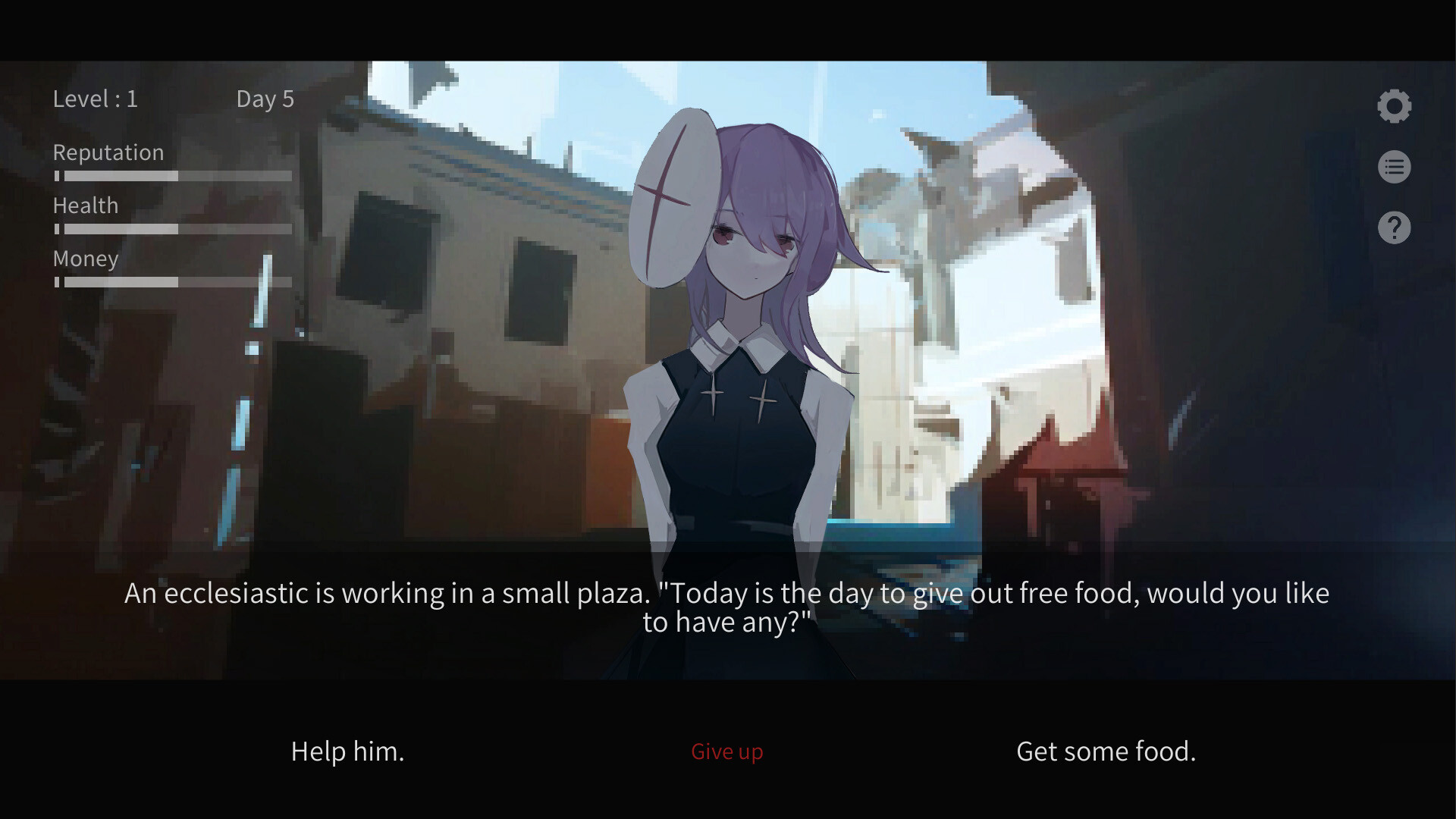
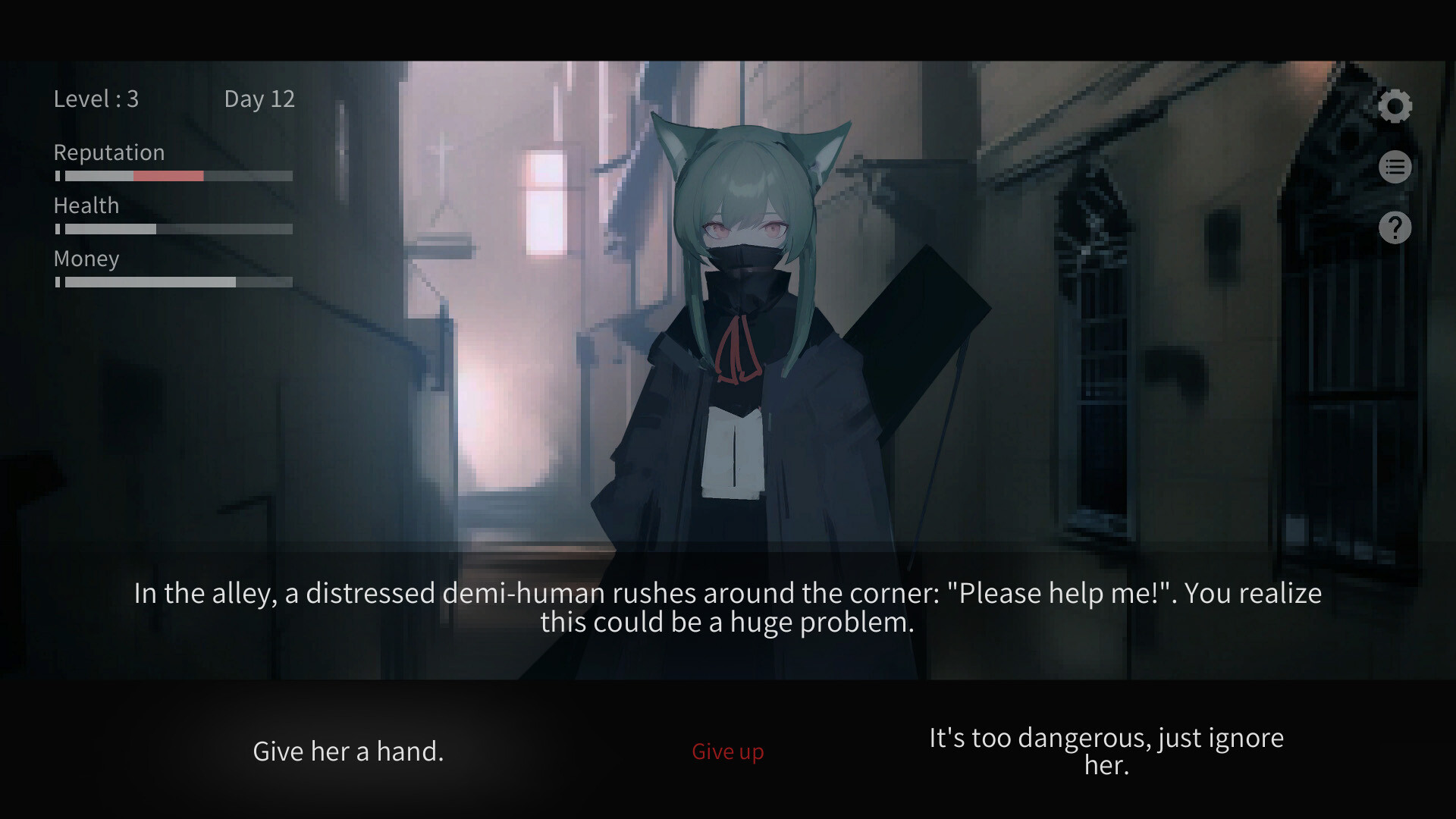
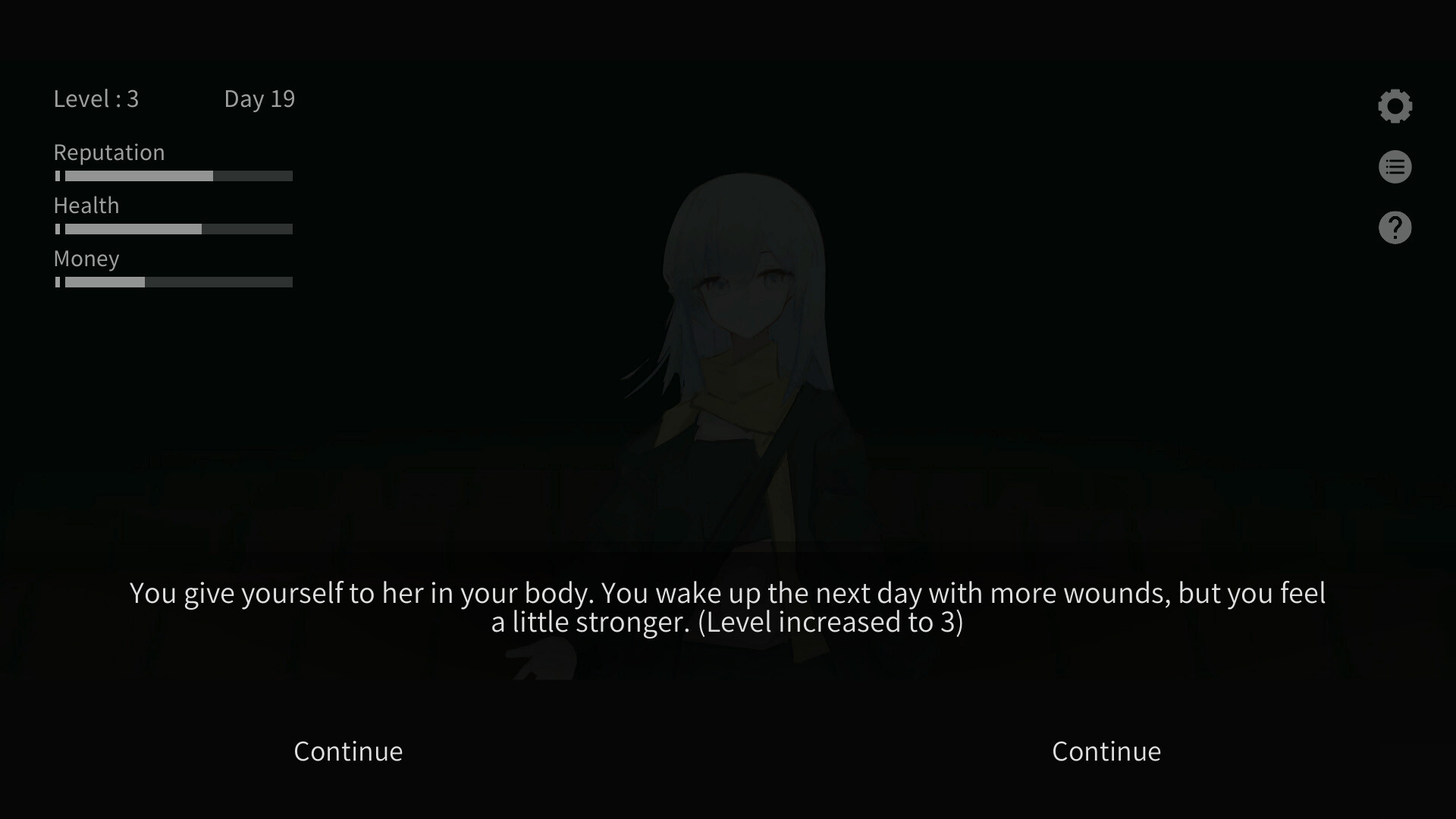
Flashback, developed and published by Renka, is a compact and thoughtful indie game that blends decision-based storytelling with light strategy elements, all wrapped in an atmospheric narrative about survival, responsibility, and consequence. The game places you in the role of a deliveryman living in a chaotic city where every day presents new challenges, moral choices, and unpredictable encounters. The premise seems simple at first glance, but its execution is layered and deliberately paced, inviting players to reflect on their decisions rather than rush through them. Each of your actions, from how you handle customers to how you balance your resources and emotions, shapes not only your personal journey but the lives of those around you. It’s a small-scale experience with big emotional weight, using minimal mechanics to explore themes of perseverance, identity, and the quiet struggles of daily existence. Structurally, Flashback unfolds over a fixed timeline of thirty in-game days. Every day introduces a new event or encounter that forces you to make a decision—sometimes practical, sometimes moral, and often ambiguous. Each choice affects a set of underlying attributes that represent aspects of your character’s psyche and wellbeing. Letting any of these values drop too low or rise too high can trigger various endings, both tragic and unexpected. This constant balancing act forms the heart of the gameplay. The system rewards restraint and foresight; impulsive decisions may feel right in the moment but can have long-term consequences that only reveal themselves later. This design keeps the experience tense and meaningful, despite its simplicity. The game’s brilliance lies in how it makes every small action feel significant, creating a sense of realism in its portrayal of decision-making under pressure. A distinctive mechanic allows the player to “give up” during certain events, effectively letting another personality take over. Doing so causes your attributes to decrease but can sometimes unlock unique outcomes that wouldn’t otherwise be accessible. This feature introduces an intriguing psychological layer, suggesting a fragmented self or a desperate survival instinct that emerges under duress. It also adds replay value, encouraging experimentation with different mindsets and behaviors. This interplay between control and surrender fits thematically with the game’s story of human vulnerability in a turbulent world. It’s a small but elegant system that deepens the emotional complexity of what might otherwise be a straightforward narrative simulation. Visually, Flashback keeps things modest but effective. The presentation is minimalist, with clean interfaces and understated artwork that serve the story rather than distract from it. Text-driven events, simple character portraits, and carefully chosen background colors establish mood without requiring elaborate animation. This restraint fits the game’s meditative tone and makes it accessible to players regardless of hardware. The sound design mirrors this philosophy: soft ambient tracks and subtle sound cues create a reflective atmosphere that complements the story’s melancholy pacing. Renka clearly understands the value of atmosphere, using it not to overwhelm but to immerse. Every element—from the sparse dialogue to the subdued visual style—feels intentionally designed to highlight the weight of your decisions. Flashback’s structure makes it naturally replayable. The short in-game calendar and branching outcomes encourage multiple playthroughs to uncover hidden scenes, alternative fates, and secret endings. The narrative doesn’t overstay its welcome; instead, it invites players to revisit it with a different mindset or moral compass. Each run feels like a new perspective on the same city and the same struggles, offering just enough variation to stay engaging without feeling repetitive. However, its simplicity can also be its limitation. Players seeking complex systems, deep character customization, or extensive dialogue trees may find its mechanics too light and its story too fleeting. It’s not a game that thrives on grand spectacle but rather on small, intimate moments and quiet revelations. What makes Flashback stand out among other indie narrative titles is its focus on emotional realism rather than dramatic flair. It’s a game about the ordinary person caught in extraordinary circumstances, about how choice and chance intertwine to shape a life. The setting—a crumbling, turbulent city—feels less like a backdrop and more like a mirror for the protagonist’s internal struggle. Through simple interactions and understated storytelling, it captures a universal sense of human endurance in the face of uncertainty. It’s the kind of game that rewards contemplation rather than mastery, a story that stays with you because of how personal your experience feels rather than how grand its narrative becomes. In the end, Flashback is a quiet triumph of minimalism and meaning. It distills the complexity of life into a series of small, consequential moments and challenges players to find balance where none seems possible. Its short runtime, accessible design, and replayable structure make it approachable, but its emotional core gives it depth that lingers long after the screen fades to black. Renka’s work is a testament to the power of simplicity done well—a reminder that games don’t need massive worlds or elaborate mechanics to make us reflect on who we are and the choices we make. Flashback doesn’t just tell a story; it lets you live one, fleeting yet profound, in a world that feels all too human. Rating: 8/10
Similar games
View all

Sunset Routes
Sunset Routes is an easy and intriguing roguelite game. You can choose your crew, put them in the cabins, select your destination, and set sail. Through a series of choices, you can earn profits during the emergency period of the New World and even decide its fate—unintentionally or on purpose.

Volcano Princess
Prepare the next monarch by finding her hobbies, training her for battle, and befriending the citizens she'll one day protect. Dive into an all-new parenting-simulator-RPG adventure, where every decision you make will not only affect the future of your daughter but that of an entire empire!
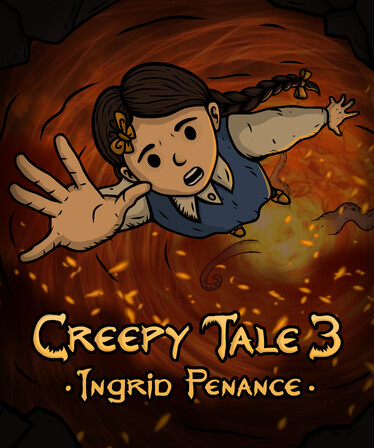
Creepy Tale 3: Ingrid Penance
As punishment for her transgressions, Ingrid is sent to hell. As she struggles through the darkness that hungers to consume her heart, she makes her way toward redemption. Her fate is in your hands.
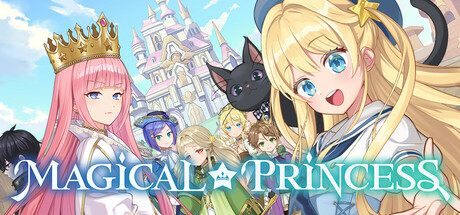
Magical Princess
Raise your daughter while she attends a magical academy. Choose which classes she attends, jobs she does, training she undergoes, and more in a character raising sim packed full of story and over 50 endings to reach. How she grows up to be the world's cutest princess depends on you!

The Feast
The Feast is an invitation to a bizarre family dinner party that takes an unexpected turn. Join the most surreal meal of your life, discover what you truly stand for, and create your own tragic spectacle in this short thought-inspiring and unforgettable adventure with multiple endings.
Frequently Asked Questions
Flashback is currently priced at 0.99€ on Steam.
No, Flashback is currently not on sale. You can purchase it for 0.99€ on Steam.
Yes, Flashback received 356 positive votes out of a total of 409 achieving a rating of 8.10.
😎
Flashback was developed and published by Renka.
Yes, Flashback is playable and fully supported on Windows.
No, Flashback is not playable on MacOS.
No, Flashback is not playable on Linux.
This information about Flashback is not available yet.
This information about Flashback is not available yet.
No, Flashback does not support VR.
Flashback is a single-player game.
No, Flashback does not currently offer any DLC.
No, Flashback does not support mods via Steam Workshop.
No, Flashback does not support Steam Remote Play.
Yes, Flashback is enabled for Steam Family Sharing. This means you can share the game with authorized users from your Steam Library, allowing them to play it on their own accounts. For more details on how the feature works, you can read the original Steam Family Sharing announcement or visit the Steam Family Sharing user guide and FAQ page.
You can find solutions or submit a support ticket by visiting the Steam Support page for Flashback.
Data sources
The information presented on this page is sourced from reliable APIs to ensure accuracy and relevance. We utilize the Steam API to gather data on game details, including titles, descriptions, prices, and user reviews. This allows us to provide you with the most up-to-date information directly from the Steam platform.
Additionally, we incorporate data from the SteamSpy API, which offers insights into game sales and player statistics. This helps us present a comprehensive view of each game's popularity and performance within the gaming community.
Last Updates| Steam data | 18 September 2026 21:30 UTC |
|---|---|
| SteamSpy data | 19 October 2026 16:00 UTC |
| Steam price | 26 October 2026 19:48 UTC |
| Steam reviews | 19 October 2026 21:58 UTC |
If you'd like to dive deeper into the details about Flashback, we invite you to check out a few dedicated websites that offer extensive information and insights. These platforms provide valuable data, analysis, and user-generated reports to enhance your understanding of the game and its performance.
- SteamDB - A comprehensive database of everything on Steam about Flashback
- SteamCharts - Analysis of Flashback concurrent players on Steam
- ProtonDB - Crowdsourced reports on Linux and Steam Deck Flashback compatibility

Game modes
Features
Online players
0
Developer
Renka
Publisher
Renka
Release
20 Feb 2023
Platforms
Clicking and buying through these links helps us earn a commission to maintain our services.