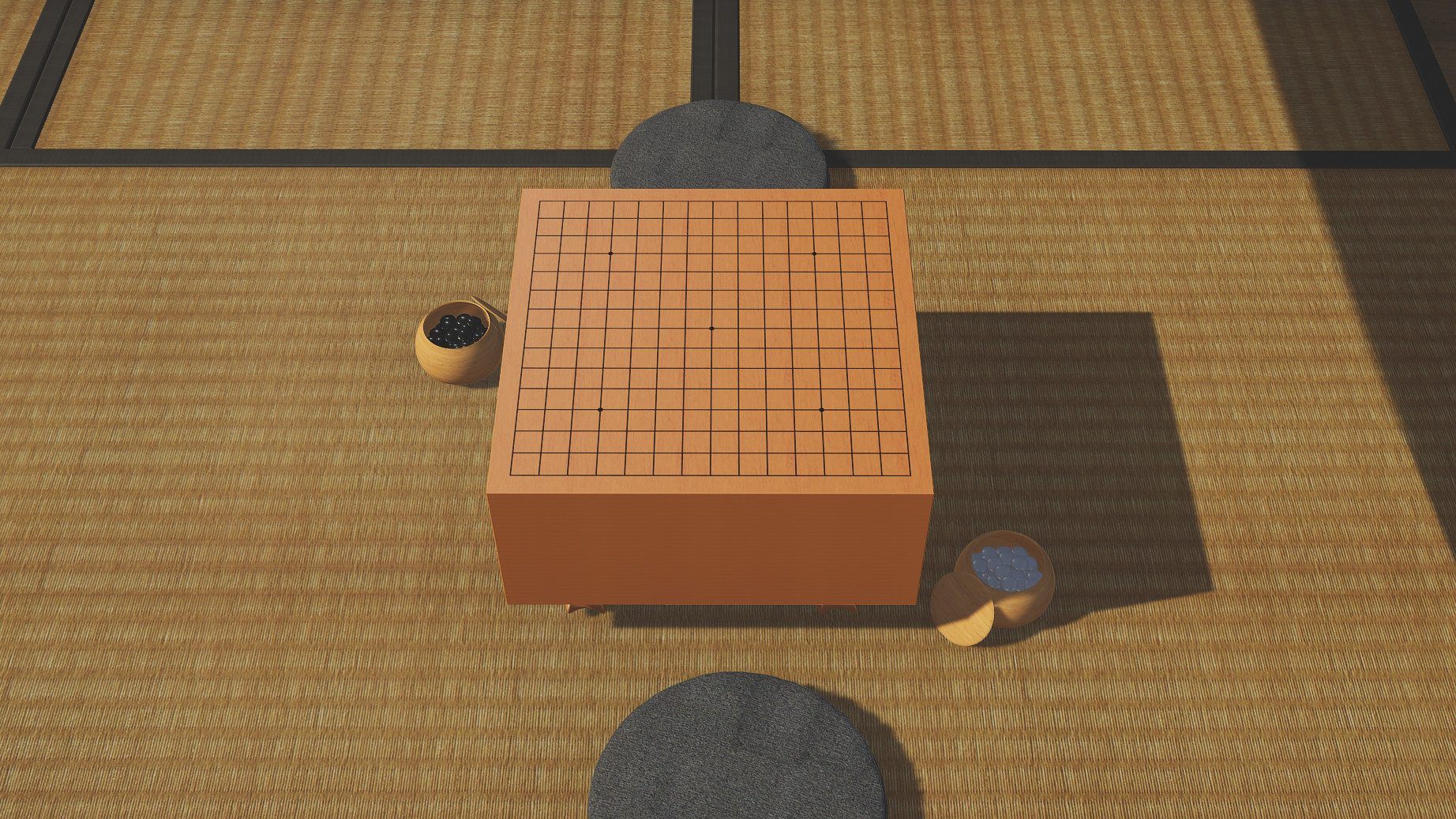
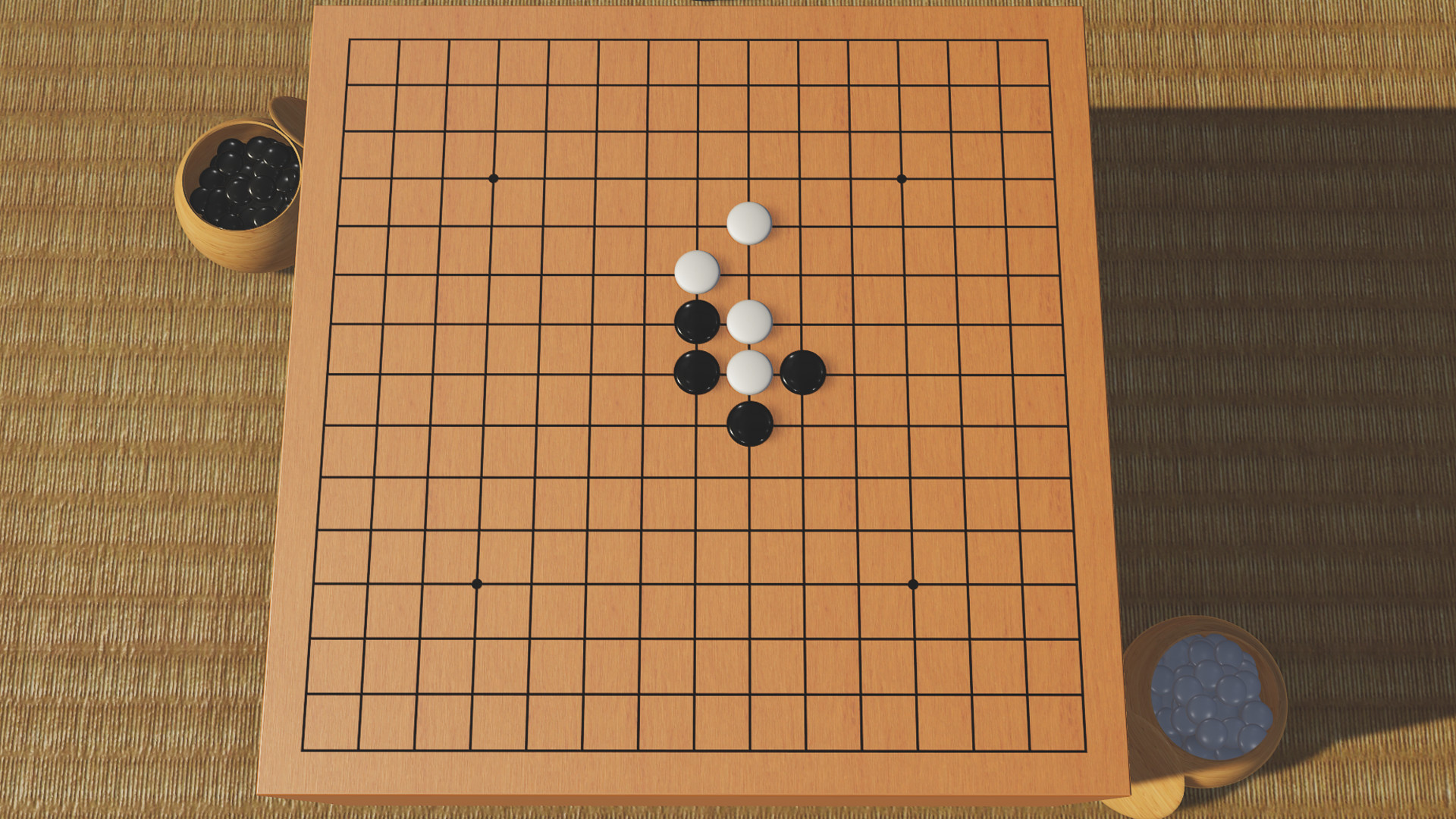
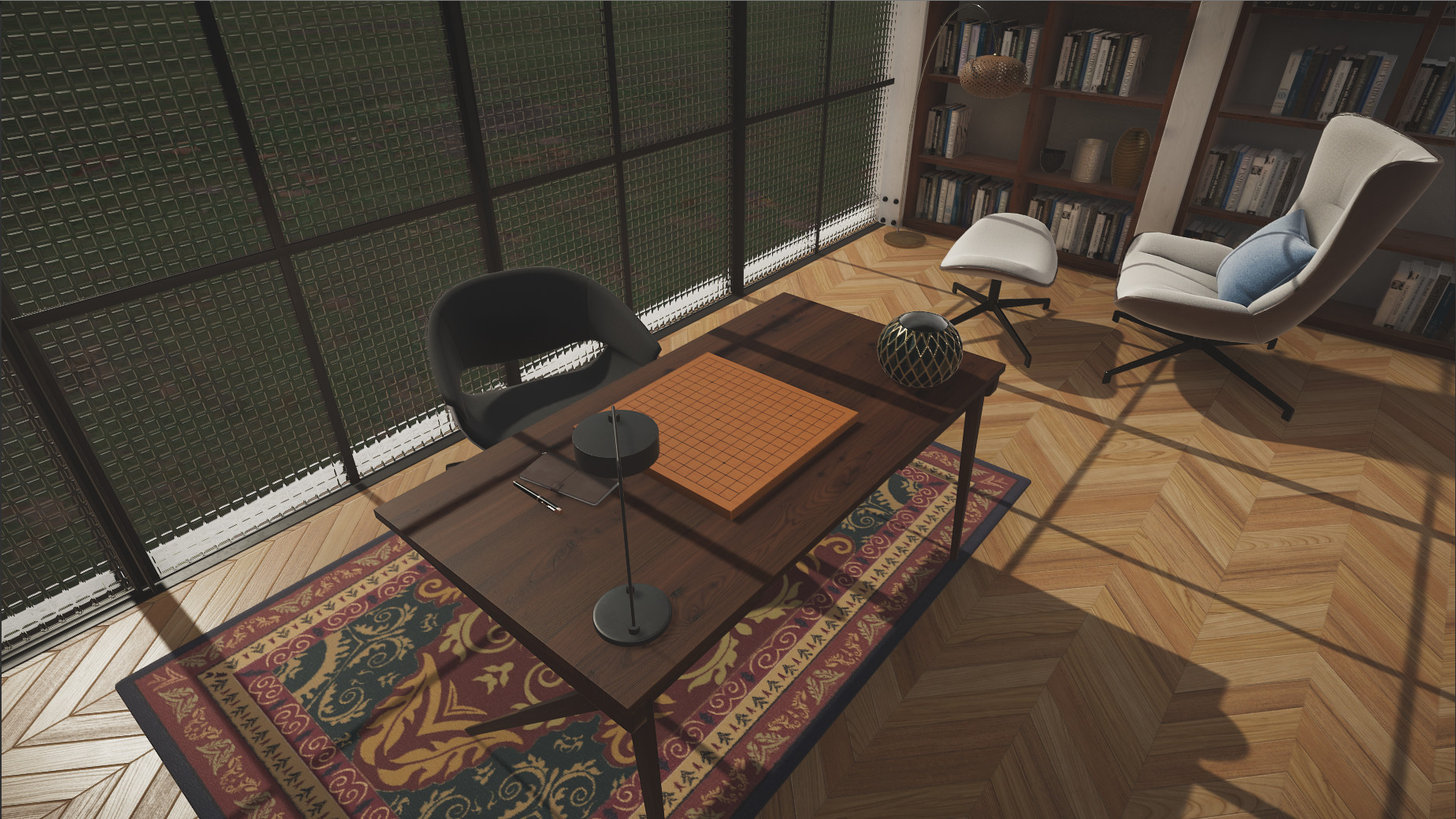
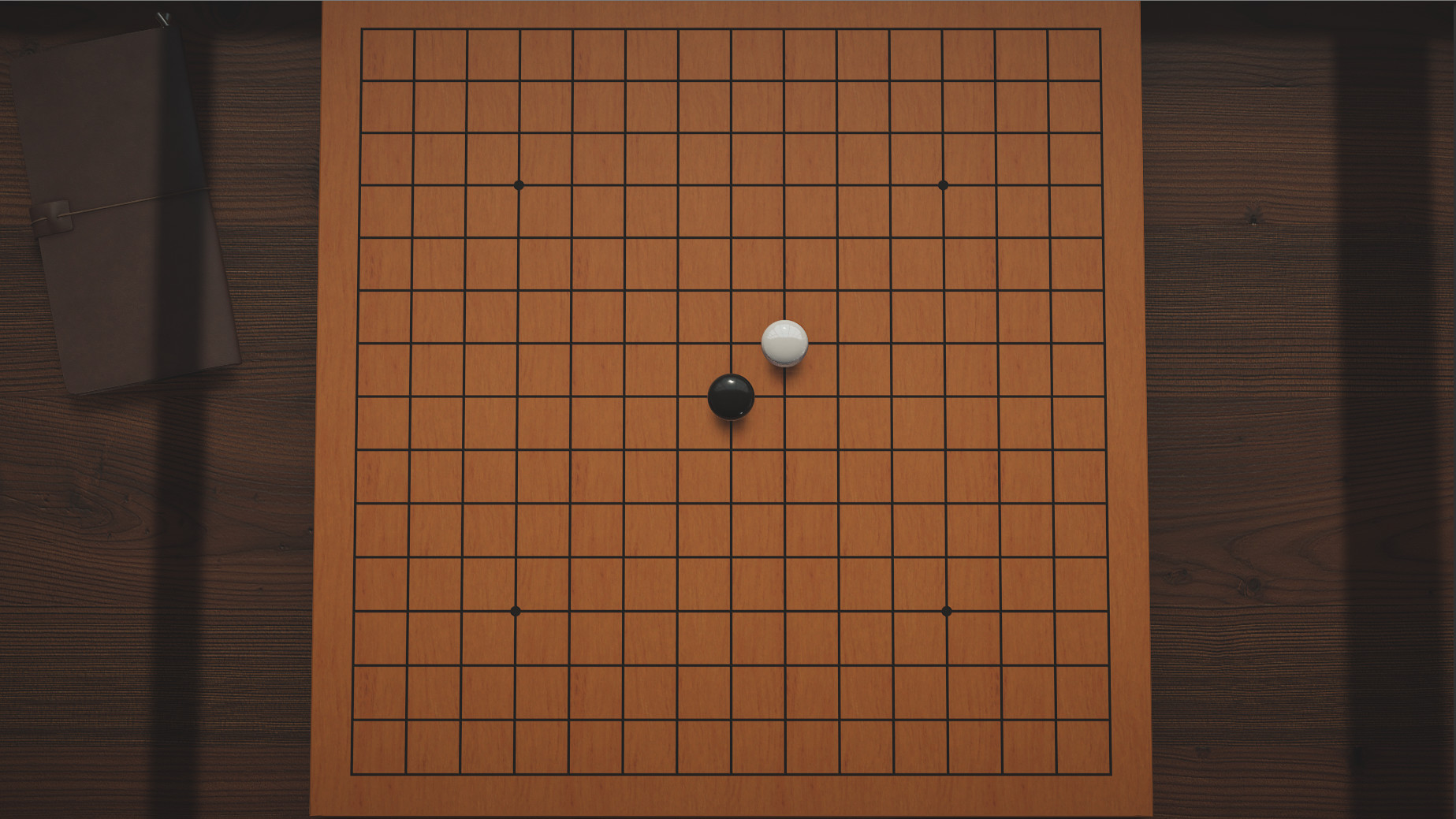
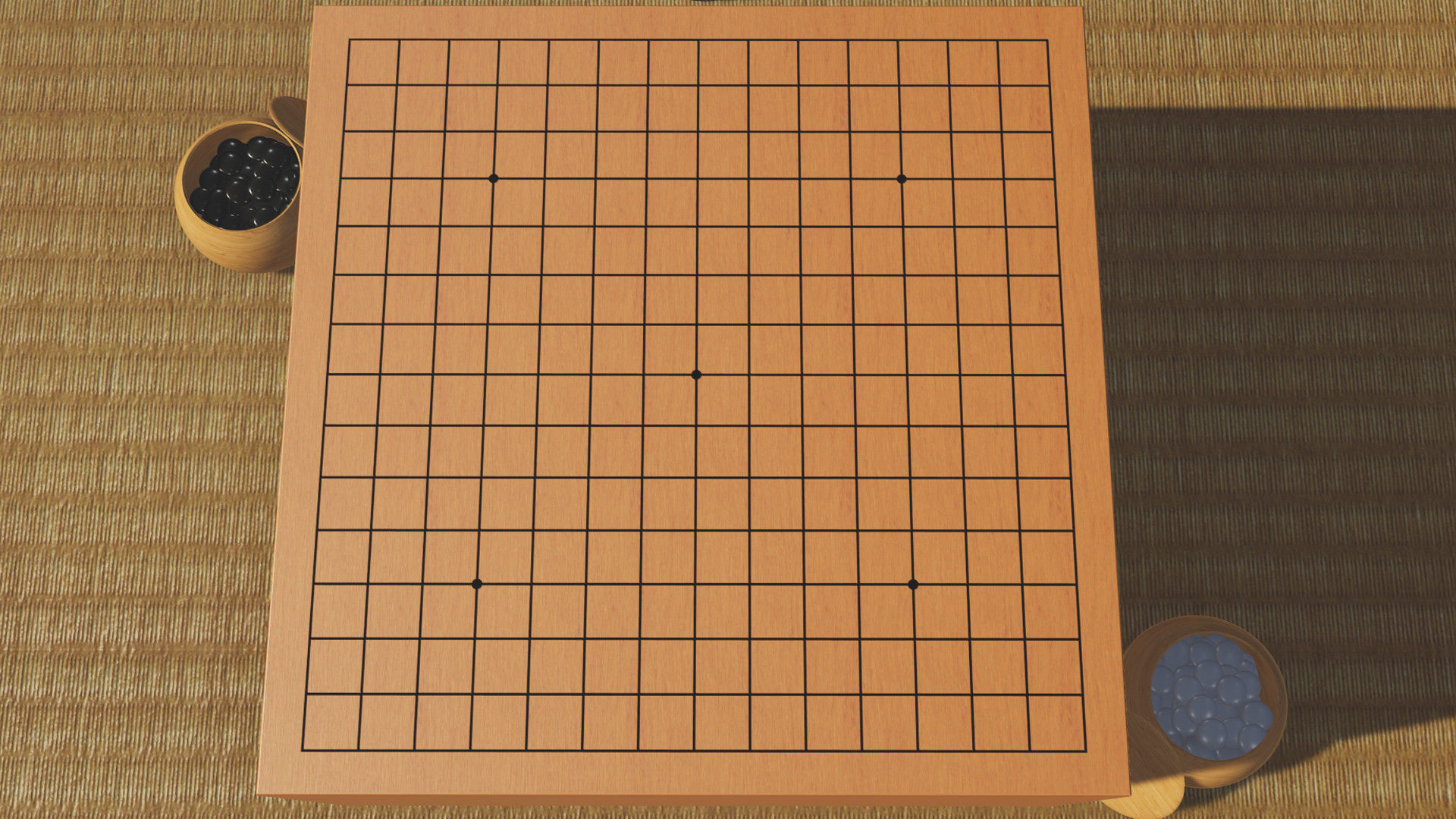
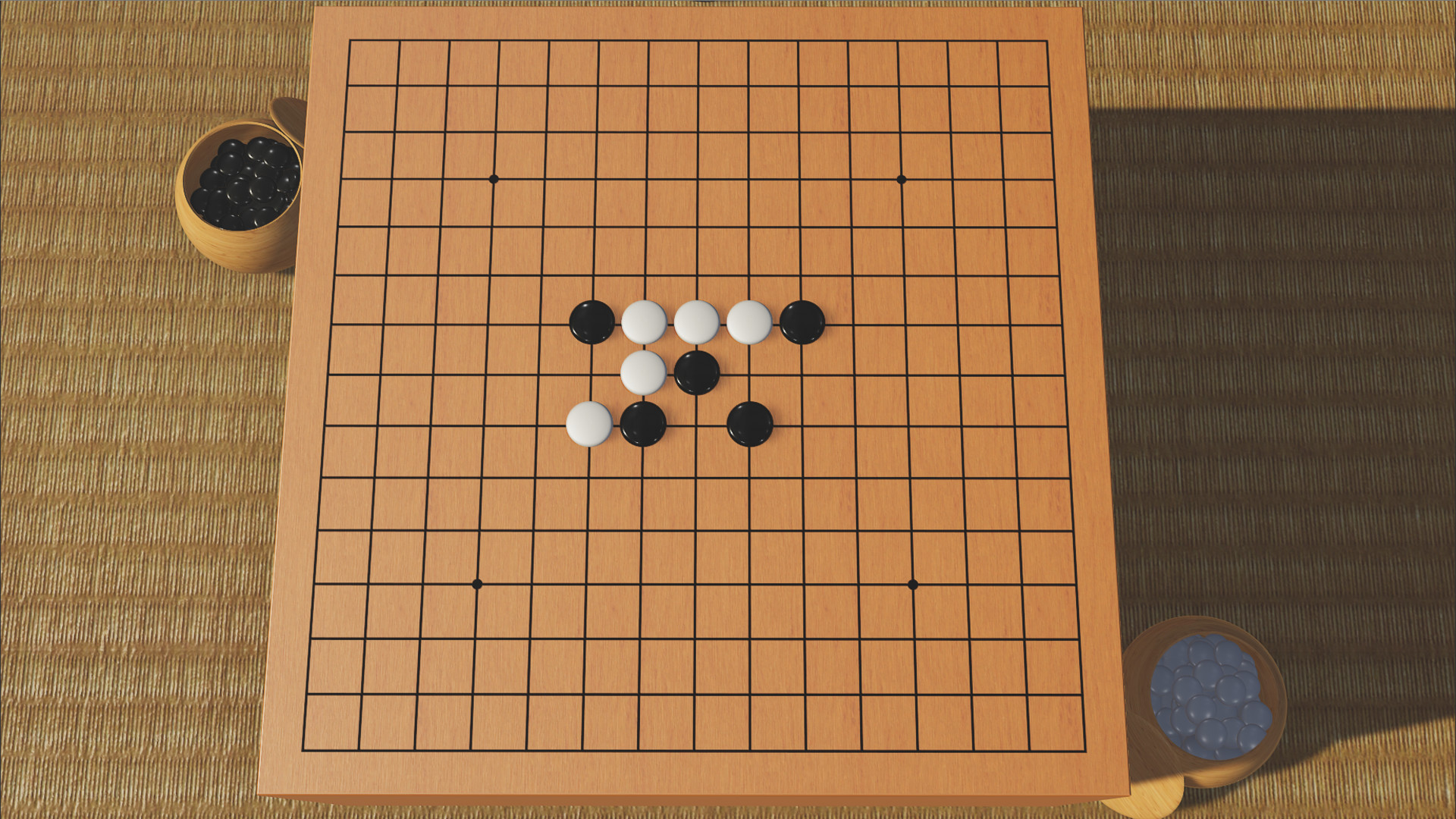
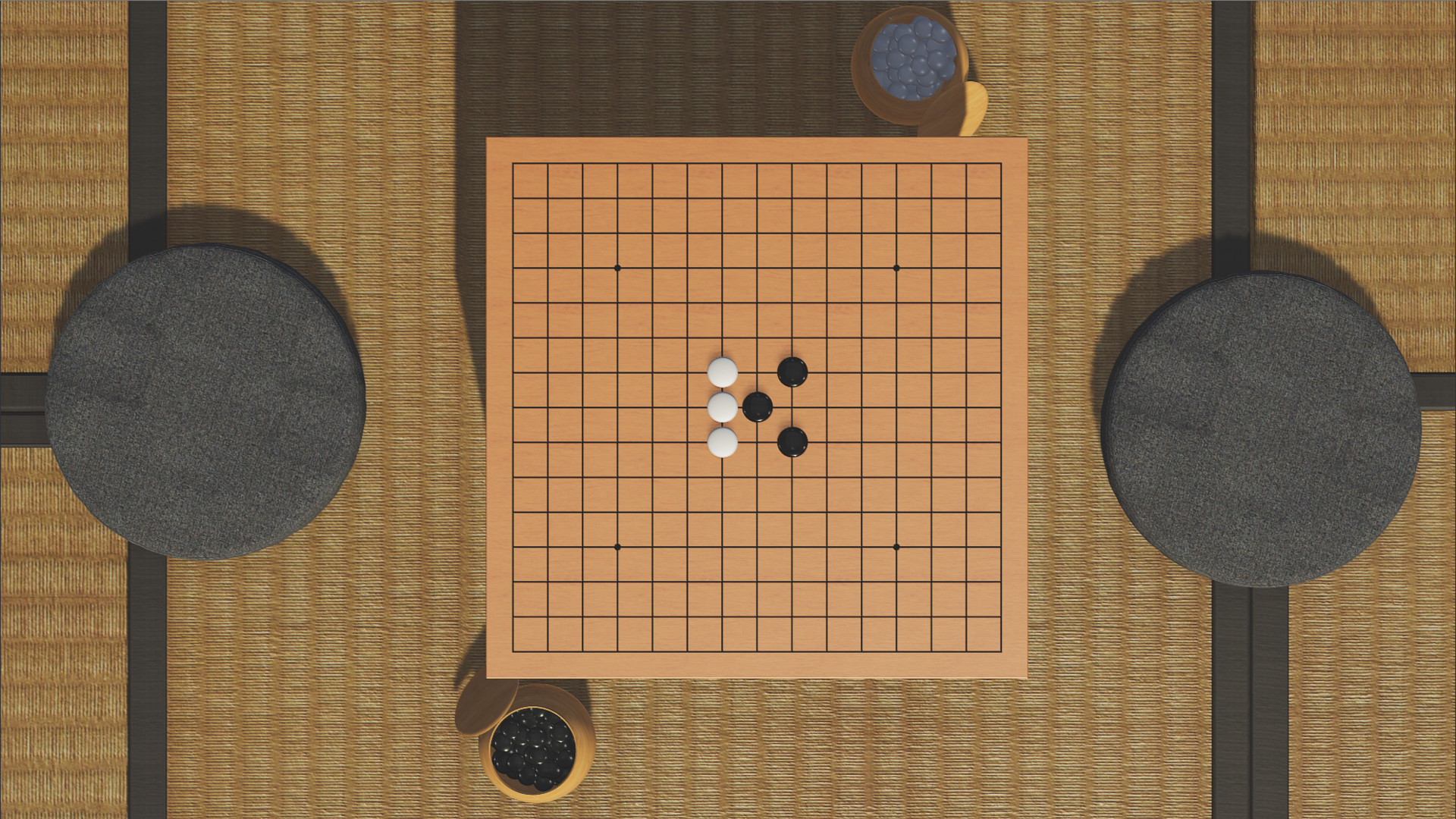
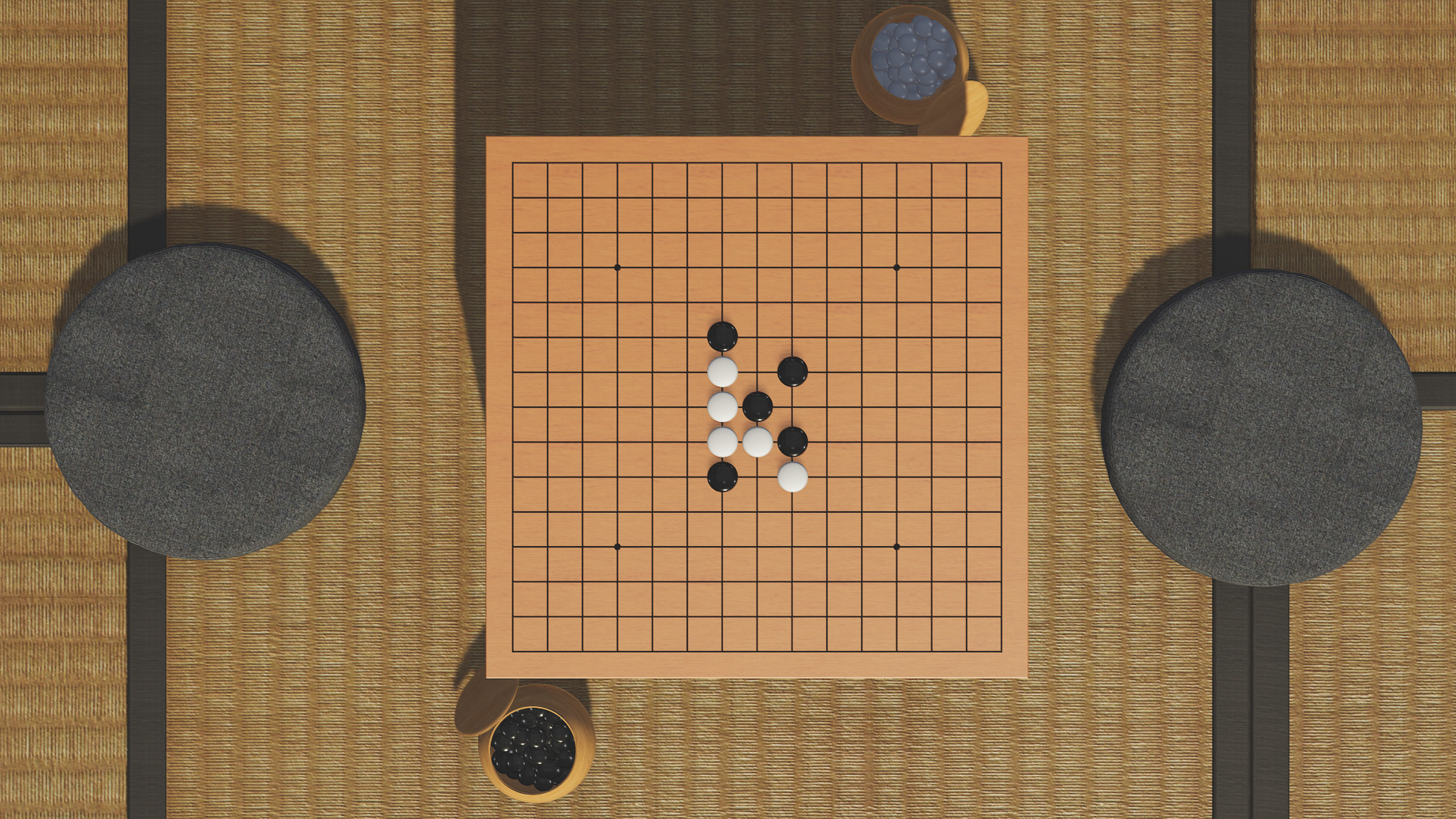
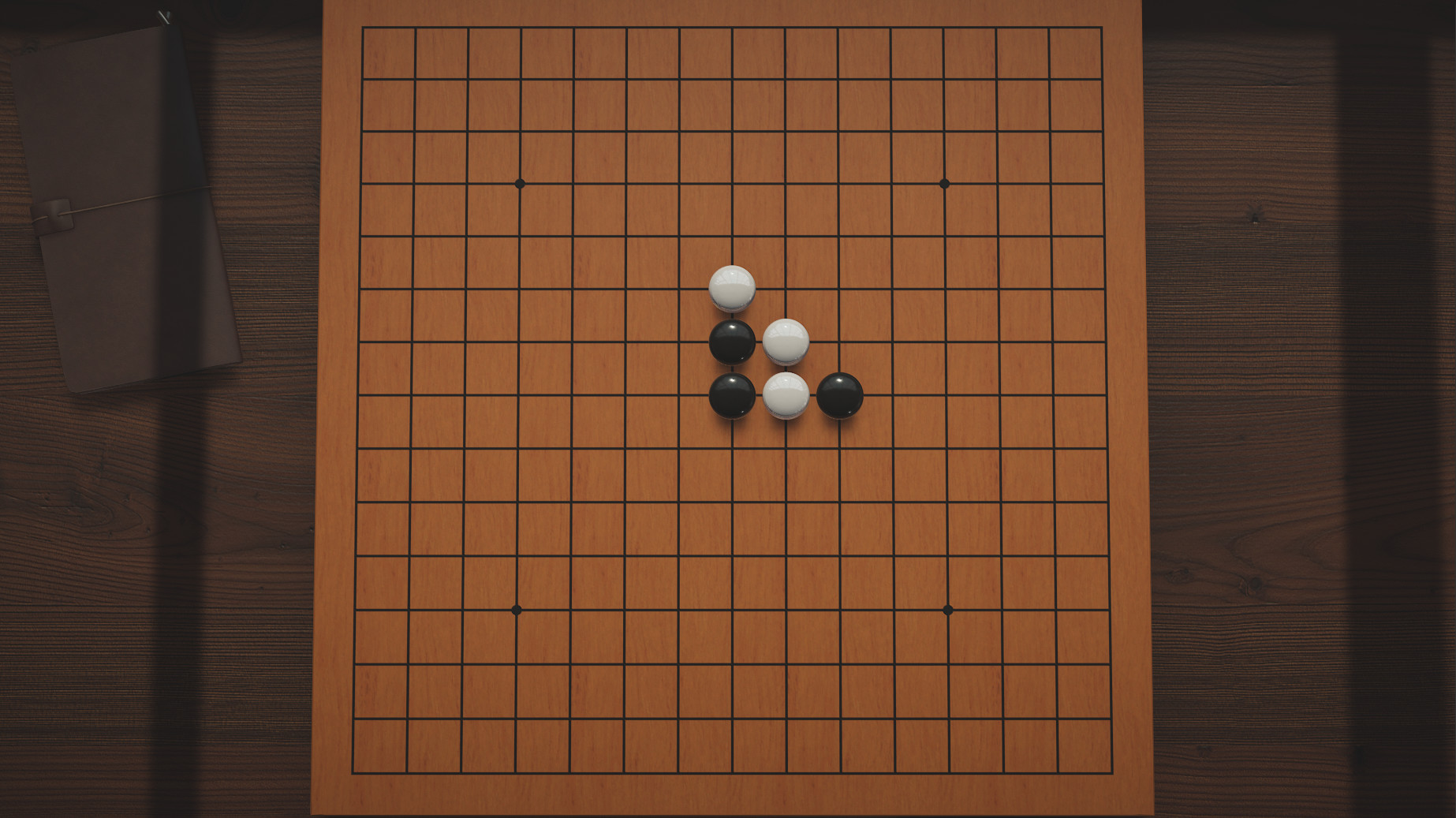
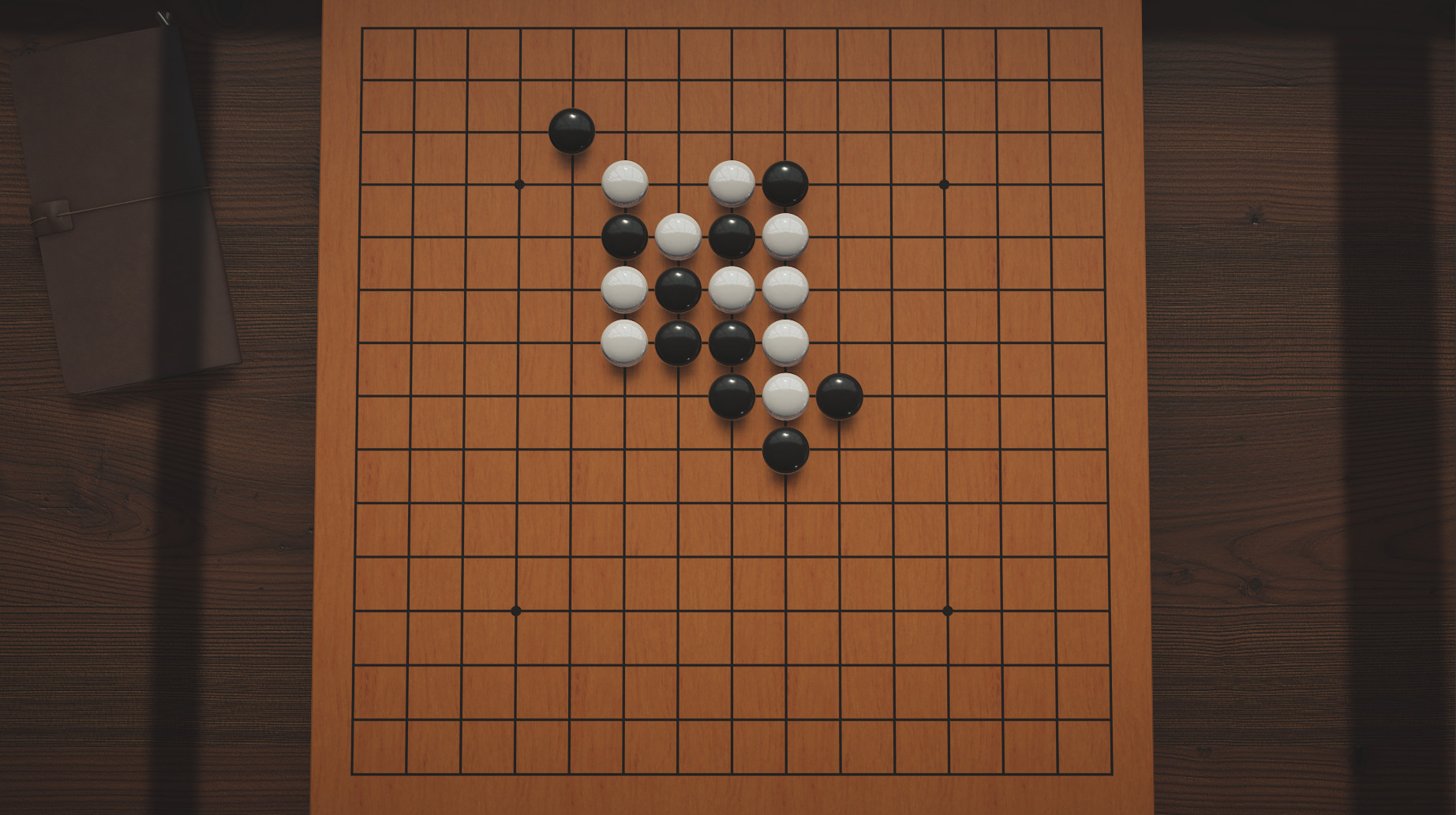
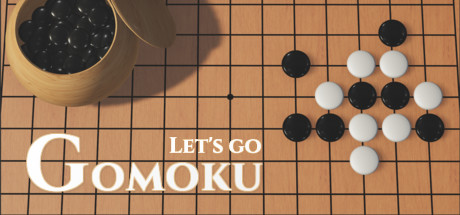
Gomoku Let’s Go, developed by Studio Amateur and published by indienova, takes one of the oldest and simplest strategy games in existence and translates it into a sleek, modern digital format. Gomoku, often called “Five in a Row,” has long been a favorite for those who enjoy elegant simplicity hiding deep tactical complexity. Studio Amateur’s version aims to honor that heritage while updating it with quality-of-life features, modern aesthetics, and several new modes designed to make the experience accessible to everyone—from casual players learning the basics to seasoned strategists honing their pattern recognition skills. The result is a quiet yet thoughtful puzzle experience that retains the timeless tension of placing stones on a board while adding the conveniences and polish expected from a contemporary release. At its core, Gomoku Let’s Go remains faithful to the original formula. Two players take turns placing black and white stones on a grid, and the first to create an unbroken line of five wins. What sets this digital adaptation apart is the range of options and refinements it offers. Players can choose between classic Gomoku rules and the Renju variant, a more competitive version that introduces restrictions for the first player to counterbalance their inherent advantage. This inclusion alone demonstrates an attention to balance and authenticity often missing in minimalist board game adaptations. Beyond standard play, the game also includes over fifty predesigned endgame puzzles—clever tactical challenges that test a player’s ability to think several moves ahead and anticipate both offensive and defensive outcomes. These puzzles add variety and educational value, helping newer players internalize patterns that expert players often recognize instinctively. The single-player experience is built around a capable AI system that features eight difficulty levels. This allows the game to scale smoothly from a beginner-friendly introduction to a legitimate test of strategic foresight. The AI behaves thoughtfully, adapting its play style and gradually teaching players the importance of foresight, spacing, and psychological misdirection—all of which are essential to mastering Gomoku. For those who prefer competition against real opponents, the game supports both local multiplayer and online play, complete with leaderboards and an Elo ranking system. The online structure is a welcome inclusion, though it does depend heavily on the player community’s activity. When matches are easy to find, the system functions beautifully; when they aren’t, the experience becomes limited to AI play and puzzle-solving. Presentation-wise, Gomoku Let’s Go embraces a minimalist “Zen” aesthetic that perfectly suits its contemplative tone. The clean, polished interface and softly colored backgrounds create an atmosphere of calm focus rather than intensity. Every move feels deliberate, with the gentle placement sounds and subtle animations reinforcing the meditative rhythm of play. The visual design manages to strike a delicate balance—it’s elegant without being sterile, modern without losing the tactile charm that defines traditional board games. The game’s multilingual support also deserves recognition, as it includes English, Japanese, Chinese, Korean, German, and Russian, which broadens its accessibility to international players. This cultural inclusivity fits perfectly with the timeless and universal appeal of Gomoku itself. Despite these strengths, the game does face a few limitations. The biggest issue is its online ecosystem, which suffers from a relatively small player base. Because the game focuses on a specific and traditional format rather than flashy new mechanics, it tends to attract a niche audience. As a result, finding live opponents for ranked matches can be inconsistent, particularly outside peak hours. This diminishes the competitive longevity of a title that clearly aspires to foster a community of dedicated players. Similarly, while the AI offers solid variety, the overall gameplay loop can start to feel repetitive after extended play, especially for players who quickly master basic patterns. Gomoku, by its nature, is a minimalist experience—there are no surprises once the player understands the core strategies, and that lack of progression can make long-term engagement difficult without a lively multiplayer scene. However, these drawbacks don’t undermine the quality of the adaptation itself. As a digital rendition of Gomoku, this is one of the most refined and user-friendly versions available. It stays true to the simplicity of the original board game while adding just enough modern polish to feel fresh. For newcomers, it serves as an excellent introduction to a classic logic game that rewards foresight and patience. For veterans, it offers a clean and efficient way to practice, whether alone or against others. The Zen-inspired presentation and flexible rule options make it equally suited to a few minutes of casual relaxation or longer sessions of competitive focus. In the end, Gomoku Let’s Go succeeds because it understands exactly what it needs to be. It doesn’t overcomplicate its source material or clutter the experience with unnecessary features. Instead, it refines, modernizes, and respects the core idea that has made Gomoku endure for centuries. It may not have the vast depth of Go or the excitement of modern esports strategy titles, but it offers a quiet satisfaction that few games capture—a battle of minds fought one stone at a time. For players who appreciate intelligent simplicity, calm competition, and minimalist design, Gomoku Let’s Go is both a relaxing pastime and a subtle test of skill that stands gracefully between tradition and technology. Rating: 8/10
Expand the review