Poly Bridge 2
The acclaimed bridge-building indie-hit is back! More levels, more features, more physics fun!
Sync your Steam wishlist to find the lowest game prices instantly. No login required, just paste your Steam profile URL!
⚡ Try Wishlist Radar!
Sync your Steam wishlist to find the lowest game prices instantly. No login required!
⚡ Try Wishlist Radar!
Close

Gravity Field on Steam
Quick menu
Gravity Field is a spatial-logic puzzle game with time inverted objects, with no top or bottom.
Gravity Field is a puzzle, science and simulation game
developed and published by Kazakov Studios.
Released on February 22nd 2023 is available on Windows, Steam Deck and Steam Machine
in 31 languages: English, Russian, French, Italian, German, Spanish - Spain, Arabic, Bulgarian, Portuguese - Brazil, Hungarian, Vietnamese, Greek, Danish, Spanish - Latin America, Traditional Chinese, Simplified Chinese, Korean, Dutch, Norwegian, Polish, Portuguese - Portugal, Romanian, Thai, Turkish, Ukrainian, Finnish, Czech, Swedish, Japanese, Indonesian and Malay.
It has received 778 reviews of which 615 were positive and 163 were negative resulting in a rating of 7.5 out of 10. 😊
The game is currently priced at 30.49€ on Steam, but you can find it for 0.68€ on K4G.
The Steam community has classified Gravity Field into these genres:
Puzzle
Science
Simulation
Physics
Difficult
Crafting
3D
First-Person
Logic
Minimalist
Colorful
Fantasy
Hand-drawn
Singleplayer
Bullet Time
Indie
Time Manipulation
Adventure
Atmospheric
Action
Here is the detailed breakdown of supported languages for Gravity Field:
| UI | Subtitle | Audio | |
|---|---|---|---|
| English | |||
| German | |||
| French | |||
| Italian | |||
| Korean | |||
| Spanish - Spain | |||
| Simplified Chinese | |||
| Traditional Chinese | |||
| Russian | |||
| Thai | |||
| Japanese | |||
| Portuguese - Portugal | |||
| Polish | |||
| Danish | |||
| Dutch | |||
| Finnish | |||
| Norwegian | |||
| Swedish | |||
| Hungarian | |||
| Czech | |||
| Romanian | |||
| Turkish | |||
| Portuguese - Brazil | |||
| Bulgarian | |||
| Greek | |||
| Arabic | |||
| Ukrainian | |||
| Spanish - Latin America | |||
| Vietnamese | |||
| Indonesian | |||
| Malay |
Media & Screenshots
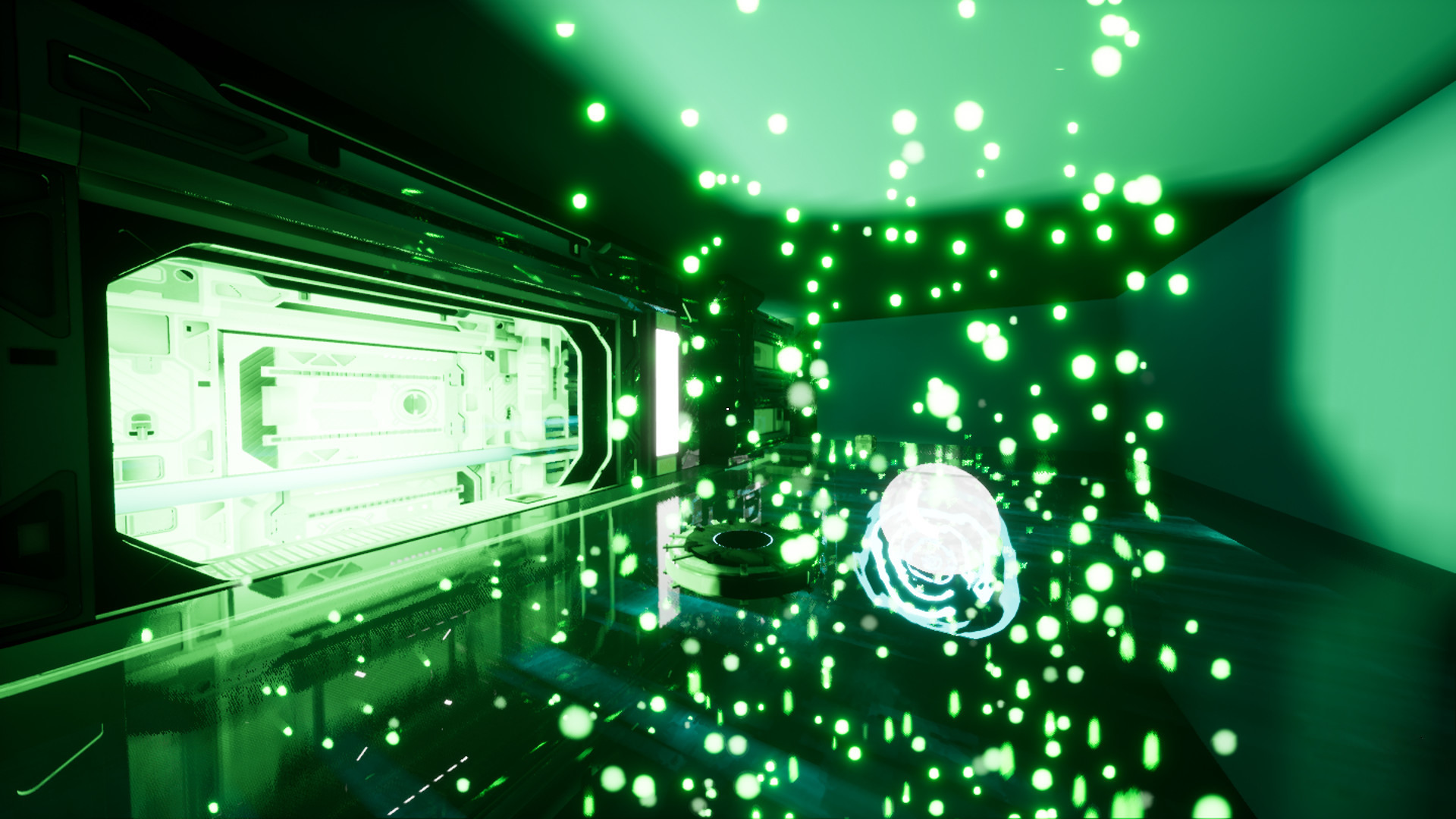
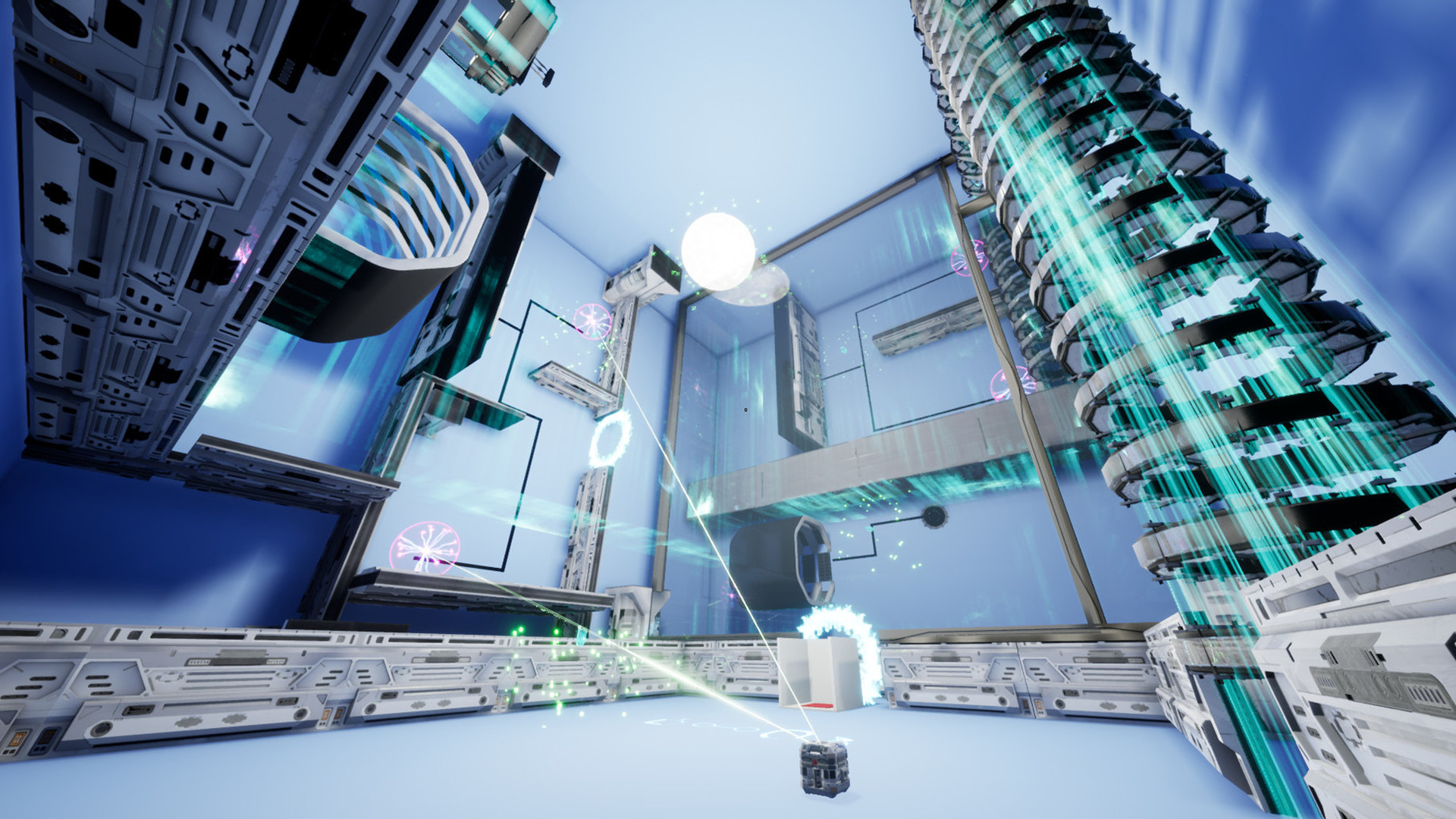
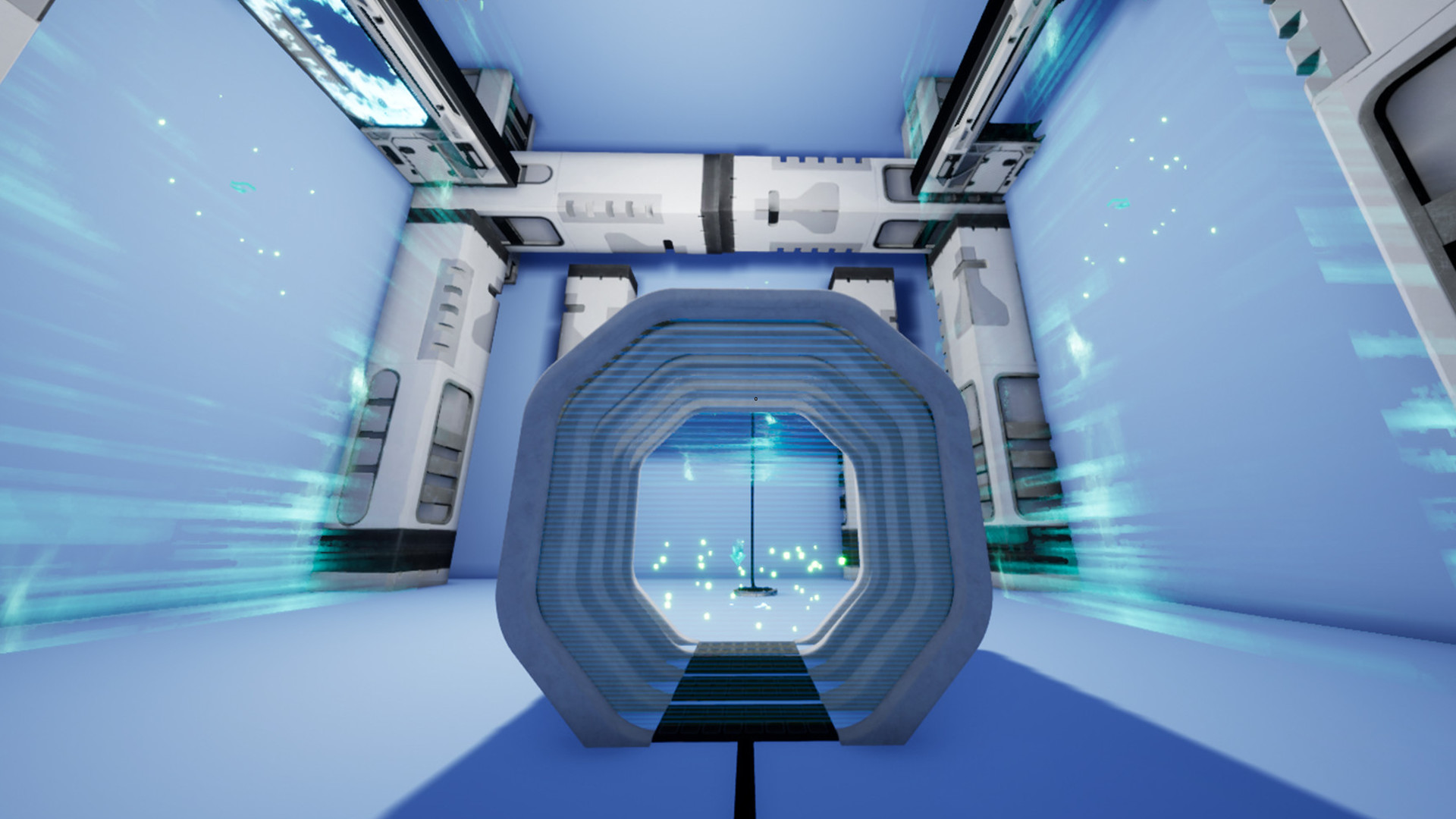
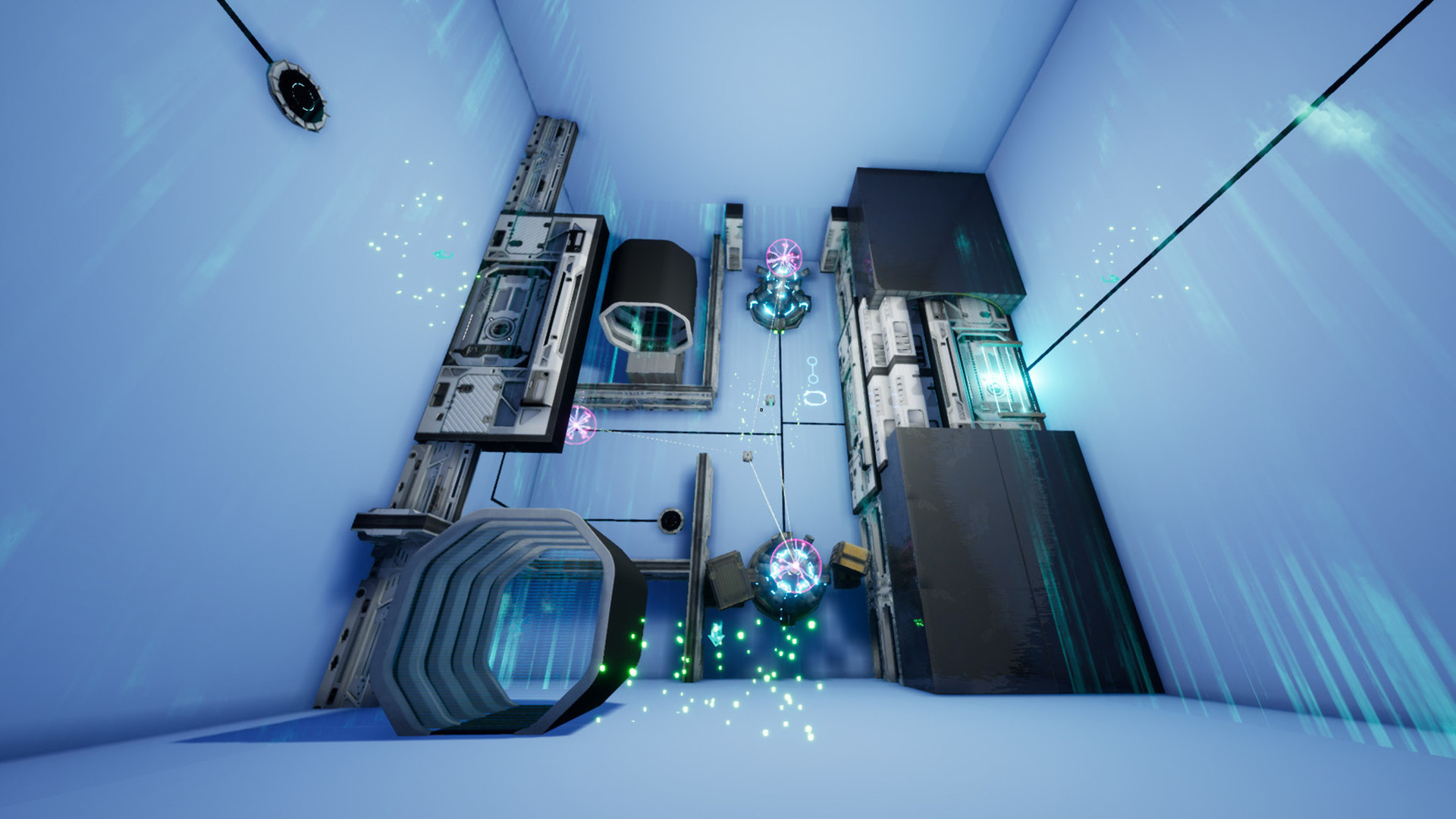
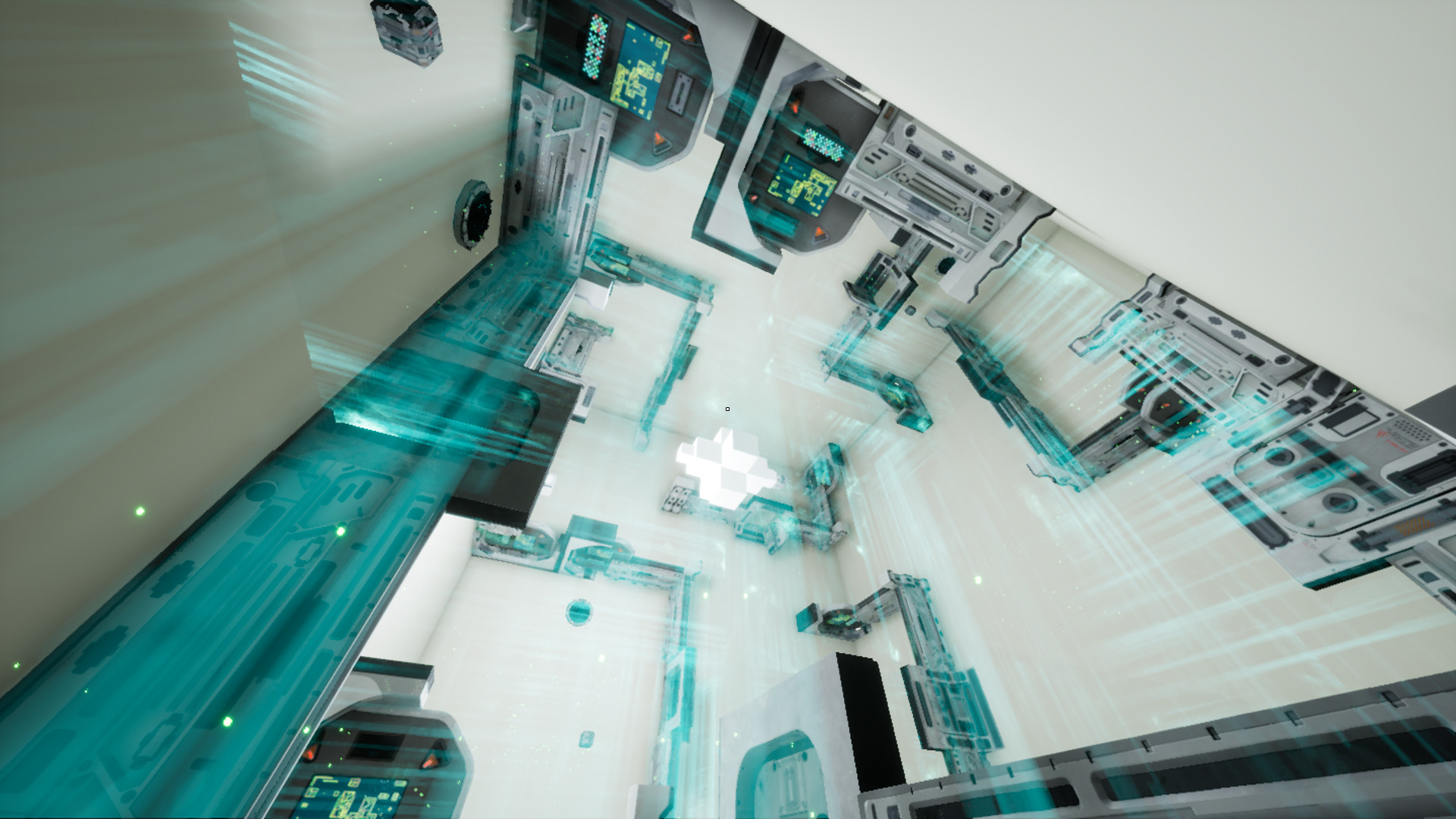
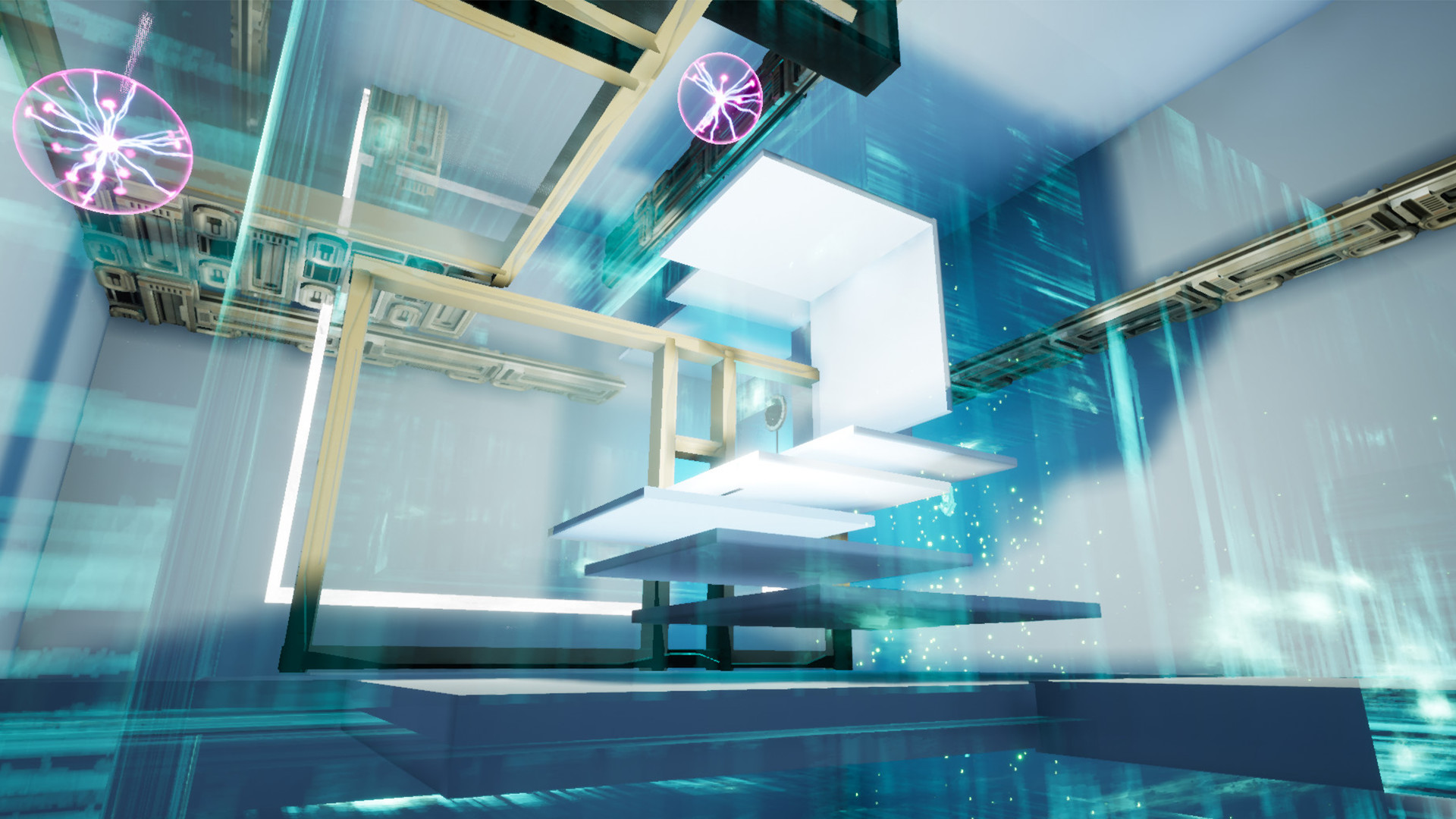
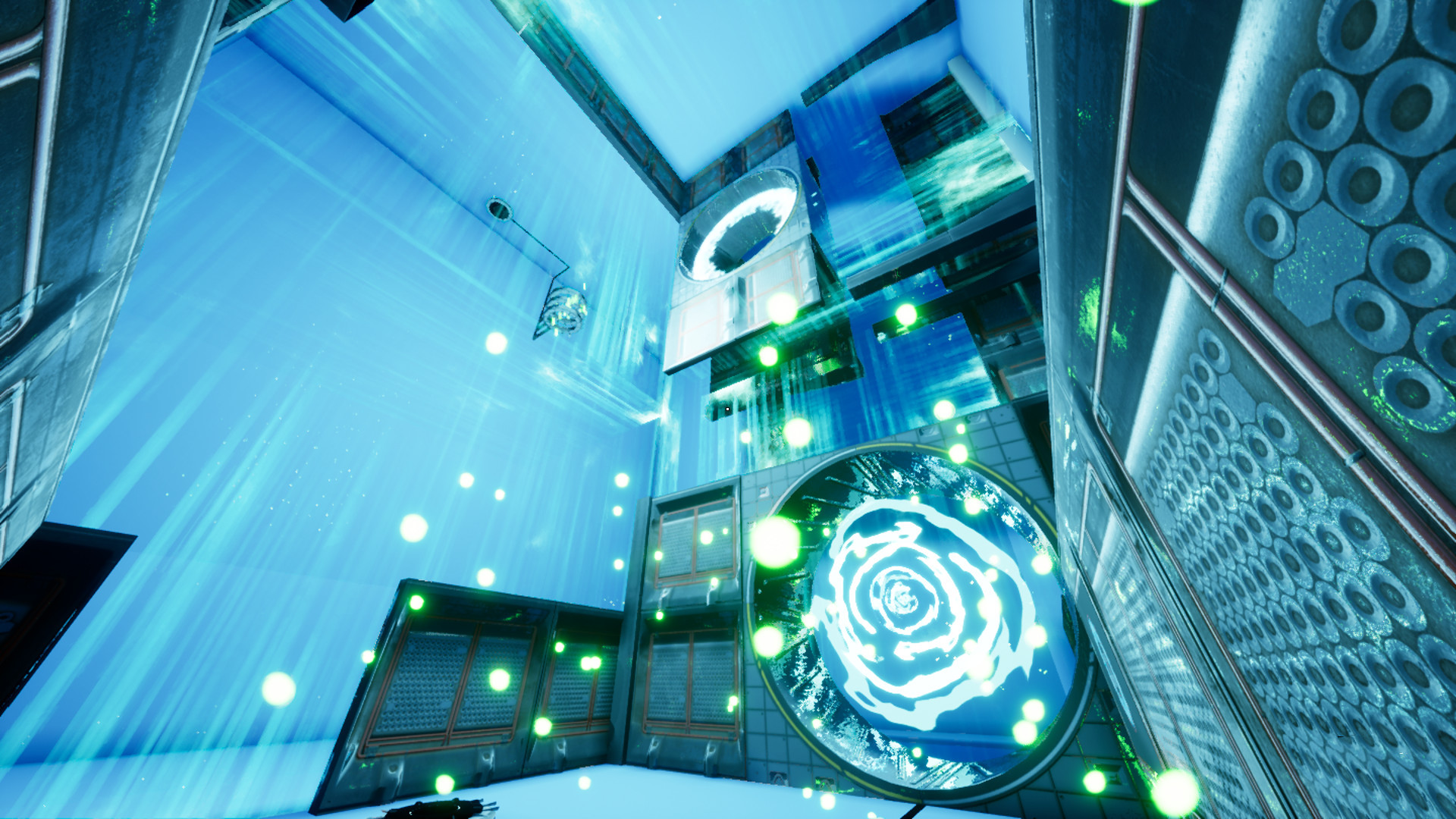
Get an in-depth look at Gravity Field through various videos and screenshots.
Load More
System requirements
These are the minimum specifications needed to play the game. For the best experience, we recommend that you verify them.
Windows
- OS *: Windows 7, 8, 10
- Processor: Intel Core i3 /AMD 8
- Memory: 4096 MB RAM
- Graphics: GTX 1030
- Storage: 2 GB available space
Steam Price & Best Deals
User reviews & Ratings
Explore reviews from Steam users sharing their experiences and what they love about the game.
Gravity Field, developed and published by Kazakov Studios, is a first-person puzzle game that revolves around manipulating gravity and time within minimalist, cubic environments. Rather than relying on narrative storytelling or cinematic spectacle, it builds its identity around mechanical experimentation and spatial reasoning. From the moment players enter its stark geometric chambers, it becomes clear that the focus is not on atmosphere or character but on intellectual engagement. The game challenges players to think in three dimensions, question their assumptions about orientation, and adapt to a world where up and down are no longer fixed concepts. The central mechanic of Gravity Field is gravity manipulation. Each level is structured around designated gravity zones that redefine the direction of gravitational pull. Stepping into one area might cause the floor to become a wall, while another zone may invert orientation entirely. This constant shifting demands spatial awareness and recalibration, forcing players to mentally reconstruct the room with each change. What appears straightforward from one angle can become disorienting when gravity flips, turning previously unreachable platforms into accessible pathways. The experience becomes a mental exercise in perspective, requiring careful planning before each movement. Complementing gravity inversion is the game’s time reversal mechanic. Unlike simple reset systems found in other puzzle titles, time manipulation in Gravity Field applies selectively to objects. Players can reverse the state of certain items, undoing their movement or repositioning them to create new opportunities. This dual-system design—gravity shifts combined with time control—forms the backbone of the game’s puzzle complexity. Early levels introduce these mechanics separately, but later challenges intertwine them in increasingly intricate ways. Success depends on anticipating how gravity and time interact, often requiring experimentation and iterative problem-solving. Level design emphasizes clarity over visual flourish. The environments consist primarily of clean, angular structures with essential interactive elements such as cubes, buttons, and doors. This minimalist approach keeps attention squarely on mechanics. Without environmental clutter, players can focus on puzzle logic without distraction. However, this stripped-down presentation may feel austere to those who prefer visually rich worlds. Gravity Field’s aesthetic prioritizes function, using simple textures and geometry to frame its core systems. Progression unfolds through a series of interconnected puzzle rooms, each introducing a new twist or variation. As players advance, the complexity increases steadily. Initial challenges serve as tutorials for core mechanics, while later stages require layered thinking and precise execution. Some puzzles encourage lateral thinking, where solutions are not immediately obvious and require stepping back to reconsider the environment’s structure. The most satisfying moments come when previously confusing layouts suddenly make sense through a shift in perspective or clever application of time reversal. While Gravity Field excels at mechanical innovation, it remains almost entirely devoid of narrative context. There are no characters, story arcs, or thematic explanations for the gravity-defying architecture. For some players, this absence allows uninterrupted focus on puzzle-solving. For others, it may reduce emotional engagement. The experience is abstract and conceptual, offering intellectual stimulation rather than storytelling immersion. One of the strengths of Gravity Field lies in its ability to create moments of realization. Successfully navigating a room after repeated attempts delivers a strong sense of accomplishment. The interplay between gravity fields and time inversion ensures that solutions rarely feel arbitrary. Even when puzzles are challenging, they adhere to consistent internal logic. However, certain levels may feel unintuitive, especially when visual cues are subtle or when camera orientation adds to spatial confusion. Extended sessions can occasionally become disorienting due to frequent gravity shifts. Sound design remains understated, providing ambient tones and subtle audio feedback for interactions. There is no sweeping soundtrack or dramatic musical cue; the audio exists primarily to support immersion and signal changes in environment or mechanics. This restrained approach mirrors the visual minimalism, reinforcing the game’s focus on cerebral challenge rather than sensory spectacle. Ultimately, Gravity Field is a puzzle game built for players who appreciate methodical thinking and experimental mechanics. It does not attempt to deliver a cinematic experience or expansive world-building. Instead, it presents a contained series of intellectual challenges centered on spatial reasoning and cause-and-effect logic. Its gravity inversion and time manipulation systems provide a fresh take on first-person puzzle design, distinguishing it from more conventional entries in the genre. For fans of abstract puzzle games that prioritize mechanics over narrative, Gravity Field offers a thoughtful and occasionally demanding experience. While its minimalist presentation and lack of story may narrow its audience, those willing to embrace its conceptual design will find a series of clever, gravity-defying challenges that reward patience, creativity, and spatial awareness. Rating: 7/10
Similar games
View all

Poly Bridge 3
The best just got better! Rediscover your engineering creativity in this genre-defining bridge engineering and puzzle solving masterpiece.
Crazy Machines 3
Crazy Machines 3 is the latest, greatest, most amazing and craziest part of the series and fascinates once more with physic-based puzzles. Build your own crazy machines and share your awesomeness across the world thanks to the Steam® Workshop.

Poly Bridge
Unleash your engineering creativity with an engaging and fresh bridge-building simulator with all the bells and whistles. Enjoy hours of physics-based puzzle solving in the Campaign and then jump in the Sandbox to create your own bridge designs and puzzles!

Bridge Constructor Portal
Enter the Aperture Science Enrichment Center and experience Bridge Constructor Portal – the unique merging of the classic Portal™ and Bridge Constructor™ games.

Atomcraft
A sandbox adventure where every pixel is physically and chemically simulated! Build intricate, fully functional machines from the pixels around you. Harvest, react, and manipulate all 118 elements to craft everything from simple tools to complex systems.

Cogs
Cogs is a puzzle game where players build machines from sliding tiles. Players can choose from 50 levels and 3 gameplay modes. New puzzles are unlocked by building contraptions quickly and efficiently. Inventor Mode: Starting with simple puzzles, players are introduced to the widgets that are used to build machines gears, pipes,...

ABRISS - build to destroy
ABRISS is an atmospheric physics-destruction building game.Build structures from parts to let them crash into your targets. Unlock new parts, destroy more, witness entropy at its worst in digital-brutalist cityscapes. Build to destroy.

Frequently Asked Questions
Gravity Field is currently priced at 30.49€ on Steam.
No, Gravity Field is currently not on sale. You can purchase it for 30.49€ on Steam.
Yes, Gravity Field received 615 positive votes out of a total of 778 achieving a rating of 7.51.
😊
Gravity Field was developed and published by Kazakov Studios.
Yes, Gravity Field is playable and fully supported on Windows.
No, Gravity Field is not playable on MacOS.
No, Gravity Field is not playable on Linux.
Yes, Gravity Field is playable on Steam Deck, though it might require a few minor tweaks. Make sure to check the Steam store page and community feedback on ProtonDB for exact compatibility details.
Yes, Gravity Field is playable and fully supported on Steam Machine.
No, Gravity Field does not support VR.
Gravity Field is a single-player game.
No, Gravity Field does not currently offer any DLC.
No, Gravity Field does not support mods via Steam Workshop.
No, Gravity Field does not support Steam Remote Play.
Yes, Gravity Field is enabled for Steam Family Sharing. This means you can share the game with authorized users from your Steam Library, allowing them to play it on their own accounts. For more details on how the feature works, you can read the original Steam Family Sharing announcement or visit the Steam Family Sharing user guide and FAQ page.
You can find solutions or submit a support ticket by visiting the Steam Support page for Gravity Field.
Data sources
The information presented on this page is sourced from reliable APIs to ensure accuracy and relevance. We utilize the Steam API to gather data on game details, including titles, descriptions, prices, and user reviews. This allows us to provide you with the most up-to-date information directly from the Steam platform.
Additionally, we incorporate data from the SteamSpy API, which offers insights into game sales and player statistics. This helps us present a comprehensive view of each game's popularity and performance within the gaming community.
Last Updates| Steam data | 04 October 2026 13:21 UTC |
|---|---|
| SteamSpy data | 17 November 2026 15:42 UTC |
| Steam price | 20 November 2026 19:52 UTC |
| Steam reviews | 21 October 2026 10:01 UTC |
If you'd like to dive deeper into the details about Gravity Field, we invite you to check out a few dedicated websites that offer extensive information and insights. These platforms provide valuable data, analysis, and user-generated reports to enhance your understanding of the game and its performance.
- SteamDB - A comprehensive database of everything on Steam about Gravity Field
- SteamCharts - Analysis of Gravity Field concurrent players on Steam
- ProtonDB - Crowdsourced reports on Linux and Steam Deck Gravity Field compatibility
 30.49€
Visit Store
 🔥 Deal
-98%
30.49€
0.68€
Buy Now
 -98%
30.49€
0.84€
Visit Store
 -96%
30.49€
1.35€
Visit Store
Game modes
Features
Online players
1
Developer
Kazakov Studios
Publisher
Kazakov Studios
Release
22 Feb 2023
Platforms
Clicking and buying through these links helps us earn a commission to maintain our services.