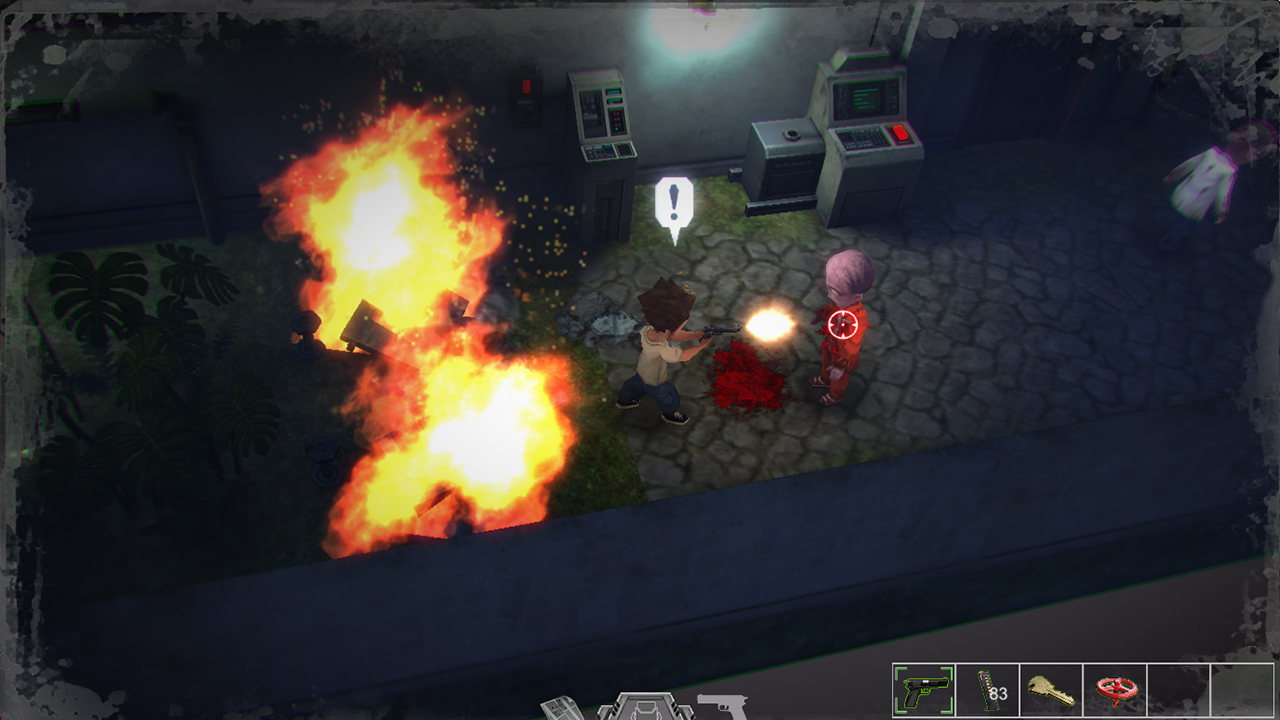
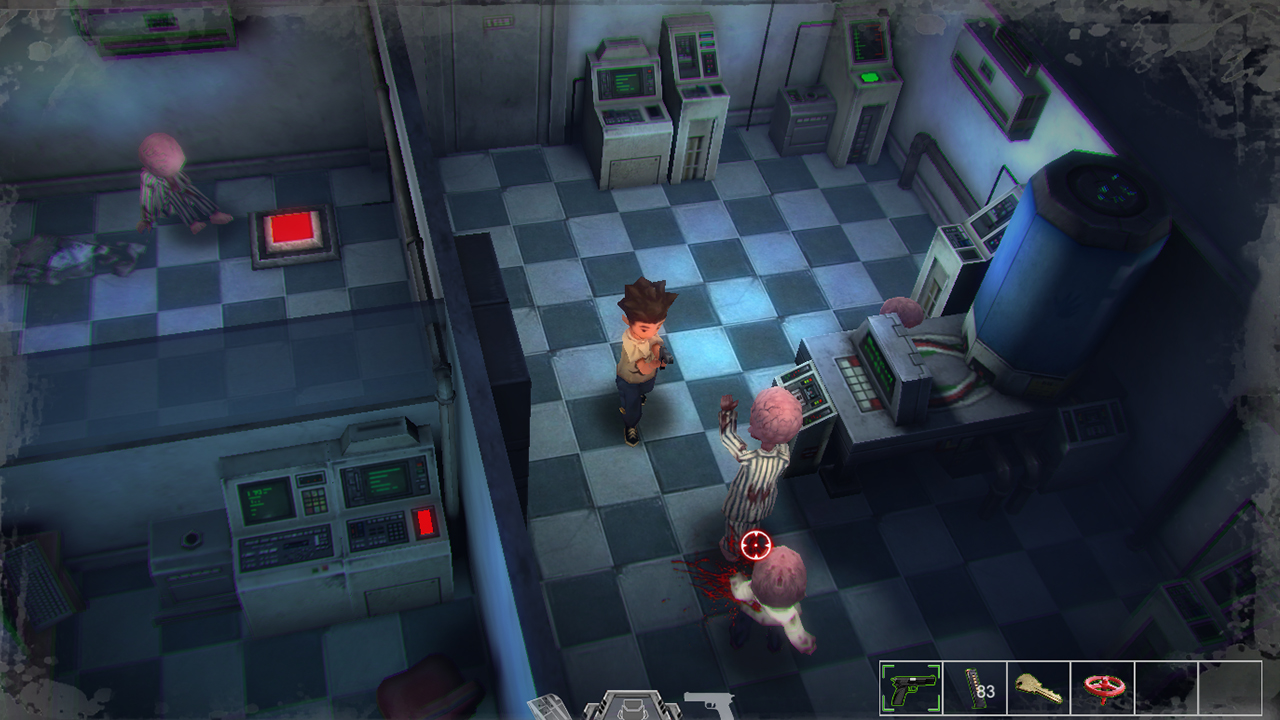
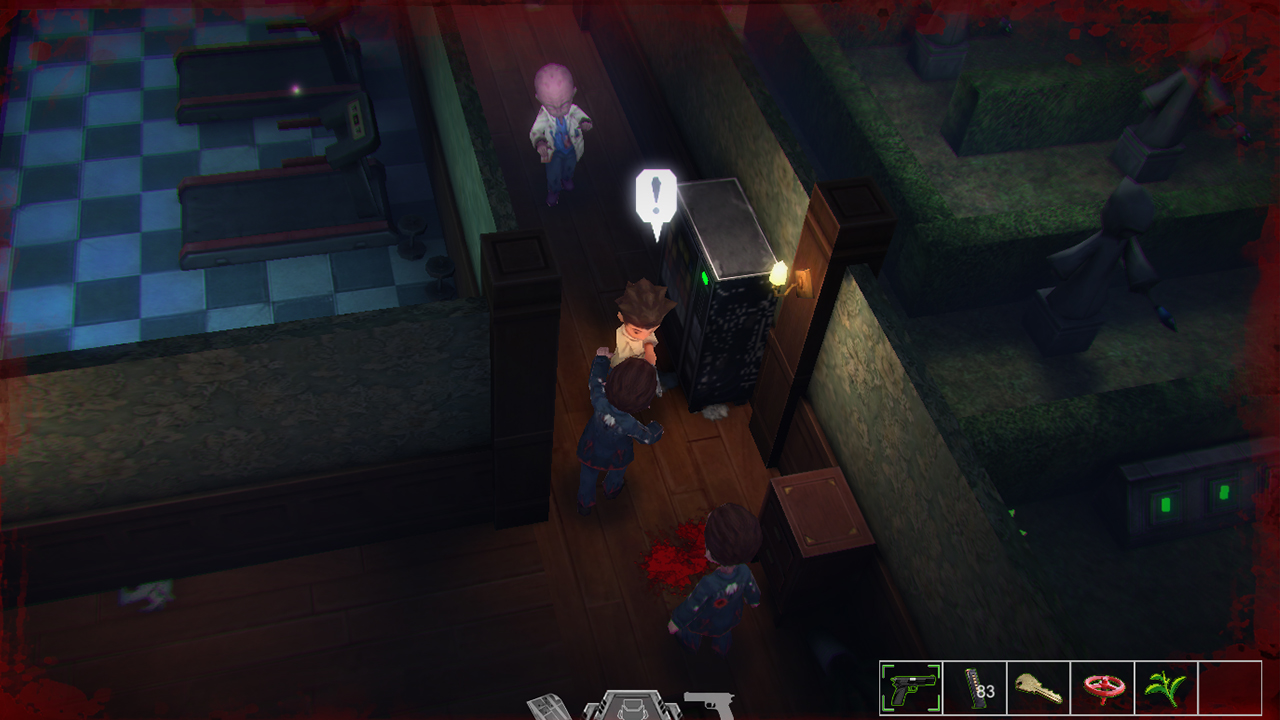
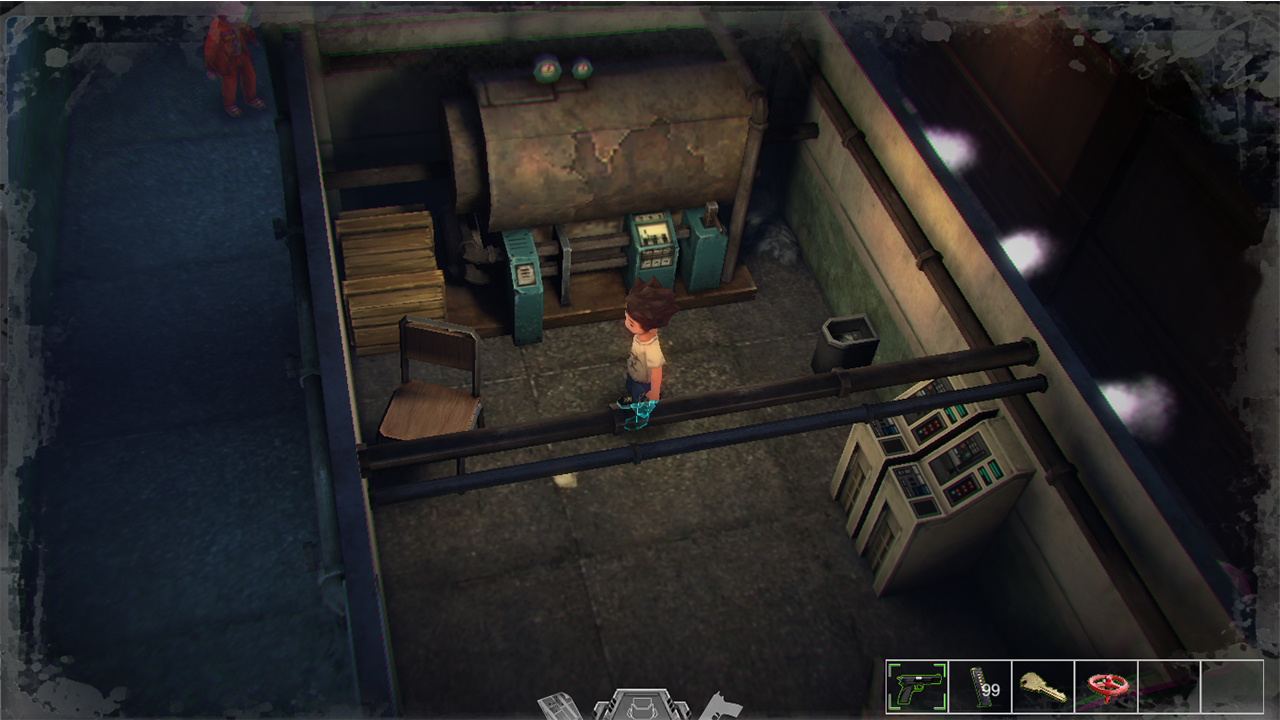
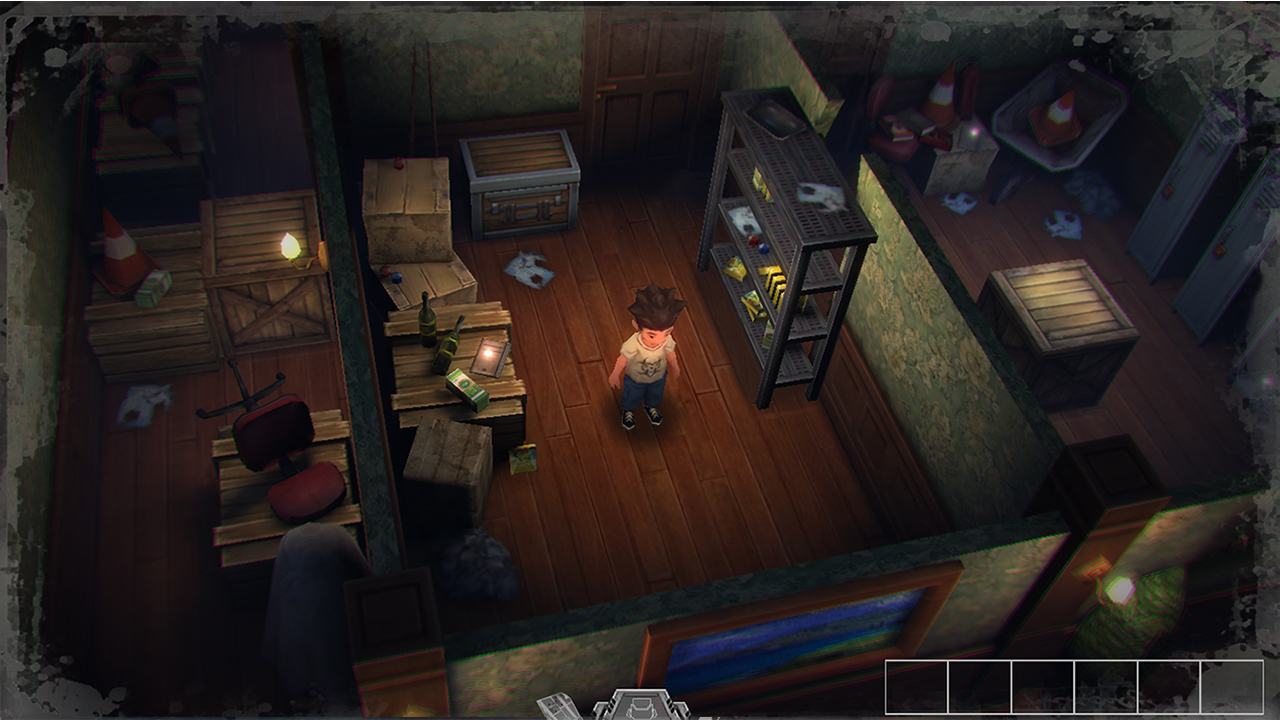
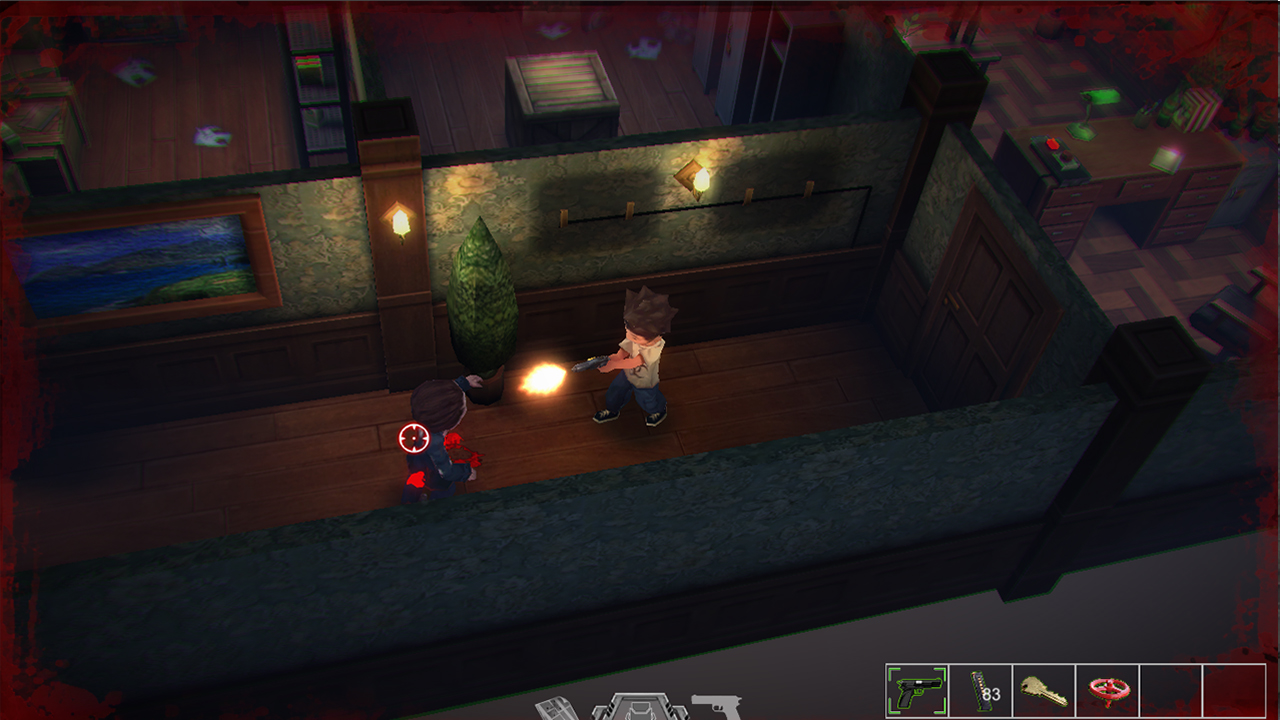
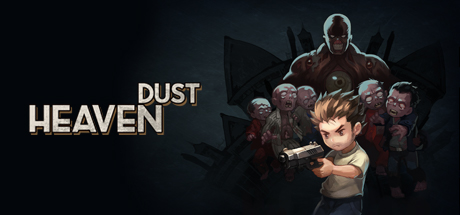
Heaven Dust, developed by One Gruel Studio and published by indienova, is a compact indie survival horror game that serves as both a loving homage to and a reinterpretation of the classic Resident Evil formula. From its opening moments, it’s clear that the developers sought to capture the nostalgic essence of late-1990s horror design—fixed camera angles, key-based exploration, limited resources, and a creeping sense of isolation—all while infusing it with their own minimalist charm. The story begins with a simple but familiar premise: an experiment intended to uncover the secret of immortality has gone horribly wrong, resulting in a deadly virus outbreak and the creation of grotesque, mindless creatures. You awaken within a sprawling mansion complex, trapped among the undead, armed with little more than your wits, a pistol, and an inventory that always feels one slot too small. At its core, Heaven Dust is about slow-burn exploration and the deliberate tension of survival. The mansion serves as both a labyrinth and a puzzle box, filled with locked doors, cryptic symbols, and carefully placed clues. Each new area reveals not just supplies and weapons but also fragments of story that shed light on the research experiment gone awry. Progress comes through solving puzzles—some mechanical, others logical—ranging from combination locks and sliding blocks to environmental riddles that test your memory and observation. These puzzles strike a satisfying balance between accessibility and challenge, rewarding players who pay attention without devolving into obscurity. The rhythm of play—the constant loop of searching, solving, unlocking, and backtracking—evokes the classic “survival horror flow” that genre veterans will find both nostalgic and comforting. Visually, the game adopts a chibi-like art style that at first seems at odds with its subject matter but ultimately lends it a distinct personality. The exaggerated proportions and clean, colorful environments create an unexpected charm that softens the tension without undermining it. Rather than aiming for gritty realism, Heaven Dust uses contrast—cute models against grim scenarios—to create its own kind of dissonance. The lighting and environmental detail, though modest, are effective in building atmosphere, particularly in the darker sections of the mansion where flickering bulbs and ominous shadows hint at danger just beyond view. Sound design complements the visual approach, with eerie ambient loops, restrained music, and sudden bursts of noise that punctuate moments of tension. It doesn’t rely on jump scares so much as on the creeping anxiety of being alone with dwindling resources. Combat, as expected for the genre, is slow and methodical. Zombies shamble forward with predictable lethargy, and the limited ammunition forces you to choose between confrontation and avoidance. The aiming mechanics are simple, and enemies rarely pose a severe threat once you’ve learned their patterns, but the scarcity of bullets and healing items ensures that every encounter carries weight. The small inventory system further adds to the sense of pressure, requiring careful management of supplies and forcing difficult decisions about which items to carry at any given moment. There are occasional bursts of intensity—especially during sequences that flood rooms with multiple enemies or when traps trigger unexpectedly—but for the most part, the combat serves as a vehicle for tension rather than spectacle. The narrative unfolds gradually through documents, logs, and environmental storytelling. It tells the story of the Heaven Dust virus—a supposed key to immortality discovered in an ancient tribe—that instead transforms its hosts into the undead. It’s not an original premise, and the writing doesn’t strive for complexity, but it provides enough context to sustain intrigue. The real focus remains on the mansion itself and the player’s journey through its halls. There’s a quiet satisfaction in piecing together how the various research wings, storage rooms, and laboratories interconnect, and how each new key or code opens previously inaccessible spaces. The backtracking, while frequent, feels purposeful, giving a sense of familiarity to the location and reinforcing the feeling of being trapped within a living structure. Where Heaven Dust stumbles is in its pacing and overall polish. Enemy variety is limited, with most encounters involving the same zombie models, and the game’s short runtime—often just a few hours—means it lacks the deeper escalation or narrative twists that might have elevated it further. Some animations feel stiff, and while the puzzles are well constructed, the lack of dynamic set pieces can make certain stretches feel repetitive. Despite these shortcomings, the game maintains a consistent tone and never overstays its welcome. It knows exactly what it is: a small, self-contained survival horror experience built with care and an understanding of what made the classics memorable. In the end, Heaven Dust succeeds because it stays true to its inspirations without becoming a hollow imitation. It captures the mechanical satisfaction of survival horror—managing limited supplies, solving intricate puzzles, and slowly peeling back layers of mystery—while delivering it in a digestible, indie-sized package. Its charm lies in its restraint and sincerity; it doesn’t try to outdo the giants of the genre but instead pays respectful homage to them with a tone all its own. For players longing for the deliberate pace and quiet dread of early Resident Evil or Alone in the Dark, Heaven Dust offers a bite-sized return to that era, both familiar and refreshingly uncomplicated. It’s not terrifying, but it is engrossing, and it serves as a reminder that survival horror doesn’t always need high-budget production or elaborate storytelling to succeed—it only needs atmosphere, tension, and a sense of curiosity to keep you opening the next door. Rating: 8/10
Expand the review