FACEMINER
Build a biometric data harvesting empire from scratch in FACEMINER, the hardcore thriller clicker set in 1999. Classify data, upgrade mining infrastructure, and scale up your A.I. surveillance empire to obscene ends in this creepy narrative-driven incremental management sim with a dystopian twist.
Sync your Steam wishlist to find the lowest game prices instantly. No login required, just paste your Steam profile URL!
⚡ Try Wishlist Radar!
Sync your Steam wishlist to find the lowest game prices instantly. No login required!
⚡ Try Wishlist Radar!
Close

Hypnospace Outlaw on Steam
Quick menu
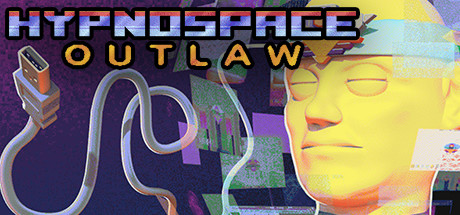
Greetings Enforcer, and thank you for enlisting in the Hypnospace Patrol Department! As the world falls into its slumber, Hypnospace becomes a bustling global village. These virtual streets aren't going to police themselves!
Hypnospace Outlaw is a 1990's, simulation and point & click game
developed by Tendershoot, Michael Lasch and ThatWhichIs Media
and published by No More Robots.
Released on March 12th 2019 is available on Windows, MacOS and Linux.
It has received 4,781 reviews of which 4,633 were positive and 148 were negative resulting in an impressive rating of 9.3 out of 10. 😍
The game is currently priced at 16.79€ on Steam, but you can find it for 3.19€ on Instant Gaming.
The Steam community has classified Hypnospace Outlaw into these genres:
Media & Screenshots
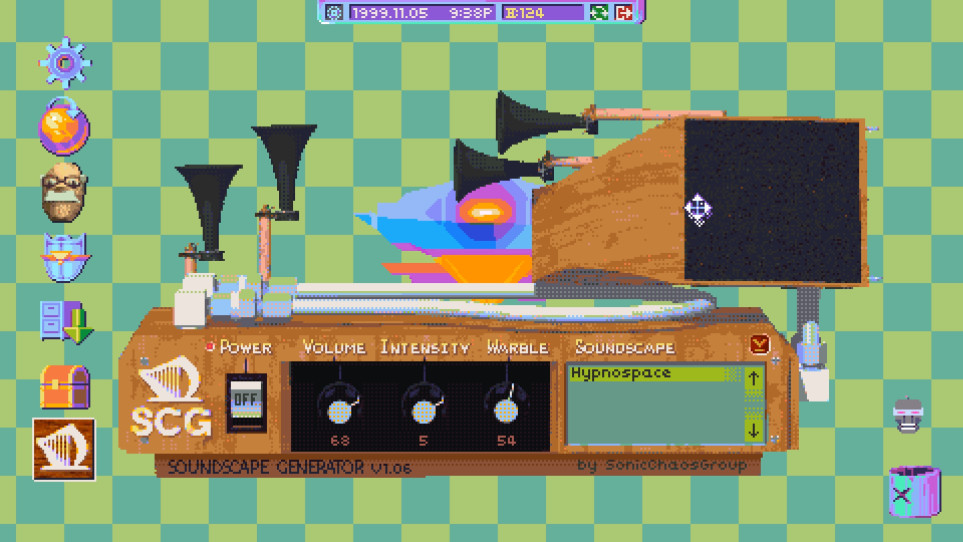
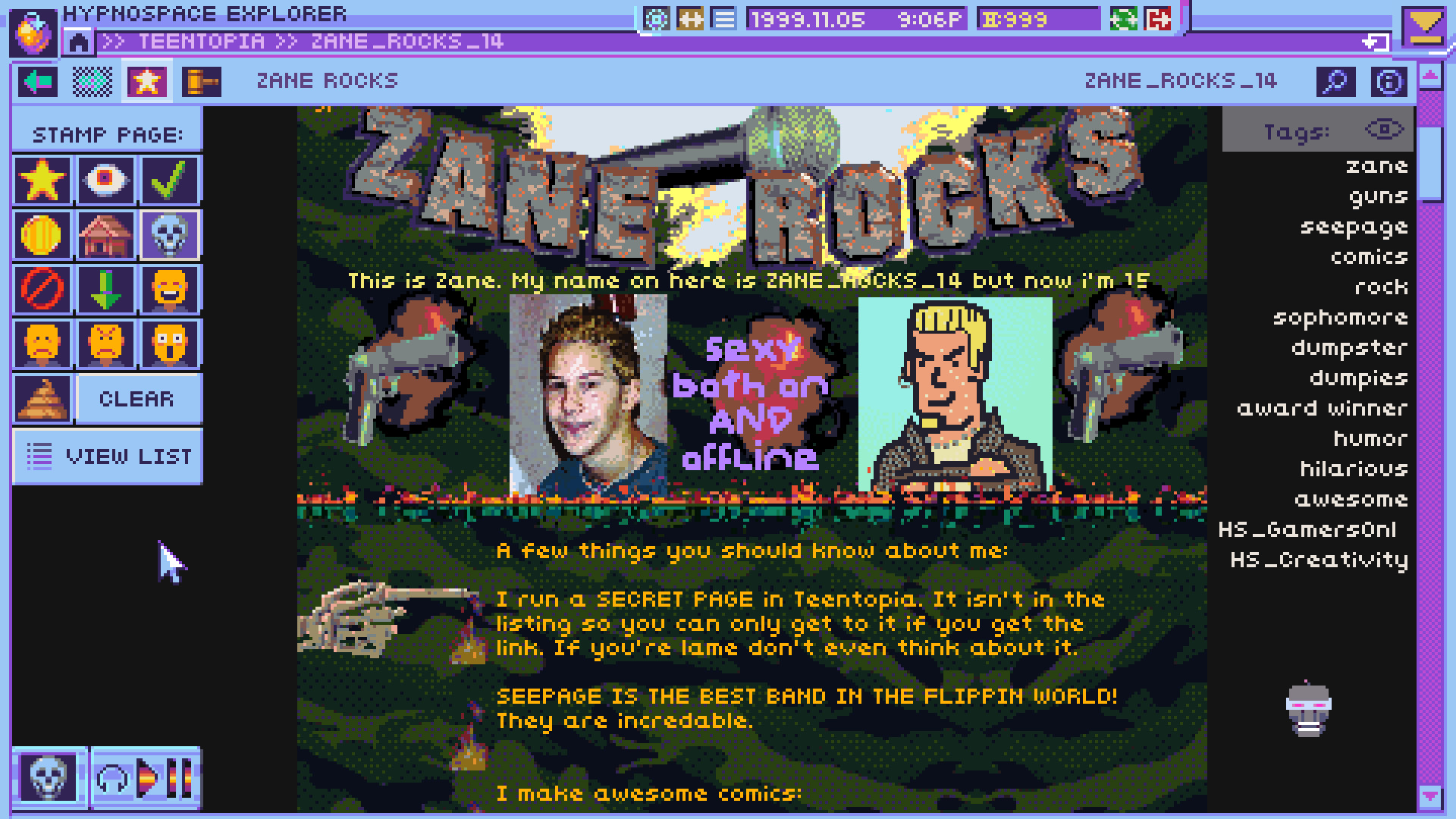
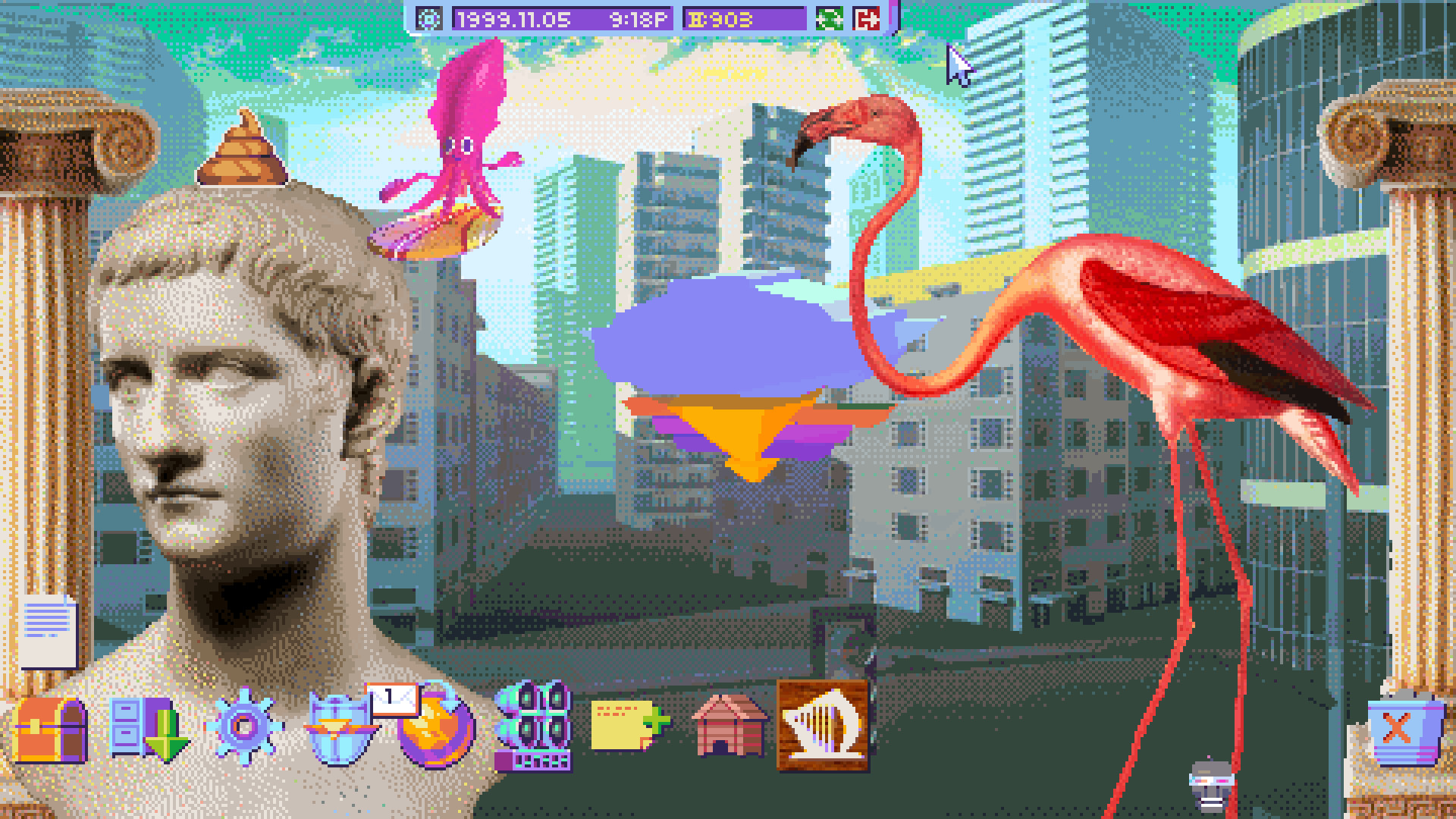
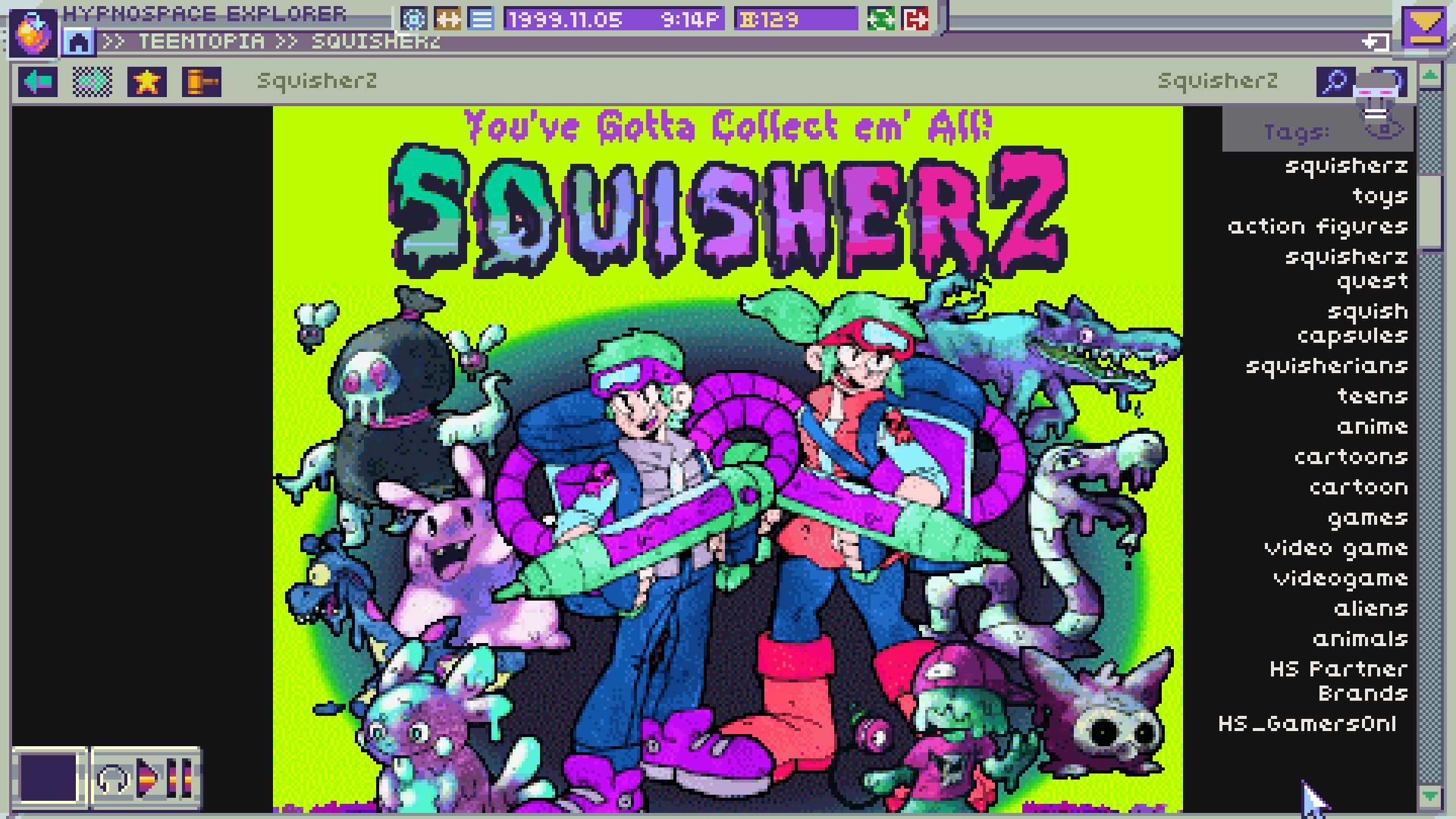
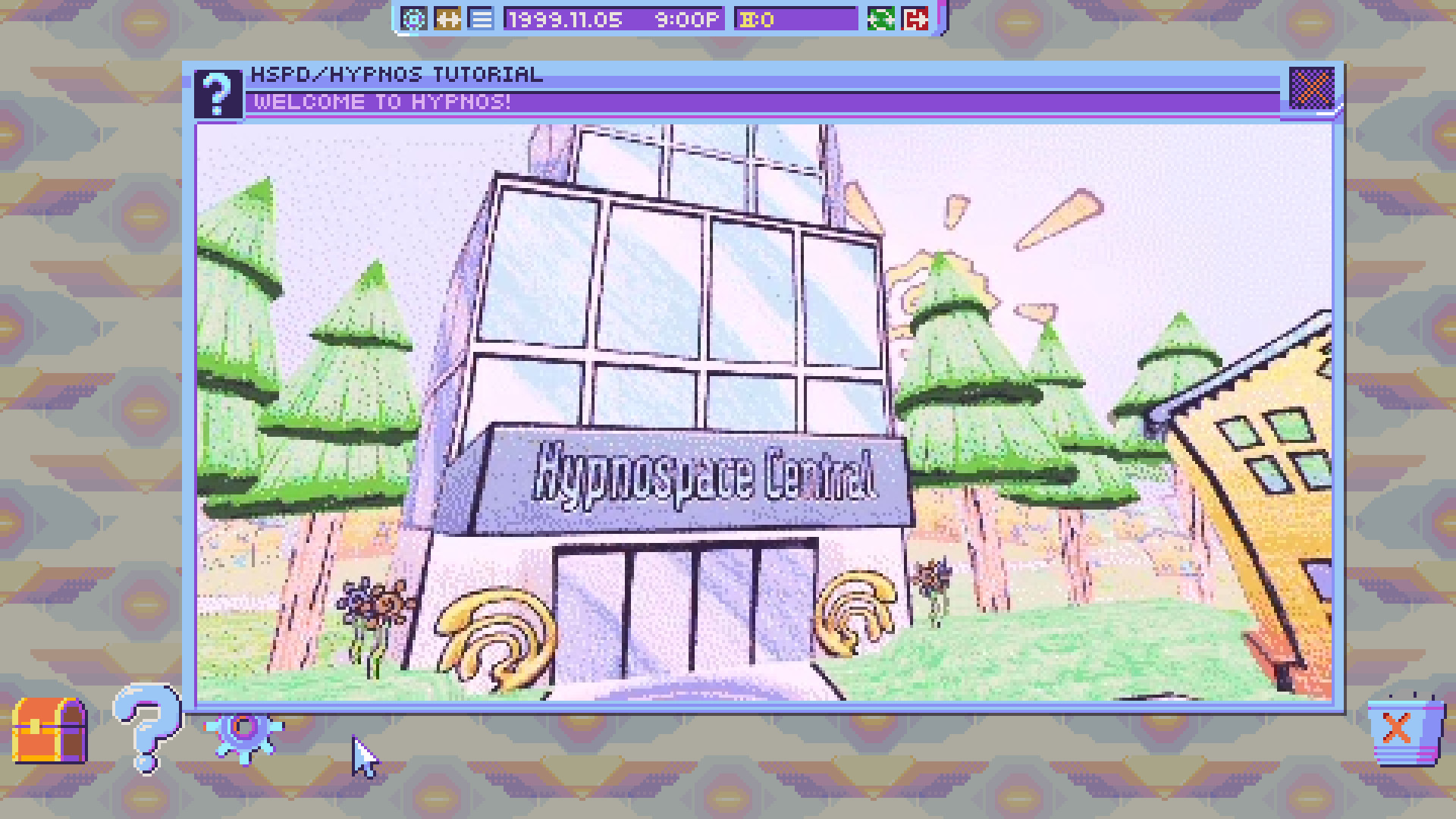
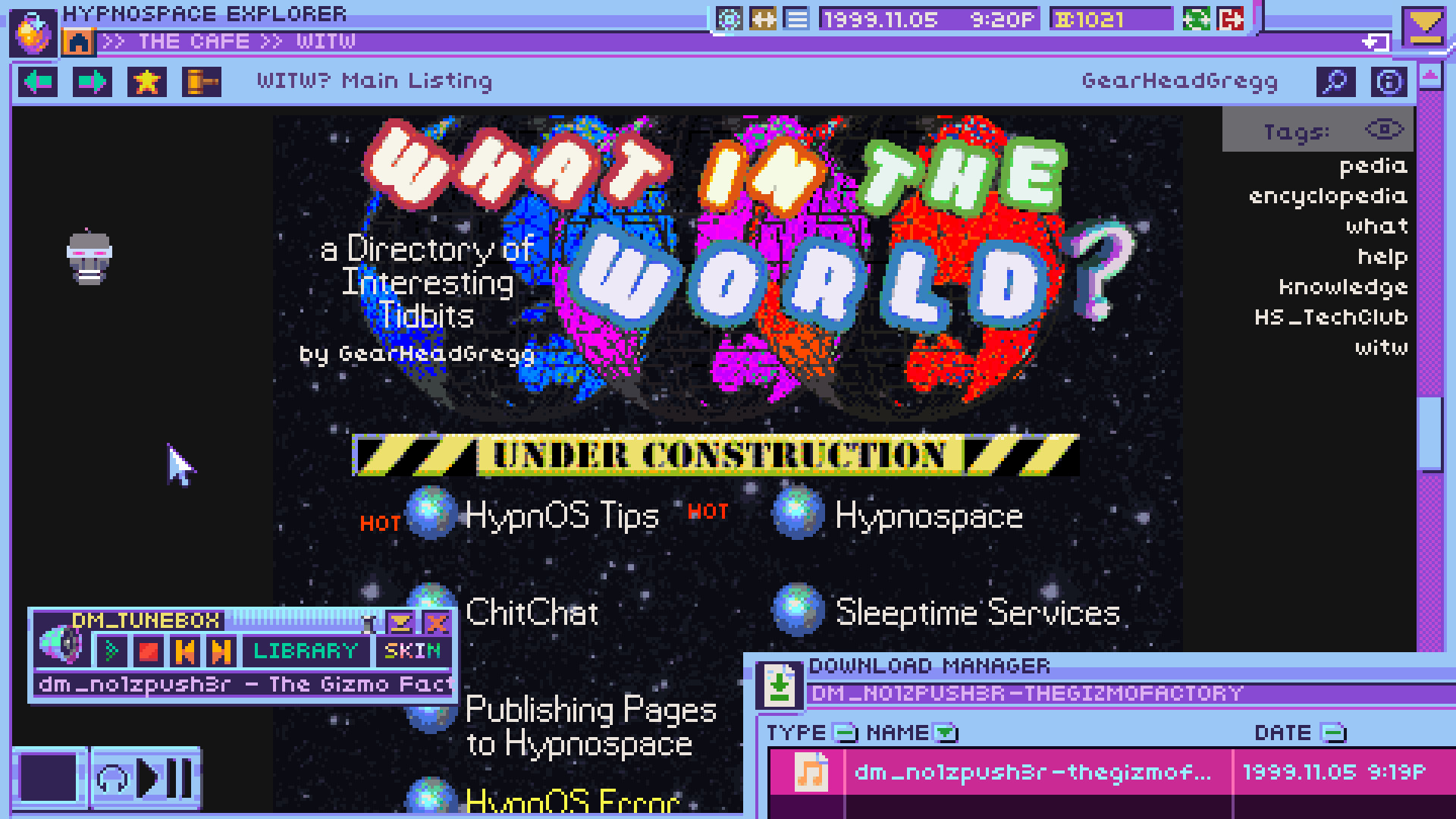
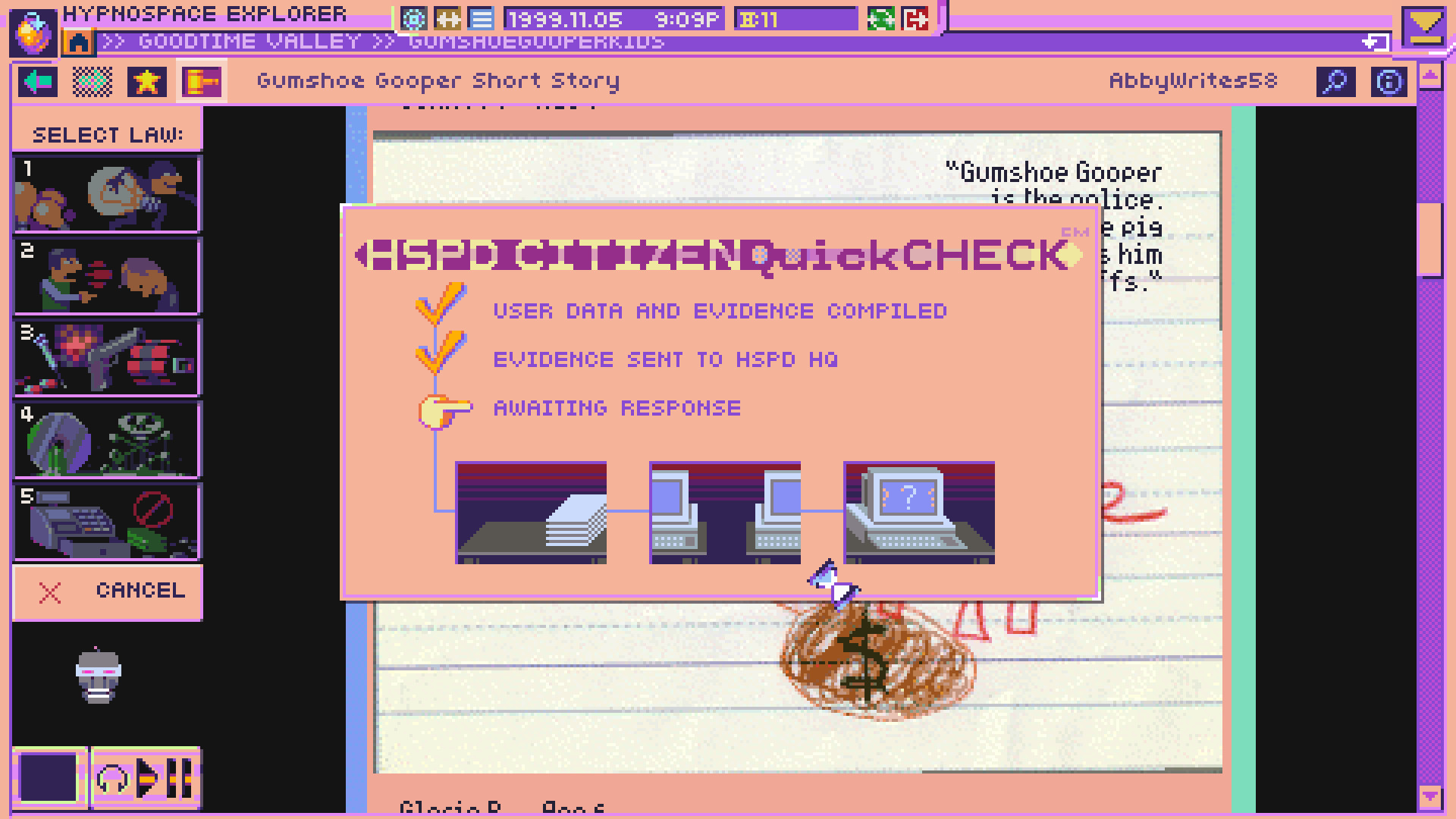
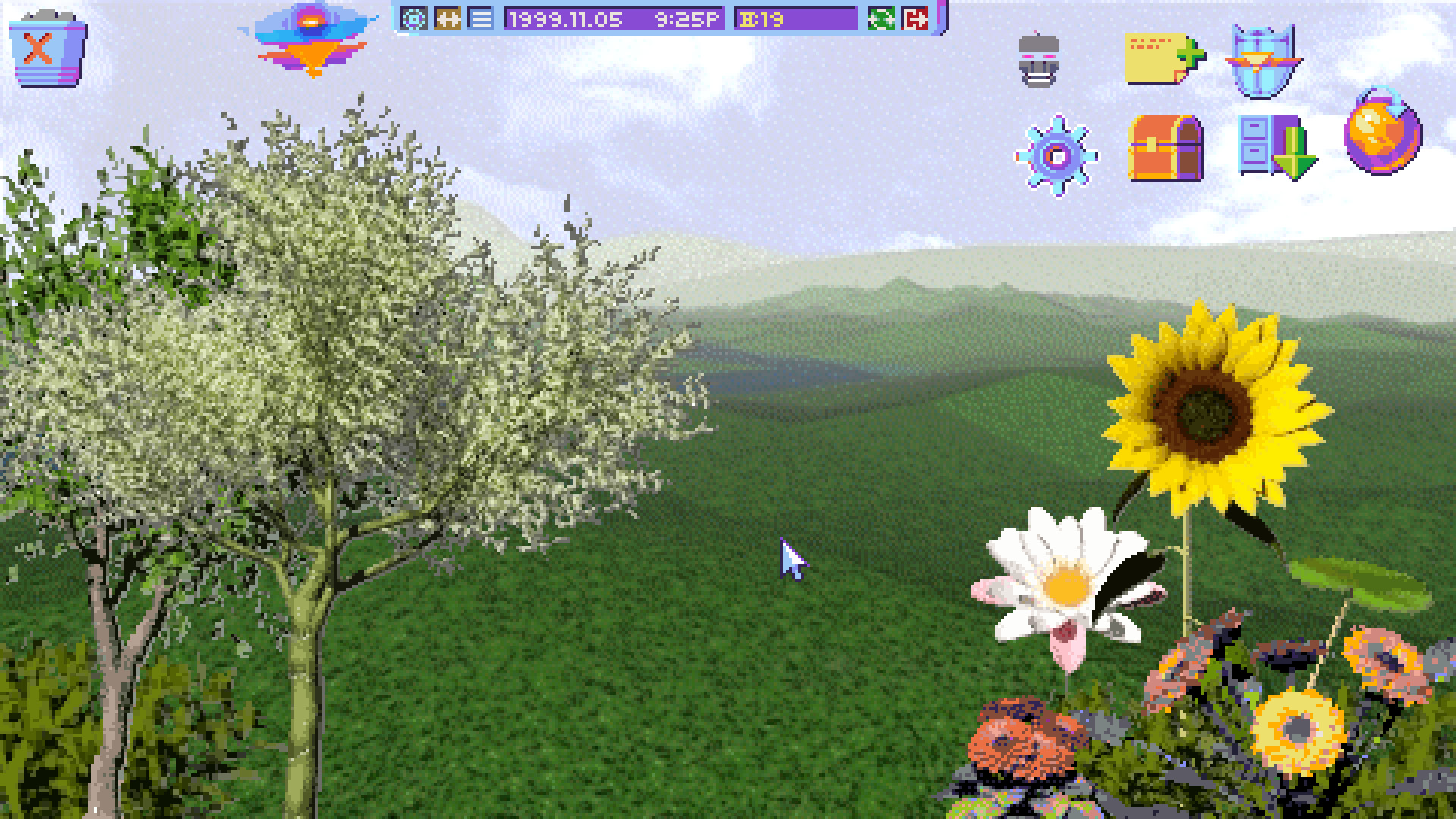
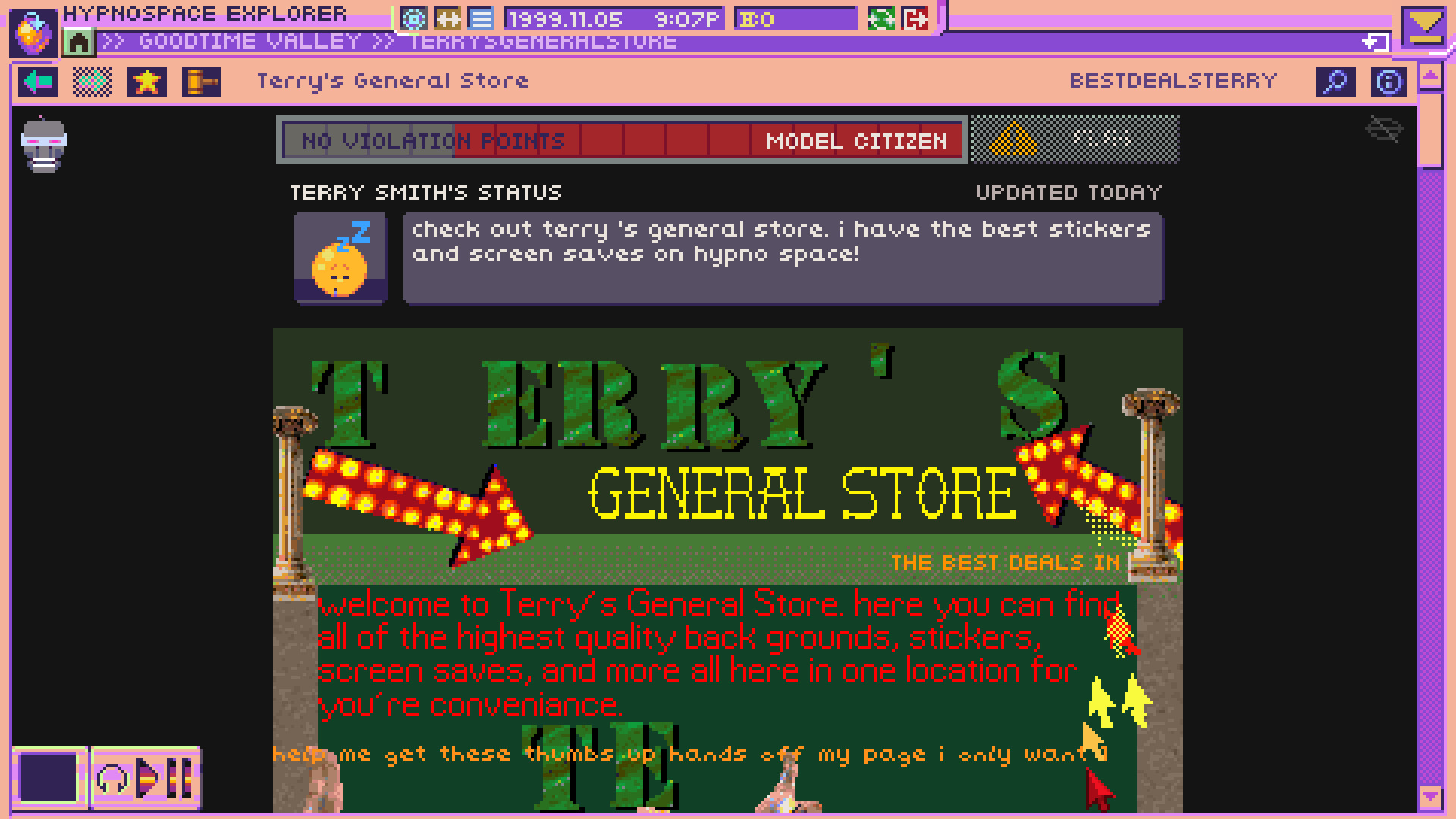
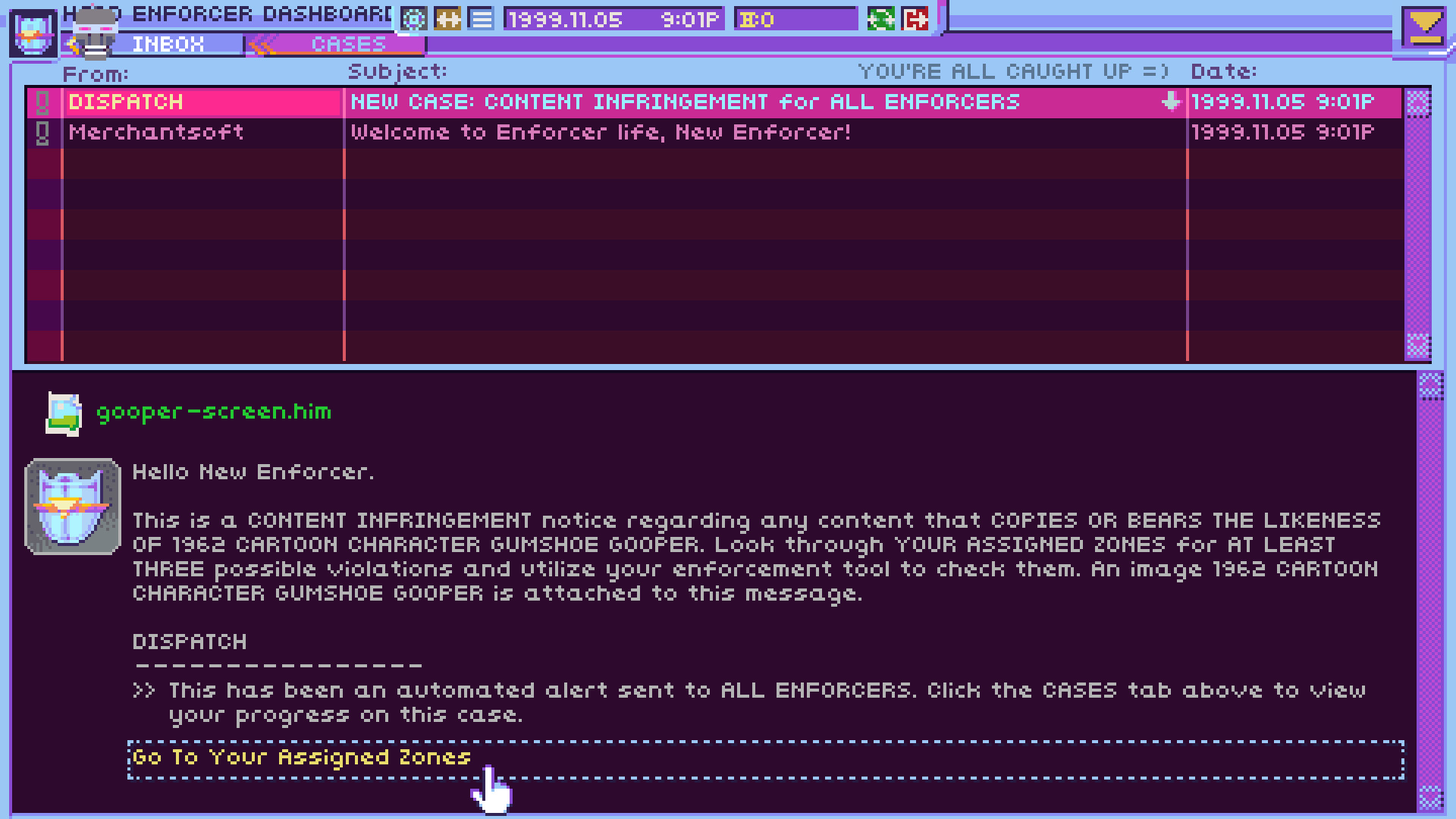
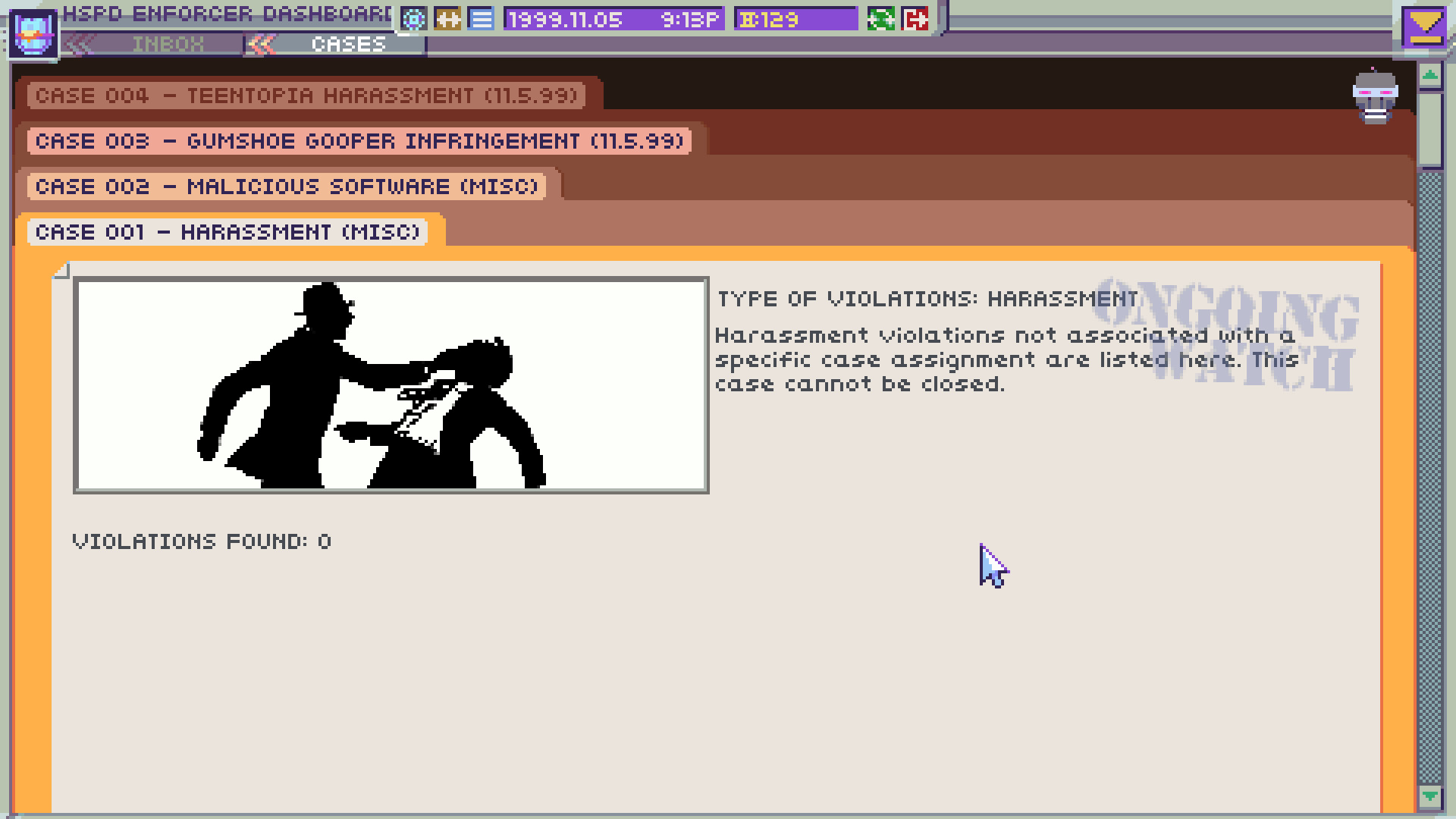
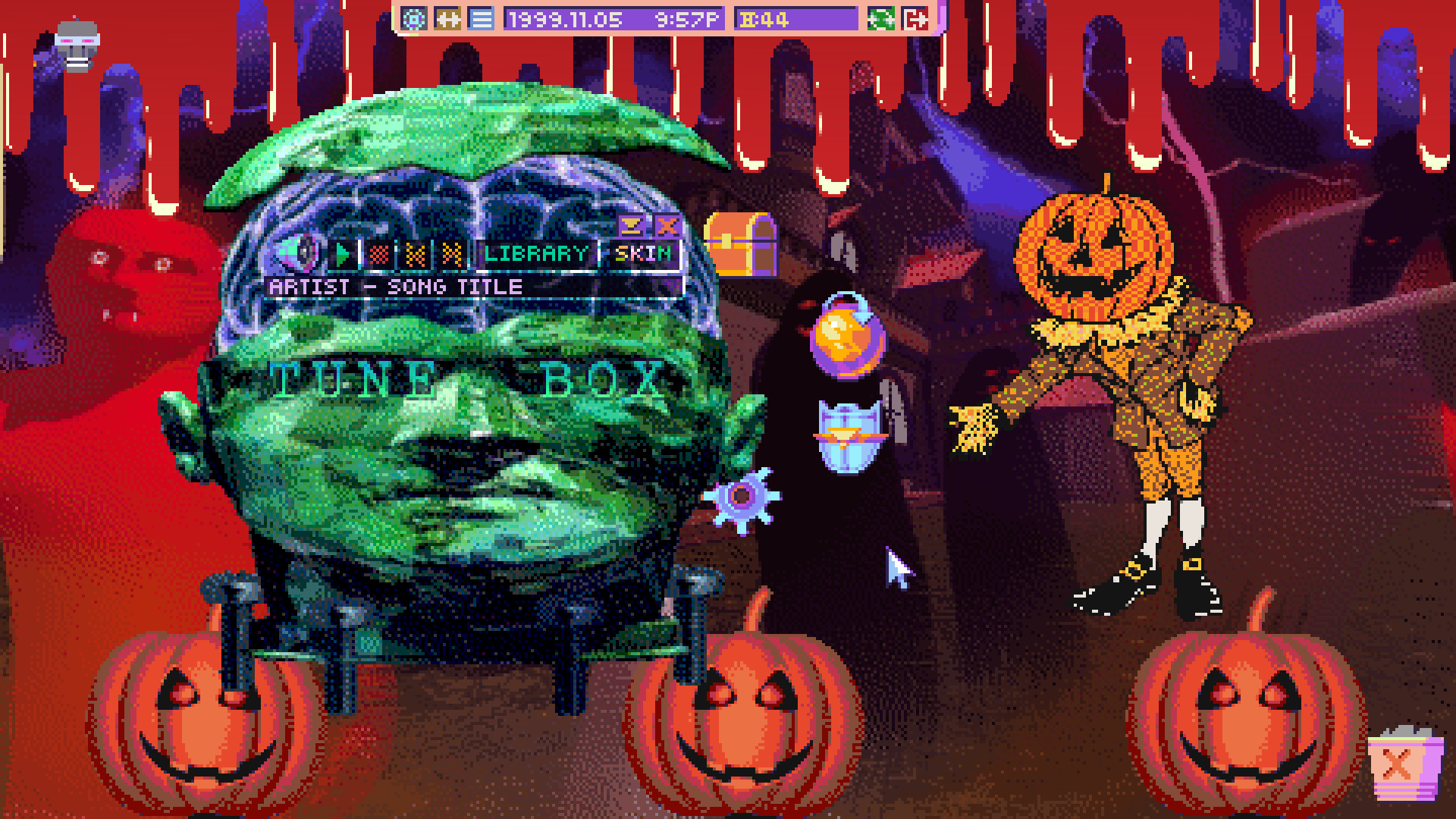
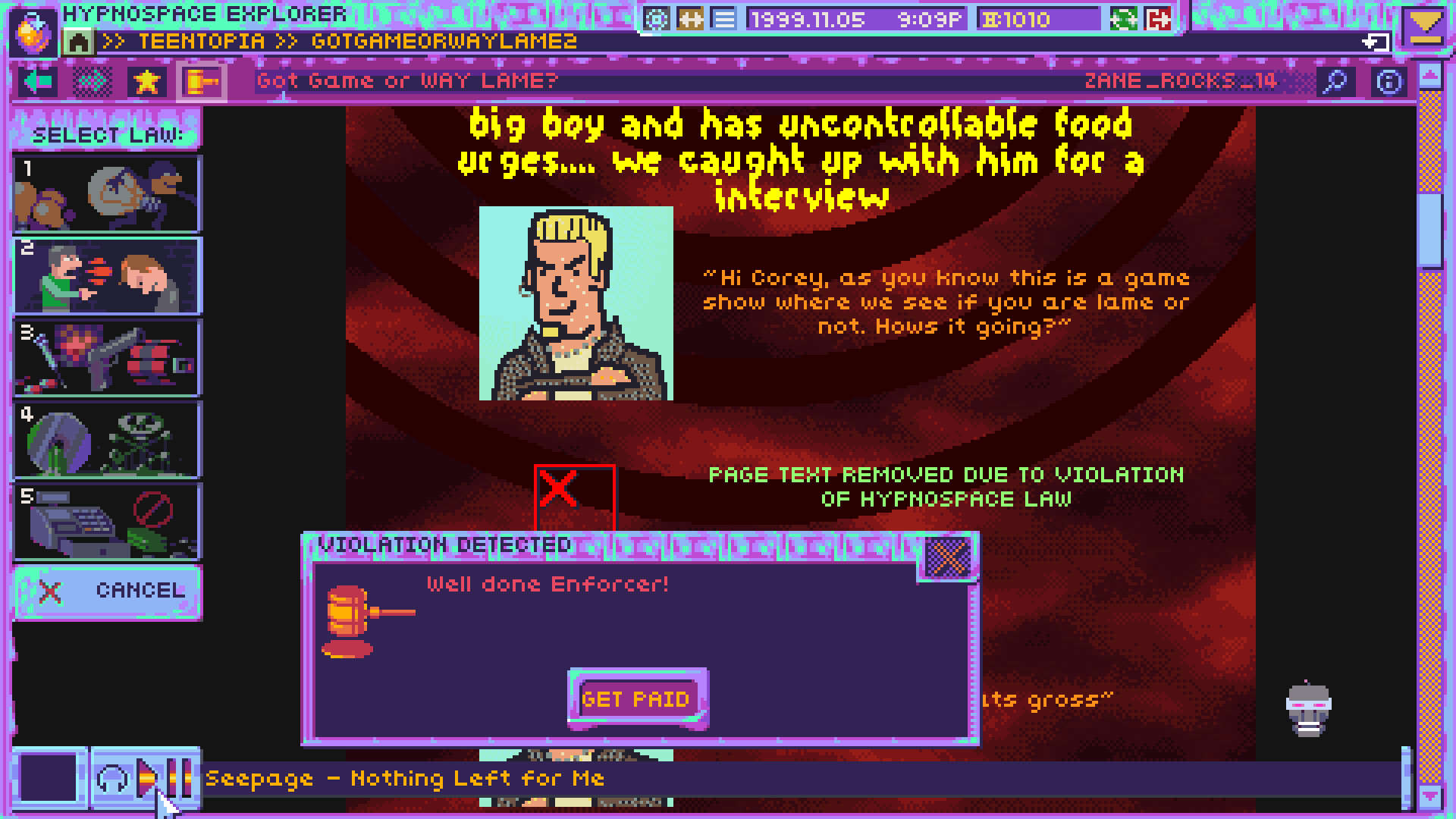
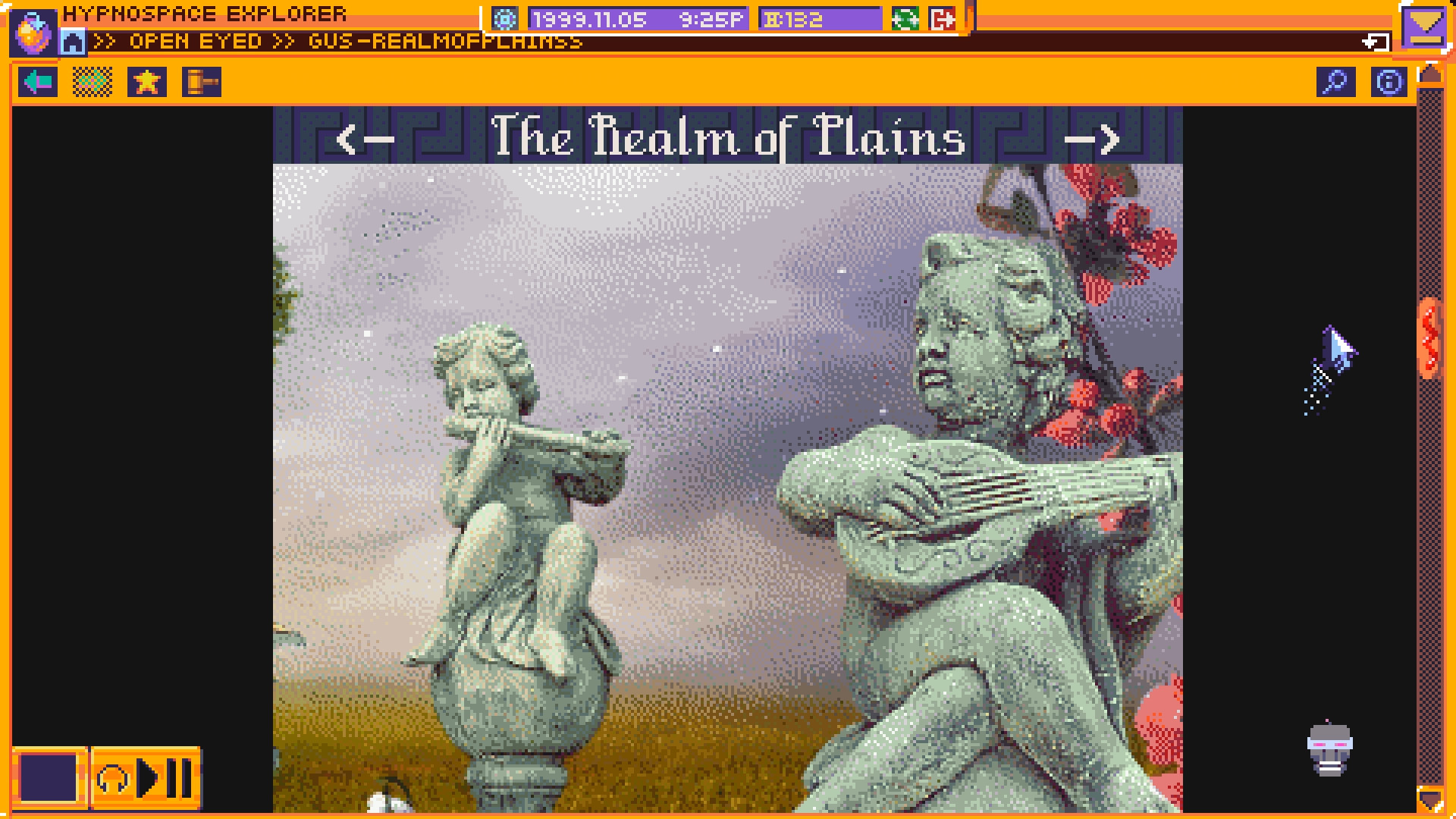
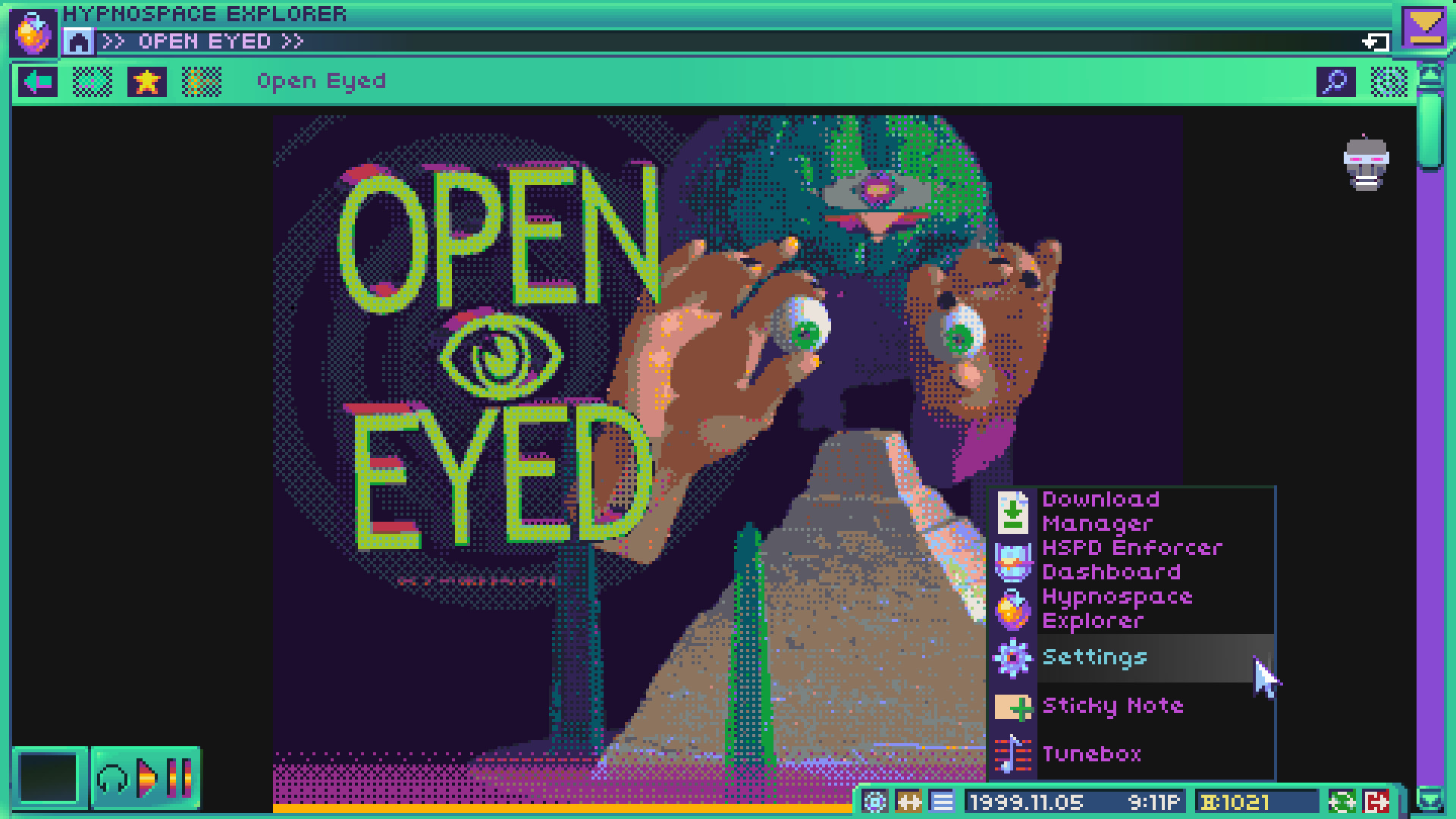
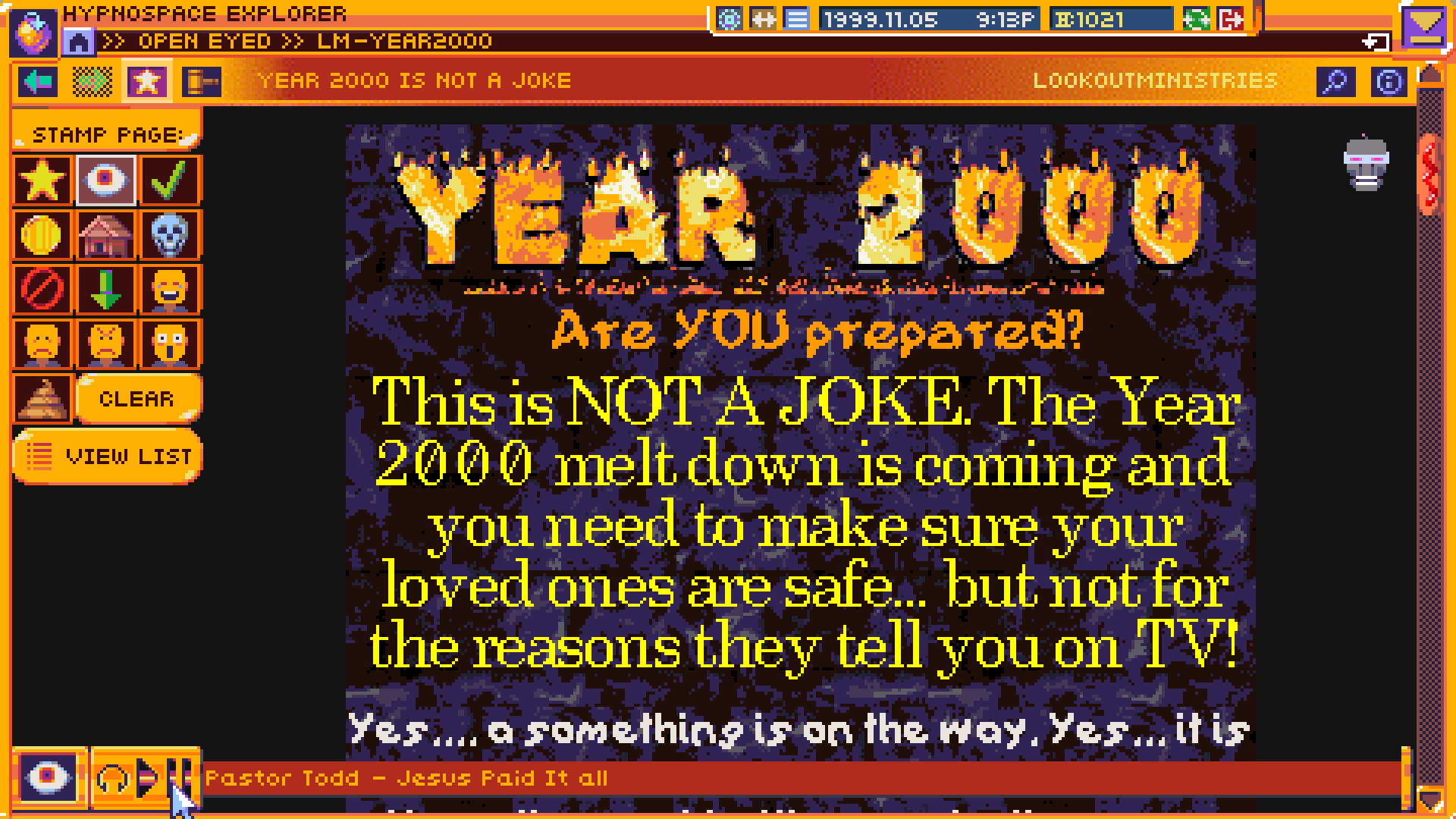
Get an in-depth look at Hypnospace Outlaw through various videos and screenshots.
Load More
System requirements
These are the minimum specifications needed to play the game. For the best experience, we recommend that you verify them.
Windows
- OS: Windows 10, 11
- Processor: 1.4GHz processor or faster
- Memory: 2 GB RAM
- Graphics: Integrated graphics should be fine
- DirectX: Version 10
- Storage: 1 GB available space
MacOS
- OS: Mac OS 10.7+
- Processor: Intel i5 Ivy Bridge
- Memory: 2 GB RAM
- Graphics: Intel Iris Pro Graphics
- Storage: 1 GB available space
Linux
- OS: Ubuntu 14.04 / SteamOS
- Processor: Intel i5 Ivy Bridge
- Memory: 2 GB RAM
- Graphics: Intel Iris Pro Graphics
- Storage: 1 GB available space
Steam Price & Best Deals
User reviews & Ratings
Explore reviews from Steam users sharing their experiences and what they love about the game.
TLDR: This game unexpectedly became one of my favourites of all time. You should try it. I'm one of those who doesn't usually write reviews. But this game is a game I still think about despite completing it a week ago. I still think about the characters and how real they felt. I felt immersed in the world because of how real the people were presented. Teenagers who change what they like within weeks, older people struggling to figure out how to set up their pages (and/or believing any conspiracy theories thrown their way). The main storyline is great and it unravels in a really interesting way, but it's the little stories of the people that will continue to stick with me most. It is how well this game captures people in their online presence, because even though you only know limited information about each person, you still think you learn a lot about them. You still make judgements on who they are based on your own experiences and beliefs. Just like the real internet. And yet, it doesn't feel quite so depressing as the real internet can feel (at least these days). Even with how the story turns out, honestly. It feels like a collection of flawed people (as we all are) who are all trying to find their place in the world, who cling onto the communities they find a home in. Which is what the internet was about, and what it still [B]kind of[/B] is about. We just have lost that humanness, I think. And so, it is wild that video game characters in a fictional alternate reality somehow feel more human than a lot of people in reality today.
There's this little hobby I have. (Stick with me, here) Much like a crow finding shiny baubles on the ground, I collect internet trash I find interesting from old GeoCities archives. WWE Undertaker tribute sites, Christmas greeting audio from a midwestern christian family, traced DBZ fan art done by a 13 year old. There's a certain amateurish passion to these that I'm infatuated with. I don't exactly know why, maybe its the bareness of whatever you may call the soul on display. Hypnospace Outlaw is a game all about this sort of voyeurism, and I love this game dearly for it. It treats every citizen's webpage as a character study, evolving your knowledge of this character by the changes they make to their page every time skip. In that way it feels like this game was made for me. If you're an internet crow in the way I am, definitely check Hypnospace Outlaw out at some point. It's well worth the money.
played this game over and over again since i bought it, about once a year. finally 100%ed it. this thing has dug into my brain and i dont think it'll ever leave. the sequel being canceled was a huge personal blow and im still holding out hope that something more will come from this universe and these devs. 1 billion recommendations bwl
Similar games
View all

Between Me and The Night
‘Between Me and The Night' is a surrealist action adventure game that walks the thin path between sanity and madness. Take on the role of a young boy and explore and interact with the mysterious house in which he lives.

Indiana Jones and the Fate of Atlantis
The Man With The Hat Is Back In His Greatest Adventure Yet! 1939 - The eve of World War II. Nazi agents are about to get their hands on a weapon more dangerous than the atom bomb. Only Indy can stop them before they unleash the deadly secret that sank Atlantis.

A New Beginning - Final Cut
A New Beginning is a cinematic adventure-thriller done graphic novel-style.
Papers, Please
Congratulations. The October labor lottery is complete. Your name was pulled. For immediate placement, report to the Ministry of Admission at Grestin Border Checkpoint. An apartment will be provided for you and your family in East Grestin. Expect a Class-8 dwelling.


Lost Horizon
1936: Soldiers of the Third Reich roam the world seeking occult weapons for their insane plans of conquest. When Fenton Paddock, a former British soldier and hapless smuggler, is asked to look for his friend Richard, who went missing in Tibet, he has no idea that this search will lead him across three continents to a secret that could...
Frequently Asked Questions
Hypnospace Outlaw is currently priced at 16.79€ on Steam.
No, Hypnospace Outlaw is currently not on sale. You can purchase it for 16.79€ on Steam.
Yes, Hypnospace Outlaw received 4,633 positive votes out of a total of 4,781 achieving an impressive rating of 9.32.
😍
Hypnospace Outlaw was developed by Tendershoot, Michael Lasch and ThatWhichIs Media and published by No More Robots.
Yes, Hypnospace Outlaw is playable and fully supported on Windows.
Yes, Hypnospace Outlaw is playable and fully supported on MacOS.
Yes, Hypnospace Outlaw is playable and fully supported on Linux.
This information about Hypnospace Outlaw is not available yet.
This information about Hypnospace Outlaw is not available yet.
No, Hypnospace Outlaw does not support VR.
Hypnospace Outlaw is a single-player game.
Yes, there is a DLC available for Hypnospace Outlaw. Explore additional content available for Hypnospace Outlaw on Steam.
No, Hypnospace Outlaw does not support mods via Steam Workshop.
No, Hypnospace Outlaw does not support Steam Remote Play.
Yes, Hypnospace Outlaw is enabled for Steam Family Sharing. This means you can share the game with authorized users from your Steam Library, allowing them to play it on their own accounts. For more details on how the feature works, you can read the original Steam Family Sharing announcement or visit the Steam Family Sharing user guide and FAQ page.
You can find solutions or submit a support ticket by visiting the Steam Support page for Hypnospace Outlaw.
Data sources
The information presented on this page is sourced from reliable APIs to ensure accuracy and relevance. We utilize the Steam API to gather data on game details, including titles, descriptions, prices, and user reviews. This allows us to provide you with the most up-to-date information directly from the Steam platform.
Additionally, we incorporate data from the SteamSpy API, which offers insights into game sales and player statistics. This helps us present a comprehensive view of each game's popularity and performance within the gaming community.
Last Updates| Steam data | 16 September 2026 18:13 UTC |
|---|---|
| SteamSpy data | 13 October 2026 04:03 UTC |
| Steam price | 26 October 2026 20:09 UTC |
| Steam reviews | 22 October 2026 18:03 UTC |
If you'd like to dive deeper into the details about Hypnospace Outlaw, we invite you to check out a few dedicated websites that offer extensive information and insights. These platforms provide valuable data, analysis, and user-generated reports to enhance your understanding of the game and its performance.
- SteamDB - A comprehensive database of everything on Steam about Hypnospace Outlaw
- SteamCharts - Analysis of Hypnospace Outlaw concurrent players on Steam
- ProtonDB - Crowdsourced reports on Linux and Steam Deck Hypnospace Outlaw compatibility
 16.79€
Visit Store
16.79€
Visit Store
 🔥 Deal
-82%
16.79€
3.19€
Buy Now
🔥 Deal
-82%
16.79€
3.19€
Buy Now
 -71%
16.79€
4.89€
Visit Store
-71%
16.79€
4.89€
Visit Store
 -67%
16.79€
5.64€
Visit Store
-67%
16.79€
5.64€
Visit Store
 -30%
16.79€
11.89€
Visit Store
-30%
16.79€
11.89€
Visit Store
Game modes
Features
Online players
22
Developer
Tendershoot,
Michael Lasch,
ThatWhichIs Media
Publisher
No More Robots
Release
12 Mar 2019
Platforms
Clicking and buying through these links helps us earn a commission to maintain our services.