

The Darkside Detective
Grab your trench coat, tune your sixth sense and join the Darkside Division as they investigate the outright bizarre, the downright dangerous and the confusing cases of Twin Lakes. Flesh-hungry tentacles, mafian zombies, and the occasional missing sock are no match for The Darkside Detective.
Sync your Steam wishlist to track the lowest game prices instantly. No login required, just paste your Steam profile URL!
⚡ Try Wishlist Radar!
Sync your Steam wishlist to track the lowest game prices instantly. No login required!
⚡ Try Wishlist Radar!
Close

Lamplight City on Steam - User reviews, Price & Information
Quick menu
A steampunk-ish detective adventure from the creator of A Golden Wake and Shardlight! Can you help private investigator Miles Fordham find justice for his clients and track down his partner's killer before his entire world comes apart?
Lamplight City is a adventure, point & click and detective game
developed by Grundislav Games
and published by Application Systems Heidelberg.
Released on September 13th 2018 is available on Windows, MacOS, Linux, Steam Deck and Steam Machine
in 2 languages: English and German.
It has received 761 reviews of which 679 were positive and 82 were negative resulting in a rating of 8.4 out of 10. 😎
The game is currently priced at 14.99€ on Steam, but you can find it for 14.54€ on G2A.
The Steam community has classified Lamplight City into these genres:
Media & Screenshots
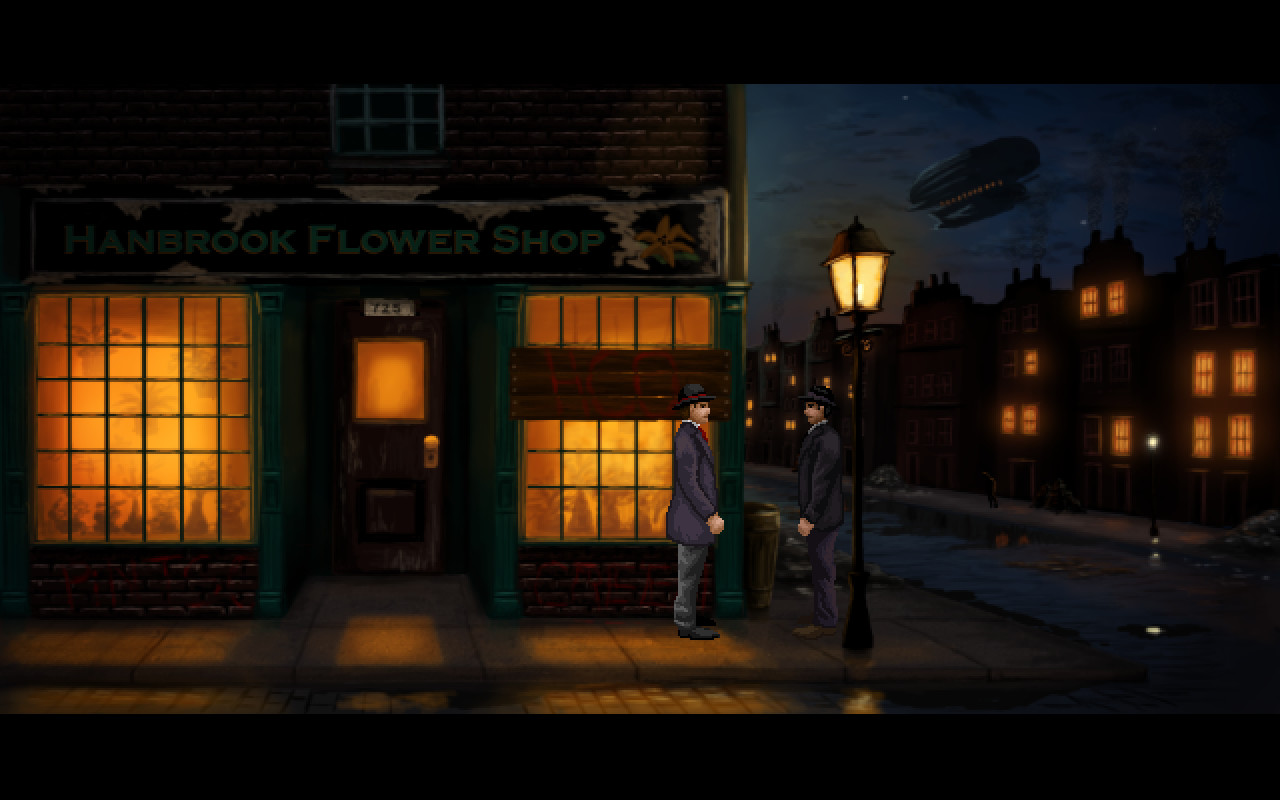
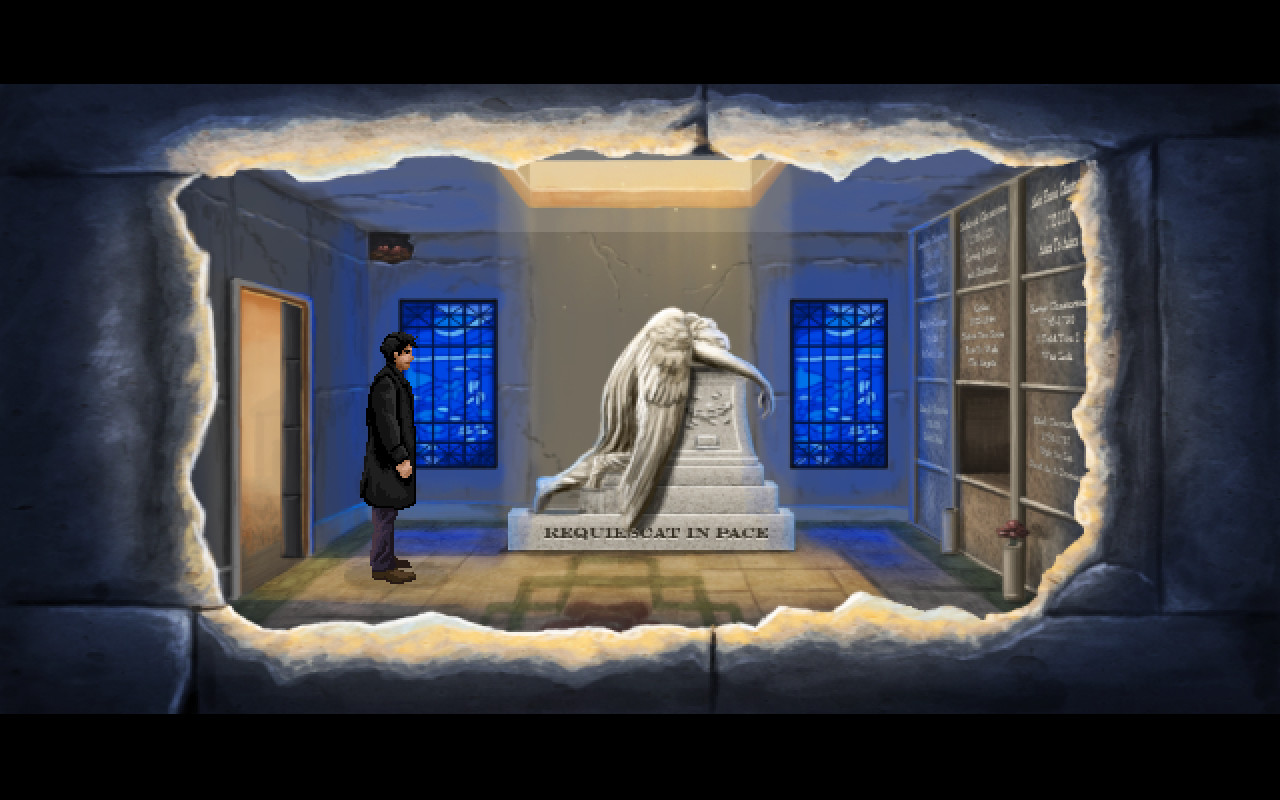
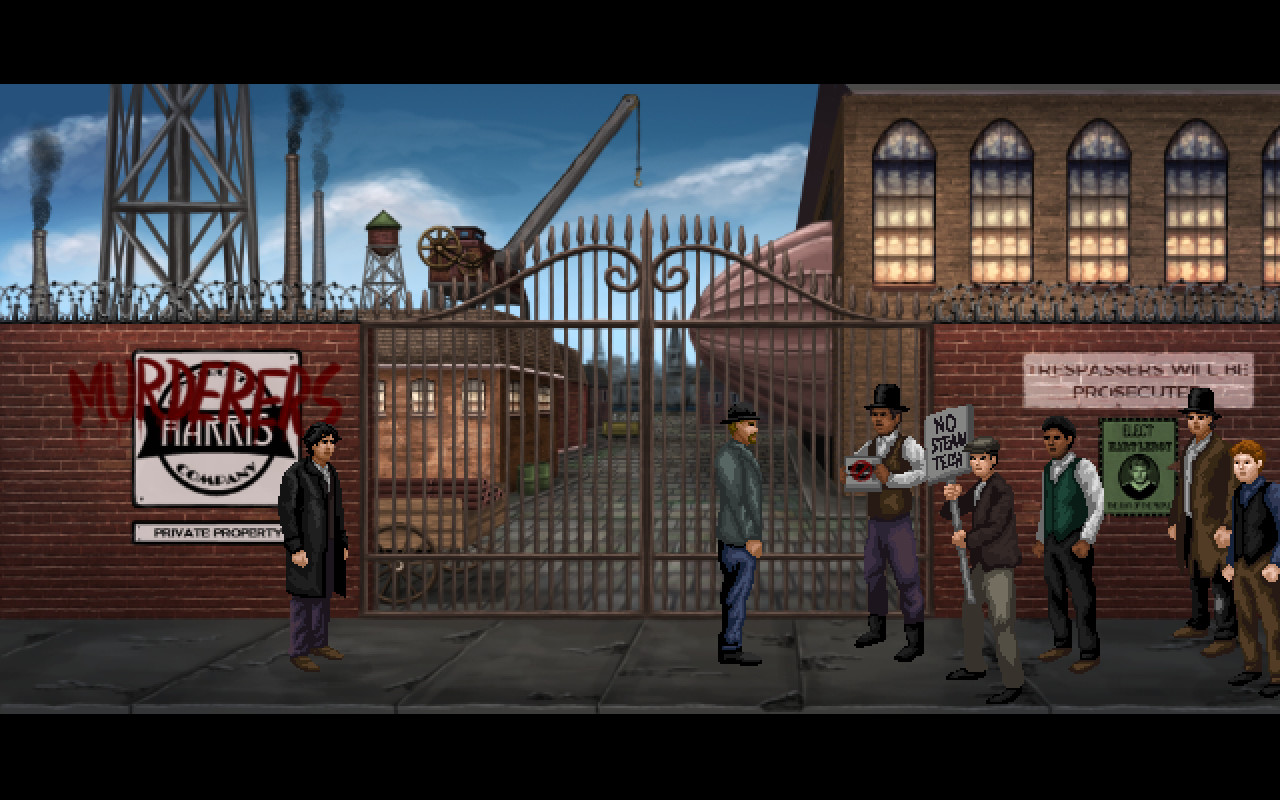
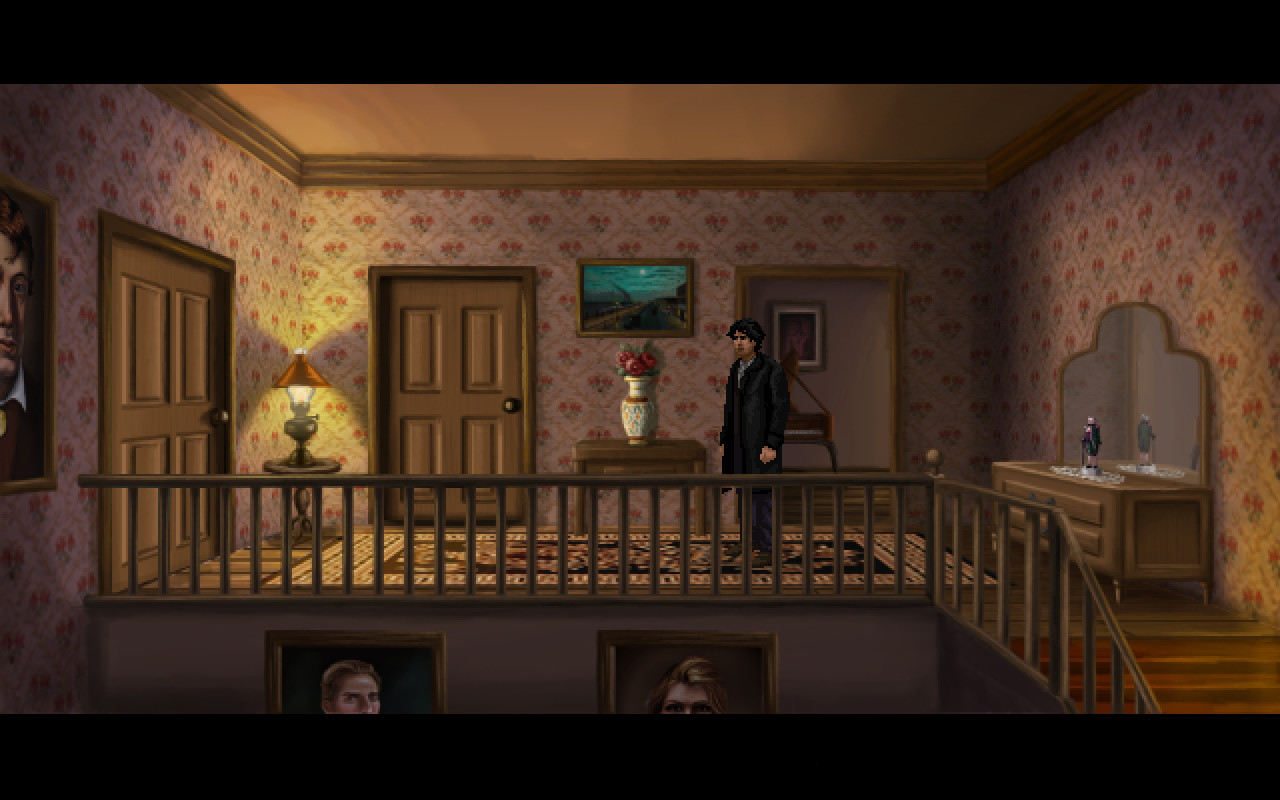
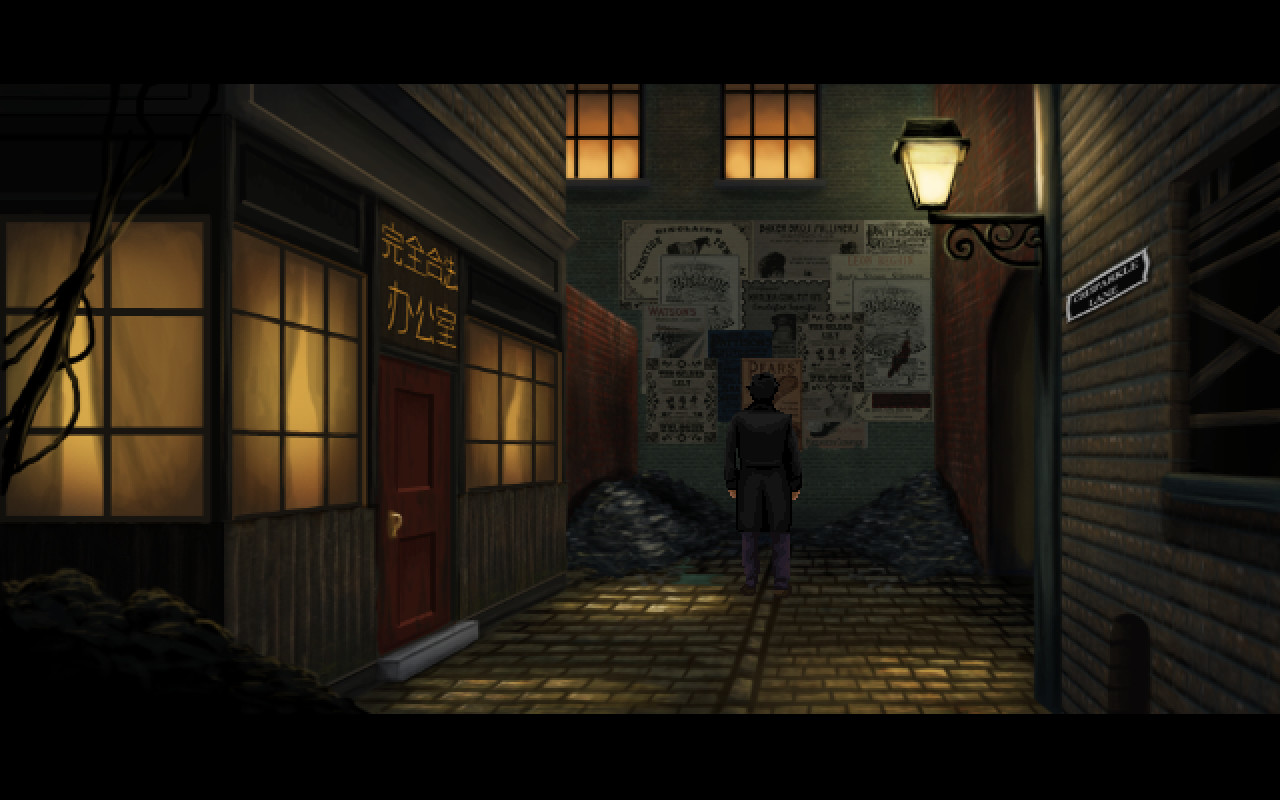
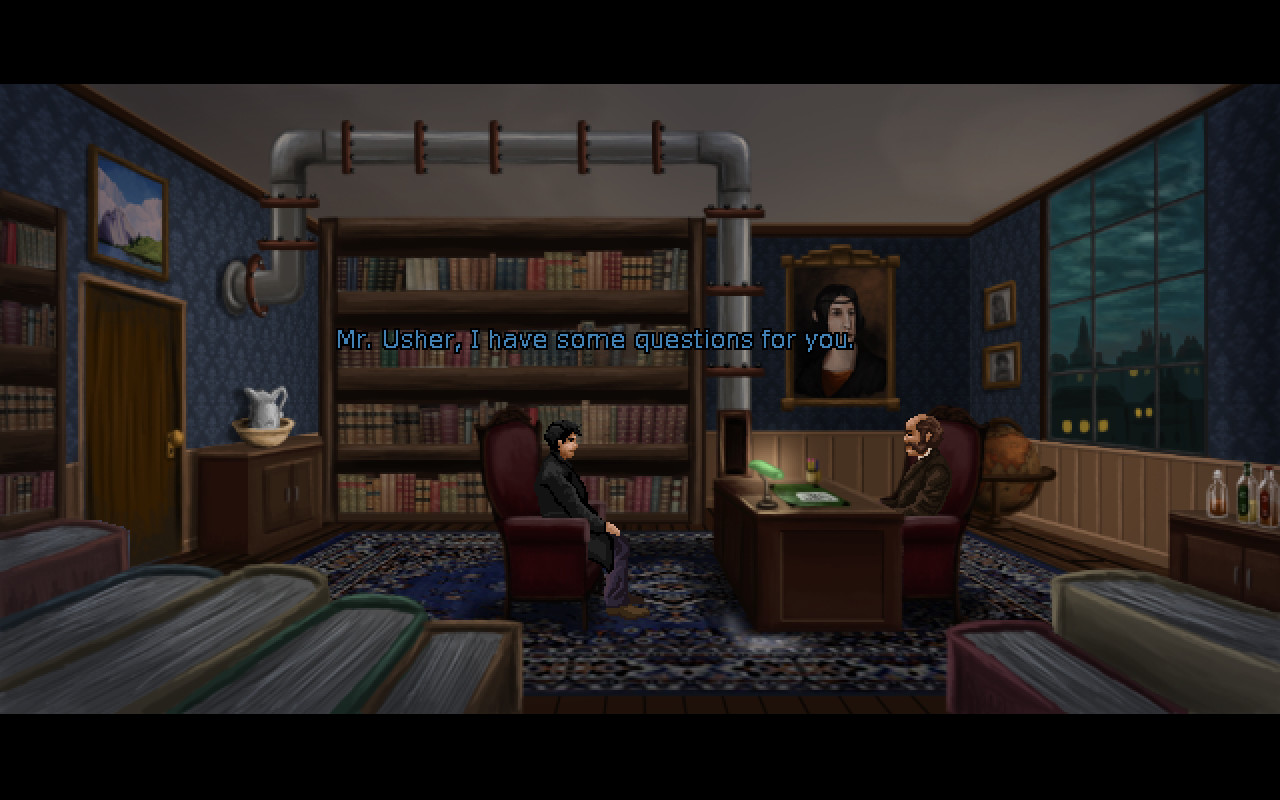
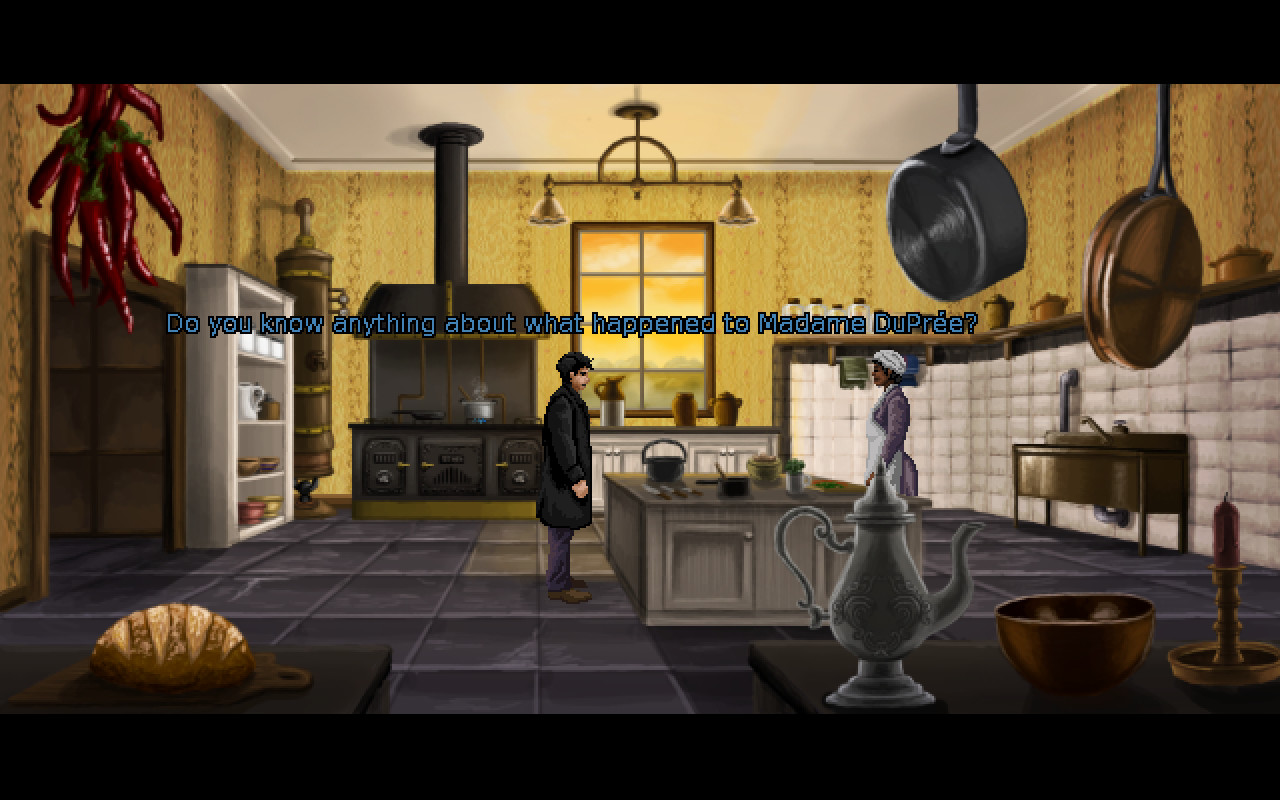
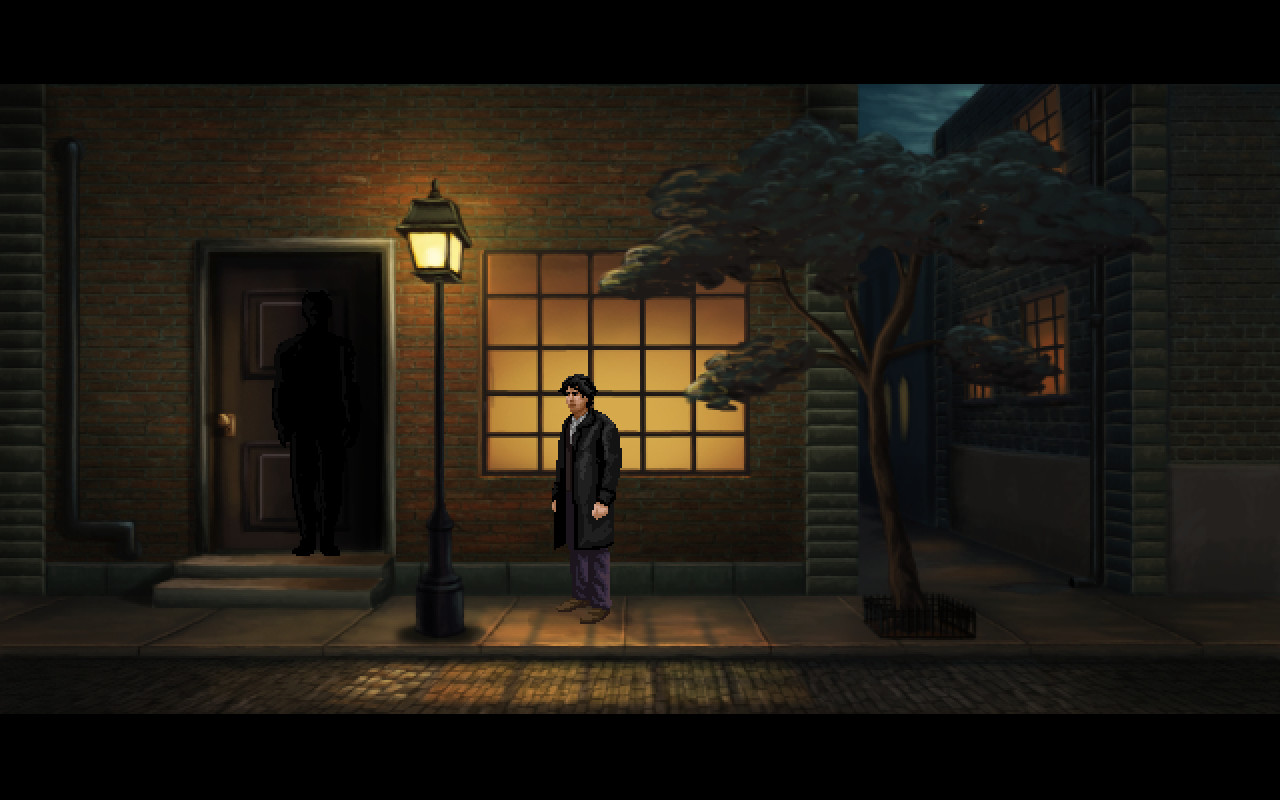
Get an in-depth look at Lamplight City through various videos and screenshots.


Load More
System requirements
These are the minimum specifications needed to play the game. For the best experience, we recommend that you verify them.
Windows
- OS: Windows ME or later
- Processor: Pentium or higher 1.2 GHz
- Memory: 1 GB RAM
- Graphics: 640x400, 32-bit colour
- DirectX: Version 5.2
- Storage: 2 GB available space
- Sound Card: All DirectX-compatible sound cards
MacOS
- OS: Mac OS X 10.11+
- Processor: 1.2 GHz
- Memory: 1 GB RAM
- Storage: 2 GB available space
Linux
- OS: Ubuntu compatible
- Processor: Pentium or higher 1.2 GHz
- Memory: 1 GB RAM
- Graphics: 640x400, 32-bit colour
- Storage: 2 GB available space
Steam Price & Best Deals
User reviews & Ratings
Explore reviews from Steam users sharing their experiences and what they love about the game.
this is such an awesome game, the investigations give you enough freedom to mess around and go your own way, the main story is extremely engaging, and the voice acting! last but not least, I adore this setting tremendously, it's such a great concept executed at the top level!
I recommend the game, but be very aware that it is neither a classic point&click adventure with an inventory where you combine items, nor is it really a detective game where you need to solves cases by cleverly combining clues. At it's core it's more of a walking simulator or interactive movie. You talk to characters which in turn unlocks new locations, new characters, new dialog options, which in turn unlocks new ... and so on. I still recommend the game, because for what it is, it's good. I was never bored, the cases are good, sufficient enough locations and characters appear, and the backstory makes the main character become interesting and real. So if you're in the mood for long dialogs and something like an interactive story, go for it. I enjoyed it.
While a bit uneven at times, its so cool that a game trusts you enough to allow you to solve cases wrong, and give weight to actually investigating and deducing. Sadly I don-t like most of the decisions made about the main characters, the dramatic core and drive of the overarching plot... The companion that-s with you at all times becomes immediately obnoxious and, honestly, just kinda evil.
Steam's word limit is stupid, full review here: https://www.dragon-quill.net/lamplight-city/ I enjoy bad games, which is good because I play a lot of them. But even if I didn't, playing a thousand terrible indies would be completely worth it to me just to find one this brilliant. Truthfully I was just excited for this game because I like steampunk and mysteries and the whole Aesthetic seemed like my jam -- I was hoping to like it, but didn't think it would be as brilliant as it was. There are a lot of reasons I tend to play through developer and genre catalogues in order, one of them being that I have a deep-seated psychological need for things to be in a proper sequence. I assume everyone shares this and it is in no way strange or offputting. But the other, more tangible reason is that art builds on itself. You can't learn physics before you learn algebra, and you can't really know a text until you know the texts that came before it, especially when those texts are closely related. Unsurprisingly for someone who's worked with Wadjet Eye, this game is clearly influenced by the Blackwell series, but more important, it is also clearly responding to the Gabriel Knight: Black People Are Dangerous game. I wouldn't even call it a rewriting or critique of that game -- it was a complete evisceration. It was honestly one of the most satisfying critiques I've ever read, a resounding declaration that no, voudou is not evil, no black people who practice it do not deserve to die, and actually, rich white people were the ones brutalizing black people with impunity and not the other way around. I found it so cathartic. And that was just the first case, lol. The game takes place in an alt-history 1840s, where the US seems to have lost the Revolutionary War and been split up into various regions. You play as Miles Fordham, who lives in an Italian-influenced mid-Atlantic region called Vespuccia, in the port city of New Bretagne (Seems like it might be the Carolinas? I'm too lazy to lay the map over a real map). During a mundane burglary investigation, Miles' partner Bill falls from a roof and dies and the perp gets free. The police blame Miles for 'getting his partner killed' and the bullying drives him to quit and start working as a PI. Meanwhile, he begins to hear Bill's voice in his head at all times, with strong sedatives being the only thing that give him peace. As his life unravels and his possibly-ghost partner refuses to leave him alone, he tries to keep taking on investigations. The story is deeply concerned with questions of institutional power -- Miles' wife is black, and we're constantly reminded that in antebellum not!US, an interracial marriage is taboo and black people can't vote and struggle to make ends meet. The game strongly ties together questions of race with gender and class, and makes a point of showing that Miles is better able to help the downtrodden as a PI than he was as a cop. It's heavily implied (if not outright stated) that his political views had made him a pariah in the department, and that only thing keeping him his job was that he had an incredible record of solving cases. Bill's death seems to have been the thing that allowed his coworkers to finally completely push him out, and in his absence his corrupt colleagues are promoted. You definitely get the sense that the other policemen are ghoulishly happy they can say he killed his partner, that nothing you could ever say or do could change that, and I appreciate that the game doesn't try to reason with them. The organization is corrupt and unsalvageable and Miles is both personally better off without them, as well as more capable of professionally helping people working around them. I think it's significant too that the only people at the precinct sympathetic to Miles are the coroner, who is a POC and also very isolated from the cops, and the administrator, a woman who ends up fired by the ♥♥♥♥♥♥ chief. The whole game is set against the backdrop of a tense election where the candidates are Atwood, a wealthy establishment politician who promises to fund Big Tech and you can discover spoofing votes, and McAvoy, a worker's rights campaigner who runs on job security and improved infrastructure. I don't want to say too much else because I don't want to give away the premise of the lategame cases, but the way institutional violence translates into real, physical violence is a major theme. I also really loved this as a story about survivor's guilt, substance abuse, and depression. (I've cut the big thematic analysis here for space). The art in this game was beautiful, a very painterly pixel style that at times hovered between traditional pixel art and something more impressionistic. The sound design was... fine. If you like your games to be voice acted you'll probably be fine with it, but it's not Supergiant, and I didn't feel a need to play with the sound on. Gameplay wise, this was a rather complex AGS game -- I didn't realize it was AGS until I went into the save files to back one up and noticed the 'agssave' in the filename. This is partly because of how impressively it manages to feel like an investigation -- I tend to associate AGS with the more 'puzzle' gameplay where you find and use items, but there's no inventory here, just a journal with clues and documents -- for the most part, you're solving things by paying attention to what people say to you and figuring out where to go next. I will say the one big problem is that there's no autosave. I really really wish the game saved, say, whenever you went to the map. The thing is, the game is really focused on the way you interact with characters, and this means that you can make mistakes, say the wrong thing, and ♥♥♥♥ up the case by pissing people off... which is great, I love it. BUT if you want to see everything, especially if you want to do it on one playthrough, not being able to reload can be a real killer. I liked stumbling into dead ends and making mistakes, but I disliked not being able to easily go back and pursue different choices. I actually think the game maybe would have been better served by a VN-style bad ending when you mess up, returning you to the prior decision point, but an intermittent autosave -- even like, every 15 minutes -- would have worked as well. To me, part of the appeal of this type of game is poking and prodding it, seeing what happens if I do the stupid thing and then seeing what happens if I don't, and while you CAN do this here, you have to be constantly manually saving, which is a definite downer. And if you're a ♥♥♥♥♥♥♥ like me you constantly forget to even after you've realized you should and it causes issues. But honestly, I really loved this. It's up there next to Seance at Blake Manor as not just a standout among the detective games, but among games period, and it's definitely a general rec. There should be more steampunk detective games, preferably also with ghosts and detectives, please appeal to me directly from now on devs thank you.
In my opinion the quintessential pixel art point and click adventure game. This is what got me started with my love for these style of games. Moody, mysterious, and the right amount of cozy. I enjoy playing these games right during the end of years holiday season when i have a few hours to kill. Highly recommend!
Similar games
View all
The Raven Remastered
London, 1964. An ancient ruby is stolen from the British Museum. At the crime scene: a raven feather. Is somebody trying to follow in the footsteps of The Raven, the legendary master thief who disappeared years before?

Delores: A Thimbleweed Park Mini-Adventure
Delores is back home and working as a photographer for the Nickel News. Thimbleweed Park hasn’t changed at all in the year she’s been away… or has it? Sample Ron Gilbert’s new adventure game engine in this free prototype that uses “found art” from the award-winning Thimbleweed Park.
Unavowed
A demon has possessed you and used your body to tear a swath of bloodshed through New York. You are now free, but life as you knew it is over. Your only path forward is joining the Unavowed - an ancient society dedicated to stopping evil. No matter what the cost.

Blackwell Unbound
The year is 1973. The sound of a lone, ethereal saxophone drifts over the Roosevelt Island promenade, while a series of accidents plague a midtown construction site. The citizens of Manhattan take no notice of these events, let alone think they are connected.

Penelope Pendrick and the Art of Deceit
Pick up your magnifying glass as writer-turned-detective Penelope Pendrick in this first-person point and click mystery adventure! Three people have suddenly vanished from the sleepy town of Carlisle. Follow the clues, interrogate suspects, and solve puzzles to end this case - before it ends you.

The Blackwell Legacy
When 3 NYU students kill themselves, nobody thinks that a sinister force is at work. Nobody but fledgling medium Rosa Blackwell & her new spirit guide Joey Mallone.

Resonance
When a brilliant particle physicist dies unexpectedly, the race is on to secure his terrible new technology before it falls into the wrong hands. The lives of four playable characters become entangled as they fight against the clock to find the dead scientist’s secret vault.

The Testament of Sherlock Holmes
Become the greatest detective of all time in The Testament of Sherlock Holmes, a twisting, turning investigation game set in a faithfully-reproduced London of 1898. As Sherlock Holmes, you must find clues, interrogate suspects and unveil a mystery in a story full of twists!
Kathy Rain
Set in the '90s, Kathy Rain tells the story of a strong-willed journalism major who has to come to terms with her troubled past as she investigates the mysterious death of her recently deceased grandfather.

A Golden Wake
The rise and fall story of a real estate agent in 1920s Miami. Based on historical events. From Francisco González, creator of the Ben Jordan: Paranormal Investigator series, Shardlight, and Lamplight City.

The Detail
The Detail, a crime noir adventure in a modern American city. This is a city where cases matter, clearance rates matter, and on a good day even justice matters.
Frequently Asked Questions
Lamplight City is currently priced at 14.99€ on Steam.
No, Lamplight City is currently not on sale. You can purchase it for 14.99€ on Steam.
Yes, Lamplight City received 679 positive votes out of a total of 761 achieving a rating of 8.39.
😎
Lamplight City was developed by Grundislav Games and published by Application Systems Heidelberg.
Yes, Lamplight City is playable and fully supported on Windows.
Yes, Lamplight City is playable and fully supported on MacOS.
Yes, Lamplight City is playable and fully supported on Linux.
Yes, Lamplight City is playable on Steam Deck, though it might require a few minor tweaks. Make sure to check the Steam store page and community feedback on ProtonDB for exact compatibility details.
Yes, Lamplight City is playable on Steam Machine, though it might require a few minor tweaks. Make sure to check the Steam store page and community feedback on ProtonDB for exact compatibility details.
No, Lamplight City does not support VR.
Lamplight City is a single-player game.
Yes, there is a DLC available for Lamplight City. Explore additional content available for Lamplight City on Steam.
No, Lamplight City does not support mods via Steam Workshop.
No, Lamplight City does not support Steam Remote Play.
Yes, Lamplight City is enabled for Steam Family Sharing. This means you can share the game with authorized users from your Steam Library, allowing them to play it on their own accounts. For more details on how the feature works, you can read the original Steam Family Sharing announcement or visit the Steam Family Sharing user guide and FAQ page.
You can find solutions or submit a support ticket by visiting the Steam Support page for Lamplight City.
Data sources
The information presented on this page is sourced from reliable APIs to ensure accuracy and relevance. We utilize the Steam API to gather data on game details, including titles, descriptions, prices, and user reviews. This allows us to provide you with the most up-to-date information directly from the Steam platform.
Additionally, we incorporate data from the SteamSpy API, which offers insights into game sales and player statistics. This helps us present a comprehensive view of each game's popularity and performance within the gaming community.
Last Updates| Steam data | 10 September 2026 12:25 UTC |
|---|---|
| SteamSpy data | 31 August 2026 11:57 UTC |
| Steam price | 12 September 2026 10:40 UTC |
| Steam reviews | 10 September 2026 12:07 UTC |
If you'd like to dive deeper into the details about Lamplight City, we invite you to check out a few dedicated websites that offer extensive information and insights. These platforms provide valuable data, analysis, and user-generated reports to enhance your understanding of the game and its performance.
- SteamDB - A comprehensive database of everything on Steam about Lamplight City
- SteamCharts - Analysis of Lamplight City concurrent players on Steam
- ProtonDB - Crowdsourced reports on Linux and Steam Deck Lamplight City compatibility

Game modes
Features
Online players
3
Developer
Grundislav Games
Publisher
Application Systems Heidelberg
Release
13 Sep 2018
Platforms
Clicking and buying through these links helps us earn a commission to maintain our services.