
Amnesia : Memories
You awaken to find your memories gone. To learn the truth behind your amnesia, you’ll choose from five romantic paths, each its own world. With 20+ endings, can you write the lasting love story you deserve, or will your love and life come to an end?
Sync your Steam wishlist to find the lowest game prices instantly. No login required, just paste your Steam profile URL!
⚡ Try Wishlist Radar!
Sync your Steam wishlist to find the lowest game prices instantly. No login required!
⚡ Try Wishlist Radar!
Close

Lost in Secular Love on Steam
Quick menu
A Otome game about romancing monks?! All the romanceable characters are monks?! Sweet yet seductive! The untainted body and soul that only you can touch… PS: The game is set in an alternate history with an alternate religion.
Lost in Secular Love is a otome, female protagonist and dating sim game
developed and published by YETU GAME.
Released on October 28th 2016 is available only on Windows.
It has received 505 reviews of which 440 were positive and 65 were negative resulting in a rating of 8.1 out of 10. 😎
The game is currently priced at 9.99€ on Steam.
The Steam community has classified Lost in Secular Love into these genres:
Media & Screenshots
Get an in-depth look at Lost in Secular Love through various videos and screenshots.


Load More


System requirements
These are the minimum specifications needed to play the game. For the best experience, we recommend that you verify them.
Windows
- OS *: windows xp
- Processor: 1000MHz
- Memory: 512 MB RAM
- Graphics: Memory 128Mb
- DirectX: Version 9.0
- Storage: 1500 MB available space
- Sound Card: Built-in Sound Card
Steam Price & Best Deals
User reviews & Ratings
Explore reviews from Steam users sharing their experiences and what they love about the game.
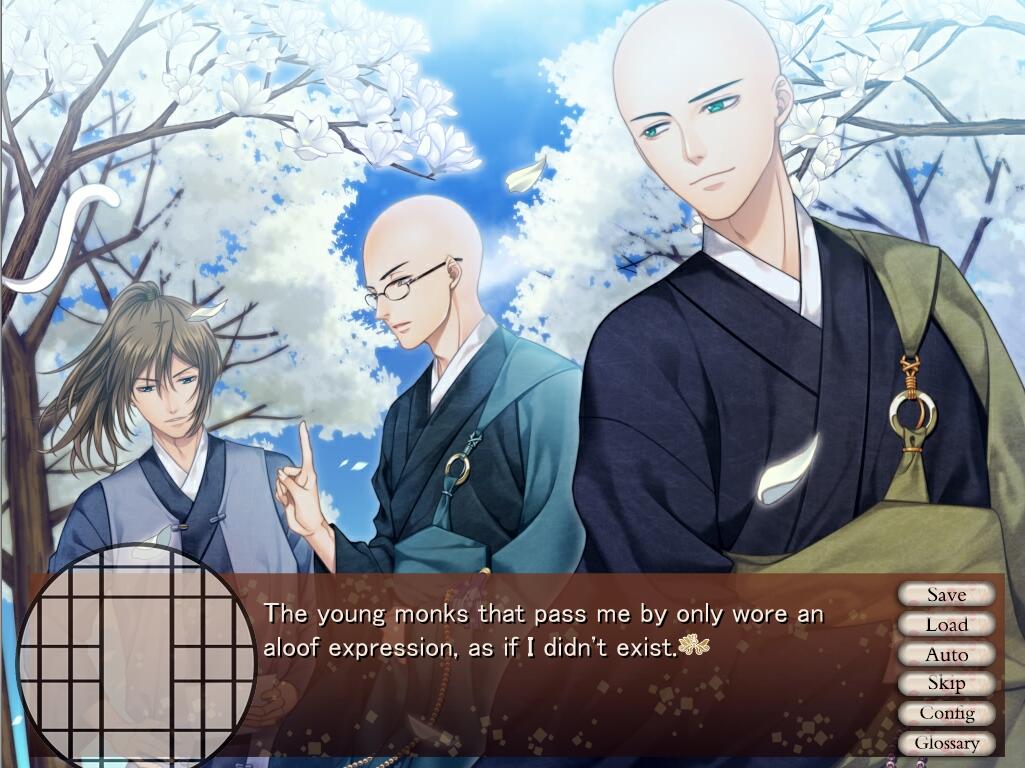
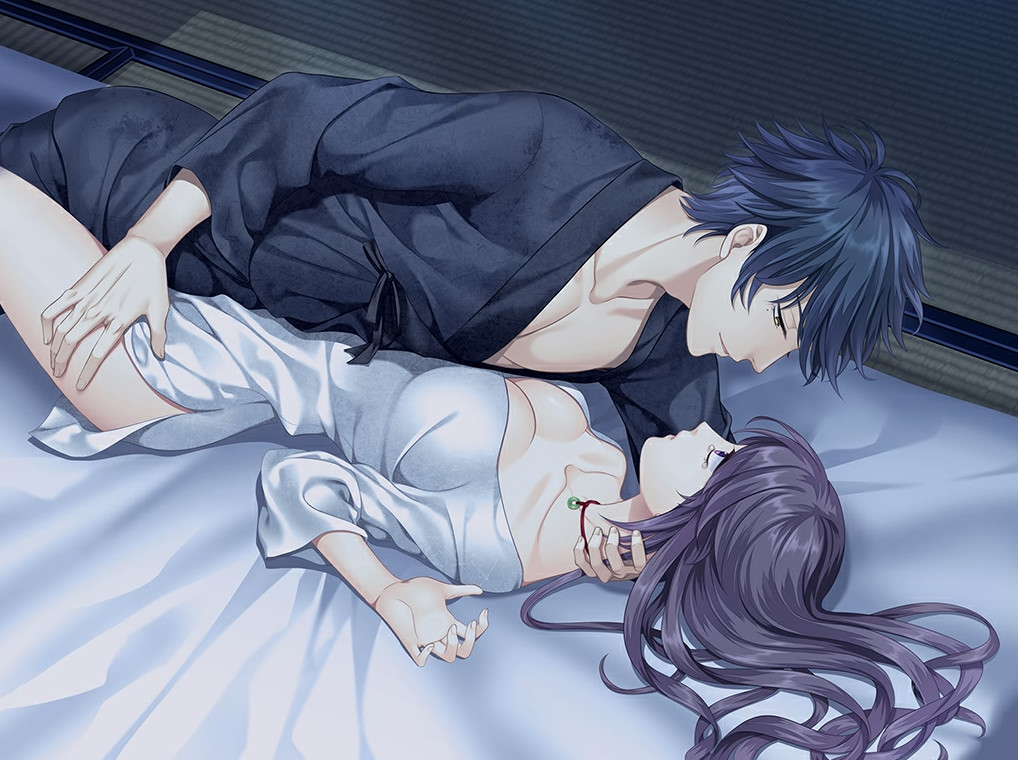
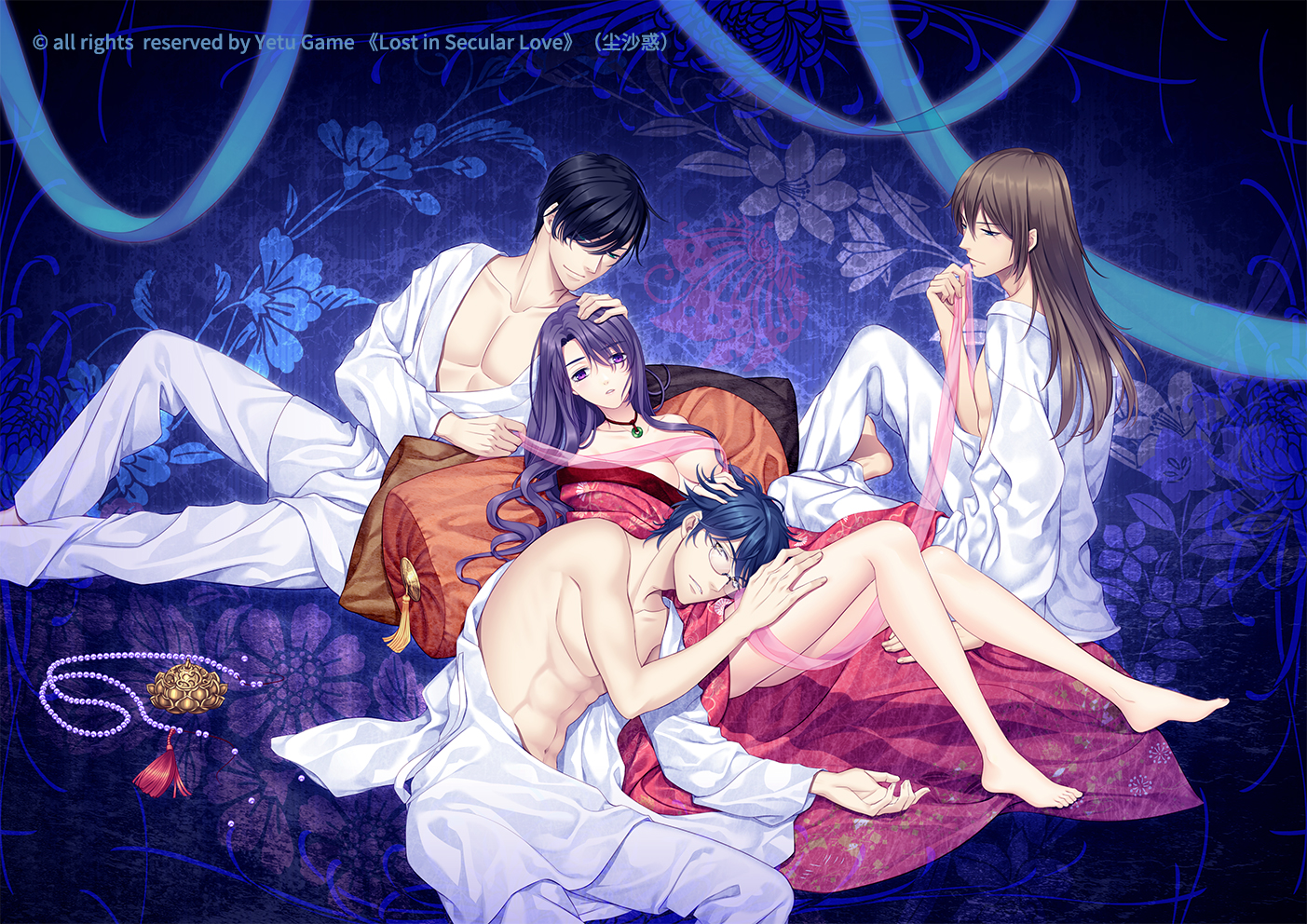
Lost in Secular Love is an unconventional otome visual novel that turns a deliberately strange romantic premise into a surprisingly engaging mixture of comedy, affection, temptation, and character drama. Developed and published by YETU GAME, it places the player in an alternate-history setting built around an alternate religion, where the central romantic interests happen to be monks. That concept immediately gives the story a different identity from the familiar schools, offices, and fantasy kingdoms often used by dating simulations. Rather than relying entirely on the novelty, however, the game uses its unusual setup to create tension between disciplined spiritual lives and increasingly difficult-to-ignore romantic feelings. The three principal love interests are intentionally eccentric, and their exaggerated personalities contribute significantly to the game's humor. Zhikong is dedicated to training but has an unexpected weakness for fuzzy things, creating a humorous contrast between his serious discipline and softer interests. Huihai appears charming and approachable while hiding a much shyer personality, with his frugal and domestically inclined nature giving him a distinctive flavor. Ziqing is a martial artist, an obsessive clean freak, and a classic tsundere whose personality can shift between abrasive behavior and more vulnerable moments. None of them is designed to feel completely ordinary, and this commitment to eccentric characterization prevents the routes from blending together. The romance works particularly well because attraction is more than a convenient excuse to pair the heroine with handsome characters. Emotional attachment conflicts with the lifestyle and convictions surrounding the male cast, giving relationships an inherently forbidden quality. The protagonist becomes a disruptive presence capable of testing restraint and challenging the boundaries the characters have constructed around themselves. This allows romantic scenes to carry a mixture of sweetness and tension, while the underlying question of choosing between personal feelings and established devotion gives the narrative more substance than its humorous premise initially suggests. At the same time, the game clearly understands how absurd its concept can appear and frequently embraces that absurdity. Its most memorable example is the hair-switch feature, which allows players to alter the male characters' hairstyles and effectively give them the shaved appearance more traditionally associated with monks. It has little effect on the actual narrative, but it is exactly the kind of playful customization that fits the game's personality. Instead of treating every aspect of the premise with complete seriousness, the developers are comfortable allowing the player to laugh alongside the story. Visually, the hand-drawn presentation complements the romantic atmosphere effectively. Character illustrations are colorful and expressive, while certain CG scenes incorporate partial animation rather than remaining completely static. These subtle movements add life to important moments without transforming the experience into something fundamentally different from a traditional visual novel. The artwork also does much of the work in selling the contrasting personalities of the romance candidates, especially when their outward appearances clash amusingly with their individual quirks. Gameplay remains firmly focused on reading, choices, character interaction, and pursuing different outcomes. This is not a mechanically demanding experience, and players expecting substantial exploration or action will find very little of either. Its strengths instead come from route progression and discovering how each relationship develops. Multiple endings provide an incentive to return and make different decisions, especially because the contrasting personalities create noticeably different romantic dynamics. Steam achievements and trading cards provide some additional completion incentives, but the narrative and characters remain the main reasons to replay. The localization deserves some consideration for English-speaking players. English interface text and subtitles are supported, allowing the story to be followed comfortably, but full audio is not available in English. Simplified and Traditional Chinese receive full audio support. This does not undermine the written experience, although voice performance can add substantial personality to an otome game, meaning English players do not receive quite the same presentation as audiences using the fully voiced languages. Steam Deck compatibility is currently listed as Unknown rather than officially Verified or Playable. Given that this is primarily a visual novel built around reading and straightforward interaction, its fundamental design seems naturally suited to handheld play, but an Unknown rating means Valve has not provided an official compatibility assessment. Players intending to experience it specifically on Steam Deck should therefore treat compatibility as unconfirmed rather than assuming flawless operation. Where the game succeeds most is in combining novelty with genuine personality. A romance visual novel about monks could easily have exhausted its central joke within the opening hour, but the eccentric cast, forbidden-romance theme, alternate religious setting, unusual cosmetic feature, expressive illustrations, and multiple endings give the concept more longevity. Humor remains important, yet there is enough emotional conflict underneath it to make the relationships feel like more than elaborate punchlines. Its weaknesses are largely connected to genre preference. The reading-heavy structure and relatively limited mechanical interaction will not appeal to players who need constant gameplay variety. Some personalities deliberately embrace familiar otome archetypes, and the combination of suggestive romance, religiously inspired imagery, comedy, and melodrama may be too peculiar for some audiences. The English version also loses the benefit of full voice acting. None of these issues fundamentally damages the experience for its intended audience, but they make it a more specialized recommendation. Ultimately, this is a distinctive and confidently eccentric otome experience that knows exactly what makes its premise memorable. It delivers attractive artwork, amusing character writing, multiple romantic possibilities, playful customization, and an interesting tension between devotion and worldly affection. YETU GAME manages to transform an initially comedic concept into something capable of being funny, affectionate, seductive, and occasionally thoughtful. For visual novel enthusiasts interested in an unconventional romance with plenty of personality, it offers a refreshingly different experience. Rating: 8/10
Similar games
View all
Nameless ~The one thing you must recall~
Nameless ~The one thing you must recall~ is a visual novel game designed for female audiences. It was distributed by the publisher, Cheritz, in English, Korean, and Japanese on Nov. 11th, 2013 and now it is available on Steam.

Blood Code
A story about an ordinary human girl and her romantic encounters with knights and princes. These characters may be gentle, passionate, considerate, or inhospitable. There are many character styles to suit a variety of individual player tastes.

Dandelion - Wishes brought to you -
Dandelion -Wishes brought to you- is a female-oriented game developed by Cheritz. The game was released in South Korea in August, 2012. The English translation for Dandelion was released on Nov, 2012. Dandelion is known as a unique dating simulation with a sensational storyline and charming characters.
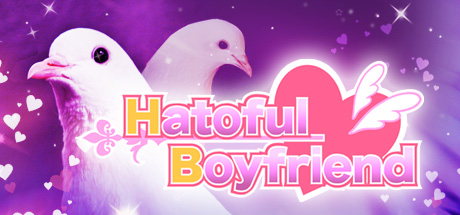
Hatoful Boyfriend
Congratulations! You’ve been accepted as the only human student at the prestigious St. PigeoNation’s Institute, a school for talented birds! Roam the halls and find love in between classes as a sophomore student at the world’s greatest pigeon high school.
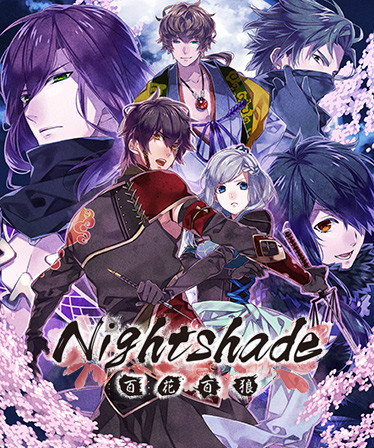
Nightshade/百花百狼
A romance visual novel game made in collaboration with D3P and Red Entertainment.Character design and illustrations are by the popular illustrator Teita. The romance revolves around Ninjas who have lived through the Sengoku Period. This game has published in 2016 as PS Vita in Japan.
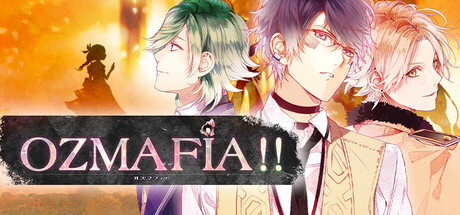
OZMAFIA!!
Enjoy a dramatic romance in this fairytale otome visual novel. Who will you decide to trust and fall in love with in this mysterious town where fairytales have become warring mafia famiglia? Explore this exciting world through a dozen routes and 20+ endings!
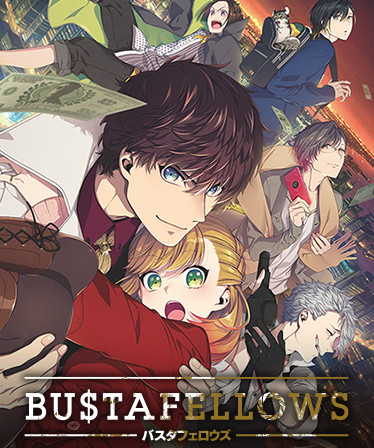
BUSTAFELLOWS
A new visual novel from the legendary eXtend! Mixing dangerous romance with murder mystery, BUSTAFELLOWS is a steamy noir mystery that will make you shiver but ask for more!

Cinderella Phenomenon - Otome/Visual Novel
The Fairytale Curse was only the beginning...
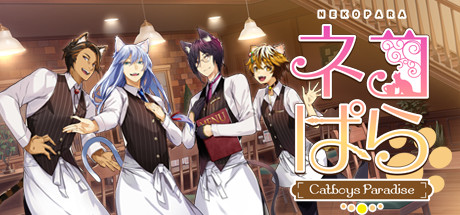
NEKOPARA - Catboys Paradise
When your grandfather passes away and you inherit his café, it's a tall task for anyone. But with the help of 4 talented catboys, Cafe Kin'uan is ready for business in NEKOPARA - Catboys Paradise!

Demonheart
Discover the secrets of the witches and demons in this dark fantasy romance game, featuring a female protagonist whose personality is completely up to the player thanks to extensive dialog choices.
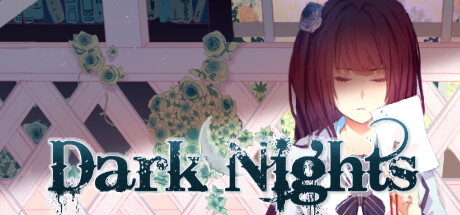
Dark Nights
Nothing is as it seems.
Frequently Asked Questions
Lost in Secular Love is currently priced at 9.99€ on Steam.
No, Lost in Secular Love is currently not on sale. You can purchase it for 9.99€ on Steam.
Yes, Lost in Secular Love received 440 positive votes out of a total of 505 achieving a rating of 8.14.
😎
Lost in Secular Love was developed and published by YETU GAME.
Yes, Lost in Secular Love is playable and fully supported on Windows.
No, Lost in Secular Love is not playable on MacOS.
No, Lost in Secular Love is not playable on Linux.
This information about Lost in Secular Love is not available yet.
This information about Lost in Secular Love is not available yet.
No, Lost in Secular Love does not support VR.
Lost in Secular Love is a single-player game.
Yes, there are 4 DLCs available for Lost in Secular Love. Explore additional content available for Lost in Secular Love on Steam.
No, Lost in Secular Love does not support mods via Steam Workshop.
No, Lost in Secular Love does not support Steam Remote Play.
Yes, Lost in Secular Love is enabled for Steam Family Sharing. This means you can share the game with authorized users from your Steam Library, allowing them to play it on their own accounts. For more details on how the feature works, you can read the original Steam Family Sharing announcement or visit the Steam Family Sharing user guide and FAQ page.
You can find solutions or submit a support ticket by visiting the Steam Support page for Lost in Secular Love.
Data sources
The information presented on this page is sourced from reliable APIs to ensure accuracy and relevance. We utilize the Steam API to gather data on game details, including titles, descriptions, prices, and user reviews. This allows us to provide you with the most up-to-date information directly from the Steam platform.
Additionally, we incorporate data from the SteamSpy API, which offers insights into game sales and player statistics. This helps us present a comprehensive view of each game's popularity and performance within the gaming community.
Last Updates| Steam data | 20 September 2026 09:19 UTC |
|---|---|
| SteamSpy data | 13 October 2026 14:11 UTC |
| Steam price | 27 October 2026 04:02 UTC |
| Steam reviews | 21 October 2026 10:12 UTC |
If you'd like to dive deeper into the details about Lost in Secular Love, we invite you to check out a few dedicated websites that offer extensive information and insights. These platforms provide valuable data, analysis, and user-generated reports to enhance your understanding of the game and its performance.
- SteamDB - A comprehensive database of everything on Steam about Lost in Secular Love
- SteamCharts - Analysis of Lost in Secular Love concurrent players on Steam
- ProtonDB - Crowdsourced reports on Linux and Steam Deck Lost in Secular Love compatibility

Game modes
Features
Online players
0
Developer
YETU GAME
Publisher
YETU GAME
Release
28 Oct 2016
Platforms