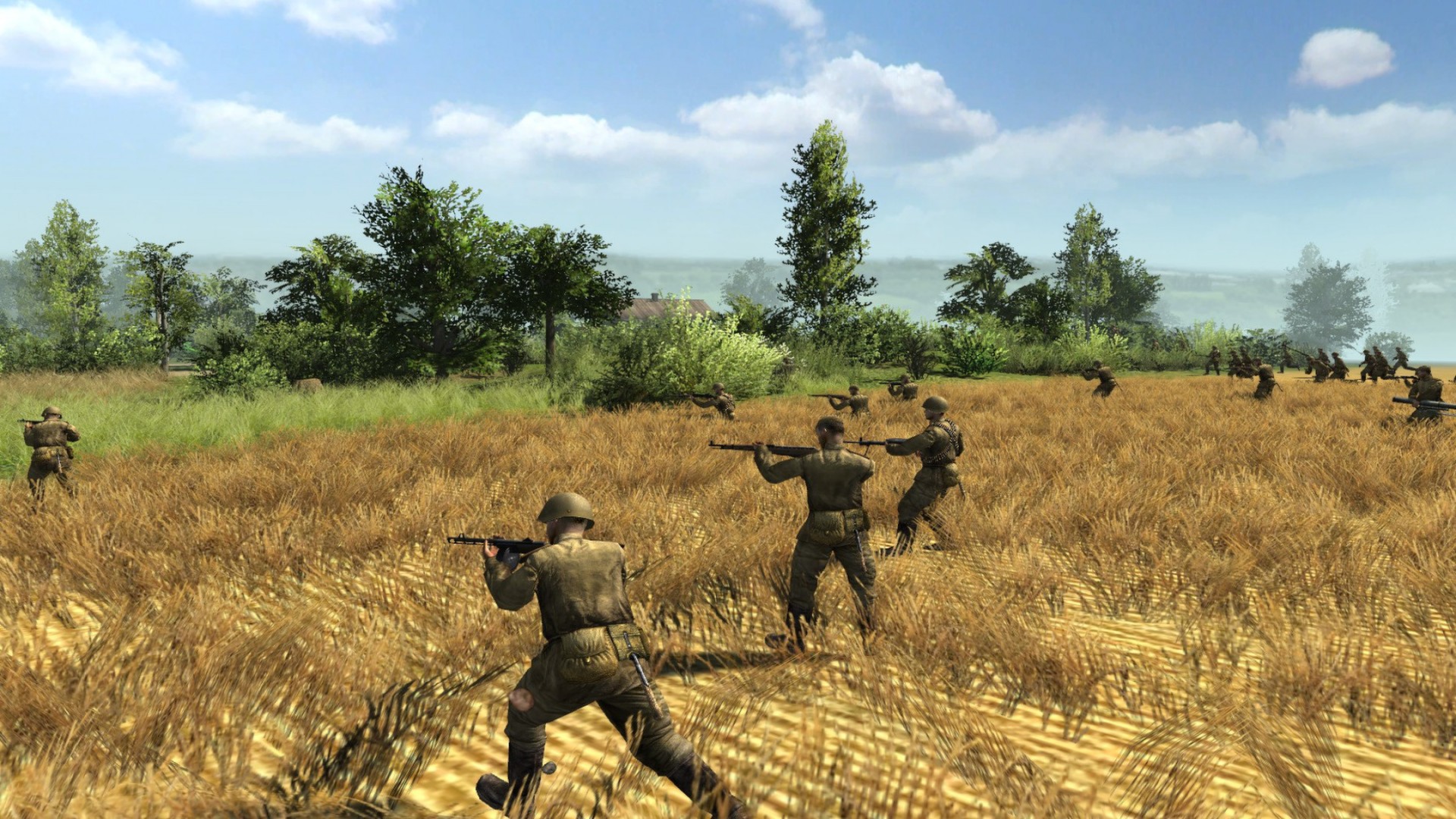
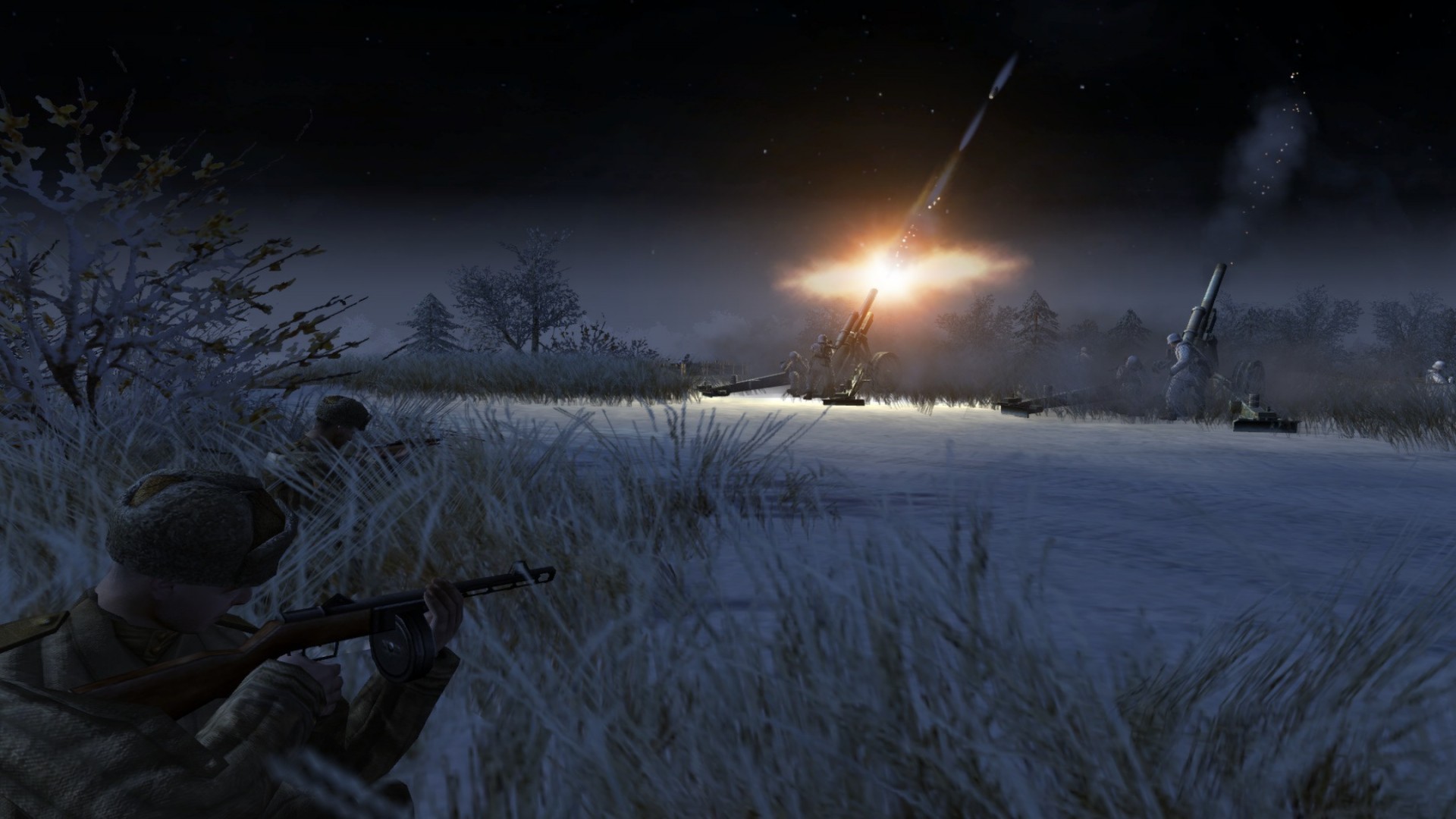
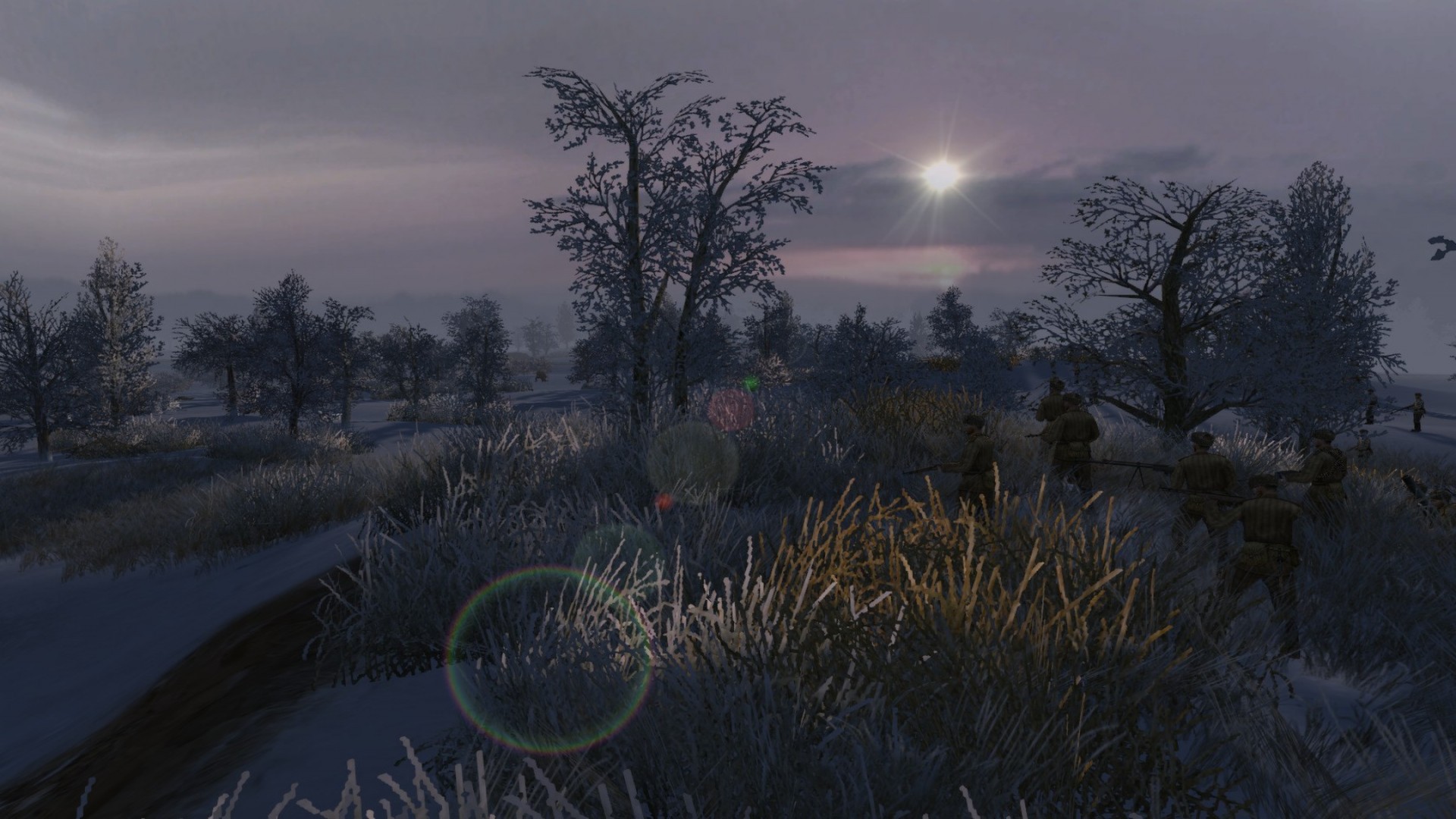
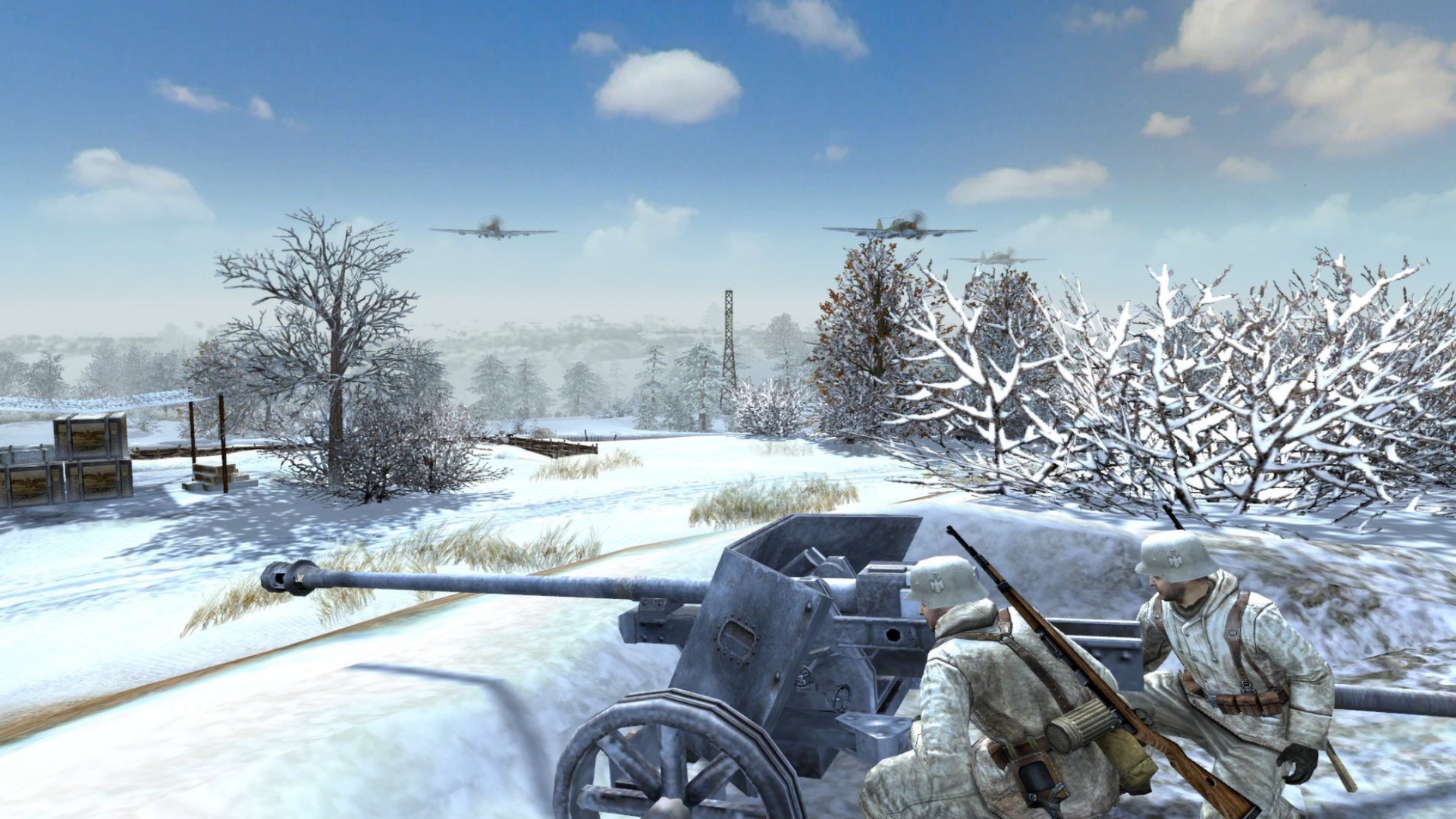
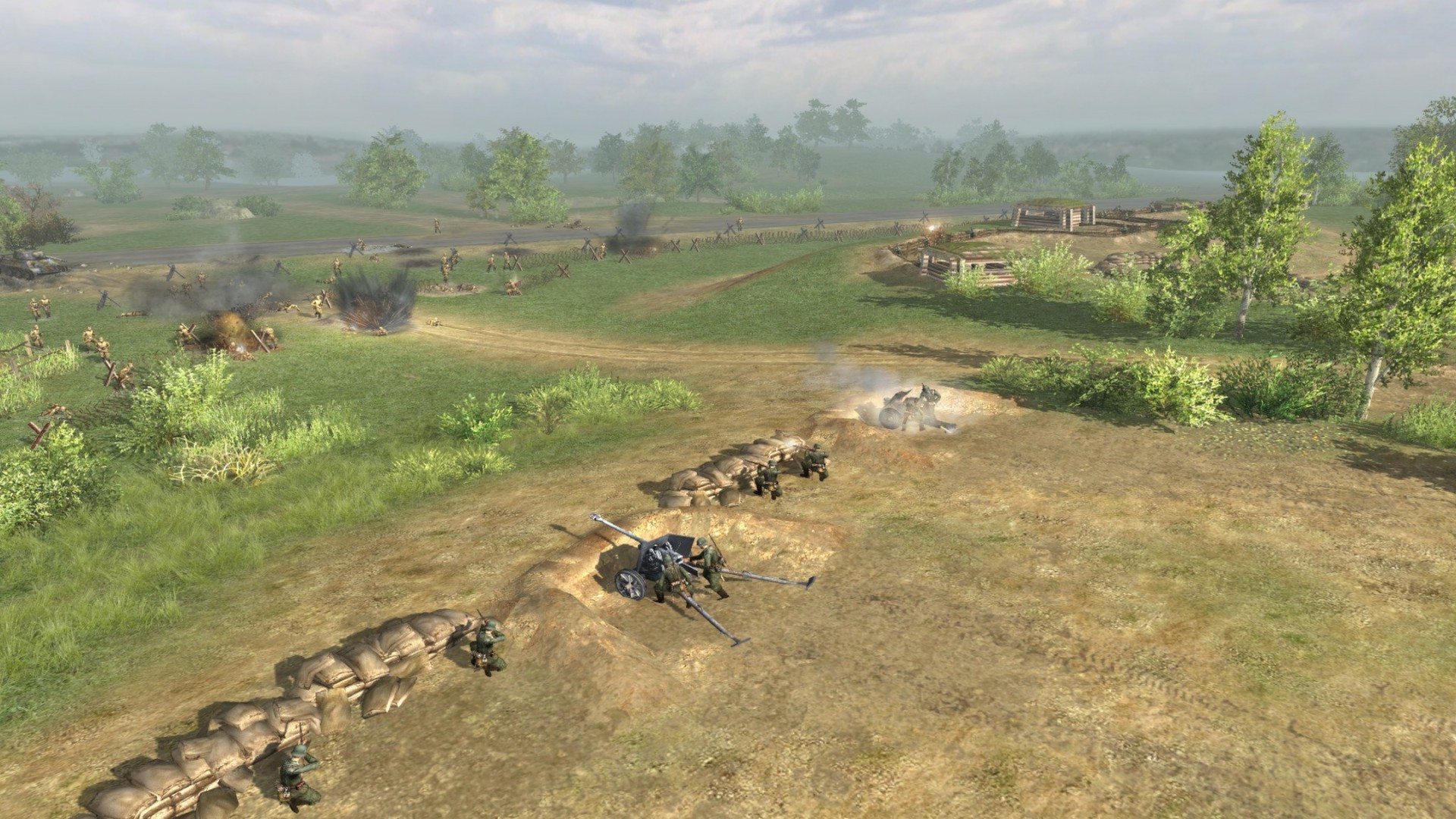
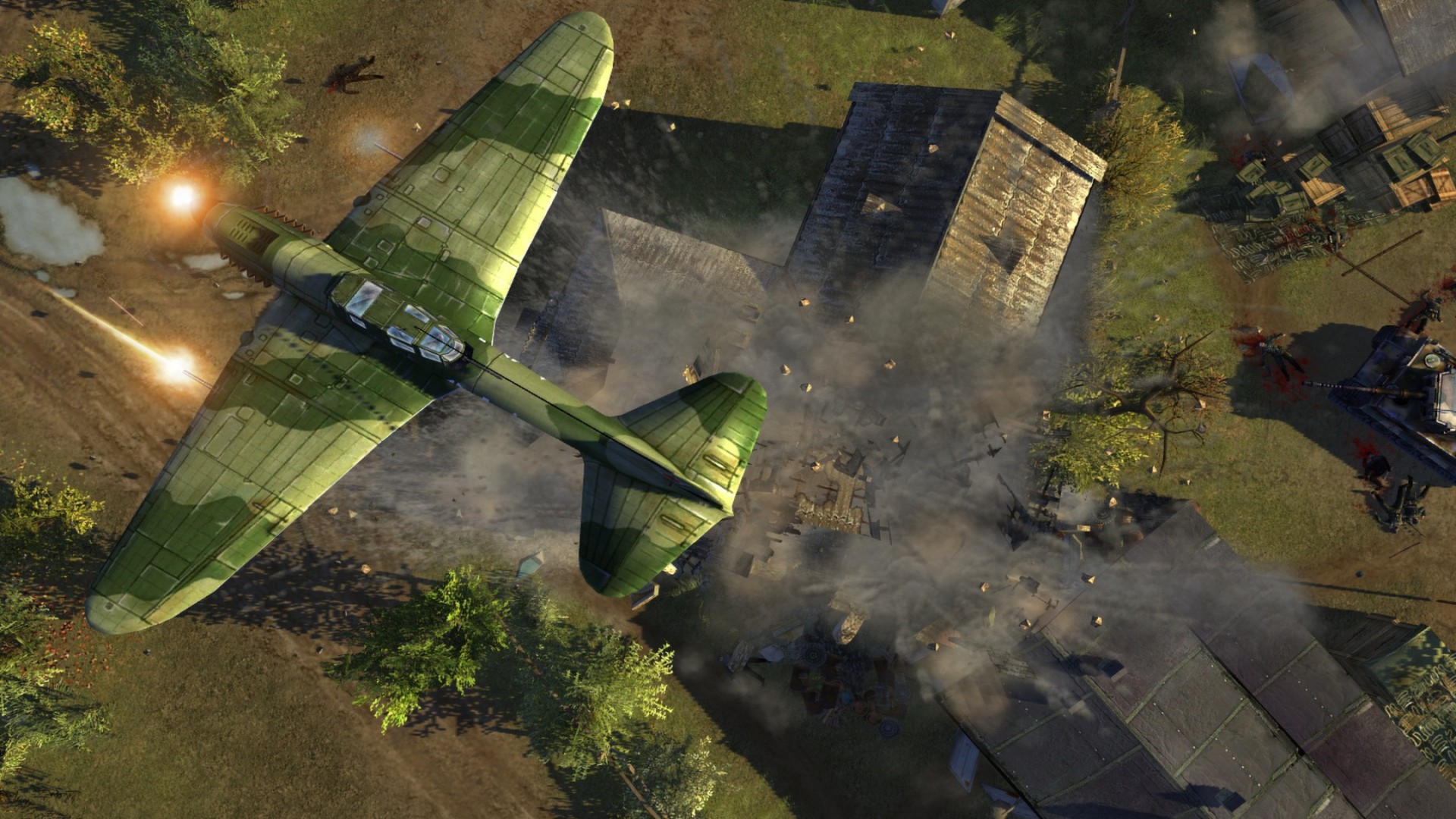
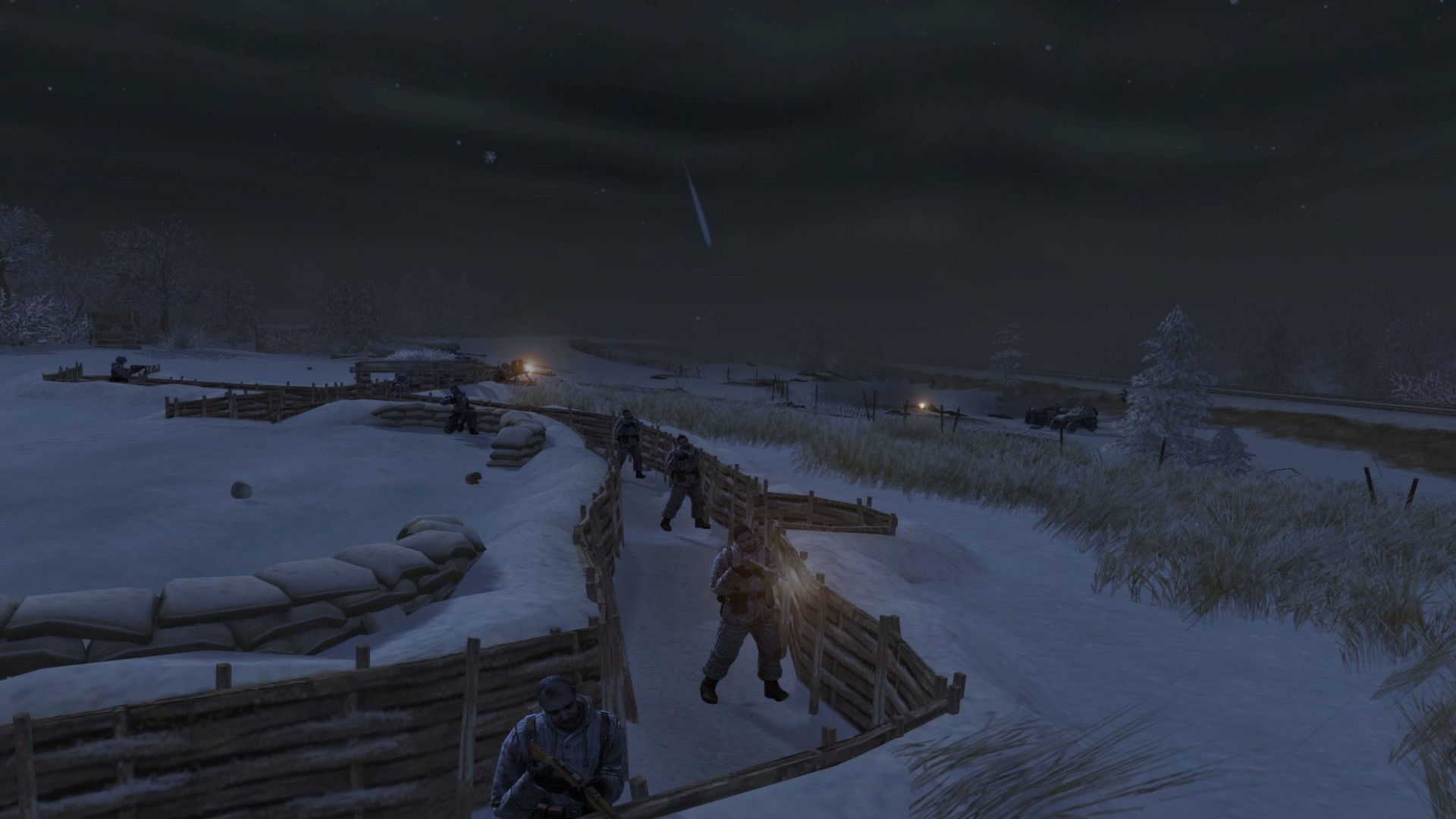
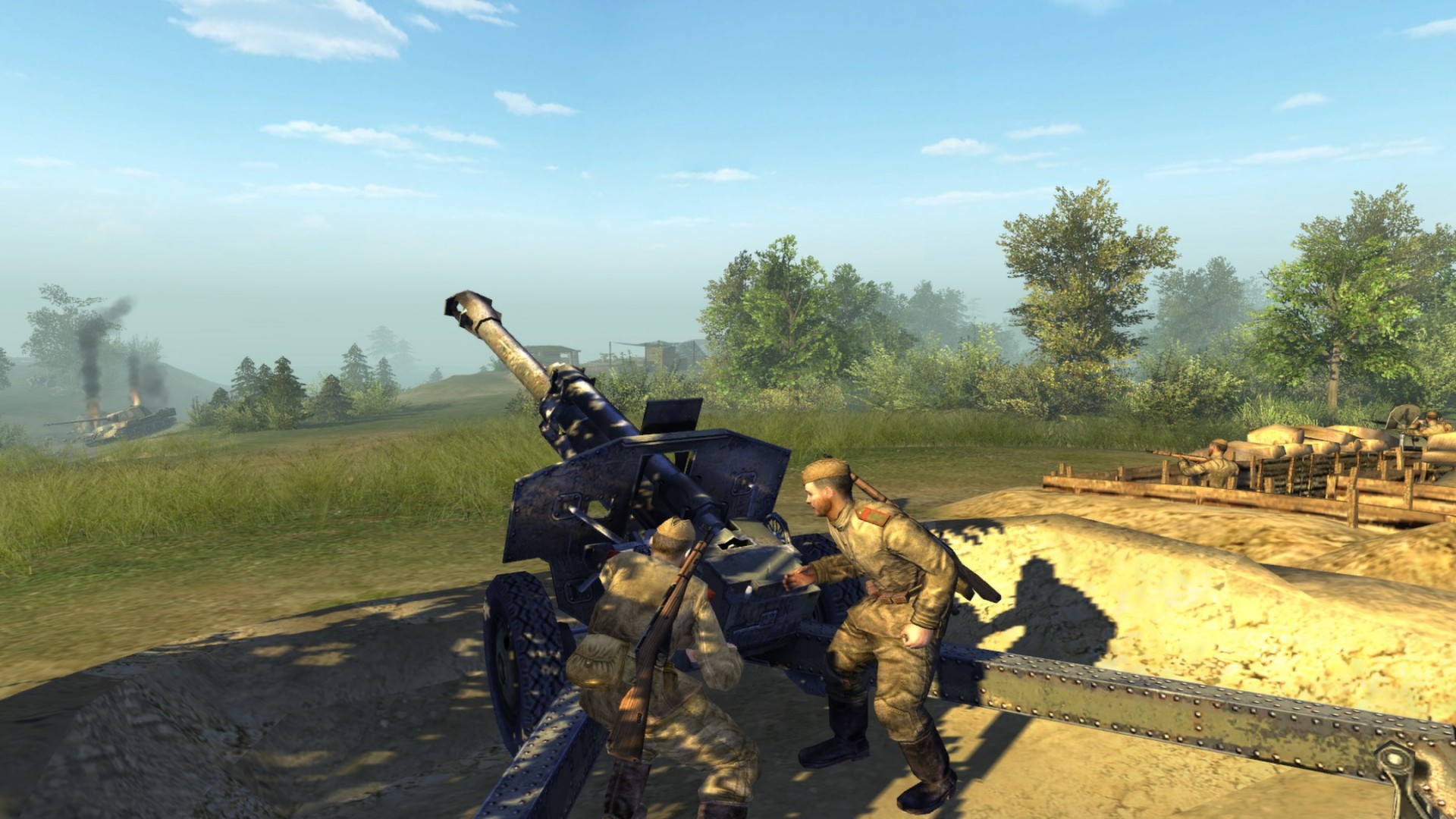
Men of War: Condemned Heroes, developed and published by Fulqrum Publishing, stands as one of the grittiest and most unforgiving entries in the long-running Men of War tactical series. Set on the Eastern Front of World War II, the game takes a daring narrative direction by placing players in command of the Soviet Union’s penal battalions—units composed of disgraced soldiers, political prisoners, and supposed traitors who are sent into the most dangerous missions as expendable assets. This concept alone gives the game a darker, more cynical tone than its predecessors, emphasizing the brutal realities of total war and the moral ambiguity of the Soviet regime. Released in 2012, Condemned Heroes builds upon the series’ established tactical mechanics but introduces few innovations, instead focusing on challenging scenarios designed to test even the most experienced players. At its core, the game maintains the hallmark gameplay that defines the Men of War series. Players control small squads of infantry and armored units across a series of large-scale, historically inspired missions, where precision, patience, and resource management are key. Each soldier can be micromanaged individually—you can command them to crawl, take cover, loot fallen enemies, or repair damaged vehicles. This micromanagement extends to an intricate inventory system, where ammunition, grenades, and equipment must be manually distributed, creating a sense of tension as every bullet and action carries weight. The “Direct Control” mechanic, a defining feature of the franchise, returns as well, allowing players to assume control of a single soldier or tank to manually aim and fire. This blend of real-time strategy and third-person shooter elements gives the gameplay an immediacy rarely seen in tactical war titles, rewarding skill and quick decision-making under fire. The campaign spans the years 1942 to 1945 and follows several penal battalions through a succession of suicidal operations against the German war machine. Each mission is designed to capture the hopelessness of the soldiers’ situation, often tasking the player with objectives that seem nearly impossible—holding out against superior forces, capturing fortified positions, or sabotaging heavily guarded installations. Thematically, this approach reinforces the game’s portrayal of the Soviet penal troops as men fighting not for glory, but for survival and redemption. However, it also contributes to one of the game’s most divisive characteristics: its punishing difficulty. The missions demand near-perfect coordination and ruthless efficiency; mistakes are costly, and reinforcements are scarce. This design choice makes Condemned Heroes an intense experience for those who enjoy methodical tactical challenges, but it can also alienate newcomers or players seeking a more forgiving experience. The game’s historical premise is both fascinating and grim. The penal battalions were a real part of Soviet military history, often made up of men who had been court-martialed or accused of cowardice and then forced into front-line service as punishment. By focusing on these “condemned heroes,” the game attempts to shed light on a lesser-known and morally complex aspect of the war. The story is told through mission briefings and between-level cutscenes that frame the soldiers as reluctant participants in a system that views them as disposable tools. Although the narrative lacks emotional depth compared to modern story-driven titles, it succeeds in creating a tone of fatalism and despair that complements the gameplay. This setting differentiates Condemned Heroes from other World War II games, offering a perspective rarely explored in mainstream strategy titles. Visually, the game shows its age even by the standards of its release year. Built on the same engine as its predecessors, it offers functional but unremarkable graphics. The environments are bleak and utilitarian, filled with muddy trenches, bombed-out villages, and wintry battlefields that reflect the brutality of the Eastern Front. The level of detail in destructible environments remains impressive—buildings can be leveled by artillery, and cover dynamically degrades during combat, forcing constant adaptation. However, the animations and textures are dated, and technical quirks such as pathfinding issues and inconsistent AI behavior occasionally break immersion. The sound design fares better, with authentic weapon effects, radio chatter, and a fittingly somber soundtrack that underscores the hopeless atmosphere. From a design standpoint, Condemned Heroes is both a strength and a liability for the Men of War series. On one hand, it delivers the deep tactical gameplay and realism that long-time fans expect. The ability to control each soldier in granular detail, to position tanks with precision, and to manage logistics gives it a level of authenticity few other war games attempt. On the other hand, it suffers from repetitiveness and a lack of meaningful evolution from earlier entries. Many missions rely on similar objectives—capture this stronghold, defend this position, destroy that artillery—without much variation in pacing or structure. The difficulty spikes can also feel unbalanced, with some scenarios bordering on trial-and-error design rather than rewarding strategic foresight. Players who master the system may find satisfaction in overcoming these odds, but others will likely find the frustration outweighs the reward. Despite its flaws, there is something uniquely compelling about Men of War: Condemned Heroes. It is unapologetically grim, unrelenting in tone, and mechanically demanding. It doesn’t romanticize war or offer heroics—instead, it immerses players in the chaos and futility of battles fought by men already doomed. The game’s focus on authenticity and micro-level tactics remains admirable, even if the aging engine and lack of innovation hold it back from greatness. Its audience is narrow, aimed squarely at veterans of the series or players with a taste for realism and challenge over accessibility. In the end, Condemned Heroes stands as a rough but honest depiction of one of the harshest sides of World War II. It captures the futility, fear, and determination of soldiers trapped in a system that values obedience over humanity. The gameplay is methodical, the stakes are high, and the atmosphere is soaked in tension. While it may not reach the cinematic flair or polish of modern strategy games, its uncompromising realism and emotional weight ensure it remains a noteworthy chapter in the Men of War series—a game that demands respect for both its ambition and its brutality. Rating: 7/10
Expand the review