
Sherlock Holmes and The Hound of The Baskervilles
Help Sherlock Holmes, the famed detective, investigate the legend of a supernatural hound on the fog-shrouded moorland in England of the 19th century. Immerse yourself into the dangerous world of diabolical curse and discover the truth of the monstrous creature.
Sync your Steam wishlist to find the lowest game prices instantly. No login required, just paste your Steam profile URL!
⚡ Try Wishlist Radar!
Sync your Steam wishlist to find the lowest game prices instantly. No login required!
⚡ Try Wishlist Radar!
Close

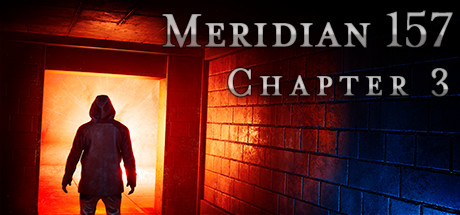
Meridian 157: Chapter 3 on Steam
Quick menu
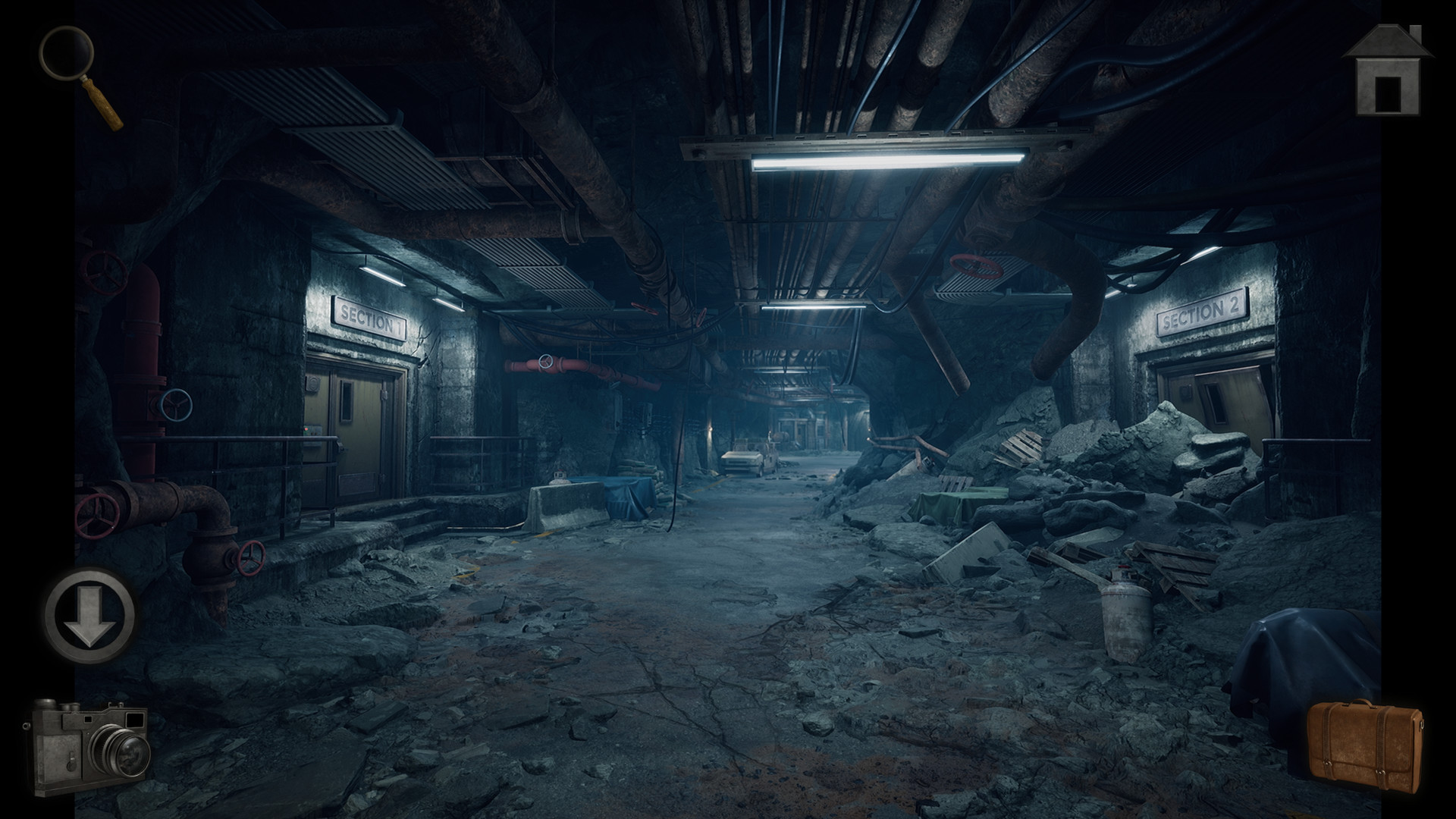
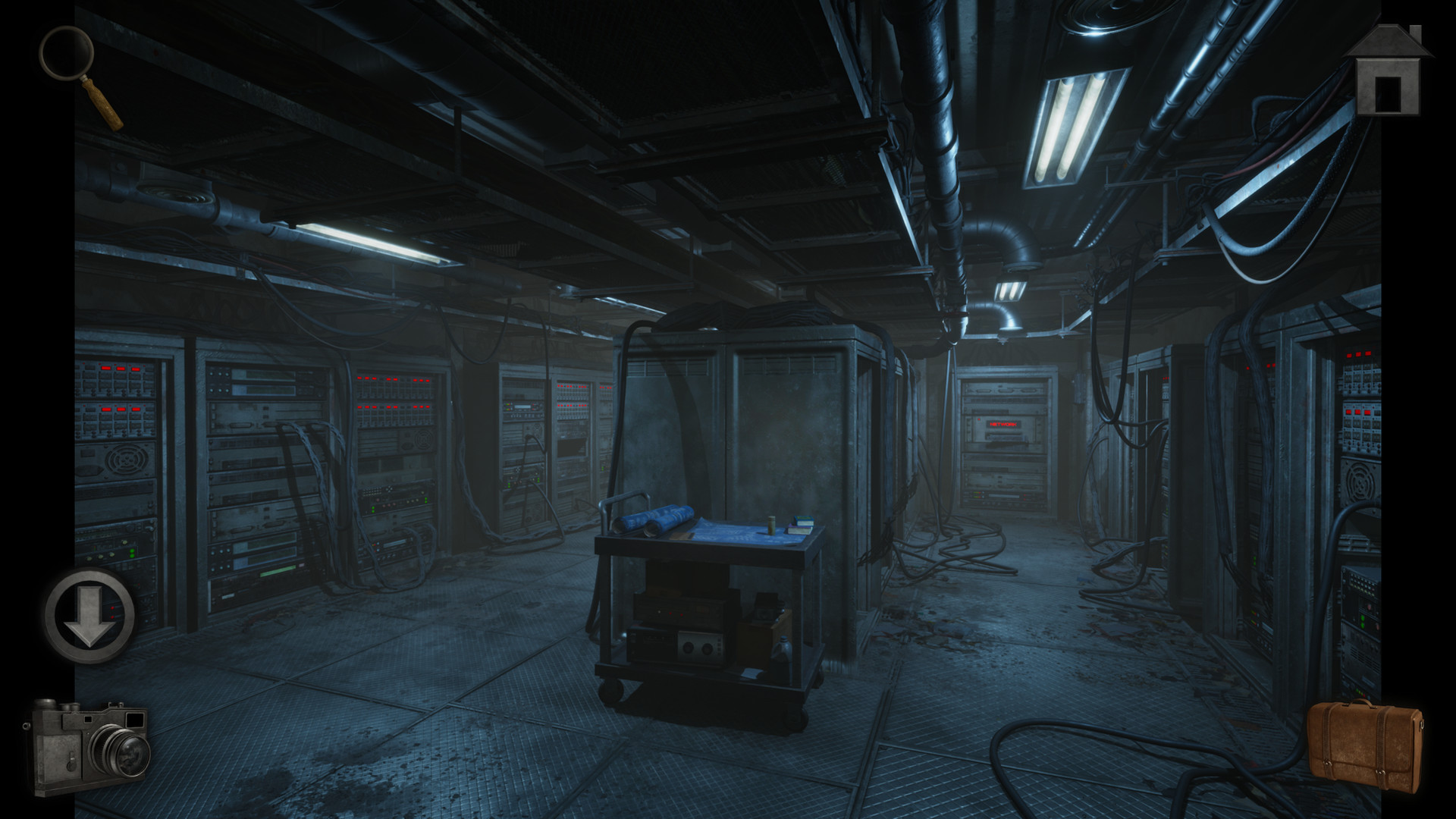
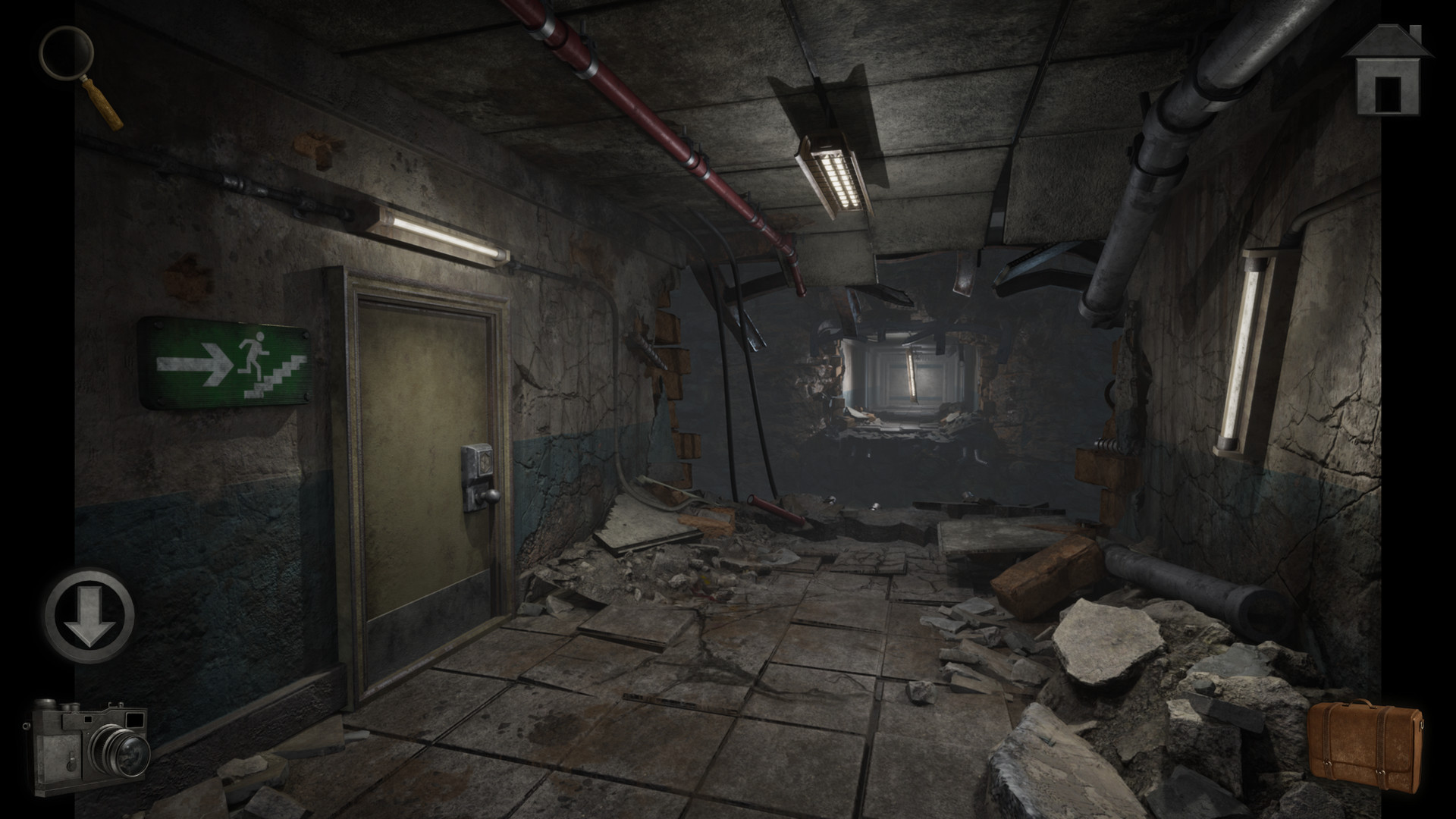
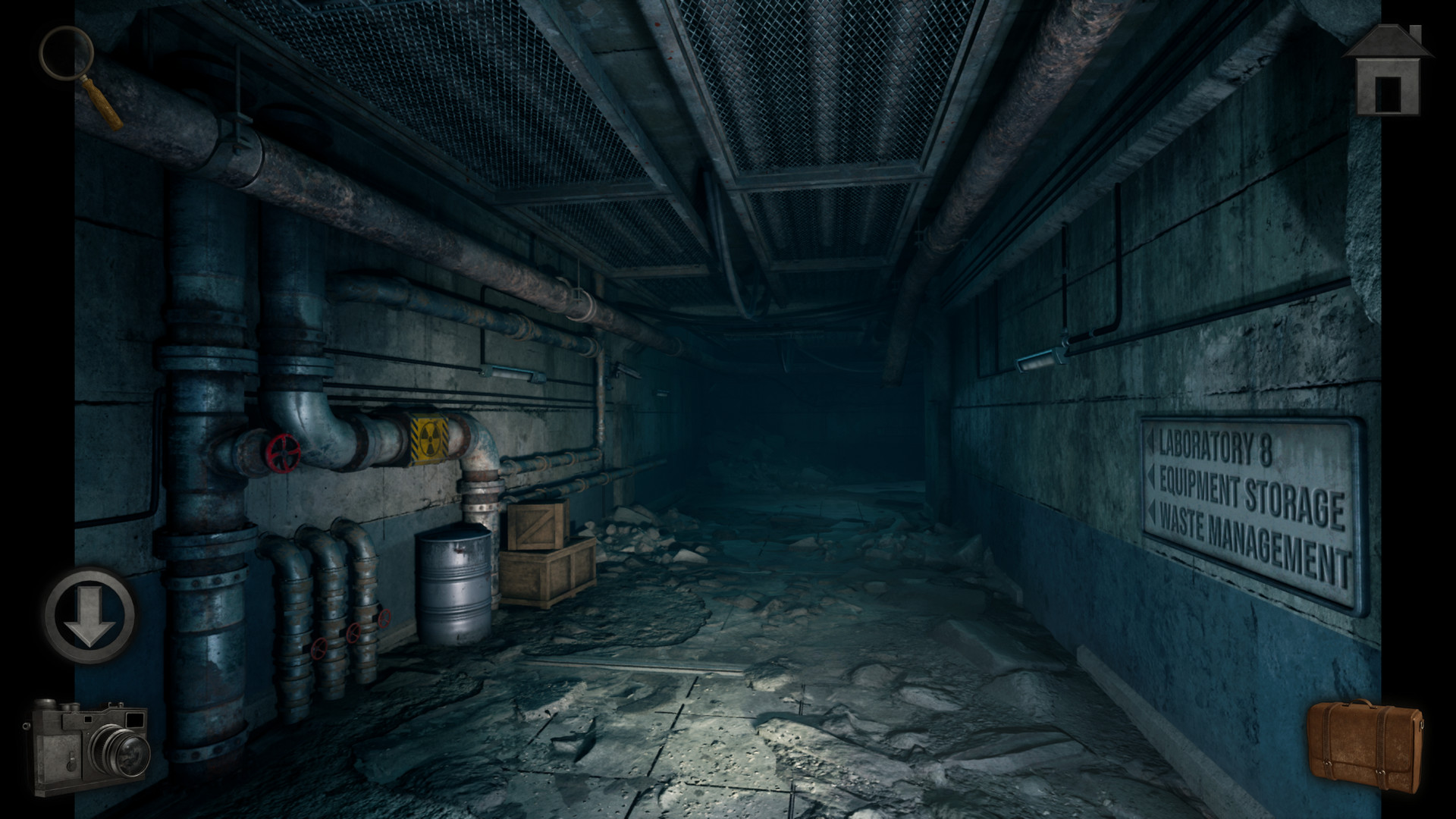
You have ventured this far, now there is no turning back. Uncover the island’s dark history by travelling through crumbling caverns and mysterious laboratories, but be warned, some may not be too welcoming of your presence…
Meridian 157: Chapter 3 is a adventure, casual and puzzle game
developed and published by NovaSoft Interactive Ltd..
Released on July 29th 2021 is available on Windows and MacOS.
It has received 317 reviews of which 308 were positive and 9 were negative resulting in a rating of 8.9 out of 10. 😎
The game is currently priced at 5.89€ on Steam.
The Steam community has classified Meridian 157: Chapter 3 into these genres:
Media & Screenshots
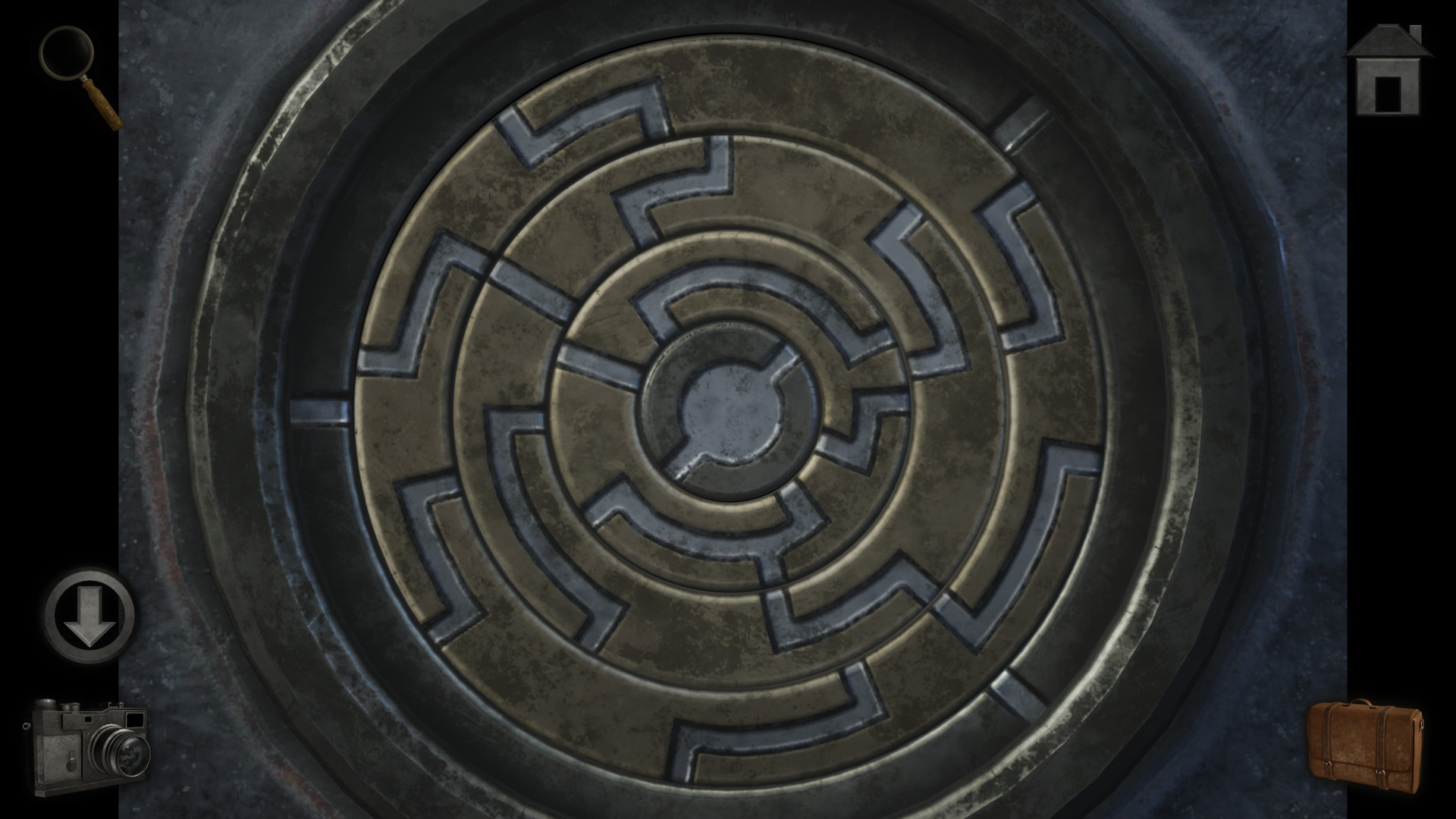
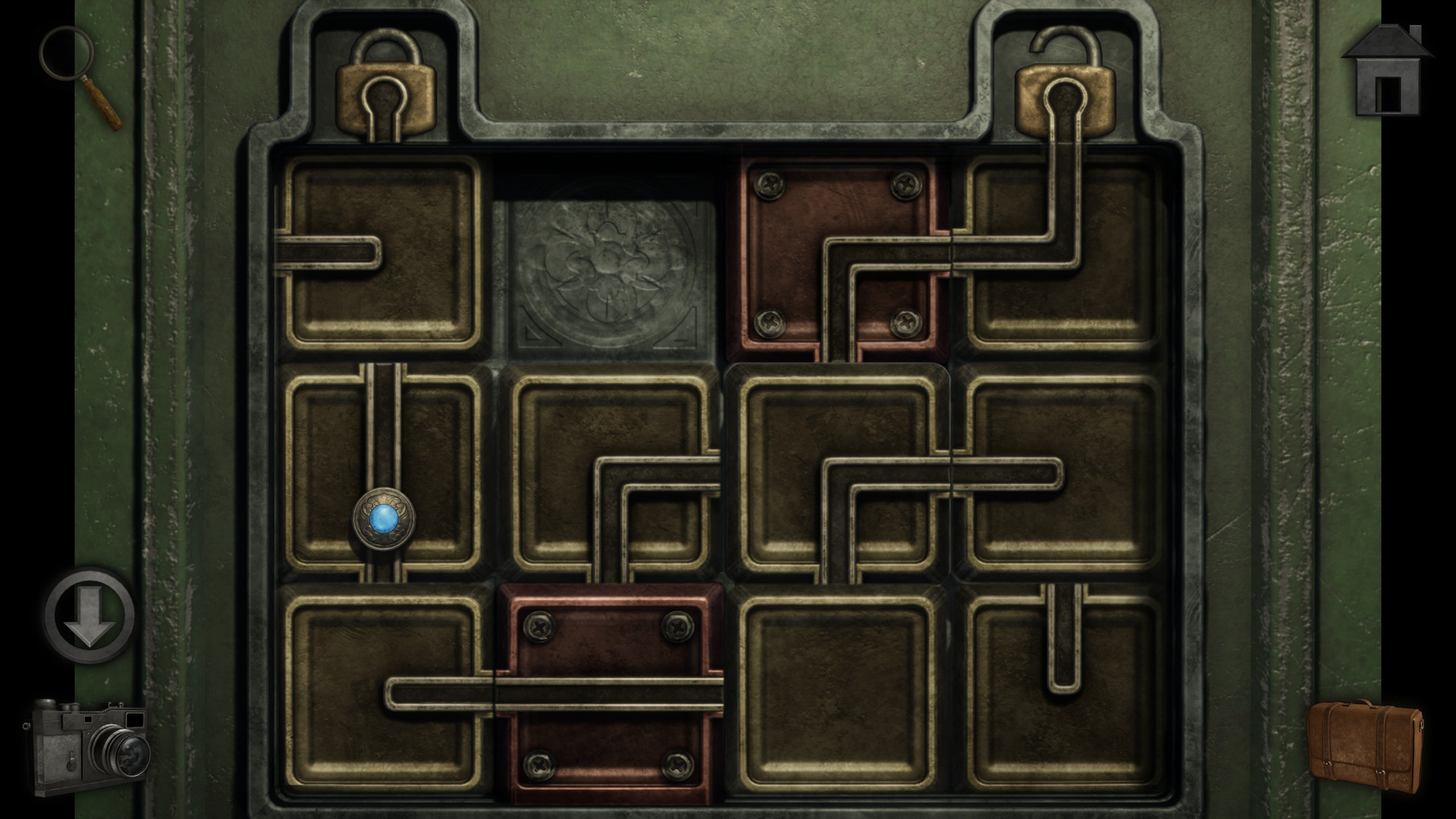
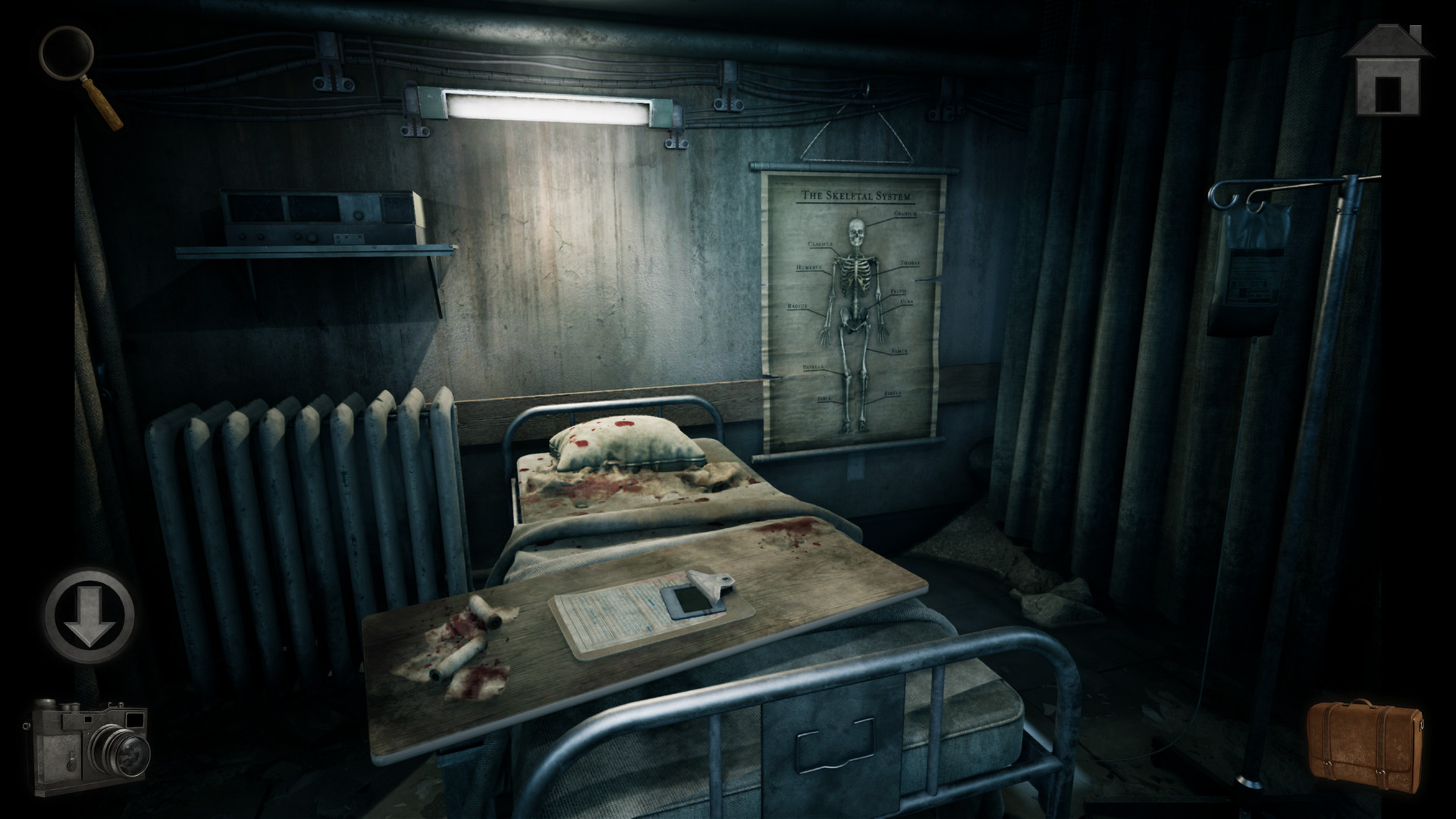
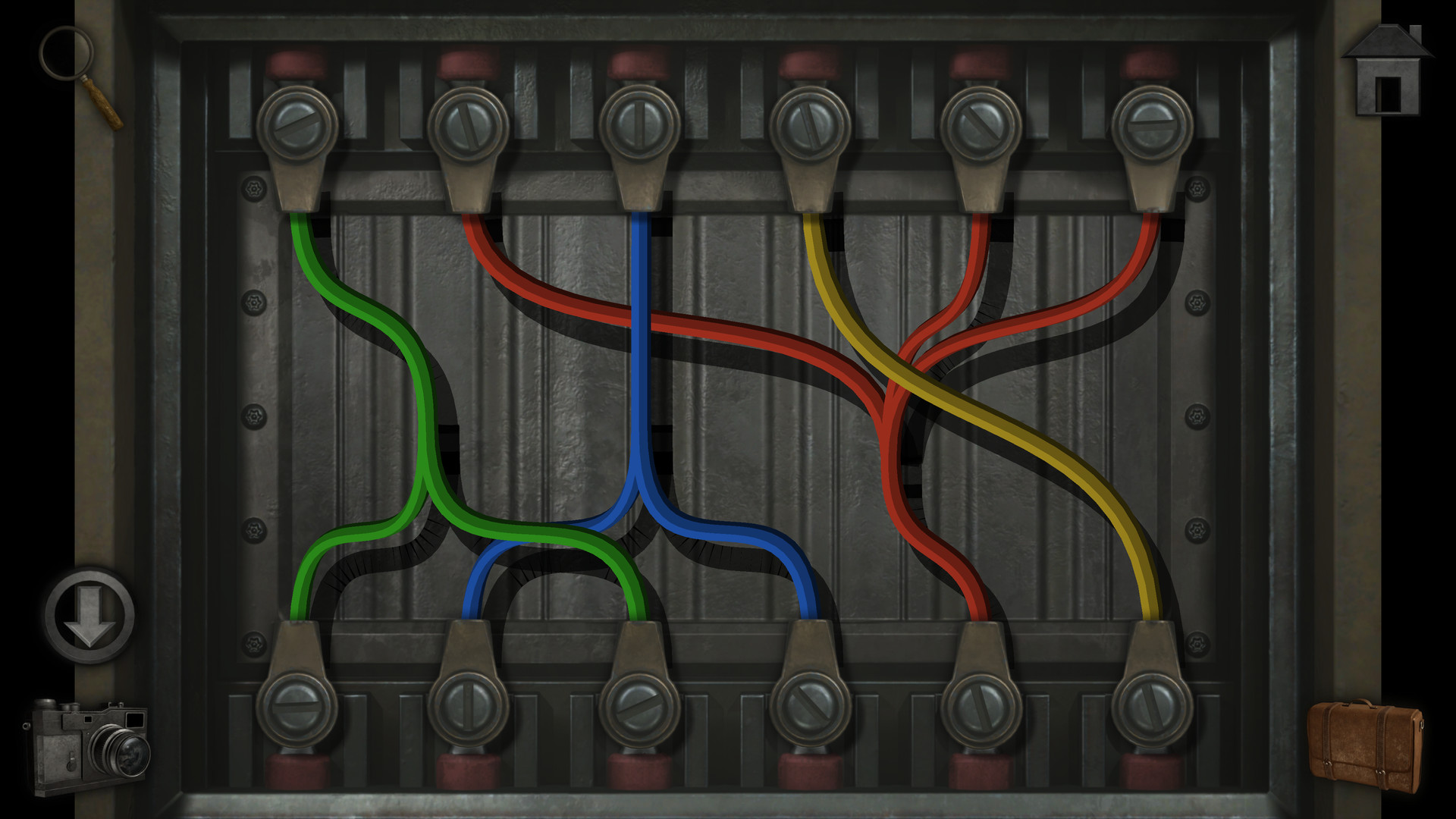
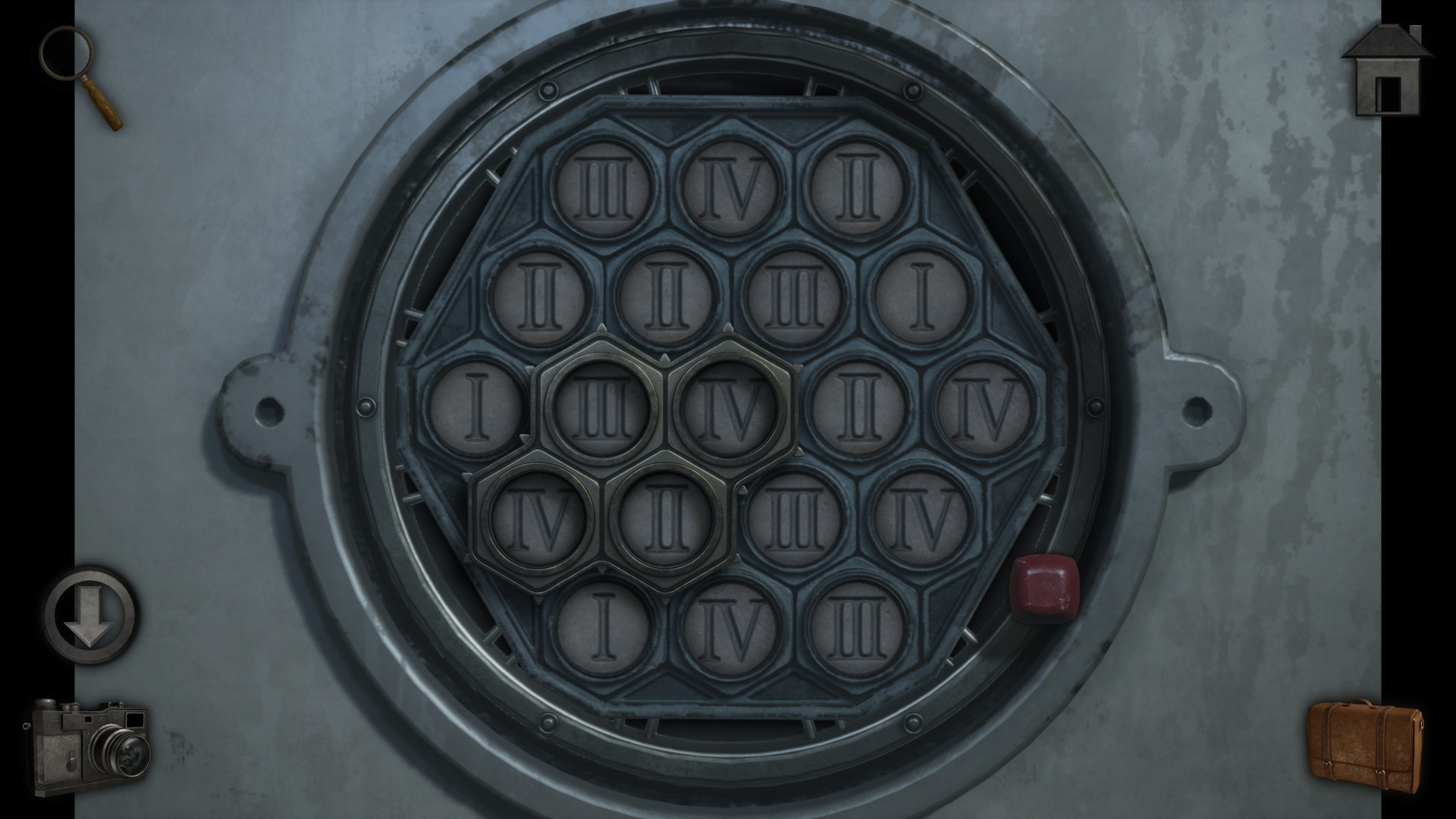
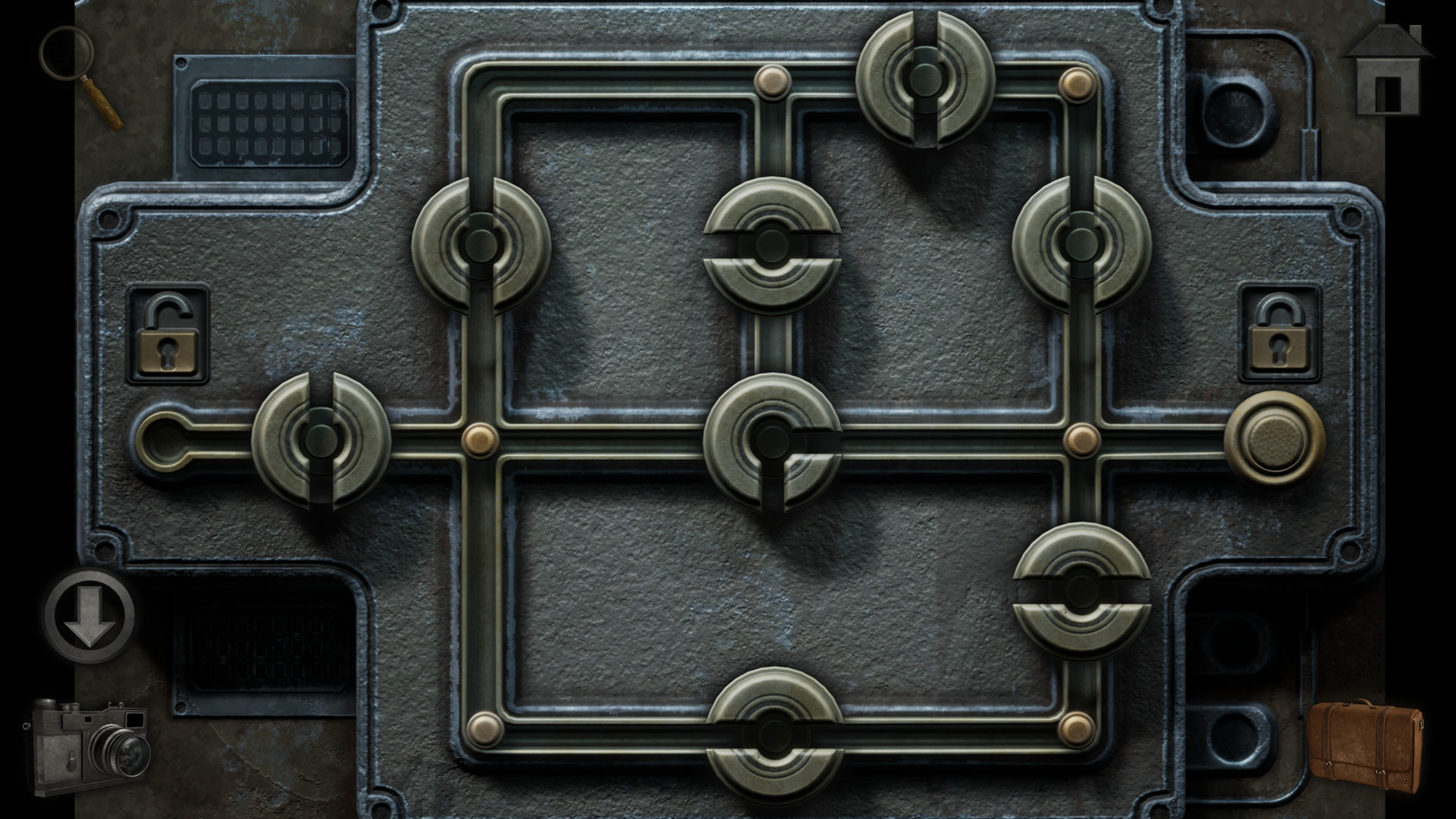
Get an in-depth look at Meridian 157: Chapter 3 through various videos and screenshots.
Load More
System requirements
These are the minimum specifications needed to play the game. For the best experience, we recommend that you verify them.
Windows
- OS *: Windows 7 or higher
- Processor: Dual Core with Hyper-Threading
- Memory: 2 GB RAM
- Graphics: Intel Iris Pro Graphics
- Storage: 2 GB available space
MacOS
- OS: macOS 10.11 or higher
- Processor: Dual Core with Hyper-Threading
- Memory: 2 GB RAM
- Graphics: Intel Iris Pro Graphics
- Storage: 2 GB available space
Steam Price & Best Deals
User reviews & Ratings
Explore reviews from Steam users sharing their experiences and what they love about the game.
I'm leaving the same review for all four games in the series (Prologue + Chapters 1-3) since each successive entry is the continuation of those preceding it and nothing significantly separates any installment in terms of gameplay or quality. On a scale of 0 to 10, where 0 represents Sierra Online/LucasArts-style "moon logic" nonsense and 10 represents pure logic puzzles solvable through careful observation, investigation, and deduction, Meridian 157 scores a respectable 8/10. In terms of execution of those puzzles, however, it's a generous 6/10. While generally logical and fair, NovaSoft values quantity over quality and the result feels more like a puzzle gauntlet than a puzzle game. My overall opinion is still positive, however, if you're looking for an immersive experience filled with engaging, creative puzzles that are integrated, organic extensions of the world and whose solutions drive both the narrative and your understand that world, you're going to be disappointed. Try Dark Fall: The Journal instead. On the other hand, if your primary interest lies with the puzzles themselves - and the more the merrier! - while the world around them is of distant concern, Meridian is the perfect game for you. Mind you I'm not judging, I still (mostly) had fun myself, but it's a Point & Click Adventure that delivers plenty of the first and the second but is devoid of the third. It's not a world you find yourself curious about and wishing to explore, because NovaSoft never gives it a chance to breathe and exist on its own. It exists solely to present puzzles to the player at a breakneck pace, and while you're always presented with multiple puzzles at any given time, solutions are delivered in a strictly linear fashion from the very beginning of the Prologue till the very end of Chapter 3. Solving Puzzle A allows you to solve B allows you to solve C allows you to solve D, etc. ad nauseam. That narrative incongruity - the facility you're exploring should not exist is such an obviously contrived state - combined with puzzles that simply do not belong within the world, like a fire extinguisher locked behind a complex sliding-block puzzle, constantly pulls you out of the experience and ruins any sense of immersion. This isn't a sophisticated game where you're solving puzzles to gain a better understanding of the world, an understanding that informs where you need to go, how you are to get there, and why you should continue forward; you're going wherever the chain of puzzles takes you, you get there by solving the next puzzle in the chain, and you continue because the chain isn't finished. Like a donkey following a carrot on a string.
If you like puzzle exploration games, the Meridian 157 trilogy checks all the boxes. It is how puzzle exploration games should be. No jump scares, no blathering dialog, a good hint system if needed, and just plain fun. You can exit the game whenever you want and start up exactly where you left off, you don't even have to deal with a save game list. The camera for photographing clues is great. Also the camera memory is limited so it forces you to clear out what you don't need anymore to store new clues.
I had quit playing games for several years, came across Meridian 157 thinking I can do this. I absolutely loved the game, loved the graphics and am happy to say I finished it. I started the game at 79 yrs. old, had a birthday this past week, so, I finished it at 80. lol This game was VERY difficult for me but I loved it and would recommend it!
The game is ok as a point and click adventure, the downside is that there is no logical sequence to the puzzles which the player has to solve along the way. The hints to the puzzles are mostly found within the existing scenes of the game itself, e.g. solution to a lock is found hinted on a poster on the wall, or scattered cards on the table....which if you stop and think, does not make sense. Even an important tool at the end is locked behind a puzzle. It is still playable to pass time if you like to solve puzzles which are not difficult but rely heavily on graphical hints.
Similar games
View all
Myst III: Exile
The story of Myst continues in this third entry of the series, originally released in 2001. Return to this strange and wondrous universe, where books become portals into worlds, and where the lessons of the past may yet hold meaning for today...

100 hidden dogs
Hidden object game in the alien setting. Black and white hand-drawn graphics in a cartoon style. A large location and cute dogs.

Please, Touch The Artwork 2
A handpainted cozy hidden object adventure. Explore a surreal world. Collect items for its quirky inhabitants. Fix damaged paintings and solve casual puzzles. Help a lost skeleton painter find his way home. This game is short but 100% FREE (no ads, no IAP).

Lost Lands: The Golden Curse Collector's Edition
Lost Lands: the Golden Curse is an adventurous hidden object game-quest with puzzles and mini-games scattered through the boundless spaces of the fantasy world – from the volcano valleys to the Druid forest, from the deep caves to the floating islands.
Machinika: Atlas
Machinika: Atlas is an indie puzzle game and is the direct sequel to Machinika: Museum, you play as a museum researcher who just land on Atlas. Will you unravel the mysteries of the alien vessel? Solve cryptic puzzles to find out what happened!

Adam Wolfe
Acting as Adam Wolfe, an investigator of the paranormal, you will discover a hidden world under the modern San Francisco. In this city, ghosts, artifacts, secret orders and curses are just some of the things that Adam will come across working on his most important case.

Brink of Consciousness: Dorian Gray Syndrome Collector's Edition
To free your beloved from captivity, you must venture into a maniacal world in this Special Collector's Edition of BRINK OF CONCIOUSNESS: DORIAN GRAY SYNDROME; an immersive tale of chilling surprise that's chock full of extras including bonus gameplay, concept art, soundtrack, and much more!

Sinister City
Who would name their town Sinister City? Vampires, of course! When John discovers his bride-to-be has been kidnapped by Sinister City's number one bloodsucker, there's only one thing to do - search for hidden objects! And kill vampires! Or at least insult them until they give your girl back.

Alchemy Mysteries: Prague Legends
Follow orphan Eva on a trip to mystical Prague in Alchemy Mysteries: Prague Legends.

Frankenstein: Master of Death
Victor Frankenstein, an old friend and a brilliant scientist has managed to resurrect the dead! However the border between life and death is fragile and Victor has learned the hard way that this balance should not be tempered with...
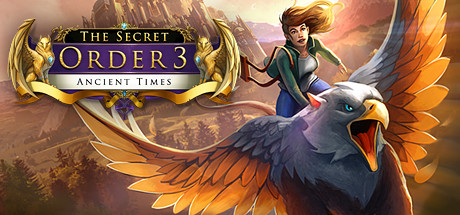
The Secret Order 3: Ancient Times
Find a way to destroy the ancient artifacts!
Frequently Asked Questions
Meridian 157: Chapter 3 is currently priced at 5.89€ on Steam.
No, Meridian 157: Chapter 3 is currently not on sale. You can purchase it for 5.89€ on Steam.
Yes, Meridian 157: Chapter 3 received 308 positive votes out of a total of 317 achieving a rating of 8.88.
😎
Meridian 157: Chapter 3 was developed and published by NovaSoft Interactive Ltd..
Yes, Meridian 157: Chapter 3 is playable and fully supported on Windows.
Yes, Meridian 157: Chapter 3 is playable and fully supported on MacOS.
No, Meridian 157: Chapter 3 is not playable on Linux.
No, Meridian 157: Chapter 3 is not playable on Steam Deck.
This information about Meridian 157: Chapter 3 is not available yet.
No, Meridian 157: Chapter 3 does not support VR.
Meridian 157: Chapter 3 is a single-player game.
No, Meridian 157: Chapter 3 does not currently offer any DLC.
No, Meridian 157: Chapter 3 does not support mods via Steam Workshop.
No, Meridian 157: Chapter 3 does not support Steam Remote Play.
Yes, Meridian 157: Chapter 3 is enabled for Steam Family Sharing. This means you can share the game with authorized users from your Steam Library, allowing them to play it on their own accounts. For more details on how the feature works, you can read the original Steam Family Sharing announcement or visit the Steam Family Sharing user guide and FAQ page.
You can find solutions or submit a support ticket by visiting the Steam Support page for Meridian 157: Chapter 3.
Data sources
The information presented on this page is sourced from reliable APIs to ensure accuracy and relevance. We utilize the Steam API to gather data on game details, including titles, descriptions, prices, and user reviews. This allows us to provide you with the most up-to-date information directly from the Steam platform.
Additionally, we incorporate data from the SteamSpy API, which offers insights into game sales and player statistics. This helps us present a comprehensive view of each game's popularity and performance within the gaming community.
Last Updates| Steam data | 18 September 2026 20:34 UTC |
|---|---|
| SteamSpy data | 22 October 2026 03:01 UTC |
| Steam price | 27 October 2026 03:30 UTC |
| Steam reviews | 19 October 2026 22:03 UTC |
If you'd like to dive deeper into the details about Meridian 157: Chapter 3, we invite you to check out a few dedicated websites that offer extensive information and insights. These platforms provide valuable data, analysis, and user-generated reports to enhance your understanding of the game and its performance.
- SteamDB - A comprehensive database of everything on Steam about Meridian 157: Chapter 3
- SteamCharts - Analysis of Meridian 157: Chapter 3 concurrent players on Steam
- ProtonDB - Crowdsourced reports on Linux and Steam Deck Meridian 157: Chapter 3 compatibility
Game modes
Features
Online players
1
Developer
NovaSoft Interactive Ltd.
Publisher
NovaSoft Interactive Ltd.
Release
29 Jul 2021
Platforms