
Moving Out
Moving Out is a ridiculous physics-based moving simulator that brings new meaning to "couch co-op"! Are you ready for an exciting career in furniture? As a newly certified Furniture Arrangement & Relocation Technician, you’ll take on moving jobs all across the busy town of Packmore.
Sync your Steam wishlist to find the lowest game prices instantly. No login required, just paste your Steam profile URL!
⚡ Try Wishlist Radar!
Sync your Steam wishlist to find the lowest game prices instantly. No login required!
⚡ Try Wishlist Radar!
Close

My Coworker is an Idiot on Steam
Quick menu
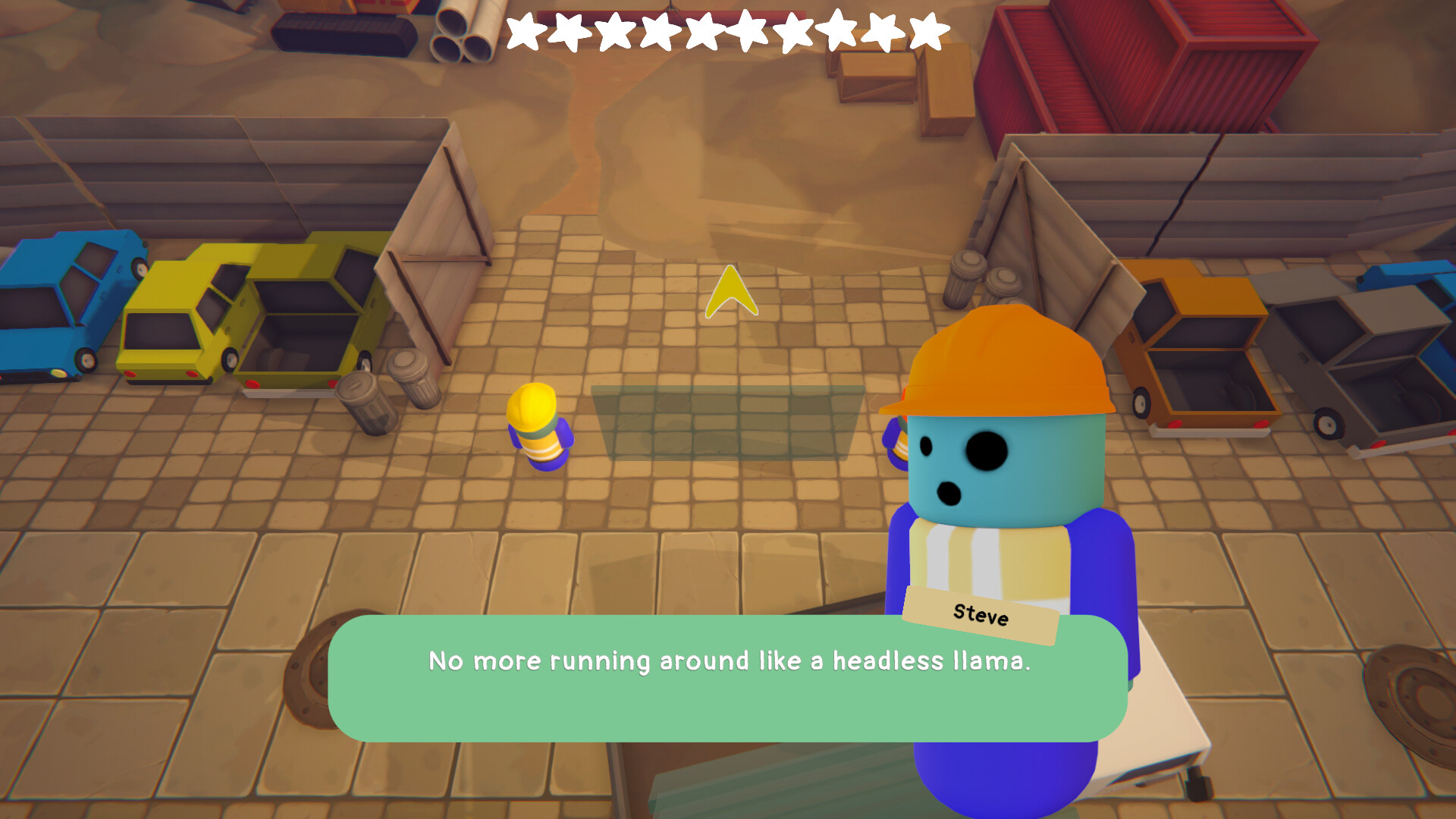
Together with Steve, your coworker, deliver glass to the construction site. Try not to damage the city too much.
My Coworker is an Idiot is a action, casual and simulation game
developed and published by Manic Hyena.
Released on December 08th 2022 is available only on Windows.
It has received 485 reviews of which 389 were positive and 96 were negative resulting in a rating of 7.6 out of 10. 😊
The game is currently priced at 1.99€ on Steam.
The Steam community has classified My Coworker is an Idiot into these genres:
Media & Screenshots
Get an in-depth look at My Coworker is an Idiot through various videos and screenshots.

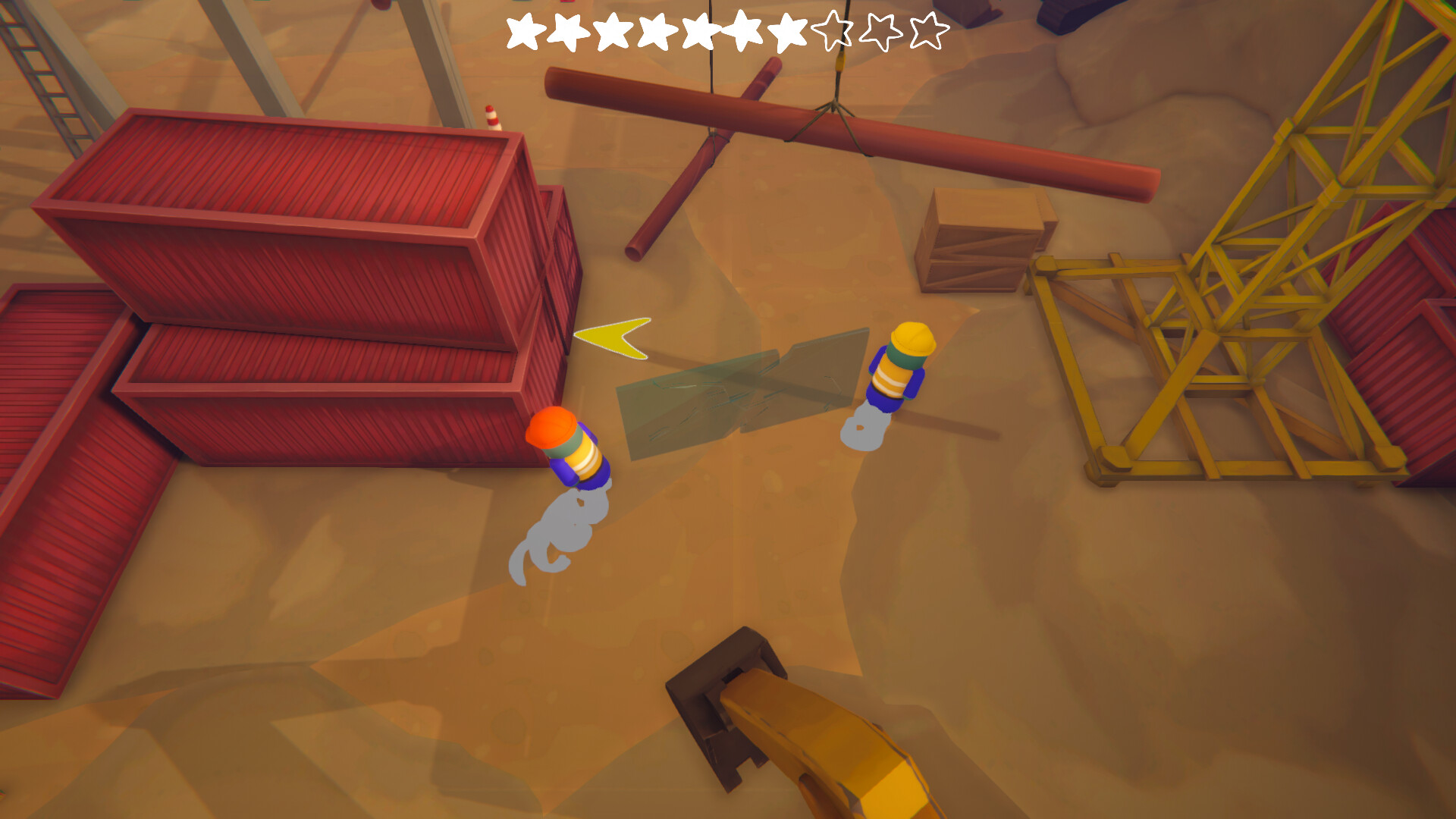
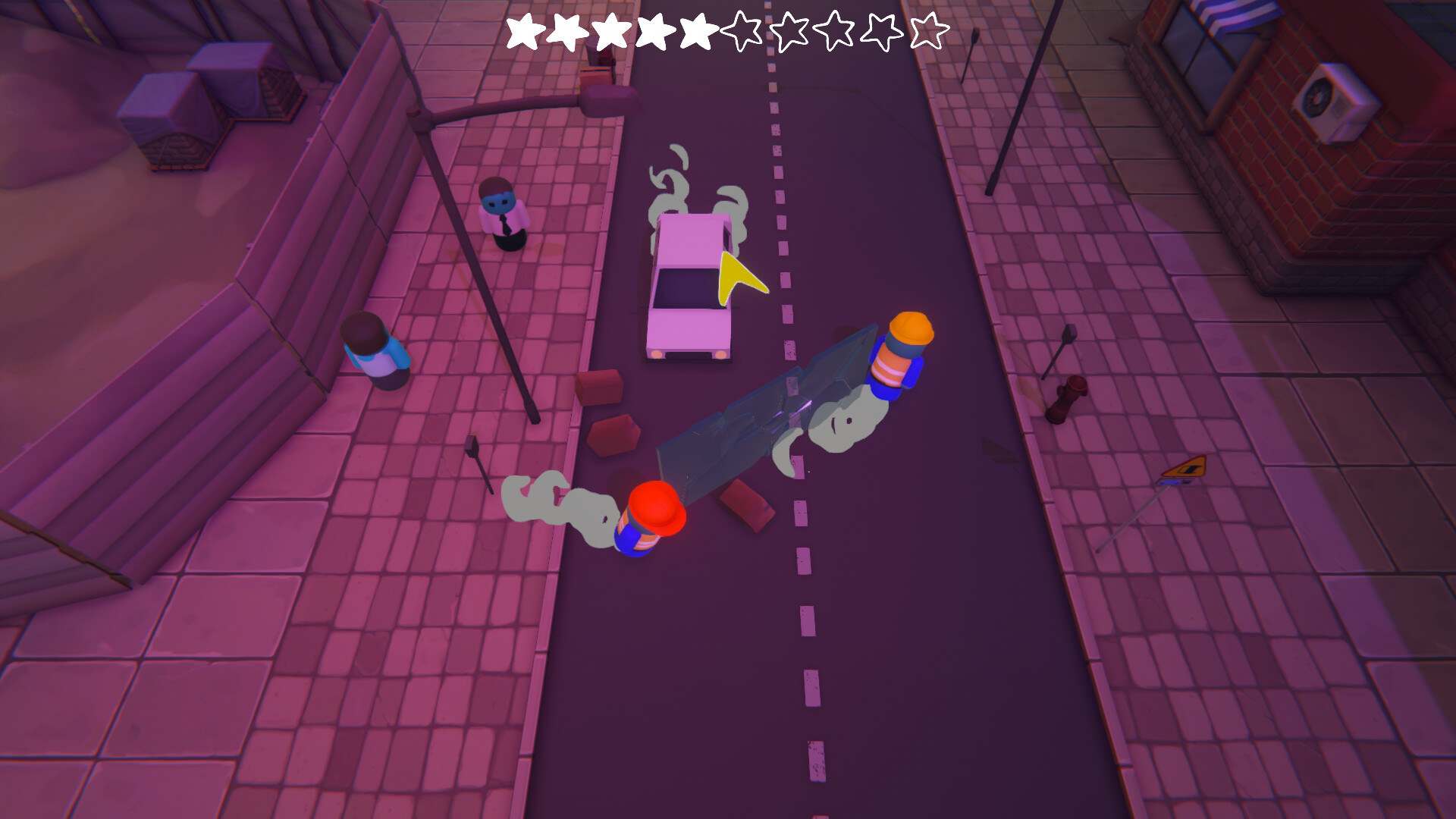
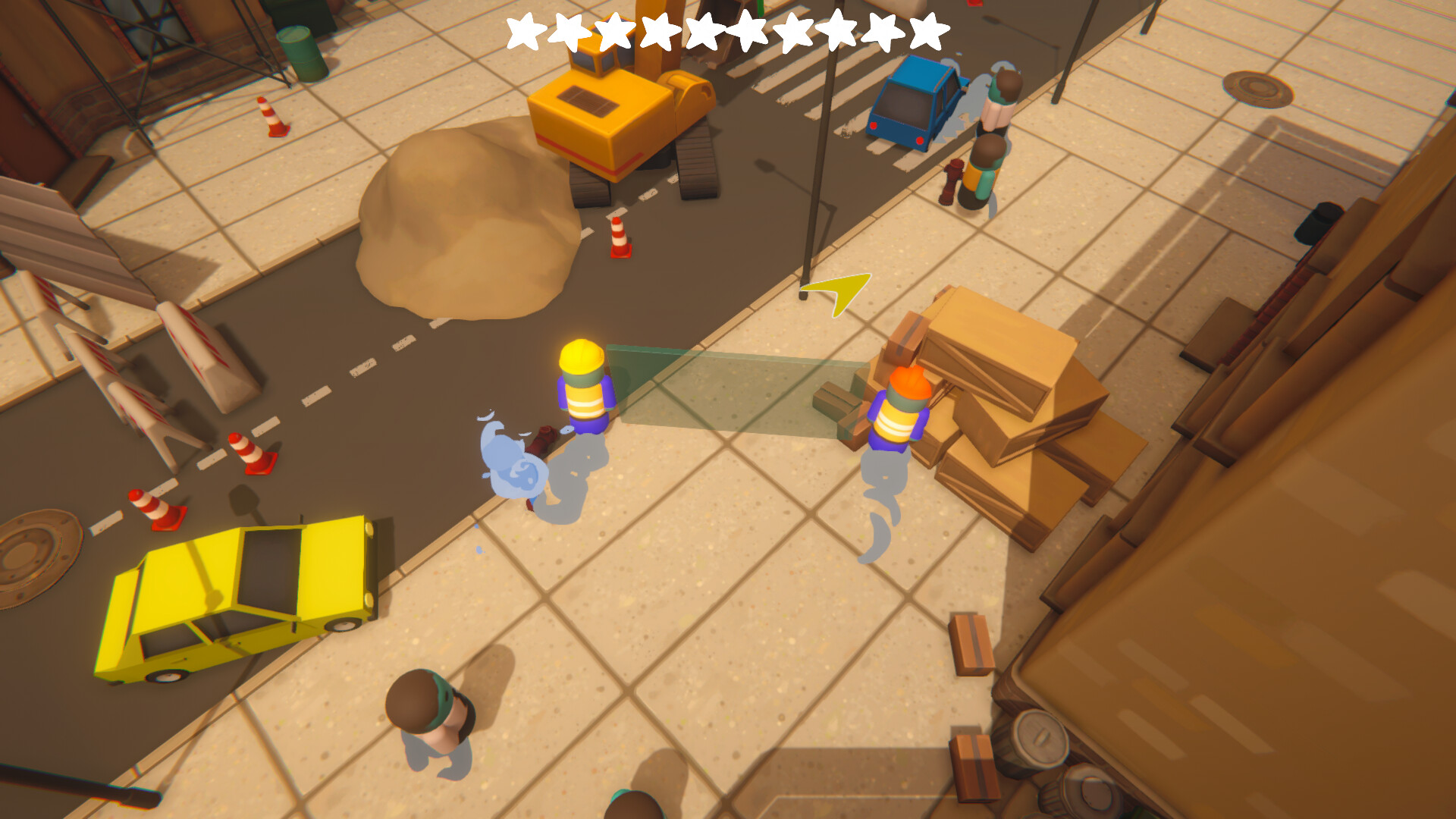
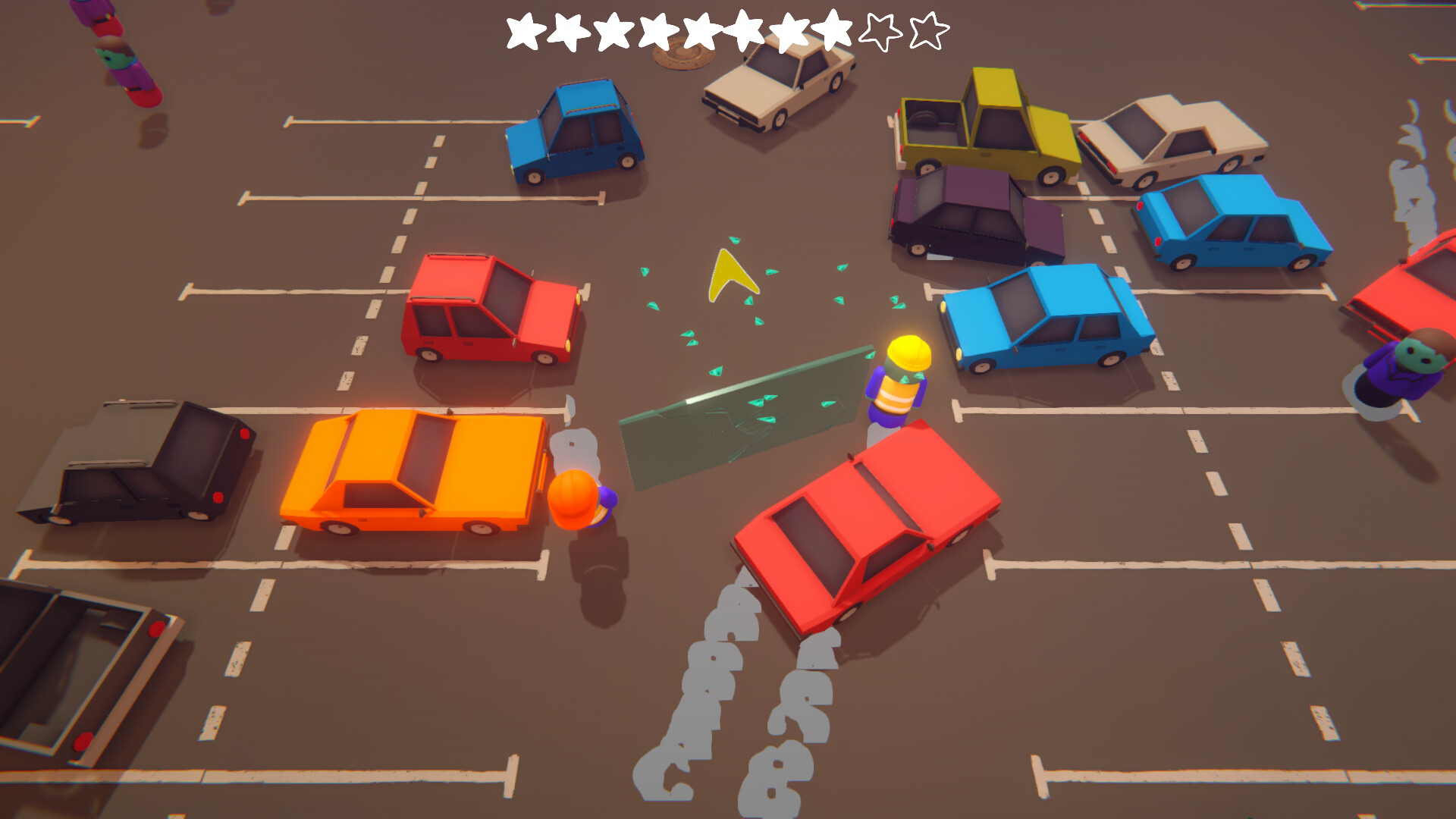
Load More

System requirements
These are the minimum specifications needed to play the game. For the best experience, we recommend that you verify them.
Windows
- Requires a 64-bit processor and operating system
- OS *: Windows 7/8/10/11
- Processor: 2GHz or better
- Memory: 4 GB RAM
- Graphics: Graphics card with 1GB memory
- DirectX: Version 10
- Storage: 1200 MB available space
Steam Price & Best Deals
User reviews & Ratings
Explore reviews from Steam users sharing their experiences and what they love about the game.
My Coworker is an Idiot takes an ordinary workplace assignment and turns it into a compact physics-based comedy where even the simplest delivery can become a spectacular disaster. You play as a new employee of a glass company tasked with getting fragile panes safely to a construction site. Helping you is Steve, your coworker, whose presence is supposed to make the job easier. Predictably, things rarely stay under control for long. Developed and published by Manic Hyena, the game embraces slapstick chaos rather than realistic simulation, creating an experience built around awkward coordination, fragile cargo, environmental destruction, and the unpredictable consequences of physics. The central gameplay concept is extremely easy to understand. Glass must be transported to its destination without being destroyed along the way. What makes that simple objective entertaining is how many opportunities there are for something to go wrong. Carrying delicate objects through environments governed by physics turns routine movement into a balancing act. Players need to position themselves carefully, coordinate their movements, and react when an otherwise sensible plan suddenly falls apart. Breaking something can technically represent failure, but the resulting chaos is often where the game's comedy is at its strongest. There are ten levels in total, so this is intentionally a small game rather than a lengthy delivery simulator. Each level offers another opportunity for the central glass-carrying mechanic to create unusual situations. The limited campaign prevents the concept from becoming excessively repetitive, although it also means players seeking substantial progression or dozens of hours of gameplay will find the package rather light. Its appeal comes from enjoying the individual scenarios and experimenting with its physics rather than unlocking complex abilities or following an elaborate narrative. Solo players are accompanied by an AI-controlled coworker, allowing the entire game to be experienced without another person. Having Steve around creates another unpredictable element because successful transportation requires some degree of cooperation. The AI companion fits naturally into a game where imperfect teamwork is part of the joke. Moments where everything proceeds smoothly can be satisfying, but recovering from an accident, collision, or badly handled piece of glass can be far more memorable. Cooperative play is arguably where the concept reaches its full potential. The game supports online co-op as well as shared and split-screen cooperative play, with Remote Play Together also available. Replacing the AI partner with another human transforms each delivery into a communication challenge. One person moving too quickly or turning in the wrong direction can ruin an otherwise successful attempt. This creates a style of multiplayer where mistakes are not necessarily detrimental to the overall experience because laughing at a disastrous delivery can be just as enjoyable as completing the objective perfectly. The physics are deliberately more playful than realistic. Players expecting precise simulation mechanics may find the movement somewhat unpredictable, but that unpredictability is fundamental to the game's personality. Objects can collide, plans can collapse, and the surrounding city is not necessarily safe from your attempts to complete the job. The possibility of causing destruction gives the environments a playful quality and encourages experimentation instead of demanding that every objective be approached with perfect efficiency. Its colorful and stylized 3D visuals complement the lighthearted premise. The presentation is relatively simple, but it communicates objects and environments clearly enough for the physics-based gameplay. The cartoon-like appearance also makes accidental destruction feel amusing rather than serious. Technically, the game is modest, requiring only 4 GB of RAM, a 2 GHz processor, a graphics solution with 1 GB of memory, and around 1.2 GB of storage according to its listed minimum requirements. Eleven Steam achievements provide additional objectives for players interested in completion. Steam Deck compatibility is not officially rated by Valve on the store information available for the game, so it should be regarded as Unknown or Unverified rather than officially Verified or Playable. The game is officially listed for Windows, and anyone purchasing specifically for Steam Deck should therefore expect that compatibility may require experimentation rather than assuming a fully certified handheld experience. The game's greatest limitation is its size. Ten levels and a straightforward central mechanic mean there is not much long-term depth once players have experienced the available scenarios. It is not designed around character development, complicated progression, extensive customization, or a large campaign. Replay value instead comes from cooperative sessions, experimenting with the physics, chasing achievements, and trying to complete familiar objectives in different ways. Players who demand precision may also occasionally find the physics-driven mishaps more frustrating than funny. As a compact comedy game, however, My Coworker is an Idiot succeeds because it understands that its absurd situations matter more than mechanical complexity. Transporting glass sounds mundane, yet combining fragile cargo with unpredictable physics and questionable teamwork turns it into an entertaining premise. Solo play provides a perfectly functional way to experience the ten stages, while playing with a friend gives the concept considerably more personality. It is short, uncomplicated, and deliberately chaotic, making it best suited to players who enjoy physics sandboxes, cooperative mishaps, and games where failure can be every bit as entertaining as success. Rating: 7/10
Very easy co-op game for achievements, only requires you to make it through all 10 levels. No missables. A short and sweet co-op game, my only problem is the length as it only took us 20 minutes to complete. But for its cheap price, it's very fun and the controls are not frustrating. I would love to see it expanded but sadly it doesn't look like the developer made anything after this game. 💜 Check out [url=https://store.steampowered.com/curator/45904036/] Comfy Chaos Cozy Reviews for more games that are cozy, relaxing, or heartwarming. 💜
Similar games
View all


Burger Shop 2
Make tasty food items to serve hungry customers in this fast-paced food making game!

ZooKeeper Simulator
In ZooKeeper Simulator, there are two teams: Zookeeper vs Animals. Zookeeper must maintain the park by carrying out missions while animals must prevent them utilizing violence and pure brutality.

Rewind 99
You're the last remaining video rental store. From humble VHS clerk to rental racketeer - run your video store and explore Reshoot Springs, building an underground empire. Expand with upgrades, side hustles, store membership, and more. Whatever it takes to survive - solo or in up to 4-player co-op.

Shark Simulator
Shark Simulator is a WTF physics sandbox. Play as Ed the shark, and give those tourists a vacation they will remember!

Burger Shop
Make burgers, shakes and more in this exciting food-making game that has been enjoyed by millions of fans everywhere.

Need For Drink
“Need For Drink” is a casual multiplayer game about competition between the spouses: a drunkard husband and his brawler wife.

PICO PARK 2
PICO PARK is back with all new levels! Play with 2-8 players locally or online in this co-op action-puzzle game!

I Am Part-time Worker!!
This is an action-comedy game where you work part-time at a convenience store register while taking down troublesome "nuisance customers."

Kill It With Fire
Kill It With Fire is a first-person action game about hunting spiders and causing collateral damage.

Bad Guys at School
In Bad Guys at School you can play as students and revolt against school system by completing missions, or decide to become a teacher that must maintain order despite the violence and brutality in the school.
Frequently Asked Questions
My Coworker is an Idiot is currently priced at 1.99€ on Steam.
No, My Coworker is an Idiot is currently not on sale. You can purchase it for 1.99€ on Steam.
Yes, My Coworker is an Idiot received 389 positive votes out of a total of 485 achieving a rating of 7.55.
😊
My Coworker is an Idiot was developed and published by Manic Hyena.
Yes, My Coworker is an Idiot is playable and fully supported on Windows.
No, My Coworker is an Idiot is not playable on MacOS.
No, My Coworker is an Idiot is not playable on Linux.
This information about My Coworker is an Idiot is not available yet.
This information about My Coworker is an Idiot is not available yet.
No, My Coworker is an Idiot does not support VR.
My Coworker is an Idiot offers both single-player and multi-player modes.
My Coworker is an Idiot includes Co-op mode where you can team up with friends.
No, My Coworker is an Idiot does not currently offer any DLC.
No, My Coworker is an Idiot does not support mods via Steam Workshop.
Yes, My Coworker is an Idiot supports Remote Play Together. Discover more about Steam Remote Play.
Yes, My Coworker is an Idiot is enabled for Steam Family Sharing. This means you can share the game with authorized users from your Steam Library, allowing them to play it on their own accounts. For more details on how the feature works, you can read the original Steam Family Sharing announcement or visit the Steam Family Sharing user guide and FAQ page.
You can find solutions or submit a support ticket by visiting the Steam Support page for My Coworker is an Idiot.
Data sources
The information presented on this page is sourced from reliable APIs to ensure accuracy and relevance. We utilize the Steam API to gather data on game details, including titles, descriptions, prices, and user reviews. This allows us to provide you with the most up-to-date information directly from the Steam platform.
Additionally, we incorporate data from the SteamSpy API, which offers insights into game sales and player statistics. This helps us present a comprehensive view of each game's popularity and performance within the gaming community.
Last Updates| Steam data | 03 October 2026 06:20 UTC |
|---|---|
| SteamSpy data | 18 October 2026 02:07 UTC |
| Steam price | 27 October 2026 03:45 UTC |
| Steam reviews | 19 October 2026 18:09 UTC |
If you'd like to dive deeper into the details about My Coworker is an Idiot, we invite you to check out a few dedicated websites that offer extensive information and insights. These platforms provide valuable data, analysis, and user-generated reports to enhance your understanding of the game and its performance.
- SteamDB - A comprehensive database of everything on Steam about My Coworker is an Idiot
- SteamCharts - Analysis of My Coworker is an Idiot concurrent players on Steam
- ProtonDB - Crowdsourced reports on Linux and Steam Deck My Coworker is an Idiot compatibility

Game modes
Multiplayer
Features
Online players
1
Developer
Manic Hyena
Publisher
Manic Hyena
Release
08 Dec 2022
Platforms
Remote Play