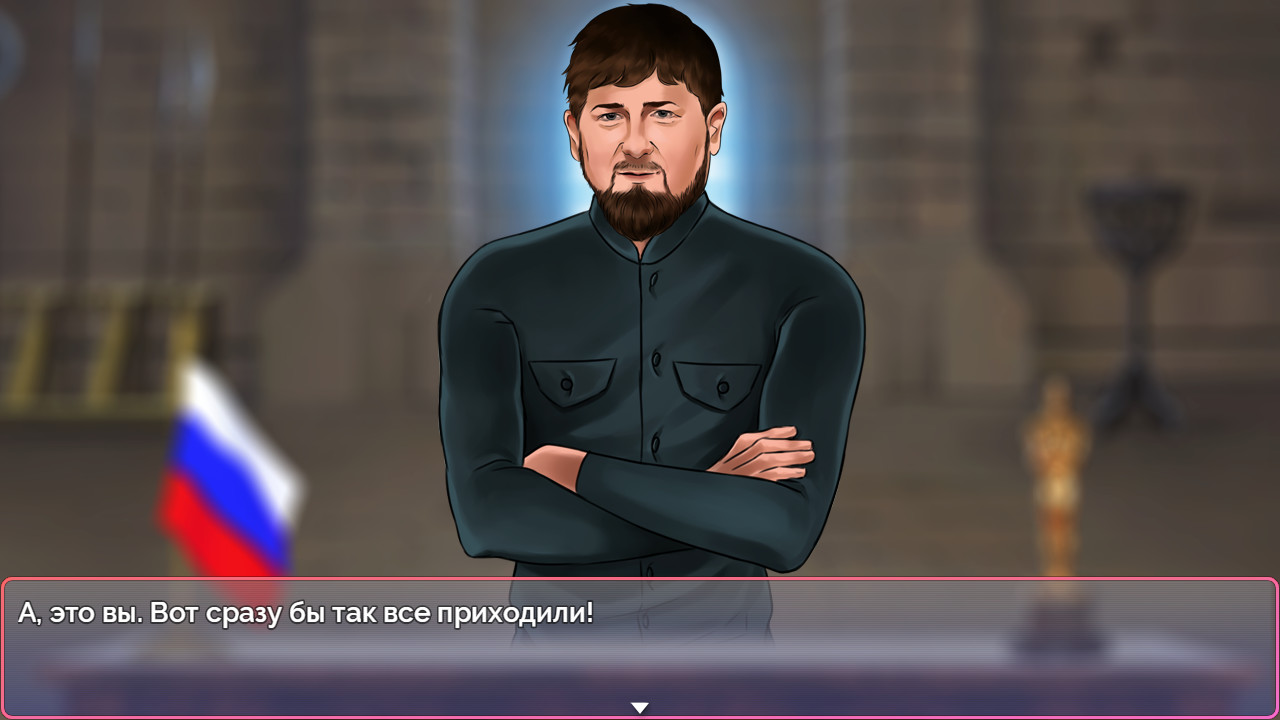
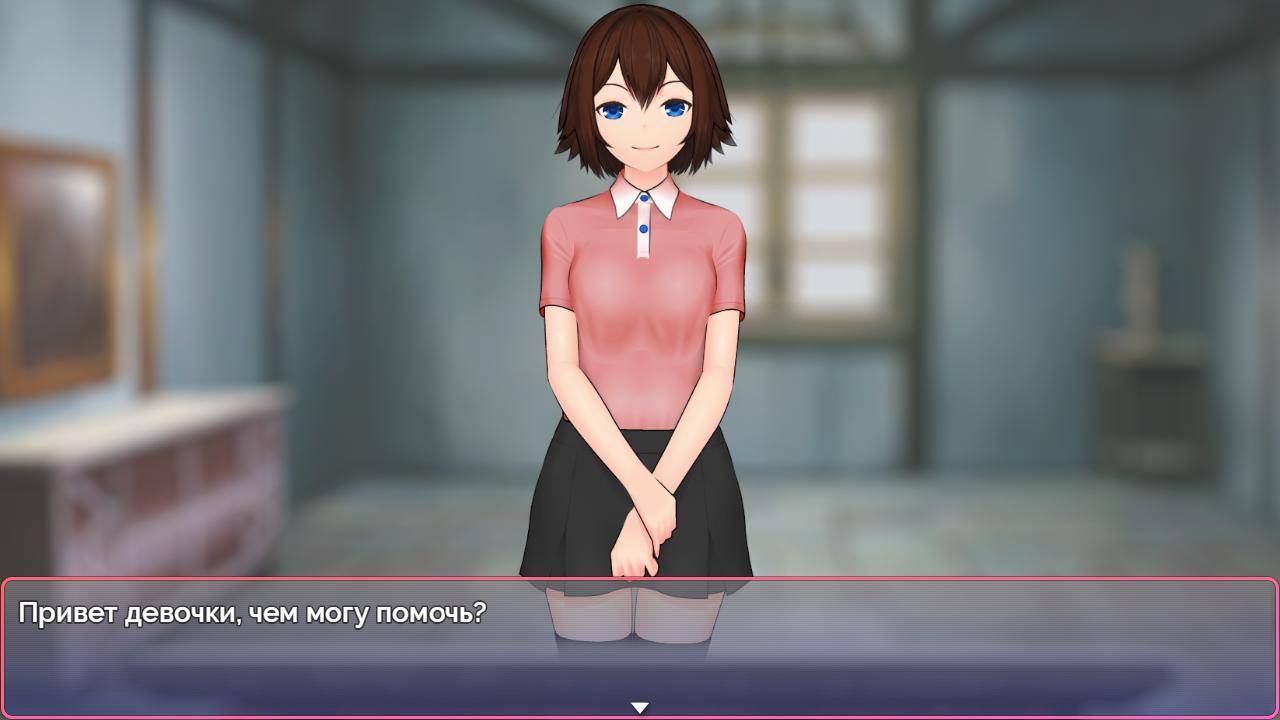
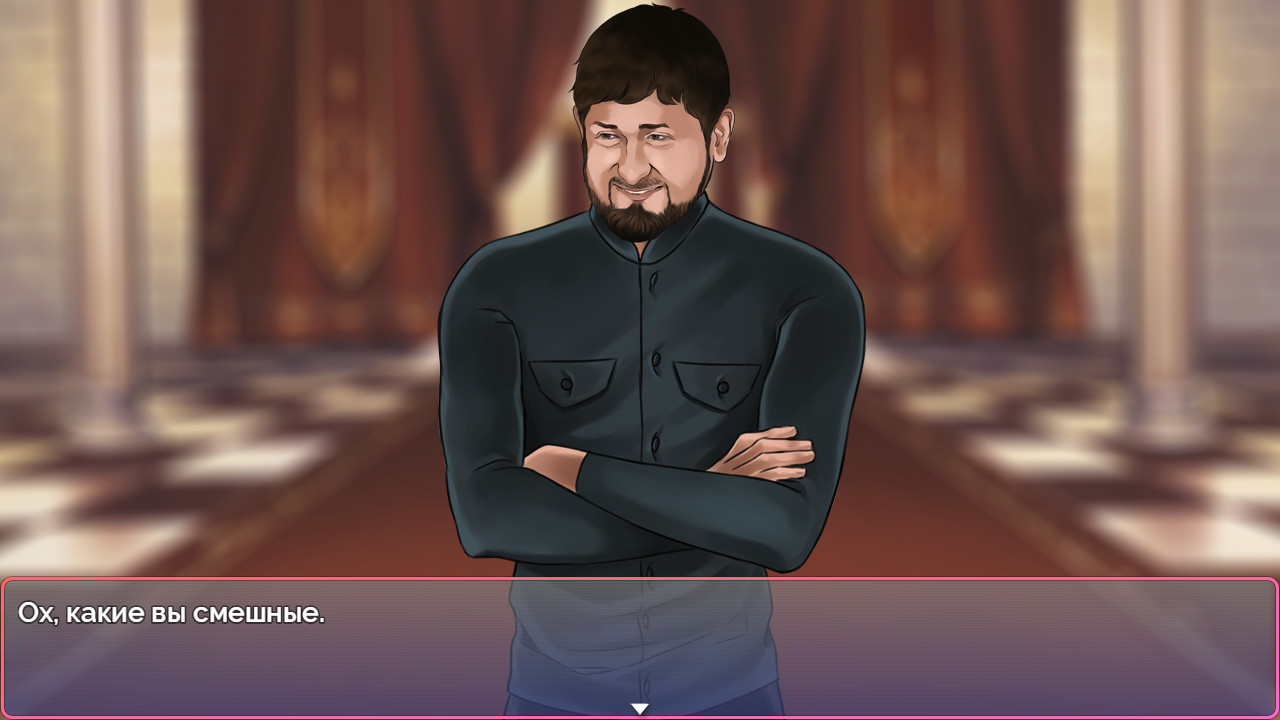
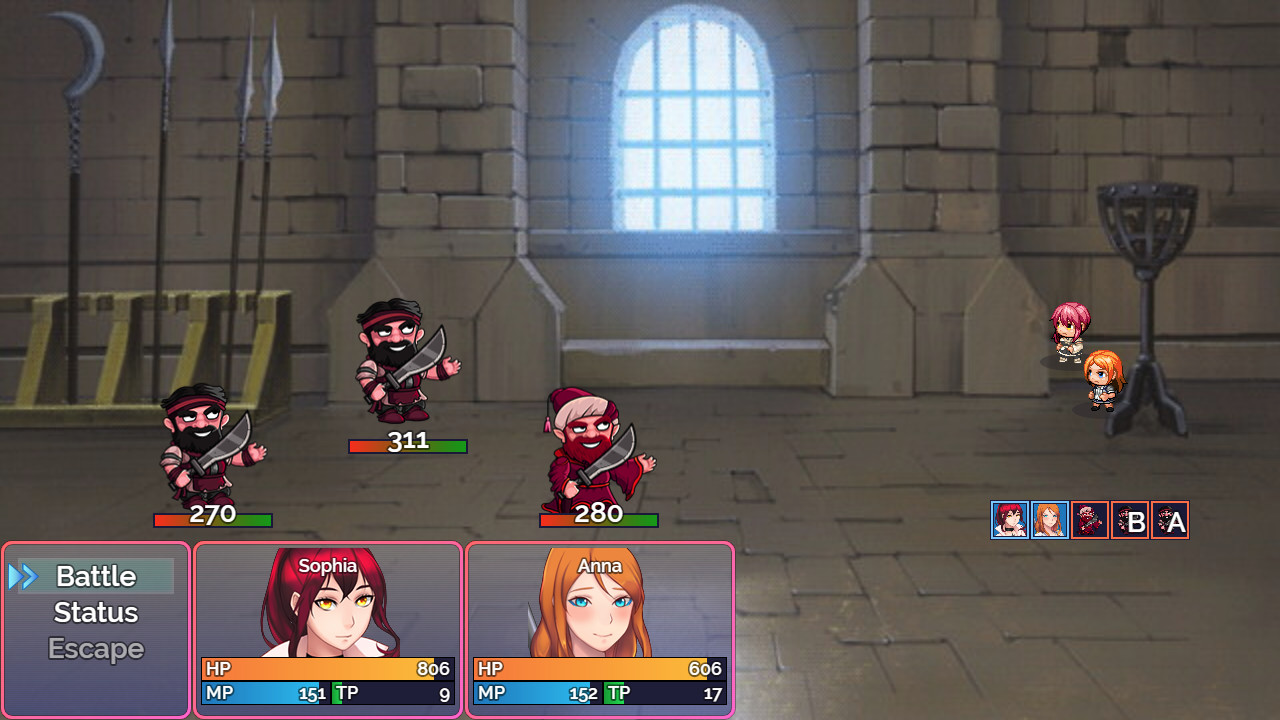
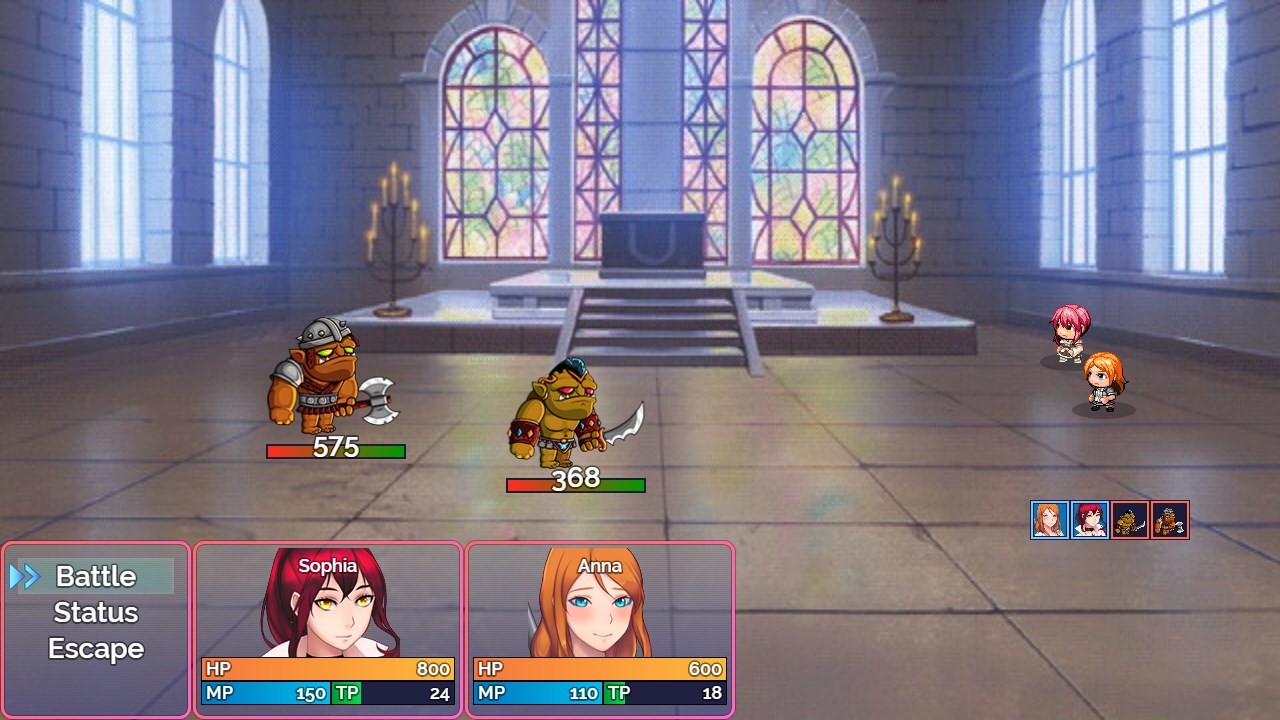
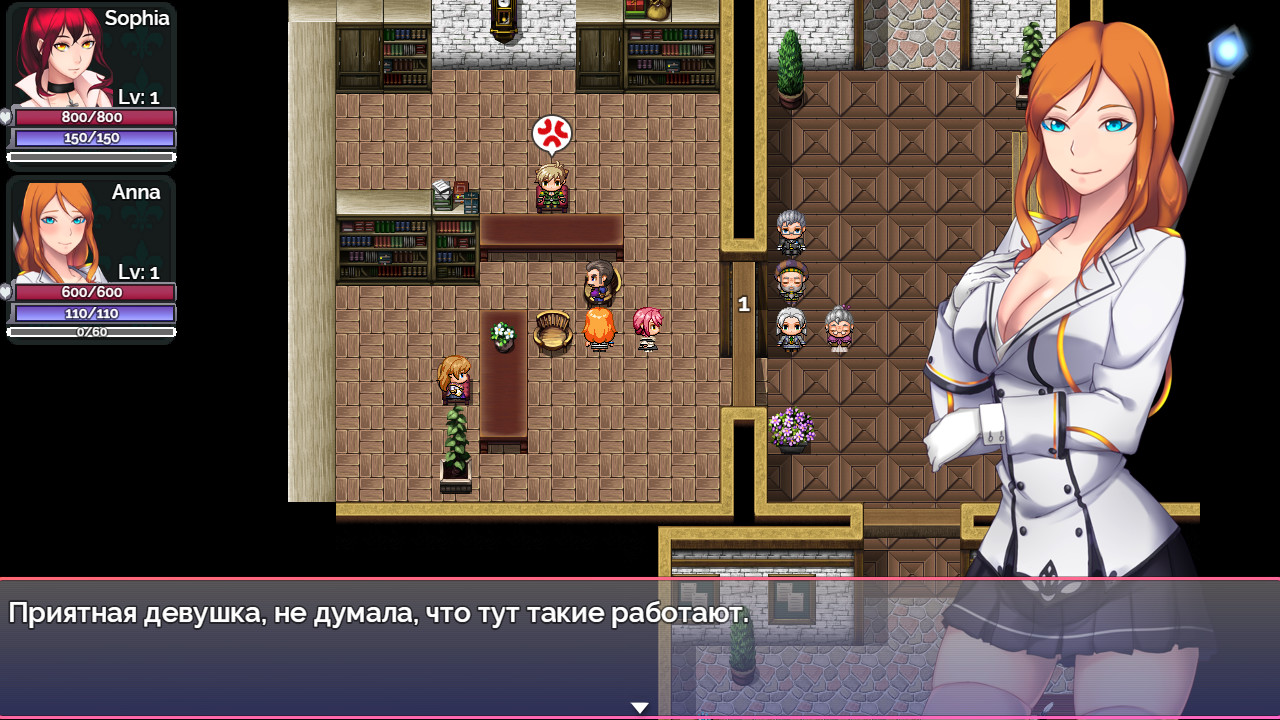
NALOГI, developed by CUTE ANIME GIRLS and published by Tranquility Games, is a strange yet oddly captivating indie RPG that straddles the line between parody and absurdity. Built with clear tongue-in-cheek intent, the game presents itself as a satirical take on bureaucracy, corruption, and authority, dressed up in the aesthetics of an anime-styled role-playing adventure. It’s a game that doesn’t take itself seriously for a moment, inviting players into a bizarre world where casino owners, gangsters, and government agents coexist in a chaotic dance of greed and incompetence. Beneath its crude humor and over-the-top premise, however, lies a small but ambitious attempt to poke fun at systems of power and the inevitability of paying your dues—literal and metaphorical taxes included. From the start, NALOГI sets an intentionally absurd tone. You are dropped into a world that exaggerates the worst aspects of bureaucracy: endless paperwork, bribes, and the feeling that no matter how hard you try, the system always wins. The title itself—“NALOGI,” which translates to “taxes”—summarizes the game’s fixation on the futility of resisting institutional control. The narrative unfolds like a surreal fever dream, where anime-styled heroines, gangsters, priests, and tax officials collide in comically exaggerated conflicts. The dialogue is intentionally campy, mixing satire, self-awareness, and juvenile humor to create a tone that’s both ridiculous and charming in its own unpolished way. The player’s mission becomes both literal and symbolic: either destroy the corrupt system or submit to it and pay your taxes. It’s this duality—rebellion versus compliance—that drives the game’s odd mixture of humor and critique. Gameplay-wise, NALOГI operates on familiar RPG conventions, borrowing heavily from the structure of old-school JRPGs built in engines like RPG Maker. Combat is turn-based, with your party squaring off against eccentric enemies using a mixture of skills, tricks, and magical attacks. There’s a faint hint of strategy in the ability combinations, though most encounters are designed for quick, casual play rather than deep tactical thinking. Exploration is limited to small maps filled with quirky NPCs and comedic encounters. It’s a compact experience, and while it lacks mechanical depth, it compensates with personality. Each segment of the game feels like a parody of something—from casino battles that mock greed and luck, to church scenes that satirize hypocrisy and blind faith. The humor is blunt but oddly effective, transforming familiar RPG settings into stages for ridicule rather than heroism. The visual presentation embraces its absurdity with full enthusiasm. The art is colorful, brash, and unabashedly anime-inspired, filled with exaggerated expressions and overdesigned characters. The developers clearly know their audience, leaning heavily on fanservice and comedic exaggeration to keep things lively. The mix of cute anime girls and grim bureaucratic environments creates a strange dissonance that reinforces the game’s satirical tone—it’s as if the world of taxes and paperwork collided with a dating sim and never recovered. Despite its low production budget, the game’s visual energy makes it feel lively, even when the animation and detail are minimal. The soundtrack is similarly upbeat and cartoonish, complementing the chaos on screen without ever feeling intrusive. That said, NALOГI’s rough edges are impossible to ignore. The translation is inconsistent, with awkward phrasing and grammatical errors that sometimes make dialogue difficult to follow. The humor, while occasionally sharp, can feel forced or repetitive, especially when it leans too heavily on crass jokes or self-referential gags. The story lacks cohesion, jumping between scenarios with little connective tissue, which adds to the sense of randomness that defines the experience. For some players, this incoherence will be part of the charm—it’s chaotic, unpredictable, and gleefully nonsensical. For others, it will simply feel sloppy. The gameplay loop is shallow, and the entire experience can be completed in a short sitting, leaving those hoping for more substance unsatisfied. Still, there’s something oddly compelling about how NALOГI embraces its own ridiculousness. It’s unapologetically weird, defiantly low-budget, and brimming with energy. Beneath the crude humor and chaotic design lies a form of punk-like rebellion against traditional storytelling and polished design principles. The developers seem to revel in the act of mocking authority—both in the real world and in gaming conventions themselves. The satire may not always land cleanly, but it’s undeniably present, and that gives the game more personality than many indie titles that play it safe. In the end, NALOГI is less a polished RPG and more a feverish, anarchic statement dressed in the skin of a game. It’s short, messy, and often nonsensical, but it’s also strangely memorable. The combination of satire, absurdity, and self-aware humor makes it stand out, even if only as a curiosity for those who appreciate experimental or unorthodox indie titles. For players who enjoy low-cost, chaotic RPGs that don’t take themselves seriously, it’s worth the brief ride. For anyone seeking narrative cohesion, refined gameplay, or emotional resonance, it will likely feel as bureaucratically frustrating as the system it mocks. But in its strange way, that might be the point—NALOGI makes you laugh, sigh, and occasionally groan, all while reminding you that no matter how hard you fight, in the end, the taxman always wins. Rating: 7/10
Expand the review