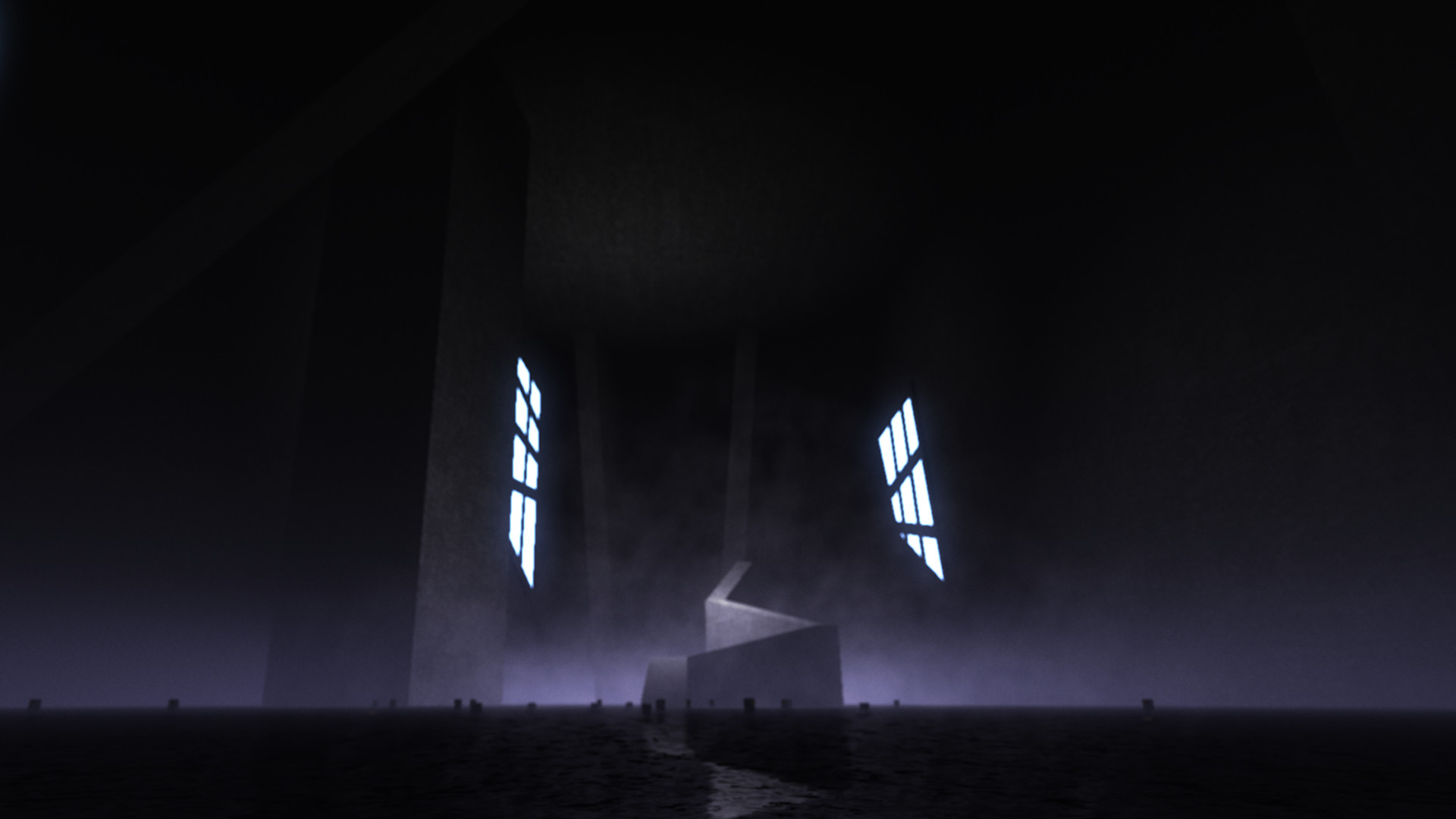
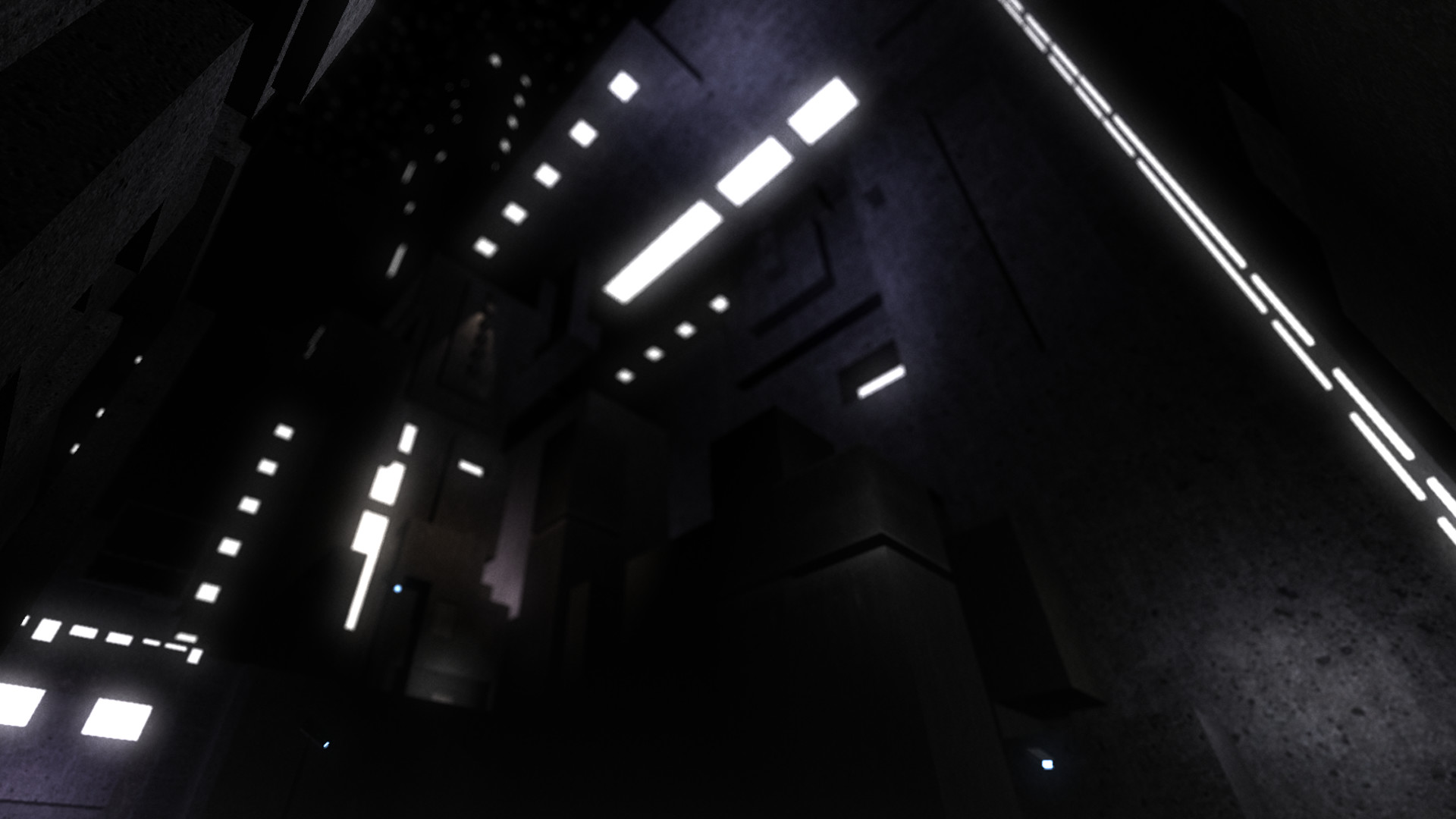
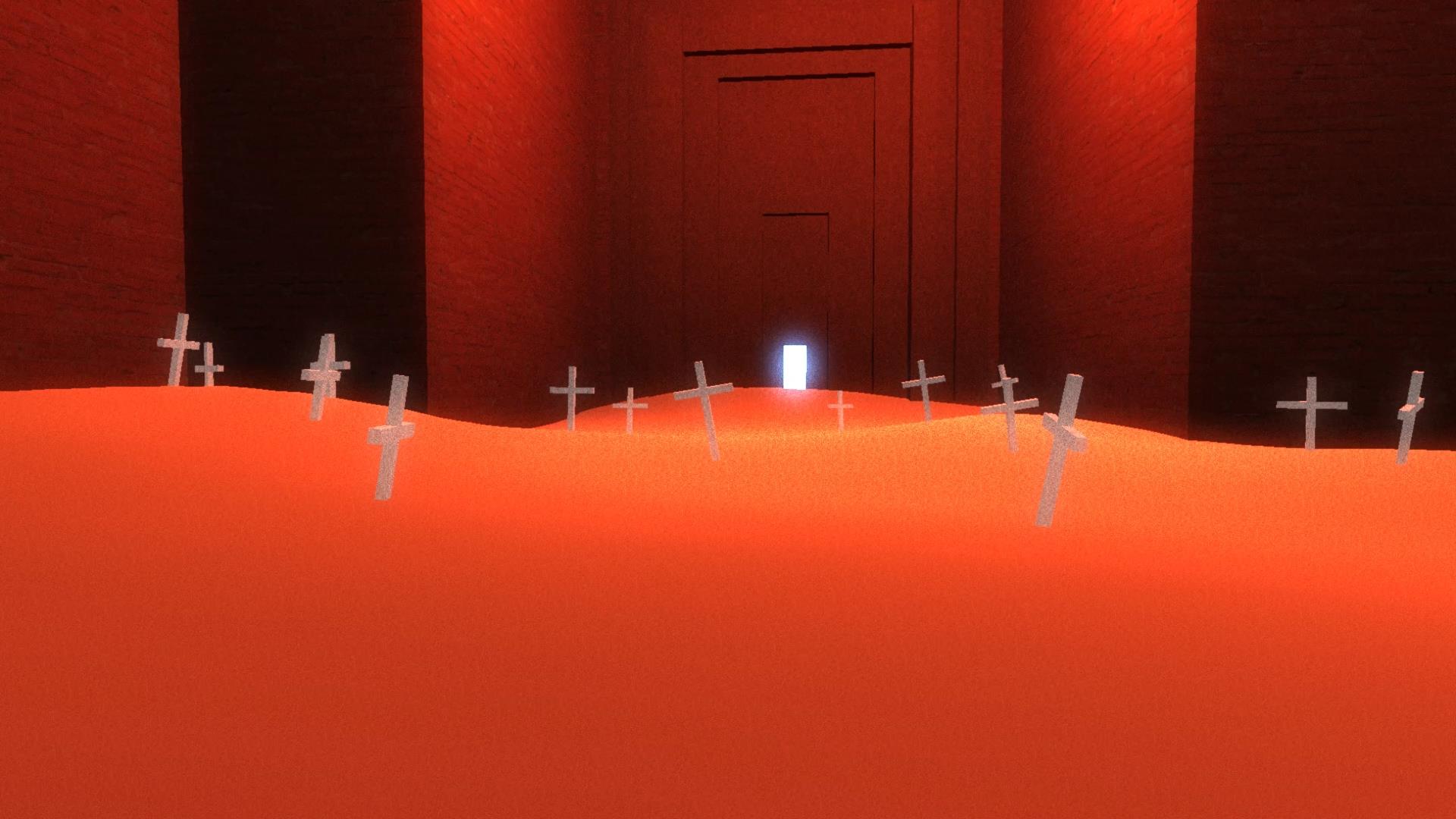
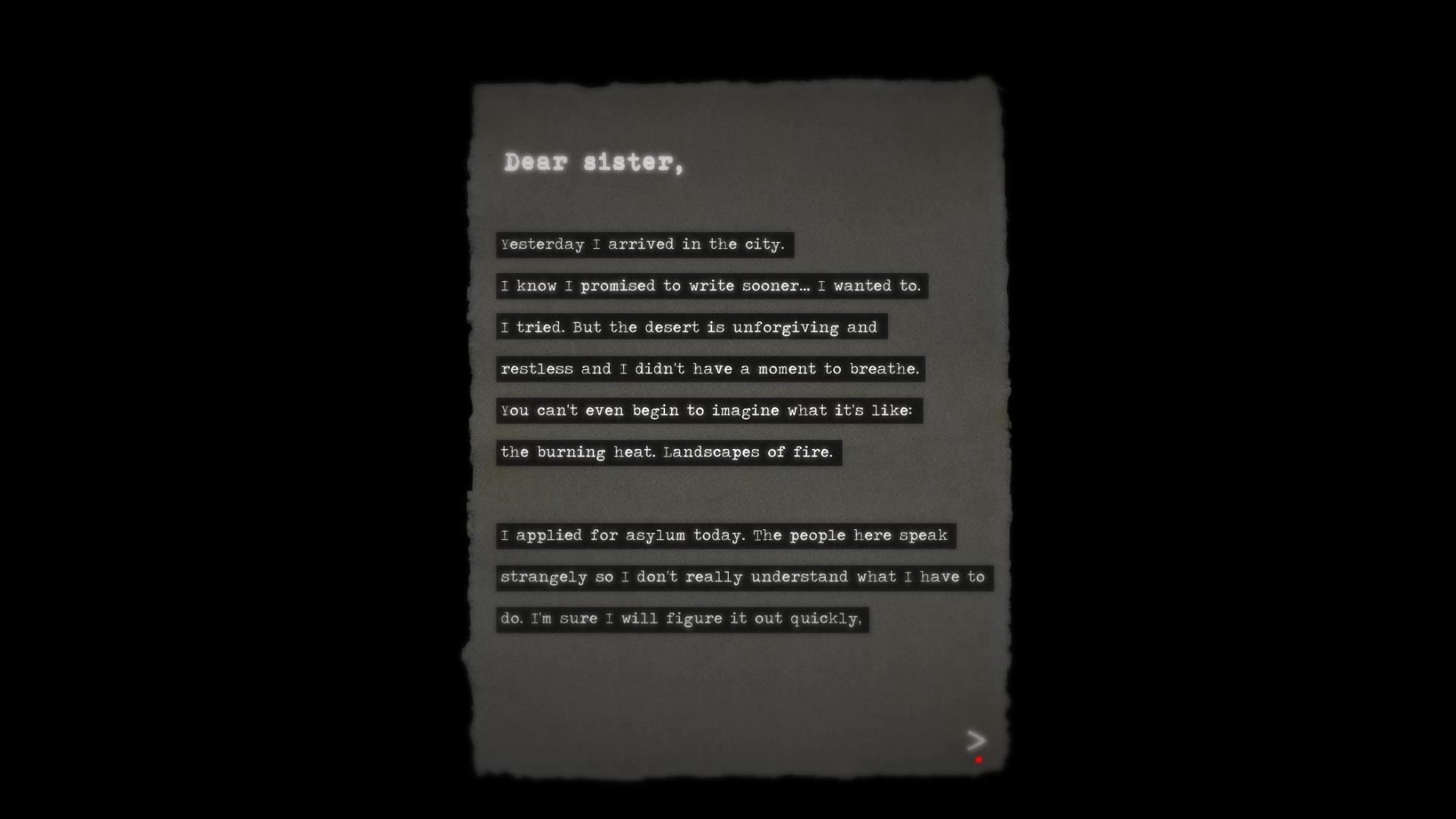
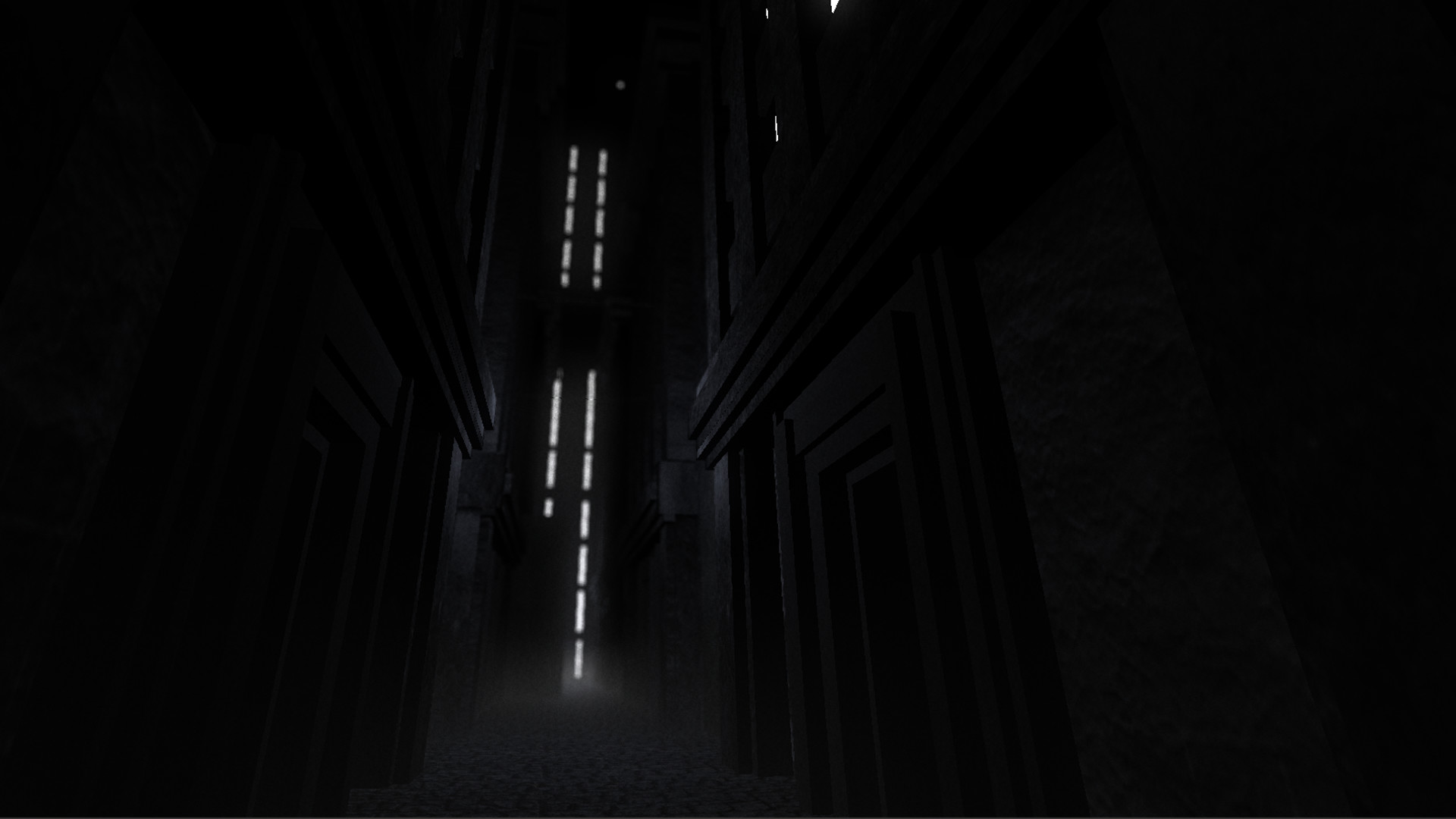
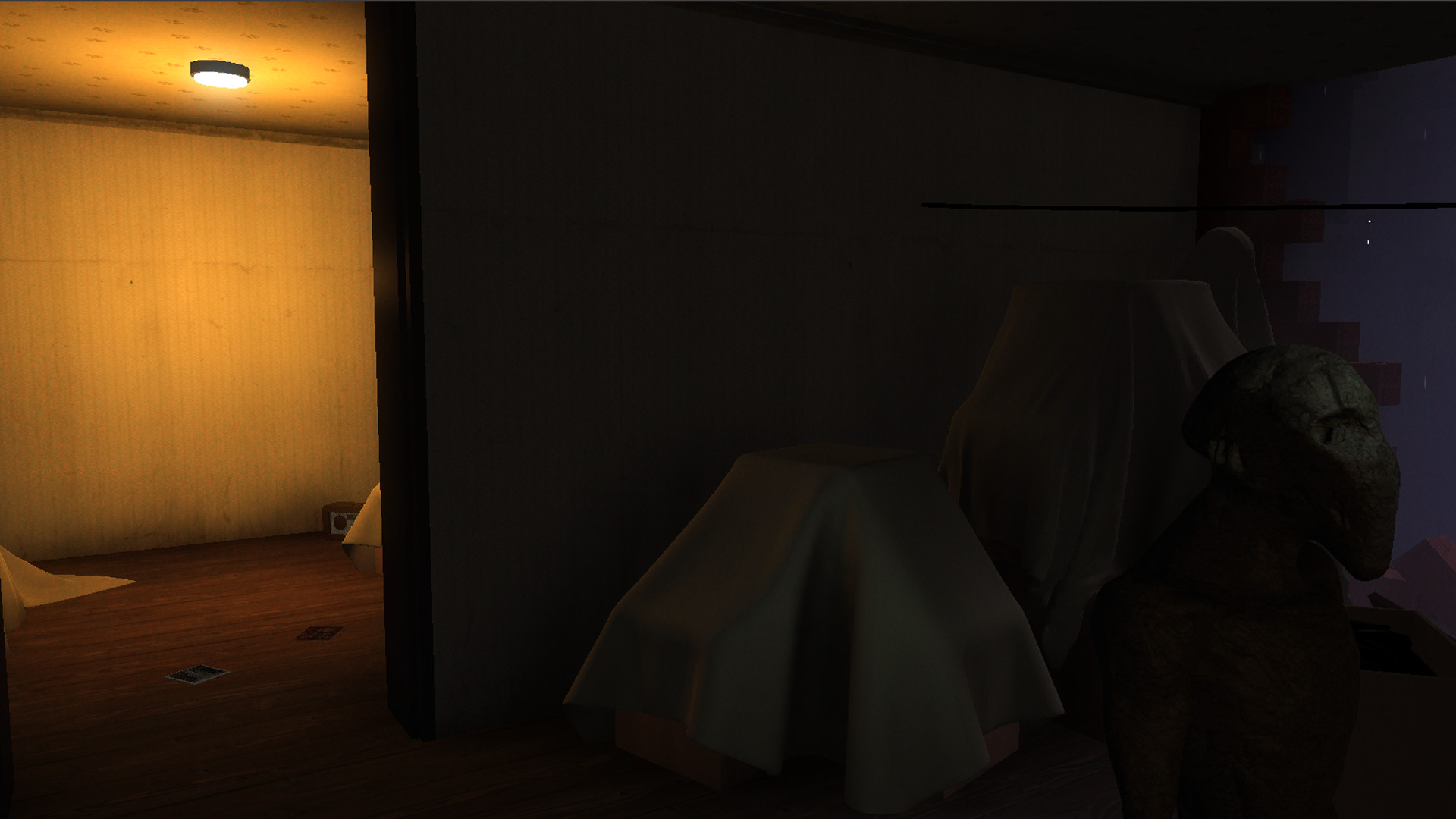
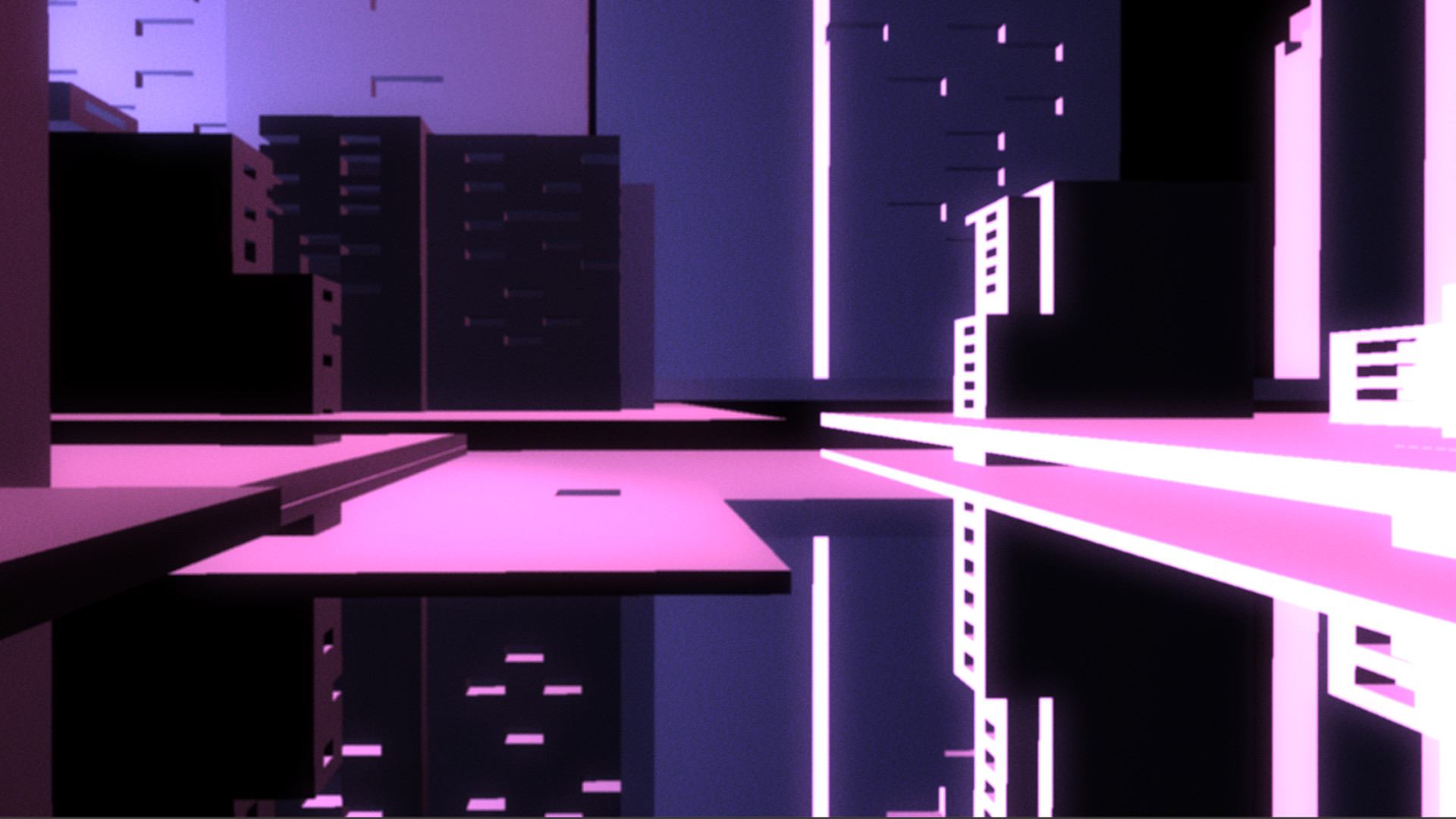
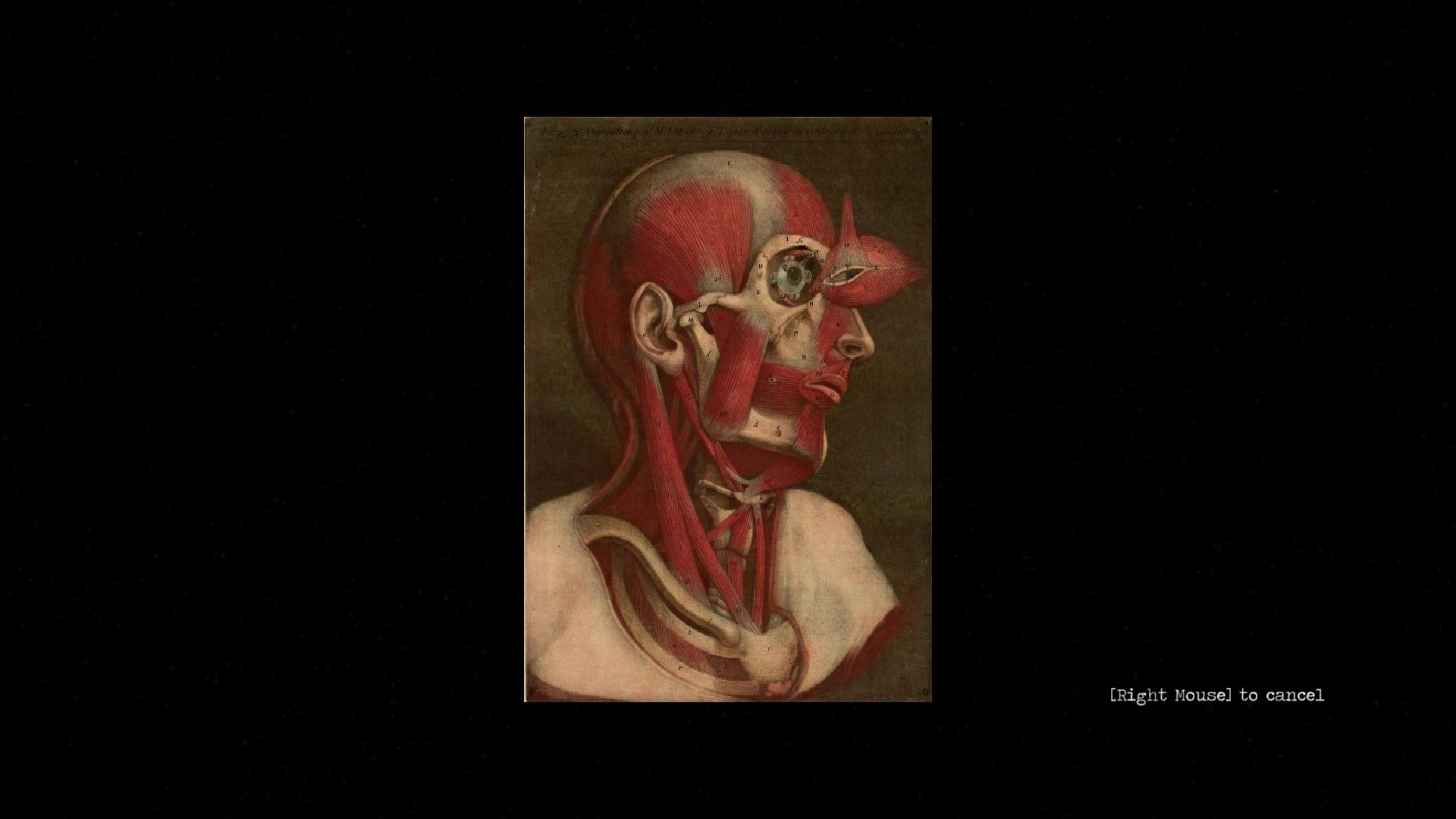
NORTH is a surreal first-person narrative experience that transforms themes of immigration, isolation, and identity into a strange cyberpunk nightmare filled with symbolism and emotional discomfort. Rather than functioning as a traditional game focused on action or progression, it plays more like an interactive psychological journey through an unfamiliar society that constantly reminds the player they are an outsider. The experience is short, minimalistic, and intentionally cryptic, yet it leaves a powerful impression because of how effectively it creates feelings of confusion, loneliness, and emotional displacement. The story follows a man fleeing from the south in search of asylum within a massive futuristic city located in the north. Instead of finding comfort or safety, he enters an environment ruled by strange customs, oppressive systems, and bizarre social expectations that are never fully explained. From the very beginning, the city feels cold and emotionally detached. The player is surrounded by towering buildings, distorted inhabitants, and unsettling architecture that creates the sense of stepping into a place completely disconnected from ordinary reality. Every interaction feels uncomfortable, not because the game relies on direct horror, but because the world itself constantly feels alien and inaccessible. One of the most impressive aspects of NORTH is its atmosphere. The game fully embraces a dark cyberpunk aesthetic inspired by classic dystopian science fiction. Neon lighting, industrial cityscapes, endless corridors, and haunting electronic music combine to create an oppressive environment that feels both futuristic and emotionally lifeless. The soundtrack deserves significant praise because it becomes one of the primary tools used to communicate the protagonist’s emotional state. The melancholic synth-driven audio creates a sense of sadness and isolation that lingers throughout the entire experience. Even simple exploration sequences feel emotionally heavy because the music and environment constantly reinforce the feeling that the protagonist does not belong in this world. The visual design leans heavily into surrealism and symbolism. The citizens inhabiting the city appear grotesque and unnatural, while many locations resemble distorted versions of familiar institutions such as churches, hospitals, immigration offices, and workplaces. The game rarely explains the meaning behind these places directly, allowing players to interpret much of the symbolism themselves. This ambiguity becomes central to the experience. NORTH wants players to feel disoriented and emotionally overwhelmed in the same way the protagonist does. The lack of clarity surrounding the city’s systems mirrors the anxiety and helplessness often associated with navigating unfamiliar cultures and bureaucratic structures. Gameplay is intentionally simple and stripped down. Players primarily explore environments, interact with objects, solve light puzzles, and attempt to understand how the strange world around them operates. There are no combat systems or traditional progression mechanics. Instead, the challenge comes from interpreting the environment and determining how to advance through vague objectives and abstract interactions. Some players may find this frustrating because the game often provides very little guidance, but that confusion is clearly part of the intended design. The experience is less concerned with mechanical challenge and more focused on emotional immersion and thematic storytelling. A particularly memorable feature is the letter-writing system used throughout the narrative. The protagonist regularly sends letters back home to his sister, describing his thoughts, fears, and experiences within the city. These letters serve as emotional anchors in an otherwise surreal and detached world. Through them, players gain insight into the protagonist’s growing desperation, confusion, and homesickness. They also provide some of the game’s most human moments, reminding players that beneath the abstract imagery and symbolic storytelling is a deeply personal story about someone struggling to survive emotionally in a hostile environment. The themes surrounding migration and social alienation are handled in a deliberately indirect way. NORTH does not attempt to deliver straightforward political commentary or simple moral lessons. Instead, it communicates its ideas through atmosphere, symbolism, and emotional discomfort. The city’s bizarre customs and incomprehensible systems reflect the psychological exhaustion of trying to adapt to a society where every rule feels foreign and every interaction reinforces your status as an outsider. The game’s surrealism allows these ideas to feel universal rather than tied to a specific real-world setting. Despite its strengths, NORTH can also feel intentionally inaccessible. The vague progression system may frustrate players who prefer clear objectives or logical puzzle design. Certain sequences rely heavily on experimentation and observation, which can occasionally lead to aimless wandering. The minimalist structure and short runtime also mean that some players may feel the game ends before fully developing its concepts. Mechanically, the experience remains very basic, and those seeking gameplay depth or replay value may come away disappointed. However, the simplicity of the design arguably strengthens the game’s themes. NORTH is not trying to entertain through complexity or spectacle. Instead, it creates impact through emotional unease and psychological immersion. The brief runtime helps maintain the oppressive atmosphere without allowing the experience to become repetitive. By the time the game concludes, players are left reflecting more on the emotions and ideas it presents than on specific gameplay moments. What ultimately makes NORTH memorable is its commitment to atmosphere and artistic identity. Very few games attempt to explore themes of displacement and alienation in such a surreal and emotionally unsettling manner. The game constantly feels strange, uncomfortable, and difficult to fully understand, but that uncertainty is exactly what gives it power. It captures the emotional experience of navigating unfamiliar systems and trying to preserve a sense of self within a society that views you as an outsider. NORTH will not appeal to everyone. Players expecting traditional storytelling, fast-paced gameplay, or detailed mechanics may struggle with its abstract structure and minimalist design. However, for those interested in experimental indie experiences, symbolic storytelling, and atmospheric cyberpunk worlds, the game offers something genuinely unique. Its haunting visuals, melancholic soundtrack, and emotionally heavy themes combine to create a short but unforgettable experience that lingers in the mind long after it ends. Rating: 7/10