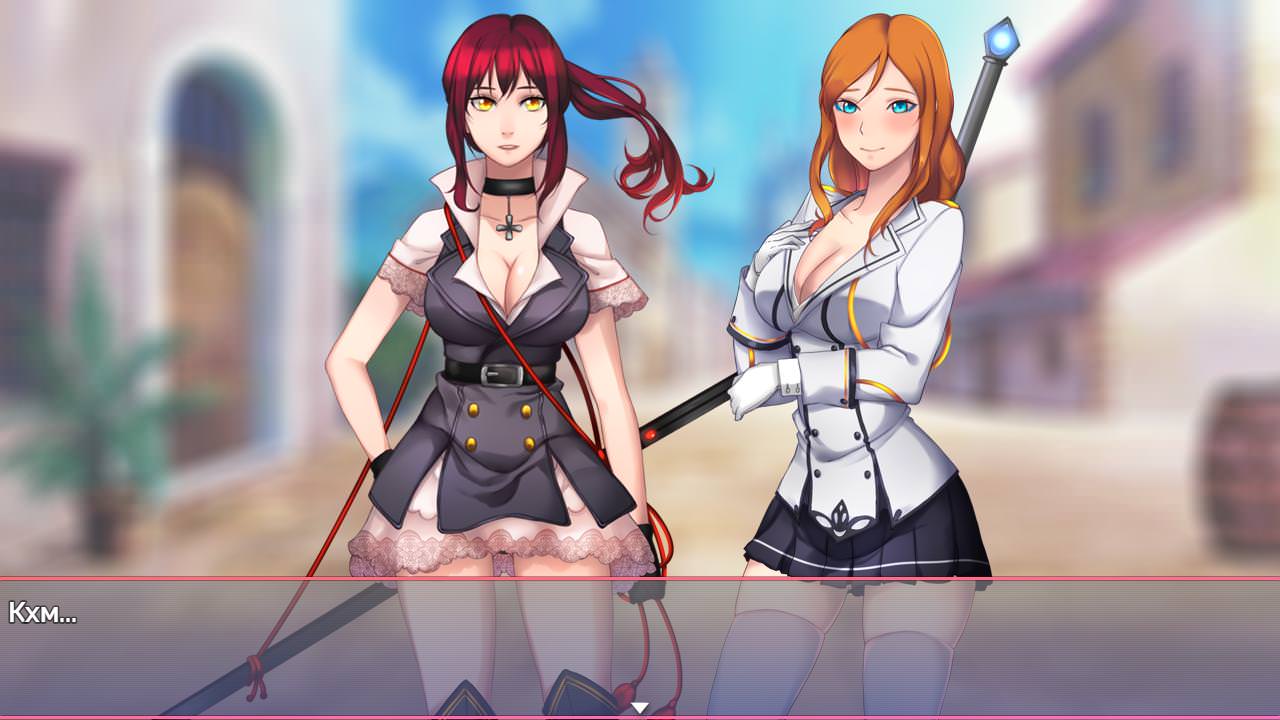
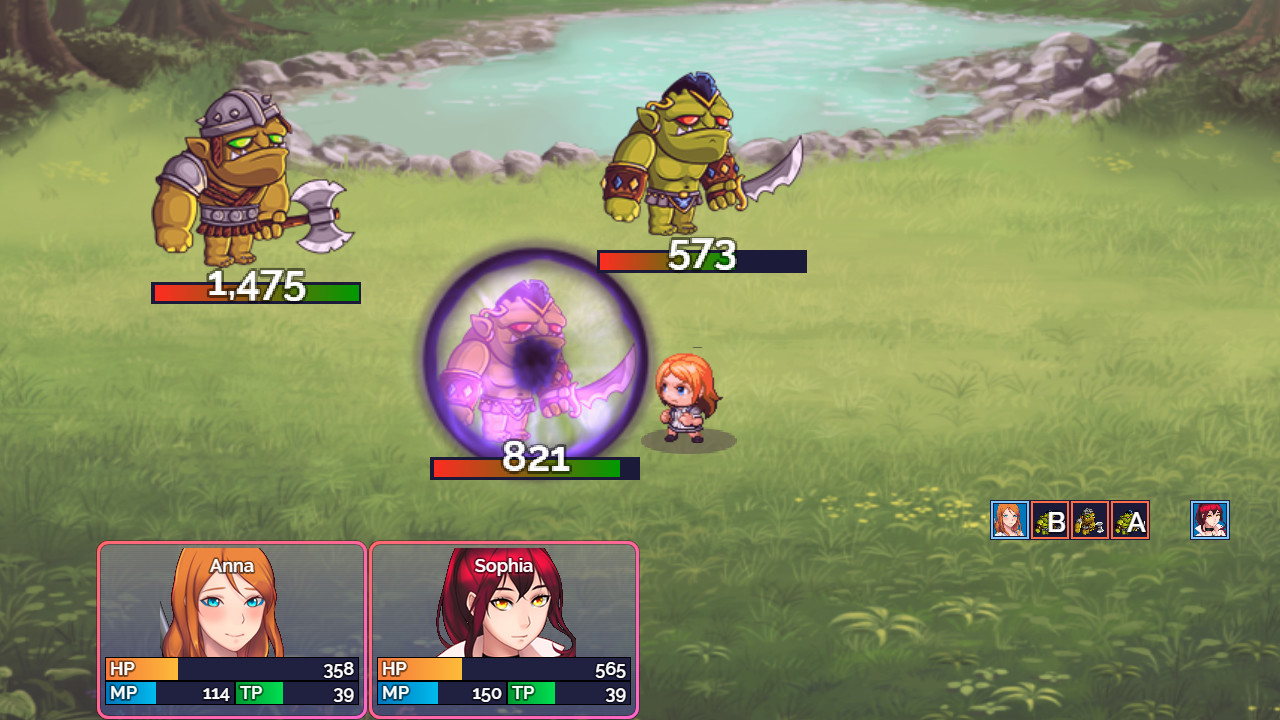
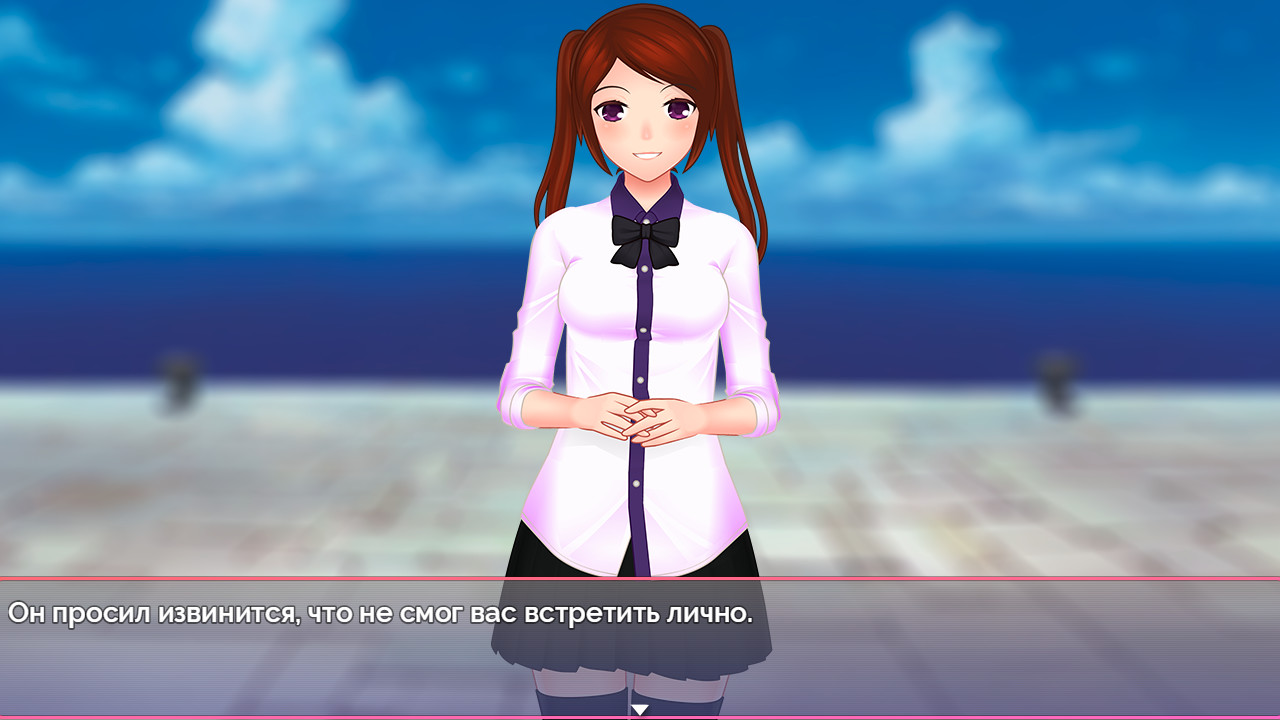
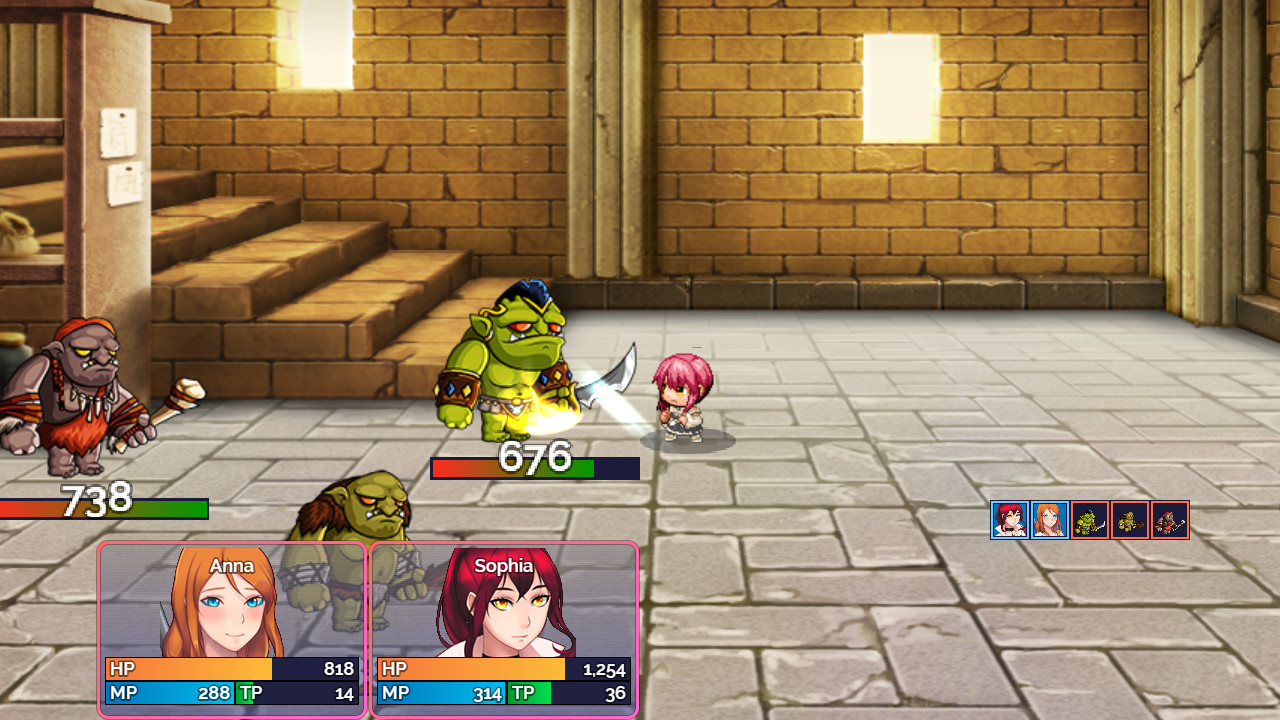
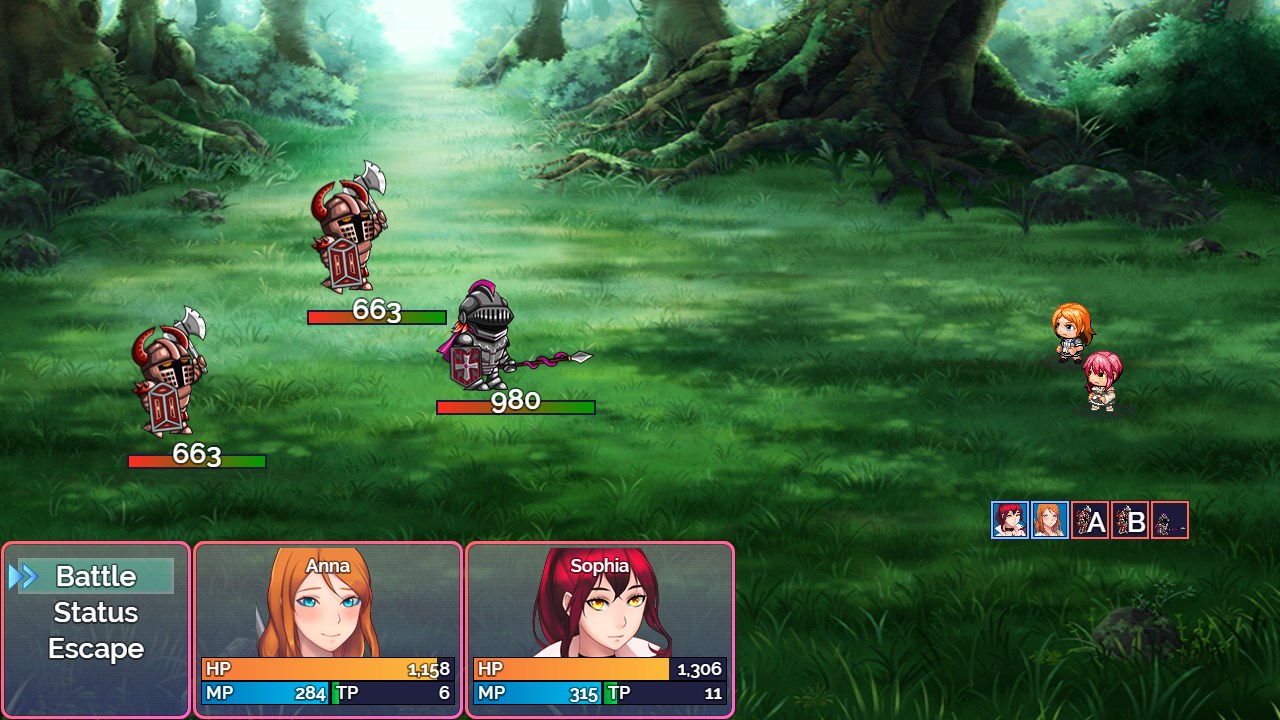
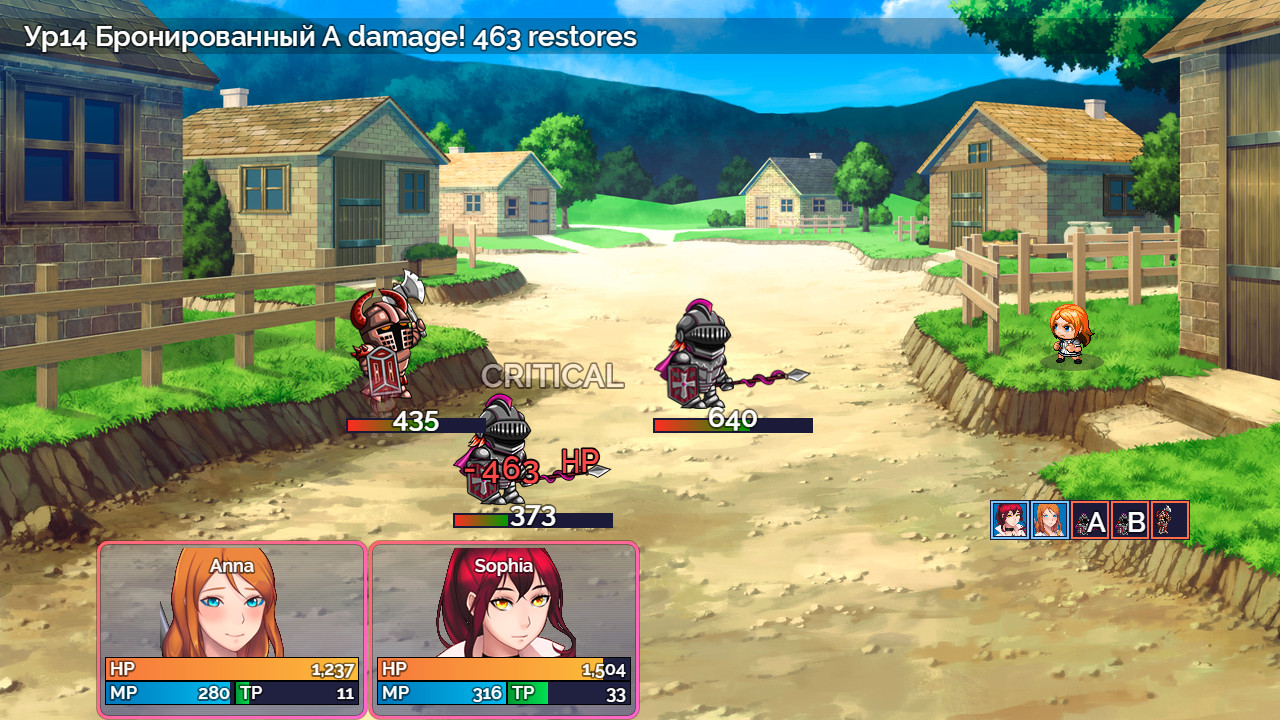
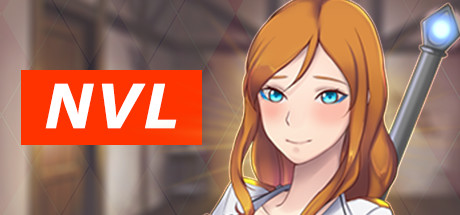
NVL, developed by CUTE ANIME GIRLS and published by Tranquility Games, is a small-scale indie RPG that leans heavily into anime aesthetics and old-school JRPG design. It’s the kind of game that makes its intentions clear from the start—it’s unapologetically built for fans of cute anime characters, lighthearted turn-based battles, and tongue-in-cheek fan service. Released quietly on Steam, NVL presents itself as a throwback to a simpler time in RPG design, with short gameplay loops, straightforward combat, and a focus on presentation rather than deep systems. It’s a product that embraces its niche appeal without attempting to hide behind complexity or grand ambitions. The gameplay follows the familiar structure of a traditional turn-based RPG. You explore small maps, interact with NPCs, and engage in a series of encounters where you command your character to attack, defend, use items, or cast abilities. The combat is functional but basic, echoing the feel of early 2000s RPG Maker titles—each battle is a matter of careful repetition, finding the rhythm of attack and recovery as you progress through waves of similarly scaled enemies. Leveling up provides incremental stat increases, and equipment upgrades add modest boosts to power and defense, but there’s little in the way of deep progression or strategic variance. Instead, the satisfaction comes from the simple, repetitive flow of combat paired with the game’s stylized presentation. It’s a rhythm familiar to fans of smaller indie JRPGs: bite-sized, casual, and easy to digest. Visually, NVL’s art direction is its defining feature. The developers clearly intended the game to appeal to players who enjoy colorful, anime-inspired character designs. The heroines are drawn in a way that emphasizes charm and cuteness, with exaggerated expressions and stylized outfits that make them stand out even against the otherwise simple environments. The game’s limited assets are used effectively, relying on vibrant portraits and flashy attack animations to create a sense of liveliness despite its budget constraints. It doesn’t have the polish or fluid animation of larger projects, but it compensates with personality. The environments themselves are minimalistic, consisting of small, static towns and dungeons that serve primarily as backdrops for the main gameplay. Still, the bright palette and character art help to sustain visual interest over the game’s short runtime. The narrative takes a backseat to the visuals and combat, offering only the barest framework for context. There’s a loose storyline about adventure and discovery, but it never develops beyond basic RPG tropes. Dialogue is brief and often self-aware, occasionally poking fun at genre clichés or making playful references to anime culture. It’s clear that the writing isn’t meant to be taken seriously—the game’s tone leans more toward parody and humor than dramatic storytelling. This approach works in its favor; NVL doesn’t pretend to offer emotional depth or complex character arcs, instead choosing to entertain players through charm and absurdity. The self-parodying tone, combined with the emphasis on cute characters and light RPG systems, gives it a certain charm that will resonate with players who know exactly what they’re getting into. However, NVL’s limitations are apparent even to the most forgiving audience. The short runtime—usually under two hours—means that the game barely has time to develop its mechanics or setting before it ends. There’s little incentive for replayability beyond mild curiosity or a desire to see all of the character interactions. The combat, while serviceable, quickly becomes repetitive due to the lack of variety in enemy encounters or abilities. The same strategy of attacking and healing is sufficient for most battles, which makes the later stages feel more like repetition than progression. Technical simplicity also shows through: the UI feels clunky, transitions between areas are abrupt, and the sound design is barebones, relying on stock audio cues that loop frequently. It’s a game built more around aesthetic enjoyment than mechanical engagement, and for players looking for substance, that can be disappointing. Yet despite these shortcomings, NVL succeeds on its own modest terms. It’s inexpensive, self-aware, and unabashedly indulgent in its focus on anime-style presentation. The game offers a short but complete experience that doesn’t overstay its welcome. It’s not trying to compete with major RPG releases or even with more mechanically rich indie games—it’s a small, self-contained project that knows its audience. Players who enjoy light anime humor, simple combat, and visual novel-inspired aesthetics may find NVL a pleasant diversion. For those who approach it with expectations of depth or complexity, it will likely feel underwhelming. But for fans seeking a quick, cute, and slightly cheeky JRPG-inspired experience, it delivers exactly what it promises. Ultimately, NVL is less about innovation and more about indulgence. It’s a snapshot of a specific kind of niche game—one that values style and personality over mechanical refinement. While its flaws in pacing, structure, and polish are evident, there’s a sincerity in its simplicity that makes it oddly endearing. It’s not a game meant to challenge or immerse deeply, but rather to entertain briefly and bring a smile to fans of anime aesthetics and casual RPG mechanics. For its low price and small scope, NVL offers a compact dose of lighthearted escapism—a modest but earnest tribute to the charm of anime-inspired adventure games. Rating: 6/10
Expand the review