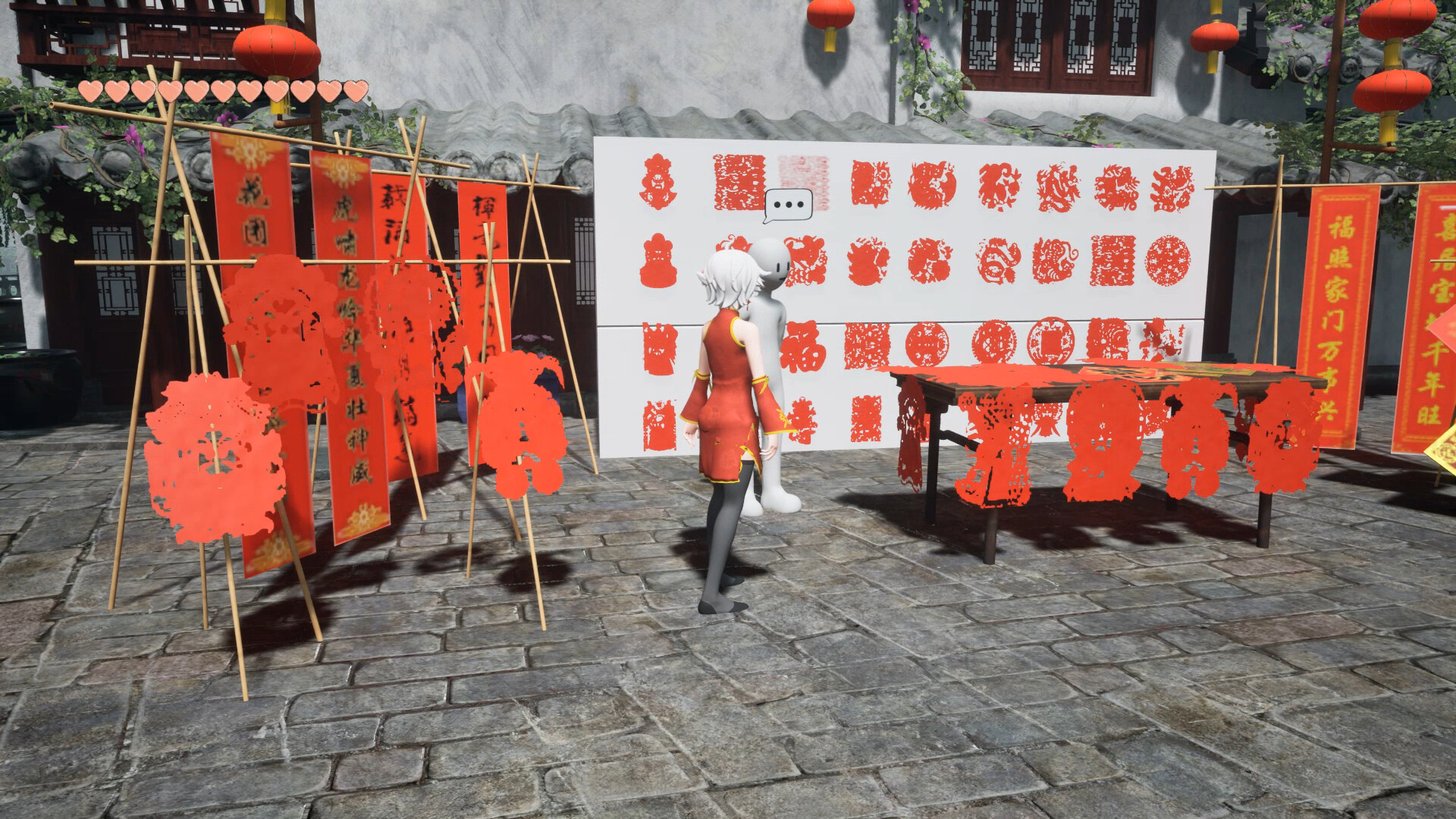
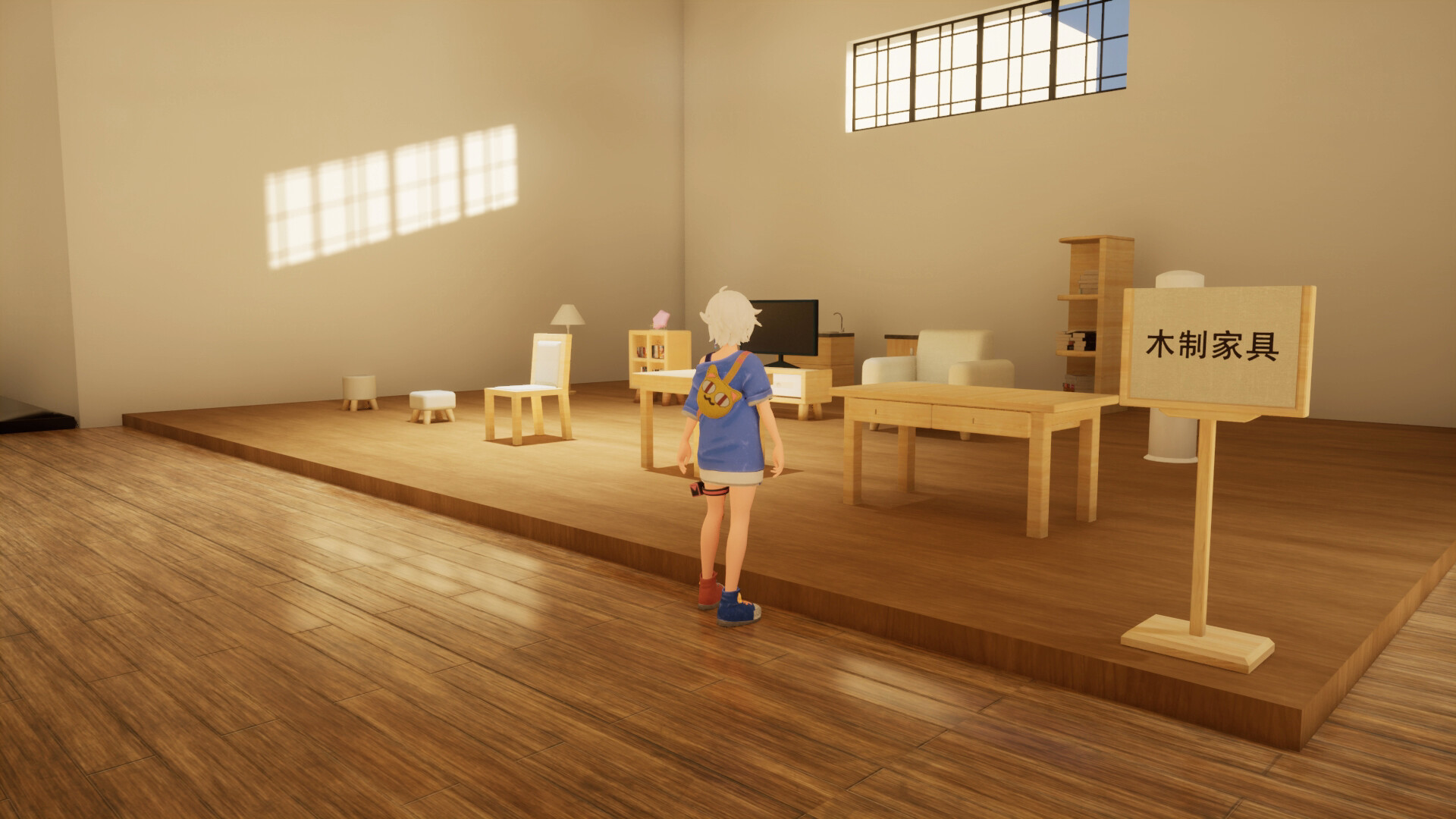
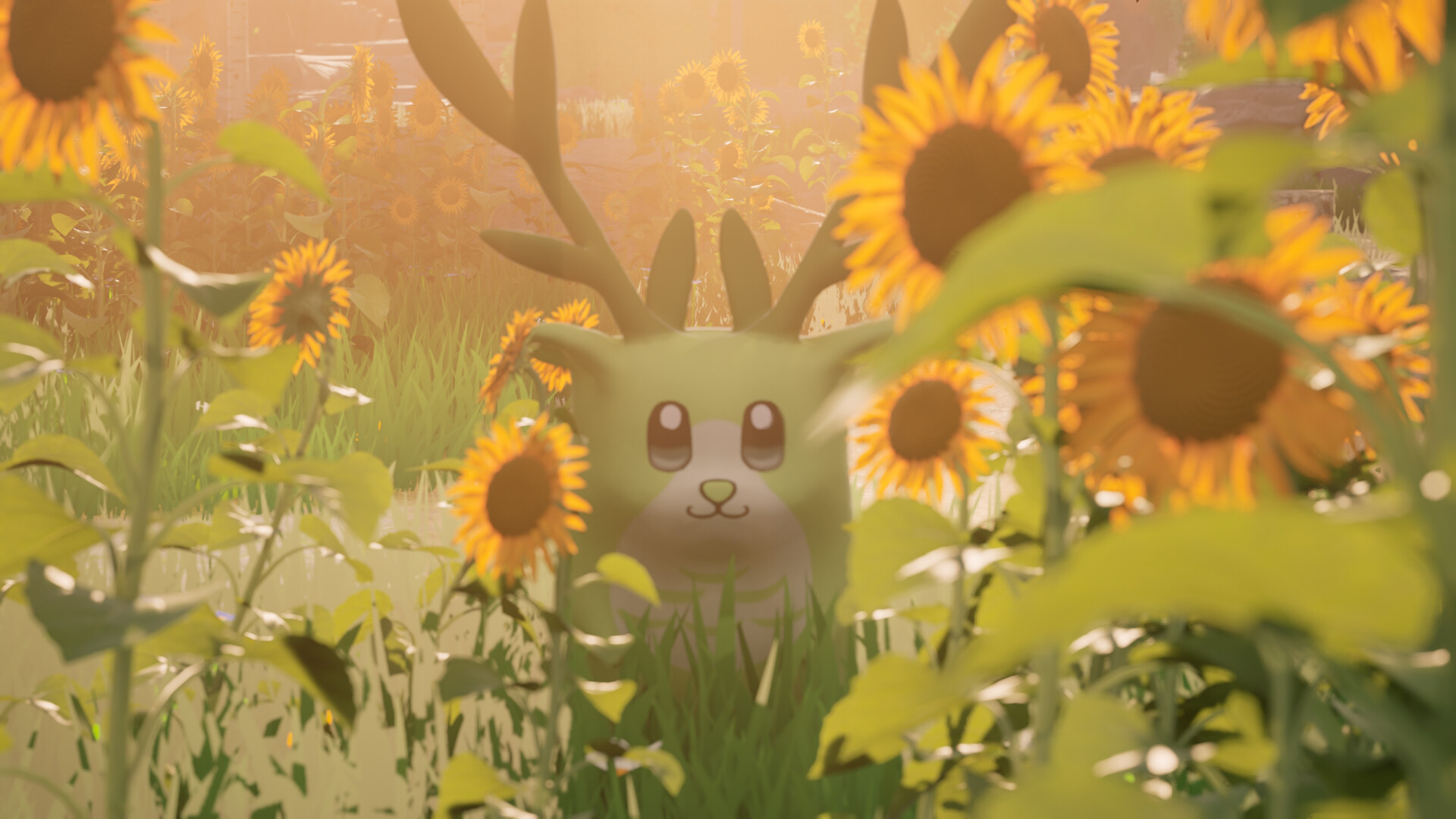
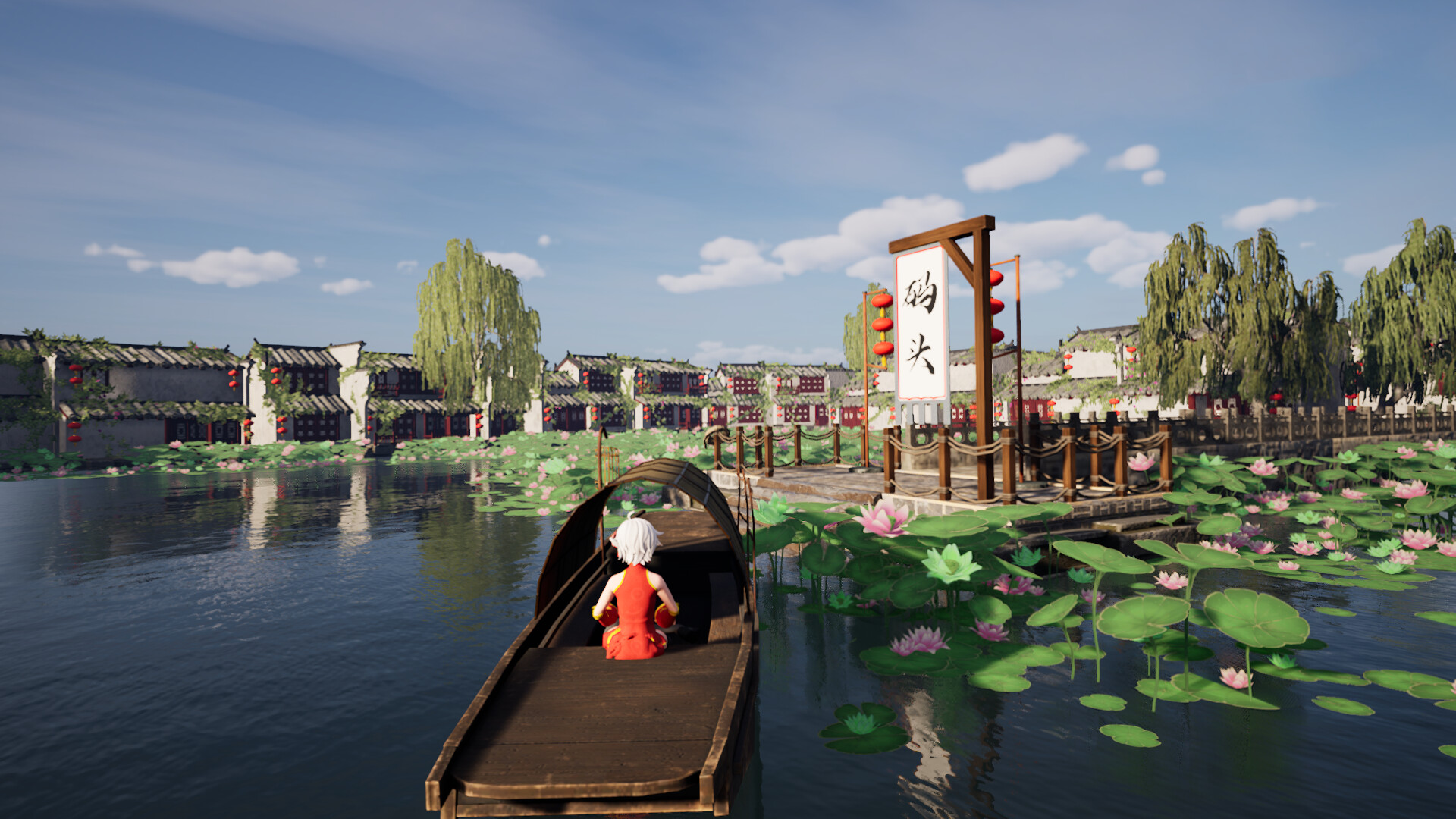
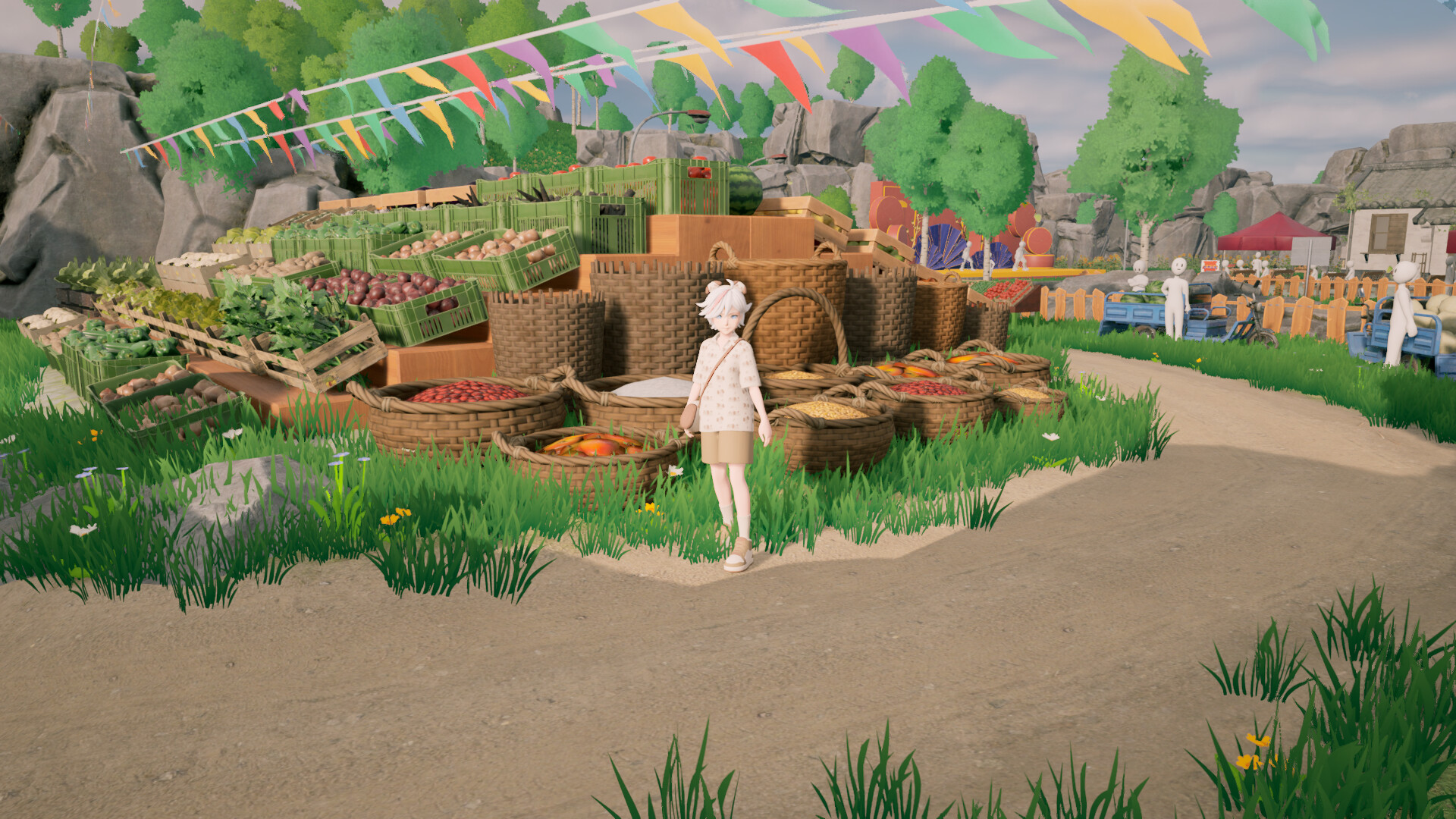
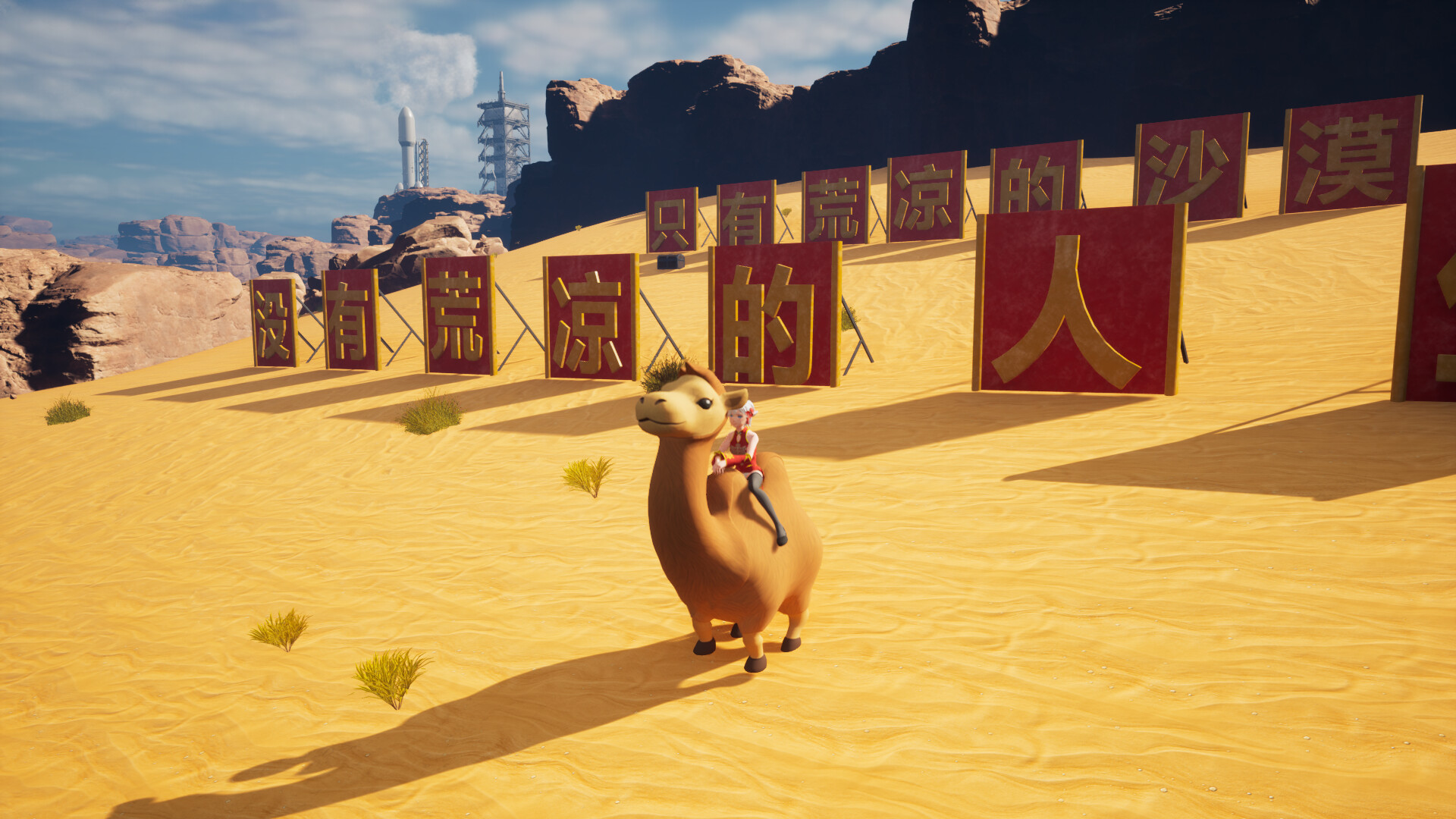
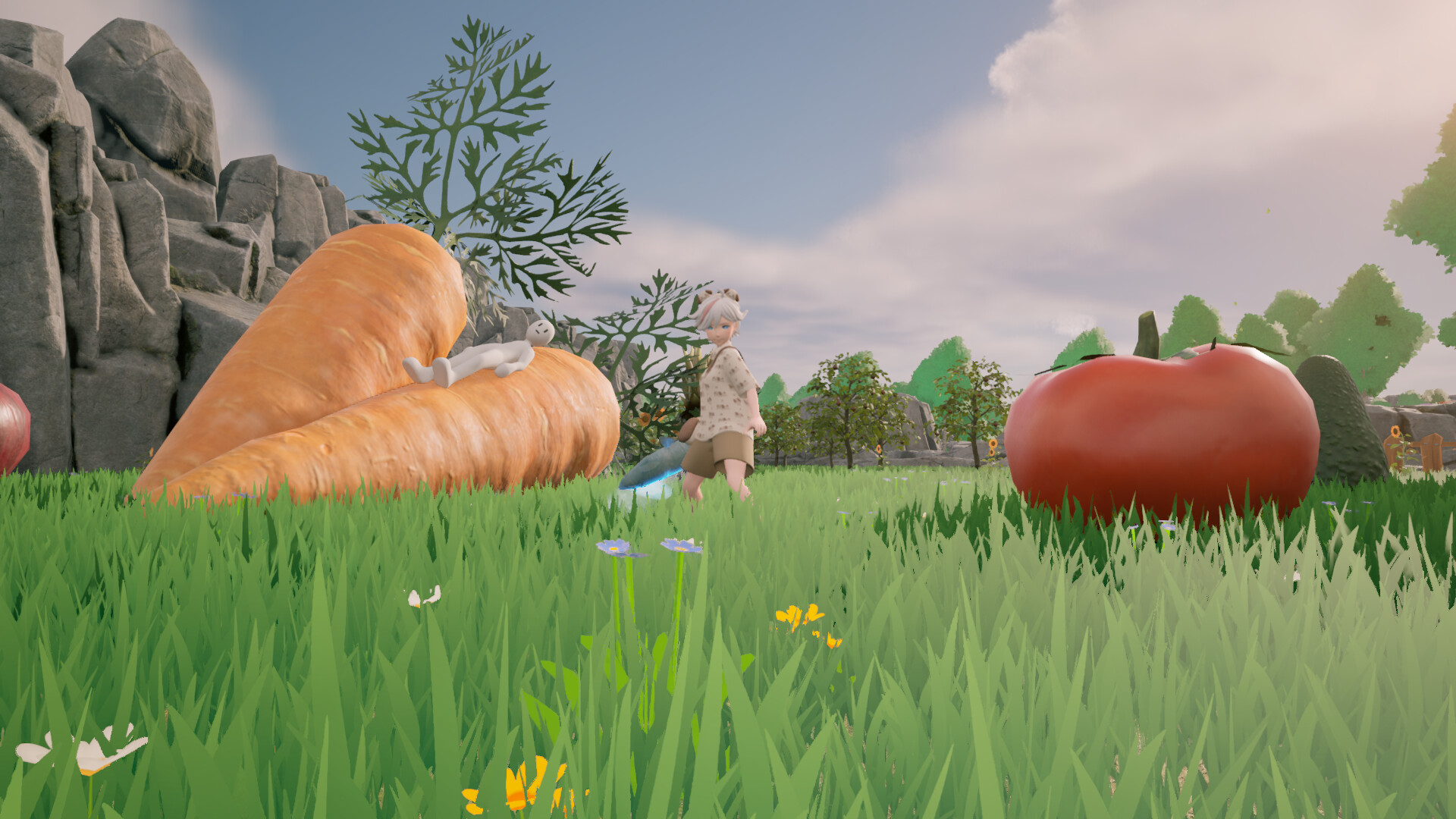
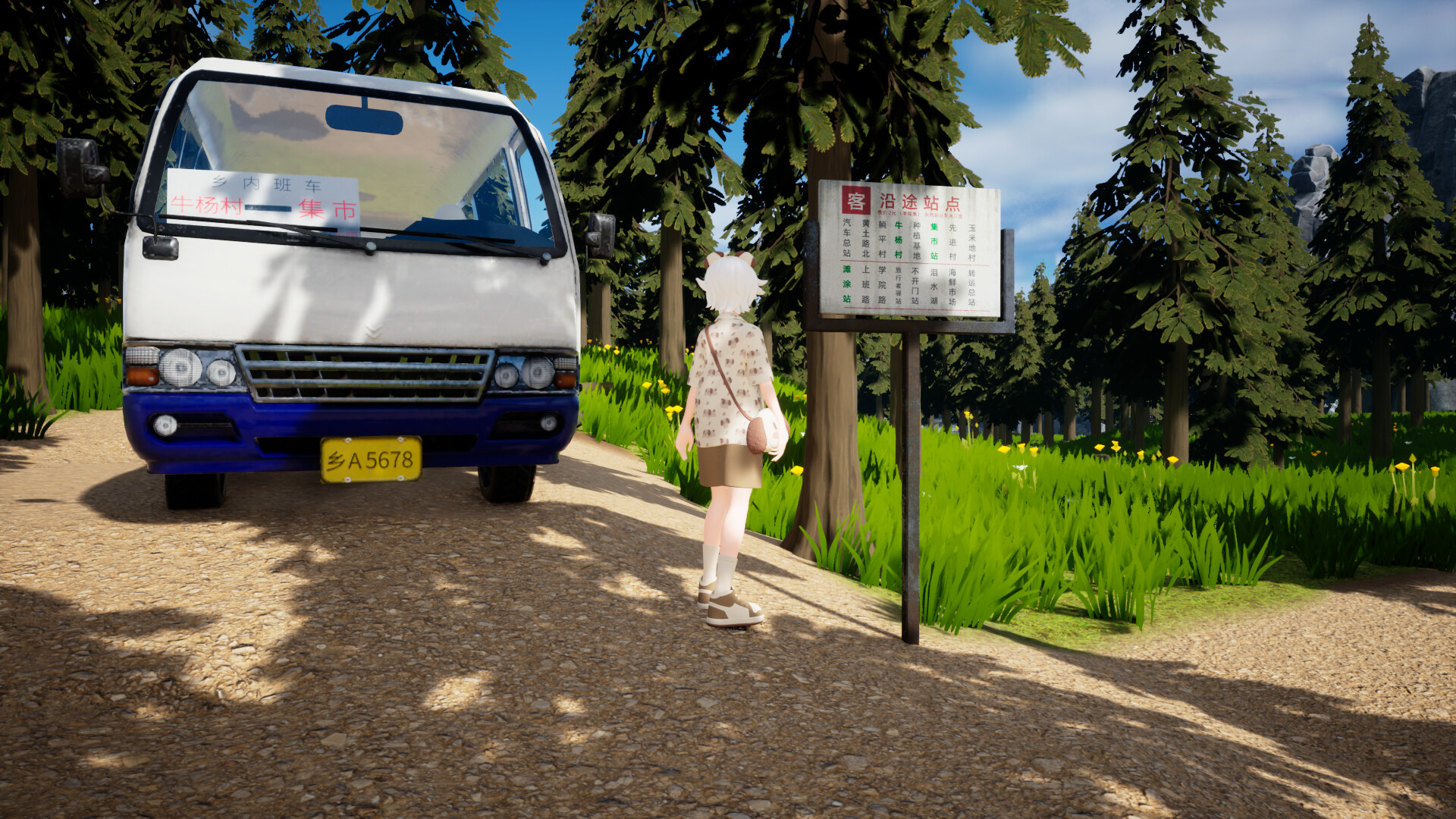
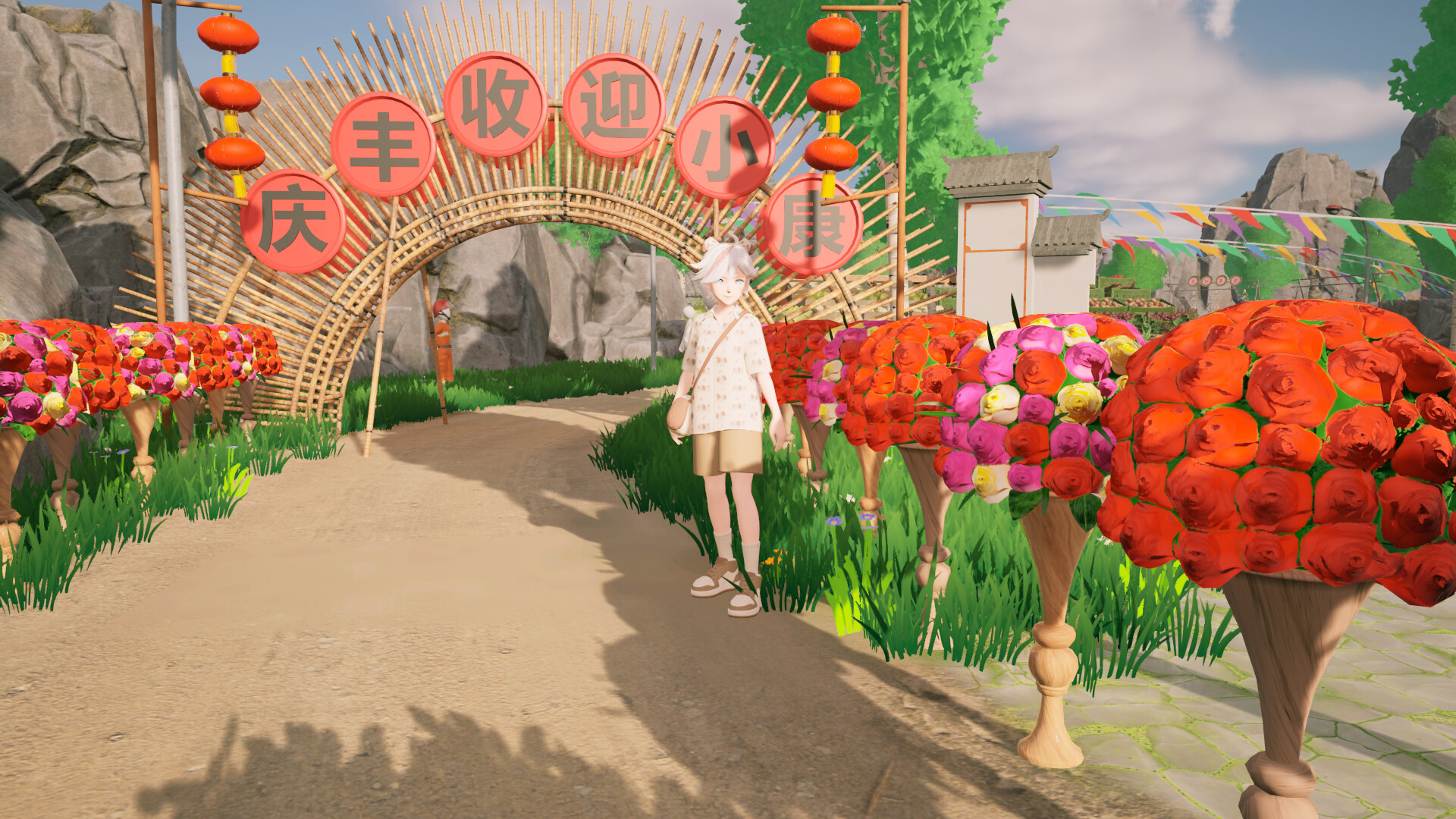
Oriental Valley, developed by 猫多游戏 and published by ETime Studio, is a lighthearted and picturesque life simulation game that embraces the joy of rural living with a modern and whimsical sensibility. Set in a vividly rendered countryside village, the game invites players into a peaceful world where farming, exploration, and community take center stage. The story begins as the protagonist, Xiao Jiang, finds themselves in Niu Yang Village, a place brimming with eccentric characters, playful energy, and opportunities to reconnect with the simple pleasures of everyday life. What distinguishes Oriental Valley from other farming or simulation titles is its ability to combine cultural charm with a humorous tone, turning what might have been a routine farming sim into a lively and endearing experience that feels both familiar and refreshingly different. The first thing that captures the player’s attention is the game’s atmosphere. Oriental Valley radiates warmth through its colorful, painterly visuals and relaxed pacing. The world is small but alive, populated by quirky villagers, strange creatures, and scenic landscapes that feel handcrafted rather than procedural. Each area, from lush fields to the tranquil Bamboo Sea and sun-drenched terraces, offers its own sense of serenity. The art direction leans toward cartoonish exaggeration rather than strict realism, a choice that perfectly complements the game’s humorous dialogue and lighthearted storytelling. The sound design, though subtle, reinforces the cozy rhythm of rural life—the soft rustling of trees, the clatter of village chatter, and the gentle hum of nature form a soundscape that feels inviting and peaceful. The game never rushes the player, instead encouraging slow exploration and genuine immersion in the environment. Gameplay in Oriental Valley follows a structure that will be familiar to fans of farming and life simulation games, yet it manages to inject its own eccentric personality into every activity. Players can grow crops, fish, breed animals, collect resources, paint, dig, and even participate in small village events. However, the appeal lies less in mechanical complexity and more in discovery and relaxation. Farming is straightforward and forgiving, fishing is casual rather than skill-intensive, and interactions with villagers often lead to humorous encounters that reveal the game’s playful writing. The inclusion of “Agrispirit” creatures to collect adds an extra layer of fun, giving players the chance to pursue small side activities that break up the routine. The game’s pacing is deliberately slow, allowing players to engage with its systems organically rather than forcing them into rigid progression loops. A central part of the game’s appeal lies in its social dimension. Niu Yang Village is filled with distinctive NPCs whose personalities range from kindly to comically strange. Developing relationships with them opens up new items, side stories, and even small gifts that reward the player’s attention and patience. The sense of community is conveyed through both daily interactions and seasonal festivities that give the world a sense of rhythm and continuity. Oriental Valley doesn’t aim to simulate realism or the passage of time in a demanding way—instead, it invites players to become part of its world through kindness, curiosity, and a willingness to slow down. The game’s dialogue is written with an intentionally offbeat humor that reflects the creative independence of a small studio, resulting in interactions that are unpredictable and memorable. Despite its many charms, Oriental Valley’s simplicity can be both its greatest strength and its most noticeable weakness. Players accustomed to intricate farming systems or deep narrative arcs may find the game’s mechanics too light and its goals too loosely defined. The experience relies heavily on atmosphere and exploration rather than progression or challenge, and for some, the lack of structure may diminish long-term engagement. Performance-wise, it runs smoothly on most systems, though a few players have reported occasional optimization issues, especially on handheld devices like the Steam Deck. These technical hiccups, while minor, can break immersion in what is otherwise a tranquil and visually pleasant game. Additionally, because the humor and tone are highly stylized, not every player will connect with its idiosyncratic approach—what feels charming to some may seem odd or overly whimsical to others. Still, there is an undeniable sincerity to Oriental Valley that elevates it above many similar indie projects. It is not a game designed to compete with massive simulation titles like Stardew Valley or My Time at Sandrock; rather, it is a smaller, more personal creation that focuses on mood, creativity, and simple pleasures. The inclusion of various regions accessible by train adds a sense of adventure, expanding the world just enough to sustain curiosity without overcomplicating the experience. The mixture of modern design sensibilities with hints of traditional Chinese rural aesthetics gives the game a distinctive cultural identity, enriching its narrative texture. This fusion of local flavor and universal themes of self-discovery and tranquility makes Oriental Valley feel both grounded and unique. In the end, Oriental Valley succeeds not through innovation or technical sophistication, but through its heart. It delivers an experience that feels like a breath of fresh air—simple, genuine, and content to let the player find joy in small moments. Its humor, visual charm, and relaxed design make it an ideal choice for those seeking a break from the intensity of modern gaming. While it may lack the depth or complexity of larger titles, its warmth and personality more than make up for it. Oriental Valley is a celebration of calm living, a digital daydream of peace and simplicity, and a reminder that sometimes the most memorable adventures are the quiet ones that take place far from the noise of the world. Rating: 7/10
Expand the review