


VA-11 Hall-A: Cyberpunk Bartender Action
VA-11 HALL-A: Cyberpunk Bartender Action is a booze em' up about waifus, technology, and post-dystopia life.
Sync your Steam wishlist to find the lowest game prices instantly. No login required, just paste your Steam profile URL!
⚡ Try Wishlist Radar!
Sync your Steam wishlist to find the lowest game prices instantly. No login required!
⚡ Try Wishlist Radar!
Close

Pixel Cafe on Steam
Quick menu
Step into Pixel's shoes in this one-of-a-kind journey that bridges time, memories, and the aroma of fresh coffee. Dive deep into a city balancing its past and future. Engage in intense arcade challenges, immerse yourself in heartfelt stories, and navigate a world crafted in pixel art.
Pixel Cafe is a pixel graphics, time management and story rich game
developed and published by Baltoro Games.
Released on November 30th 2023 is available on Windows, Steam Deck and Steam Machine
in 7 languages: English, French, German, Traditional Chinese, Japanese, Polish and Spanish - Spain.
It has received 840 reviews of which 764 were positive and 76 were negative resulting in a rating of 8.6 out of 10. 😎
The game is currently priced at 12.79€ on Steam, but you can find it for 0.73€ on Eneba.
The Steam community has classified Pixel Cafe into these genres:
Pixel Graphics
Time Management
Story Rich
Female Protagonist
Visual Novel
Capitalism
Crafting
Management
Cooking
Life Sim
Arcade
2D
Relaxing
Controller
Linear
Casual
Choices Matter
Simulation
Colorful
Strategy
Here is the detailed breakdown of supported languages for Pixel Cafe:
| UI | Subtitle | Audio | |
|---|---|---|---|
| English | |||
| German | |||
| French | |||
| Spanish - Spain | |||
| Traditional Chinese | |||
| Japanese | |||
| Polish |
Media & Screenshots
Get an in-depth look at Pixel Cafe through various videos and screenshots.

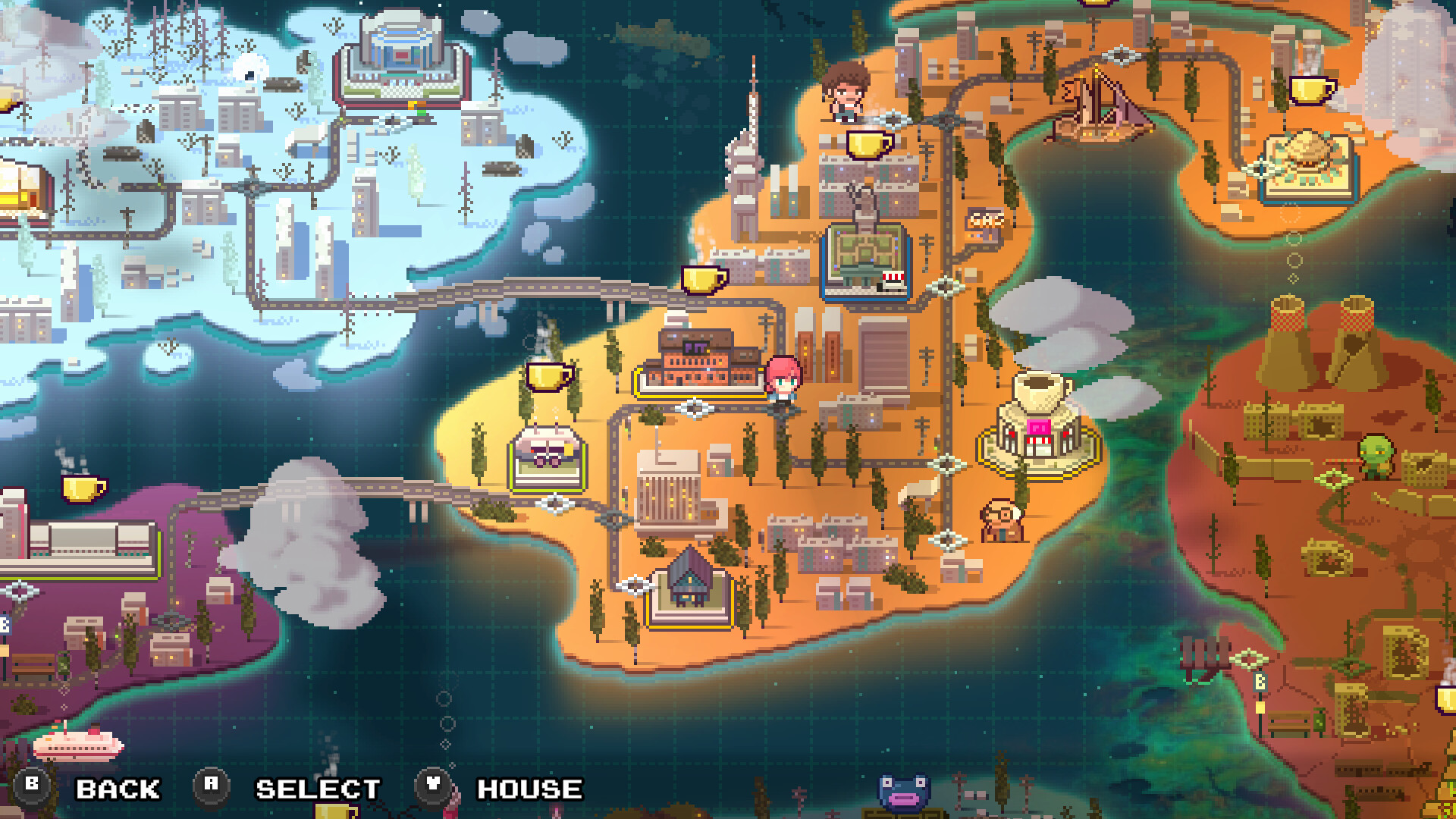

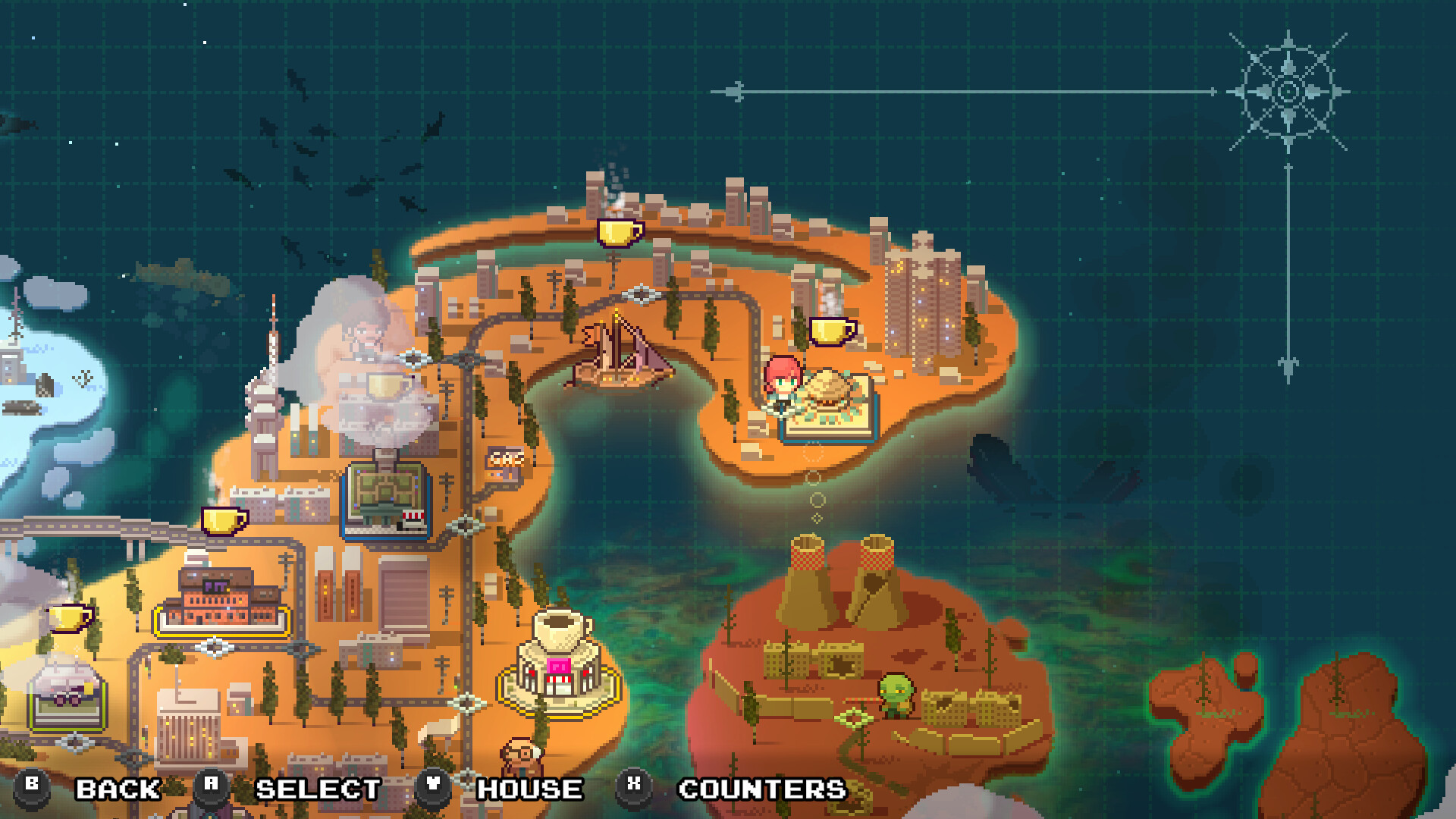

Load More






System requirements
These are the minimum specifications needed to play the game. For the best experience, we recommend that you verify them.
Windows
- OS *: Windows Vista or Later
- Processor: Intel Core Duo or faster
- Memory: 4 GB RAM
- Graphics: OpenGL 3.0 compliant video card
- Storage: 1 GB available space
- Sound Card: Standard Sound Card
- Additional Notes: Gamepad highly recommended
Steam Price & Best Deals
User reviews & Ratings
Explore reviews from Steam users sharing their experiences and what they love about the game.
really enjoyed the aesthetics of this game, and the overall gameplay was also fun. just did not like how easy it was for a seasoned diner dash/delicious emily pro player. my con list is a bit extensive, but i'd count it as feedback for any future endeavors from the devs (would love to see a sequel, honestly!) love: - aesthetic - music - gameplay - home upgrades were very cute and a nice + unique concept for a cooking game cons: - you can pour the colorful drinks in any order you want - all levels require the same goal: get a certain amount of coins. would prefer if there were other requirements besides that especially near the end when you have all upgrades - feels repetitive and boring when you have nothing to work towards except for finishing the level - story was way too much text. i didn't read any of it cause it just kept going on and on and on. should've been shorter especially for a game like this. i know it is tagged as a visual novel, but if you just want the gameplay, then it kind of sucks that you have no idea what's going on cause you can't sit through reading all the text. - even though the music is great, it was very repetitive and also did not fit certain levels. like when you are at the bar with the band in the background. why can't i hear the band? would've loved to see a playlist with music akin to Not Tonight - very easy if you play casual time management games a lot even on harder difficulty - customer orders seemed pre-programmed rather than being random
It is an interesting cafe management game. The gameplay starts off simple with serving coffee, but it quickly becomes much more challenging as you unlock new recipes, multiple counters, and busier shifts. Each cafe introduces different foods, drinks, and layouts, keeping every chapter feeling fresh. I also like being able to upgrade the workstations to make serving customers more efficient as the difficulty increases. I find it so addictive because every time I think I'm finished, a new recipe, another counter, or a busier shift unlocks. Before I know it, an hour has gone by. The difficulty gradually increases in a satisfying way, so every completed shift feels rewarding, even if I'm frantically trying to keep customers happy while wondering how I ended up running three stations at once! I also enjoy the story, which follows Pixel as she works different jobs while trying to find her place in life. It adds a nice layer to the game without taking away from the fast paced gameplay. The only downside for me is that I wish there were instructions when making a new recipe. Sometimes it takes me several tries before I finally figure it out. The only downside for me is that I wish there were instructions when making a new recipe. Sometimes it takes me several tries before I finally figure it out. Overall, I had a great time with the game, and I highly recommend it to players who enjoy fast paced cafe management games.
Similar games
View all

Refind Self: The Personality Test Game
Games can really show someone's personality, don't you think? By way of a simple exploration-based adventure, this data-science game analyzes your actions to estimate your personality.

Ten Trials of Babel: The Doppelganger Maze
Otome × Death Game × Mild Horror Multiple Endings Puzzle RPG
Frequently Asked Questions
Pixel Cafe is currently priced at 12.79€ on Steam.
No, Pixel Cafe is currently not on sale. You can purchase it for 12.79€ on Steam.
Yes, Pixel Cafe received 764 positive votes out of a total of 840 achieving a rating of 8.56.
😎
Pixel Cafe was developed and published by Baltoro Games.
Yes, Pixel Cafe is playable and fully supported on Windows.
No, Pixel Cafe is not playable on MacOS.
No, Pixel Cafe is not playable on Linux.
Yes, Pixel Cafe is playable and fully supported on Steam Deck.
Yes, Pixel Cafe is playable and fully supported on Steam Machine.
No, Pixel Cafe does not support VR.
Pixel Cafe is a single-player game.
Yes, there are 2 DLCs available for Pixel Cafe. Explore additional content available for Pixel Cafe on Steam.
No, Pixel Cafe does not support mods via Steam Workshop.
No, Pixel Cafe does not support Steam Remote Play.
Yes, Pixel Cafe is enabled for Steam Family Sharing. This means you can share the game with authorized users from your Steam Library, allowing them to play it on their own accounts. For more details on how the feature works, you can read the original Steam Family Sharing announcement or visit the Steam Family Sharing user guide and FAQ page.
You can find solutions or submit a support ticket by visiting the Steam Support page for Pixel Cafe.
Data sources
The information presented on this page is sourced from reliable APIs to ensure accuracy and relevance. We utilize the Steam API to gather data on game details, including titles, descriptions, prices, and user reviews. This allows us to provide you with the most up-to-date information directly from the Steam platform.
Additionally, we incorporate data from the SteamSpy API, which offers insights into game sales and player statistics. This helps us present a comprehensive view of each game's popularity and performance within the gaming community.
Last Updates| Steam data | 16 October 2026 17:13 UTC |
|---|---|
| SteamSpy data | 14 October 2026 03:13 UTC |
| Steam price | 27 October 2026 03:18 UTC |
| Steam reviews | 18 October 2026 17:53 UTC |
If you'd like to dive deeper into the details about Pixel Cafe, we invite you to check out a few dedicated websites that offer extensive information and insights. These platforms provide valuable data, analysis, and user-generated reports to enhance your understanding of the game and its performance.
- SteamDB - A comprehensive database of everything on Steam about Pixel Cafe
- SteamCharts - Analysis of Pixel Cafe concurrent players on Steam
- ProtonDB - Crowdsourced reports on Linux and Steam Deck Pixel Cafe compatibility

Game modes
Features
Online players
4
Developer
Baltoro Games
Publisher
Baltoro Games
Release
30 Nov 2023
Platforms
Clicking and buying through these links helps us earn a commission to maintain our services.