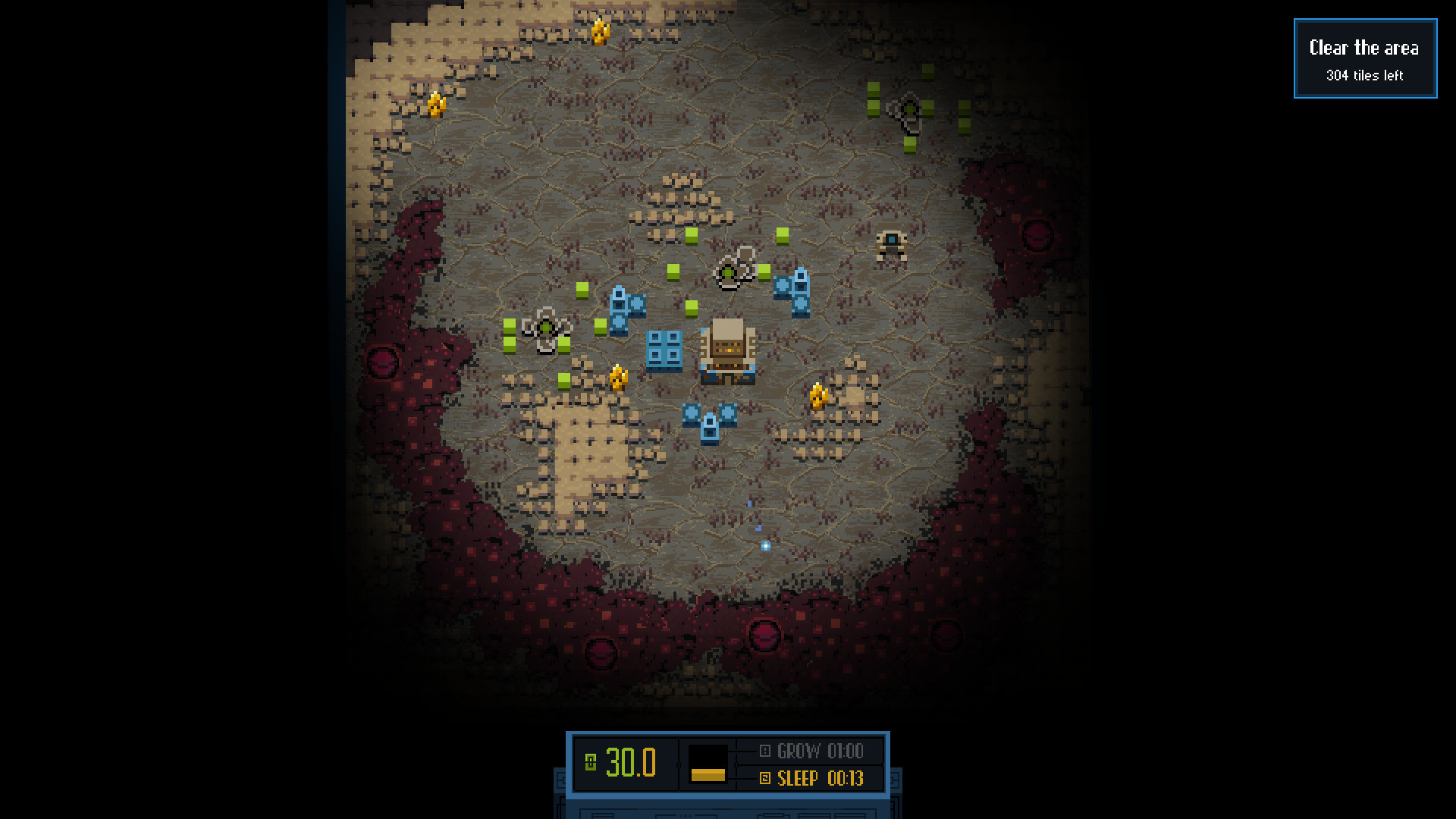
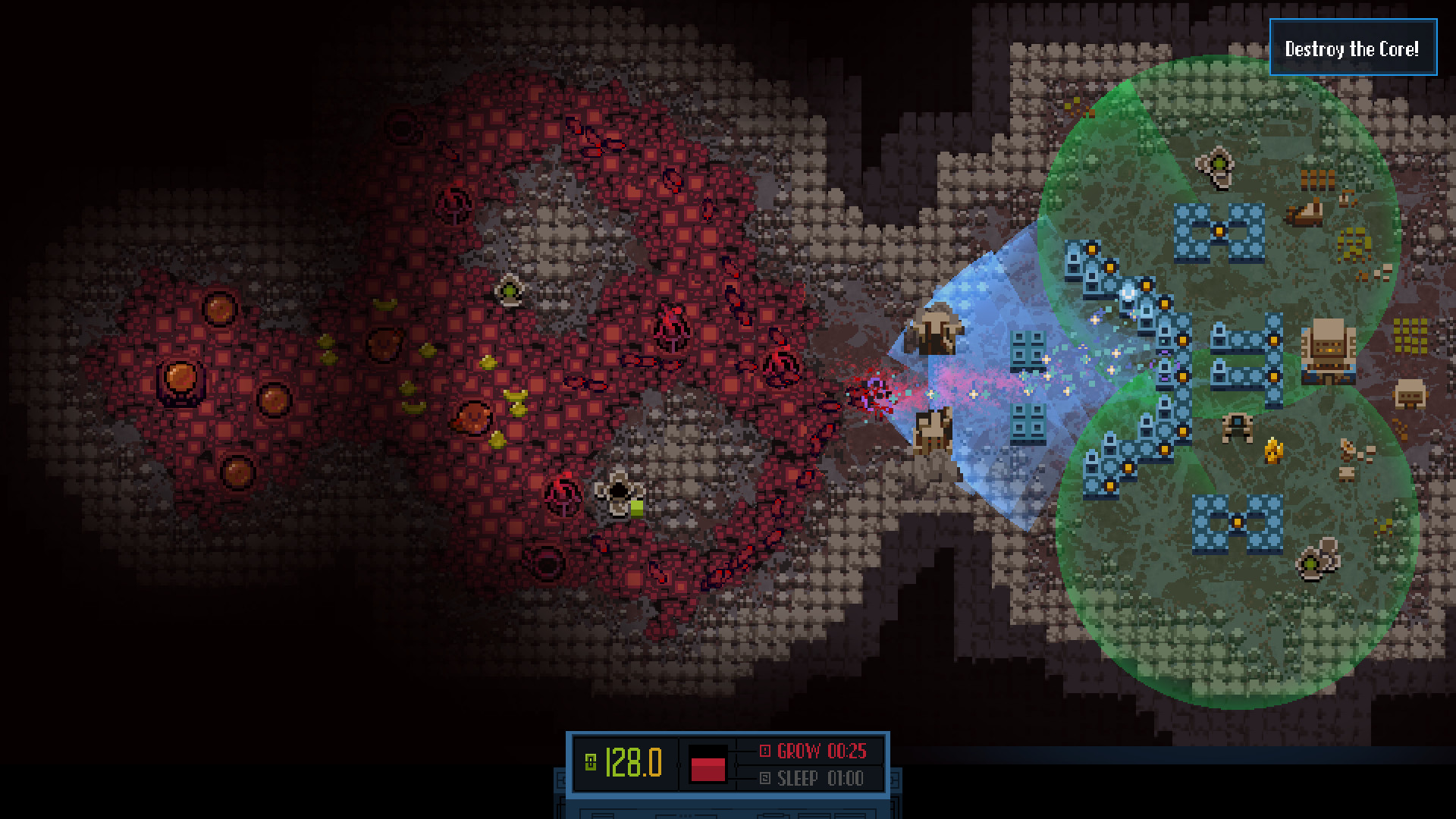
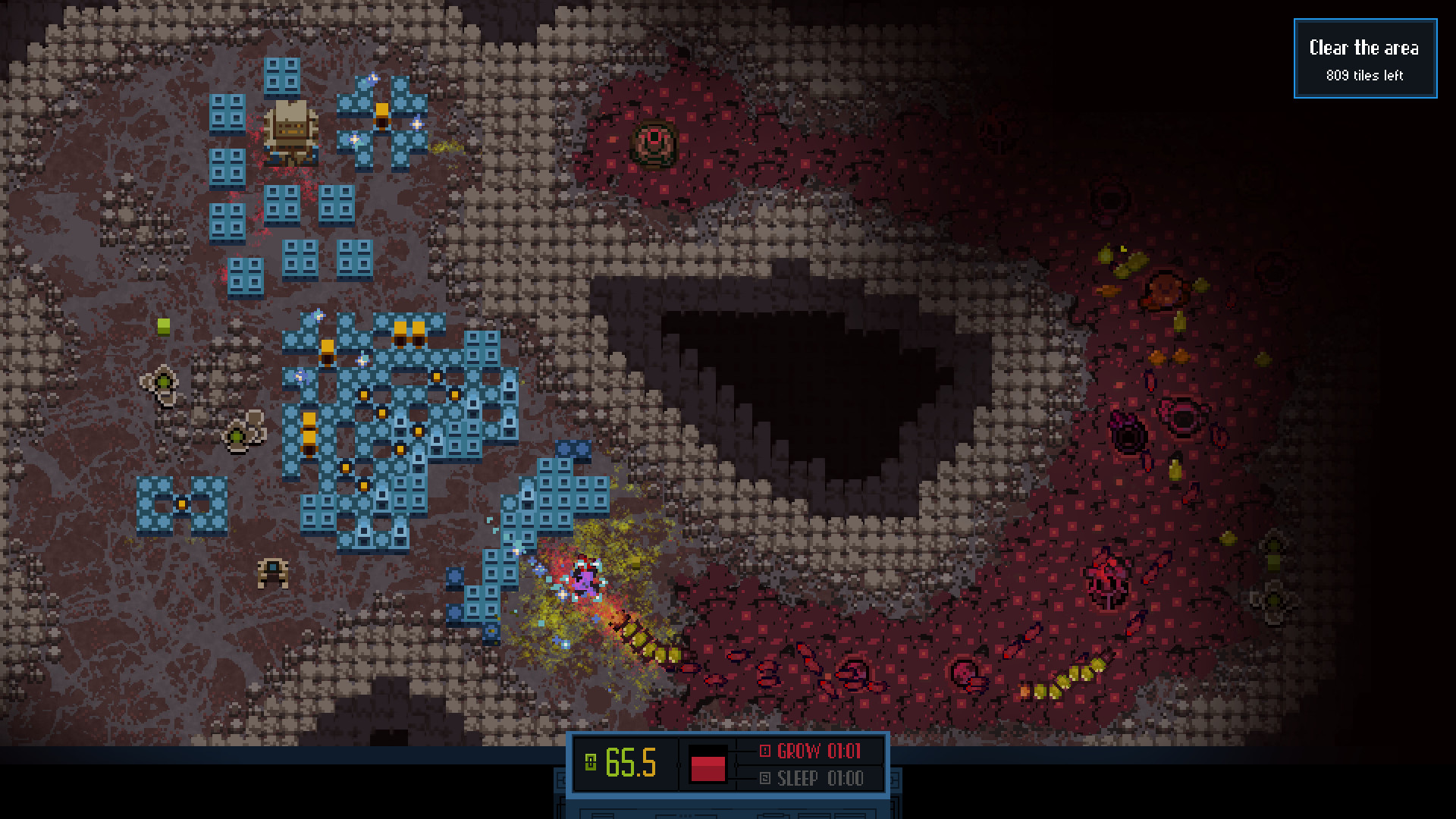
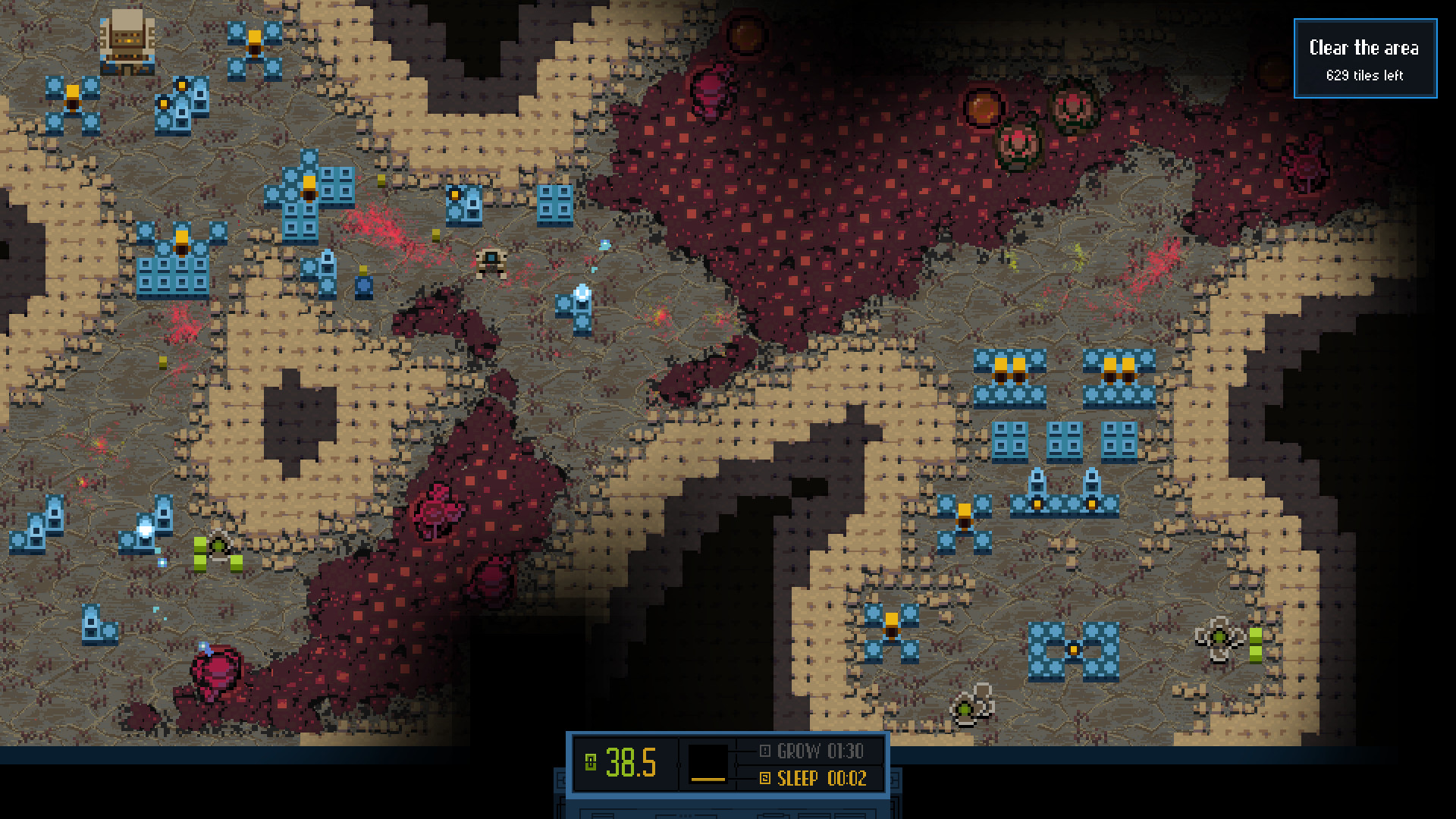
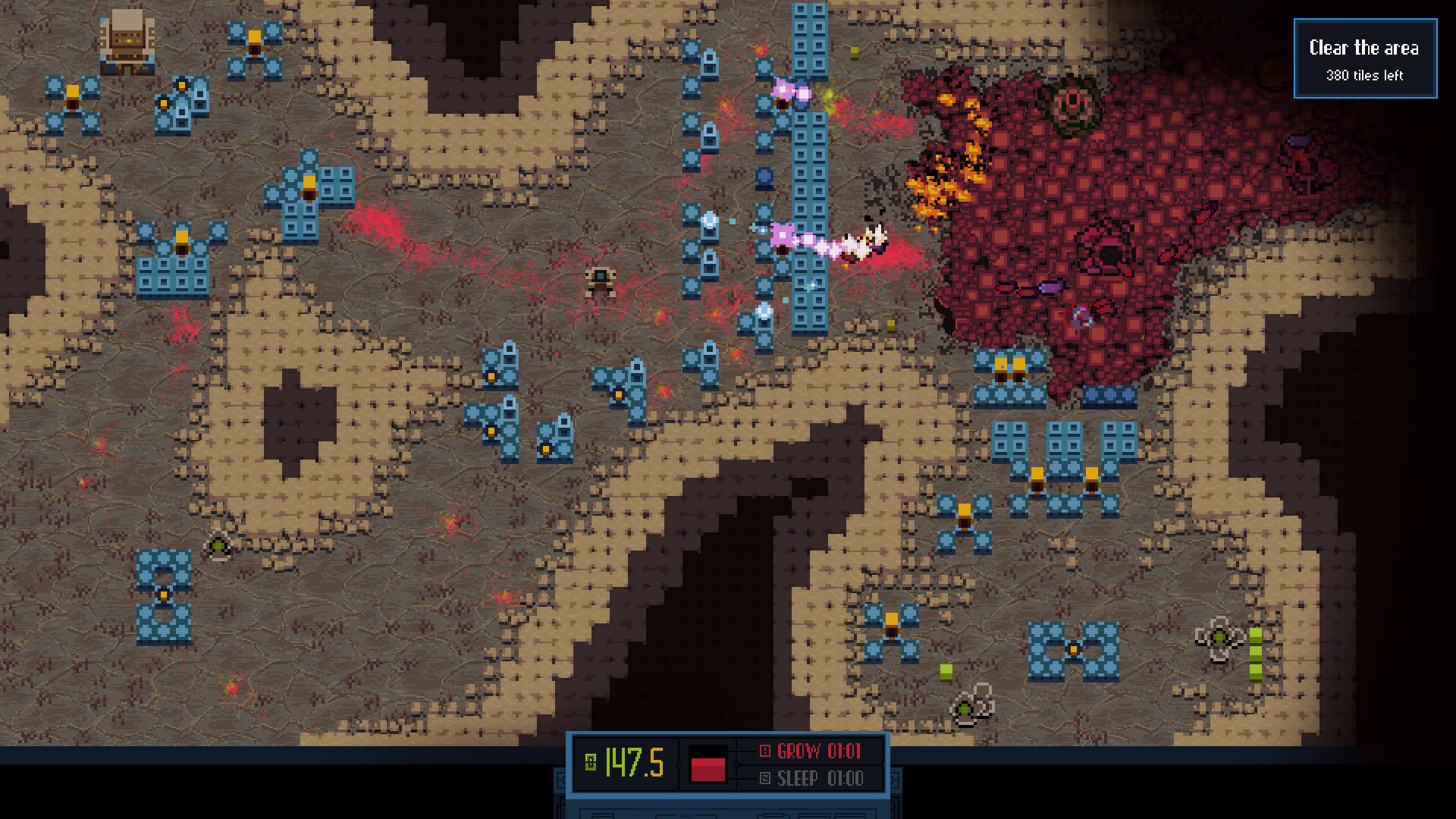
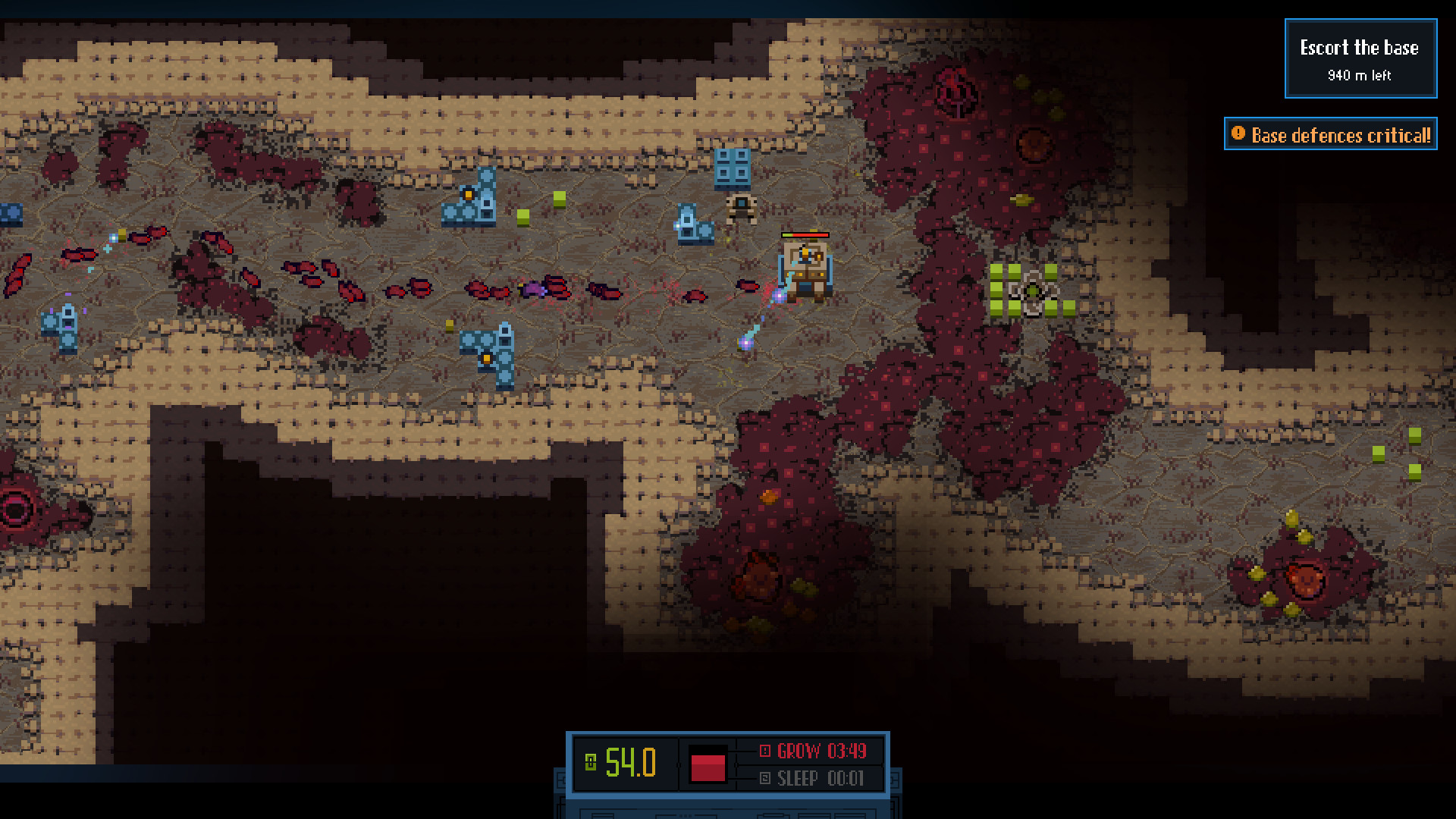
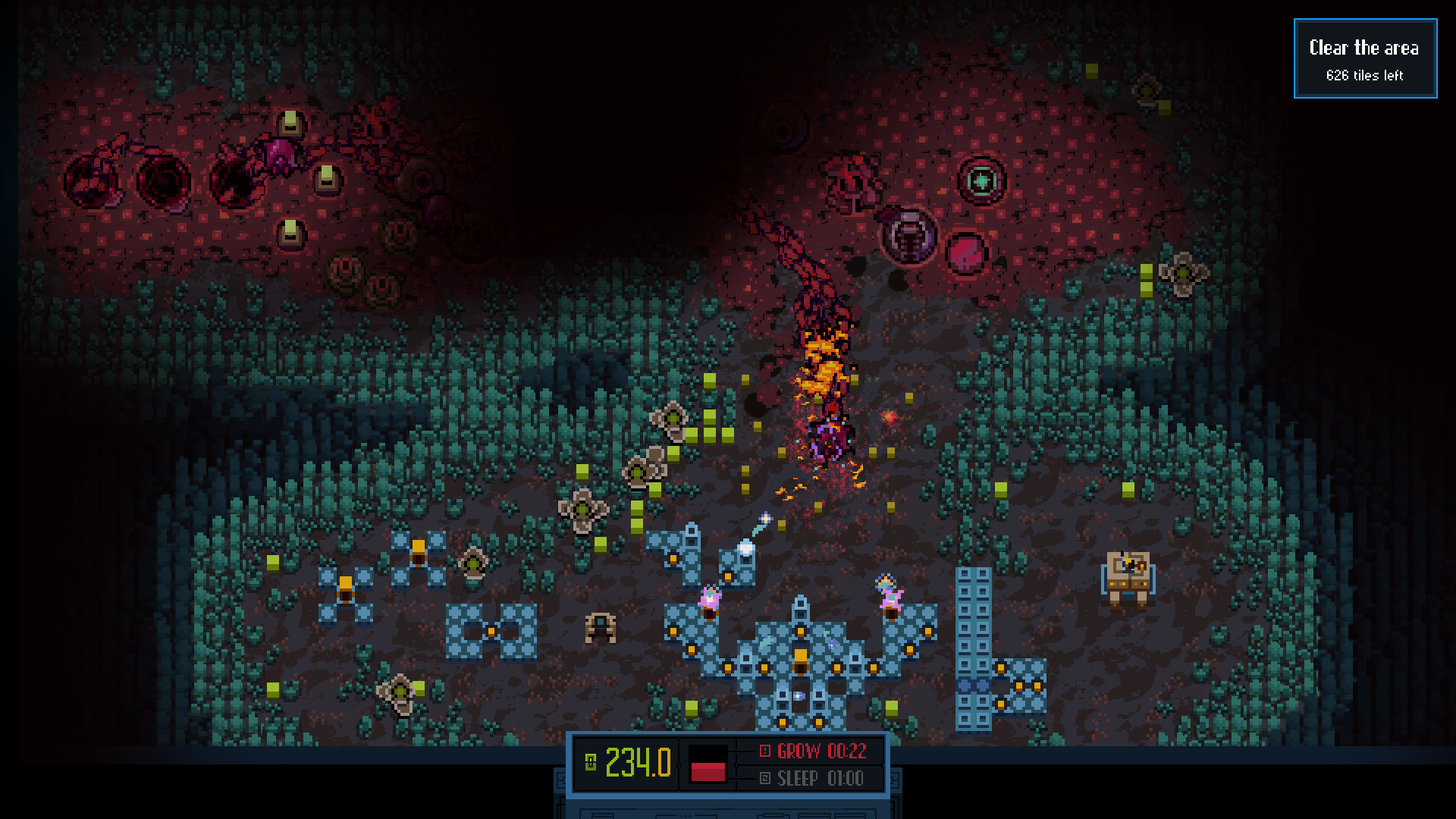
Protolife is an experimental strategy game developed and published by Volcanic Giraffe that blends tower defense mechanics with real-time strategy and creative construction systems. Released on Steam as an indie project, the game stands out for its unusual design philosophy, encouraging players not just to place pre-built defenses but to construct their own towers using modular components. The result is a strategic experience that places heavy emphasis on engineering, planning, and adaptation while fighting back against an ever-expanding alien ecosystem. Rather than simply reacting to enemy waves, players are tasked with designing and maintaining a dynamic defensive infrastructure capable of surviving a hostile world. The game is set on a distant planet that humanity attempted to colonize but ultimately lost to a mysterious biological force known as “proto-life.” This alien organism spreads across the landscape like a living infection, consuming structures and transforming the environment into hostile territory. Entire colonies have been wiped out as the organism grows uncontrollably, leaving only a few defensive installations and automated systems behind. The player assumes the role of a robotic engineer tasked with defending these remaining footholds and gradually reclaiming the planet from the spreading corruption. Although the narrative is minimal and mostly conveyed through mission context rather than extensive dialogue, the setting effectively establishes a tense atmosphere where humanity is struggling to survive against an overwhelming biological threat. Gameplay revolves around defending key areas from the encroaching proto-life while expanding and improving defensive structures. Unlike traditional tower defense games where players place fixed towers from a selection of predefined options, Protolife allows players to build their own towers from individual blocks. These blocks can include weapon mounts, power generators, structural components, and support modules. By assembling these pieces in different configurations, players create unique towers that function according to their design choices. This system transforms tower construction into a form of engineering puzzle where efficiency, power distribution, and structural layout all influence performance. The modular construction system introduces a surprising level of depth. A tower that is poorly designed may suffer from limited power supply or inefficient firing angles, while a well-constructed structure can dominate large areas of the battlefield. Players must carefully balance offensive capability with energy production, ensuring that each tower has the resources necessary to operate effectively. This layer of strategic planning encourages experimentation, as players test different tower configurations to discover which designs perform best against various enemy threats. Another unusual aspect of Protolife is the player’s active role during battles. Instead of acting as a distant commander, players directly control a builder robot responsible for constructing and maintaining defensive structures. The robot can move across the battlefield in real time, collecting resources, repairing damaged towers, and adding new modules to existing defenses. This direct control creates a much more dynamic experience compared to many tower defense games, where once a tower is placed it rarely changes. In Protolife, the player is constantly adjusting their defenses as the enemy evolves and spreads. The proto-life itself behaves very differently from typical enemy forces. Rather than appearing in predictable waves, the organism spreads across the map organically, forming clusters of alien growths that gradually expand and spawn hostile creatures. If left unchecked, this corruption can overwhelm defensive positions and cut off access to valuable resources. Players must therefore balance defensive construction with offensive actions aimed at containing and pushing back the organism before it grows out of control. Each mission presents a different environment with unique terrain layouts and objectives. Some stages require the defense of a single base against incoming threats, while others challenge players to gradually cleanse entire areas of alien infestation. Terrain features such as narrow corridors, open plains, or resource-rich regions influence how players design their defensive networks. In some scenarios, choke points allow for concentrated defenses, while other maps require wide coverage and distributed tower placements. The campaign includes dozens of missions that gradually introduce new mechanics and challenges. As players progress, they unlock additional tower components and technologies that expand their strategic options. More advanced weapons, improved power systems, and stronger structural blocks allow for increasingly sophisticated defensive designs. The sense of progression comes not only from unlocking new tools but also from mastering the construction system and learning how to build more efficient structures. Visually, Protolife adopts a pixel-inspired art style presented from a top-down perspective. While the graphics are relatively simple, they effectively convey the contrast between mechanical structures and the organic alien infestation. Towers appear as rigid technological constructs while the proto-life spreads across the terrain in pulsating, organic forms that visually represent the growing threat. The clarity of the visual design makes it easy to track the expansion of the organism and identify weak points in the defensive network. The game’s audio design supports the atmosphere with subtle electronic music and ambient sound effects that create a sense of isolation on the hostile planet. During moments of calm resource gathering, the soundtrack remains quiet and atmospheric. When the proto-life launches attacks or expands rapidly, the music becomes more intense, reinforcing the urgency of defending the base. Although the soundtrack is not particularly elaborate, it serves its purpose in maintaining tension and immersion. Ultimately, Protolife stands out as an ambitious indie strategy title that challenges conventional tower defense design. By allowing players to build their own defenses from the ground up and actively participate in the battlefield, it delivers a deeply strategic experience that rewards creativity and persistence. While its learning curve and pacing issues may discourage some players, those who enjoy designing complex defensive systems and experimenting with unconventional strategies will find the game both engaging and rewarding. Rating: 8/10
Expand the review