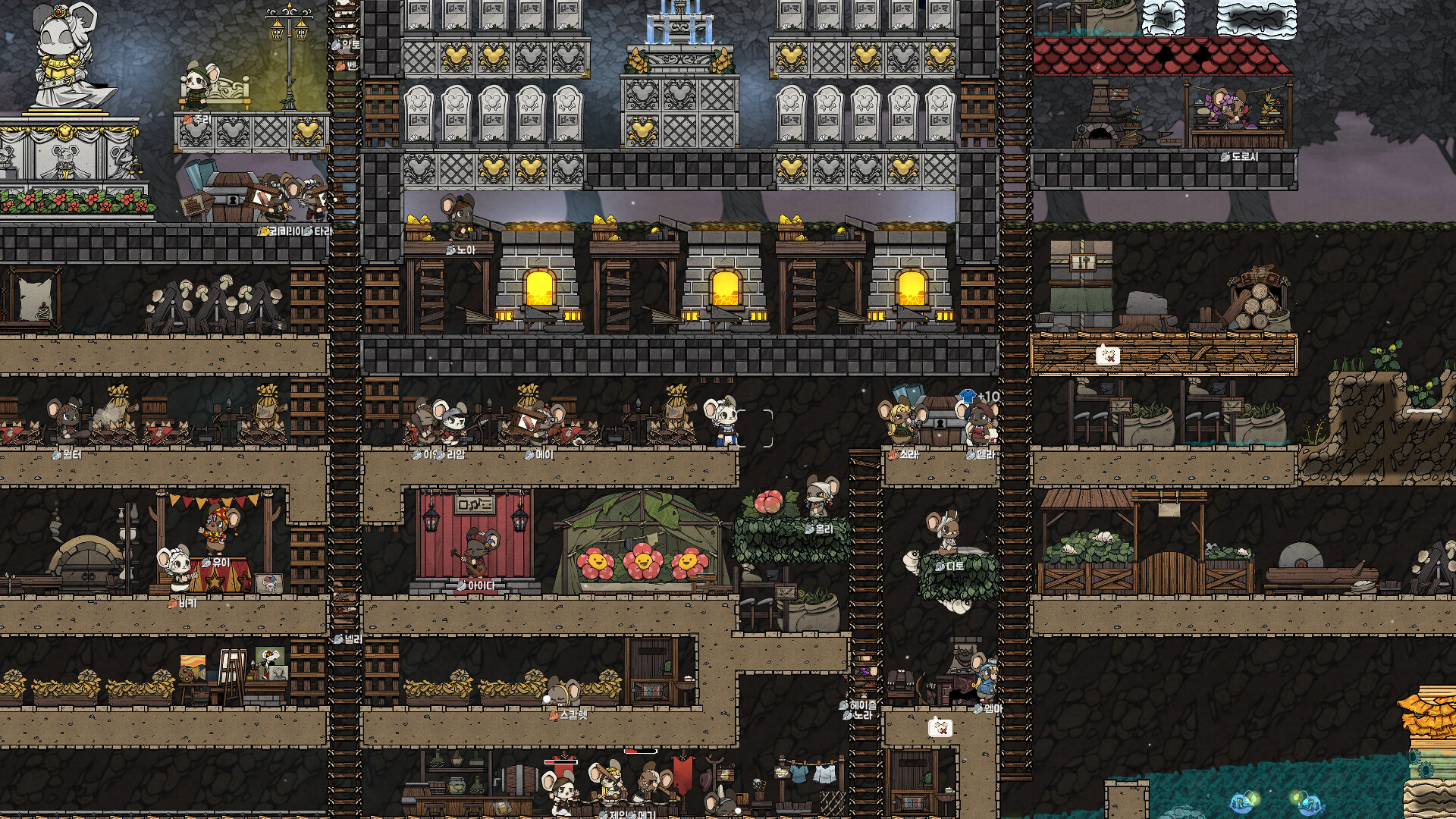
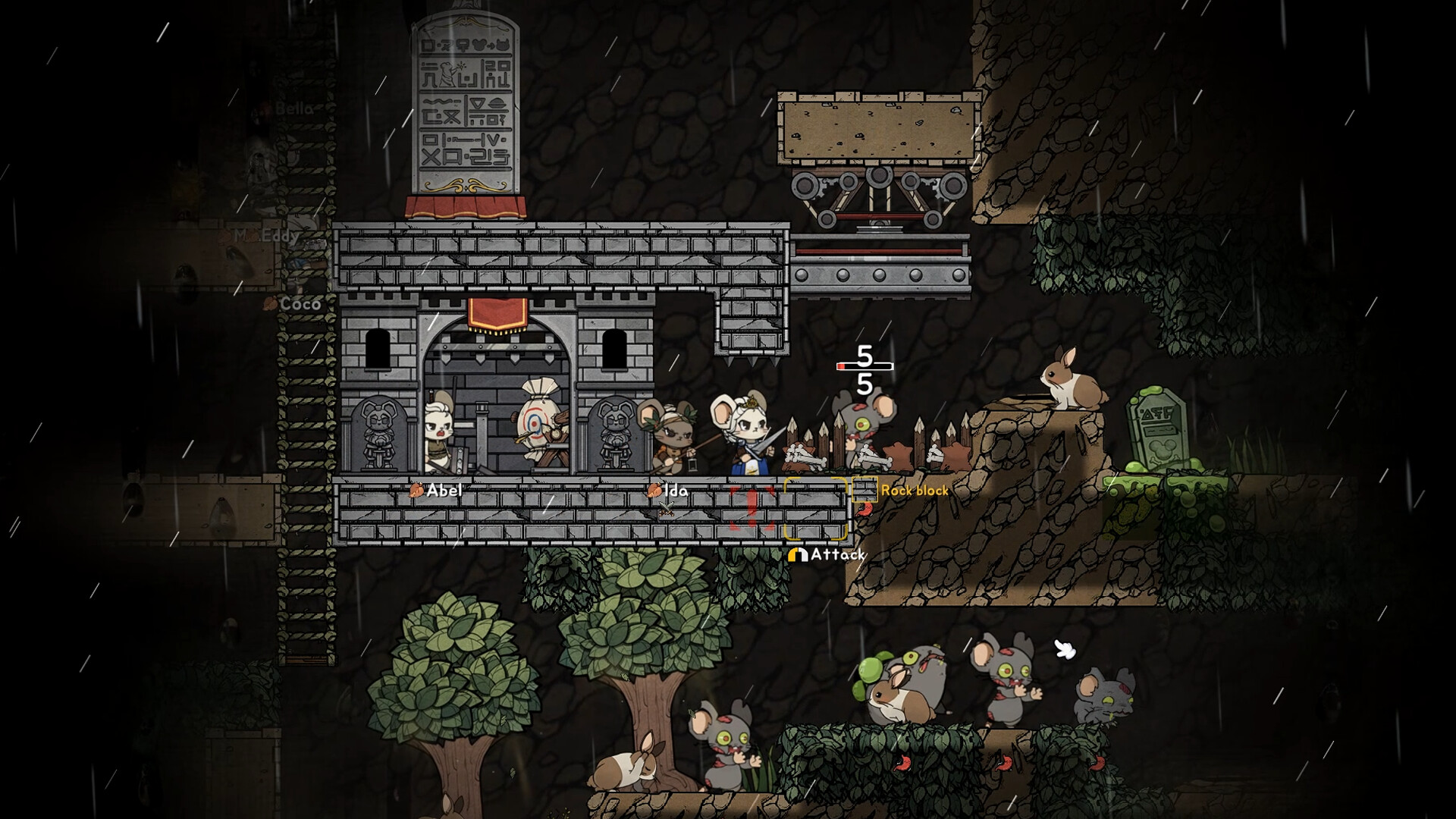
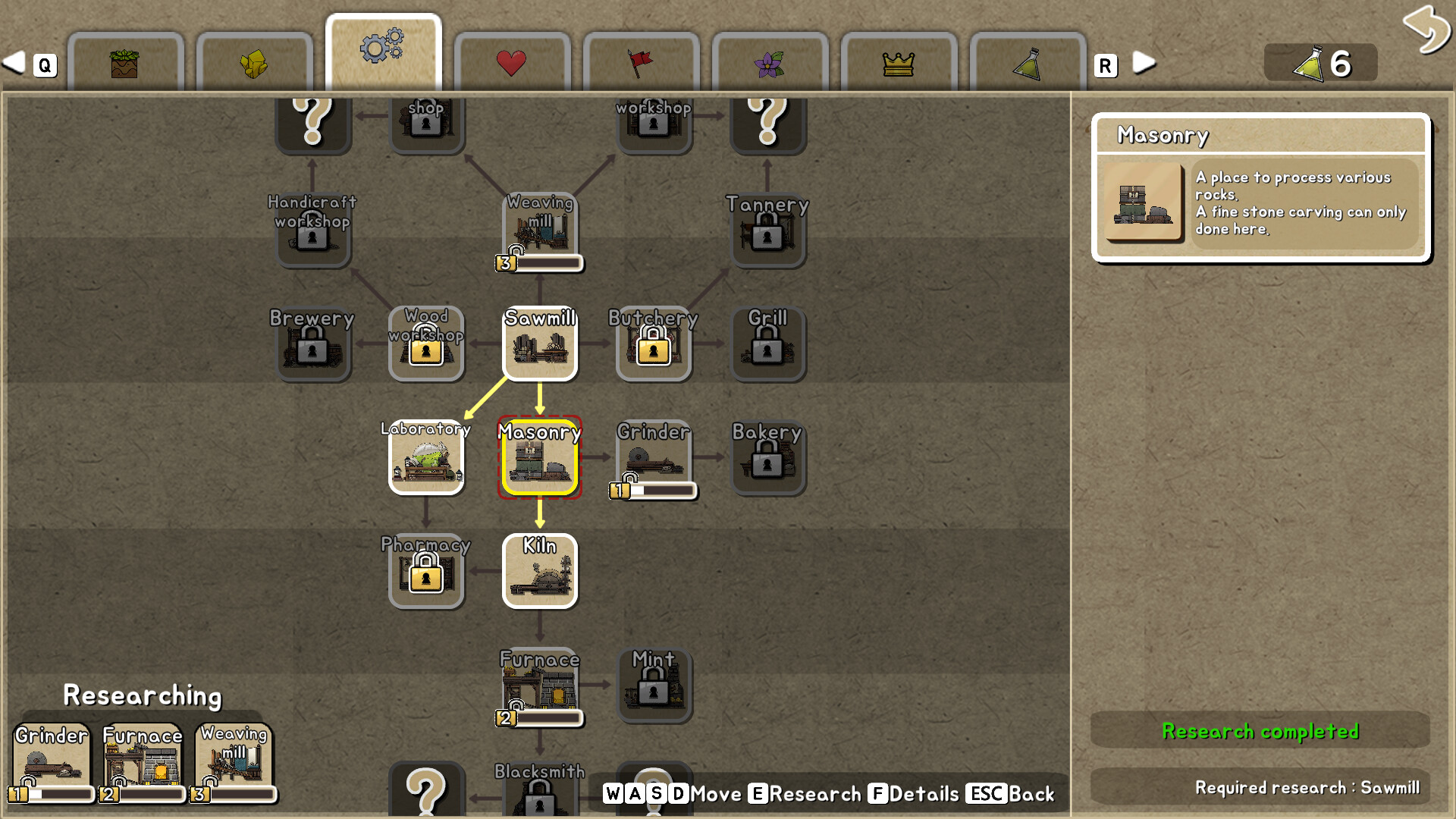
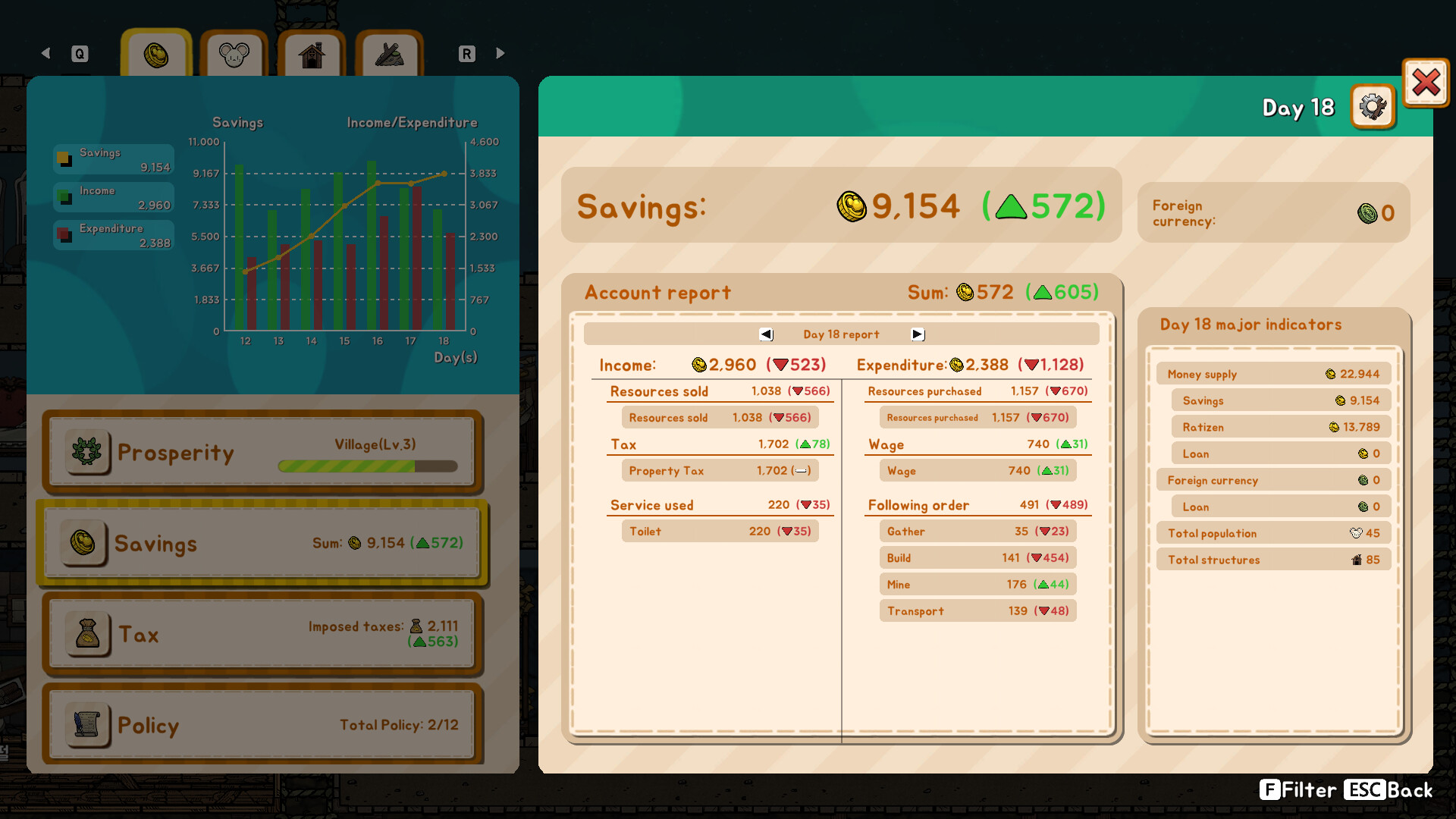
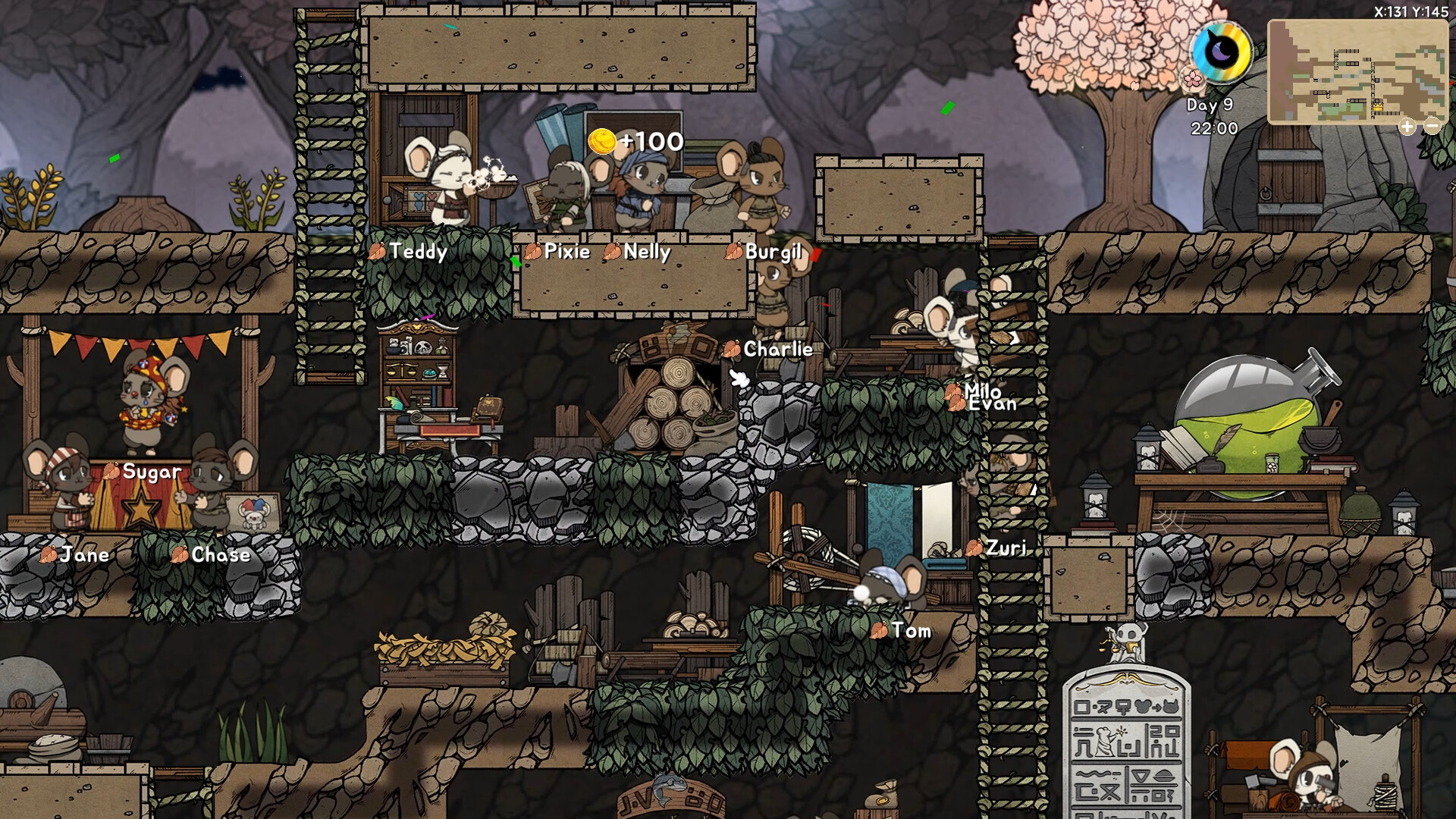
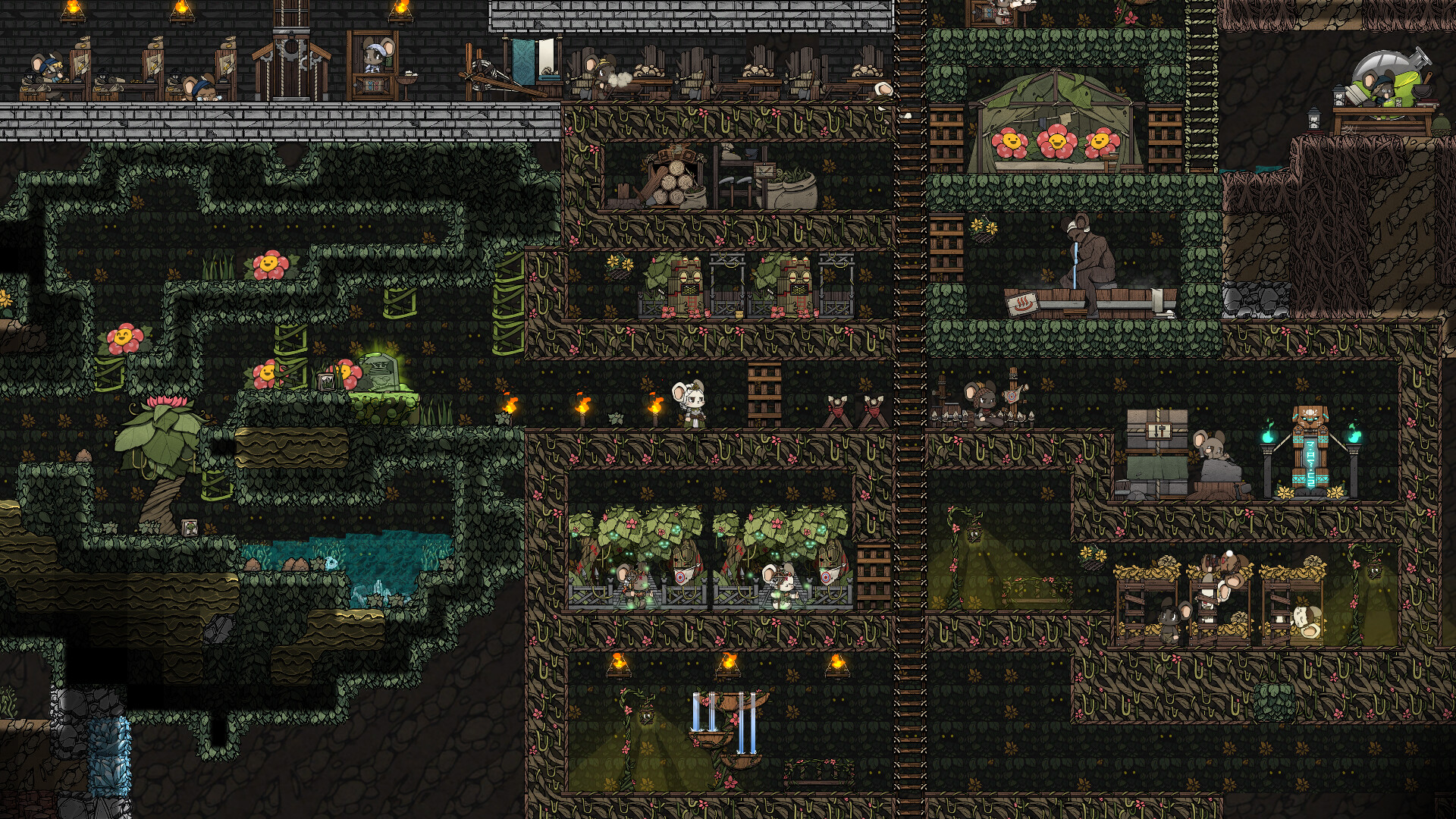
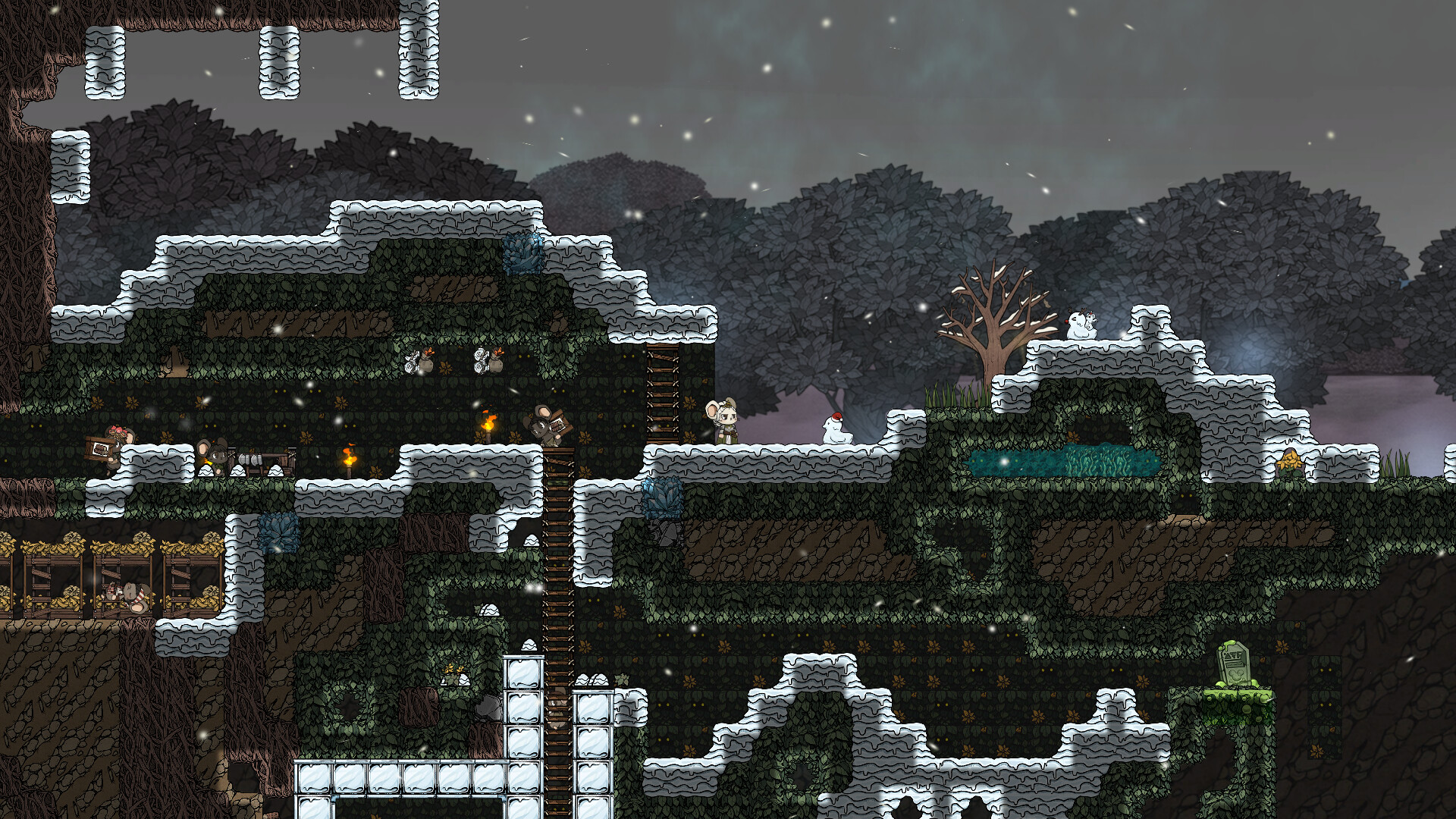
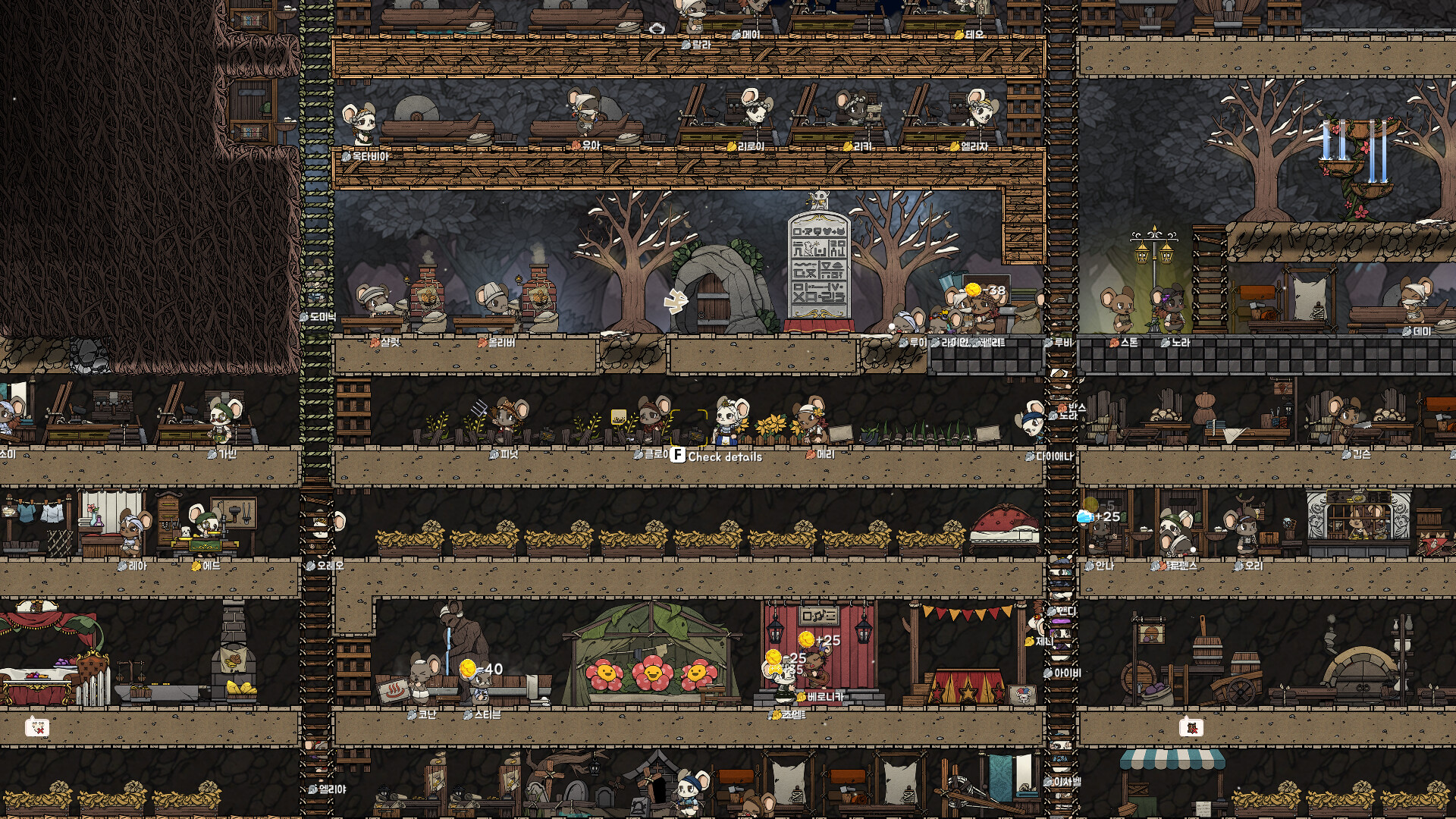
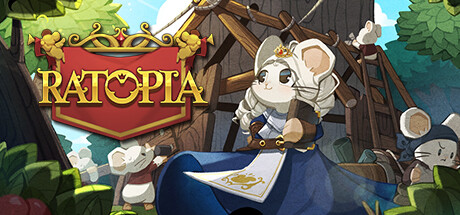
I did a completionist run of the game, I tried most mechanics so I think I can give a fair and complete review. Extra Short review Cute colony sim with unique currency balance mechanics that will quench your thirst for trading and colony building, it will give you a taste of something different from nearly everything else in the market. It is a great game that is yet to reach its full potential. You should play on Hard first if you're good at colony sims, to better enjoy learning the game's mechanics. A more in-depth look at the main mechanic Some people have compared this game to Oxygen Not Included because of the side view, but replace "law of conservation of matter" with "law of conservation of money". In this game, your rats are very productive, but they demand pay in Pia (your nation's currency), and you can't create money out of thin air; you'll need to mint it, export or trade to acquire it (and you'll also have to deal with foreign currency, it's great). This fact about the game alone is extremely important and makes this game feel different from every other colony sim where resources are communally owned. To balance your budget you're given a big Law Stone where you can pass laws that apply to specific groups of your society, like taxes, price fixing, welfare, and schedule laws. The larger your city, the more laws you can pass, and you'll need them because your currency reserves will quickly be spread among your population. Your money will be in your ratizens' pockets instead of your coffers, so how are you going to pay them now? Taxes allow you to cycle your society's money by charging them and then paying them with that same money, until you can procure more. There are so many ways in which this simple mechanic makes the game so much deeper. Your ratizens have needs for food, hygiene, fun and everyday comforts, and they will pay you and each other for them, but likewise everytime they produce something and deposit it into the city storage, you pay them for it instead. Hunting for precious metals to mint coins is a minigame into itself, and so is looking for trade routes to let you export your surplus products before you run out of currency. You also have to keep everyone moderately happy (lest they commit crimes or rebel), fed, and clean, to prevent diseases from spreading. The game has a tech tree, different buildings, professions, and it doesn't lag when simulating 100 rats doing things, which is great. Absolutely recommended! The currency balance mechanic alone gave me days of fun. So good. Even more review discussing the cons of the game and all the other mechanics I tried At the beginning of the game you'll need every trick to improve your money supply (minting money, exporting to neighboring nations, trading with merchants), taxing your citizens to stabilize it (keep it going in circles), and then later on you'll start using that money to win the game (you'll start importing things instead). It's really impressive how much this game orbits around the movement of currency back and forth between your rats and your coffers, it is fun and a fantastic mechanic, but! Of course there's a problem... ...the problem is that the other mechanics aren't as deep, I'll go one by one explaining why. Storage: small chests can hold 20 different items, and big chests 40 items. All food lasts forever, no product expires, and chest stacks can go into the thousands. This is a problem because... Food: ratizens are very productive, so even though Winter has severely limited food options, food scarcity is a mechanic you can ignore simply by overproducing during the other 3 seasons. Fun: there are some buildings that require nothing to operate (the arena, the circus and the music stage), and those buildings alone can keep your whole colony entertained, making everything else optional. Hygiene: no complaints Necessities: (items that ratizens buy and consume to get buffs and happiness) they are great, very varied, very interesting, no complaints here, except for ONE complaint... by the time you're able to access the most advanced necessities, you're already winning the game; they're basically for the 'One True Utopia' achievement. Invasions: they keep the game interesting and force you to have a military until you learn how they work. This is fine because it takes a while to learn how this works, but reduces replayability after about 100 hours. Fair though, you still get to enjoy the fun. Other Nations: you can invade them, but they can't invade you, really a missed opportunity here. The military system in the game is pretty interesting but they made the odd decision to have it be optional in the end game, since if you beat the lizards (the last enemy) you have the option of completely removing them from the map. The problem with this is that then you don't need a military, and when your soldiers become citizens you'll get an explosion of productivity when you were already productive enough to support that military in the first place; so if you're already winning, now you're winning even harder. There are several other problems with the game. You will notice after playing enough that certain professions get rich very fast, and those happen to be the ones who need nothing and produce something (hunters, fishermen, entertainers), and the ones who produce a final product with an imbalanced price (looking at you, tailors). Another problem is that gold ore is just too good, minting money from imported gold is an absolute hack and I basically had to forbid myself from using that after I got the wealth achievements because it's just too good and trivializes currency, one of the most fun parts of the game. These price imbalances could be easily fixed with a mod. Other mechanics Engineering and Religion. You can win the game without even touching either of both. Religion in particular feels like a complete detour of the colony sim, and I only did it to get the achievements. It had interesting mechanics, but they require rethinking your entire colony, and believers are constantly being converted and deconverted (unless you put them to work on a religious building), so it gives a lot of whiplash. Engineering on the other hand played better with the other mechanics of the game, though the options to manage power are pretty limited; you have to manually turn things on and off to manage your electricity; this is definitely not Oxygen Not Included, it shows. Last but not least, compared to other games like, again, Oxygen Not Included, this game is much easier. I think this is a GOOD thing, because I hate games that require so much effort to get all achievements that you'd rather get a real life achievement instead. But I do think the game could use either support for mods or more options for challenge modes to keep the game interesting after you're done with the basics, because as it is, you don't even need to engage with all the mechanics to get all the achievements (case in point: I never built a Den of Joy in my entire playthrough). Wrapping up I have much more to say about the game but I think that about covers it for a review. I hope that was useful, feel free to ask questions as well!
Expand the review