Two Point Campus
Build the university of your dreams with Two Point Campus, the sim with a twist from the makers of Two Point Hospital. Build, hire staff and run an academic institution packed with wild courses.
Sync your Steam wishlist to find the lowest game prices instantly. No login required, just paste your Steam profile URL!
⚡ Try Wishlist Radar!
Sync your Steam wishlist to find the lowest game prices instantly. No login required!
⚡ Try Wishlist Radar!
Close

Rescue HQ - The Tycoon on Steam
Quick menu
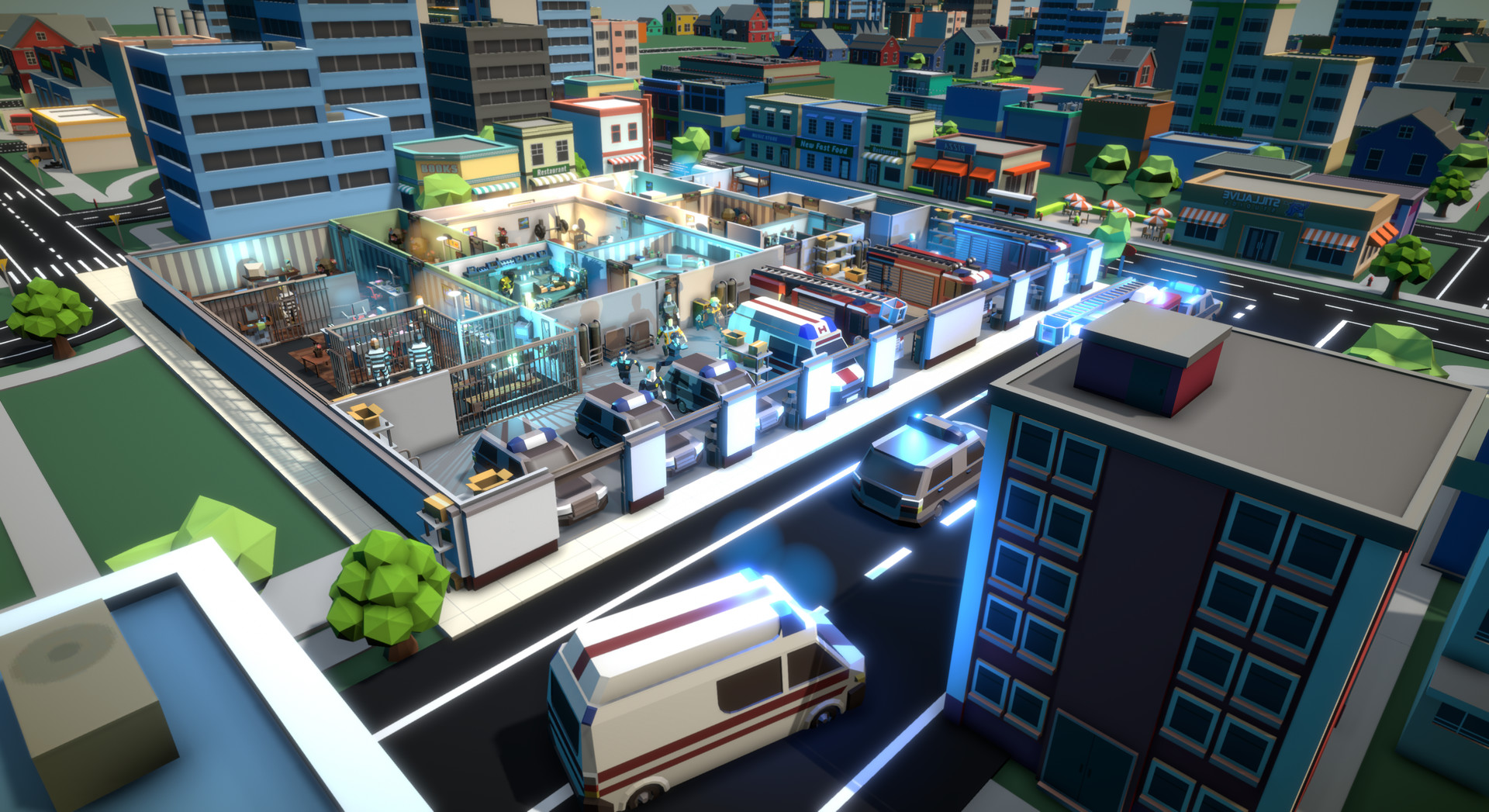
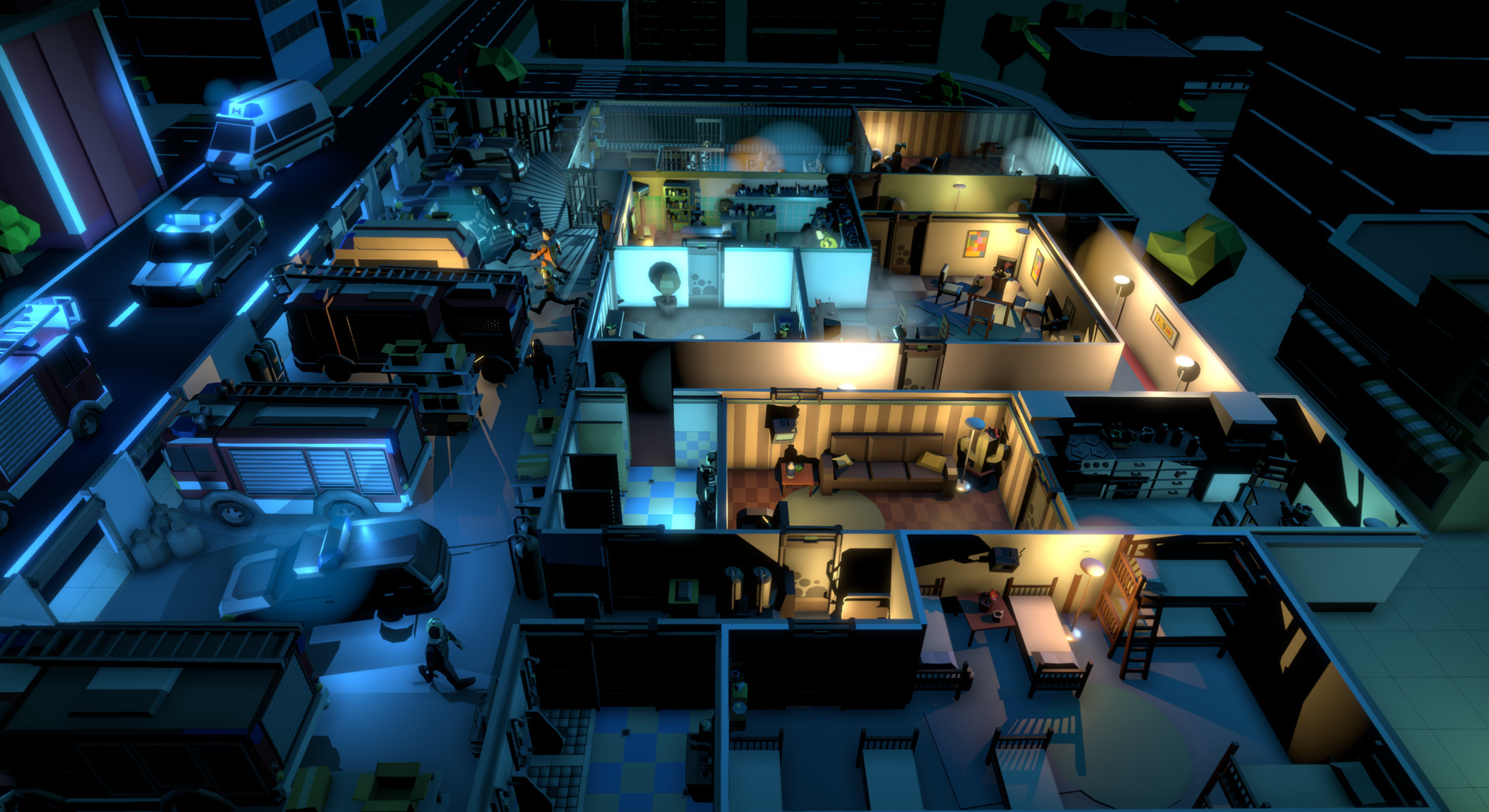
Build up your headquarters from scratch and design your own masterpiece. In Rescue HQ you build, organize and manage a joint station for firefighters, police and ambulance. Manage your resources wisely and master challenging emergencies to keep your city safe! Are you up to the challenge?
Rescue HQ - The Tycoon is a simulation, comedy and strategy game
developed by stillalive studios
and published by Aerosoft GmbH.
Released on May 28th 2019 is available only on Windows.
It has received 874 reviews of which 696 were positive and 178 were negative resulting in a rating of 7.6 out of 10. 😊
The game is currently priced at 19.99€ on Steam, but you can find it for 6.16€ on K4G.
The Steam community has classified Rescue HQ - The Tycoon into these genres:
Media & Screenshots
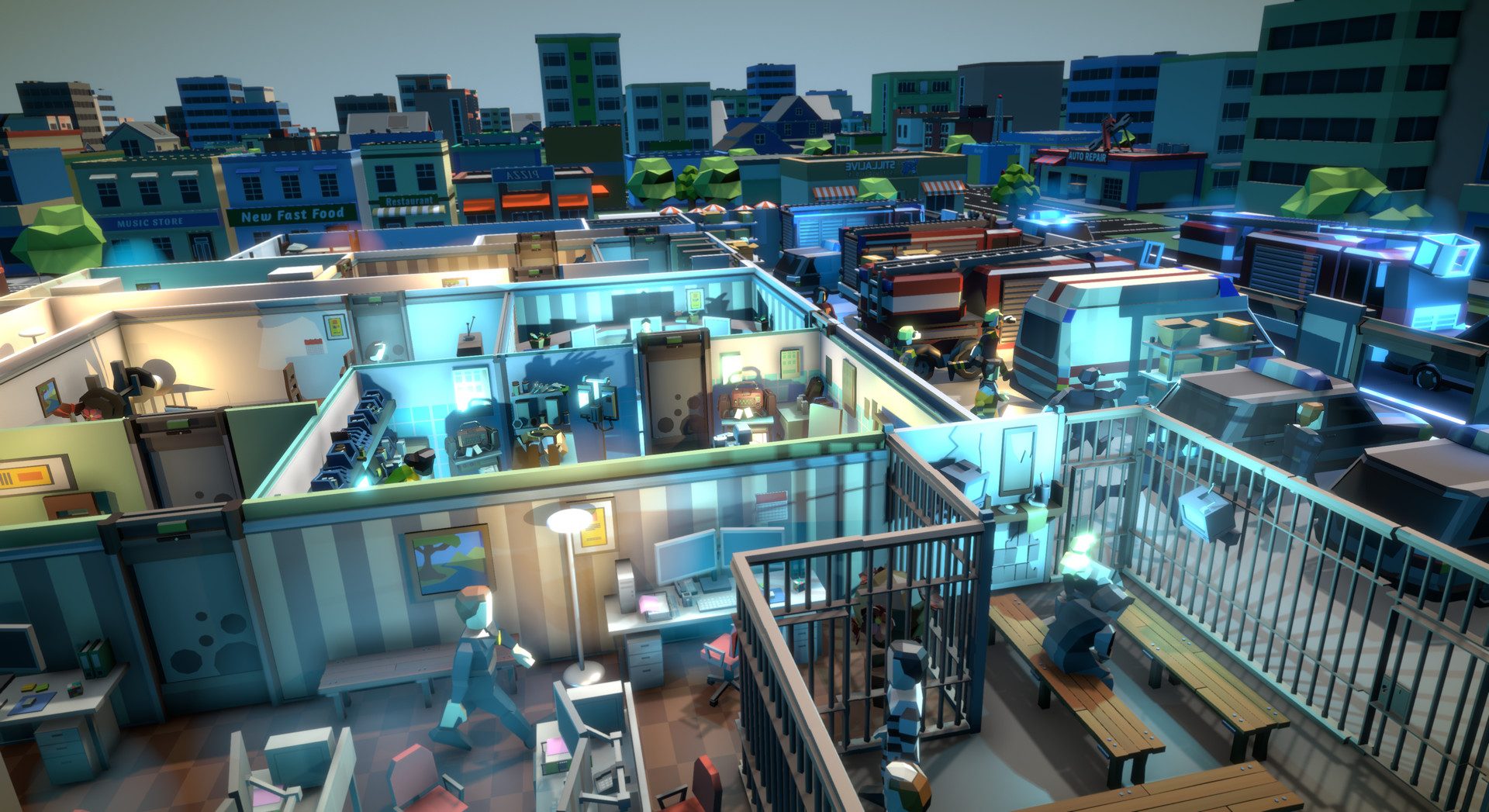
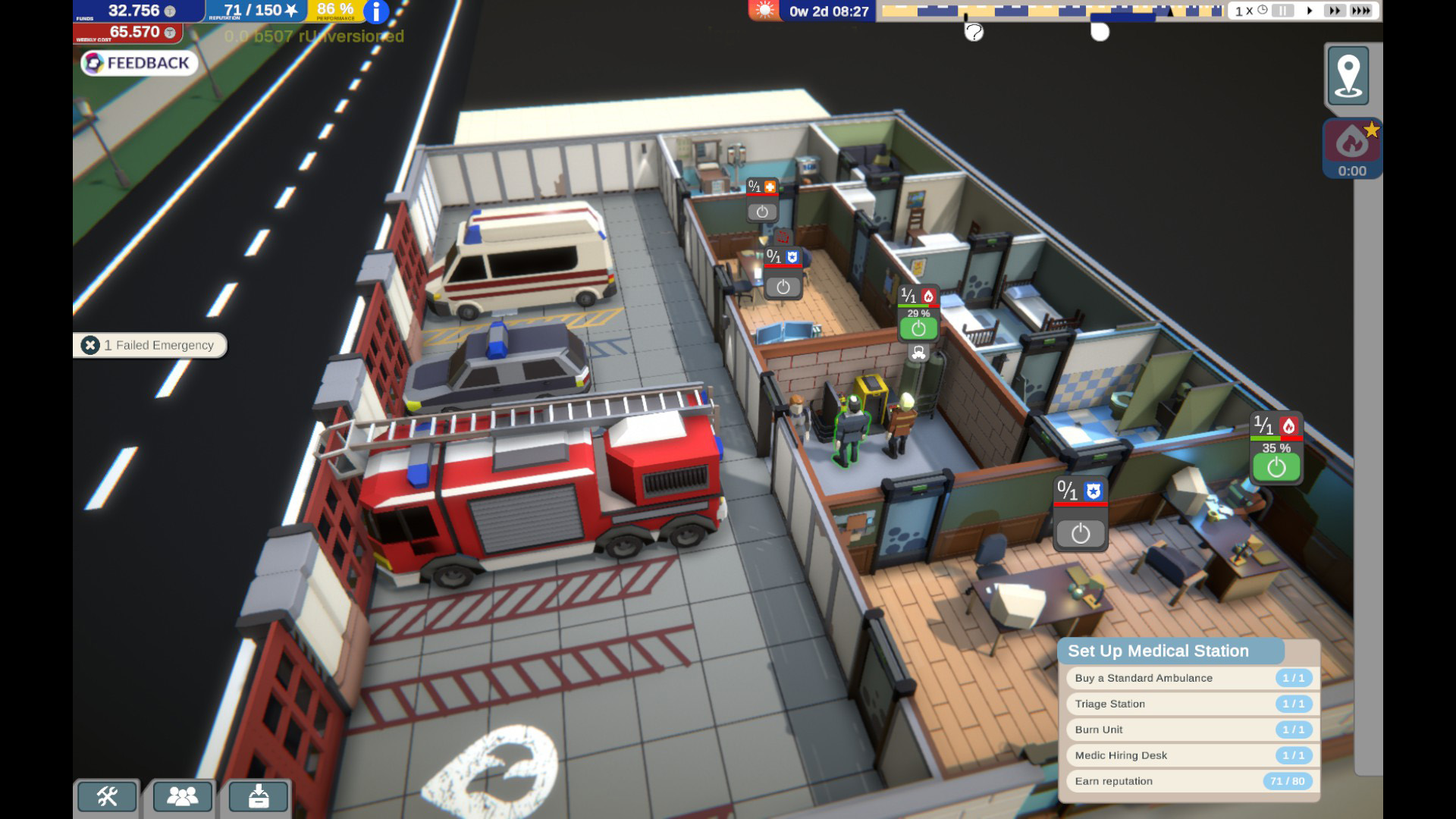
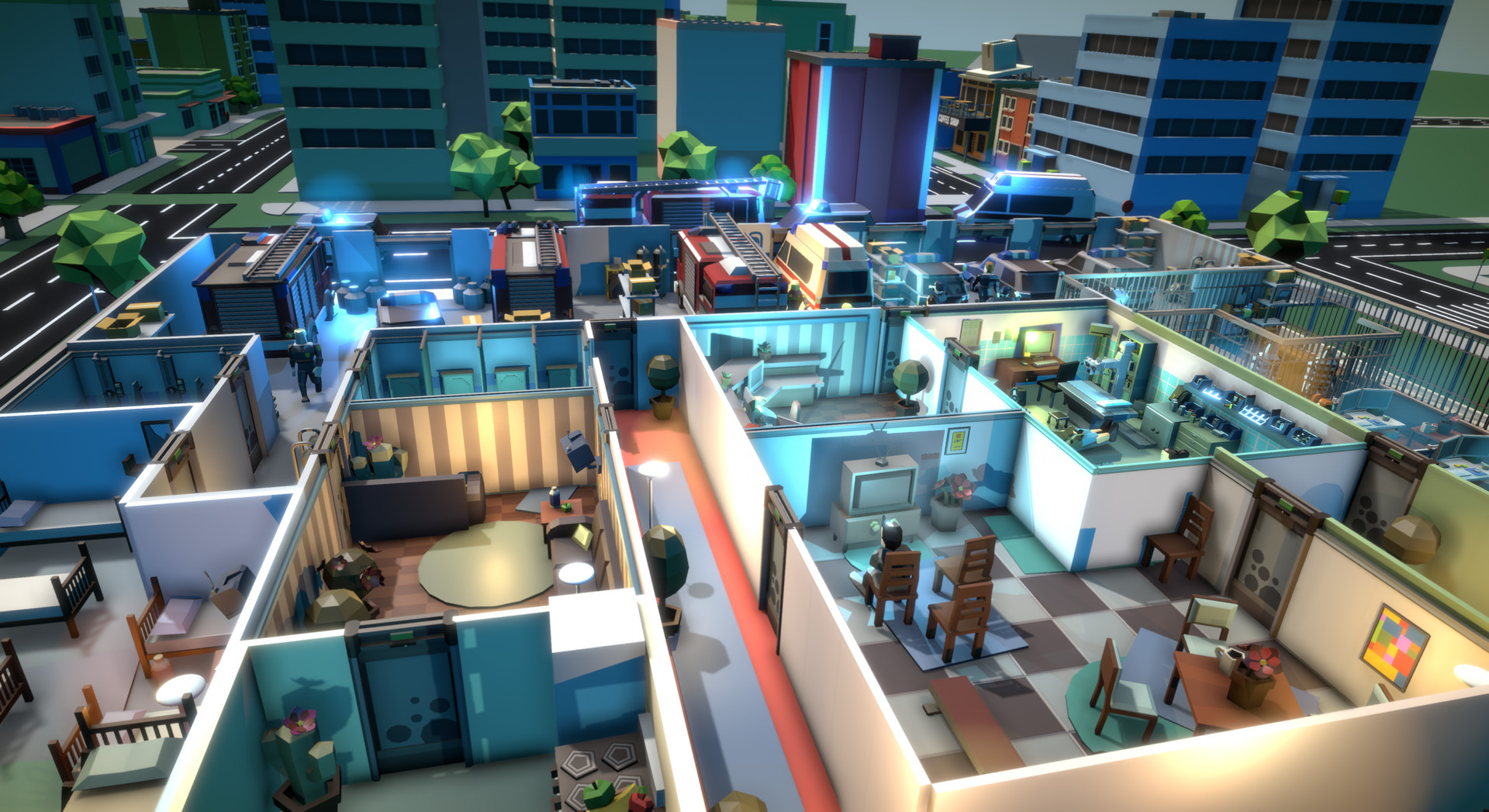
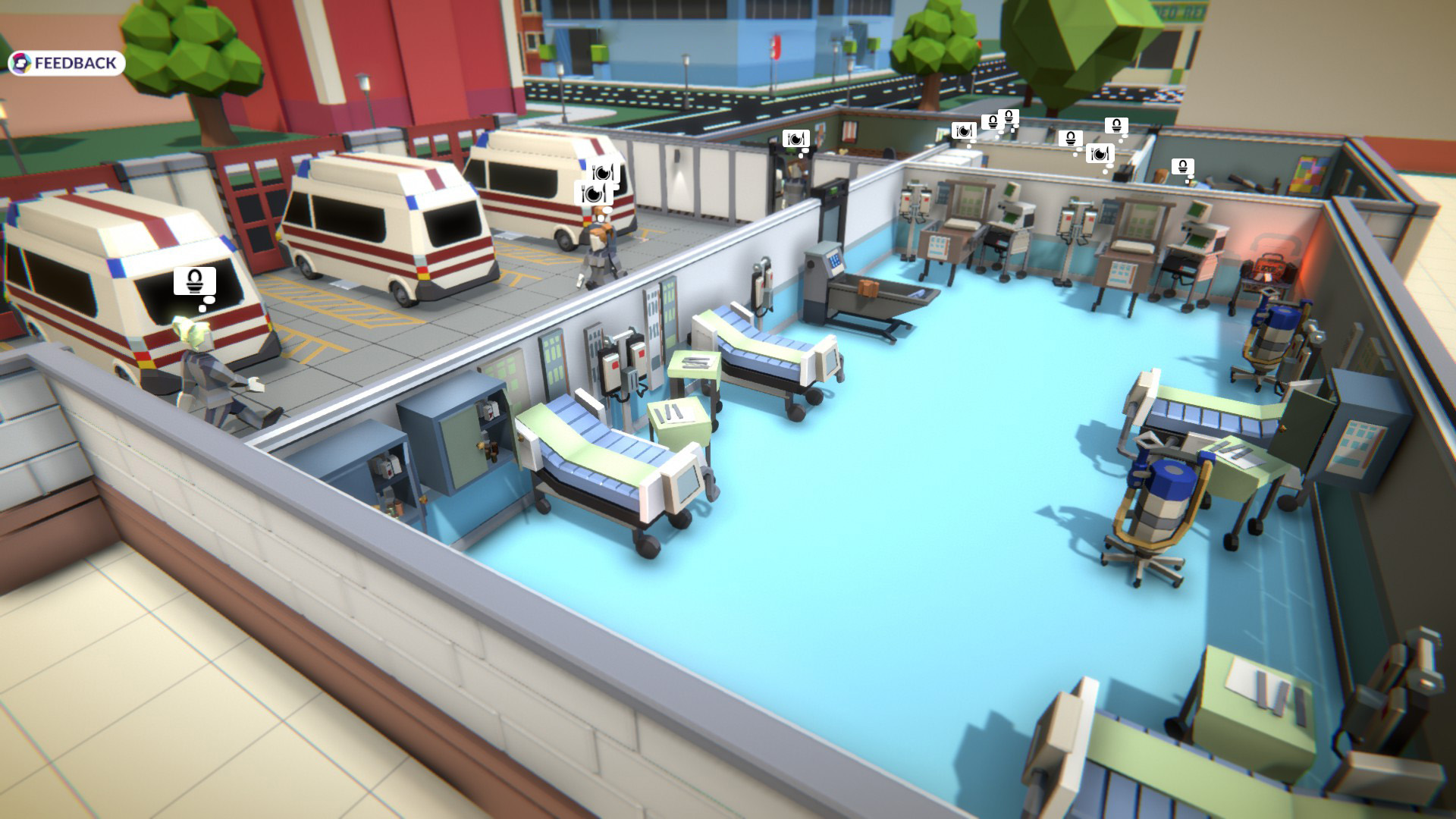
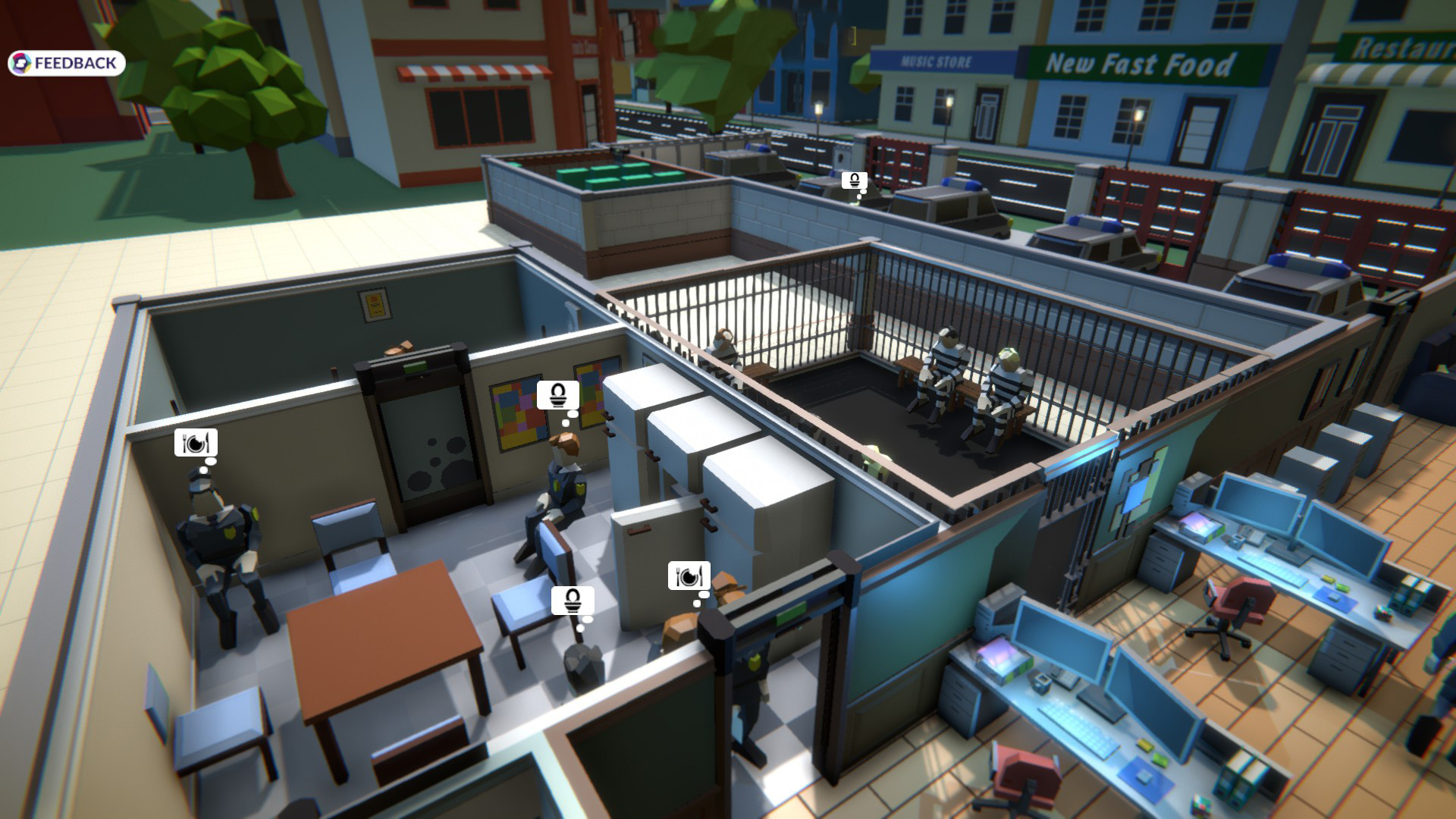
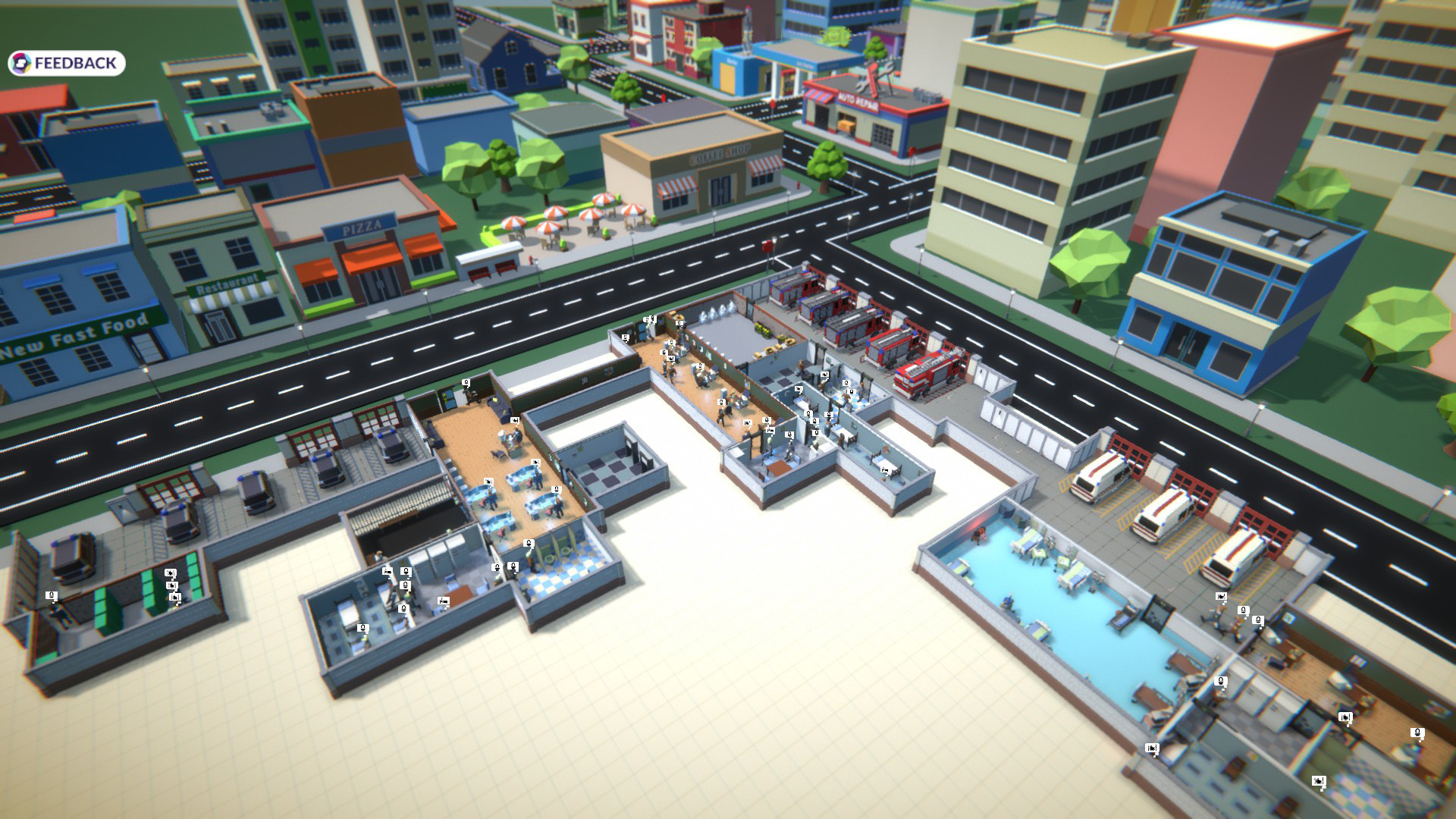
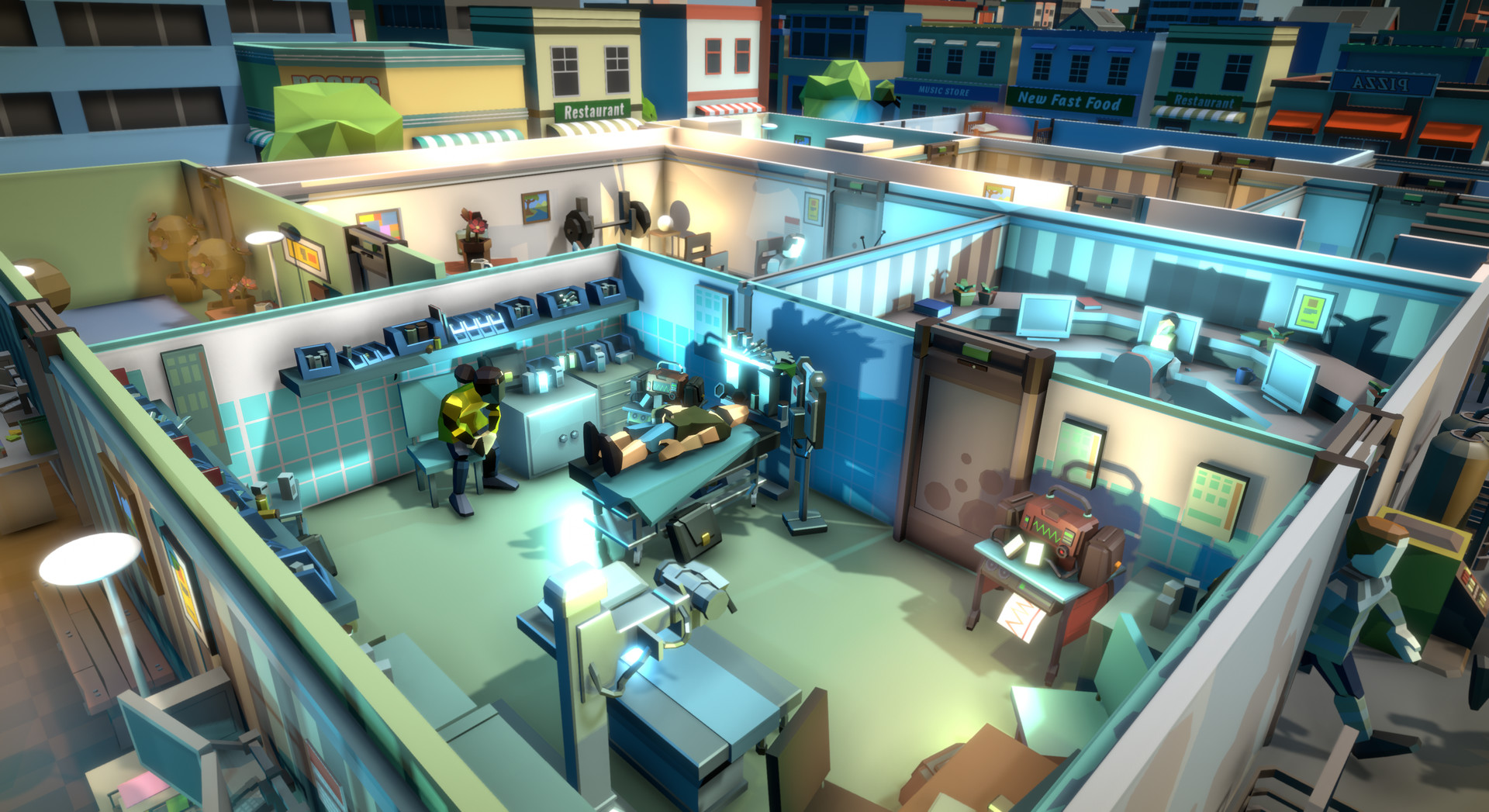
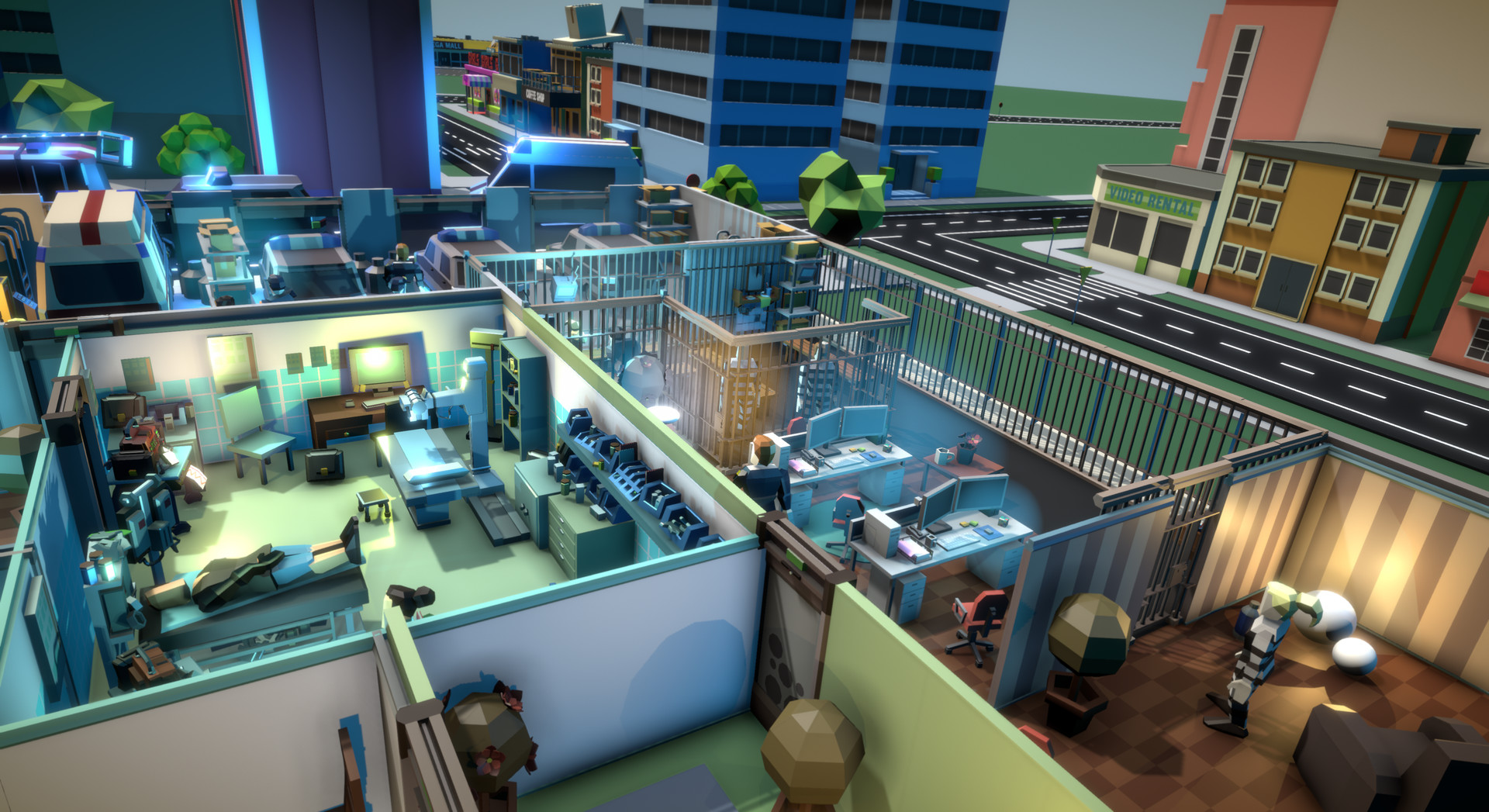
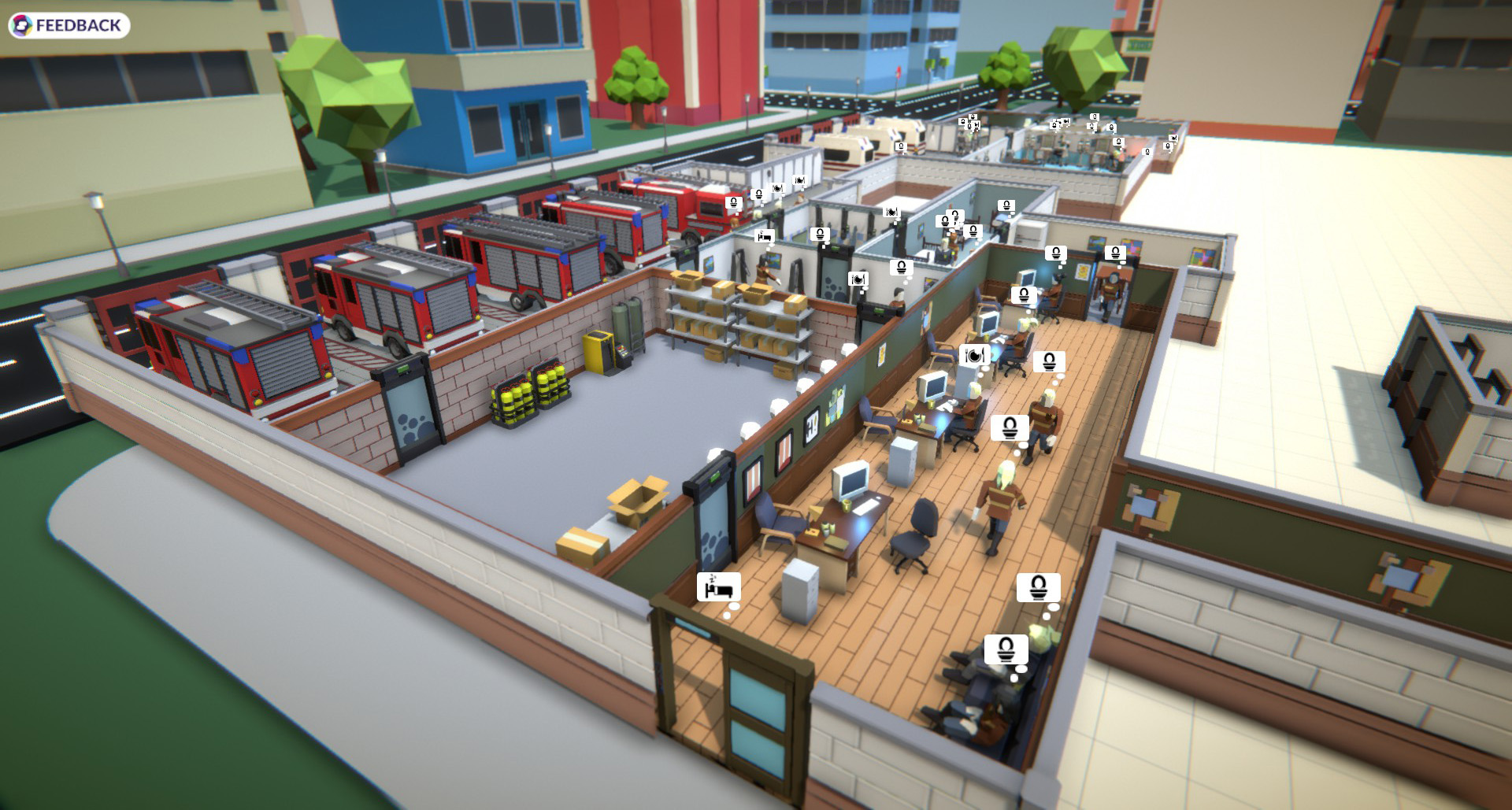
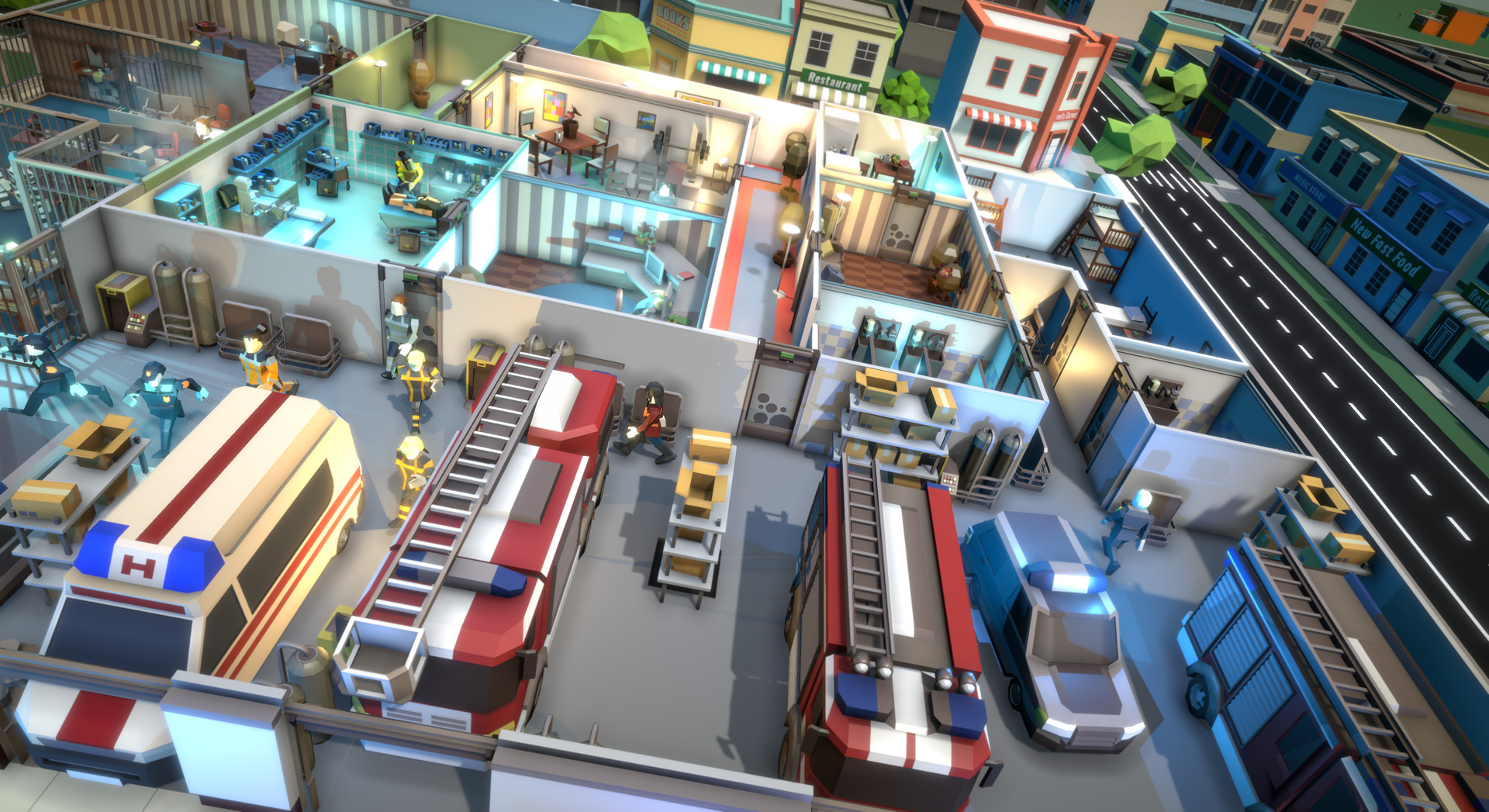
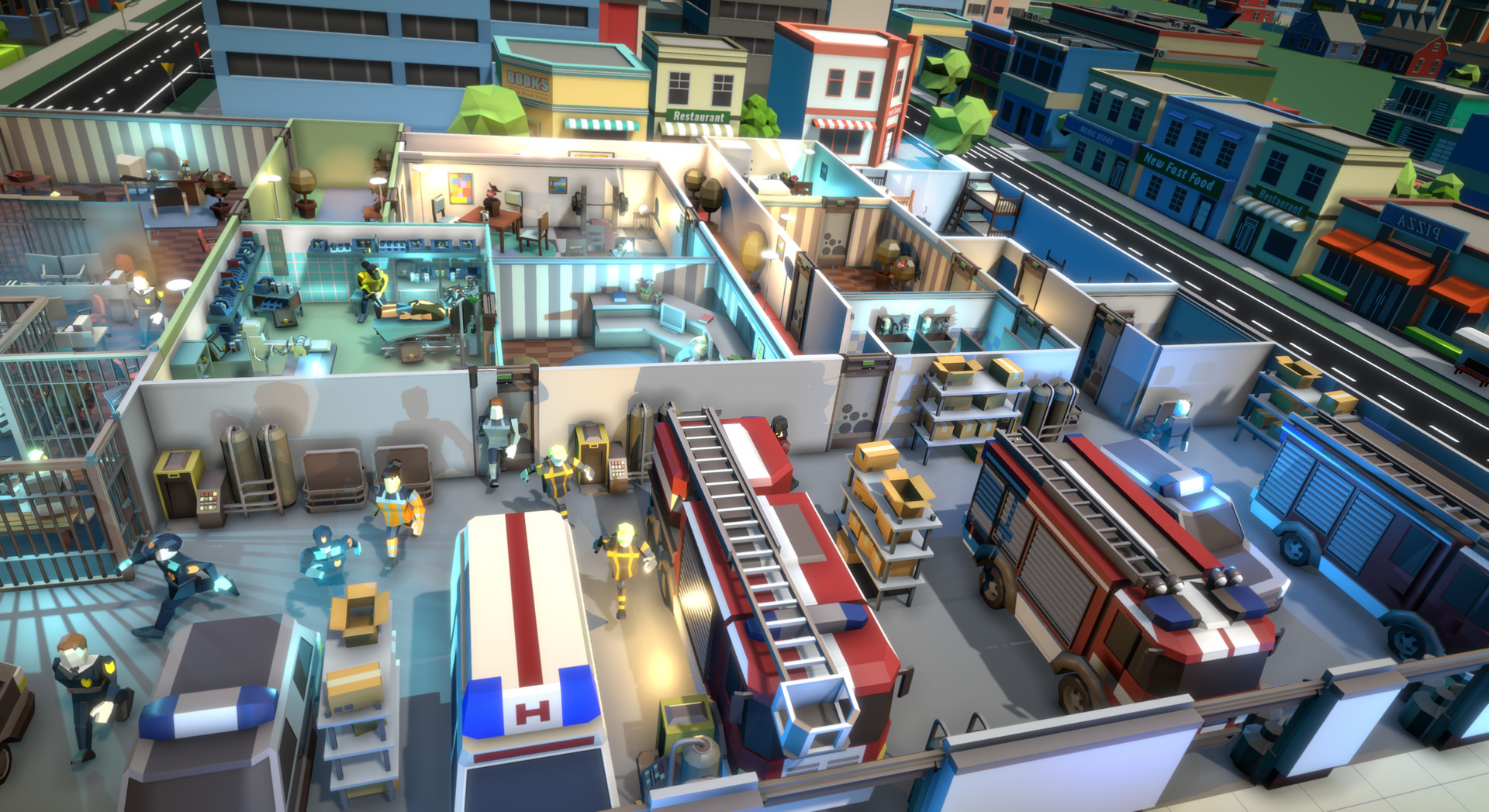
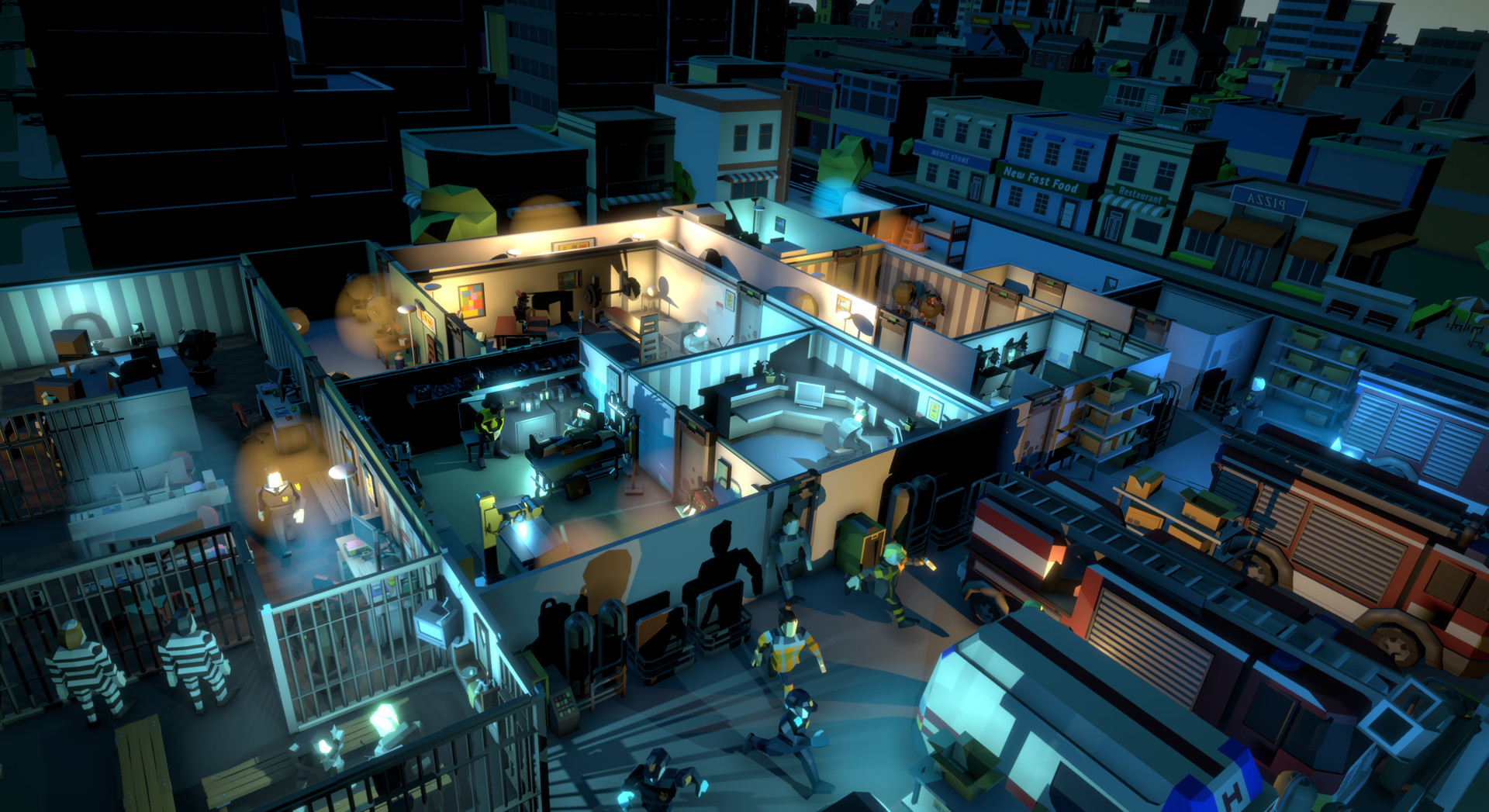
Get an in-depth look at Rescue HQ - The Tycoon through various videos and screenshots.



Load More



System requirements
These are the minimum specifications needed to play the game. For the best experience, we recommend that you verify them.
Windows
- OS *: Win 7/8.1/10 (64Bit)
- Processor: AMD / Intel dual-core (with hyper-threading) CPU, running at 3 GHz (AMD FX 4100 series or Intel Core i3-2000 series or newer architectures are recommended)
- Memory: 4096 MB RAM
- Graphics: AMD/NVIDIA dedicated graphic card, with at least 2048MB of dedicated VRAM and Shader Model 5.1 support. AMD R7 265 and NVIDIA GeForce GTX 750 Ti or newer architectures are recommended.
- DirectX: Version 11
- Storage: 500 MB available space
- Sound Card: Integrated or dedicated DirectX 9 compatible soundcard
- Additional Notes: Keyboard, mouse and internet connection for Steam
Steam Price & Best Deals
User reviews & Ratings
Explore reviews from Steam users sharing their experiences and what they love about the game.
Introduction : Rescue HQ - The Tycoon est un jeu de gestion développé par stillalive studios (Bus Simulator 18) et édité par Aerosoft, sorti en mai 2019. Le concept est original : construire et gérer un QG commun réunissant pompiers, police et ambulanciers sous le même toit, en jonglant entre les urgences des trois services. Ce que j'ai aimé : [*]🚒 Le concept unique de gérer les trois services d'urgence en même temps, aucun autre tycoon ne propose ça [*]🏗️ Des mécaniques de construction bien pensées et accessibles : concevoir son QG idéal se fait sans prise de tête [*]🚨 Le stress permanent des interventions à répartir : chaque appel force à faire des choix, et ça marche [*]🧩 Une bonne dose de puzzle dans l'optimisation de l'espace, chaque mètre carré compte [*]💶 Un petit prix (souvent en promo à -80 %) qui rend la proposition très honnête Ce que j'ai moins aimé : [*]⏱️ Un manque de challenge sur la durée : en une grosse semaine, on a fait le tour du contenu [*]🐛 Des bugs encore présents malgré les patchs réguliers des développeurs [*]🔁 Une campagne parfois illogique dans l'enchaînement des objectifs, on sent le manque de finition Conclusion : Rescue HQ, c'est une excellente idée de base servie par des mécaniques solides, mais qui manque un peu de profondeur pour rivaliser avec les gros noms du genre. Si vous aimez les jeux de gestion et que vous le chopez en promo, vous passerez de très bonnes heures à optimiser votre caserne. À ce prix-là, difficile de faire la fine bouche. Recommandé pour les fans de tycoon. Note : ★★★★☆
Rescue HQ - The Tycoon is a management simulation game that takes the traditional tycoon formula and applies it to the demanding world of emergency services. Instead of building theme parks, factories, or transportation empires, players are tasked with constructing and operating a fully functional rescue headquarters responsible for handling police operations, firefighting services, and emergency medical response across a growing city. The result is a surprisingly engaging simulation that combines base construction, resource management, and real-time crisis handling into a fast-paced strategic experience where every decision can affect public safety. The core gameplay revolves around designing and expanding a rescue headquarters from the ground up. Players begin with a relatively small operation but gradually transform it into a massive emergency complex filled with garages, dispatch centers, training rooms, medical facilities, holding cells, and advanced operational departments. One of the most satisfying parts of the game is watching a simple station slowly evolve into a highly organized rescue network capable of responding to major disasters and criminal incidents across the city. The building mechanics offer enough flexibility to encourage creativity while still emphasizing efficiency and practical organization. What makes the game stand out from many other management simulators is the constant pressure created by emergency situations. Incidents can happen at any moment, forcing players to react quickly and dispatch the appropriate units before situations spiral out of control. A routine medical call may suddenly require police support, while a small fire can escalate into a large-scale emergency demanding multiple response teams and specialized equipment. The game creates an enjoyable balance between long-term planning and immediate decision-making, keeping players actively involved instead of simply watching numbers increase in the background. The emergency response system is easily the highlight of the experience. Sending firefighters into burning buildings, dispatching police to dangerous crimes, or coordinating ambulance crews during chaotic accidents gives the simulation a strong sense of urgency. Emergencies often overlap, creating tense moments where players must prioritize limited resources and make difficult decisions about which crises require immediate attention. Successfully coordinating a large operation feels rewarding because the game constantly reminds players that efficient planning directly impacts the city’s safety. Another strong aspect is the variety of vehicles and departments available throughout progression. As the headquarters expands, players gain access to more advanced emergency units, including specialized fire engines, police response vehicles, ambulances, and even helicopters. Unlocking new equipment and upgrading facilities creates a satisfying progression loop that encourages continued expansion. Each department also feels distinct in terms of functionality, making it enjoyable to balance the different needs of firefighters, police officers, and medical teams simultaneously. Visually, the game adopts a colorful and approachable style that works well for the simulation genre. The environments are clean and readable, making it easy to monitor activity during busy emergencies. Vehicles and personnel are clearly distinguishable, while the city itself feels active enough to support the illusion of a functioning urban environment. The stylized graphics may not aim for realism, but they effectively communicate the constant movement and urgency of emergency response work without overwhelming players with unnecessary detail. The pacing remains consistently engaging because there is almost always something demanding attention. Between expanding facilities, training staff, purchasing equipment, and responding to emergencies, the game keeps players occupied with a steady flow of objectives and challenges. The gradual increase in difficulty ensures that operations become more complicated over time, requiring better planning and more efficient layouts to maintain control. Early missions may feel manageable, but later stages can become surprisingly hectic once multiple large-scale emergencies begin occurring simultaneously. However, the game does have some weaknesses that become more noticeable during extended play sessions. Repetition eventually starts to affect the overall experience, especially once players discover efficient strategies for managing emergencies. While the variety of incidents is decent initially, many missions begin to feel structurally similar after dozens of hours. The gameplay loop remains enjoyable, but it lacks the deeper unpredictability or evolving complexity found in some larger simulation titles. Technical issues also occasionally interfere with the experience. Staff AI and vehicle pathfinding can sometimes behave inefficiently, causing units to take awkward routes or respond slower than expected. These problems rarely destroy the simulation entirely, but they can create frustrating moments during high-pressure emergencies where precise timing matters. The interface can also feel slightly overwhelming for new players due to the large number of systems introduced within the first few hours. Despite these issues, Rescue HQ succeeds because it captures the excitement and stress of coordinating emergency operations in a way that feels accessible and rewarding. Many management games focus heavily on passive economic growth, but Rescue HQ keeps players actively engaged through constant emergencies and operational challenges. Every improvement to the headquarters directly impacts performance in the field, creating a satisfying connection between base management and real-time action. The sound design also contributes effectively to the atmosphere. Sirens, radio calls, alarms, and dispatch notifications constantly reinforce the feeling of running a busy rescue center under pressure. While the soundtrack itself remains fairly subtle, the audio effects help immerse players in the daily chaos of emergency service management. What ultimately makes Rescue HQ - The Tycoon enjoyable is the way it transforms emergency response into a strategic sandbox full of constant activity and problem-solving. The game successfully combines city emergencies, headquarters construction, and resource management into an experience that feels dynamic rather than passive. It may not reach the depth of the most hardcore simulation games, but it offers enough complexity to remain engaging while still being approachable for casual players. For fans of management simulations and tycoon games, Rescue HQ provides a refreshing concept supported by solid gameplay systems and addictive progression. The combination of designing facilities, upgrading rescue units, and coordinating responses to unpredictable disasters creates a rewarding gameplay loop that remains entertaining despite some repetition and technical imperfections. It is a well-crafted emergency service simulator that understands how to balance strategy, pressure, and accessibility. Rating: 7/10
Similar games
View all

Mad Smartphone Tycoon
Build Your smartphone Empire in Mad Smartphone Tycoon, your main goal in this game is to create the ultimate smartphone that combines both performance and aesthetics. Expand your company, dominate the global market, become a tycoon in the world of mobile phones!

Game Dev Studio
Welcome to your own Game Dev Studio! How will you run your own offices and ascend to greatness in the gaming industry?

Tavern Tycoon - Dragon's Hangover
Run your fantasy RPG tavern - let travellers take shelter for the night and serve 'em the best mead of their life with a good dose of humor.

GamersGoMakers
In GamersGoMakers, you found a little company creating the first video games in history. Create your first game with only basic sound and simple graphics available in the year 1980. You´re one of the pioneers entering the rising global market for computer games.

Two Point Hospital
Design stunning hospitals, cure peculiar illnesses and manage troublesome staff as you spread your budding healthcare organisation across Two Point County.

Startup Company
Startup Company is a business simulation sandbox game where you’re the CEO of a new company. Your job is to build your very own website and compete against the largest tech giants on the planet!
Game Dev Tycoon
In Game Dev Tycoon you replay the history of the gaming industry by starting your own video game development company in the 80s. Create best selling games. Research new technologies and invent new game types. Become the leader of the market and gain worldwide fans.

Constructor Plus
Constructor Plus is the definitive building simulation for the modern day tycoon. Build your dream town full of crackpot undesirables, businesses, and quirky tenants whilst fending off your rivals in the eagerly awaited sequel to Constructor HD. With almost 3 times more content, building just got bigger!

Gladiator School
Gladiator School is a Tycoon-style simulation game. You play as the master of a newly formed school for gladiators. Your job is to prepare and train recruits before you send them away to fight for their survival and entertain the crowd in the arena.

Wildlife Park 2
Now’s the chance to build the Zoo of your dreams! Just like in a real Zoo, your animals must receive complete care. Feed them, train them, cure them and even relocate them. Observe their realistic interactions with one another, the landscape, the play equipment and even Zoo visitors.
RollerCoaster Tycoon 3: Complete Edition
Build the park of a lifetime and rediscover the critically acclaimed rollercoaster simulation bestseller. Feel the thrill of a genre-defining classic, complete with two huge expansion packs.
Frequently Asked Questions
Rescue HQ - The Tycoon is currently priced at 19.99€ on Steam.
No, Rescue HQ - The Tycoon is currently not on sale. You can purchase it for 19.99€ on Steam.
Yes, Rescue HQ - The Tycoon received 696 positive votes out of a total of 874 achieving a rating of 7.58.
😊
Rescue HQ - The Tycoon was developed by stillalive studios and published by Aerosoft GmbH.
Yes, Rescue HQ - The Tycoon is playable and fully supported on Windows.
No, Rescue HQ - The Tycoon is not playable on MacOS.
No, Rescue HQ - The Tycoon is not playable on Linux.
This information about Rescue HQ - The Tycoon is not available yet.
This information about Rescue HQ - The Tycoon is not available yet.
No, Rescue HQ - The Tycoon does not support VR.
Rescue HQ - The Tycoon is a single-player game.
Yes, there is a DLC available for Rescue HQ - The Tycoon. Explore additional content available for Rescue HQ - The Tycoon on Steam.
Yes, Rescue HQ - The Tycoon is fully integrated with Steam Workshop. Visit Steam Workshop.
No, Rescue HQ - The Tycoon does not support Steam Remote Play.
Yes, Rescue HQ - The Tycoon is enabled for Steam Family Sharing. This means you can share the game with authorized users from your Steam Library, allowing them to play it on their own accounts. For more details on how the feature works, you can read the original Steam Family Sharing announcement or visit the Steam Family Sharing user guide and FAQ page.
You can find solutions or submit a support ticket by visiting the Steam Support page for Rescue HQ - The Tycoon.
Data sources
The information presented on this page is sourced from reliable APIs to ensure accuracy and relevance. We utilize the Steam API to gather data on game details, including titles, descriptions, prices, and user reviews. This allows us to provide you with the most up-to-date information directly from the Steam platform.
Additionally, we incorporate data from the SteamSpy API, which offers insights into game sales and player statistics. This helps us present a comprehensive view of each game's popularity and performance within the gaming community.
Last Updates| Steam data | 04 October 2026 06:13 UTC |
|---|---|
| SteamSpy data | 22 October 2026 01:05 UTC |
| Steam price | 26 October 2026 19:56 UTC |
| Steam reviews | 20 October 2026 08:08 UTC |
If you'd like to dive deeper into the details about Rescue HQ - The Tycoon, we invite you to check out a few dedicated websites that offer extensive information and insights. These platforms provide valuable data, analysis, and user-generated reports to enhance your understanding of the game and its performance.
- SteamDB - A comprehensive database of everything on Steam about Rescue HQ - The Tycoon
- SteamCharts - Analysis of Rescue HQ - The Tycoon concurrent players on Steam
- ProtonDB - Crowdsourced reports on Linux and Steam Deck Rescue HQ - The Tycoon compatibility

 19.99€
Visit Store
19.99€
Visit Store
 🔥 Deal
-70%
19.99€
6.16€
Buy Now
🔥 Deal
-70%
19.99€
6.16€
Buy Now
 -67%
19.99€
6.71€
Visit Store
-67%
19.99€
6.71€
Visit Store
 -11%
19.99€
17.89€
Visit Store
-11%
19.99€
17.89€
Visit Store
Game modes
Features
Online players
1
Developer
stillalive studios
Publisher
Aerosoft GmbH
Release
28 May 2019
Platforms
Clicking and buying through these links helps us earn a commission to maintain our services.