

DungeonUp
A challenging rogue-like puzzler inspired by the classic Tower of the Sorcerer. Play as a human knight who fights his way out of a deep dungeon by slaying monsters and solving intricate puzzles.
Sync your Steam wishlist to track the lowest game prices instantly. No login required, just paste your Steam profile URL!
⚡ Try Wishlist Radar!
Sync your Steam wishlist to track the lowest game prices instantly. No login required!
⚡ Try Wishlist Radar!
Close

Road Not Taken on Steam - User reviews, Price & Information
Quick menu
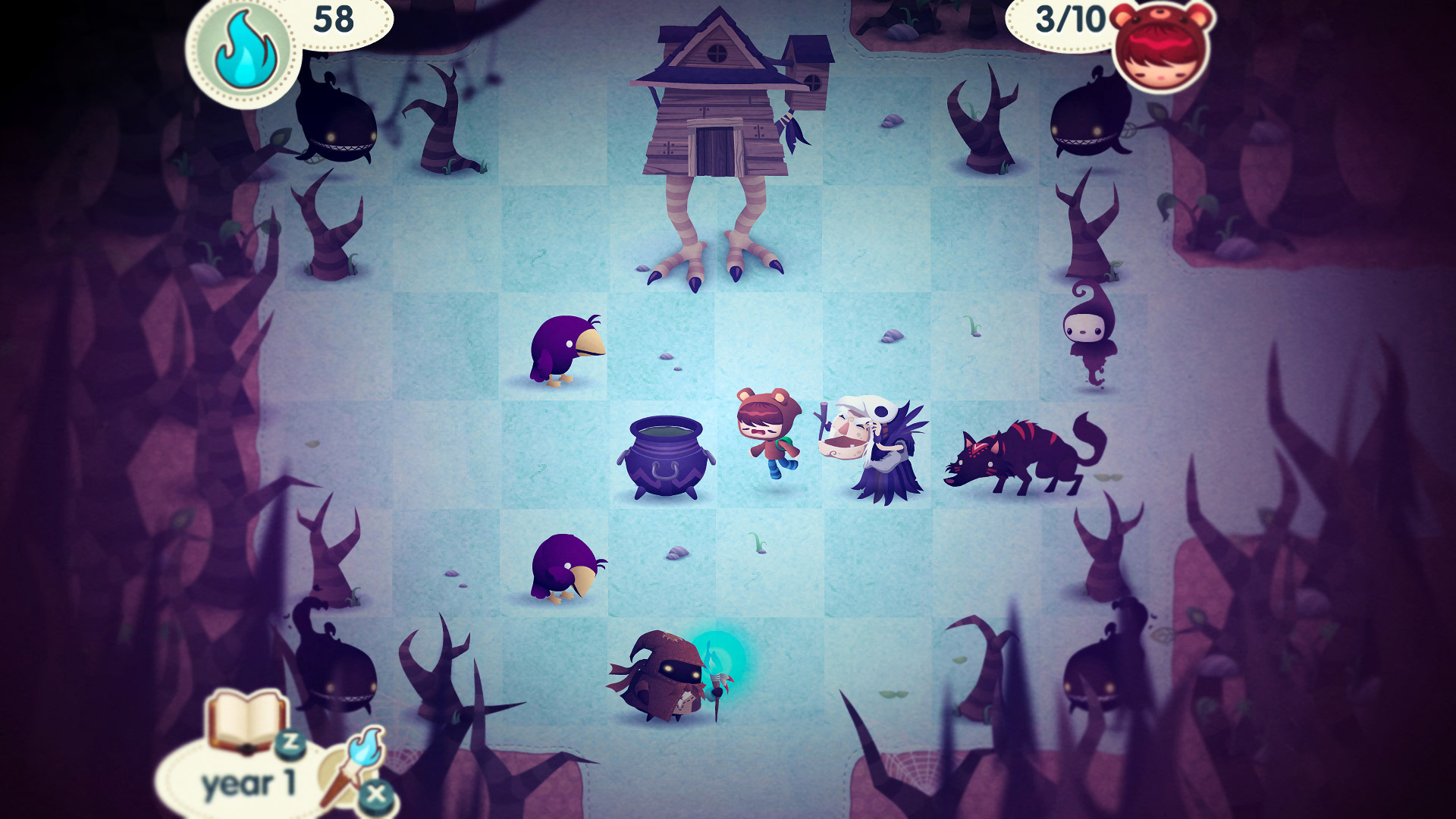
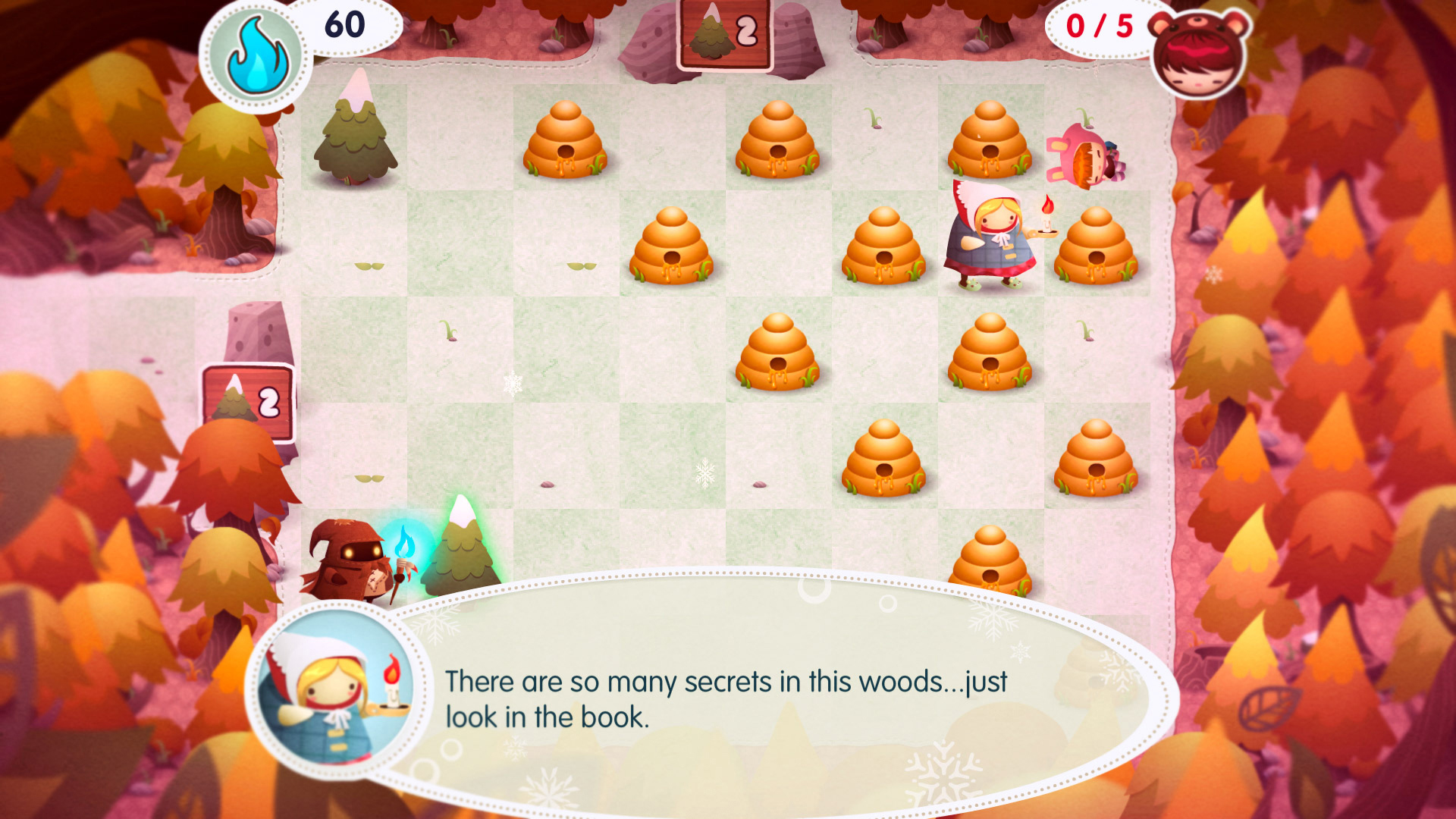
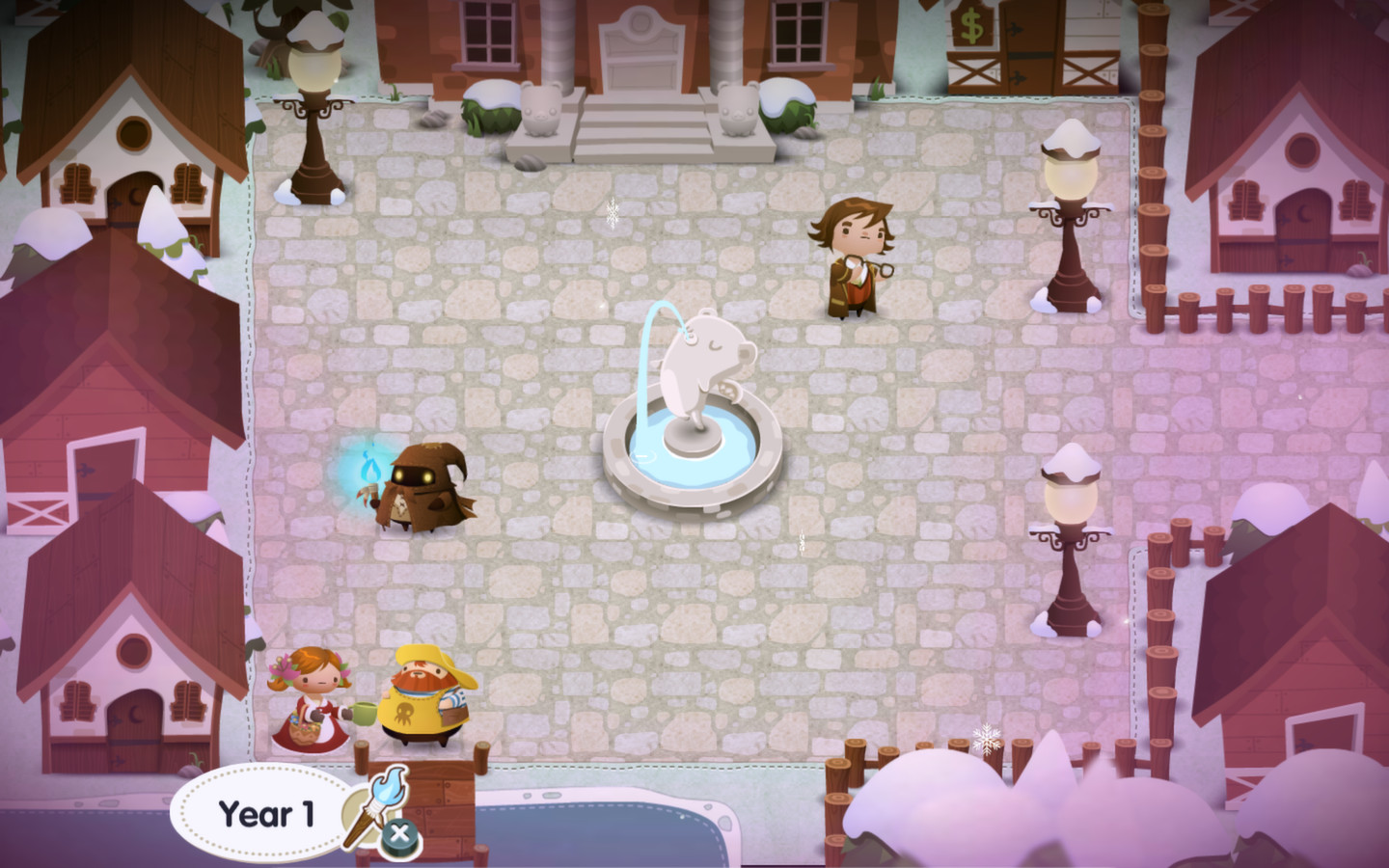
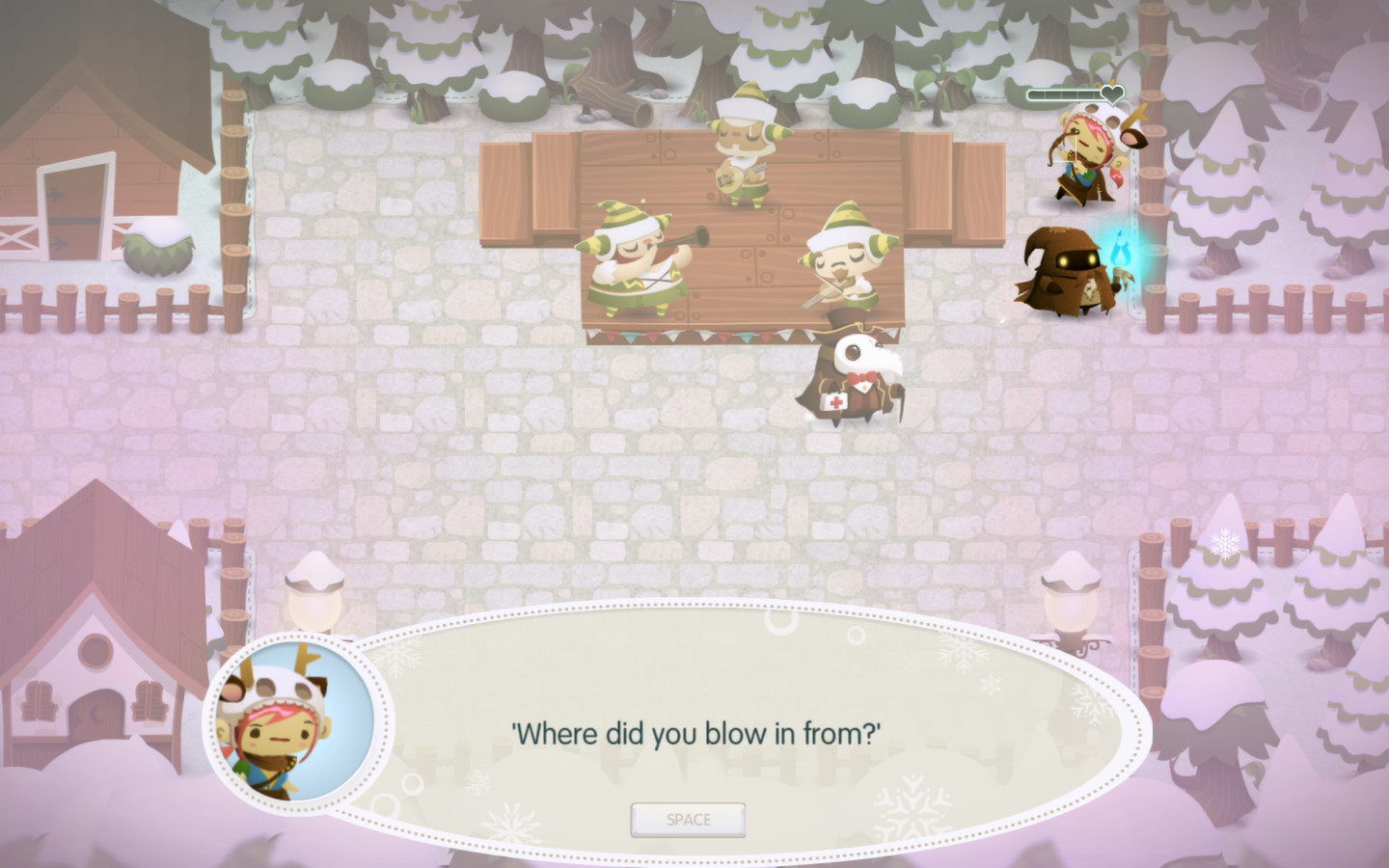
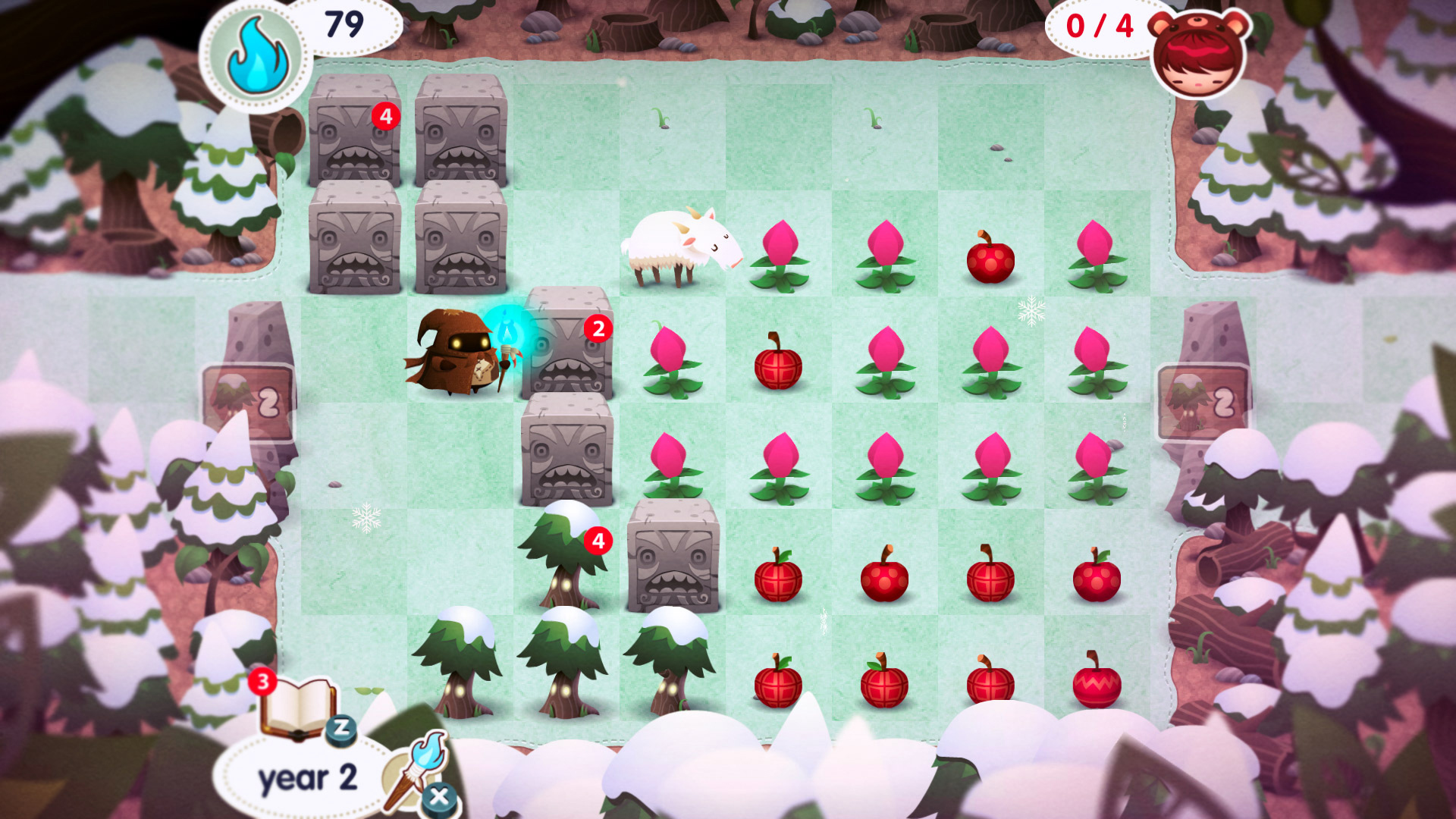
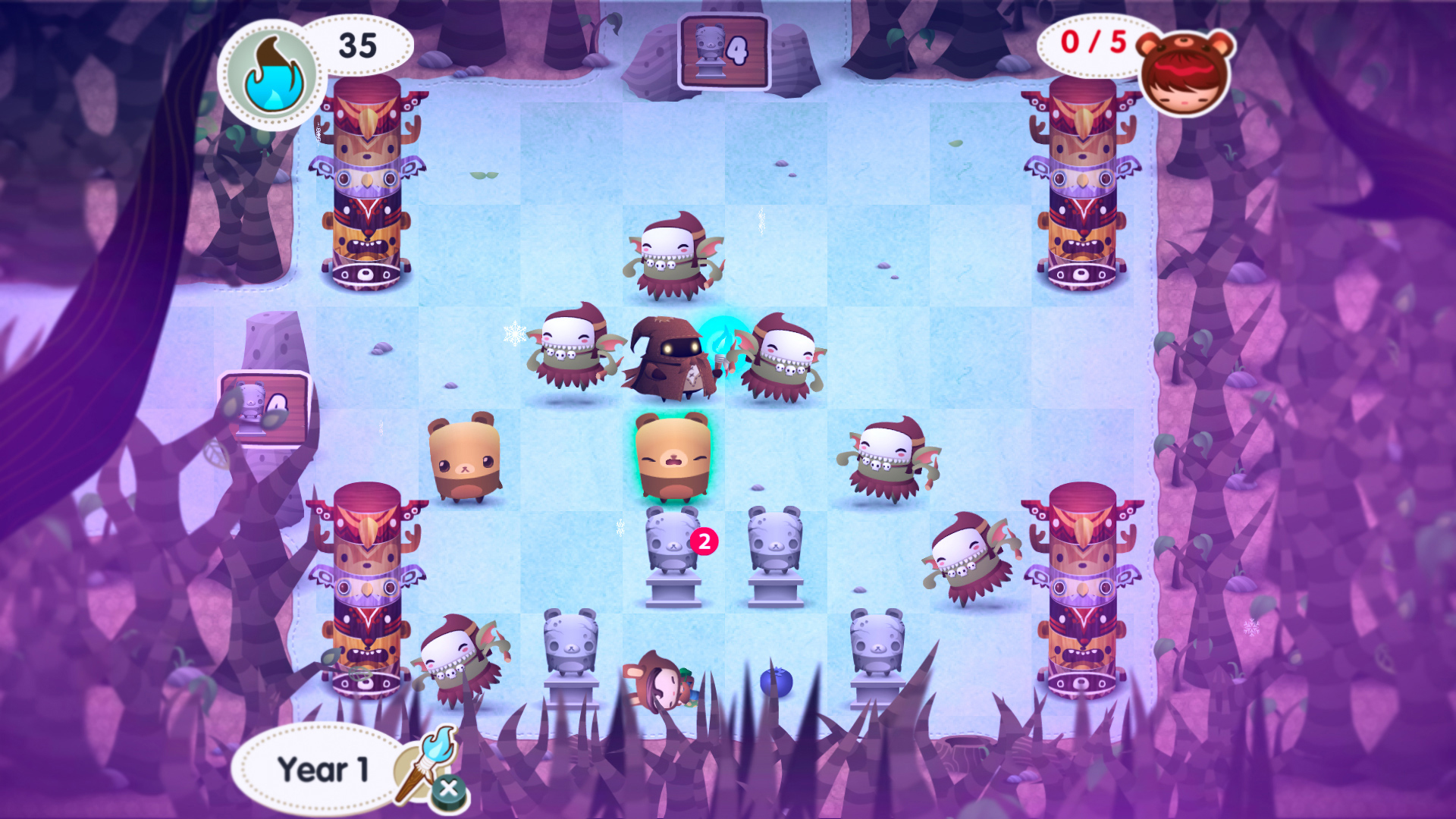
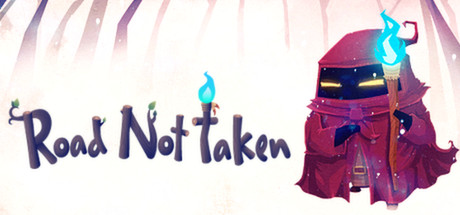
Road Not Taken is a roguelike puzzle game about surviving life’s surprises. You play as a ranger adventuring through a vast, unforgiving forest in the aftermath of a brutal winter storm, rescuing children who have lost their way.
Road Not Taken is a rogue-like, indie and puzzle game
developed and published by Spry Fox.
Released on August 05th 2014 is available on Windows and MacOS
in 6 languages: English, French, Italian, German, Spanish - Spain and Japanese.
It has received 347 reviews of which 280 were positive and 67 were negative resulting in a rating of 7.5 out of 10. 😊
The game is currently priced at 14.79€ on Steam, but you can find it for 7.15€ on G2A.
The Steam community has classified Road Not Taken into these genres:
Media & Screenshots
Get an in-depth look at Road Not Taken through various videos and screenshots.
Load More
System requirements
These are the minimum specifications needed to play the game. For the best experience, we recommend that you verify them.
Windows
- OS *: Windows XP
- Memory: 2 GB RAM
MacOS
- OS: macOS v10.6 - v10.14
- Memory: 2 GB RAM
- Additional Notes: The game will NOT run on macOS v10.15 (Catalina) or higher
Steam Price & Best Deals
User reviews & Ratings
Explore reviews from Steam users sharing their experiences and what they love about the game.
Developed and published by Spry Fox, Road Not Taken is a puzzle-driven roguelike that blends strategic gameplay with emotional storytelling, creating an experience that is both intellectually engaging and surprisingly reflective. Set in a secluded village surrounded by an unpredictable wilderness, the game casts players as a ranger tasked with rescuing children who have disappeared after brutal winter storms. While this objective forms the core of the gameplay, the adventure gradually evolves into a deeper exploration of sacrifice, responsibility, relationships, and the unpredictable consequences of the choices people make throughout their lives. The game's puzzle mechanics are unlike those found in most traditional roguelikes. Rather than relying on combat as the primary challenge, Road Not Taken focuses on manipulating the environment to navigate increasingly intricate forests filled with obstacles, wildlife, magical objects, and hidden dangers. Every object can potentially interact with another, encouraging players to experiment and discover creative solutions instead of following predetermined paths. Since each forest is procedurally generated, no two rescue missions unfold in exactly the same way, ensuring that adaptability and careful observation remain essential from beginning to end. Every successful rescue feels earned because victory comes through thoughtful planning rather than reflexes alone. Energy management serves as another major pillar of the gameplay. Nearly every action, from carrying heavy objects to interacting with the environment, consumes stamina, forcing players to think several moves ahead before committing to a strategy. Efficient resource management becomes just as important as solving the puzzles themselves. Players must constantly weigh the risks and rewards of exploring deeper into the forest, helping stranded children, or conserving enough strength to safely return. This balance creates consistent tension throughout every expedition, making even seemingly minor decisions feel meaningful. Beyond its rescue missions, Road Not Taken expands into a life simulation that adds emotional depth to the overall experience. Between expeditions, players return to the village where they can interact with its residents, build friendships, pursue romantic relationships, and influence the community over the course of multiple years. Conversations and decisions made outside the forest are not simply decorative additions but meaningful elements that shape both the protagonist's personal journey and the lives of those around them. The narrative embraces the idea that there are no universally perfect choices, encouraging players to accept both success and regret as natural parts of life's journey. Visually, the game presents a charming hand-painted art style that perfectly complements its fairy tale atmosphere. Vibrant forests, expressive character designs, and seasonal environmental changes create a world that feels inviting despite the dangers hidden within it. The soundtrack reinforces this atmosphere with calming yet melancholic compositions that shift naturally alongside the emotional tone of each expedition. Rather than relying on visual spectacle, the presentation emphasizes warmth, mystery, and quiet beauty, making exploration feel consistently rewarding even during difficult moments. One of the game's greatest achievements is its willingness to let players learn through experimentation. Instead of overwhelming newcomers with detailed tutorials, many mechanics are introduced organically through exploration and repeated play. Discovering how various creatures, magical artifacts, and environmental objects interact becomes an enjoyable part of the experience. This approach creates satisfying moments of realization, although it also contributes to a learning curve that may initially frustrate players who prefer clearer guidance or more immediate rewards. Replayability is exceptionally strong thanks to the randomized forests, evolving village relationships, and numerous long-term decisions that influence each playthrough. Different strategies, interactions, and priorities can lead to entirely different stories, encouraging players to revisit the game and experiment with alternative approaches. Because the procedural generation continually reshapes puzzles and environments, every new adventure demands fresh thinking rather than simple memorization, keeping the gameplay engaging well beyond the initial campaign. Road Not Taken is not without its shortcomings. Its intentionally mysterious design can occasionally feel overly cryptic, and certain mechanics may require trial and error before they become fully understandable. Some players may also find the deliberate pacing and demanding difficulty less approachable than more conventional puzzle games. However, these elements are closely tied to the game's themes of uncertainty, resilience, and learning through experience, making them feel like deliberate artistic choices rather than simple design flaws. Overall, Road Not Taken stands out as an imaginative and emotionally resonant puzzle adventure that successfully combines roguelike structure, environmental problem-solving, and life simulation into a cohesive whole. It rewards patience, creativity, and thoughtful decision-making while offering a narrative that reflects on the complexity of human choices without becoming overly sentimental. Its unique mechanics, memorable atmosphere, and philosophical storytelling ensure that it remains a distinctive title for players seeking something beyond traditional puzzle or roguelike experiences. Rating: 7/10
⣿⣿⡻⠿⣳⠸⢿⡇⢇⣿⡧⢹⠿⣿⣿⣿⣿⣾⣿⡇⣿⣿⣿⣿⡿⡐⣯⠁ ⠄⠄ ⠟⣛⣽⡳⠼⠄⠈⣷⡾⣥⣱⠃⠣⣿⣿⣿⣯⣭⠽⡇⣿⣿⣿⣿⣟⢢⠏⠄ ⠄ ⢠⡿⠶⣮⣝⣿⠄⠄⠈⡥⢭⣥⠅⢌⣽⣿⣻⢶⣭⡿⠿⠜⢿⣿⣿⡿⠁⠄⠄ ⠄⣼⣧⠤⢌⣭⡇⠄⠄⠄⠭⠭⠭⠯⠴⣚⣉⣛⡢⠭⠵⢶⣾⣦⡍⠁⠄⠄⠄⠄ ⠄⣿⣷⣯⣭⡷⠄⠄⢀⣀⠩⠍⢉⣛⣛⠫⢏⣈⣭⣥⣶⣶⣦⣭⣛⠄⠄⠄⠄⠄ ⢀⣿⣿⣿⡿⠃⢀⣴⣿⣿⣿⣎⢩⠌⣡⣶⣿⣿⣿⣿⣿⣿⣿⣿⣿⣿⣆⠄⠄⠄ ⢸⡿⢟⣽⠎⣰⣿⣿⣿⣿⣿⣿⢀⣾⣿⣿⣿⣿⣿⣿⣿⣿⣿⣿⣿⣿⣿⣦⠄⠄ ⣰⠯⣾⢅⣼⣿⣿⣿⣿⣿⣿⡇⣾⣿⣿⣿⣿⣿⣿⣿⣿⣿⣿⣿⣿⣿⣿⣿⡄⠄ ⢰⣄⡉⣼⣿⣿⣿⣿⣿⣿⣿⢸⣿⣿⣿⣿⣿⣿⣿⣿⣿⣿⣿⣿⣿⣿⣿⣿⣧⠄ ⢯⣌⢹⣿⣿⣿⣿⣿⣿⣿⣿⢸⣿⣿⣿⣿⣿⣿⣿⣿⣿⣿⣿⣿⣿⣿⣿⣿⣿⠄ ⢸⣇⣽⣿⣿⣿⣿⣿⣿⣿⣿⠸⣿⣿⣿⣿⣿⣿⣿⣿⣿⣿⣿⣿⣿⣿⣿⣿⣿⠄ ⢸⣟⣧⡻⣿⣿⣿⣿⣿⣿⣿⣧⡻⣿⣿⣿⣿⣿⣿⣿⣿⣿⣿⣿⣿⣿⣿⣿⣿⠄ ⠈⢹⡧⣿⣸⠿⢿⣿⣿⣿⣿⡿⠗⣈⠻⣿⣿⣿⣿⣿⣿⣿⣿⣿⣿⣿⣿⣿⡇⠄ ⠄⠘⢷⡳⣾⣷⣶⣶⣶⣶⣶⣾⣿⣿⢀⣶⣶⣶⣾⣿⣿⣿⣿⣿⣿⣿⣿⣿⠇⠄ ⠄⠄⠈⣵⣿⣿⣿⣿⣿⣿⣿⣿⣿⣿⢸⣿⣿⣿⣿⣿⣿⣿⣿⣿⣿⣿⣿⣿⠄⠄ ⠄⠄⠄⠸⣿⣿⣿⣿⣿⣿⣿⣿⣿⣿⠘⣿⣿⣿⣿⣿⣿⣿⣿⣿⣿⣿⣿⠇⠄⠄
Similar games
View all

Yono and the Celestial Elephants
Yono and the Celestial Elephant is a grand adventure, featuring carefully designed puzzles, treasure hunts, a sprinkling combat and a world full of people.
LEAVES - The Return
Mononino and the Treefruities fared well without you - until another disaster scattered the leaves of their home tree. Once more, take on the journey and challenging puzzles along the way.
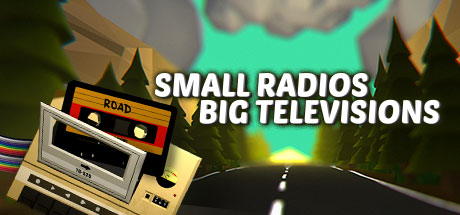
Small Radios Big Televisions
Explore the inner workings of deserted factories in search of data cassettes that contain boundless virtual worlds. Collect more tapes and explore more worlds and you'll soon discover new methods of traversal and control that will take you farther than you'd ever expect.
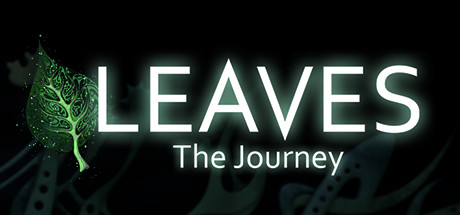
LEAVES - The Journey
Travel to the mystic lands of Mononino and help the Treefruities to recover the lost leaves of their home tree. Search for clues to master the many puzzles and challenges on your journey.

Down the Rabbit Hole
Down the Rabbit Hole is a VR adventure set in Wonderland prior to Alice's arrival. You will guide a girl who is looking for her lost pet by solving puzzles, uncovering secrets and making choices about the story along the way.
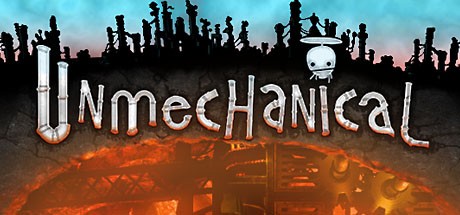
Unmechanical
A carefully created world with unique environments and an engrossing atmosphere, Unmechanical offers over 30 unique puzzles of exploration and adventure!
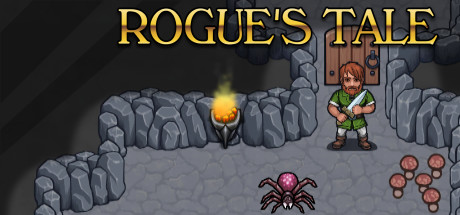
Rogue's Tale
Rogue's Tale is a single player turn-based dungeon crawling game.
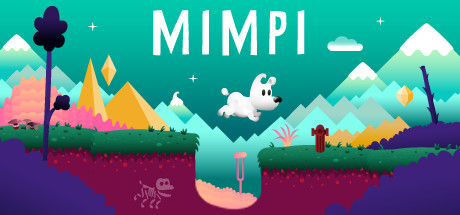
Mimpi
Explore strange new worlds and enjoy unique adventures in Mimpi! Mimpi is fantastic new adventure, puzzle, and platformer game.
The game is like a psychedelic illustration come alive.
Mimpi the dog is searching for his master in eight diverse worlds. The environment is seldom repetitive, the puzzles are always new.
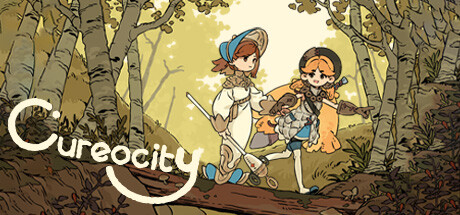
Cureocity
“People think battles need powerful weapons, but strategy at hand is key."The story follows a rookie adventurer and a new healer in a dungeon quest, with the core gameplay involving hand-picked methods using weapons and items. Fight or purify? Heal or alter? The choice is in your hands.
Another Perspective
Another Perspective is a puzzle platformer following the very confusing adventure of someone looking for something. Swap minds to see the world in different ways! Where one mind sees a bottomless pit, another might not. Where one sees a locked door, another sees a key. To change perspective is to change reality!
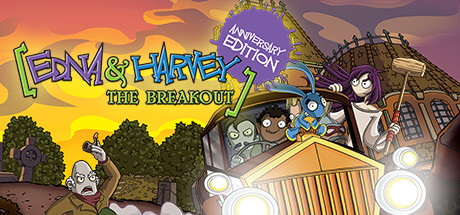
Edna & Harvey: The Breakout - Anniversary Edition
Edna & Harvey are back! The award-winning adventure with high resolution visuals, new technology, intuitive controls – Experience this quirky cult classic with Edna & Harvey anew, but better than ever before!
Frequently Asked Questions
Road Not Taken is currently priced at 14.79€ on Steam.
No, Road Not Taken is currently not on sale. You can purchase it for 14.79€ on Steam.
Yes, Road Not Taken received 280 positive votes out of a total of 347 achieving a rating of 7.54.
😊
Road Not Taken was developed and published by Spry Fox.
Yes, Road Not Taken is playable and fully supported on Windows.
Yes, Road Not Taken is playable and fully supported on MacOS.
No, Road Not Taken is not playable on Linux.
This information about Road Not Taken is not available yet.
This information about Road Not Taken is not available yet.
No, Road Not Taken does not support VR.
Road Not Taken is a single-player game.
No, Road Not Taken does not currently offer any DLC.
No, Road Not Taken does not support mods via Steam Workshop.
Yes, Road Not Taken supports Remote Play on TV. Discover more about Steam Remote Play.
Yes, Road Not Taken is enabled for Steam Family Sharing. This means you can share the game with authorized users from your Steam Library, allowing them to play it on their own accounts. For more details on how the feature works, you can read the original Steam Family Sharing announcement or visit the Steam Family Sharing user guide and FAQ page.
You can find solutions or submit a support ticket by visiting the Steam Support page for Road Not Taken.
Data sources
The information presented on this page is sourced from reliable APIs to ensure accuracy and relevance. We utilize the Steam API to gather data on game details, including titles, descriptions, prices, and user reviews. This allows us to provide you with the most up-to-date information directly from the Steam platform.
Additionally, we incorporate data from the SteamSpy API, which offers insights into game sales and player statistics. This helps us present a comprehensive view of each game's popularity and performance within the gaming community.
Last Updates| Steam data | 25 August 2026 14:17 UTC |
|---|---|
| SteamSpy data | 03 September 2026 04:37 UTC |
| Steam price | 12 September 2026 10:43 UTC |
| Steam reviews | 10 September 2026 21:49 UTC |
If you'd like to dive deeper into the details about Road Not Taken, we invite you to check out a few dedicated websites that offer extensive information and insights. These platforms provide valuable data, analysis, and user-generated reports to enhance your understanding of the game and its performance.
- SteamDB - A comprehensive database of everything on Steam about Road Not Taken
- SteamCharts - Analysis of Road Not Taken concurrent players on Steam
- ProtonDB - Crowdsourced reports on Linux and Steam Deck Road Not Taken compatibility

Game modes
Features
Online players
0
Developer
Spry Fox
Publisher
Spry Fox
Release
05 Aug 2014
Platforms
Remote Play
Clicking and buying through these links helps us earn a commission to maintain our services.