
Nomad Idle
Face waves of enemies automatically and create builds by distributing stat points, leveling up equipment, choosing passive skills, summons and more. An idle game about killing hordes of enemies, becoming stronger, and exploring an unfolding storyline. A spin-off of Nomad Survival.
Sync your Steam wishlist to find the lowest game prices instantly. No login required, just paste your Steam profile URL!
⚡ Try Wishlist Radar!
Sync your Steam wishlist to find the lowest game prices instantly. No login required!
⚡ Try Wishlist Radar!
Close

Samawa Idle on Steam
Quick menu
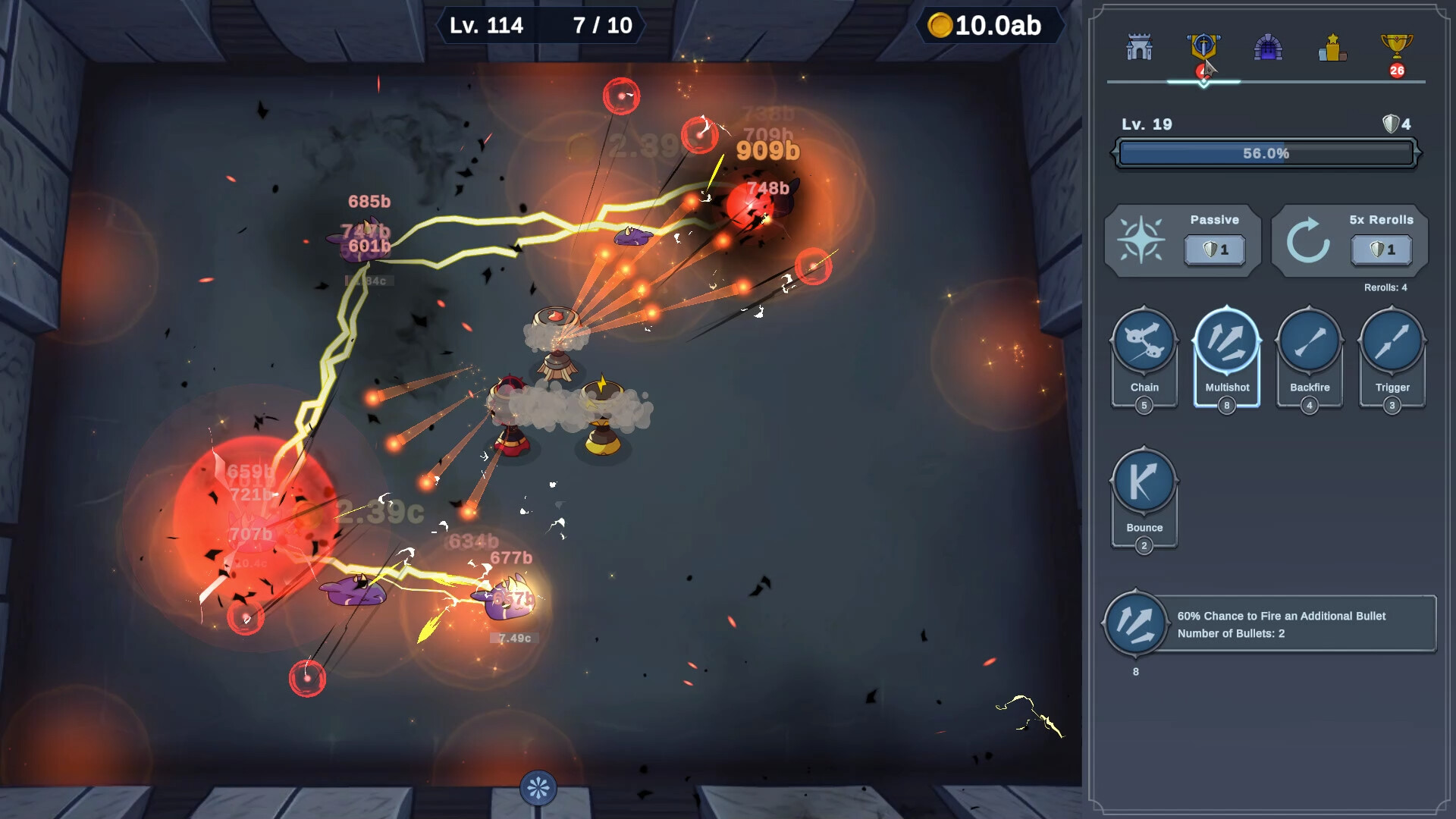
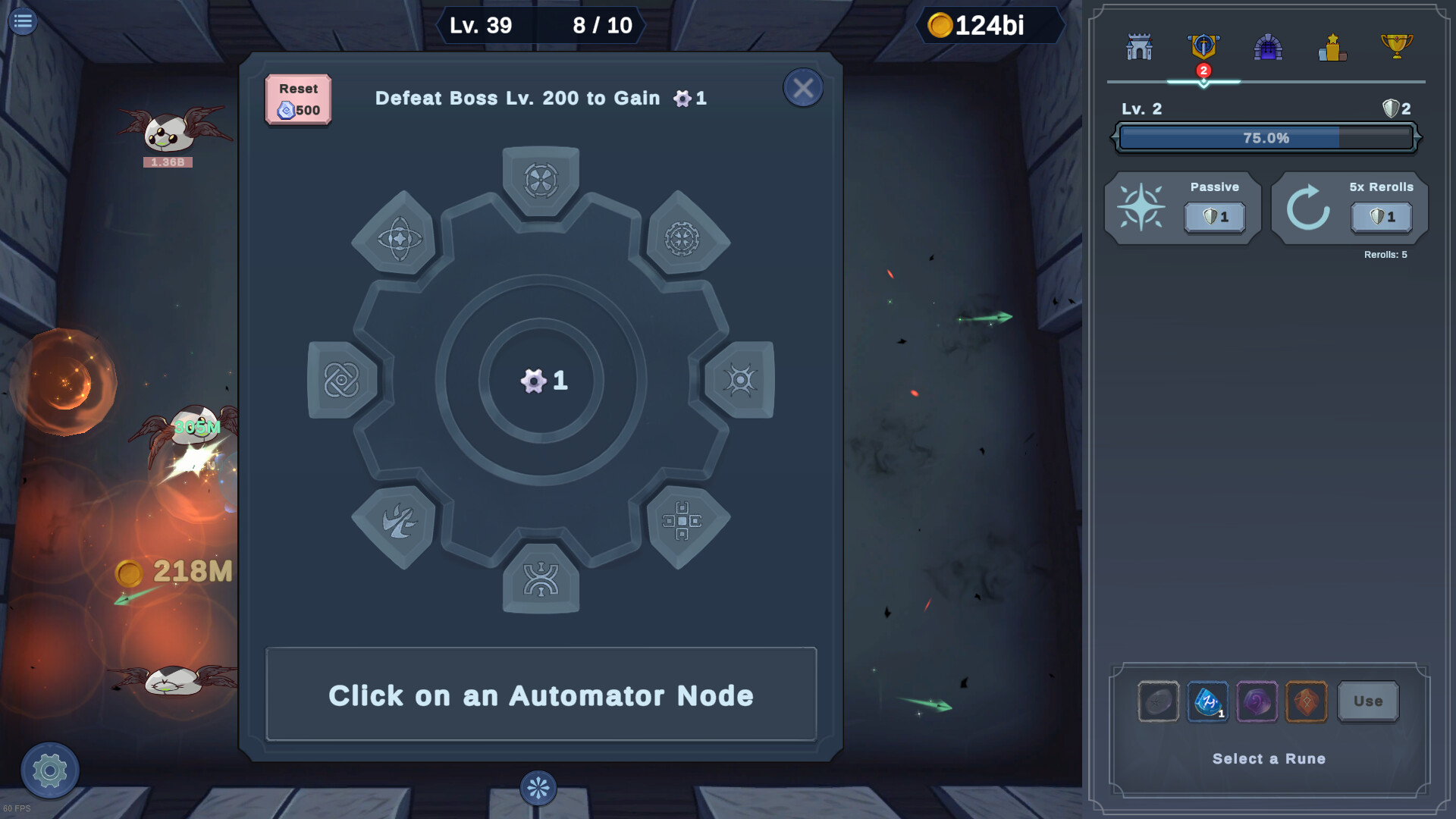
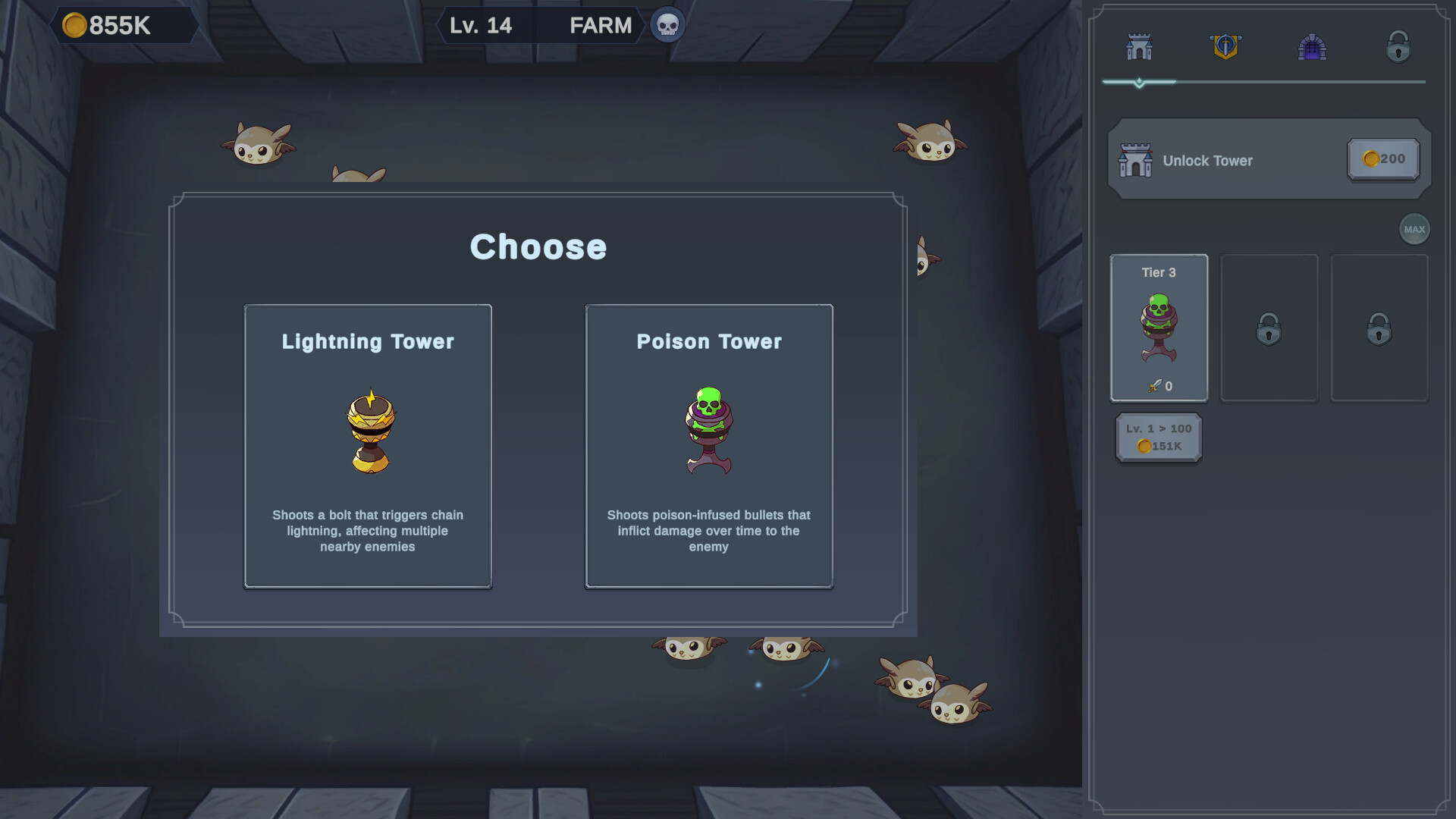
Unleash the power of specialized towers to annihilate hordes of monsters in this idle game with roguelike elements. Collect gold, level up your towers, face powerful bosses, and refine your strategy with an evolving skill tree.
Samawa Idle is a idler, auto battler and tower defense game
developed and published by Samharia Studios.
Released on November 13th 2023 is available on Windows, MacOS and Linux.
It has received 543 reviews of which 370 were positive and 173 were negative resulting in a rating of 6.5 out of 10. 😐
The game is currently priced at 4.99€ on Steam.
The Steam community has classified Samawa Idle into these genres:
Media & Screenshots
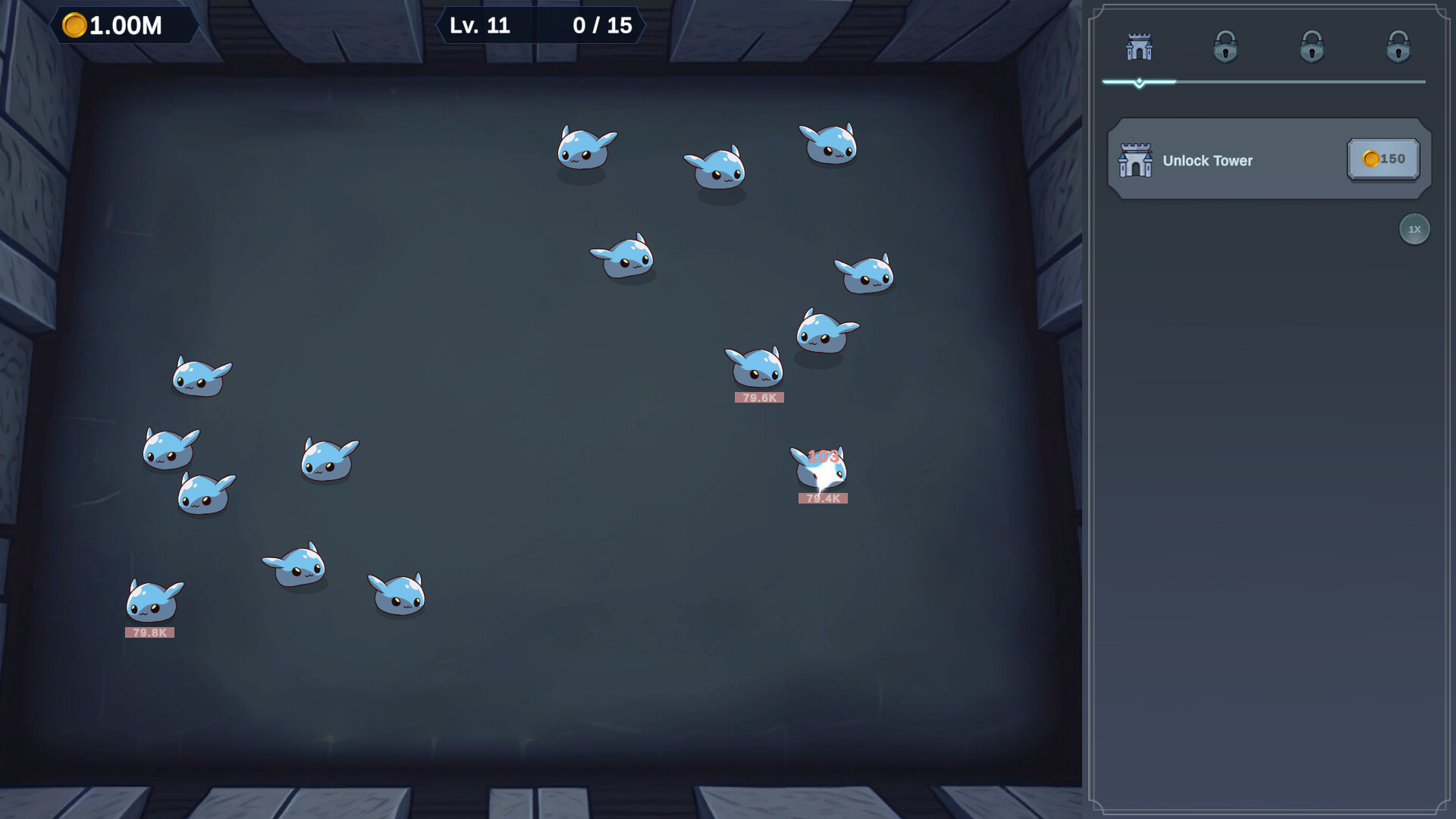
Get an in-depth look at Samawa Idle through various videos and screenshots.


Load More


System requirements
These are the minimum specifications needed to play the game. For the best experience, we recommend that you verify them.
Windows
- OS *: Windows 7
- Memory: 512 MB RAM
- Storage: 300 MB available space
MacOS
- OS: Mac OS X 10.6
- Memory: 512 MB RAM
- Storage: 300 MB available space
Linux
- OS: Ubuntu 16.04
- Memory: 512 MB RAM
- Storage: 300 MB available space
Steam Price & Best Deals
User reviews & Ratings
Explore reviews from Steam users sharing their experiences and what they love about the game.
The game isn't good or bad, but the progression feels kind of pointless. While you do unlock some interesting options in the late game, they're practically useless because by the time you get them, you've already finished the game—or at least completed all the achievements.
Surprisingly addictive! There's not many unique mechanics and the game is rather linear, but somehow it sucked me in and I've played it for longer than I probably should've. You won't find anything unique about the gameplay, but the pacing is really satisfying and it gives you an incremental dose of dopamine.
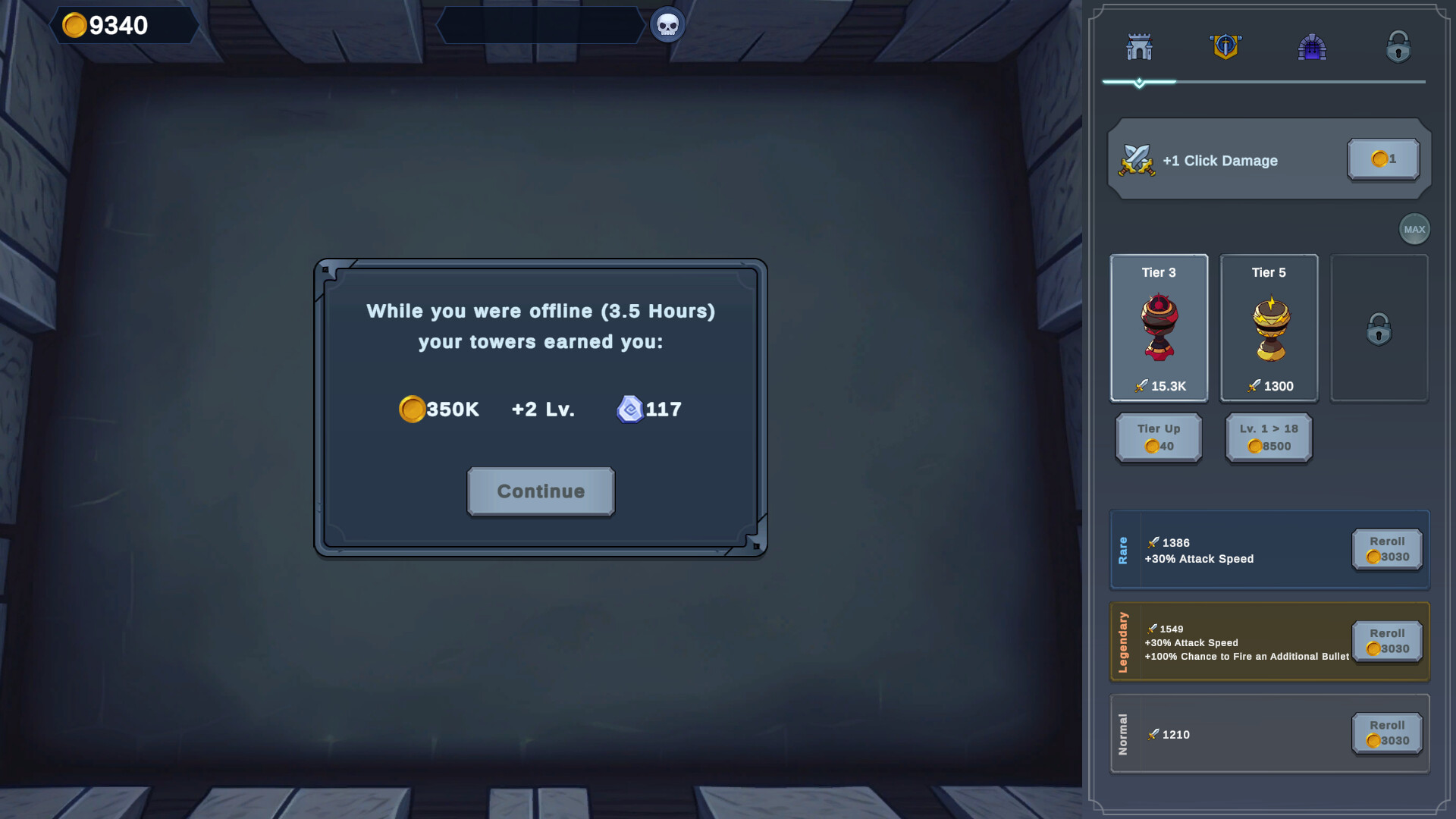
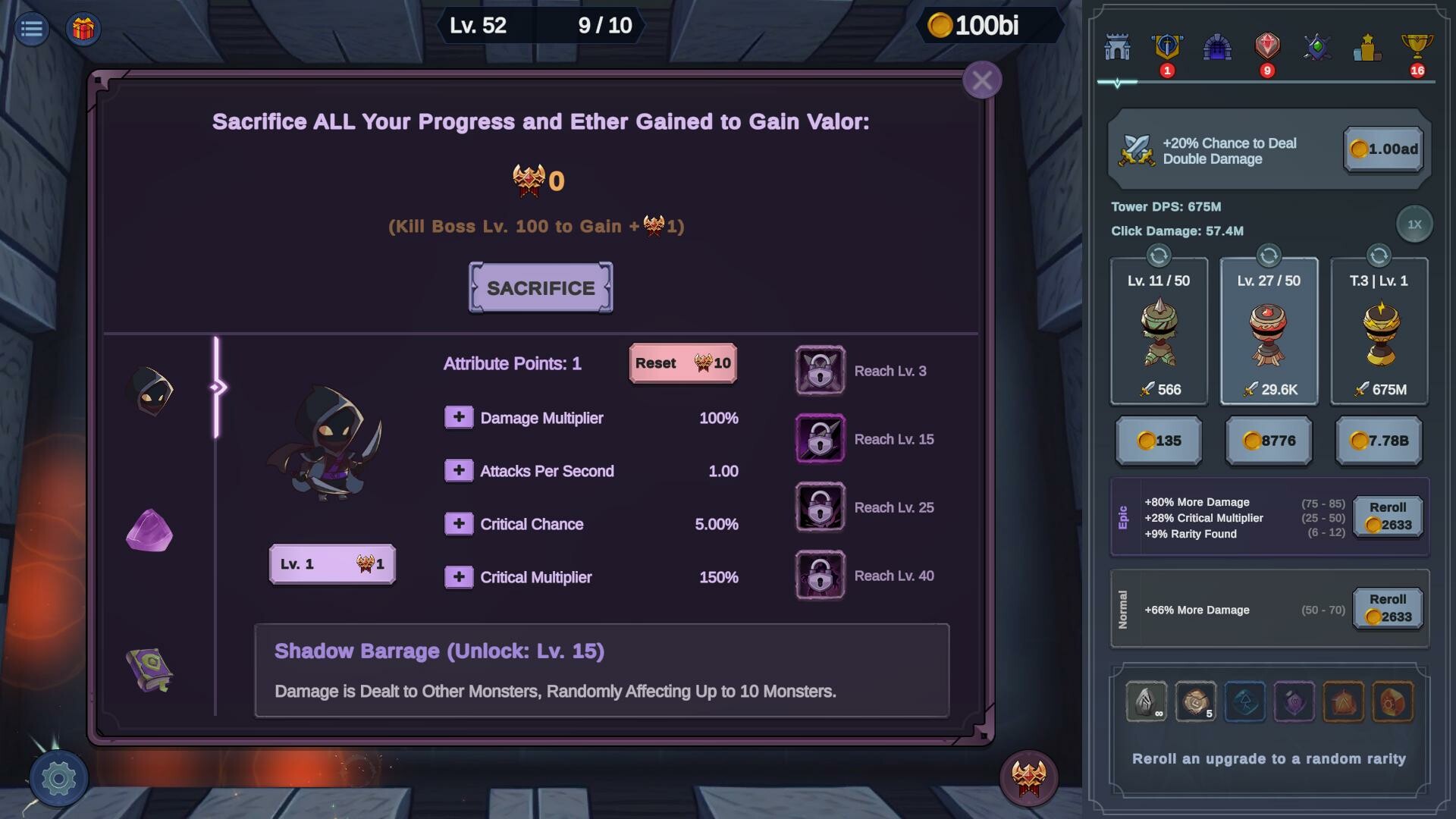
Samawa Idle is an idle progression game developed and published by Samharia Studios that merges incremental mechanics with tower defense strategy and roguelike progression systems. Designed around long-term growth and gradual optimization, the game embraces the addictive formula that idle game enthusiasts often seek: starting from limited resources, slowly building efficiency, and eventually transforming small gains into powerful systems capable of handling overwhelming challenges. Rather than relying on fast-paced action or heavy narrative elements, Samawa Idle finds its appeal through progression depth and the satisfaction of watching carefully built systems evolve over time. The gameplay centers around defending against endless enemy waves using towers that generate damage and resources while steadily increasing overall strength. Early progression begins simply, introducing players to core mechanics without flooding them with information. Gold collection drives early upgrades, allowing towers to become stronger while opening access to additional systems that gradually add complexity. This measured pacing works well because it creates a steady sense of advancement rather than overwhelming players immediately with complicated mechanics. Tower variety becomes one of the strongest elements supporting long-term engagement. Different towers offer unique strengths and strategic roles, encouraging experimentation instead of relying entirely on one optimal approach. Some focus on direct damage output while others provide support capabilities or specialized functions that influence overall efficiency. As progression advances, players begin discovering how tower combinations and upgrade priorities interact with each other, turning what initially appears straightforward into a surprisingly strategic experience. Roguelike-inspired progression mechanics help keep gameplay from becoming too repetitive. Individual runs offer opportunities to obtain random upgrades and bonuses that can significantly influence strategy. The unpredictable nature of progression adds variety while encouraging experimentation with different builds. Instead of simply repeating identical actions indefinitely, players constantly adapt to available upgrades and changing circumstances. This design decision strengthens replay value while making resets feel meaningful rather than frustrating. The skill progression system further expands strategic flexibility. Points earned through advancement allow players to customize growth paths and strengthen preferred playstyles. Different upgrades create opportunities to specialize in specific strengths while slowly unlocking increasingly powerful mechanics. That long-term development loop becomes one of the game's greatest strengths. Incremental games rely heavily on maintaining motivation across extended play sessions, and Samawa Idle succeeds largely because it consistently gives players meaningful goals to pursue. Offline progression also plays an important role in maintaining accessibility. Resources continue accumulating even while the game remains closed, allowing players to return to noticeable progress after stepping away. This feature aligns naturally with the idle genre philosophy and helps make progression feel rewarding without demanding constant attention. Players can actively optimize builds during longer sessions or simply return periodically to manage upgrades and enjoy accumulated rewards. As progression expands, additional systems begin layering over the initial tower defense framework. Automation features gradually reduce repetitive tasks while prestige-style progression introduces larger long-term objectives. Stronger upgrades and advanced progression systems reinforce the sense that every investment contributes toward larger goals. The satisfaction comes not from individual victories but from building increasingly efficient systems that continue improving across many hours of play. Visually, Samawa Idle adopts a clean and approachable presentation style focused more on readability than visual complexity. Enemy designs maintain enough personality to keep encounters visually interesting while interface elements prioritize clarity. Large amounts of information remain manageable because menus avoid unnecessary clutter. The visual design complements the game's structure effectively by keeping player attention centered on progression and optimization. The experience may not appeal equally to everyone. Players seeking story-heavy content or mechanically demanding gameplay may find the slower pacing less engaging. Progression-focused design naturally emphasizes repetition and efficiency management, which can feel less exciting to players unfamiliar with idle game structures. Certain stretches of advancement may also feel slower depending on upgrade decisions and preferred playstyle. However, these elements largely reflect genre expectations rather than major shortcomings. What ultimately makes Samawa Idle work is its understanding of incremental progression psychology. Small improvements gradually transform into larger systems, creating a satisfying rhythm where every upgrade contributes toward long-term goals. Samharia Studios avoids unnecessary complications while building enough strategic depth to keep optimization rewarding across extended playtime. Samawa Idle succeeds as an accessible but layered idle experience that combines strategic planning with steady progression in satisfying ways. Players who enjoy incremental systems, experimentation, and watching carefully constructed builds evolve into increasingly powerful machines will likely find substantial enjoyment here. It may not reinvent the genre completely, but it delivers a focused experience that understands exactly what makes idle games engaging. Rating: 7/10
Similar games
View all

Firestone Idle Clicker Online RPG
Your heroes never stop fighting. Build an unstoppable team in a fantasy idle RPG with AFK progression and offline rewards. Collect heroes and powerful gear, master formations, defeat epic bosses, and return to bigger rewards and endless incremental growth.

Your Chronicle
"Let's begin your own story." This is a text-based idle RPG game. There are already more than 3,000 unique story actions and it's still growing.

Ancient Cultivatrix
"Ancient Cultivatrix" is a Roguelite cultivation game with tower defense elements. The world was corrupted by chaos and became utterly depraved. Please gather the surviving cultivatrices and unite them. Enhance Taoist energy and spiritual prowess together, gradually uncovering the elusive truth.
Frequently Asked Questions
Samawa Idle is currently priced at 4.99€ on Steam.
No, Samawa Idle is currently not on sale. You can purchase it for 4.99€ on Steam.
Yes, Samawa Idle received 370 positive votes out of a total of 543 achieving a rating of 6.54.
😐
Samawa Idle was developed and published by Samharia Studios.
Yes, Samawa Idle is playable and fully supported on Windows.
Yes, Samawa Idle is playable and fully supported on MacOS.
Yes, Samawa Idle is playable and fully supported on Linux.
This information about Samawa Idle is not available yet.
This information about Samawa Idle is not available yet.
No, Samawa Idle does not support VR.
Samawa Idle is a single-player game.
Yes, there is a DLC available for Samawa Idle. Explore additional content available for Samawa Idle on Steam.
No, Samawa Idle does not support mods via Steam Workshop.
No, Samawa Idle does not support Steam Remote Play.
Yes, Samawa Idle is enabled for Steam Family Sharing. This means you can share the game with authorized users from your Steam Library, allowing them to play it on their own accounts. For more details on how the feature works, you can read the original Steam Family Sharing announcement or visit the Steam Family Sharing user guide and FAQ page.
You can find solutions or submit a support ticket by visiting the Steam Support page for Samawa Idle.
Data sources
The information presented on this page is sourced from reliable APIs to ensure accuracy and relevance. We utilize the Steam API to gather data on game details, including titles, descriptions, prices, and user reviews. This allows us to provide you with the most up-to-date information directly from the Steam platform.
Additionally, we incorporate data from the SteamSpy API, which offers insights into game sales and player statistics. This helps us present a comprehensive view of each game's popularity and performance within the gaming community.
Last Updates| Steam data | 19 September 2026 02:13 UTC |
|---|---|
| SteamSpy data | 15 October 2026 14:36 UTC |
| Steam price | 26 October 2026 20:09 UTC |
| Steam reviews | 22 October 2026 18:03 UTC |
If you'd like to dive deeper into the details about Samawa Idle, we invite you to check out a few dedicated websites that offer extensive information and insights. These platforms provide valuable data, analysis, and user-generated reports to enhance your understanding of the game and its performance.
- SteamDB - A comprehensive database of everything on Steam about Samawa Idle
- SteamCharts - Analysis of Samawa Idle concurrent players on Steam
- ProtonDB - Crowdsourced reports on Linux and Steam Deck Samawa Idle compatibility

Game modes
Features
Online players
36
Developer
Samharia Studios
Publisher
Samharia Studios
Release
13 Nov 2023
Platforms