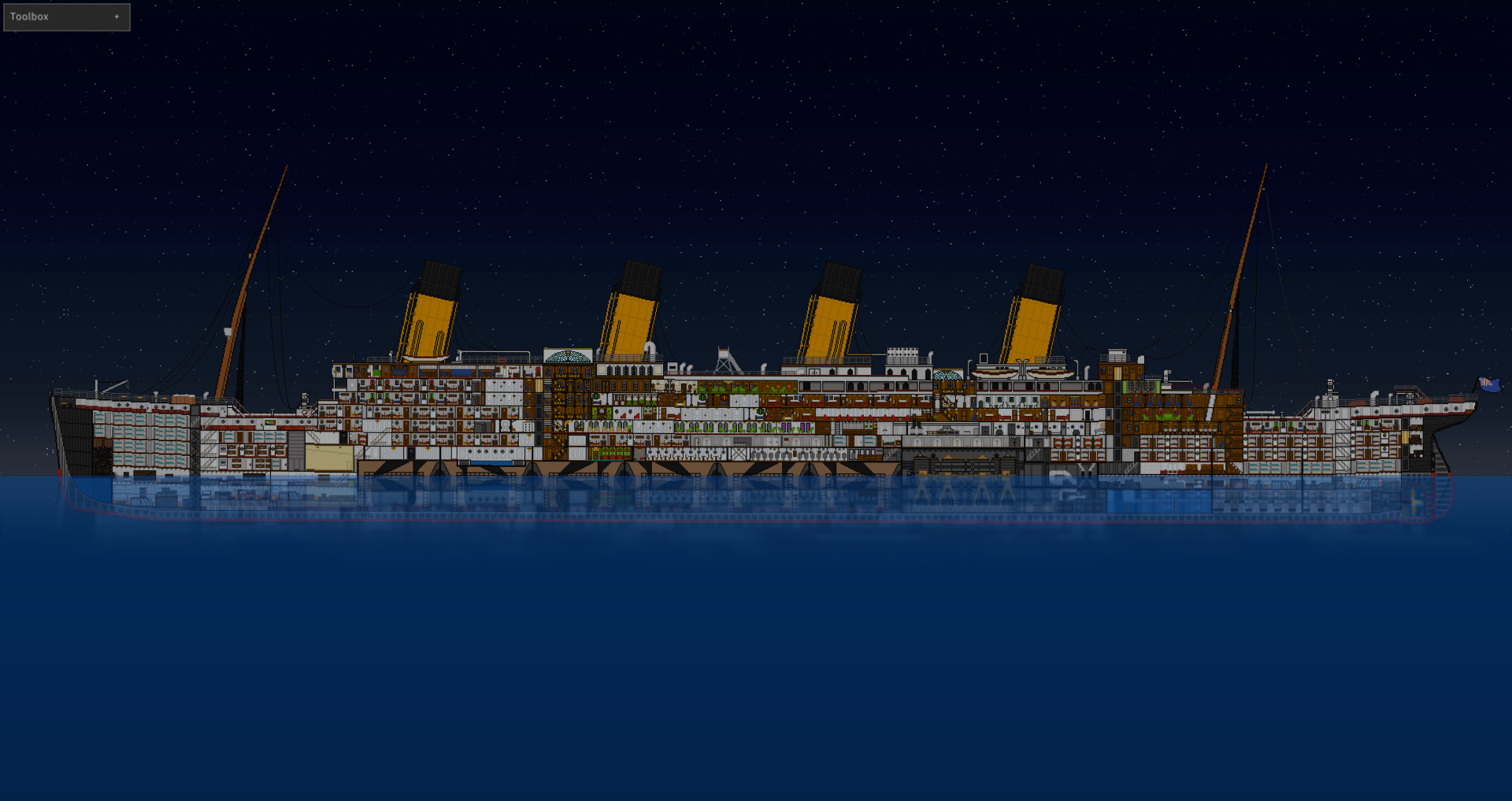
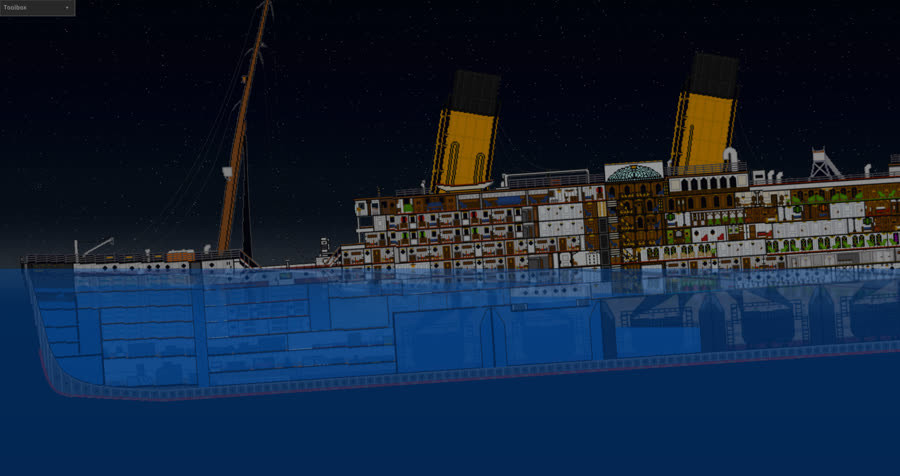
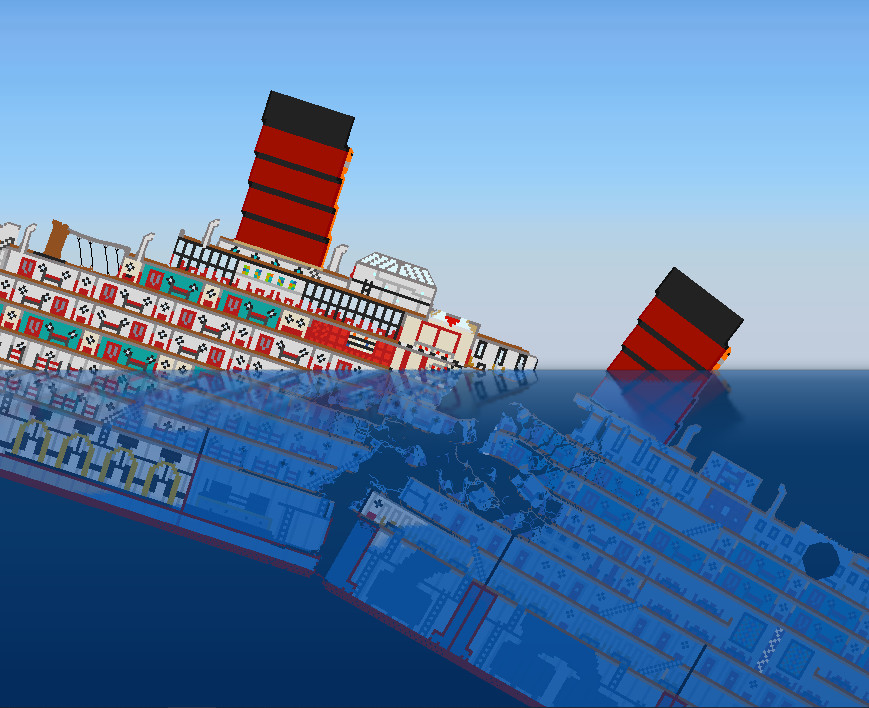
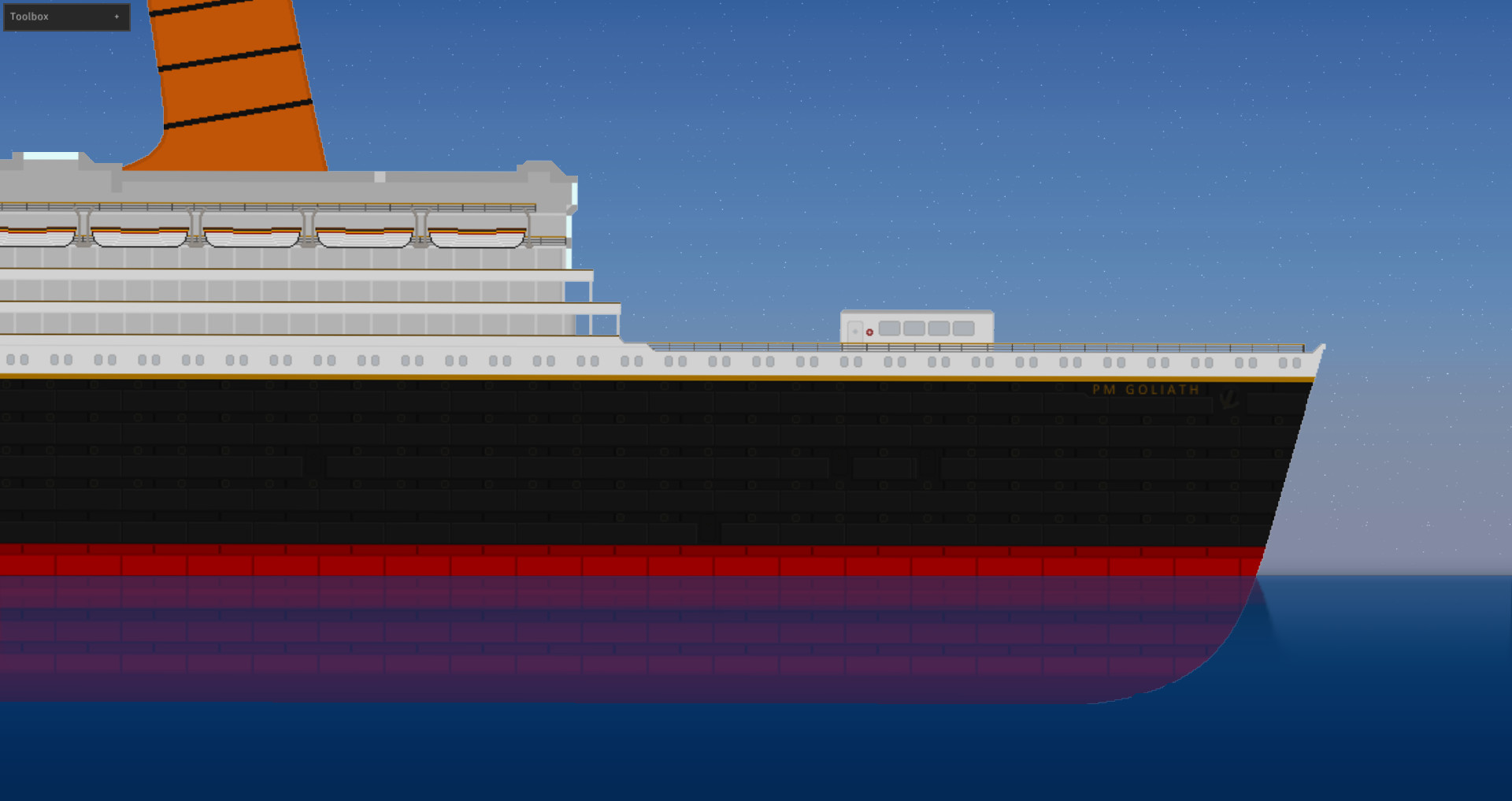
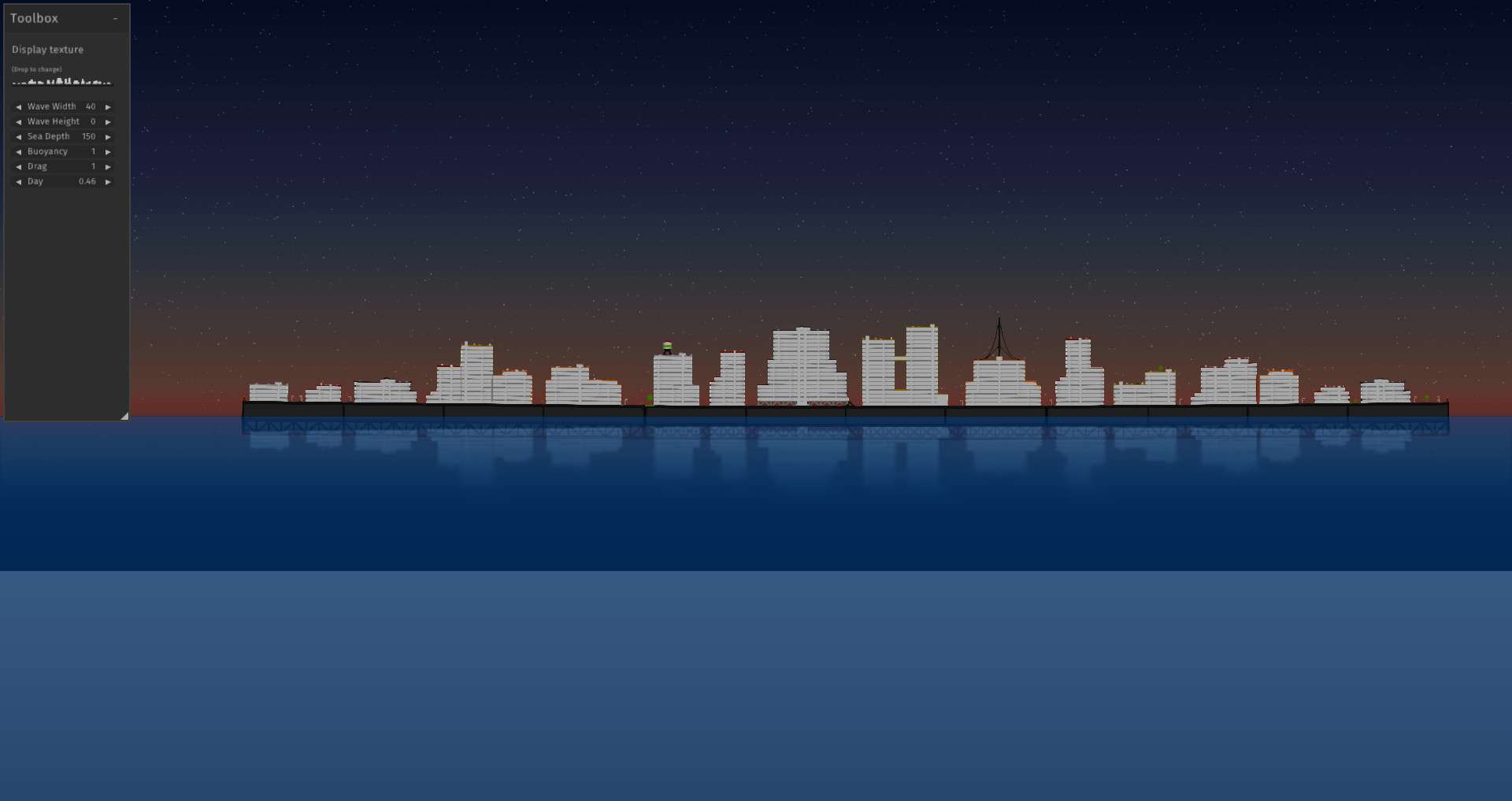
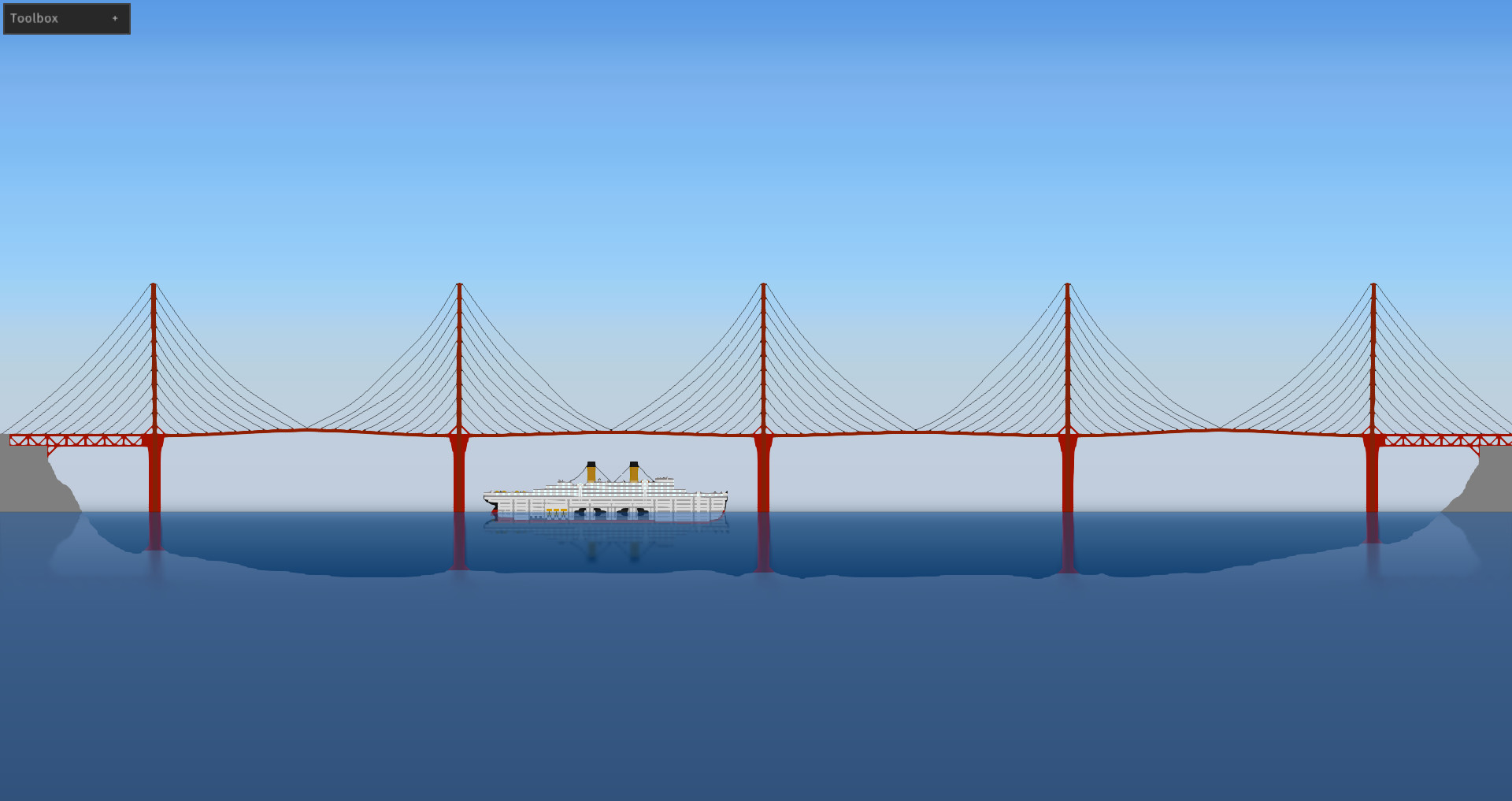
Sinking Simulator, developed by Wicpar and published by Pac0master, is a fascinatingly unconventional physics sandbox that allows players to indulge in the meticulous art of destruction. Rather than focusing on combat, competition, or traditional objectives, it provides a framework for experimentation—a digital laboratory where players can test the limits of buoyancy, material strength, and chaos. At its core, the game is simple in concept: you take massive 2D structures, usually ships or other floating constructs, and watch them sink as you manipulate their integrity in real time. Yet beneath this simplicity lies a surprisingly rich playground of physics-based interactions, where every break, crack, and collapse unfolds dynamically. It is a game that doesn’t just simulate destruction but captures the eerie beauty of it, offering players the quiet satisfaction of seeing engineering and nature collide in spectacular ways. The game’s fundamental appeal lies in its sandbox freedom. You are given a range of massive ships and structures to experiment with, each constructed from countless small components governed by soft-body physics. Every segment has mass, buoyancy, and flexibility, meaning that when a breach forms, water slowly infiltrates the hull, spreading instability until the entire craft begins to buckle under its own weight. Watching a ship tilt, crack, and descend beneath the waves is oddly hypnotic, a slow-motion ballet of simulated catastrophe. The satisfaction comes not from mindless destruction but from the precision of it—the way the physics respond realistically to pressure and flooding, the way a perfectly placed hole can cause an entire vessel to capsize. Players can trigger these scenarios manually by cutting holes, adding stress points, or detonating explosives, turning each experiment into a miniature narrative of collapse. A significant factor in the game’s replayability comes from its modding and workshop support. Sinking Simulator’s community has created an impressive library of user-generated content, ranging from accurate recreations of historical ships like the Titanic or Bismarck to outlandish, entirely fictional designs that challenge the engine’s limits. This open-ended system transforms the game from a simple sandbox into a creative outlet. One can spend hours downloading different designs, tweaking them, or building custom structures to test how they respond under duress. The level of control the game offers over water density, gravity, and environmental effects makes it feel like a toy box for engineers and enthusiasts who want to see how objects behave under extreme conditions. Every session can be a new experiment, and part of the fun is learning through failure—testing how long a ship can stay afloat before succumbing to inevitable destruction. The presentation is minimalist but effective. The 2D side view gives the game a cross-sectional perspective reminiscent of a mechanical blueprint, emphasizing function over flash. While there are no cinematic visuals or orchestral scores, the simplicity suits the simulation’s purpose. The sound of creaking metal, collapsing beams, and rushing water conveys the weight and tension of each sinking with visceral clarity. There’s something almost meditative about it: the moment a hull gives way, the groan of metal resonates like a tragic symphony of structural failure. It captures the quiet grandeur of catastrophe without sensationalism. For those who appreciate the underlying mechanics of physics rather than spectacle, this restraint adds a certain authenticity. Despite its strengths, Sinking Simulator is not without flaws. Its ambitious physics system, while impressive, comes with significant technical limitations. As the size and complexity of the structures increase, so too does the strain on hardware performance. Even powerful PCs can struggle with frame rate drops, stuttering, or outright crashes during large-scale simulations. The physics calculations are demanding, and as thousands of components move simultaneously, the engine occasionally falters under the weight of its own realism. This can be frustrating for players eager to experiment on massive creations, as performance hiccups break the immersion. Additionally, the absence of a structured gameplay mode or long-term goals means that, for some, the novelty of sinking ships can wear thin after extended play. The game relies heavily on player imagination and community content to sustain engagement, and those seeking a guided experience or progression system may find it lacking in direction. Yet for many, the lack of structure is precisely what makes it compelling. Sinking Simulator is not a game to be “won” but one to be explored. It’s a digital sandbox that rewards curiosity rather than mastery, offering a rare form of relaxation through observation and experimentation. There’s a quiet joy in constructing the perfect disaster, in studying how each ship succumbs differently to the same forces, and in understanding how even small changes can alter the outcome dramatically. The more time you spend with it, the more you begin to appreciate the subtleties of the simulation—the way weight distribution affects stability, the delicate interplay between water and material resistance, and the haunting grace of inevitable collapse. Ultimately, Sinking Simulator stands as a niche but captivating experience for those who find beauty in physics and destruction. It’s not a game about achieving victory or uncovering secrets but about witnessing systems in motion, observing how chaos unfolds when order breaks down. Despite its rough edges, technical imperfections, and lack of traditional structure, it succeeds in creating a strangely mesmerizing space where experimentation becomes art. For players who find fascination in simulation and the slow unraveling of mechanical design, it offers a uniquely satisfying kind of entertainment—part science experiment, part digital performance, and entirely its own form of quiet, methodical catharsis. Rating: 8/10
Expand the review