


Raindancer
Awoken from death by The Rain itself, Bramble is tasked with bringing an end to the leaders of three rival tribes, and purifying their corruption against nature.
Sync your Steam wishlist to track the lowest game prices instantly. No login required, just paste your Steam profile URL!
⚡ Try Wishlist Radar!
Sync your Steam wishlist to track the lowest game prices instantly. No login required!
⚡ Try Wishlist Radar!
Close

Skautfold: Shrouded in Sanity on Steam - User reviews, Price & Information
Quick menu
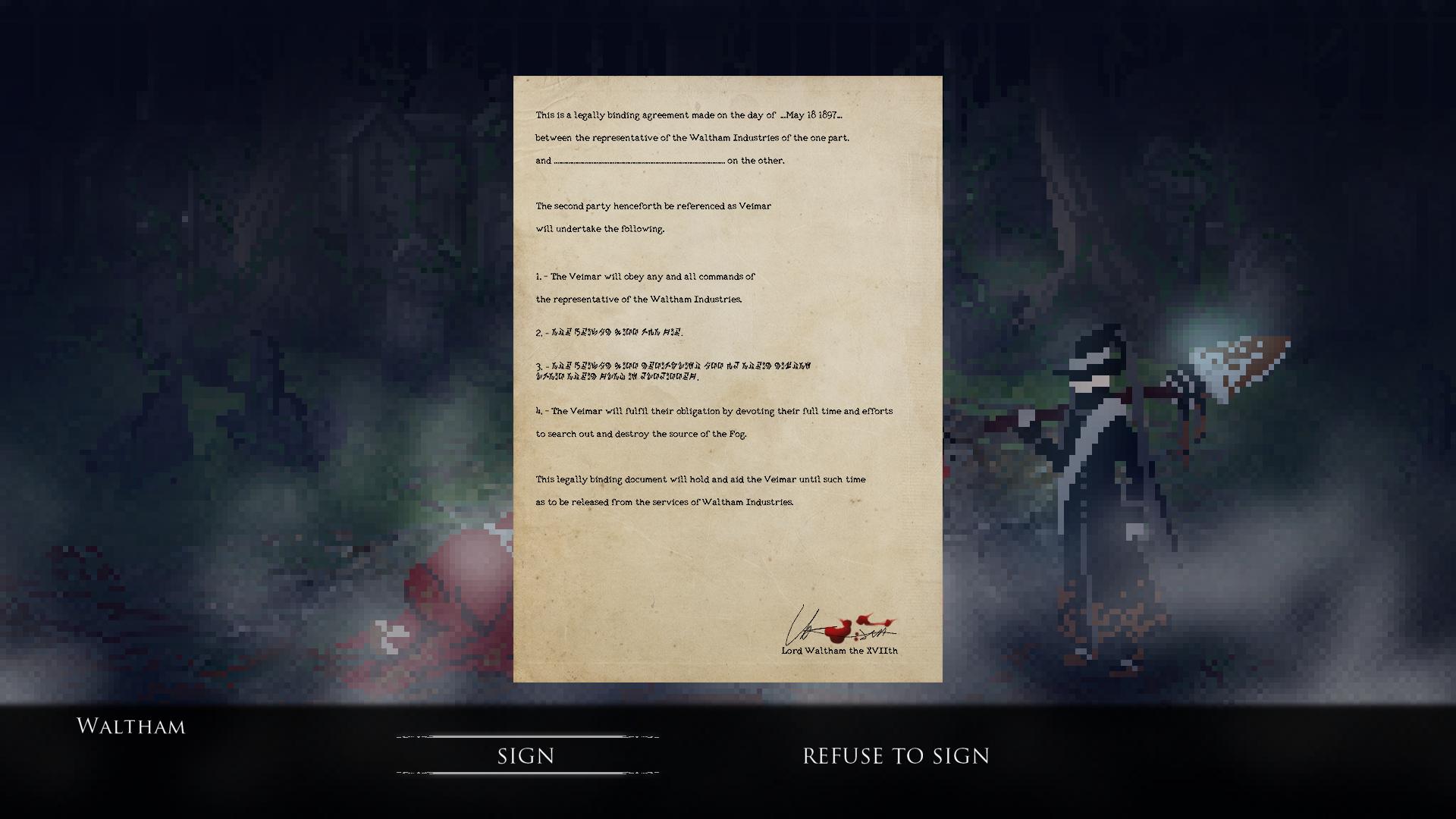
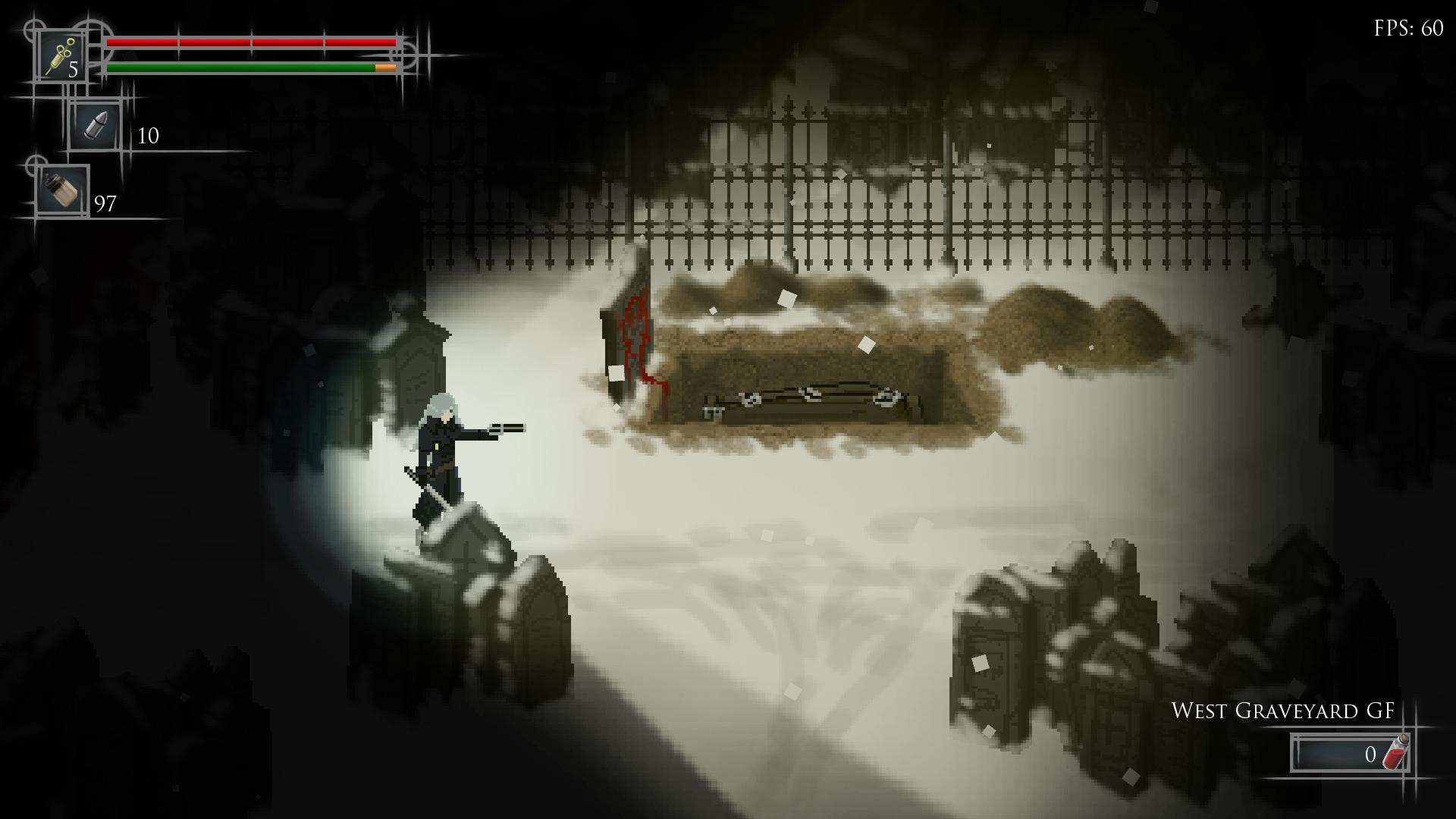
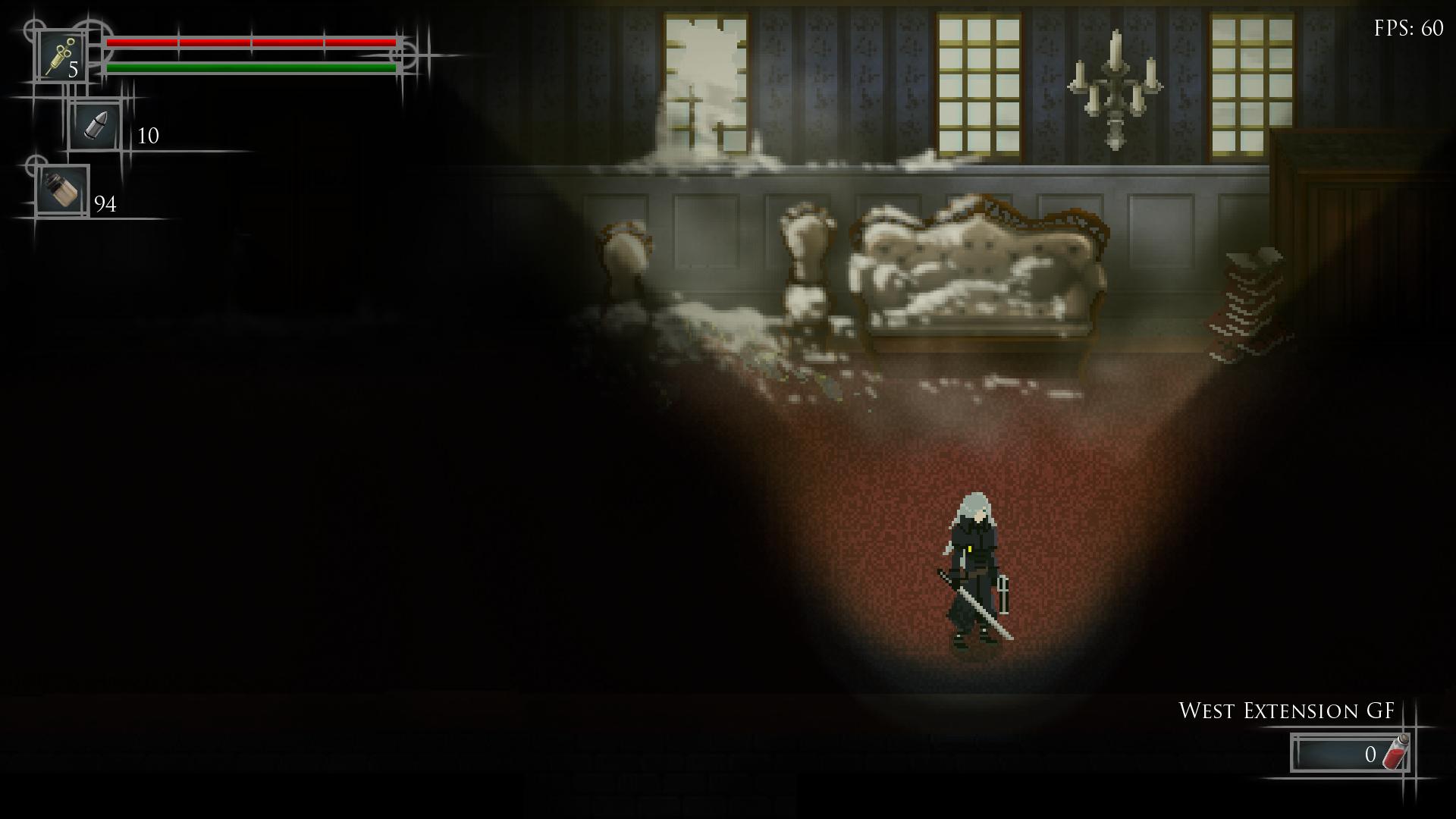
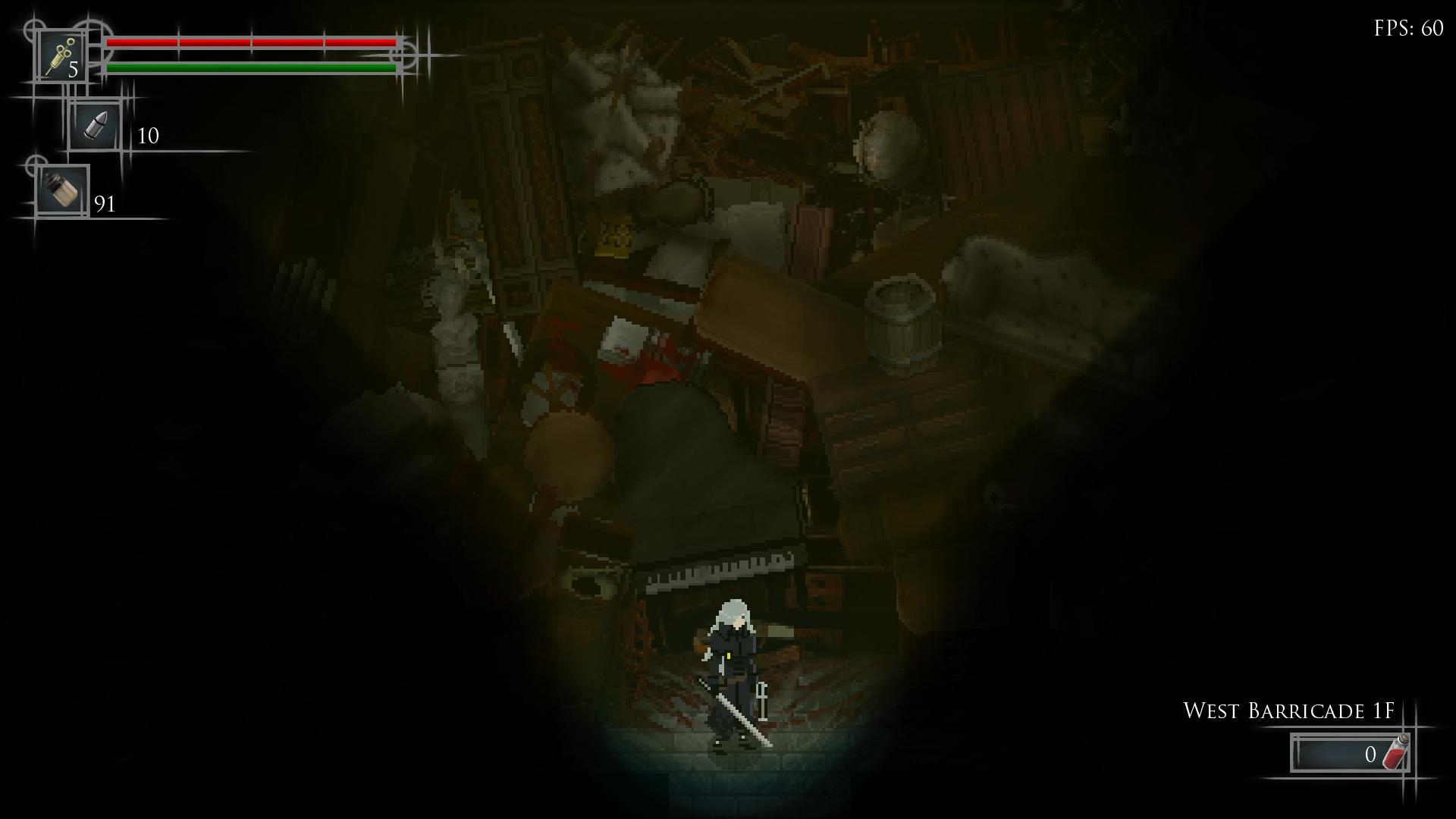
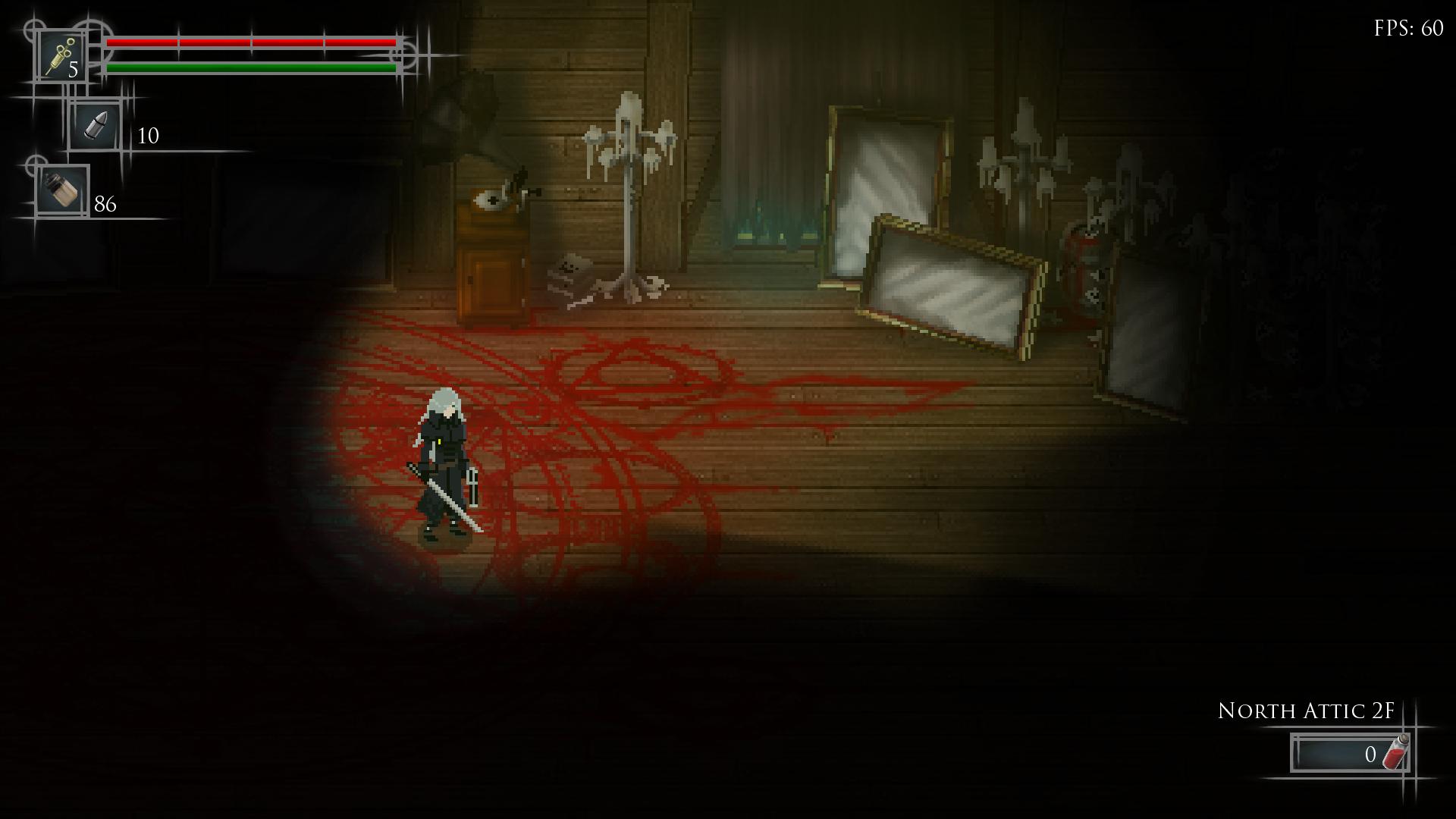
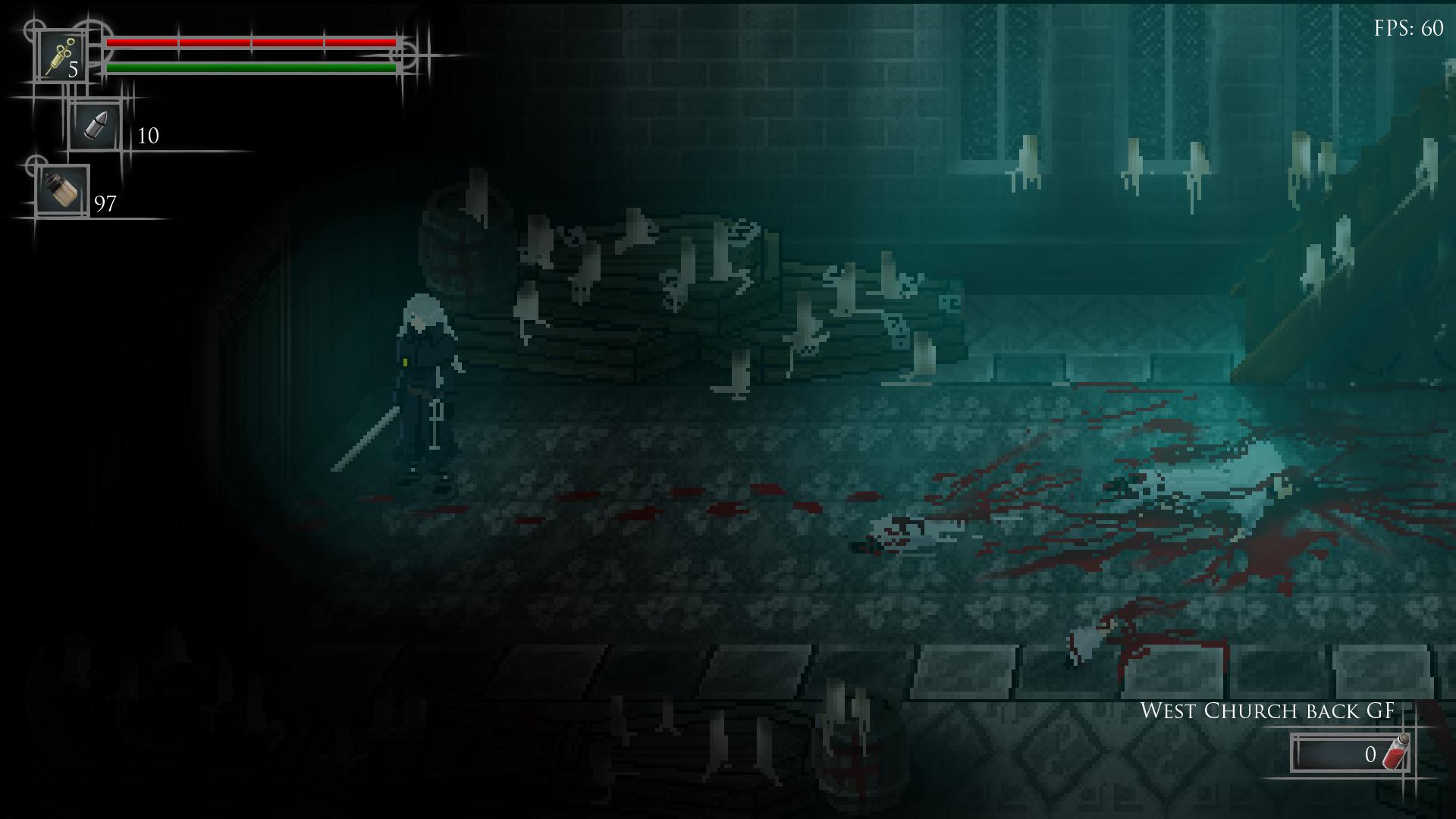
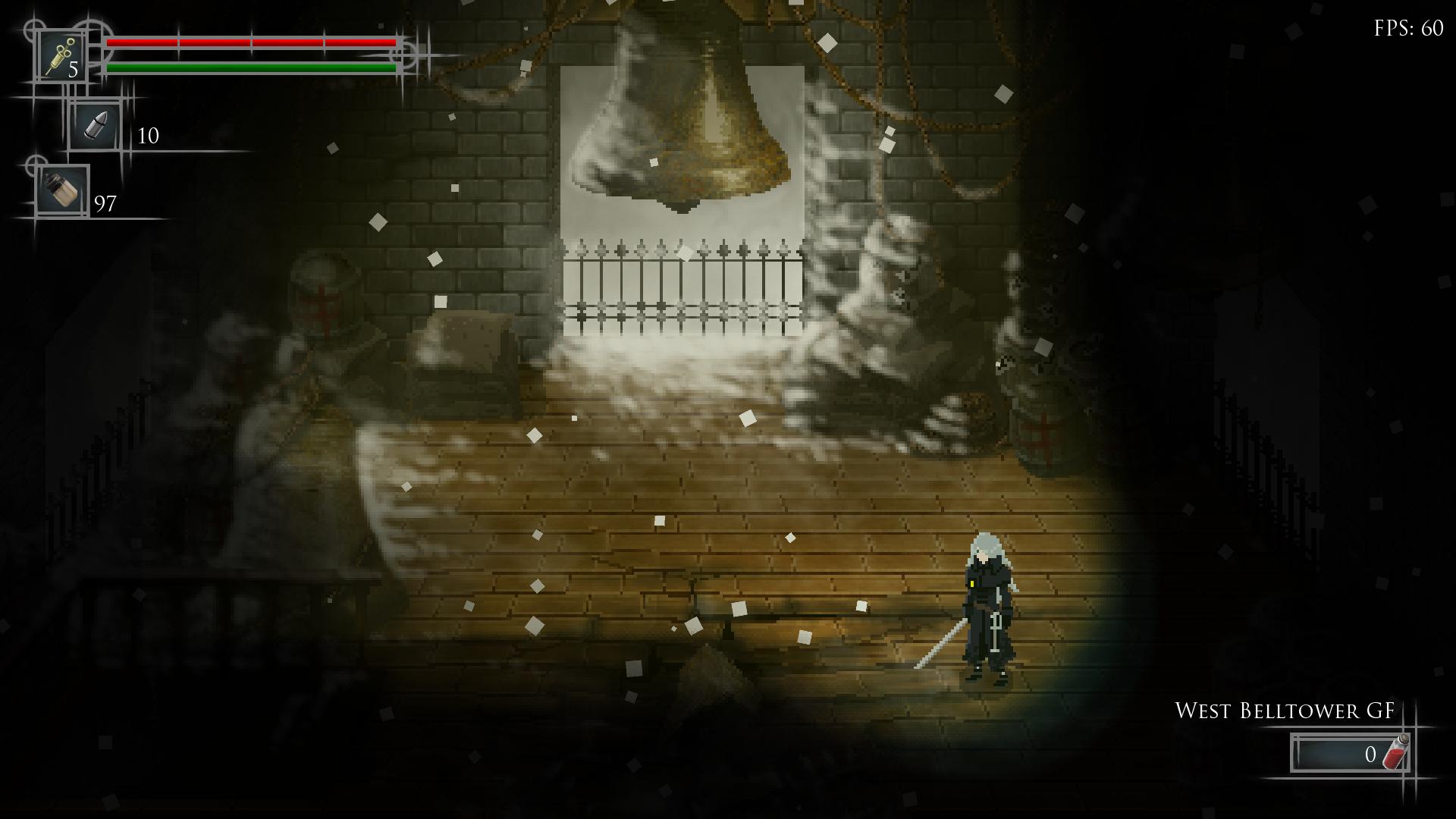
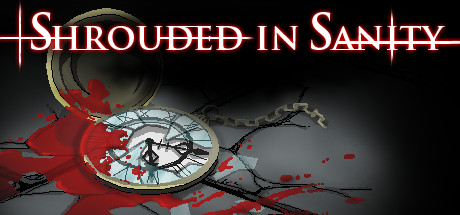
Discover the secrets of the estate, as you look for answers among the violent inhabitants. A strange and repelling madness took hold of the servants roaming the halls, and they will attack on sight, for their madness is one rooted in a deeper understanding of cosmic insignificance.
Skautfold: Shrouded in Sanity is a souls-like, action and rpg game
developed by Steve Gal
and published by Pugware.
Released on May 27th 2016 is available in English only on Windows.
It has received 517 reviews of which 419 were positive and 98 were negative resulting in a rating of 7.6 out of 10. 😊
The game is currently priced at 9.75€ on Steam, but you can find it for 2.02€ on Gamivo.
The Steam community has classified Skautfold: Shrouded in Sanity into these genres:
Media & Screenshots
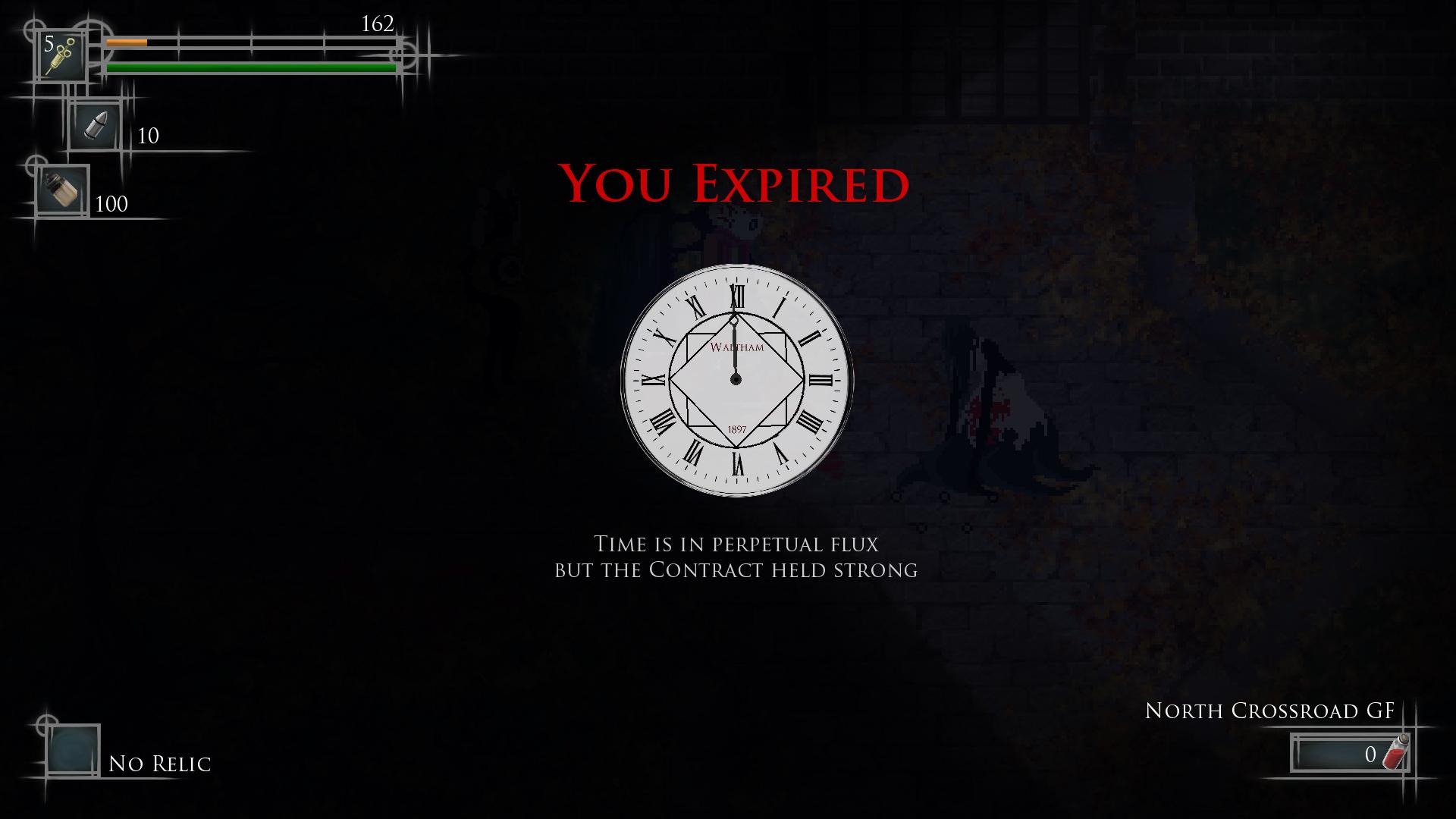
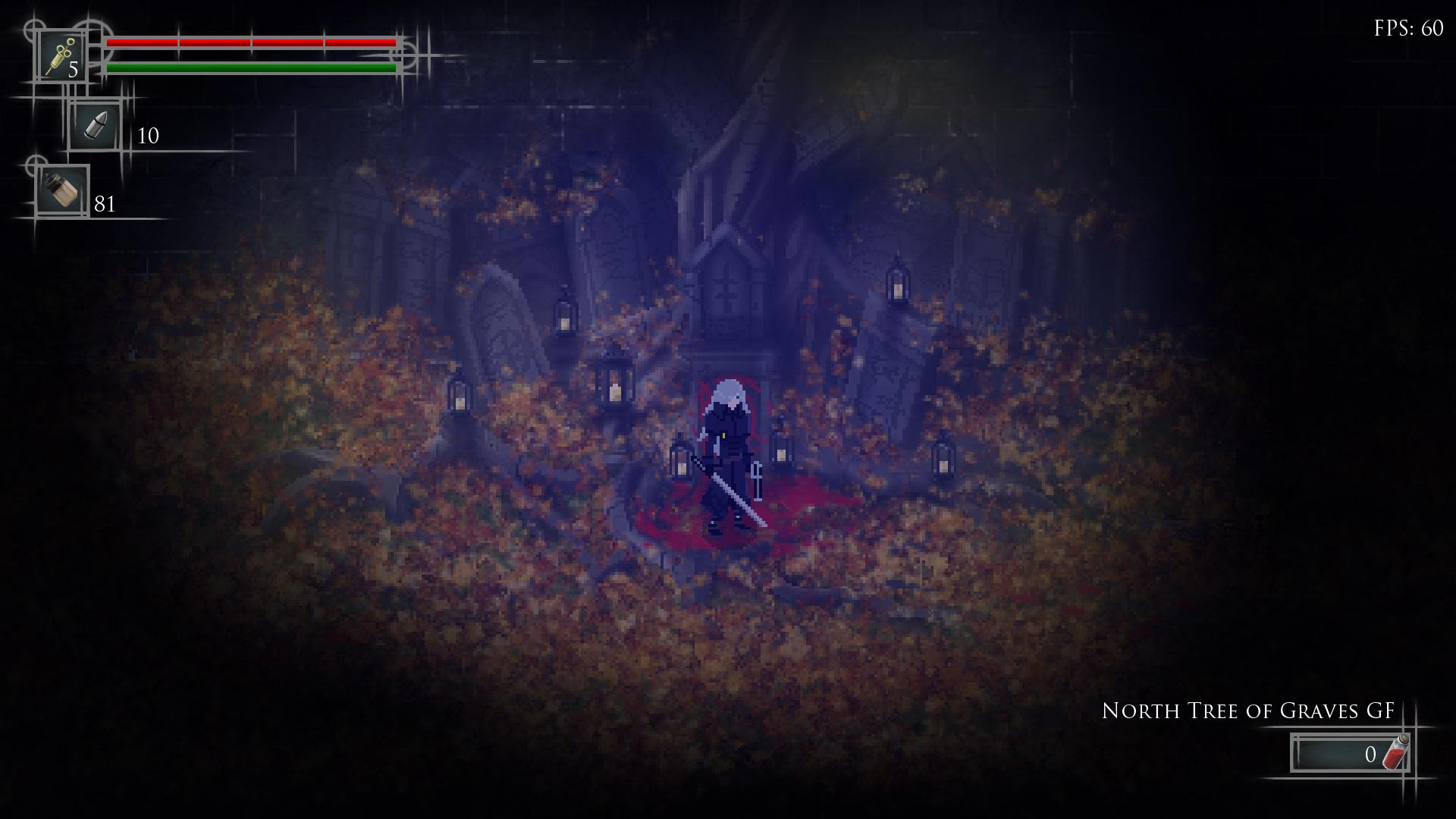
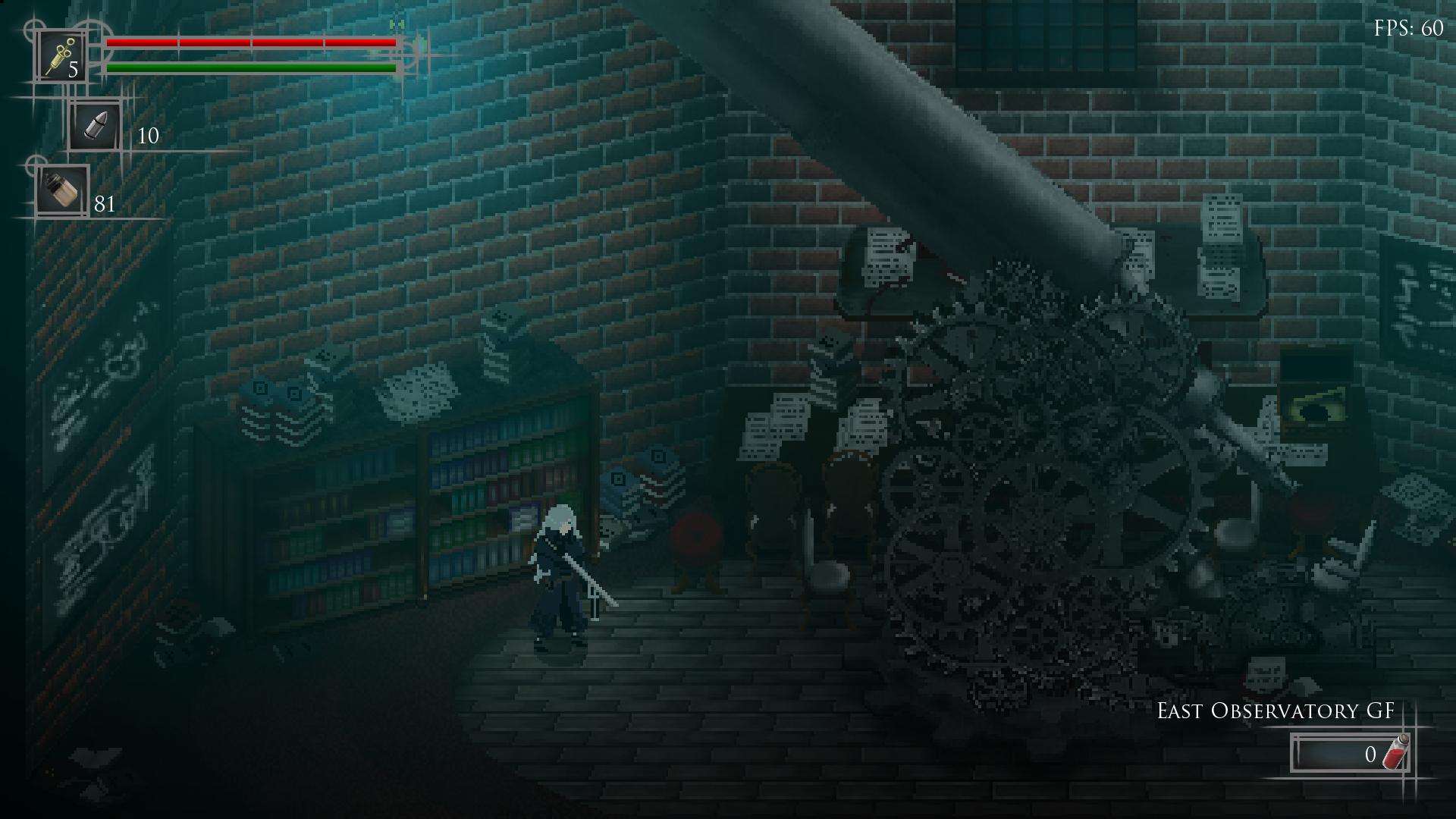
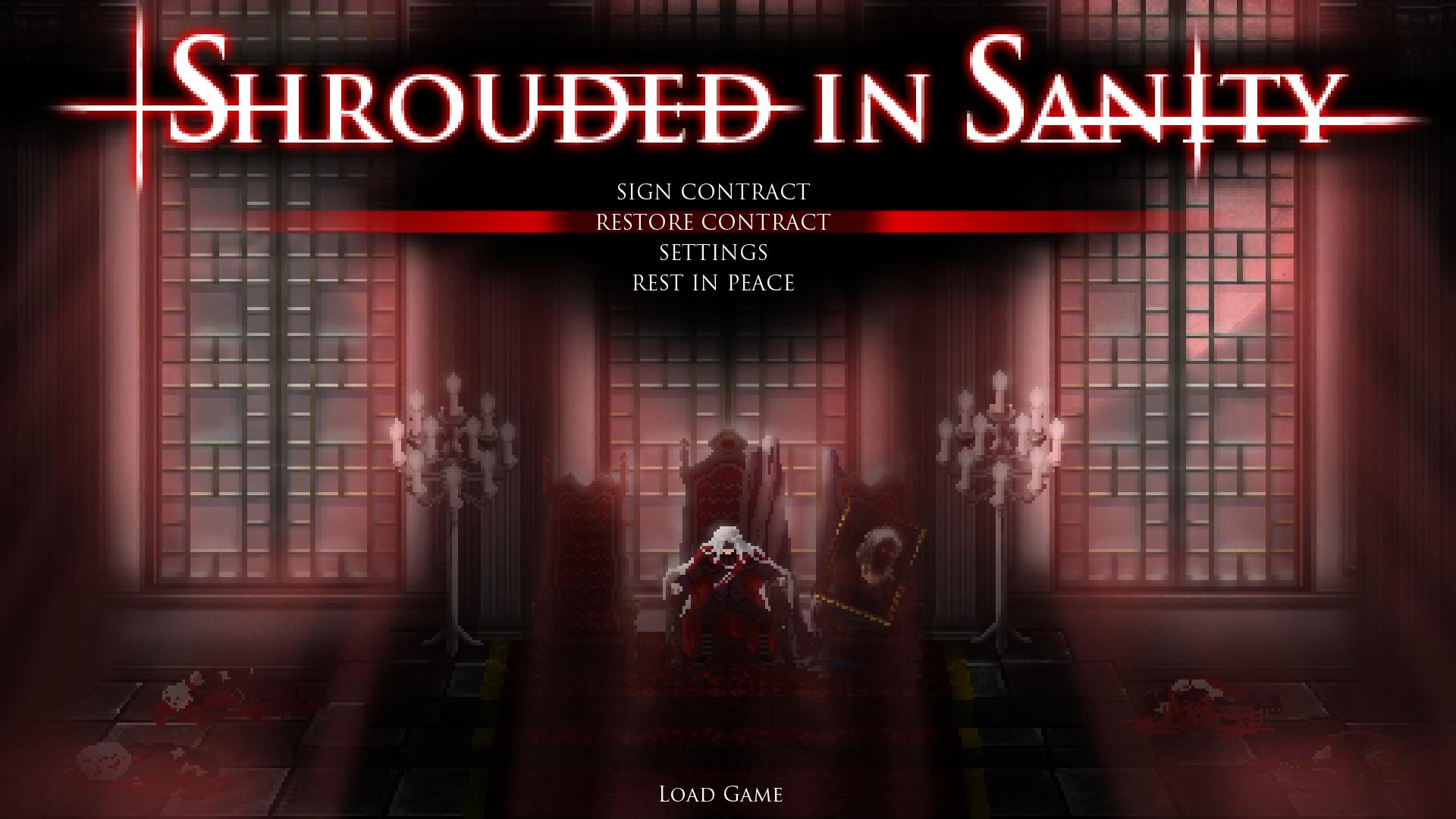
Get an in-depth look at Skautfold: Shrouded in Sanity through various videos and screenshots.
Load More
System requirements
These are the minimum specifications needed to play the game. For the best experience, we recommend that you verify them.
Windows
- OS *: Windows 7
- Processor: 1.2 ghz
- Memory: 2 GB RAM
- Graphics: 512MB RAM
- DirectX: Version 10
- Storage: 1 GB available space
- Additional Notes: The game produces unreliable performance on Laptops due to integrated video chips, a home computer is recommended.Widescreen capable monitor required.
Steam Price & Best Deals
User reviews & Ratings
Explore reviews from Steam users sharing their experiences and what they love about the game.
Skautfold: Shrouded in Sanity is a good game with some issues that could easily be fixed. Presentation is nice, gameplay is tight and the story is interesting. The game wears its inspiration on its sleeve, it's basically 2.5D Bloodbourne. If that sounds like your thing, then you'll like it. There were a couple of issues I found with the game. When collecting blood, if their corpse is next to a door, you won't be able to get it. You can't roll while sprinting or perform heavy attacks. Other than that, its a short, decent experience.
REALLY solid survival horror game. I absolutely loved my experience playing this. This has a really awesome style- the character designs, from the NPCs to the enemies you fight throughout the castle, are SO cool, and put me a lot in the mind of Trinity Blood or Castlevania. The environment itself is haunting and creepy, and overall fun to explore. I do wish that there was more of a soundtrack for this game, but the ambiance does a good enough job. The other minor complaint I have is that I wish there was more lore to discover (I know that as you progress, more dialogue becomes available, but I would have really liked to read books about the history and things that are going on), but the bits and pieces you do get are interesting. In terms of gameplay, I like that it's not overly difficult and pretty easy to grasp as you play- and the fact that they give you the chance for a more difficult playthrough with new game+ is a nice addition for those who enjoy souls-like gameplay. I like that you have to ration your upgrades rather than just giving you everything at once, which allows for more play style options. The bosses all had unique movesets and it was cool to see the differences between them. All in all, you can tell the developer really put a lot of heart into the game, and I really appreciate that in an indie game. Highly highly recommend this game to anyone who wants a short, but enjoyable survival-esque experience!
Similar games
View all
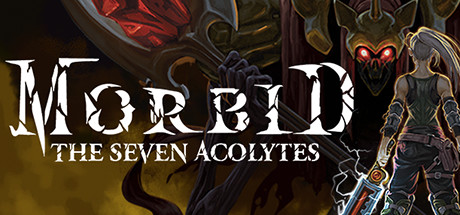
Morbid: The Seven Acolytes
Morbid: The Seven Acolytes is a Horrorpunk Action RPG filled with Lovecraftian horrors and Cronenbergian gore, making it the most gruesome take on the isometric Souls-like genre yet!

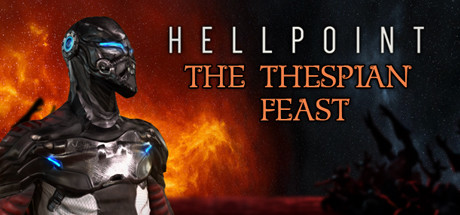
Hellpoint: The Thespian Feast
This is a standalone story in Hellpoint universe, a dark and challenging action RPG set in the world where the line between science and occultism is blurred. The Thespian Feast tells the story of an investigator arriving at Irid Novo station 50 years after the Hellpoint events.

Immortal Planet
Immortal Planet is an action RPG with challenging combat that rewards patience and punishes recklessness. Explore the crumbling remains of a society of immortals trapped in endless cycles of rebirth. Fight your way to discover the planet's mystery and escape its curse.
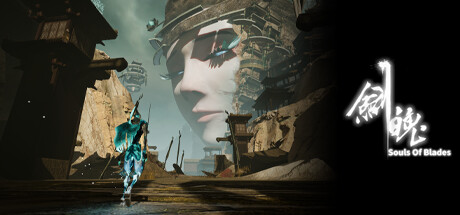
Souls of Blades
Famous sword, spiritual realm after the death of the awakening. Where is the owner? How did Gorgeous architecture and The Mysterious Island become a ruin? What happened before the destruction?

Skautfold: Usurper
Usurper is a Metroidvania Action-RPG. With Eldritch horrors having been unleashed by the outer-worldly Citadel, your job is to rid London of its terrors. Use the new "Guard" system that rewards skillful play and accuracy, to uncover the massive structure and defeat the nightmares lurking within.

PAGUI打鬼
Major update coming July 29, 2022"Ten national languages。PAGUI is based on a true story from Taiwan's history. One day, by chance, an orphan raised at a temple learned of his family background. From then, he decided to set out on a journey to uncover the secrets of his family and identity...
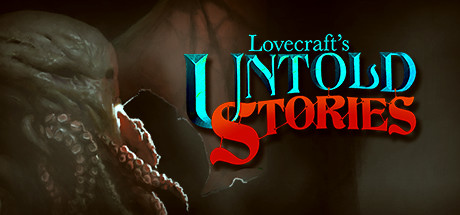
Lovecraft's Untold Stories
Lovecraft’s Untold Stories is an action roguelite with RPG elements. Explore randomly generated levels based in Lovecraft's stories, fight cultists and all kinds of monsters from the Mythos, improve your gear, solve puzzles, and find clues and knowledge to defeat the Great Old Ones.
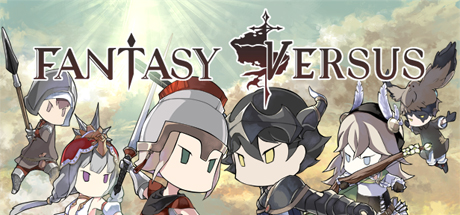
Fantasy Versus
Fantasy Versus focuses on quick paced 4 vs.4 multiplayer battles. Find your own play style, team up and fight towards victory in Fantasy Versus!
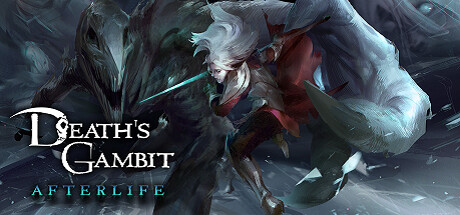
Death's Gambit: Afterlife
Death's Gambit: Afterlife is a challenging 2D action platformer with deep RPG elements. As an agent of Death bound to his service, unravel the mystery of Siradon and discover the true price of immortality.
Frequently Asked Questions
Skautfold: Shrouded in Sanity is currently priced at 9.75€ on Steam.
No, Skautfold: Shrouded in Sanity is currently not on sale. You can purchase it for 9.75€ on Steam.
Yes, Skautfold: Shrouded in Sanity received 419 positive votes out of a total of 517 achieving a rating of 7.63.
😊
Skautfold: Shrouded in Sanity was developed by Steve Gal and published by Pugware.
Yes, Skautfold: Shrouded in Sanity is playable and fully supported on Windows.
No, Skautfold: Shrouded in Sanity is not playable on MacOS.
No, Skautfold: Shrouded in Sanity is not playable on Linux.
This information about Skautfold: Shrouded in Sanity is not available yet.
This information about Skautfold: Shrouded in Sanity is not available yet.
No, Skautfold: Shrouded in Sanity does not support VR.
Skautfold: Shrouded in Sanity is a single-player game.
Yes, there is a DLC available for Skautfold: Shrouded in Sanity. Explore additional content available for Skautfold: Shrouded in Sanity on Steam.
No, Skautfold: Shrouded in Sanity does not support mods via Steam Workshop.
No, Skautfold: Shrouded in Sanity does not support Steam Remote Play.
Yes, Skautfold: Shrouded in Sanity is enabled for Steam Family Sharing. This means you can share the game with authorized users from your Steam Library, allowing them to play it on their own accounts. For more details on how the feature works, you can read the original Steam Family Sharing announcement or visit the Steam Family Sharing user guide and FAQ page.
You can find solutions or submit a support ticket by visiting the Steam Support page for Skautfold: Shrouded in Sanity.
Data sources
The information presented on this page is sourced from reliable APIs to ensure accuracy and relevance. We utilize the Steam API to gather data on game details, including titles, descriptions, prices, and user reviews. This allows us to provide you with the most up-to-date information directly from the Steam platform.
Additionally, we incorporate data from the SteamSpy API, which offers insights into game sales and player statistics. This helps us present a comprehensive view of each game's popularity and performance within the gaming community.
Last Updates| Steam data | 30 August 2026 17:02 UTC |
|---|---|
| SteamSpy data | 05 September 2026 08:01 UTC |
| Steam price | 12 September 2026 18:44 UTC |
| Steam reviews | 11 September 2026 14:08 UTC |
If you'd like to dive deeper into the details about Skautfold: Shrouded in Sanity, we invite you to check out a few dedicated websites that offer extensive information and insights. These platforms provide valuable data, analysis, and user-generated reports to enhance your understanding of the game and its performance.
- SteamDB - A comprehensive database of everything on Steam about Skautfold: Shrouded in Sanity
- SteamCharts - Analysis of Skautfold: Shrouded in Sanity concurrent players on Steam
- ProtonDB - Crowdsourced reports on Linux and Steam Deck Skautfold: Shrouded in Sanity compatibility
Game modes
Features
Online players
0
Developer
Steve Gal
Publisher
Pugware
Release
27 May 2016
Platforms
Clicking and buying through these links helps us earn a commission to maintain our services.