
Kerbal Space Program
In Kerbal Space Program, take charge of the space program for the alien race known as the Kerbals. You have access to an array of parts to assemble fully-functional spacecraft that flies (or doesn’t) based on realistic aerodynamic and orbital physics.
Sync your Steam wishlist to find the lowest game prices instantly. No login required, just paste your Steam profile URL!
⚡ Try Wishlist Radar!
Sync your Steam wishlist to find the lowest game prices instantly. No login required!
⚡ Try Wishlist Radar!
Close

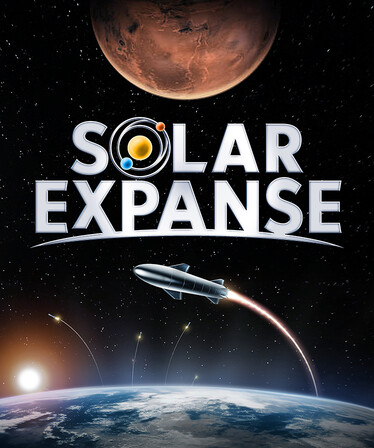
Solar Expanse - Space Exploration Manager on Steam
Quick menu
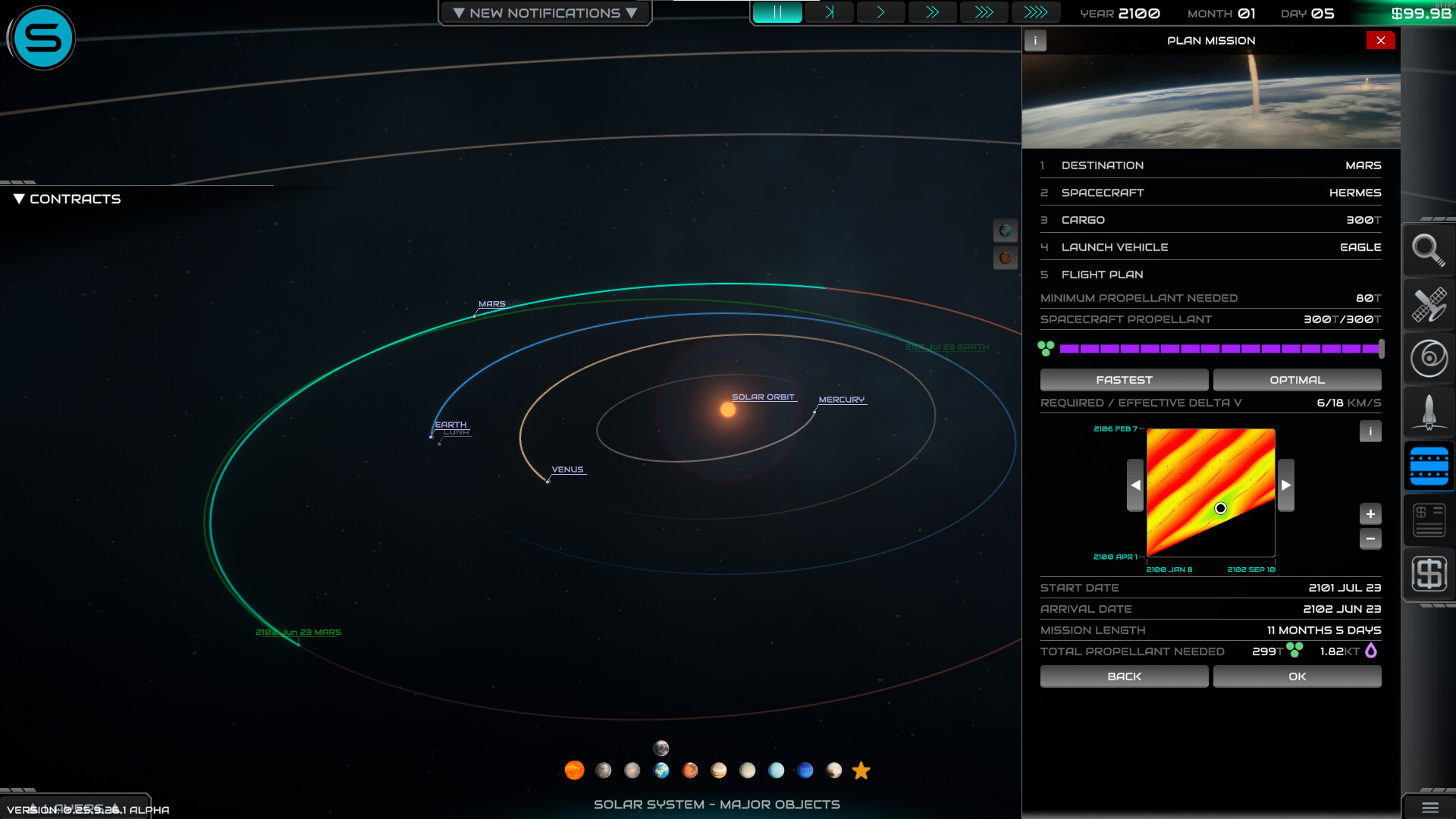
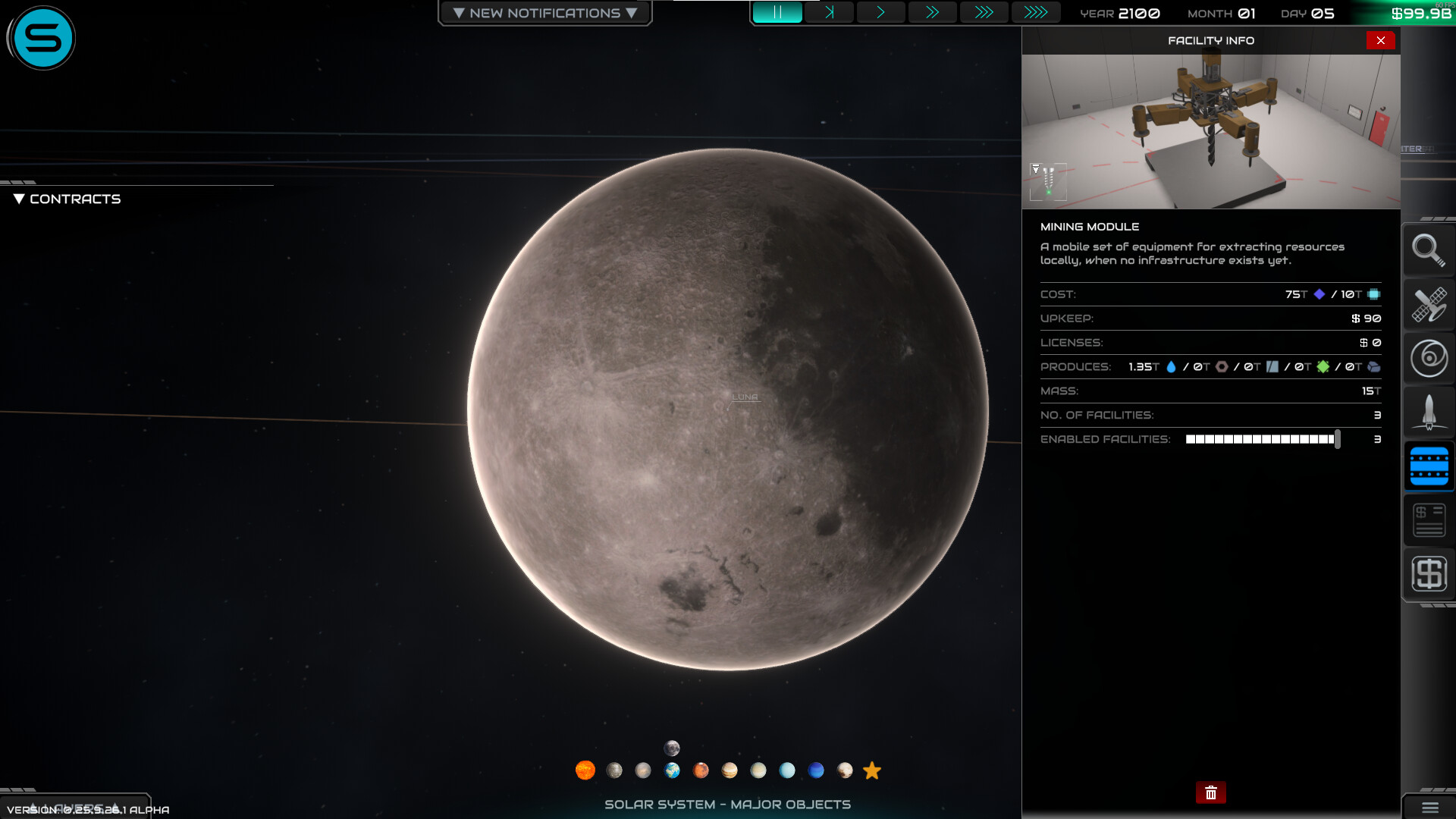
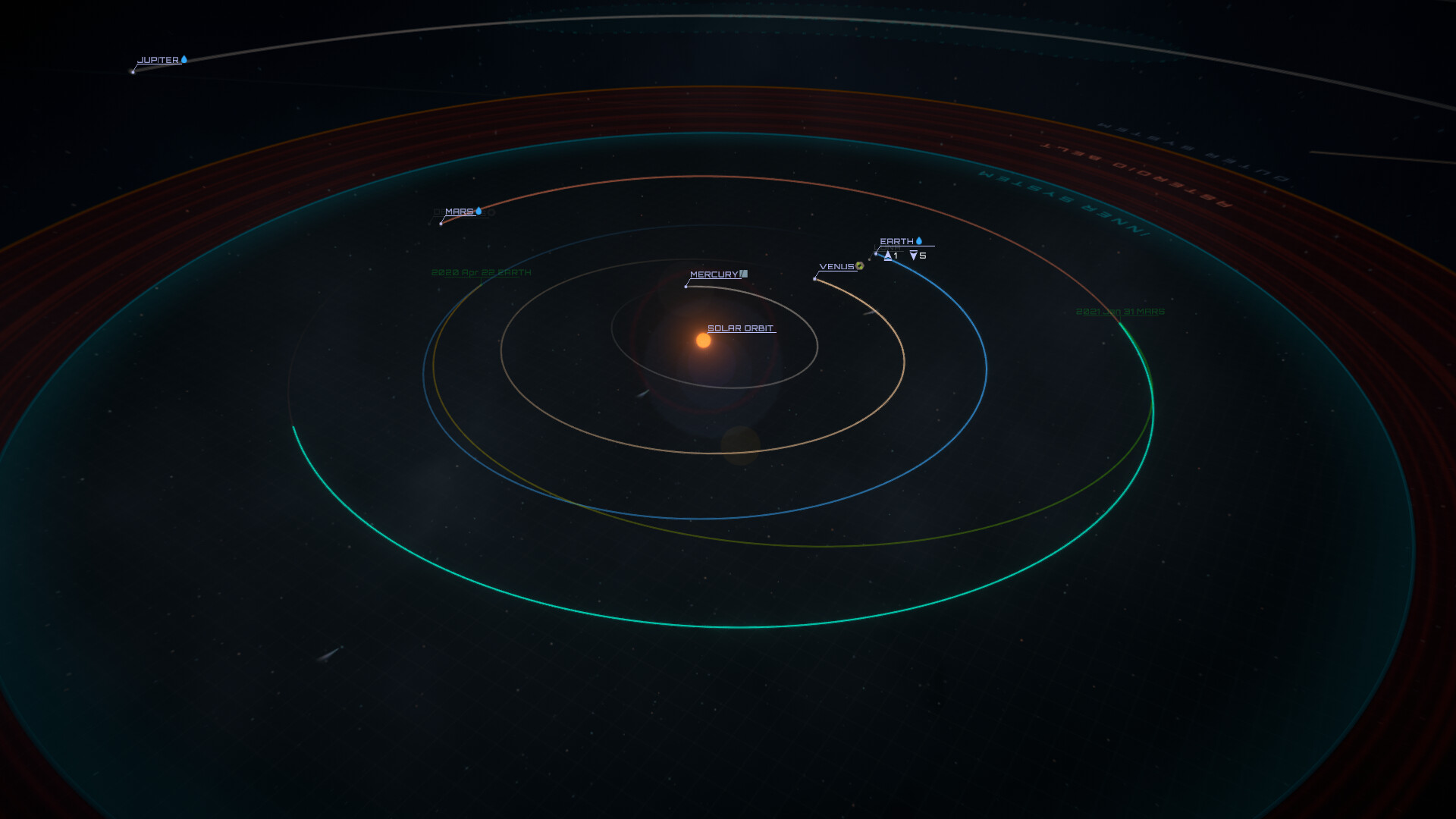
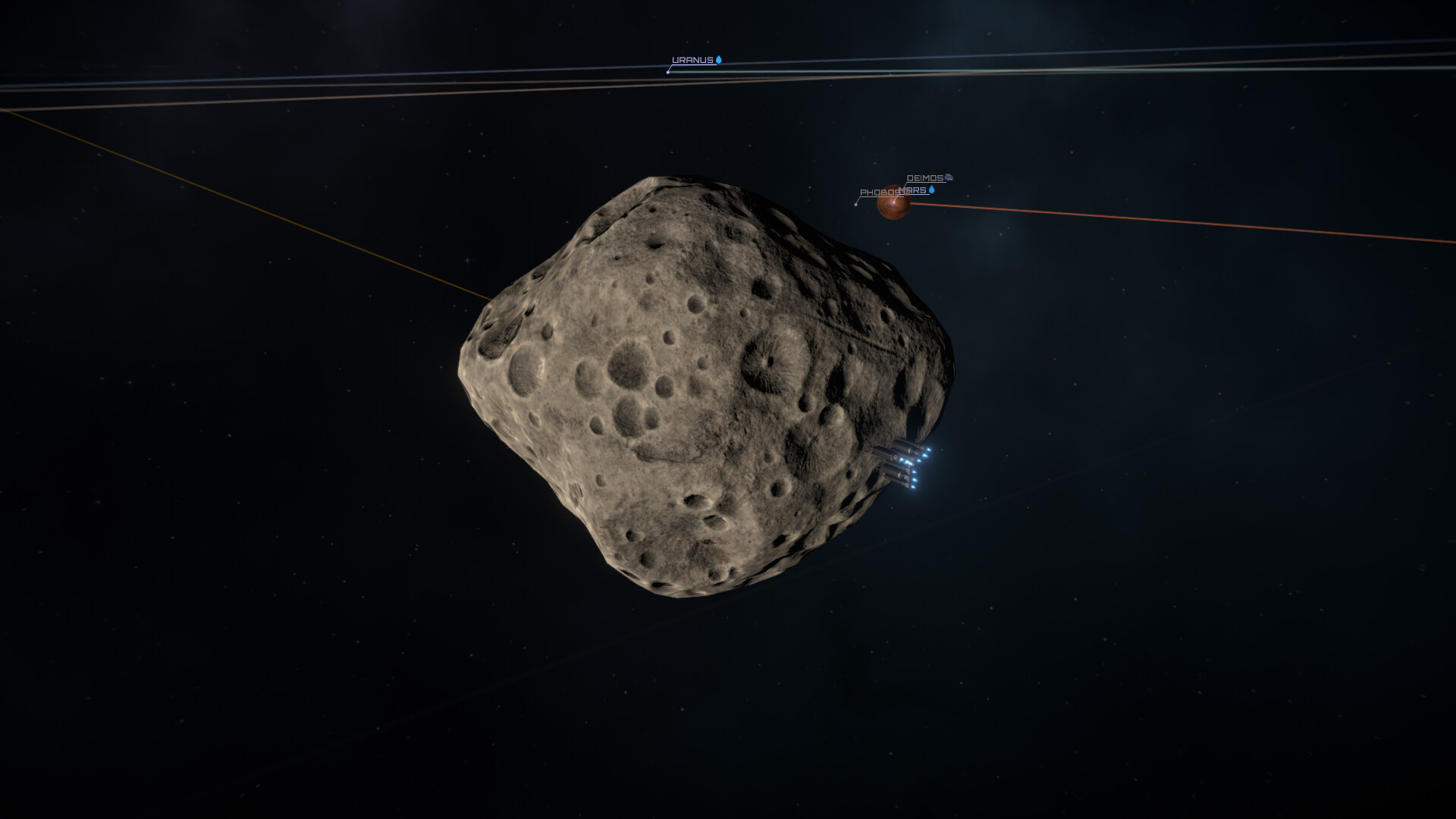
Explore the Solar System. Mine and drop asteroids. Colonize and terraform. Lead the space race and compete with other corporations on your way to profit. Watch the expansion of human race over the centuries.
Solar Expanse - Space Exploration Manager is a space, simulation and sandbox game
developed by SpaceOps
and published by Games Operators.
Released on April 09th 2026 is available on Windows, Steam Deck and Steam Machine
in 13 languages: English, French, Italian, German, Spanish - Spain, Japanese, Korean, Polish, Russian, Simplified Chinese, Portuguese - Portugal, Turkish and Portuguese - Brazil.
It has received 1,313 reviews of which 1,142 were positive and 171 were negative resulting in a rating of 8.3 out of 10. 😎
The game is currently priced at 17.99€ on Steam.
The Steam community has classified Solar Expanse - Space Exploration Manager into these genres:
Space
Simulation
Sandbox
Science
Physics
Singleplayer
3D
Realistic
Sci-fi
Indie
Space Sim
Management
Strategy
Resource Management
Futuristic
Exploration
Education
Building
Mining
PvE
Here is the detailed breakdown of supported languages for Solar Expanse - Space Exploration Manager:
| UI | Subtitle | Audio | |
|---|---|---|---|
| English | |||
| German | |||
| French | |||
| Italian | |||
| Korean | |||
| Spanish - Spain | |||
| Simplified Chinese | |||
| Russian | |||
| Japanese | |||
| Portuguese - Portugal | |||
| Polish | |||
| Turkish | |||
| Portuguese - Brazil |
Media & Screenshots
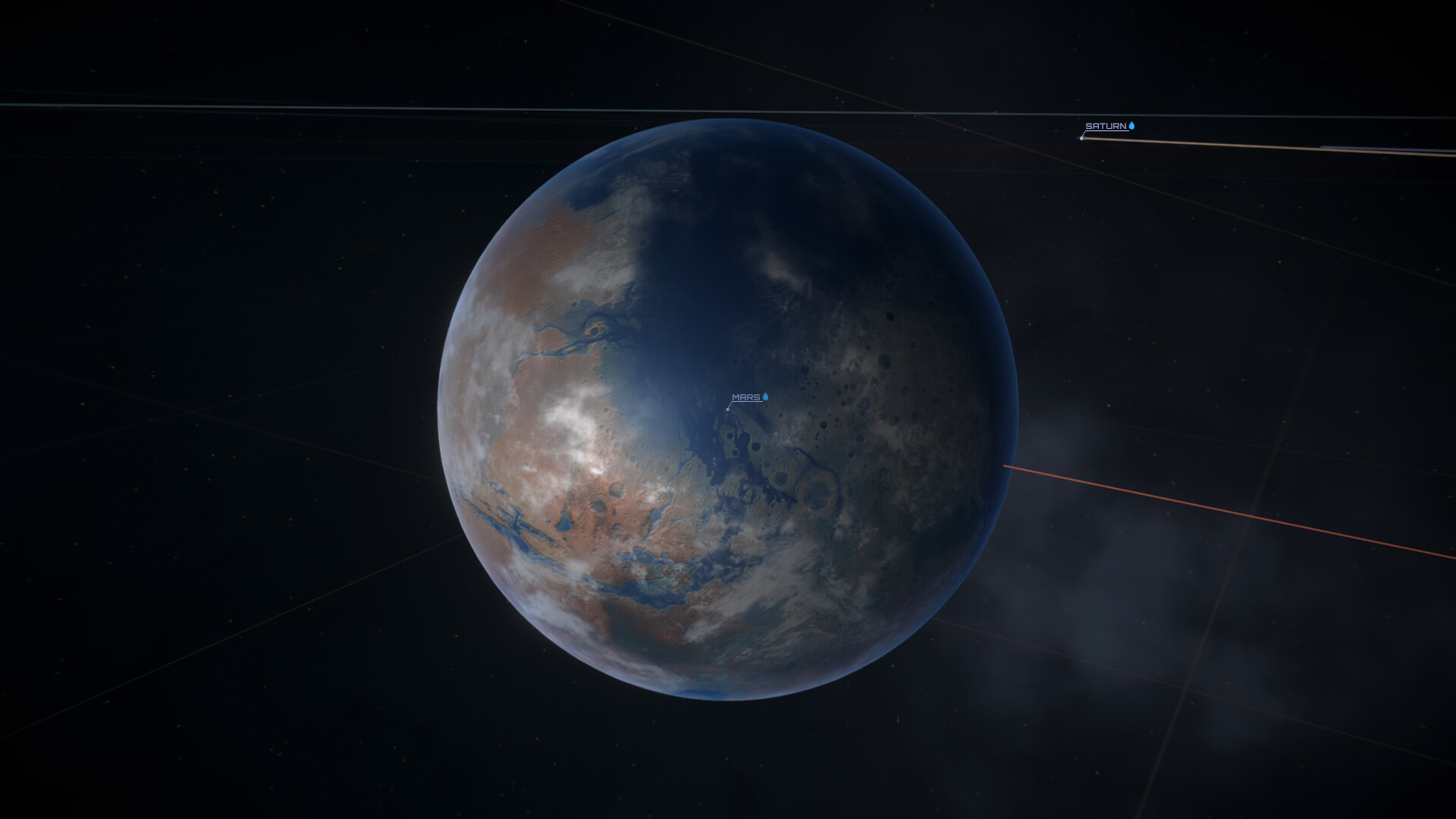
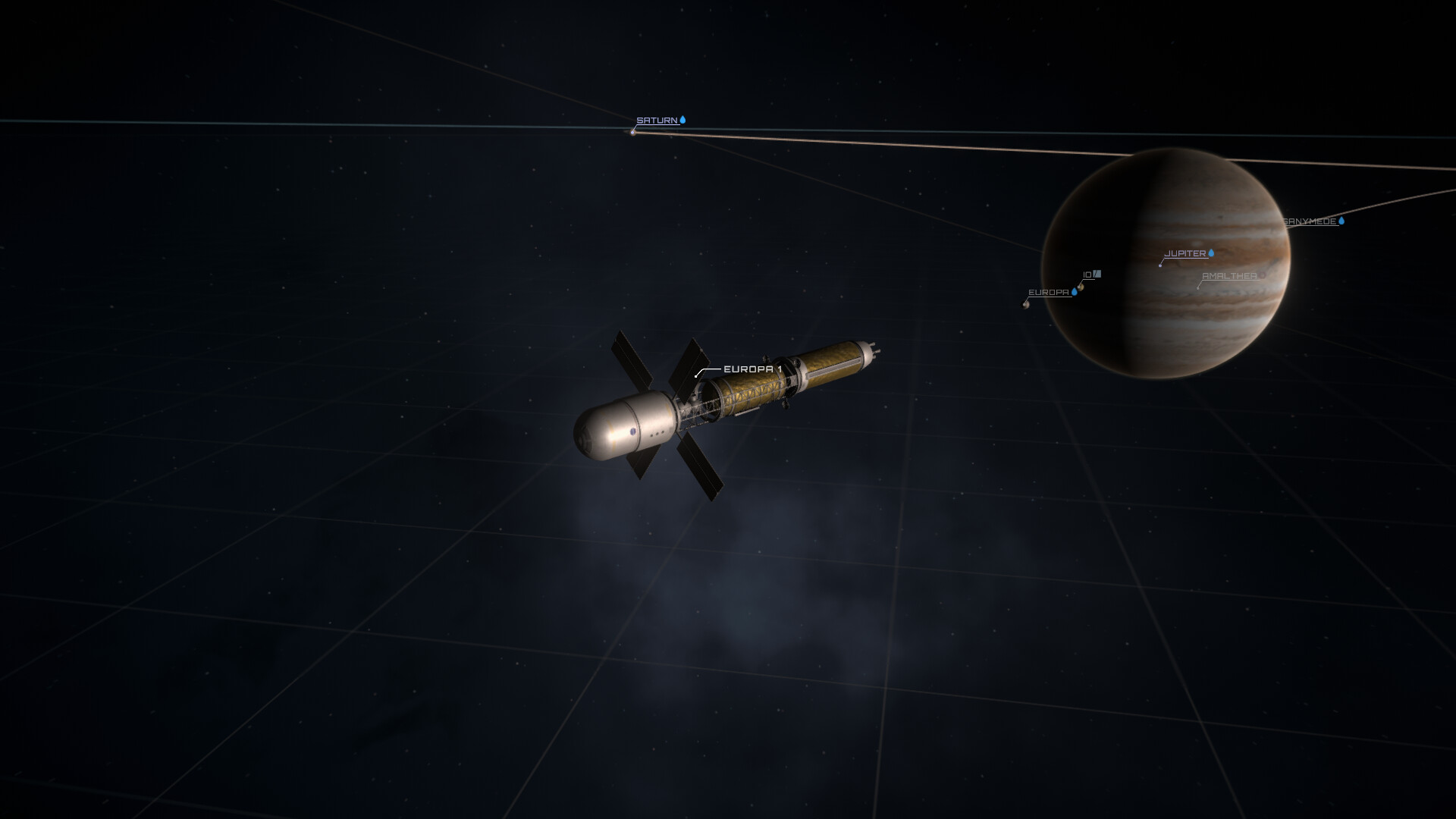
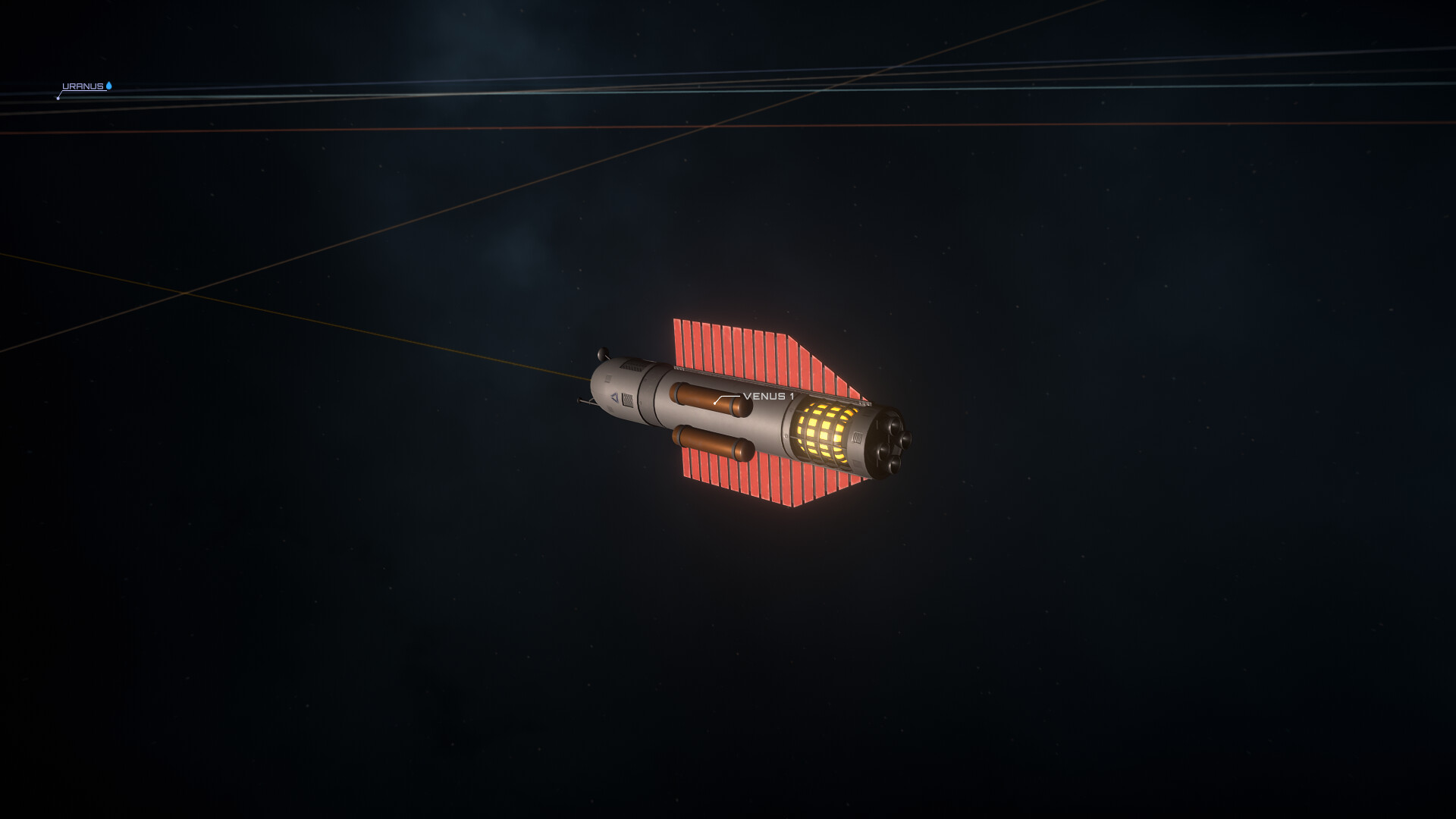
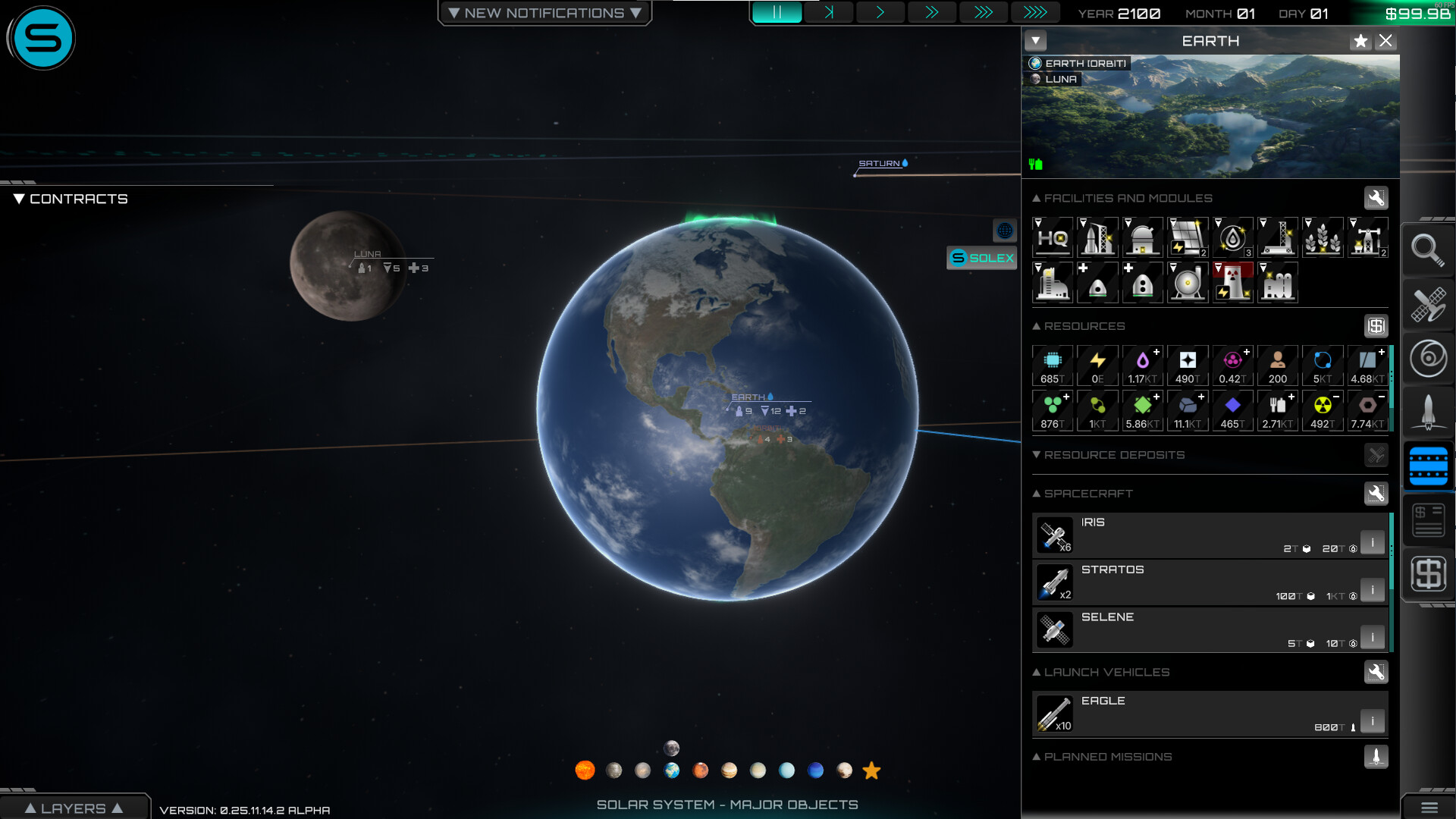
Get an in-depth look at Solar Expanse - Space Exploration Manager through various videos and screenshots.
Load More
System requirements
These are the minimum specifications needed to play the game. For the best experience, we recommend that you verify them.
Windows
- OS: Windows 10 / 11
- Processor: AMD Ryzen 5 1400 / Intel Core i5-7400
- Memory: 8 GB RAM
- Graphics: NVIDIA GeForce GTX 660 / AMD Radeon HD 7850
- Storage: 5 GB available space
Steam Price & Best Deals
User reviews & Ratings
Explore reviews from Steam users sharing their experiences and what they love about the game.
I love what this game could become. It has so much potential. The tech tree is awesome. I love the wide variety of resources and the challenge of acquiring them and moving them around the solar system. I love the careful planning needed to expand and grow. (I play with a spreadsheet open, and it's glorious. That said, the game currently has a TON of problems. The main one is that the UI is really awful. Doing anything involves a huge number of clicks and sub menus, and a single mistaken click can double the number of clicks needed. The biggest problem is related. To play, you need information. You need to know what days and months are optimal for a launch. You need to know how much fuel you need to launch, and how much you need to get back. To perform a gravitational slingshot, you need to know when the planets line up. To keep colonies supplied, you need to know when your cyclical missions are running correctly, when they'll arrive, and when they'll return. And the game does its best to keep you ignorant of all these things. Seriously, it is so tedious getting the information you need. If you can get it at all. These problems are much smaller in the early stages of the game. I had a blast building out Earth and colonizing Luna and Mars. But after that, the game just became unplayable. I'm taking a step back until a new iteration is available. The devs seem aware of these problems and are working on solutions. God's speed, I say. If I can make a fee suggestions: (1) Make the mission planning menu like a spreadsheet. Everything should be visible on one screen without clicking through to multiple sub menus. Make more use of sliders so resources amounts can be adjusted easily on the fly. Above all, make it easier to see how much delta v and fuel is needed, and make it easier to see how much fuel is needed for the return mission. (2) Make it easy to see where a cyclical mission is. We should be able to click it just like a regular mission to find out what leg of the mission its on and how much longer it has. (3) Here's a big one. Make a mission que so cyclical missions will try to start even after they've stalled. Seriously this is so obnoxious. (4) Give us better planning tools for gravitational sling shot planning. The current system is practically unusable. I'm sorry to complain. I'm sure some hard core fans are going to mock me for a sissy. But I'm trying to enjoy the game, not tough out the tedium. I'll be back when the UI improves. Hopefully soon, because this game has SO much potential.
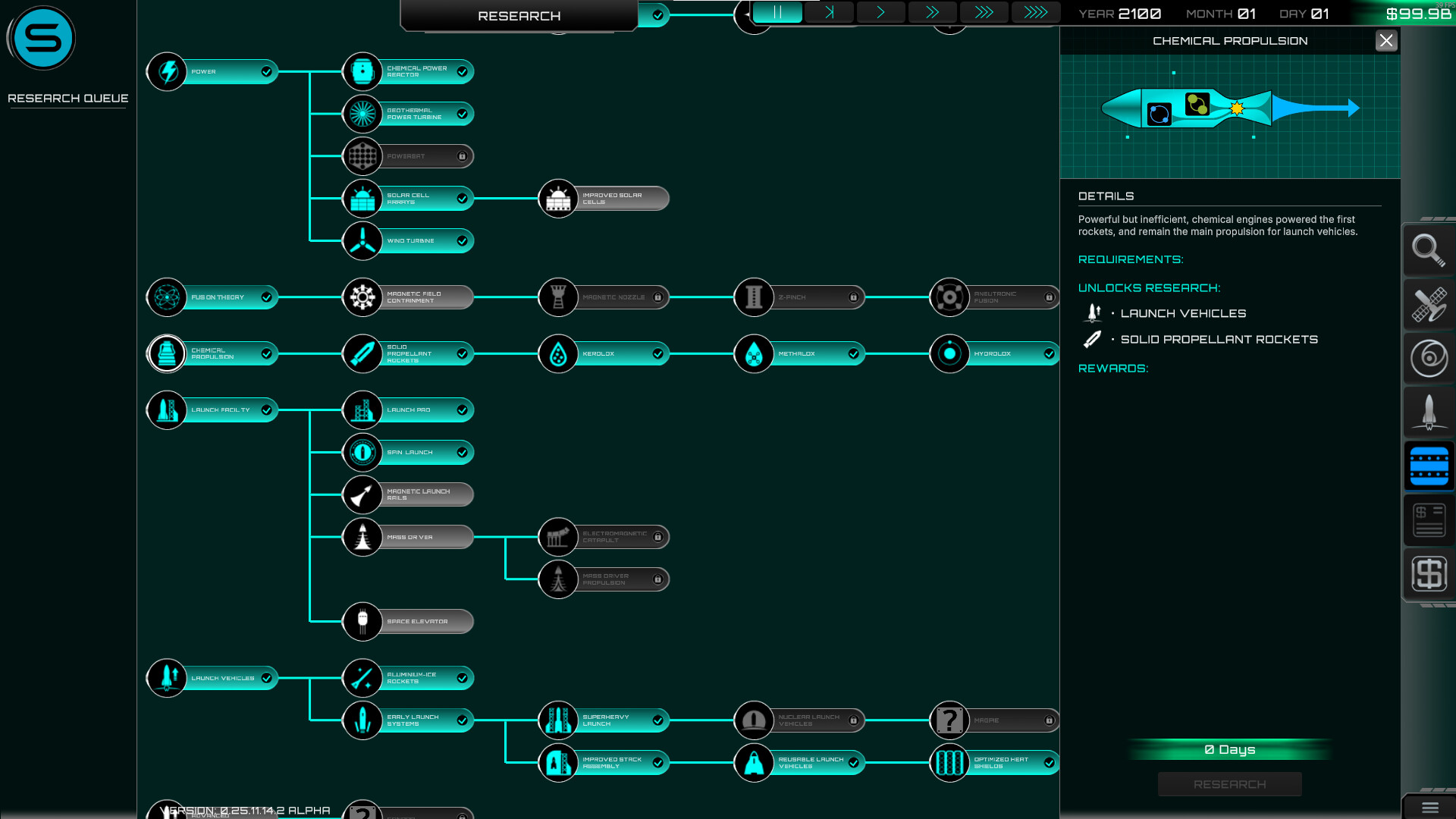
Promising start to a game. Some notes: QoL: 1. Have a hard time telling which scheduled mission is which on the map and missions screen 2. No rivals = no off-world trade 3. Orbiting & deorbiting resources and modules are manual & tedious 4. Gravity assist planning system is unintuitive 5. The allure of a simplified solar system is very strong (realistic ig) 6. Edit is basically redo with the same origin and destination 7. No production caps, resource management is an open-looped system 8. Likewise, no auto-trade 9. Rounding is really annoying Balance issues: 1. I used up all the water on 21 Lutetia. I feel like that shouldn't have been as easy to do. 2. Before fusion, electric propulsion is suspiciously efficient Tech: 1. No observation probes you can send like the real Voyager / JUICE / Cassini Huygens / Juno / Europa Clipper. I'm still not sure what Metis does other than sit there and looky pretty. 2. (1900s tech) You can buy / sell colonists 3. Waste from humans / food is voided, no such thing as recycling. Aesthetic / vanity: 1. Probes ignore terrain and fly to the centre of Mars / Deimos / Phobos, makes it real wacky looking. 2. Research dependencies are confusing, especially when they span different categories. If they make this look like Factorio's it would be simpler and easier to understand. 3. Instead of nuking an asteroid something like DART would be cool as well
One Line Review: I work at a space logistics provider, this is everything I want my job to be in 30 years. Really fun and tickles all the spreadsheet simulator keys I love. There are some persistent and annoying bugs at present, but they seem to be being resolved quickly. There is a lack of story currently as well, but that is to be expected as this is early access. If you are hesitant to pay for a game until it's done that's understandable and I would hold off if that was my attitude, but if you're curious at least try the demo. If you have the stomach for early access games I HIGHLY recommend this one.
An amazing management game with enough depth to keep me engaged for a while. There really is nothing else like this as far as space sims go. It is abstract where it should be. People, structures, resources are all just numbers. It is also beautiful to look at though. The ships and planets look suitably impressive, the objects you are focused on are always in view. I like that menus do not take up the entire screen. You will spend 90% of your time in them but it helps to have a nice looking planet or moon with an imposing gas giant in the background. I love how Mars specifically changes over time as more colonists live there, with the planet becoming more blanketed in light you can see at night and eventually water from terraforming. I do not agree with some of the other reviews here saying that every object should be as true to life as possible when it comes to resources/self-sustainability. I love the progression curve of unlocking a new technology and using that to get resources from somewhere previously too hard to reach. If Luna/Asteroids had all the materials you would ever need then there would be no good reason to keep expanding, so some suspension of disbelief is warranted there. A lot of my fun came from discovering a new source of highly-needed materials and setting up a colony/production chain that rewarded me more materials that I could ship back, leading to more problems to solve. Later on those initial places you settle like Luna become very valuable again once you unlock the ability to harvest their rarer resources. That is not to say some rebalancing of resources isn't needed though. For instance I send probes to every single asteroid I knew had metal and only 2 had resource deposits even worth going there for. I get that they are there mostly for the late game to drop into other planets for resource bumps but it is frustrating to have the game tell you to explore/mine asteroids only for there to really only be 3/4 worth colonizing. By far the biggest fault of the experience is the lack of automation and other quality of life improvements. More than any other feature the devs are working on I think this really should be top priority. The content is already there for something I could play for many more hours, but these issues are what might stop me from coming back. Automation as it stands is limited to "cyclical missions" where you can choose 2 locations, ships of the same type, the resource to transport there and back. Lets take one example where what could be a satisfying production chain to solve, instead unravels quickly. I have a colony on an asteroid that produces metal and I want to automatically send a fusion ship there with supplies and ship back metal. The supplies are planet side so I need a launch vehicle to get it to the ship, and the ship will take as many supplies as it can fit before leaving, draining the entire colony of food. The fuel the ship needs is in orbit, so it cannot access it for the mission. There is no fuel at the asteroid, but I cannot tell the ship to bring enough for a return journey. The supplies need to return to the planets orbit, not planet-side but this is not an option. I can select the fastest or most efficient journey, but fastest will consume every last drop of fuel, and most efficient will take 20 years to get there, there is no in between. There are a thousand other things I could speak to on this, one of the most frustrating being not being able to queue a one time to orbit mission for a launcher already occupied with a cyclical mission. You quickly realize the best way manage everything is not bother with any automation that involves interplanetary missions; planet to orbit/moon work ok even though they stop working randomly on occasion. I wish more of my time was spent planning/strategizing and not sending missions manually back and forth to grab supplies. Overall, a very captivating game that with some polish will get it to where I would love it to be
Would i Recommend this Game? Yes! Should you buy it? No. This Game at it's state is a very fun logistics game. The only Problem is that Doing anything besides Mars is either a side-quest Chore or a Massive Failure. This game has massive Potential! Is it ready? furiously No. Buy with Care! as you will not get What you think you might receive. -Complexocon Review- \Rating Score - Decent/
Similar games
View all
Universe Sandbox
Create & destroy on an unimaginable scale with a realistic physics-based space simulator. Explore the beauty of our universe and the fragility of our planet. Use science to bend the laws of gravity, collide planets, boil away oceans, fire epic space lasers, and customize your universe.
Hardspace: Shipbreaker
Equipped with cutting-edge salvaging tech, carve & slice spaceships to recover valuable materials. Upgrade your gear to take on more lucrative contracts and pay your billion credits debt to LYNX Corp!
Spaceflight Simulator
In Spaceflight Simulator, you will get to build your rockets, plan launches and flights, attempt landings, deploy payloads and explore new worlds.
Rover Mechanic Simulator
As an Engineer - crew member of one of the first Mars colonies - you are responsible for repairing and maintaining Mars Rovers. In this advanced simulator you will learn the internal details of various Mars Rovers and their components.

Children of a Dead Earth
The most scientifically accurate space warfare simulator ever made. Now with Steam Workshop!
Astrox Imperium
Astrox Imperium is a relaxing space game where you fly around a generated universe. Mining, Fighting, Building, Exploring, and Surviving. What makes this game unique? You have complete control of how it plays. A robust sandbox and lots of MOD tools. Make it your game, and play it your own way.
X3: Terran Conflict
It is the year 2938. The long wished-for encounter of the X Universe and the Earth holds both joy and sorrow for the people. Despite flourishing trade, the clash of the diverse races, cultures and life forms creates new tensions, mistrust and open conflict that need to be overcome!
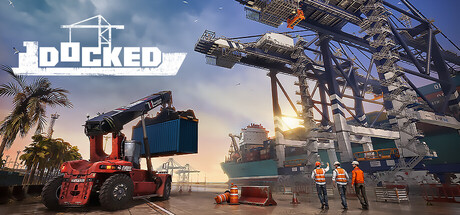
Docked
Operate massive cranes, terminal tractors and reach stackers in a realistic dock simulator. Play the story-driven Campaign to rebuild Port Wake or jump into Free Play Mode and take on cargo contracts with no mission constraints.
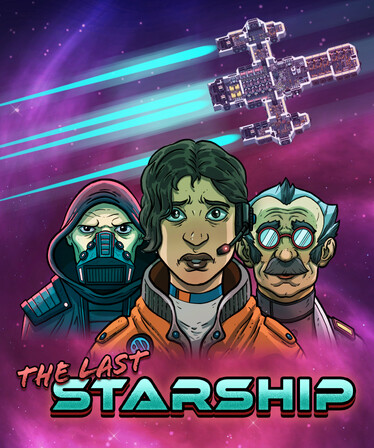
The Last Starship
The Last Starship is a 2D space construction game where you design and upgrade your starship. Choose your path: pirate hunter, miner, engineer, spacebus driver, and more, whilst exploring vibrant star systems. Enjoy a growing sandbox world, with regular free updates. Your cosmic adventure awaits!

X3: Reunion
X3: Reunion continues the epic space saga, blending deep space trading and intense real-time combat. Explore a vast universe, establish your empire, and shape the new frontier. With enhanced graphics and intricate economies, it's a journey of strategy, simulation, and interstellar intrigue.
Space Simulation Toolkit
Physics sandbox game that uses a graphics card as a supercomputer. Change the laws of physics, design mechanisms, create A-Life worlds and inhabit them with living beings, experiment with evolution and AI.
Frequently Asked Questions
Solar Expanse - Space Exploration Manager is currently priced at 17.99€ on Steam.
No, Solar Expanse - Space Exploration Manager is currently not on sale. You can purchase it for 17.99€ on Steam.
Yes, Solar Expanse - Space Exploration Manager received 1,142 positive votes out of a total of 1,313 achieving a rating of 8.27.
😎
Solar Expanse - Space Exploration Manager was developed by SpaceOps and published by Games Operators.
Yes, Solar Expanse - Space Exploration Manager is playable and fully supported on Windows.
No, Solar Expanse - Space Exploration Manager is not playable on MacOS.
No, Solar Expanse - Space Exploration Manager is not playable on Linux.
Yes, Solar Expanse - Space Exploration Manager is playable on Steam Deck, though it might require a few minor tweaks. Make sure to check the Steam store page and community feedback on ProtonDB for exact compatibility details.
Yes, Solar Expanse - Space Exploration Manager is playable on Steam Machine, though it might require a few minor tweaks. Make sure to check the Steam store page and community feedback on ProtonDB for exact compatibility details.
No, Solar Expanse - Space Exploration Manager does not support VR.
Solar Expanse - Space Exploration Manager is a single-player game.
No, Solar Expanse - Space Exploration Manager does not currently offer any DLC.
No, Solar Expanse - Space Exploration Manager does not support mods via Steam Workshop.
No, Solar Expanse - Space Exploration Manager does not support Steam Remote Play.
Yes, Solar Expanse - Space Exploration Manager is enabled for Steam Family Sharing. This means you can share the game with authorized users from your Steam Library, allowing them to play it on their own accounts. For more details on how the feature works, you can read the original Steam Family Sharing announcement or visit the Steam Family Sharing user guide and FAQ page.
You can find solutions or submit a support ticket by visiting the Steam Support page for Solar Expanse - Space Exploration Manager.
Data sources
The information presented on this page is sourced from reliable APIs to ensure accuracy and relevance. We utilize the Steam API to gather data on game details, including titles, descriptions, prices, and user reviews. This allows us to provide you with the most up-to-date information directly from the Steam platform.
Additionally, we incorporate data from the SteamSpy API, which offers insights into game sales and player statistics. This helps us present a comprehensive view of each game's popularity and performance within the gaming community.
Last Updates| Steam data | 17 October 2026 17:01 UTC |
|---|---|
| SteamSpy data | 22 October 2026 08:56 UTC |
| Steam price | 22 October 2026 19:08 UTC |
| Steam reviews | 18 October 2026 21:57 UTC |
If you'd like to dive deeper into the details about Solar Expanse - Space Exploration Manager, we invite you to check out a few dedicated websites that offer extensive information and insights. These platforms provide valuable data, analysis, and user-generated reports to enhance your understanding of the game and its performance.
- SteamDB - A comprehensive database of everything on Steam about Solar Expanse - Space Exploration Manager
- SteamCharts - Analysis of Solar Expanse - Space Exploration Manager concurrent players on Steam
- ProtonDB - Crowdsourced reports on Linux and Steam Deck Solar Expanse - Space Exploration Manager compatibility
Game modes
Features
Online players
71
Developer
SpaceOps
Publisher
Games Operators
Release
09 Apr 2026
Platforms