
I Am Bread
You are bread. Your mission, become toast! Take on all hazards to deliciousness as you head on an epic adventure in one of the the toughest games ever baked. All of the game modes (including Bagel Race) are now unlocked so there's sure to be something to suit everyone's taste!
Sync your Steam wishlist to find the lowest game prices instantly. No login required, just paste your Steam profile URL!
⚡ Try Wishlist Radar!
Sync your Steam wishlist to find the lowest game prices instantly. No login required!
⚡ Try Wishlist Radar!
Close

Stilt Fella on Steam
Quick menu
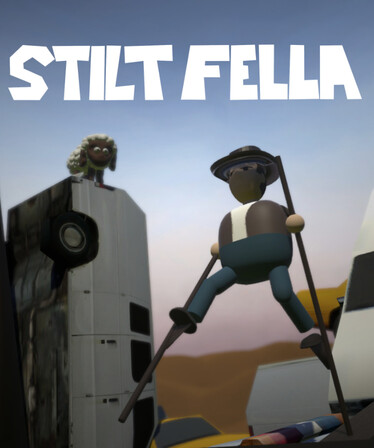
Become the fella. Walk on the stilts.
Stilt Fella is a physics, difficult and simulation game
developed and published by September Games.
Released on February 26th 2020 is available on Windows, Steam Deck and Steam Machine
in 9 languages: English, Finnish, Swedish, Korean, Simplified Chinese, French, Spanish - Spain, Japanese and Russian.
It has received 794 reviews of which 730 were positive and 64 were negative resulting in a rating of 8.6 out of 10. 😎
The game is currently priced at 9.99€ on Steam.
The Steam community has classified Stilt Fella into these genres:
Physics
Difficult
Simulation
Funny
Arcade
Action
Comedy
Intentionally Awkward Controls
Casual
Platformer
2D Platformer
3D
Indie
Memes
Controller
Replay Value
Character Customization
Singleplayer
Multiplayer
Time Attack
Here is the detailed breakdown of supported languages for Stilt Fella:
| UI | Subtitle | Audio | |
|---|---|---|---|
| English | |||
| French | |||
| Korean | |||
| Spanish - Spain | |||
| Simplified Chinese | |||
| Russian | |||
| Japanese | |||
| Finnish | |||
| Swedish |
Media & Screenshots
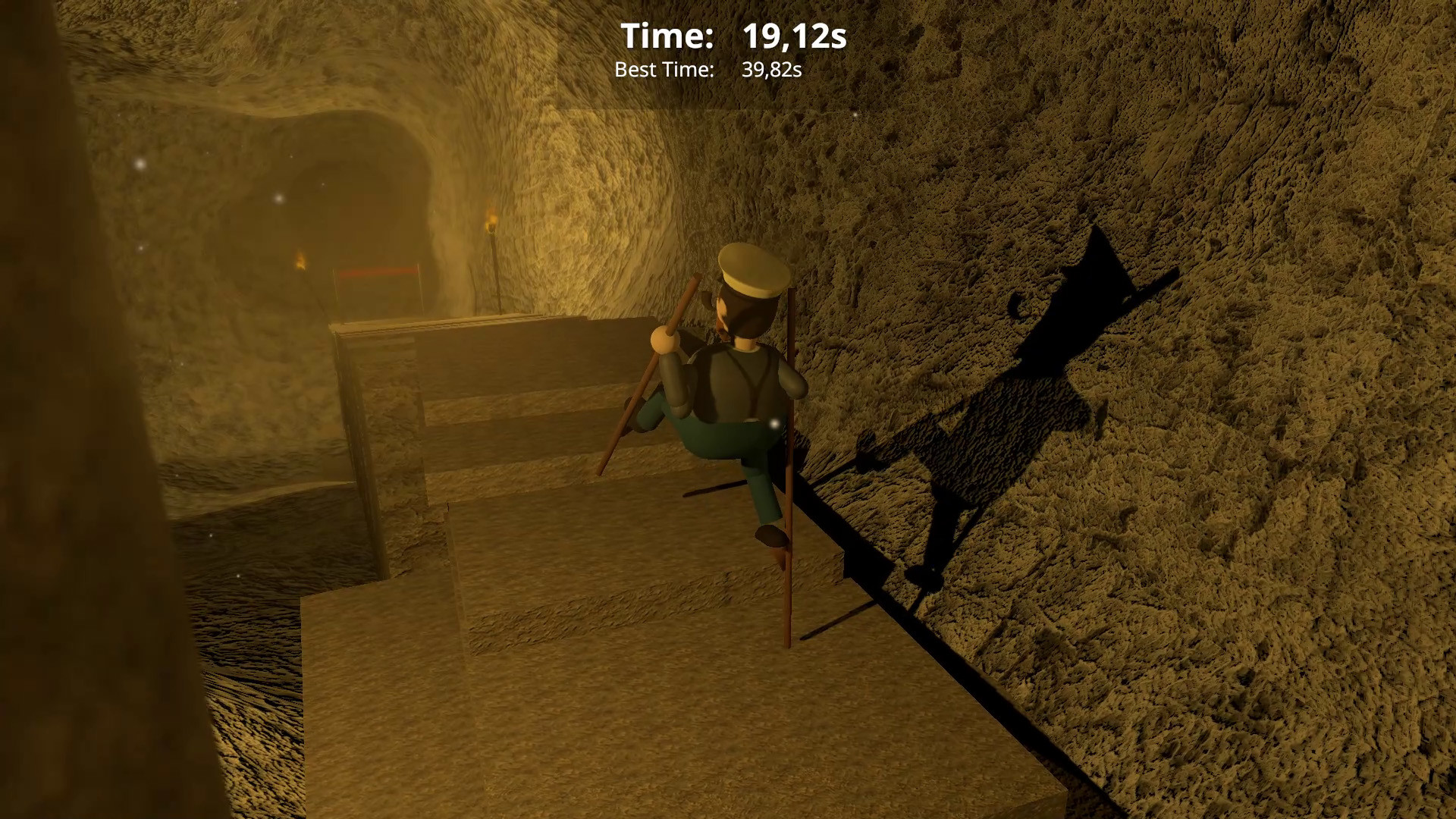
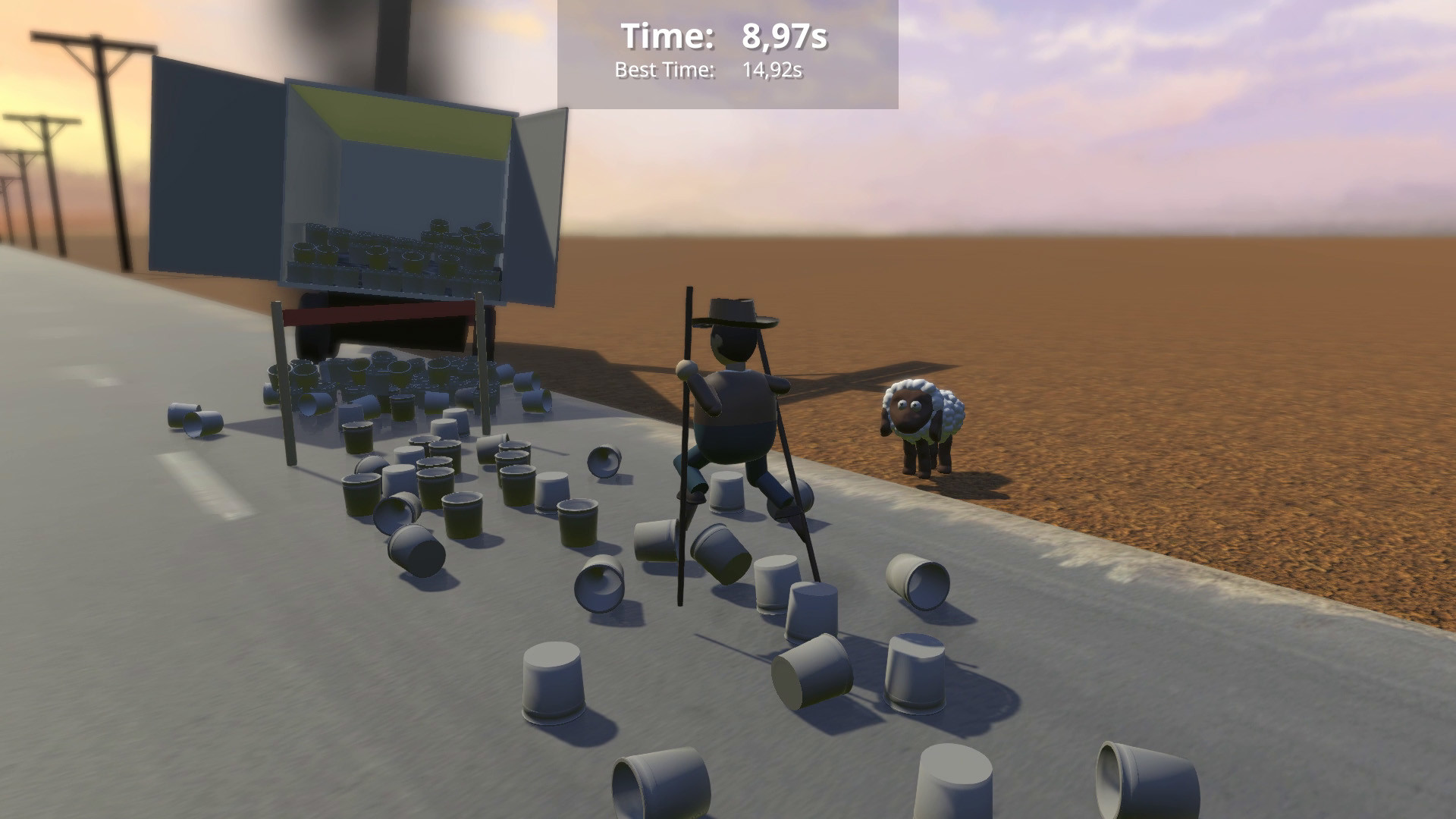
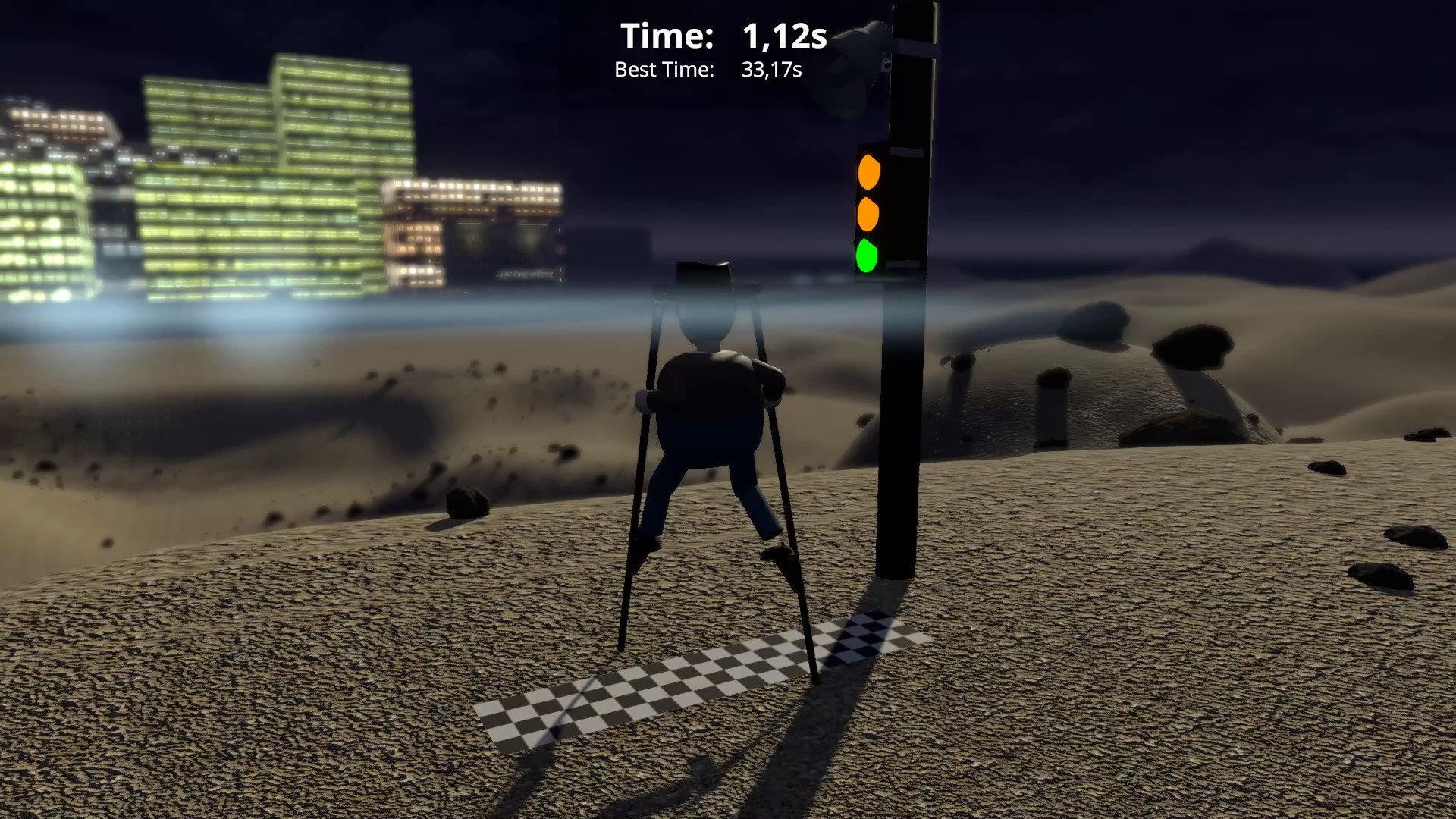
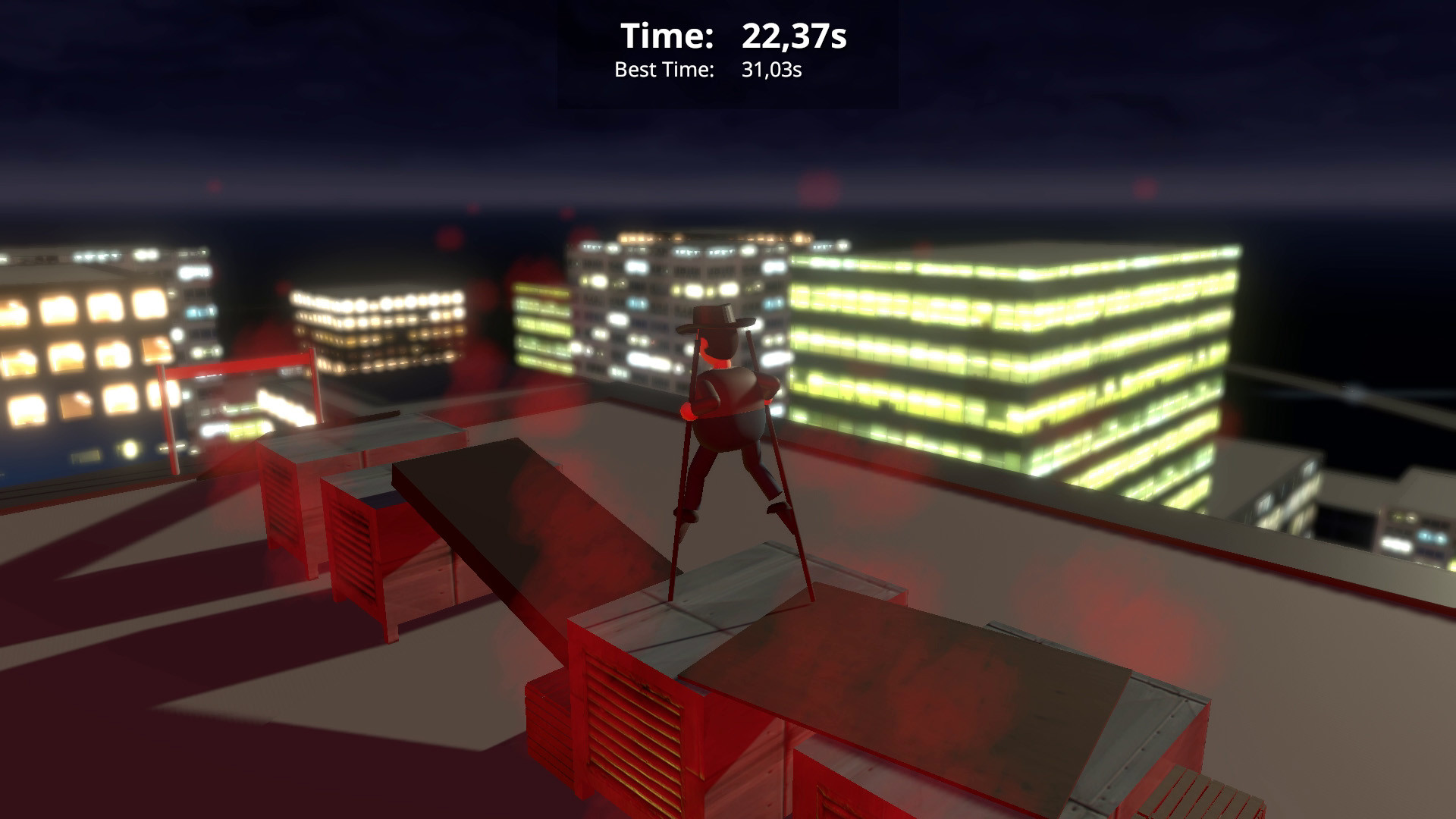
Get an in-depth look at Stilt Fella through various videos and screenshots.
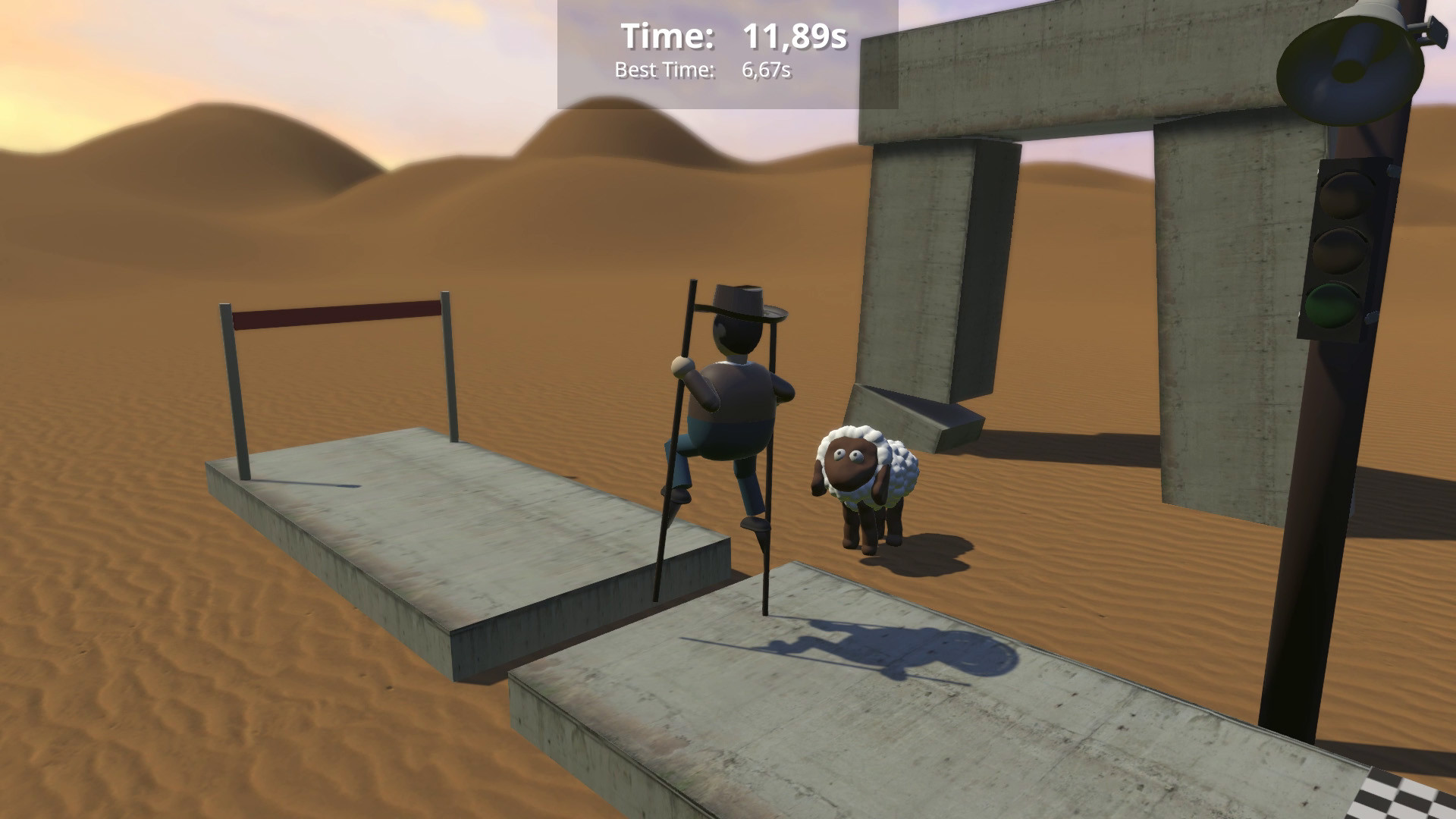
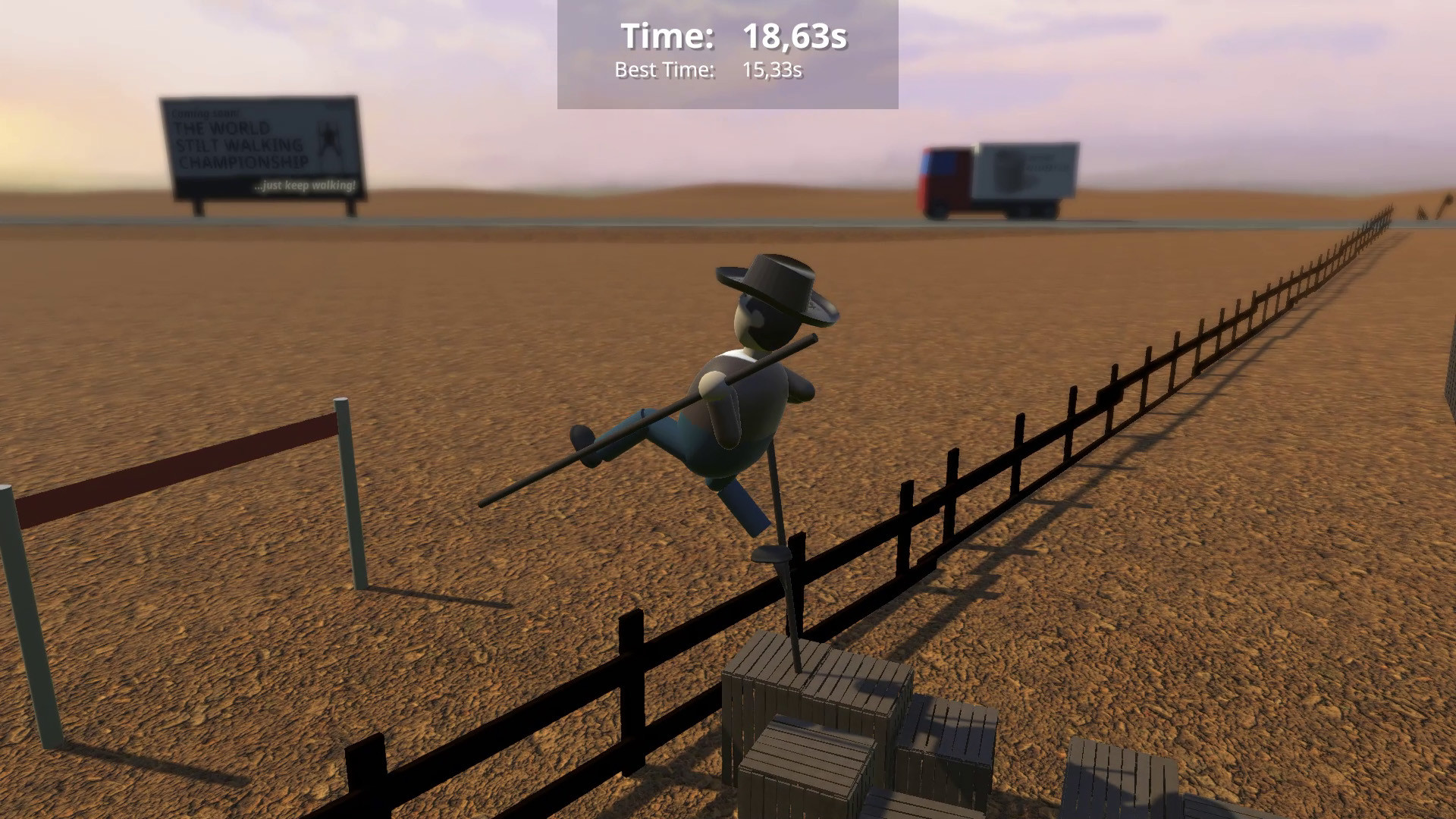
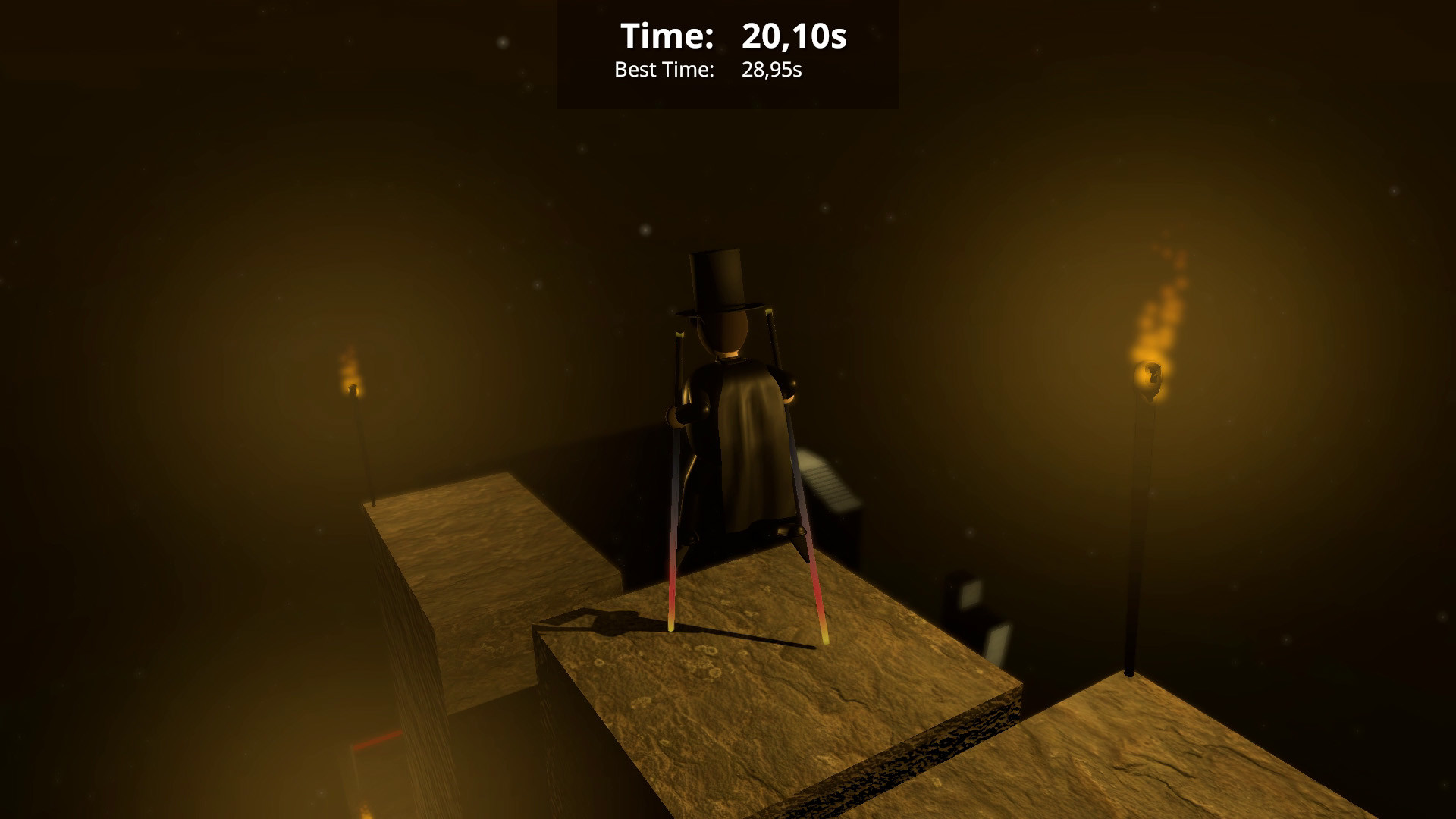
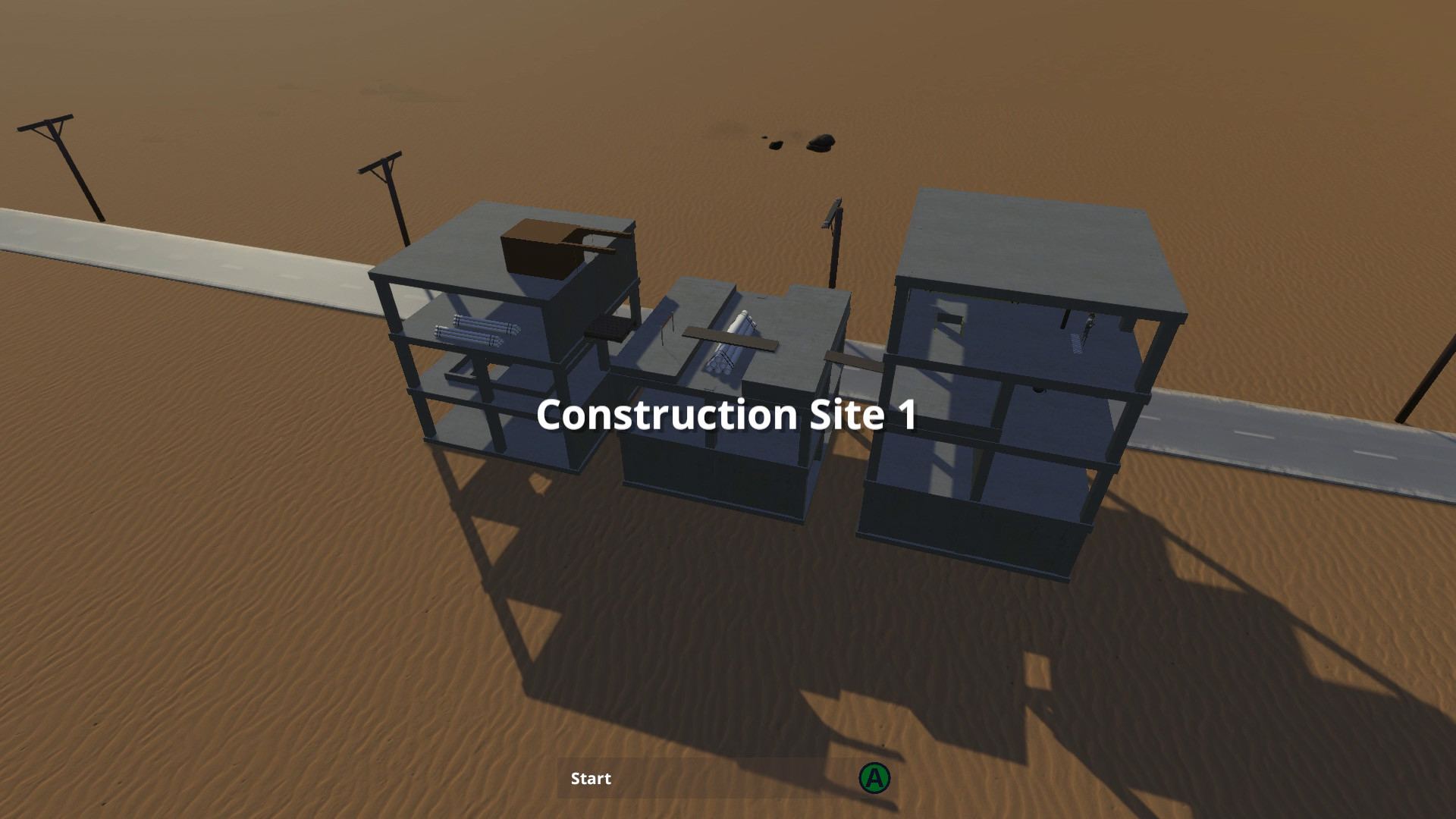
Load More

System requirements
These are the minimum specifications needed to play the game. For the best experience, we recommend that you verify them.
Windows
- Requires a 64-bit processor and operating system
- OS *: 64-bit Windows 7
- Processor: Dual-Core Intel or AMD processor
- Memory: 4 GB RAM
- Graphics: nVidia GeForce GTX 960 / AMD R9 280
- DirectX: Version 11
- Storage: 1000 MB available space
- Additional Notes: Supported aspect ratios: 4:3, 5:4, 16:9, 16:10
Steam Price & Best Deals
User reviews & Ratings
Explore reviews from Steam users sharing their experiences and what they love about the game.
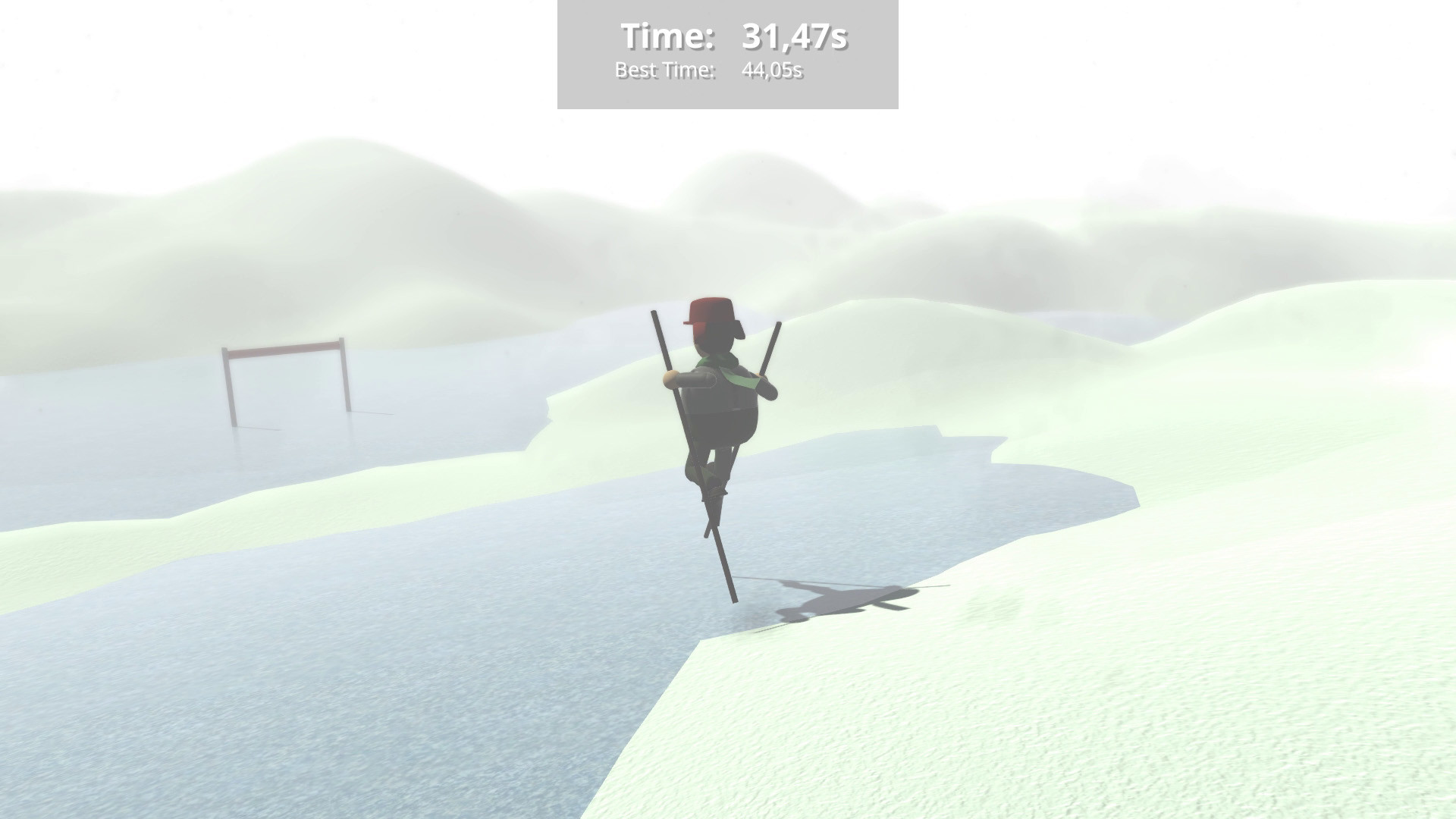
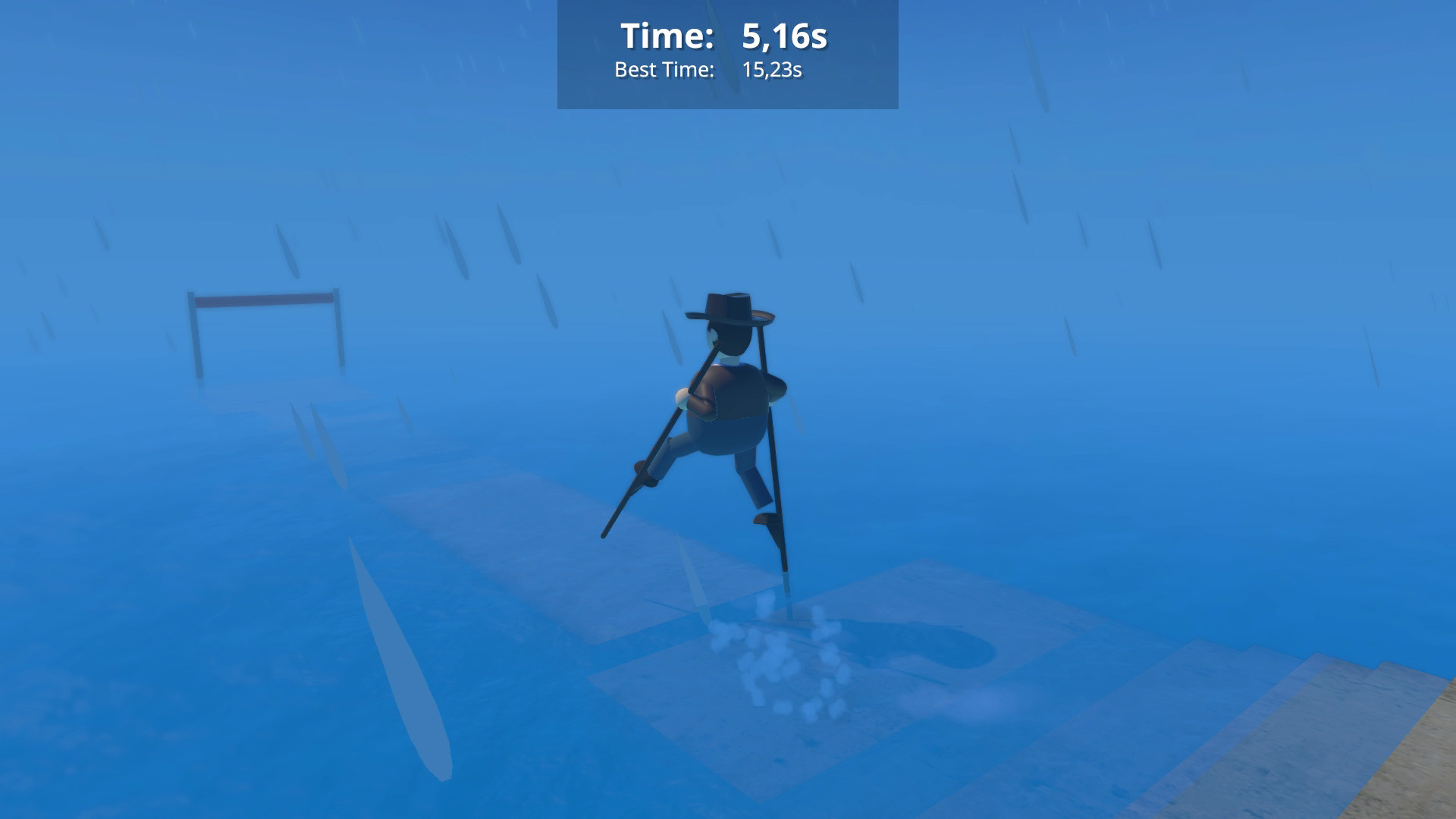
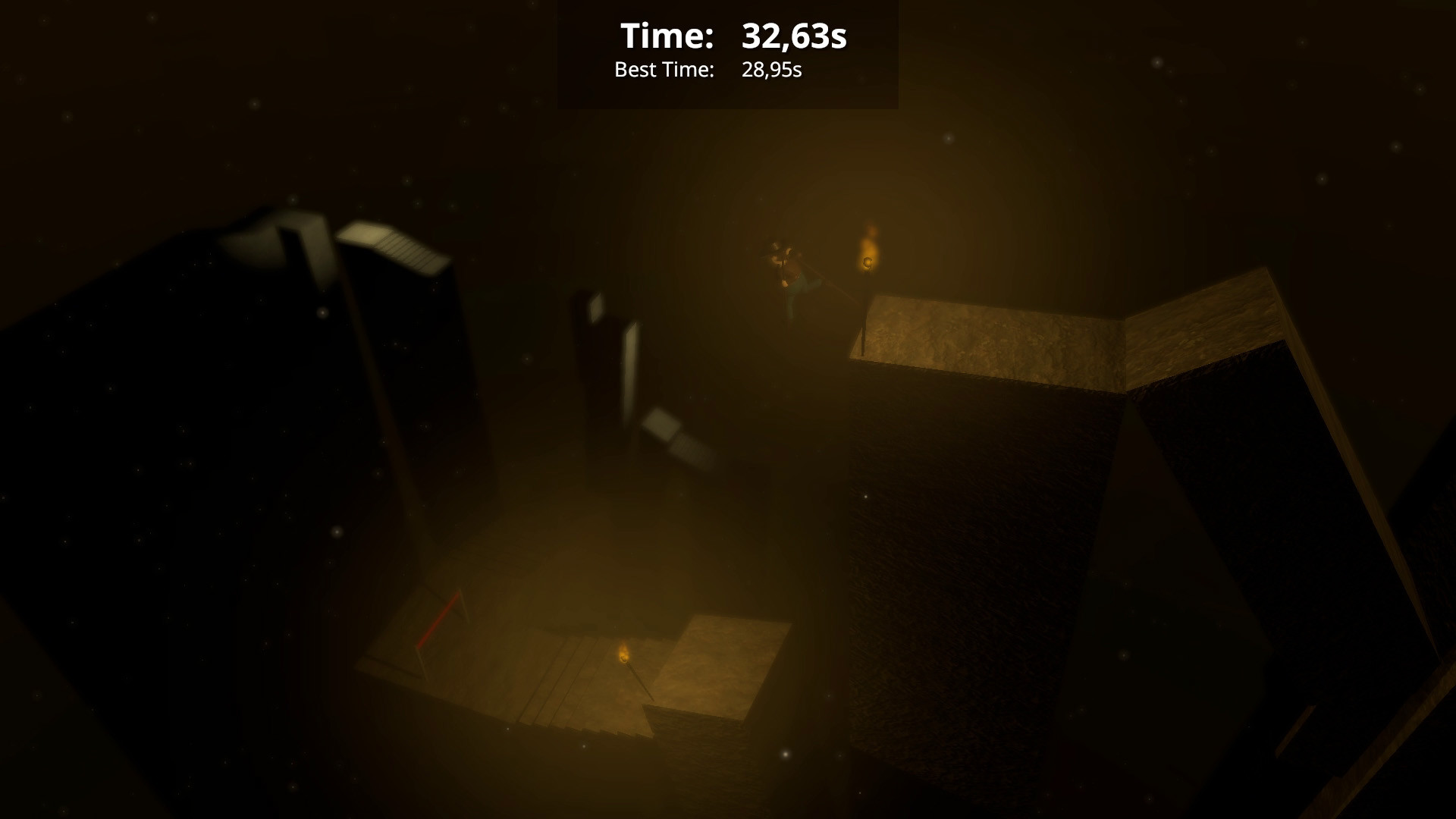
Stilt Fella is a wonderfully strange physics-based challenge that takes one of the most ordinary actions in video games, walking forward, and turns it into the entire obstacle. Developed and published by September Games, the game builds its identity around controlling a character attempting to navigate increasingly complicated courses while balanced on stilts. It is a deliberately awkward concept, but that awkwardness is carefully turned into a skill-based experience where coordination and patience matter far more than speed or conventional platforming reflexes. The movement system is the defining feature. Instead of controlling the character through straightforward directional commands, players must manage the stilts and maintain enough balance to keep moving. Every step becomes a small mechanical problem. Moving too aggressively can send the character tumbling, while excessive caution can make even a simple stretch of terrain feel intimidating. This unusual approach creates a satisfying progression because the controls gradually become more understandable. During the opening stages, simply remaining upright can feel like an achievement. After enough practice, movements that initially appeared impossible begin to feel deliberate and surprisingly natural. Much of the entertainment comes from the physics and the unpredictable situations they produce. Falling is rarely just a conventional failure screen. A badly positioned stilt can cause the character to twist, stumble, collide with an obstacle, or collapse moments before reaching safety. These mishaps give the game a strong comedic quality without requiring elaborate jokes or dialogue. The humor develops organically from the contrast between what the player intended to accomplish and what actually happens on screen. There is still genuine precision beneath the comedy. Stilt Fella is not simply about fighting uncontrollable physics until luck produces a successful attempt. Learning how the movement behaves makes a significant difference, and experienced players can become considerably more efficient. Recovering from an unstable position is particularly satisfying because situations that would have caused an immediate fall during the first few attempts can eventually be rescued through careful movement. The game therefore creates its progression primarily through the player's improving ability rather than through character statistics or equipment. Its campaign contains 60 levels, giving the central concept enough room to develop beyond its initial novelty. The courses progressively introduce more difficult circumstances and obstacles that force players to use what they have learned. Objects and terrain that would barely register as obstacles in a traditional platformer become meaningful hazards because crossing them requires careful positioning of the stilts. This creates an entertaining reversal of familiar game design, where seemingly mundane environments can become demanding tests of concentration. The difficulty is intentionally substantial, and that characteristic will determine whether Stilt Fella becomes addictive or irritating for a particular player. Repeated failure is fundamental to the experience. Some sections can require numerous attempts, especially when a small mistake ruins an otherwise excellent run. Players who dislike deliberately cumbersome controls may find the experience exhausting. Those who enjoy games built around mastering unusual movement systems, however, are likely to appreciate how clearly improvement can be felt after extended practice. Customization provides some additional personality by allowing the player to create and personalize their Fella. While cosmetic options do not transform the core mechanics, they fit the playful atmosphere and prevent the game from presenting its unusual protagonist too seriously. The visual direction similarly serves the concept well. It remains readable enough for players to judge obstacles and positioning while retaining the exaggerated character necessary for the physical comedy to work. Stilt Fella also recognizes the competitive possibilities of its movement system. Online leaderboards provide motivation to return to completed levels and attempt cleaner or faster performances. Completing a difficult stage is one accomplishment, but performing it efficiently is an entirely different challenge. Once players understand the basic controls, the leaderboard component encourages them to minimize hesitation and unnecessary movement. This gives experienced players something meaningful to pursue after overcoming the campaign's immediate obstacles. Local hotseat multiplayer expands the concept into a particularly entertaining social experience. Physics-based games often become enjoyable spectator experiences because failures are easy to understand and frequently amusing, and Stilt Fella benefits strongly from this quality. Watching another player confidently approach an obstacle before collapsing can be almost as entertaining as attempting the course personally. The game also supports multiplayer-oriented Steam functionality such as shared or split-screen PvP and Remote Play Together, making its competitive side more accessible when playing with friends. The developers recommend using a gamepad, although mouse and keyboard controls are also available. This recommendation makes sense considering how much the experience depends on nuanced movement. The challenge is supposed to come from learning the unusual locomotion rather than simply issuing familiar platforming commands, so using the control method around which the mechanics were primarily designed can make the intended system easier to appreciate. Additional Steam functionality includes achievements and Steam Cloud support, complementing the campaign and encouraging players to pursue goals beyond basic completion. Multiple interface languages are available as well. These supporting features do not fundamentally change the experience, but they help make Stilt Fella feel like a complete game rather than a small physics experiment stretched around a single joke. The greatest strength of Stilt Fella is its commitment to its premise. September Games does not bury the unusual walking mechanic beneath unnecessary systems. The challenge of controlling the character remains the center of everything, from the level design and comedy to competitive play. The result is focused and distinctive. Its biggest weakness comes from exactly the same source: players who do not enjoy the movement mechanics have little alternative gameplay to fall back on. Repetition and frustration are unavoidable parts of the package. For its intended audience, however, Stilt Fella offers an amusing and surprisingly demanding test of coordination. Its 60-level campaign gives the physics system time to develop, while customization, leaderboards, achievements, local competition, and multiplayer features provide additional reasons to continue playing. Turning the simple act of walking into a challenging game could easily have remained a short-lived novelty, yet the combination of mechanical depth and physical comedy gives the concept considerably more staying power. Stilt Fella rewards persistence, laughs at failure, and makes successful movement feel genuinely earned. Rating: 8/10
If you like getting good at difficult things, this game is crazy satisfying and frustrating. It felt fair all the way through. The way the devs introduce new challenges and then leave them for the next idea as soon as you've beaten it... just sadistic and insane. Amazing game.
Similar games
View all

Surgeon Simulator
Surgeon Simulator is an over-the-top operation sim, stitching together pitch-black humour with life-saving surgery. Become Dr. Burke, a would-be surgeon with a less than conventional toolkit, as he performs procedures on patients including the Heavy from TF2! ...is that a hammer?

Worming from Home
Remote work simulator where you are a worm :)

City Climber
City Climber is a silly physics-based game about a floppy ragdoll climber, who has to save the world. Find your way through diverse hand-crafted environments and enjoy funny challenges full of falling and destruction.
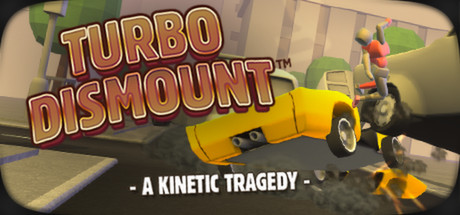
Turbo Dismount
Turbo Dismount is a kinetic tragedy about Mr. Dismount and the cars who love him. It is the official sequel to the wildly popular and immensely successful personal impact simulator - Stair Dismount.

Goat Simulator
Goat Simulator is the latest in high-tech Goat Simulation technology.

Fun with Ragdolls: The Game
Become a ragdoll and create your own environments in Sandbox Mode, explore worlds created by others, or just flop around your destructible sets! Fun with Ragdolls®: The Game lets you enjoy everything you love about ragdolls!


Totally Reliable Delivery Service
Delivery Attempted. That's the Totally Reliable Delivery Service guarantee! T.R.D.S. is a ragdoll physics simulation about terrible package delivery couriers. Work together using odd machinery, useful gadgets, and the wonders of physics to reliably deliver packages to their destination.

Tea Party Simulator 2015
Ever wanted to be a tea party extraordinaire? Well now you can. Each new level brings it's own challenges you must overcome on your quest to become the ultimate tea party master. Comes with the original Tea Party Mode and now a Mode 2 (after beating all the levels), for a whole new experience!

The Game of Sisyphus
Roll the boulder to the top.

Simple Fish Adventure
Simple Fish Adventure is an unusual short physics-based platformer. Jump like a fish, think like a fish, be a fish! Overcome obstacles and suffer. Also includes co-op for up to 4 players.
Frequently Asked Questions
Stilt Fella is currently priced at 9.99€ on Steam.
No, Stilt Fella is currently not on sale. You can purchase it for 9.99€ on Steam.
Yes, Stilt Fella received 730 positive votes out of a total of 794 achieving a rating of 8.63.
😎
Stilt Fella was developed and published by September Games.
Yes, Stilt Fella is playable and fully supported on Windows.
No, Stilt Fella is not playable on MacOS.
No, Stilt Fella is not playable on Linux.
Yes, Stilt Fella is playable on Steam Deck, though it might require a few minor tweaks. Make sure to check the Steam store page and community feedback on ProtonDB for exact compatibility details.
Yes, Stilt Fella is playable on Steam Machine, though it might require a few minor tweaks. Make sure to check the Steam store page and community feedback on ProtonDB for exact compatibility details.
No, Stilt Fella does not support VR.
Stilt Fella offers both single-player and multi-player modes.
Stilt Fella offers both Co-op and PvP modes.
No, Stilt Fella does not currently offer any DLC.
No, Stilt Fella does not support mods via Steam Workshop.
Yes, Stilt Fella supports Remote Play Together. Discover more about Steam Remote Play.
Yes, Stilt Fella is enabled for Steam Family Sharing. This means you can share the game with authorized users from your Steam Library, allowing them to play it on their own accounts. For more details on how the feature works, you can read the original Steam Family Sharing announcement or visit the Steam Family Sharing user guide and FAQ page.
You can find solutions or submit a support ticket by visiting the Steam Support page for Stilt Fella.
Data sources
The information presented on this page is sourced from reliable APIs to ensure accuracy and relevance. We utilize the Steam API to gather data on game details, including titles, descriptions, prices, and user reviews. This allows us to provide you with the most up-to-date information directly from the Steam platform.
Additionally, we incorporate data from the SteamSpy API, which offers insights into game sales and player statistics. This helps us present a comprehensive view of each game's popularity and performance within the gaming community.
Last Updates| Steam data | 25 September 2026 13:13 UTC |
|---|---|
| SteamSpy data | 26 October 2026 01:45 UTC |
| Steam price | 26 October 2026 19:34 UTC |
| Steam reviews | 19 October 2026 08:06 UTC |
If you'd like to dive deeper into the details about Stilt Fella, we invite you to check out a few dedicated websites that offer extensive information and insights. These platforms provide valuable data, analysis, and user-generated reports to enhance your understanding of the game and its performance.
- SteamDB - A comprehensive database of everything on Steam about Stilt Fella
- SteamCharts - Analysis of Stilt Fella concurrent players on Steam
- ProtonDB - Crowdsourced reports on Linux and Steam Deck Stilt Fella compatibility
Game modes
Multiplayer
Features
Online players
1
Developer
September Games
Publisher
September Games
Release
26 Feb 2020
Platforms
Remote Play