
Game Dev Studio
Welcome to your own Game Dev Studio! How will you run your own offices and ascend to greatness in the gaming industry?
Sync your Steam wishlist to find the lowest game prices instantly. No login required, just paste your Steam profile URL!
⚡ Try Wishlist Radar!
Sync your Steam wishlist to find the lowest game prices instantly. No login required!
⚡ Try Wishlist Radar!
Close

Streamer Daily on Steam
Quick menu
Did you think it was easy to streaming? Do you think streamers earn money by playing games? Can you reach the summit by facing all the challenges of streaming? Then be a real streamer instead of playing this game !!!
Streamer Daily is a simulation, indie and casual game
developed and published by Mehan Games.
Released on March 04th 2020 is available only on Windows
in 5 languages: English, Turkish, Russian, Portuguese - Brazil and French.
It has received 1,079 reviews of which 950 were positive and 129 were negative resulting in a rating of 8.3 out of 10. 😎
The game is currently priced at 10.25€ on Steam.
The Steam community has classified Streamer Daily into these genres:
Simulation
Indie
Casual
Strategy
Adventure
Singleplayer
Management
First-Person
Replay Value
Economy
Female Protagonist
Funny
Memes
Realistic
Family Friendly
Walking Simulator
Sandbox
Atmospheric
Survival
Here is the detailed breakdown of supported languages for Streamer Daily:
| UI | Subtitle | Audio | |
|---|---|---|---|
| English | |||
| French | |||
| Russian | |||
| Turkish | |||
| Portuguese - Brazil |
Media & Screenshots
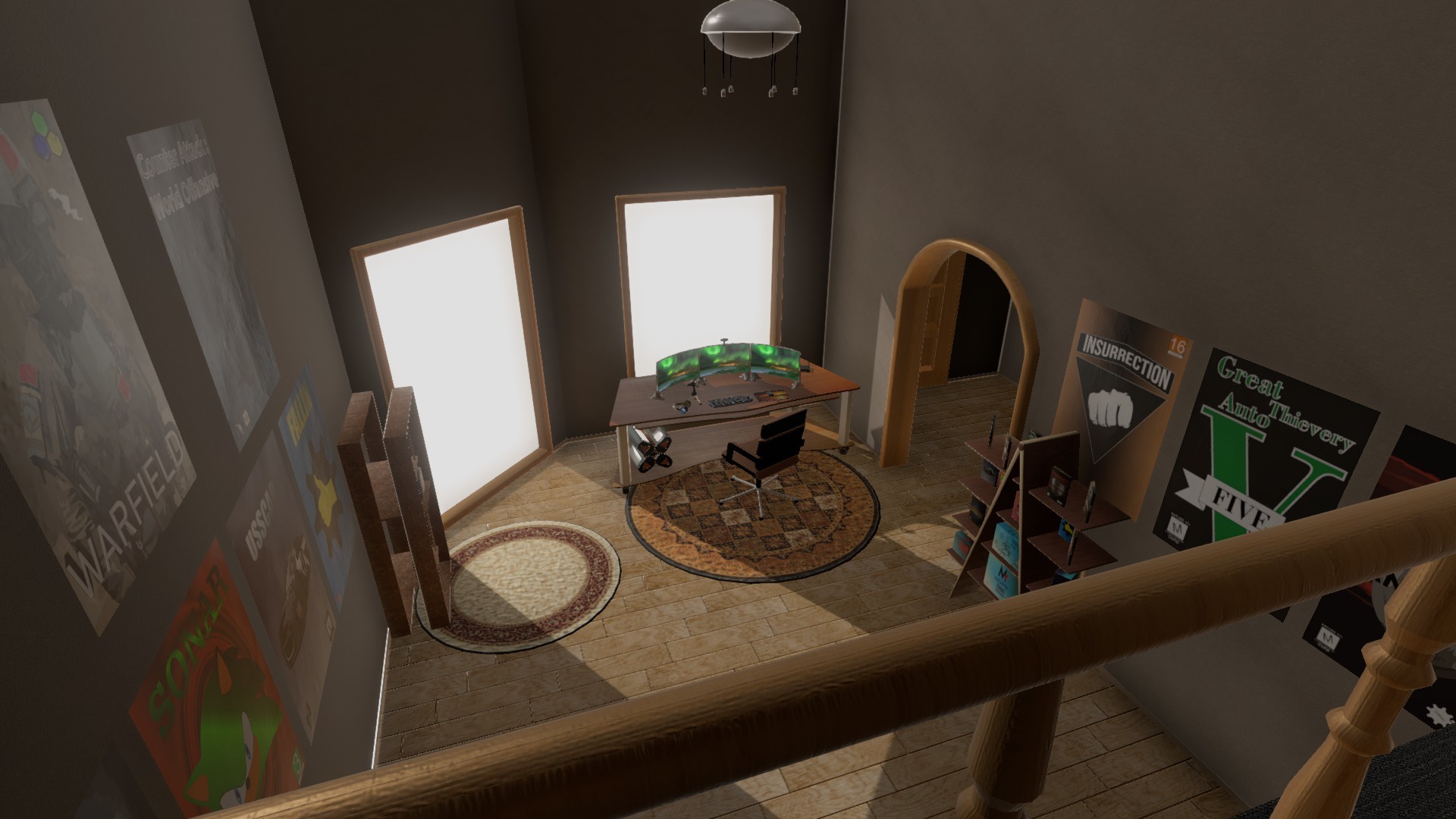
Get an in-depth look at Streamer Daily through various videos and screenshots.



Load More




System requirements
These are the minimum specifications needed to play the game. For the best experience, we recommend that you verify them.
Windows
- Requires a 64-bit processor and operating system
- OS *: Windows 7 / 8.1 / 10
- Processor: Intel Core i5-2500K or equivalent
- Memory: 4 GB RAM
- Graphics: NVidia GeForce GTX 660 or equivalent
- DirectX: Version 10
- Storage: 3 GB available space
Steam Price & Best Deals
User reviews & Ratings
Explore reviews from Steam users sharing their experiences and what they love about the game.
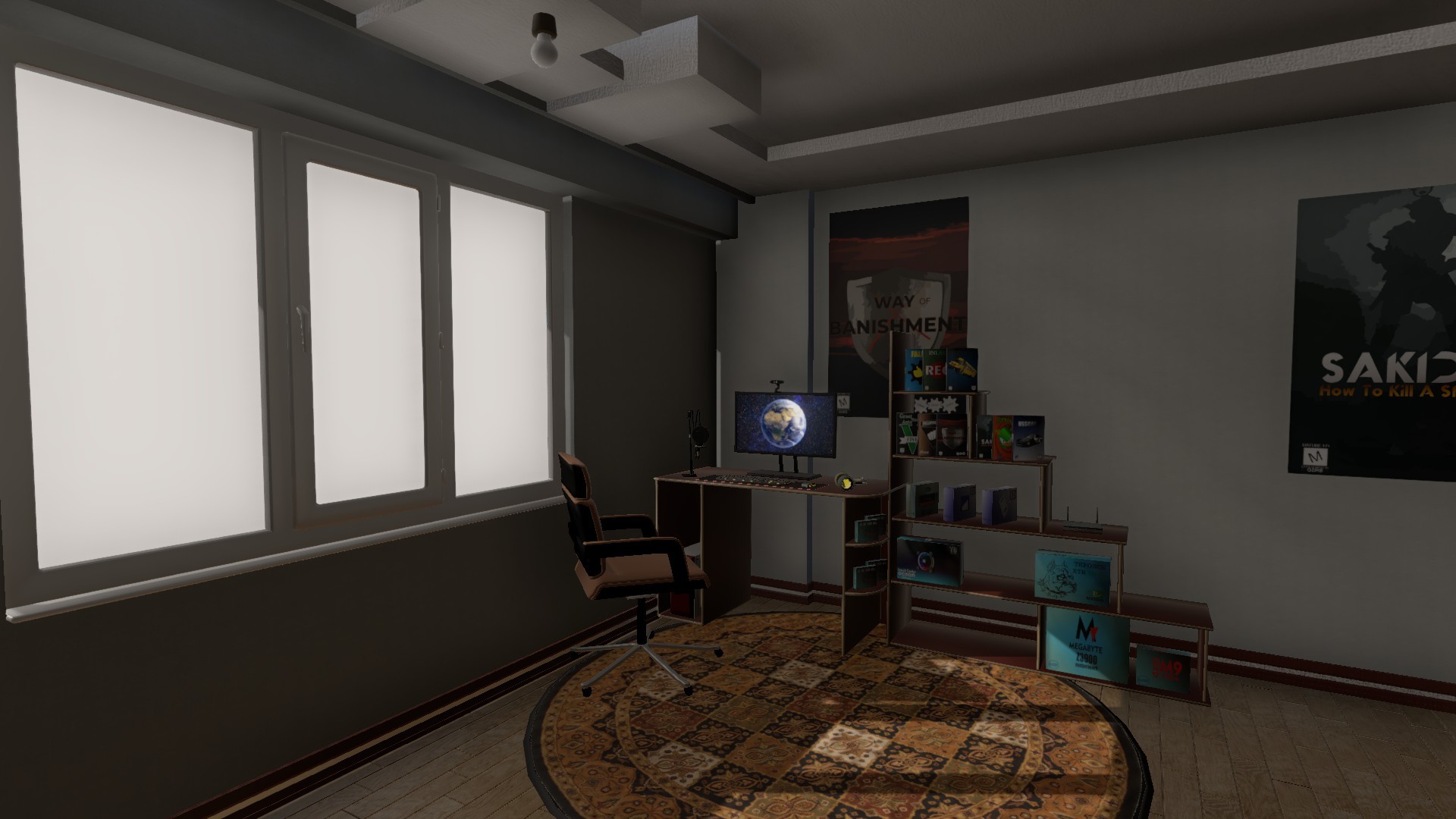
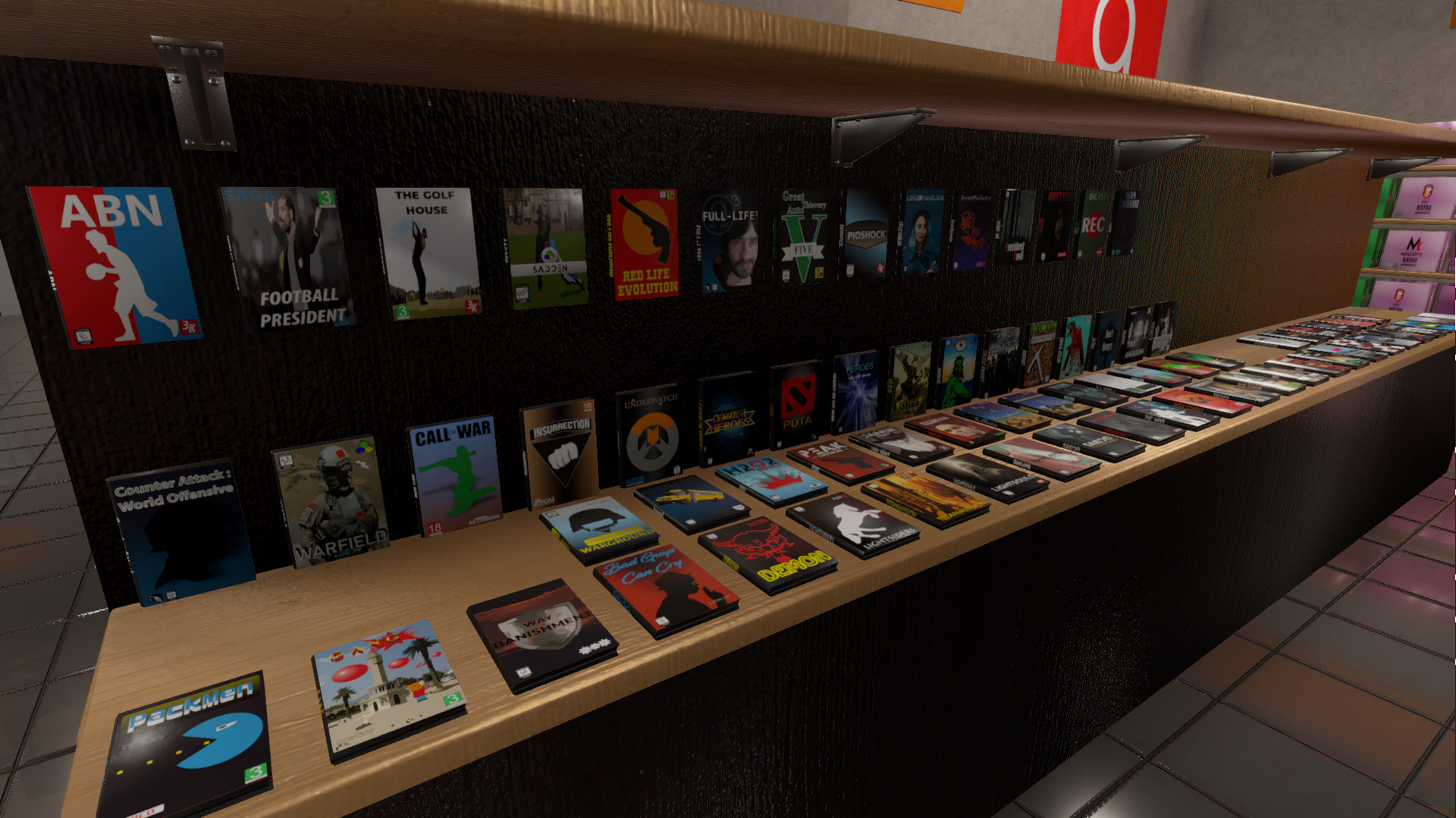
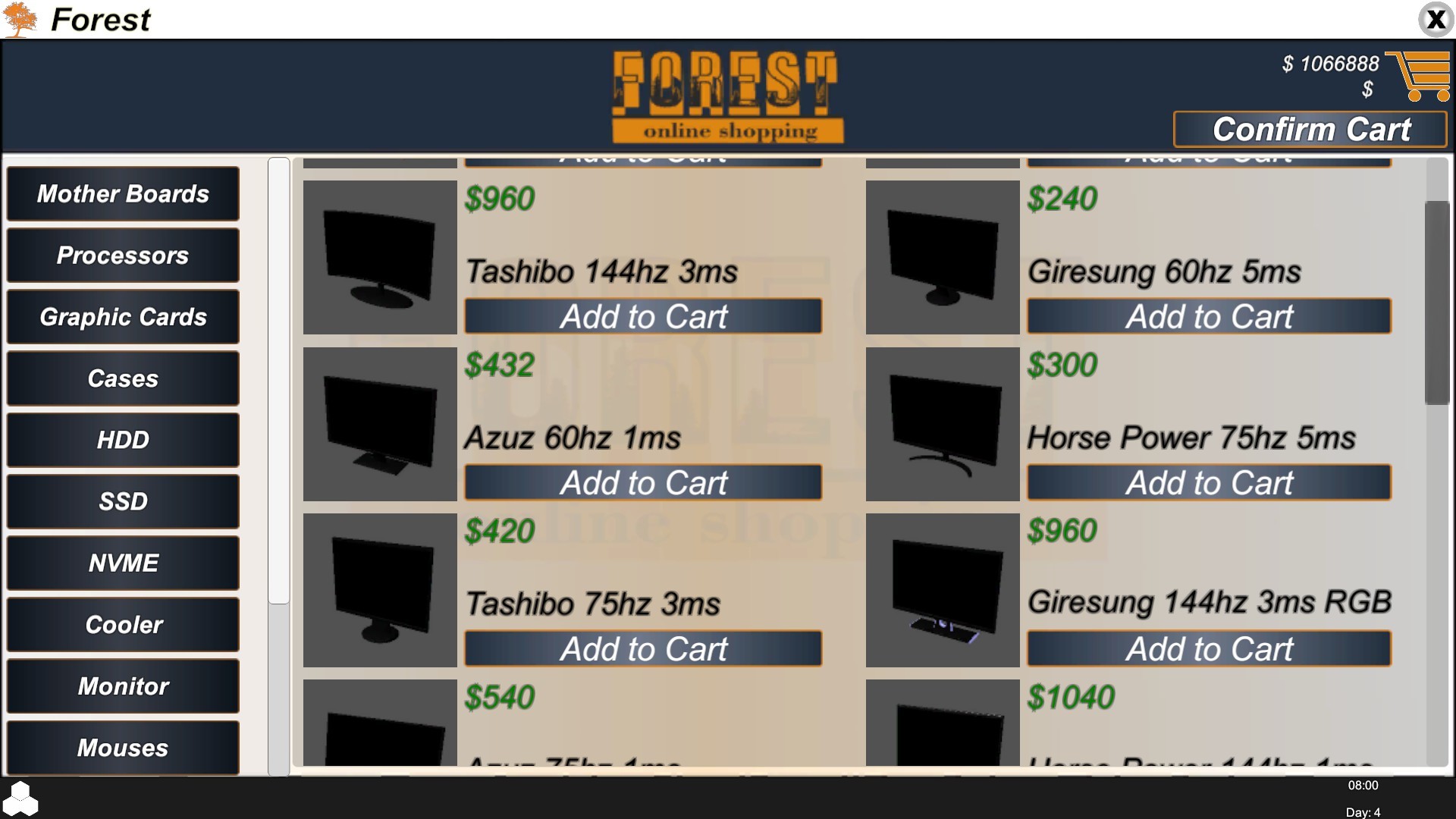
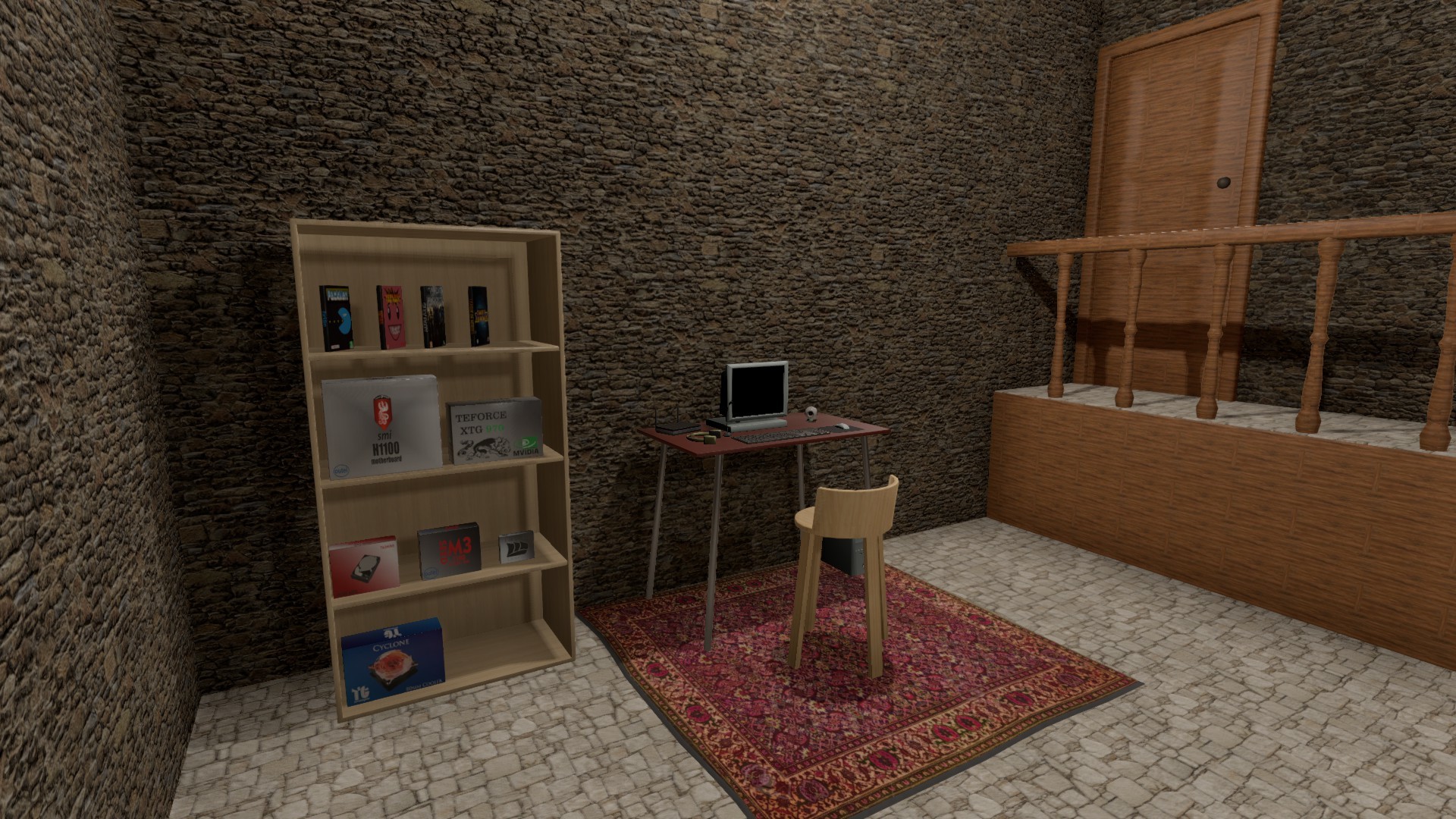
Streamer Daily takes the familiar fantasy of becoming a successful online personality and turns it into a surprisingly broad life-management simulation. Instead of reducing streaming to clicking a button and watching subscriber numbers rise, the game asks you to manage the ordinary problems surrounding that career. Hunger, fatigue, happiness, money, employment, equipment, housing, and free time all compete for attention. The result is a progression-focused experience where becoming famous is less about instant success and more about gradually improving every part of your character's daily routine. Developed and published by Mehan Games, the game begins with fairly modest circumstances. Streaming alone is not necessarily enough to support yourself early on, so earning money through other activities becomes part of the routine. At the same time, neglecting basic needs can interfere with your ability to remain productive. This creates the central management challenge: deciding whether the next portion of the day should be spent earning money, resting, eating, improving your living conditions, or broadcasting. Experience is earned through time spent streaming and can be invested into abilities, providing a consistent feeling of character advancement. One of the more distinctive ideas is that the games being streamed are represented by actual mini-games rather than completely passive simulations. There are 75 fictional games spread across 15 genres, with different mini-game styles representing them. Personal performance matters when chasing higher scores, but the quality of the character's computer also affects how effectively these games can be played. It creates a useful connection between the game's economic and streaming systems because purchasing better hardware can directly contribute to improving your career. Computer upgrading is consequently one of the most satisfying parts of the progression. Hundreds of PC components are available through physical and online shopping, giving players plenty of opportunities to improve their setup. Broadcasting software can also be upgraded through OBS add-ons. Better equipment and streaming quality can help increase reputation, viewers, followers, subscribers, and donations. Watching these statistics climb provides the addictive numerical progression expected from a management simulator, particularly after struggling through the relatively humble opening hours. Success also becomes visible outside the computer. Players can move into larger homes and furnish them with hundreds of different objects. More expensive belongings can contribute to popularity, turning interior decoration into another part of career progression rather than a purely cosmetic feature. The lighting and time of day can influence how a broadcast looks, adding another small consideration when organizing a streaming schedule. Being able to gradually transform a basic living space into something substantially more impressive gives the economic progression a tangible purpose. There is considerably more to pursue than streaming alone. Story missions provide structured objectives, while sponsorships introduce specific challenges. Online tournaments allow players to compete and earn awards that can later be displayed at home. Additional activities include online work, property purchasing and renting, bank loans, and skin-related systems. Individually, many of these mechanics are fairly straightforward, but their combination gives the game a sandbox quality and prevents the entire experience from being confined to one room and one activity. The main weakness is repetition. The fundamental routine of maintaining needs, earning money, broadcasting, and purchasing improvements inevitably repeats itself, while some mini-games are considerably more entertaining than others. Once the novelty of discovering new mechanics fades, enjoyment depends heavily on whether the player likes incremental progression and resource management. The simulation is also more playful than realistic, so anyone expecting an extremely detailed representation of professional content creation may find some mechanics simplified. Its graphics and audio are functional rather than exceptional, with most of the personality coming from the systems and the unusual subject matter. Despite those limitations, the interconnected progression gives the experience considerable charm. Buying a stronger computer improves gaming and streaming potential, stronger broadcasts build an audience, popularity produces better opportunities, and increased income allows further improvements to housing and equipment. There are also 34 Steam achievements for players interested in additional milestones. It is particularly suitable for players who enjoy starting with limited resources and slowly building an efficient, increasingly profitable lifestyle. Steam Deck compatibility is currently officially listed as Unknown. This means Valve has not assigned the game a Verified, Playable, or Unsupported rating. Since the game is officially listed for Windows and its interface was originally designed around conventional PC controls, Steam Deck owners should therefore expect that manual controller configuration, touchscreen use, trackpads, or Proton adjustments could potentially be necessary rather than assuming a seamless handheld experience. Overall, Streamer Daily is an entertaining combination of career simulation, life management, PC building, home customization, mini-games, and economic progression. None of its individual systems is extraordinarily deep, but there are enough of them working together to create an enjoyable sense of growth. The repetitive structure will not suit everyone, yet players who enjoy management games built around improving statistics, equipment, income, and living conditions can find plenty to appreciate. Its strongest achievement is making the road toward becoming a successful streamer feel like an actual daily routine rather than simply another idle numbers game. Rating: 8/10
Similar games
View all

Car Trader Simulator - Welcome to the Business
Welcome to the prologue to Car Trader Simulator. Here you will learn all the most important in mechanics and economics in the game and you will play your first mission.
Game Dev Tycoon
In Game Dev Tycoon you replay the history of the gaming industry by starting your own video game development company in the 80s. Create best selling games. Research new technologies and invent new game types. Become the leader of the market and gain worldwide fans.

Tube Tycoon
The only game of its kind where you can feel like a real internet celebrity! Record videos, interact with your subscribers, buy better equipment and gain fame!

Farm Frenzy Collection
Enjoy the farmhouse gems with this solid set of 12 Farm Frenzy titles! Join Scarlett throughout all of her adventures in hundreds of farming challenges. Raise chickens, ostriches, and dolphins. Bake cakes, grow crops, and sell items at markets. It's an all-out farming assault with one of the most enjoyed series ever!

Achievement Clicker 2019
Feel like a real Achievement hunter! Earn Achievements, upgrades and get the most Achievements on Steam!

Gladiator School
Gladiator School is a Tycoon-style simulation game. You play as the master of a newly formed school for gladiators. Your job is to prepare and train recruits before you send them away to fight for their survival and entertain the crowd in the arena.

Coffee Shop Tycoon
Manage your own coffee shop and control every detail to make it the most popular one in town! Roast your own beans and create your recipes. Hire and train your staff, manage your economy and marketing, and destroy your competition to become the ultimate legal coffee monopoly in Coffee Shop Tycoon.

GamersGoMakers
In GamersGoMakers, you found a little company creating the first video games in history. Create your first game with only basic sound and simple graphics available in the year 1980. You´re one of the pioneers entering the rising global market for computer games.

Barn Finders: The Pilot
Search for valuables stashed in abandoned barns. Take part in storage auctions, bid high and buy yourself a chance to find exclusive items hidden in the past.

Train Station Renovation - First Job
Welcome to the prologue to Train Station Renovation. This is where you will learn and teach how to renovate these small and the largest train stations in the world.

Weedcraft Inc
Weedcraft Inc explores the business of producing, breeding and selling weed in America, delving deep into the financial, political and cultural aspects of the country's complex relationship with this troublesome and promising plant.
Frequently Asked Questions
Streamer Daily is currently priced at 10.25€ on Steam.
No, Streamer Daily is currently not on sale. You can purchase it for 10.25€ on Steam.
Yes, Streamer Daily received 950 positive votes out of a total of 1,079 achieving a rating of 8.34.
😎
Streamer Daily was developed and published by Mehan Games.
Yes, Streamer Daily is playable and fully supported on Windows.
No, Streamer Daily is not playable on MacOS.
No, Streamer Daily is not playable on Linux.
This information about Streamer Daily is not available yet.
This information about Streamer Daily is not available yet.
No, Streamer Daily does not support VR.
Streamer Daily is a single-player game.
No, Streamer Daily does not currently offer any DLC.
No, Streamer Daily does not support mods via Steam Workshop.
No, Streamer Daily does not support Steam Remote Play.
Yes, Streamer Daily is enabled for Steam Family Sharing. This means you can share the game with authorized users from your Steam Library, allowing them to play it on their own accounts. For more details on how the feature works, you can read the original Steam Family Sharing announcement or visit the Steam Family Sharing user guide and FAQ page.
You can find solutions or submit a support ticket by visiting the Steam Support page for Streamer Daily.
Data sources
The information presented on this page is sourced from reliable APIs to ensure accuracy and relevance. We utilize the Steam API to gather data on game details, including titles, descriptions, prices, and user reviews. This allows us to provide you with the most up-to-date information directly from the Steam platform.
Additionally, we incorporate data from the SteamSpy API, which offers insights into game sales and player statistics. This helps us present a comprehensive view of each game's popularity and performance within the gaming community.
Last Updates| Steam data | 13 October 2026 07:16 UTC |
|---|---|
| SteamSpy data | 14 October 2026 18:17 UTC |
| Steam price | 28 October 2026 19:35 UTC |
| Steam reviews | 19 October 2026 15:50 UTC |
If you'd like to dive deeper into the details about Streamer Daily, we invite you to check out a few dedicated websites that offer extensive information and insights. These platforms provide valuable data, analysis, and user-generated reports to enhance your understanding of the game and its performance.
- SteamDB - A comprehensive database of everything on Steam about Streamer Daily
- SteamCharts - Analysis of Streamer Daily concurrent players on Steam
- ProtonDB - Crowdsourced reports on Linux and Steam Deck Streamer Daily compatibility

Game modes
Features
Online players
3
Developer
Mehan Games
Publisher
Mehan Games
Release
04 Mar 2020
Platforms