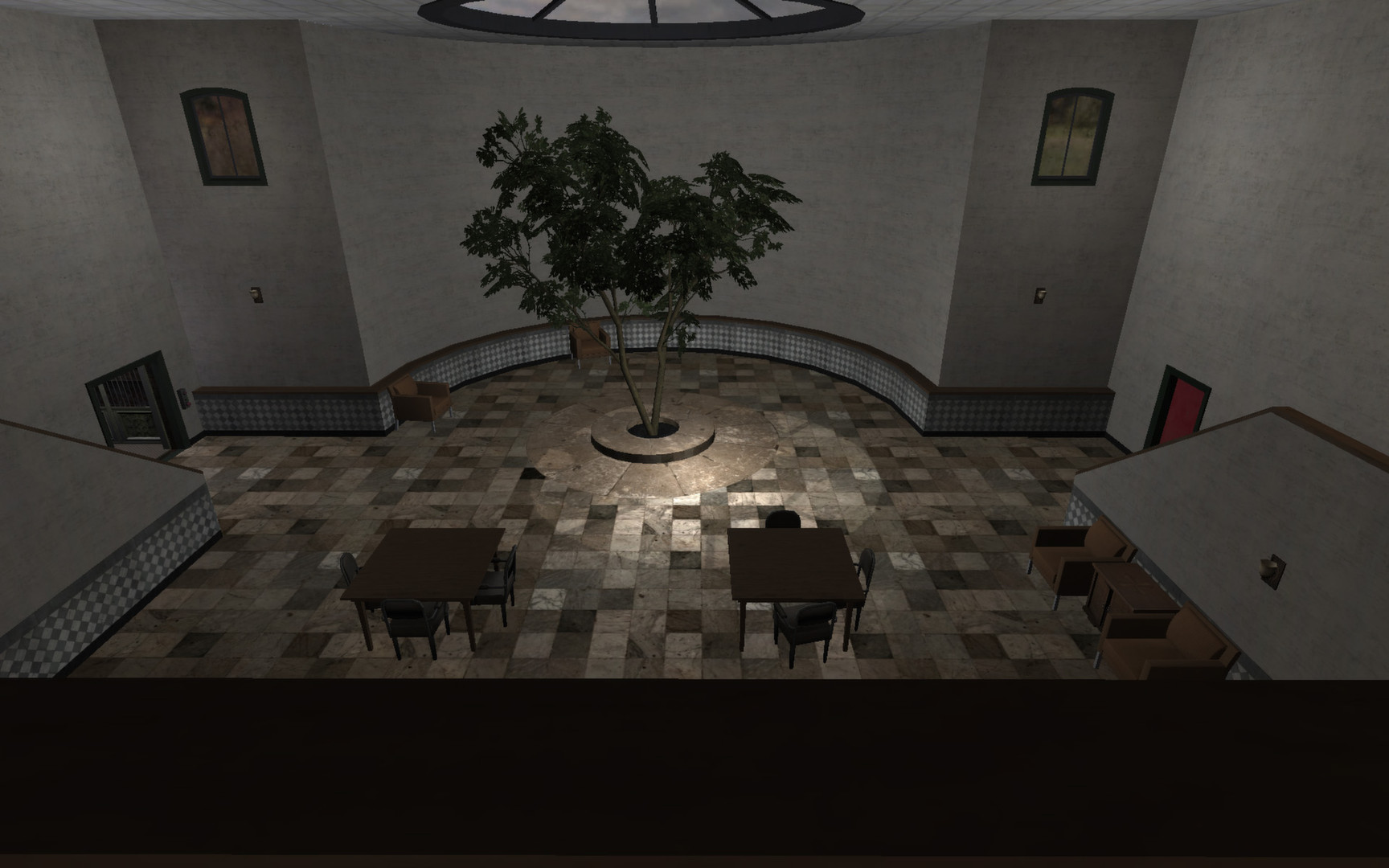
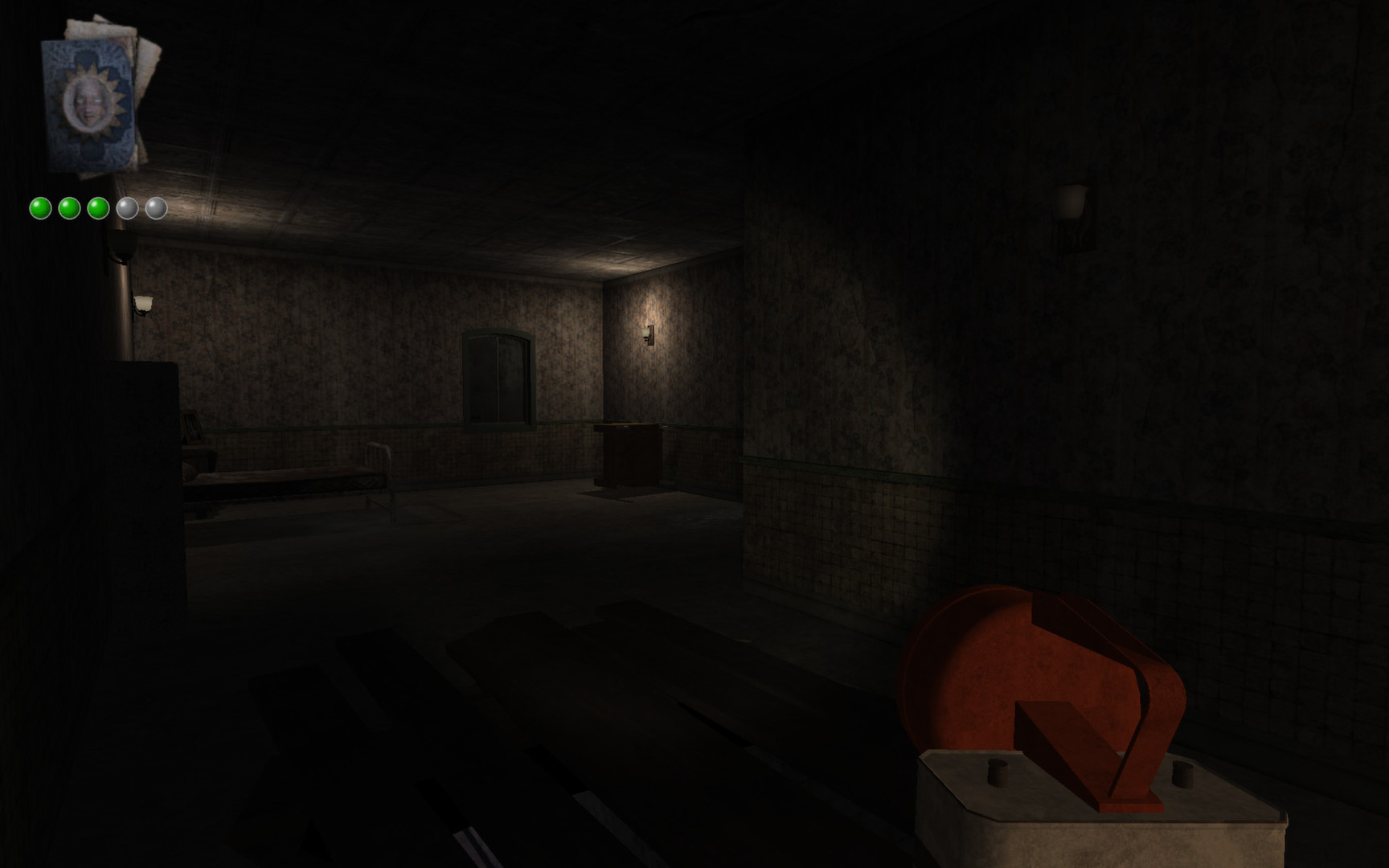
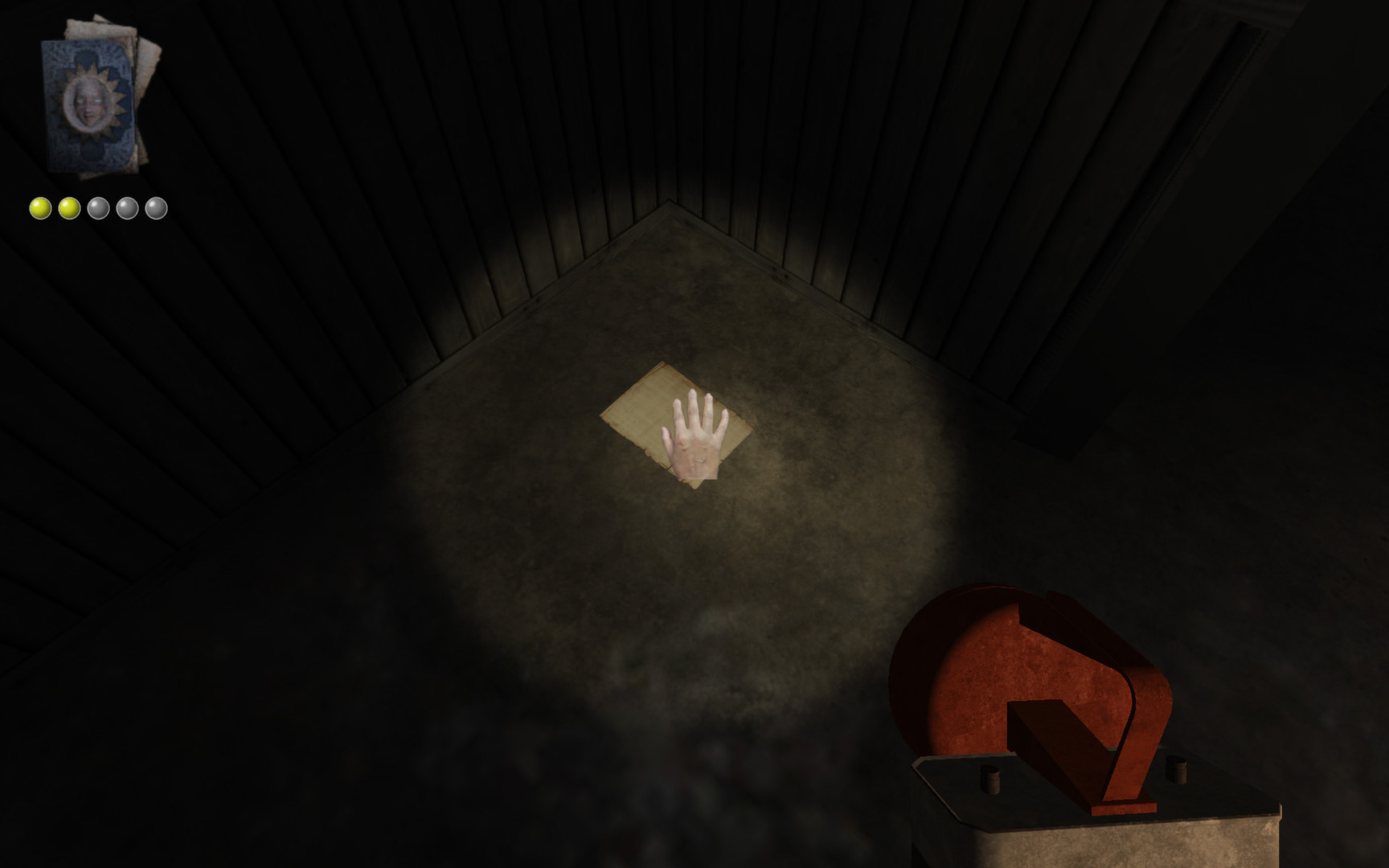
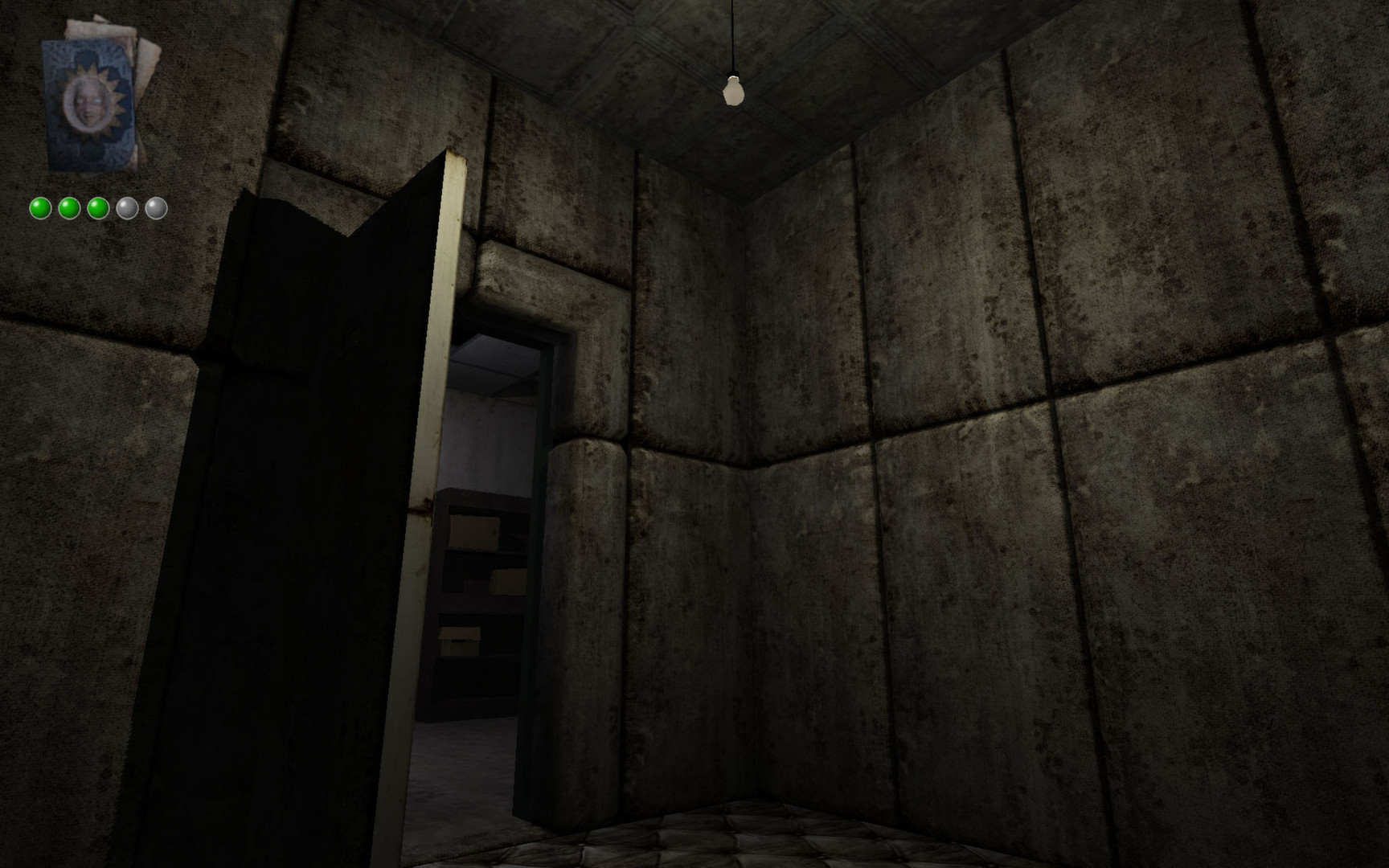
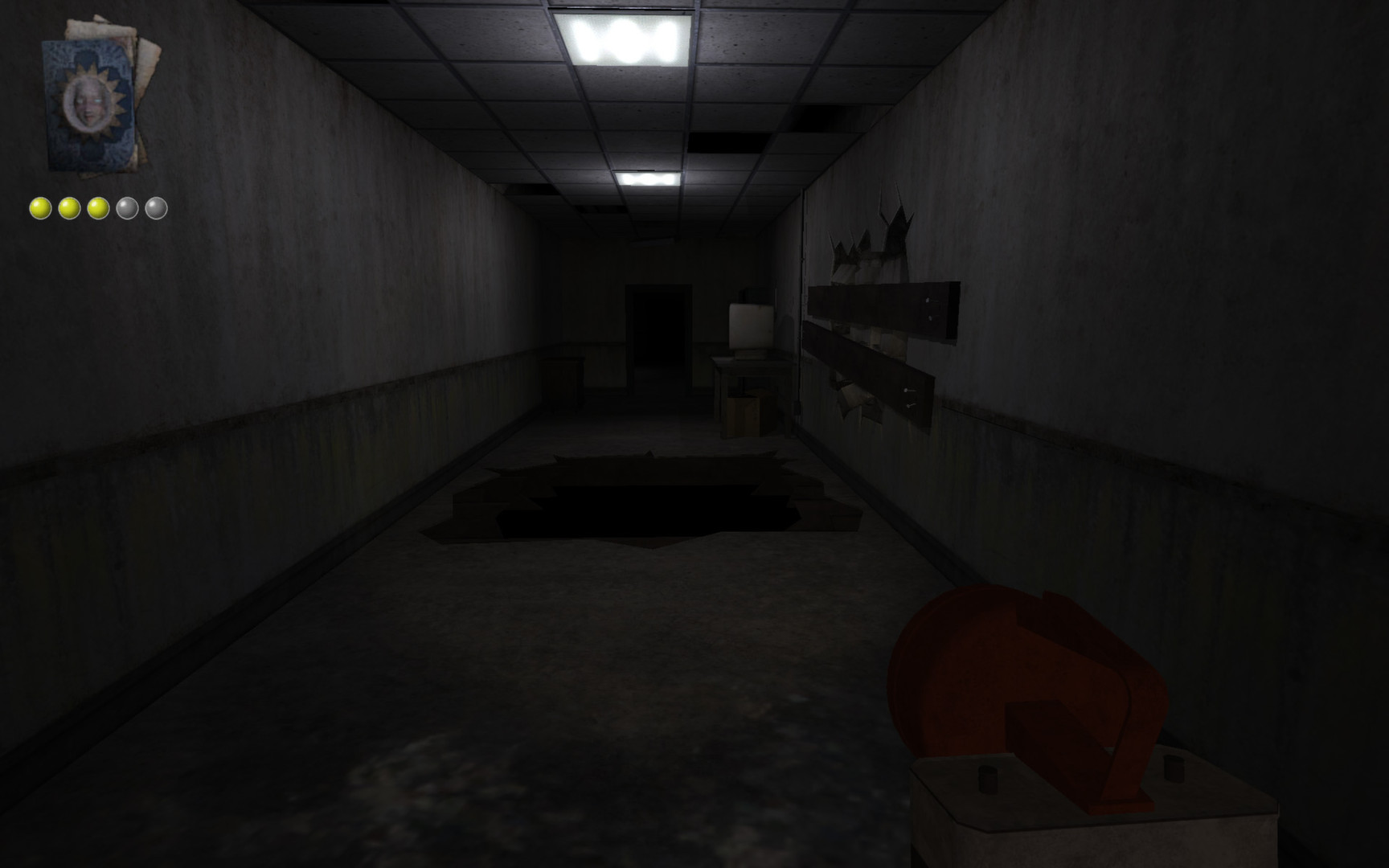
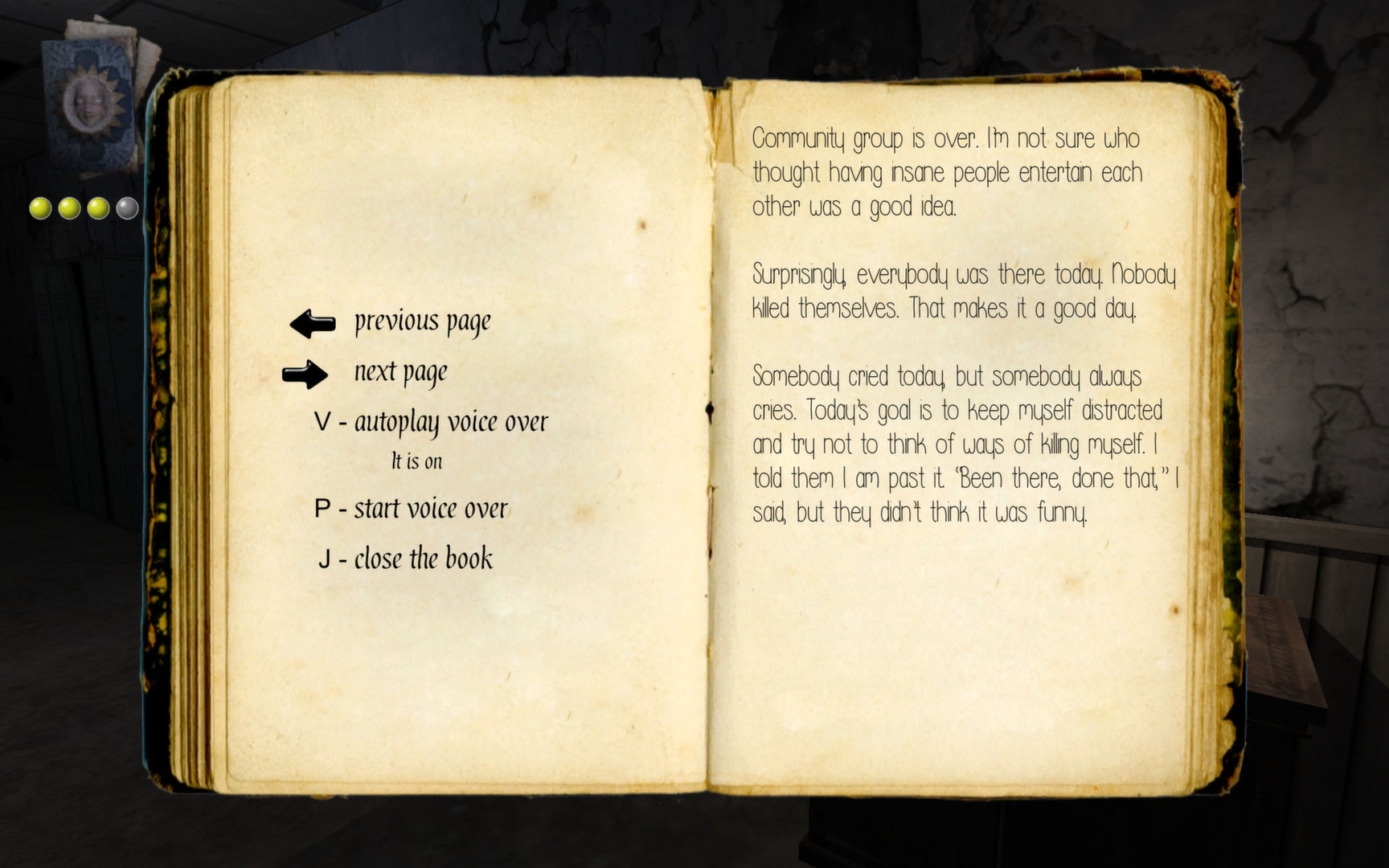
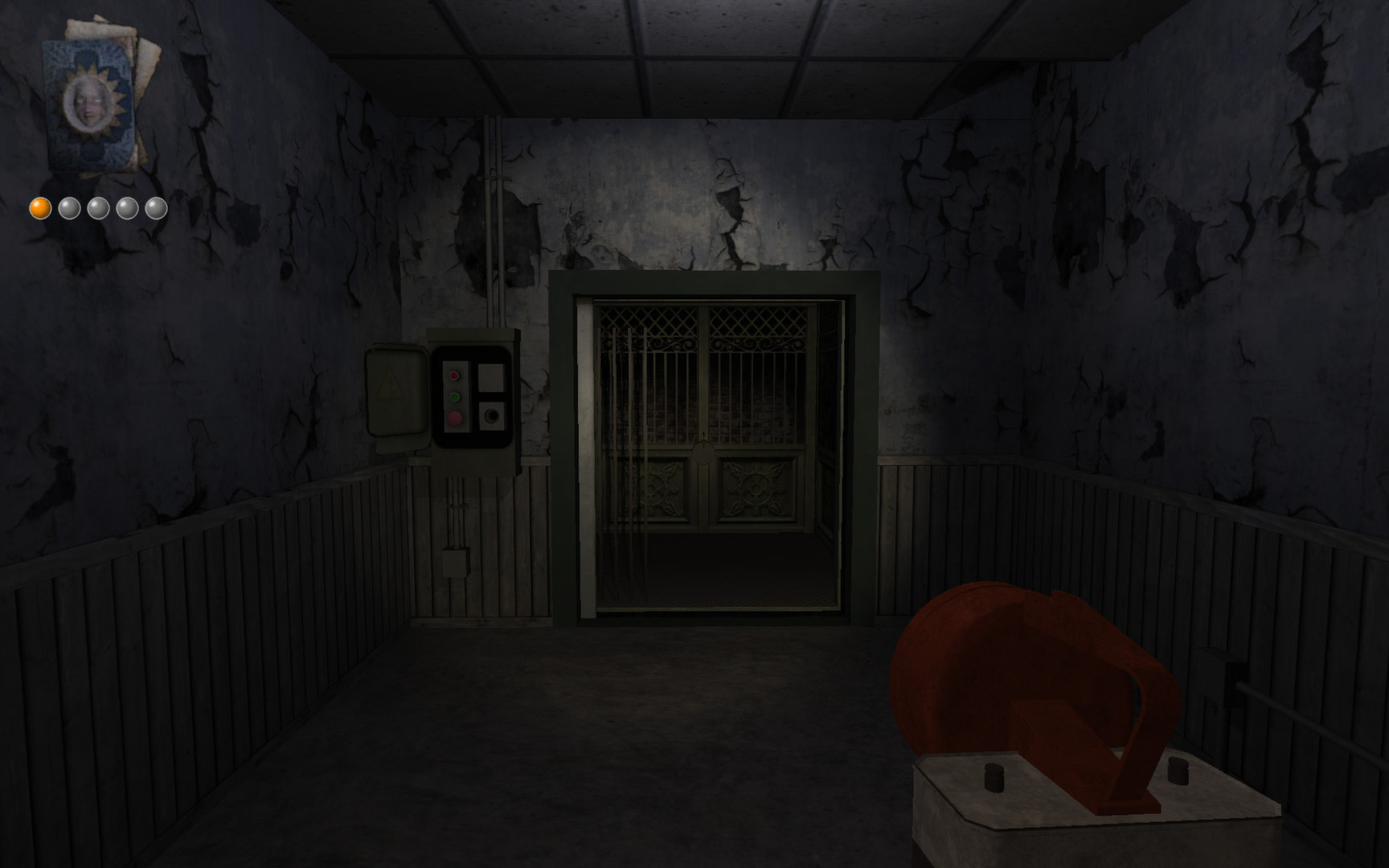
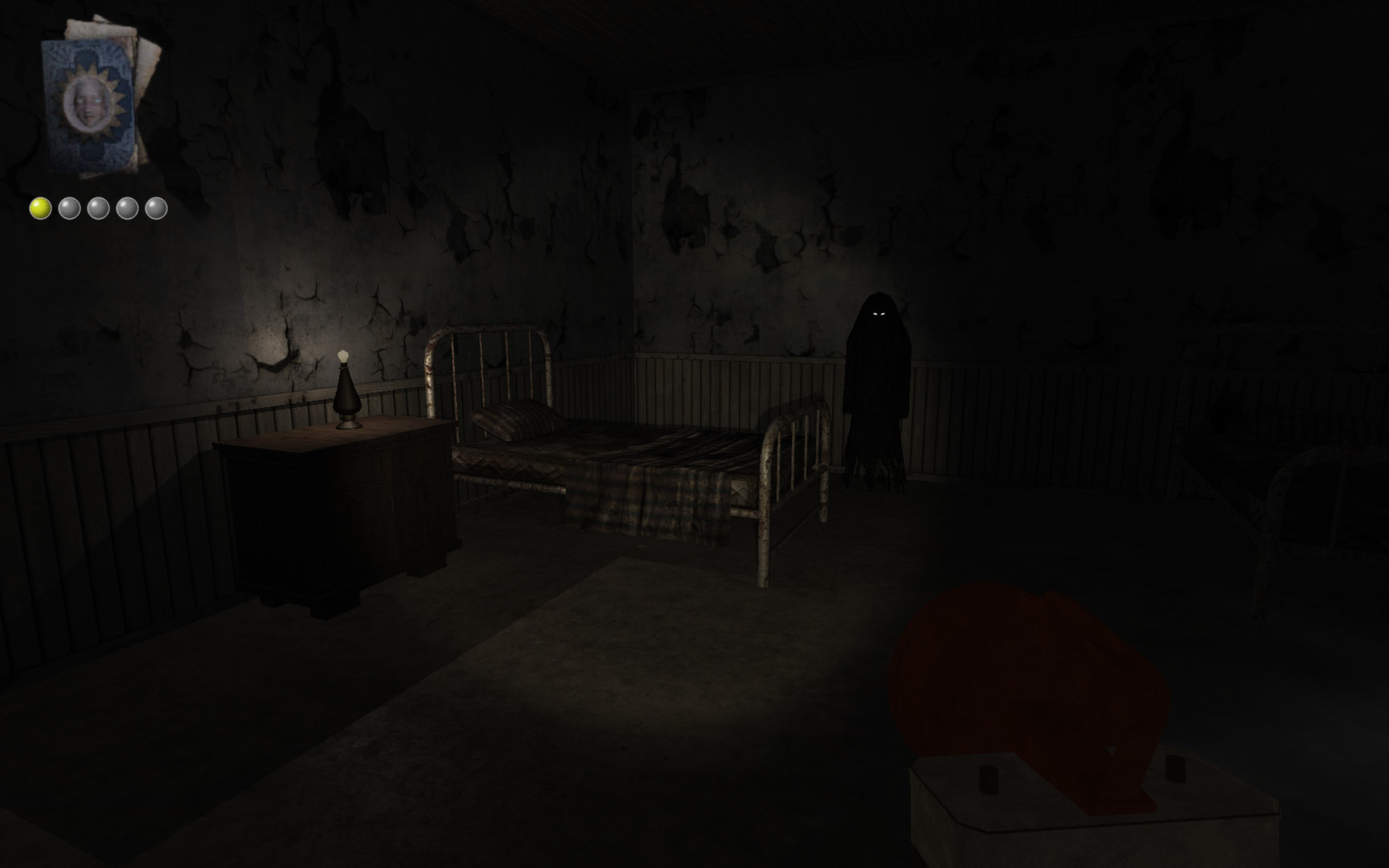
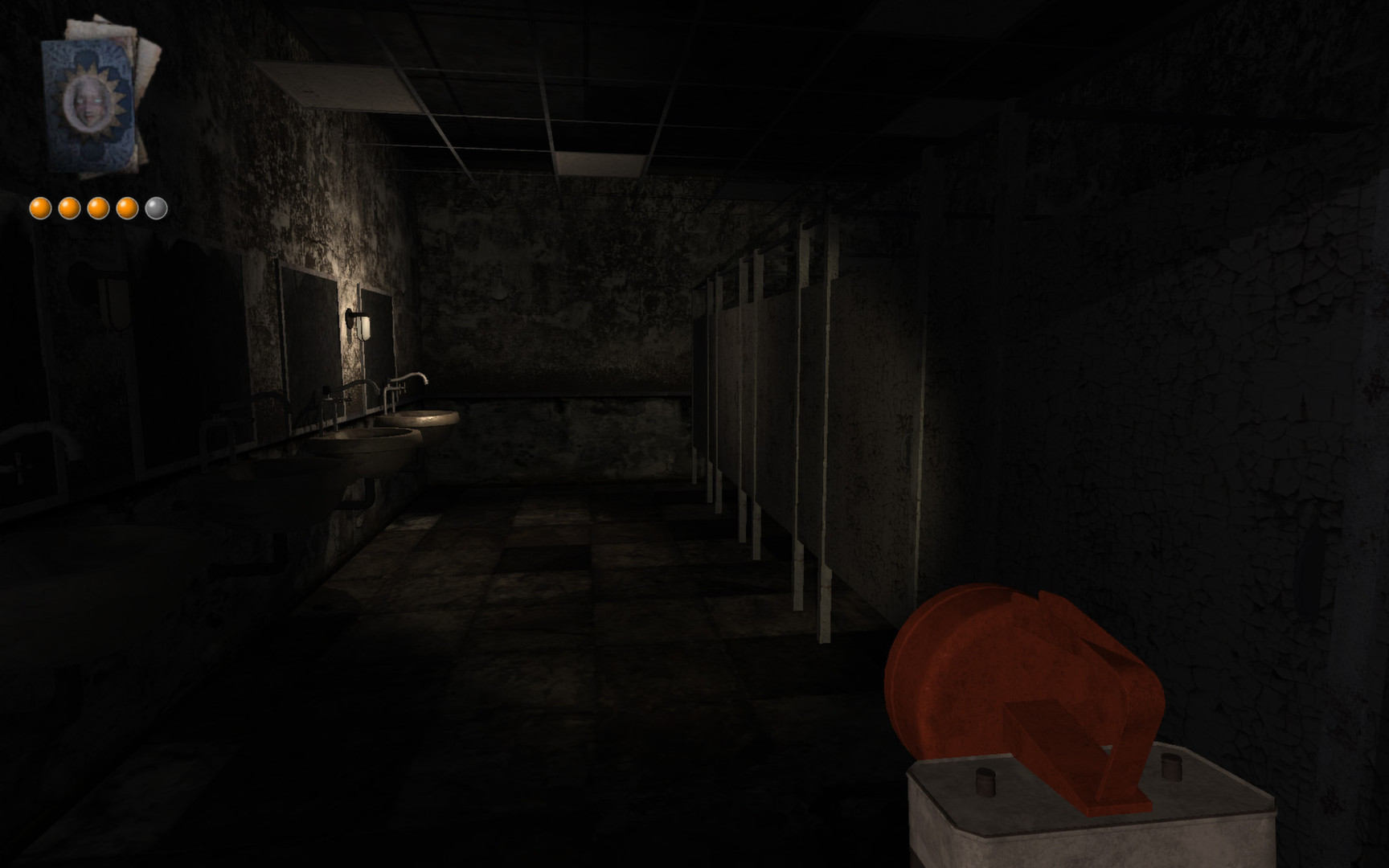
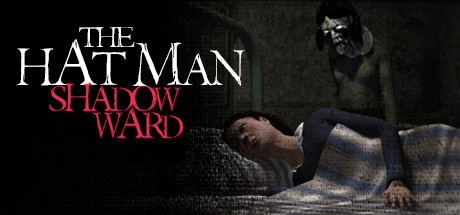
The Hat Man: Shadow Ward, developed and published by Game Mechanics LLC, is a first-person psychological horror game that takes inspiration from the folklore of the shadow people and the urban legend of the mysterious Hat Man. Set within the crumbling halls of the Canton State Insane Asylum, the game places players in the role of a desperate parent searching for their missing daughter, Virginia. The premise is simple but intriguing—an ordinary search that descends into a surreal nightmare of shifting corridors, eerie sounds, and encounters with supernatural entities that seem to feed on fear itself. What begins as a straightforward exploration quickly transforms into a descent into madness, blurring the line between psychological torment and paranormal dread. The game’s strongest element lies in its atmosphere. From the moment you step into the asylum, the sense of unease is immediate and persistent. The flickering lights, peeling paint, and endless corridors create an oppressive sense of isolation. The sound design amplifies this tension: distant footsteps, disembodied whispers, and doors creaking open just beyond your vision keep you on edge throughout the experience. The Hat Man himself is a striking presence—a tall, faceless figure with an ominous brimmed hat who appears suddenly, often accompanied by distortions or static. The encounters are unpredictable enough to evoke genuine panic, even if the underlying mechanics are relatively simple. The developers clearly understood that fear doesn’t always require elaborate systems; sometimes, it just needs the right combination of darkness, silence, and the knowledge that something is hunting you. Gameplay in The Hat Man: Shadow Ward revolves around exploration and survival. Players must collect pages from Virginia’s journal scattered throughout the asylum, piecing together fragments of the story while avoiding the shadowy entities that stalk them. There are no weapons and no means to fight back—your only tools are a flashlight and your own ability to run or evade. This design choice enhances the sense of vulnerability, forcing you to rely on observation and timing rather than aggression. The flashlight serves as both a lifeline and a liability; it’s essential for navigation but also makes you more visible to lurking threats. The game introduces light resource management, requiring players to conserve battery power while navigating the maze-like environment. Although the mechanics are basic, they succeed in maintaining tension, especially during the first few encounters with the Hat Man and his ghostly minions. The developers implemented procedural generation to ensure that each playthrough offers slightly different room layouts and item placements. In theory, this adds replayability, but in practice, it sometimes undermines the experience. The repetition of textures and architecture can make areas feel indistinguishable from one another, turning what should be a dynamic environment into a disorienting blur of sameness. While this randomness helps maintain unpredictability, it also risks player fatigue, as navigation becomes confusing rather than immersive. The level design, though serviceable, lacks the handcrafted variation needed to make exploration feel truly rewarding. You spend much of the game wandering through corridors that look and sound nearly identical, occasionally stumbling upon key items or scripted scares that push the story forward. Narratively, The Hat Man: Shadow Ward hints at intriguing ideas but never fully develops them. The game opens with a journal entry claiming to be based on true events, invoking the urban legend of the Hat Man—a shadow figure said to appear during episodes of sleep paralysis. This foundation could have provided a rich psychological horror experience, exploring the boundaries between delusion and reality. Unfortunately, the story remains superficial, told primarily through scattered notes and minimal voice acting that fails to leave a lasting impression. Players can choose to play as either the father or mother of the missing girl, but this choice changes little beyond voice lines and perspective. The emotional potential of the premise—a parent’s fear and desperation—is largely left untapped, resulting in a narrative that feels more like a backdrop for scares than a cohesive driving force. Visually, the game embraces a bleak, washed-out palette that reinforces its atmosphere of decay and dread. The low lighting and heavy shadows serve the horror aesthetic well, concealing the technical limitations of the engine while heightening suspense. The character models and textures are dated but functional, with the Hat Man himself standing out as an effectively simple design—an inhuman silhouette that feels alien in an otherwise grounded world. The game’s minimalism works in its favor to an extent; it focuses the player’s attention on sound and movement rather than spectacle. However, some technical roughness remains apparent, including occasional stuttering, awkward animations, and inconsistent collision detection that can break immersion. Despite its flaws, The Hat Man: Shadow Ward captures the essence of indie horror—raw, experimental, and driven more by atmosphere than polish. It succeeds most in its opening hour, when the player is still unsure of what to expect and the asylum feels vast and unknowable. As the experience wears on, the scares become predictable, and the lack of variety diminishes the tension that the early moments build so effectively. Still, for players who appreciate lo-fi horror and the unsettling unease of being hunted in the dark, the game offers enough tension and mystery to justify a brief playthrough. It doesn’t revolutionize the genre, but it serves as a modest reminder that fear often thrives in simplicity. Ultimately, The Hat Man: Shadow Ward is a haunting but uneven experience. It delivers a few genuinely chilling moments and an atmosphere that lingers long after the game is over, even if its execution falters under repetition and technical limitations. The concept—a shadow entity preying on isolation and fear—is strong enough to hold attention, and when the sound design, lighting, and pacing align, the game achieves flashes of real terror. For fans of indie horror who can forgive rough edges and appreciate mood over mechanics, it’s worth exploring for its eerie world and unsettling premise. It’s a game defined not by spectacle, but by its ability to make the player feel small, helpless, and watched by something that should not exist. Rating: 6/10
Expand the review