



REVEIL
REVEIL is a narrative first-person psycho-thriller game that focuses on story, puzzles and exploration. Find out what’s going on inside Walter Thompson and what his dark past at the Nelson Bros Circus has to do with it.
Sync your Steam wishlist to track the lowest game prices instantly. No login required, just paste your Steam profile URL!
⚡ Try Wishlist Radar!
Sync your Steam wishlist to track the lowest game prices instantly. No login required!
⚡ Try Wishlist Radar!
Close

House of Caravan on Steam - User reviews, Price & Information
Quick menu
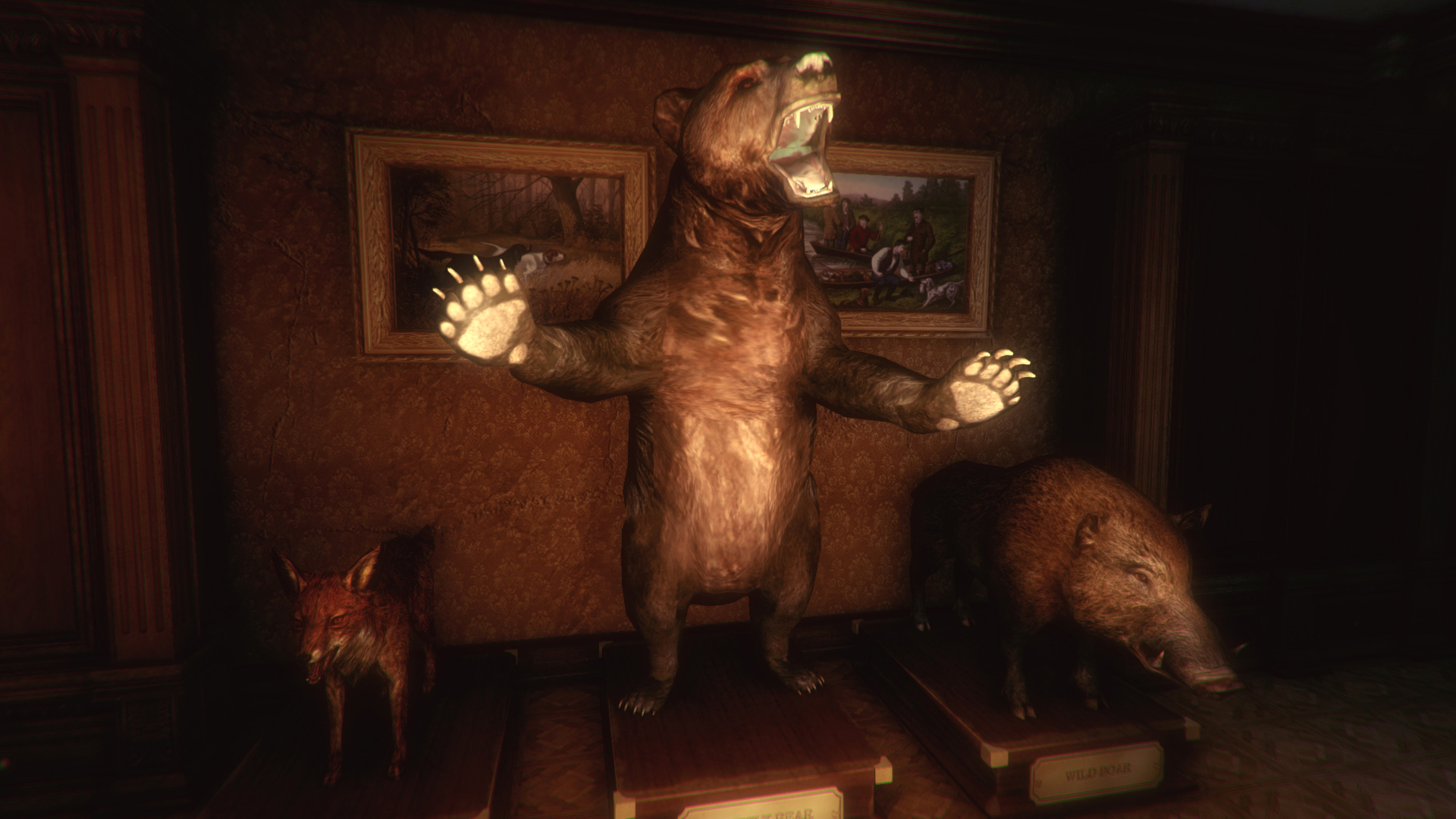
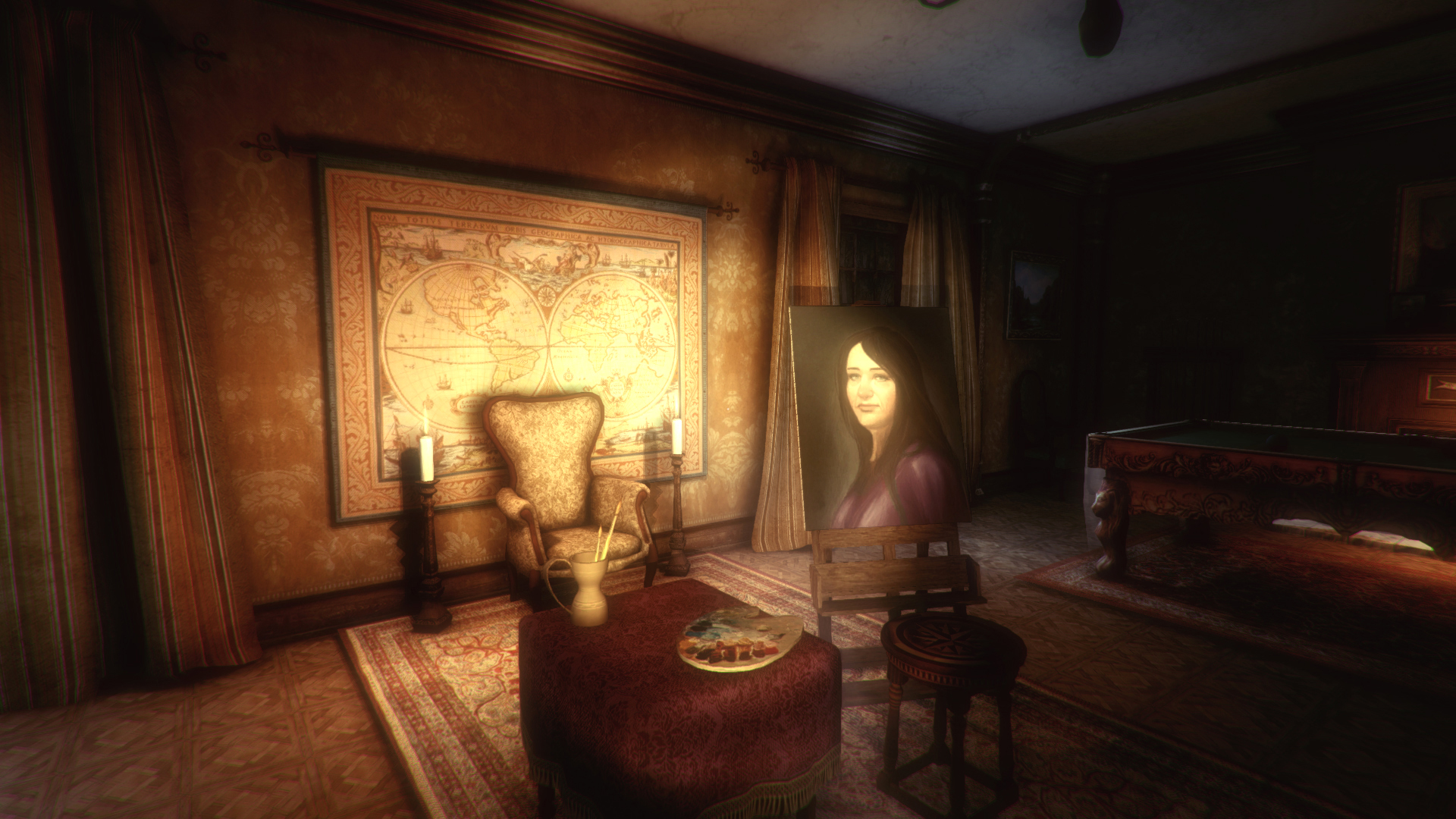
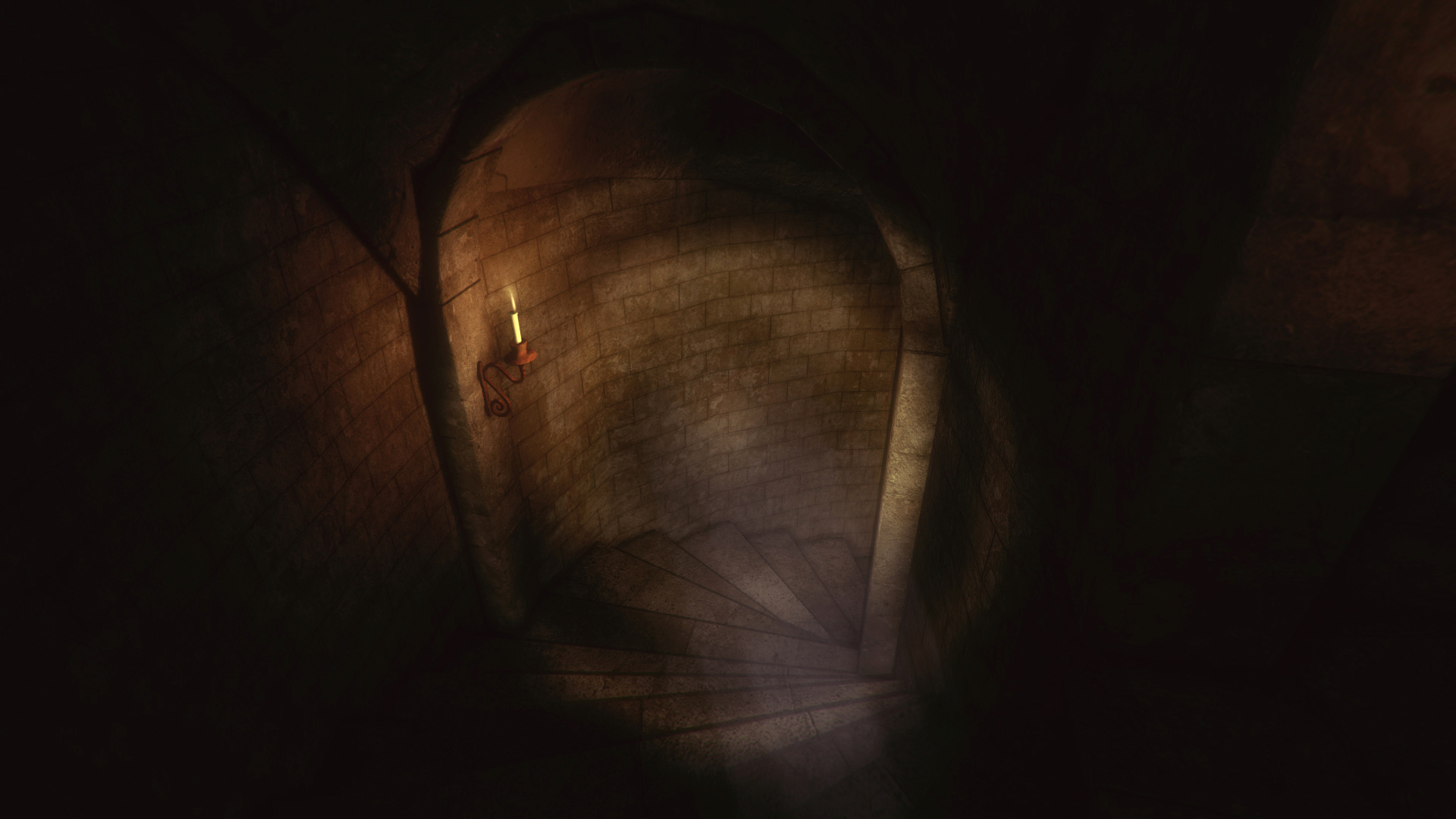
Taking place in a single mansion in Candlewood, northeast USA, in the early 20th Century, House of Caravan is a sinister adventure filled with dark secrets and vexing puzzles.
House of Caravan is a indie, horror and adventure game
developed by Rosebud Games
and published by Senpai Industrial Studios.
Released on April 16th 2015 is available on Windows and MacOS
in 7 languages: English, French, Italian, German, Spanish - Spain, Portuguese - Portugal and Russian.
It has received 793 reviews of which 537 were positive and 256 were negative resulting in a rating of 6.5 out of 10. 😐
The game is currently priced at 1.99€ on Steam, but you can find it for 0.73€ on Gamivo.
The Steam community has classified House of Caravan into these genres:
Media & Screenshots
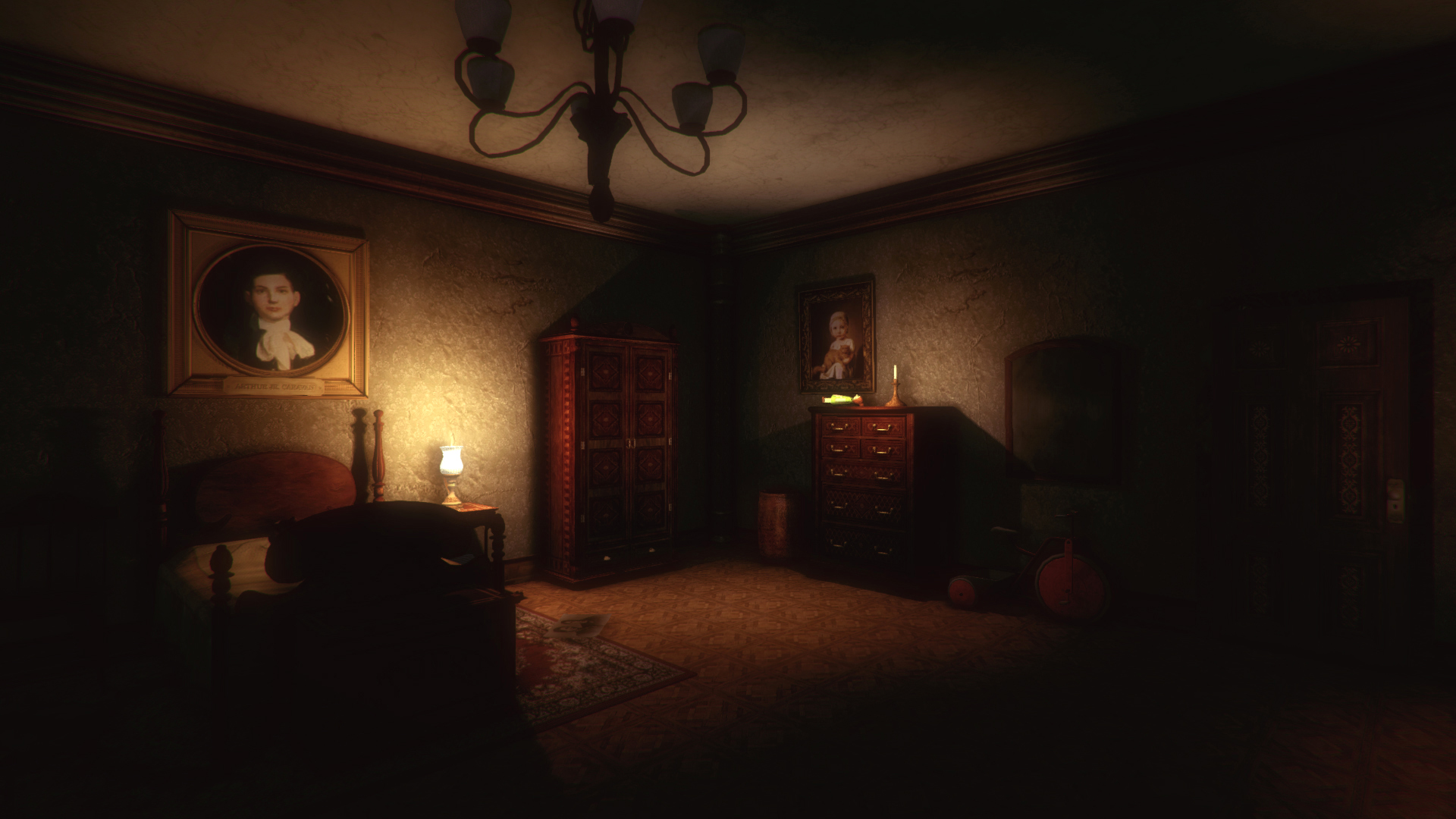
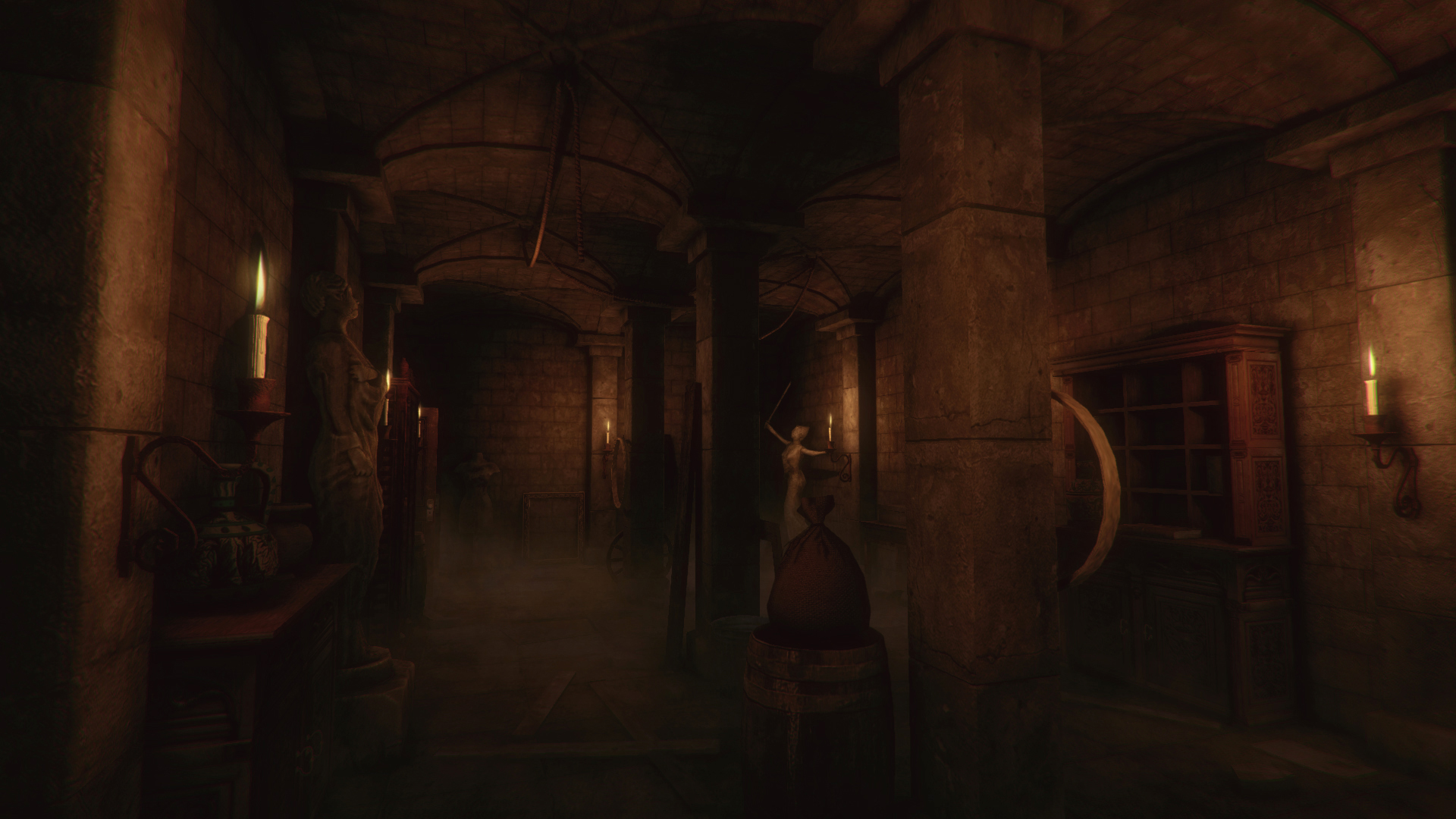
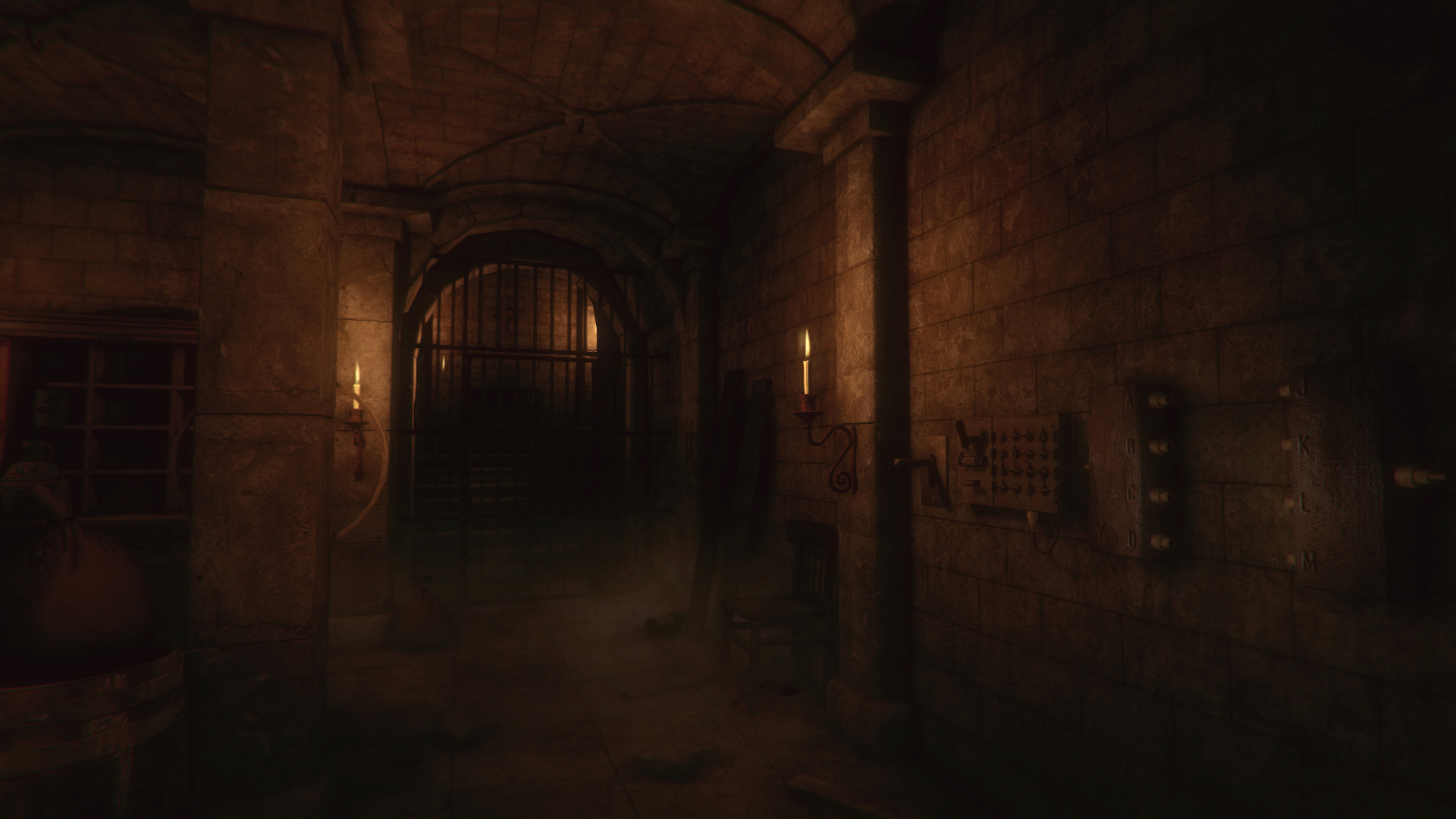
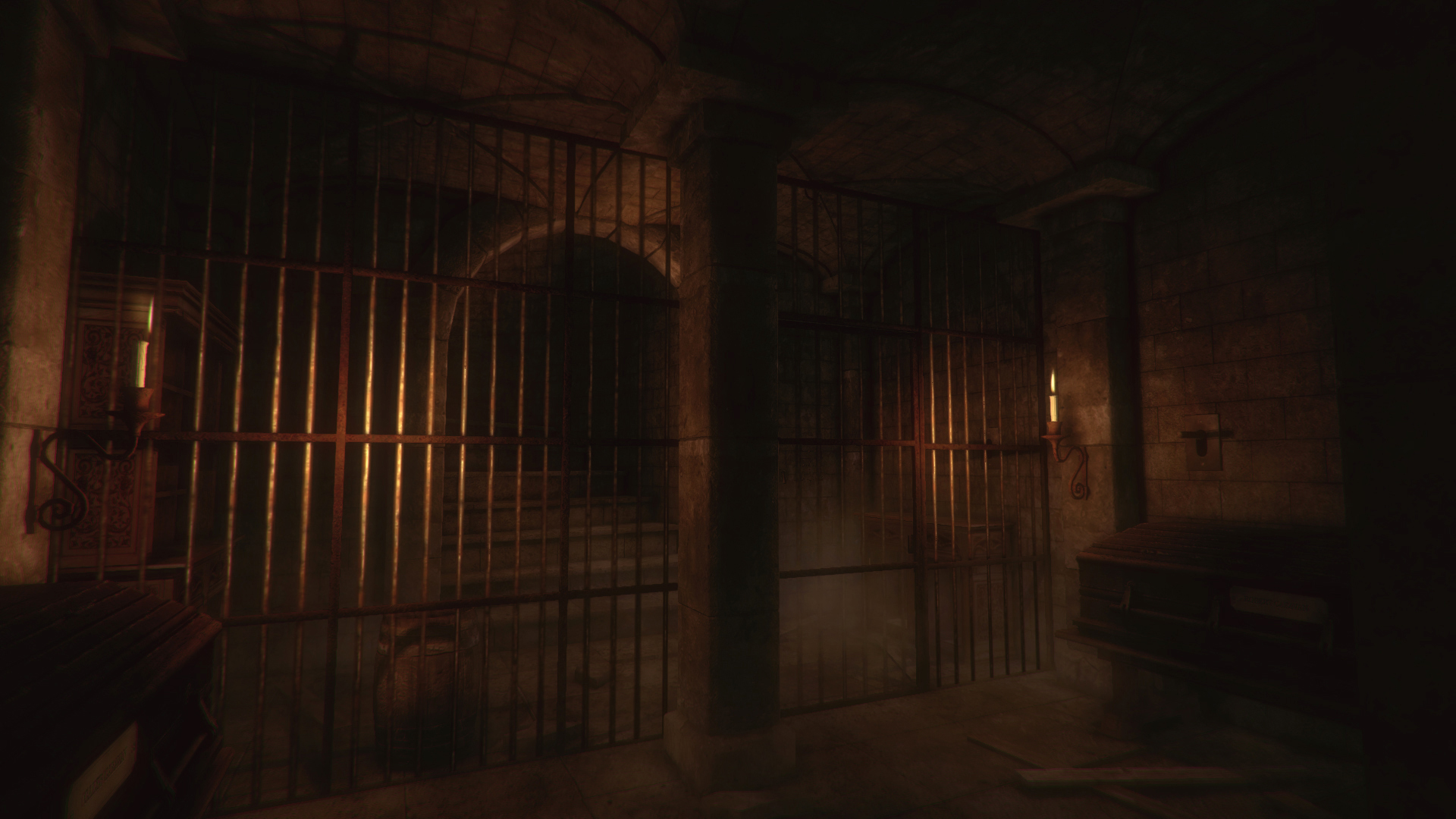
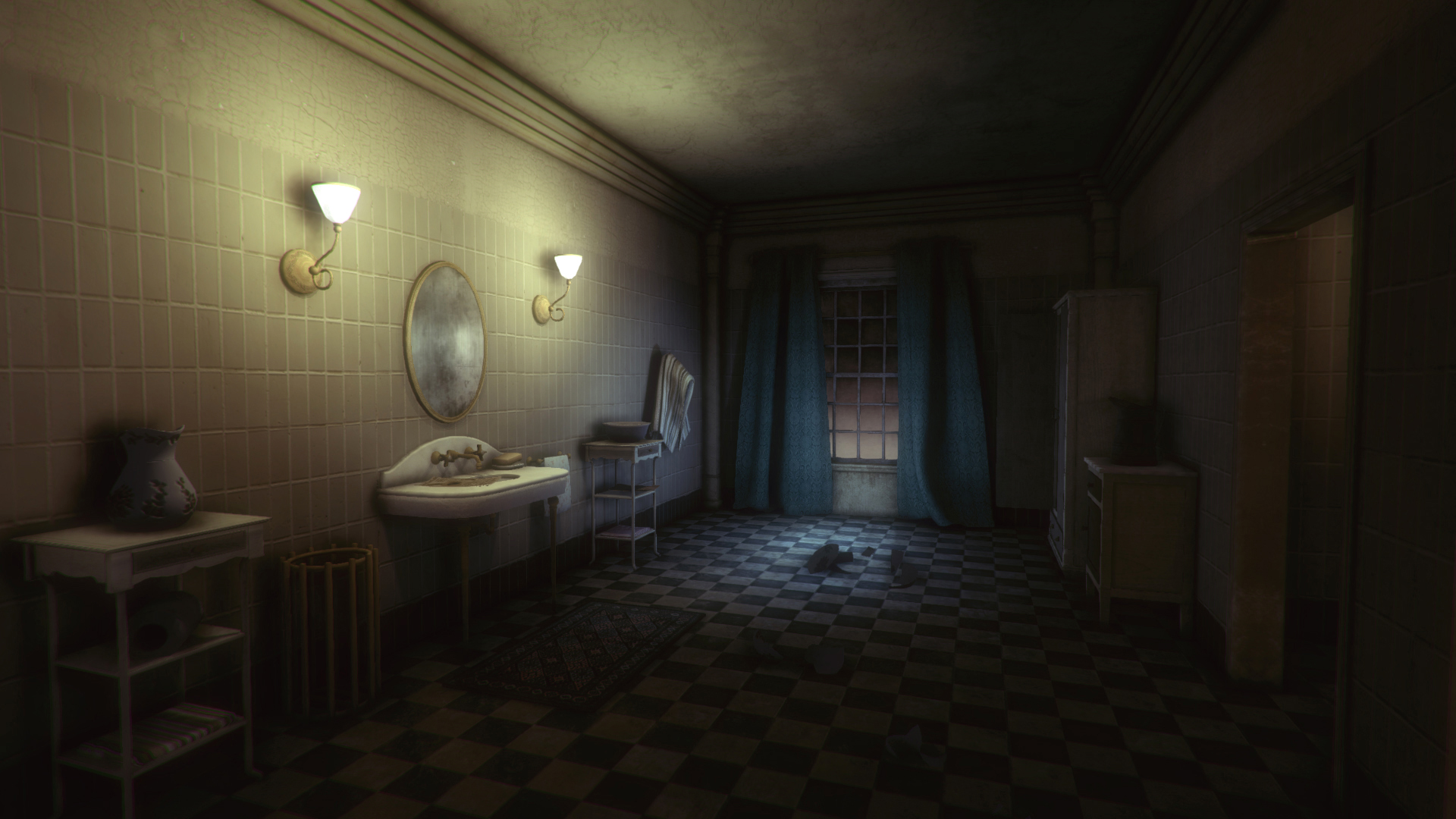
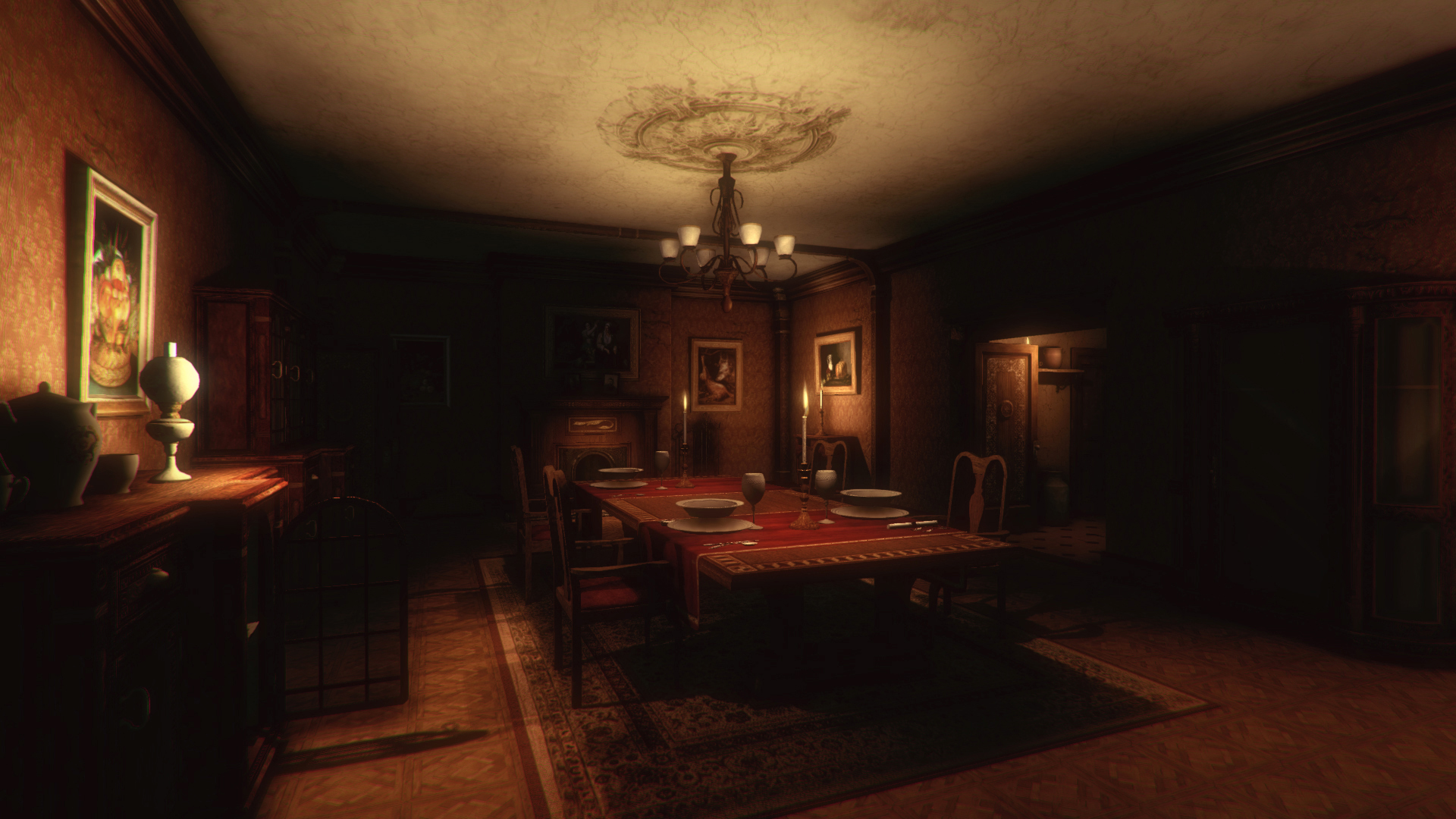
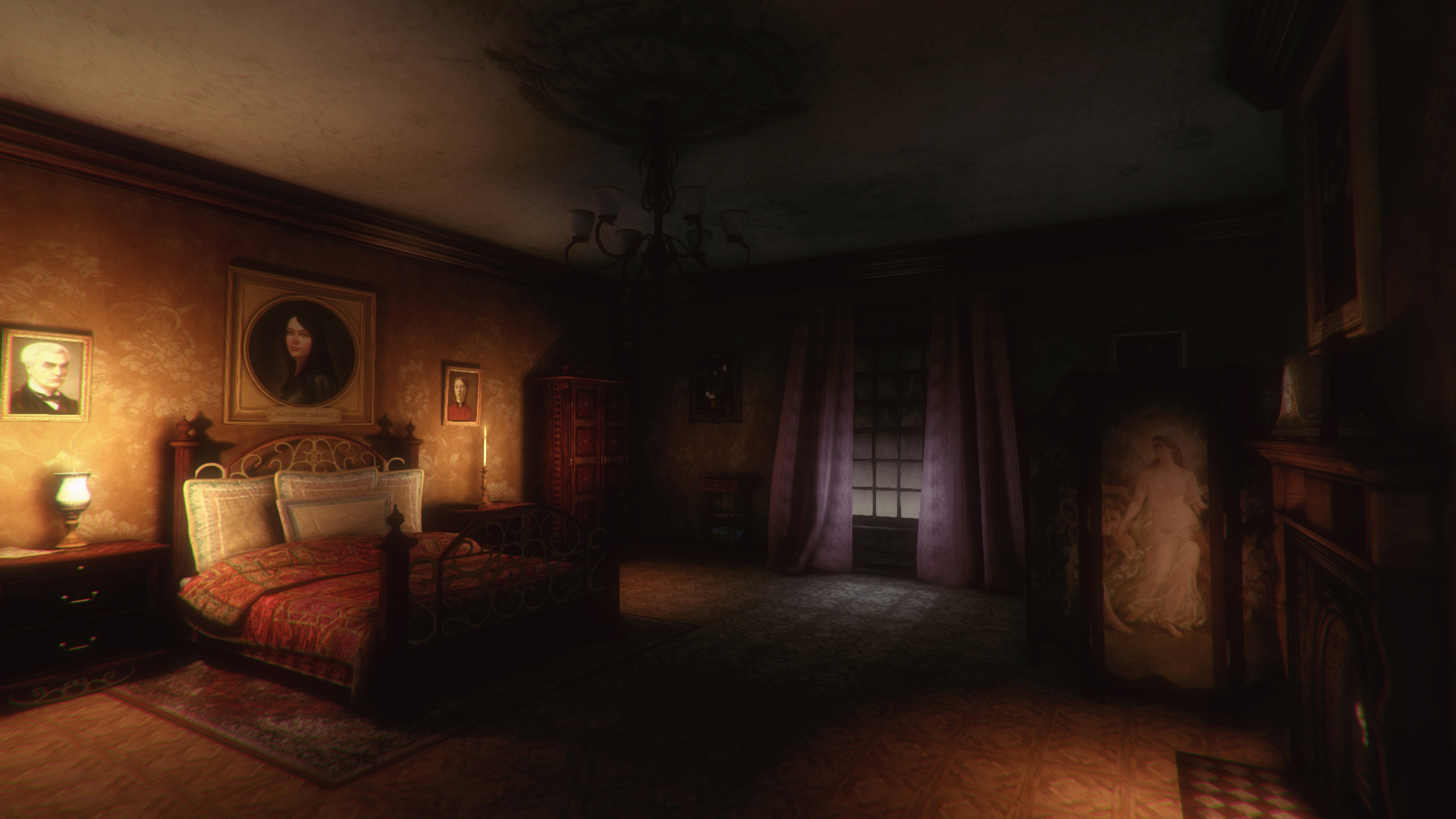
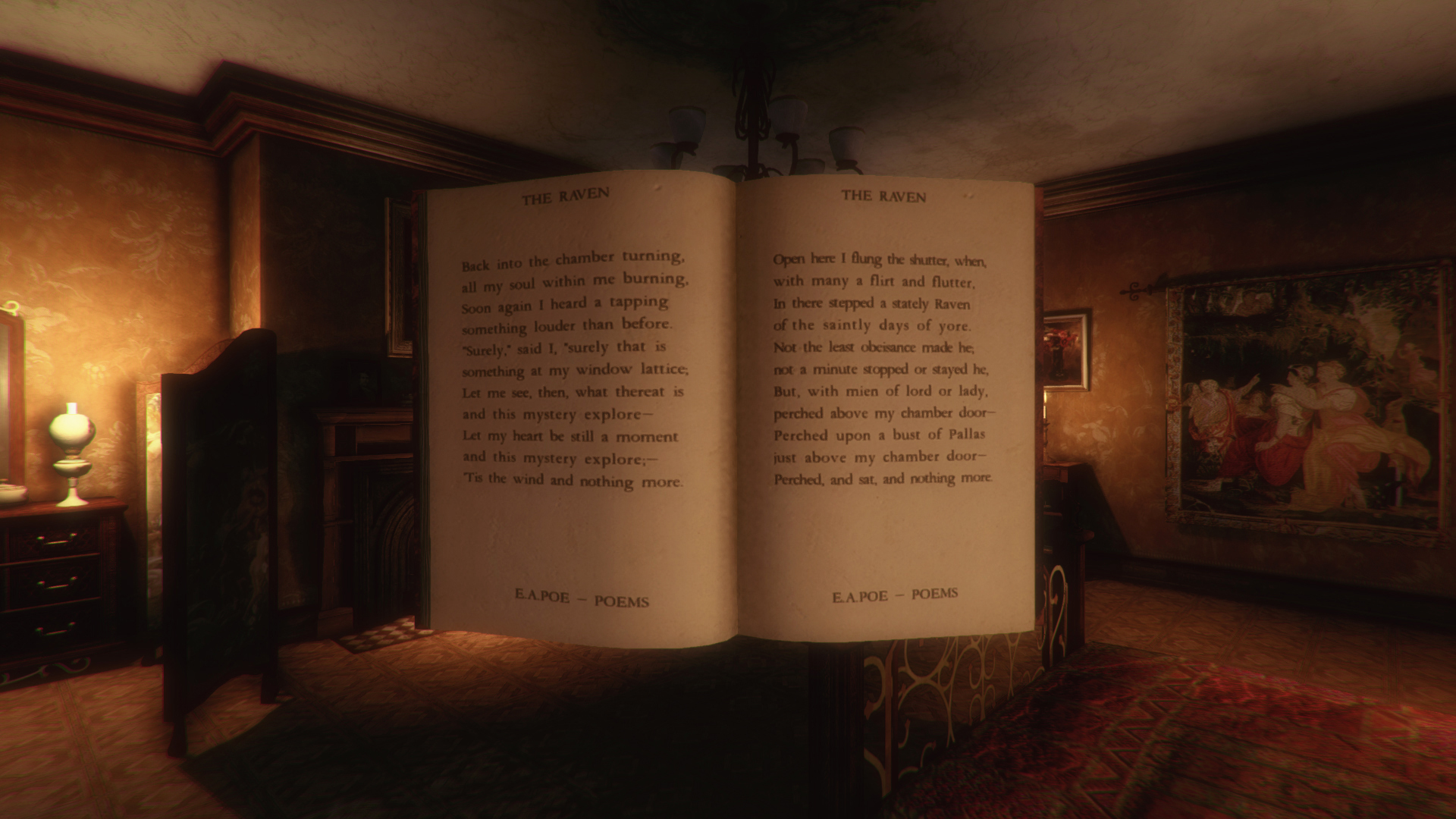
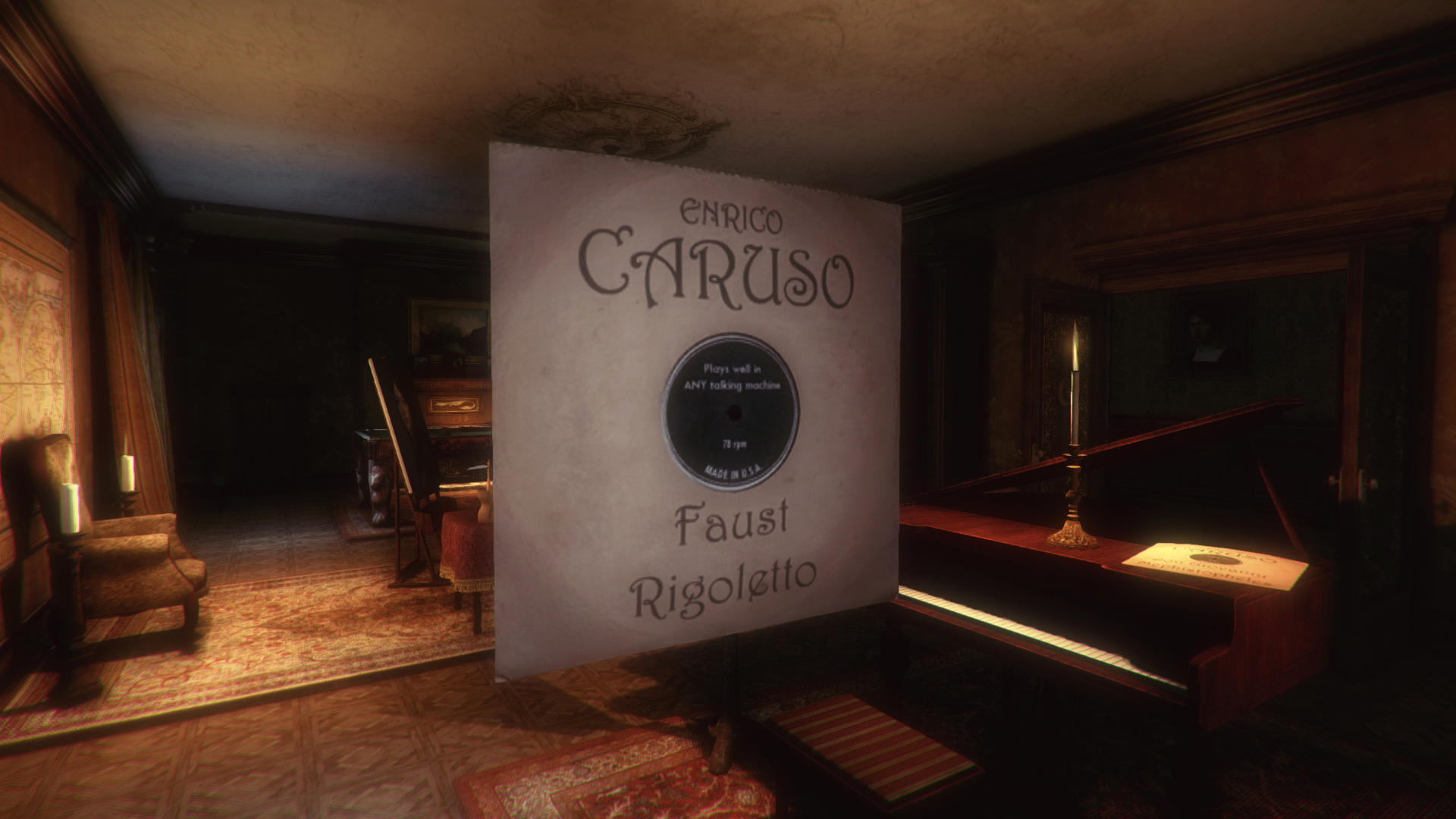
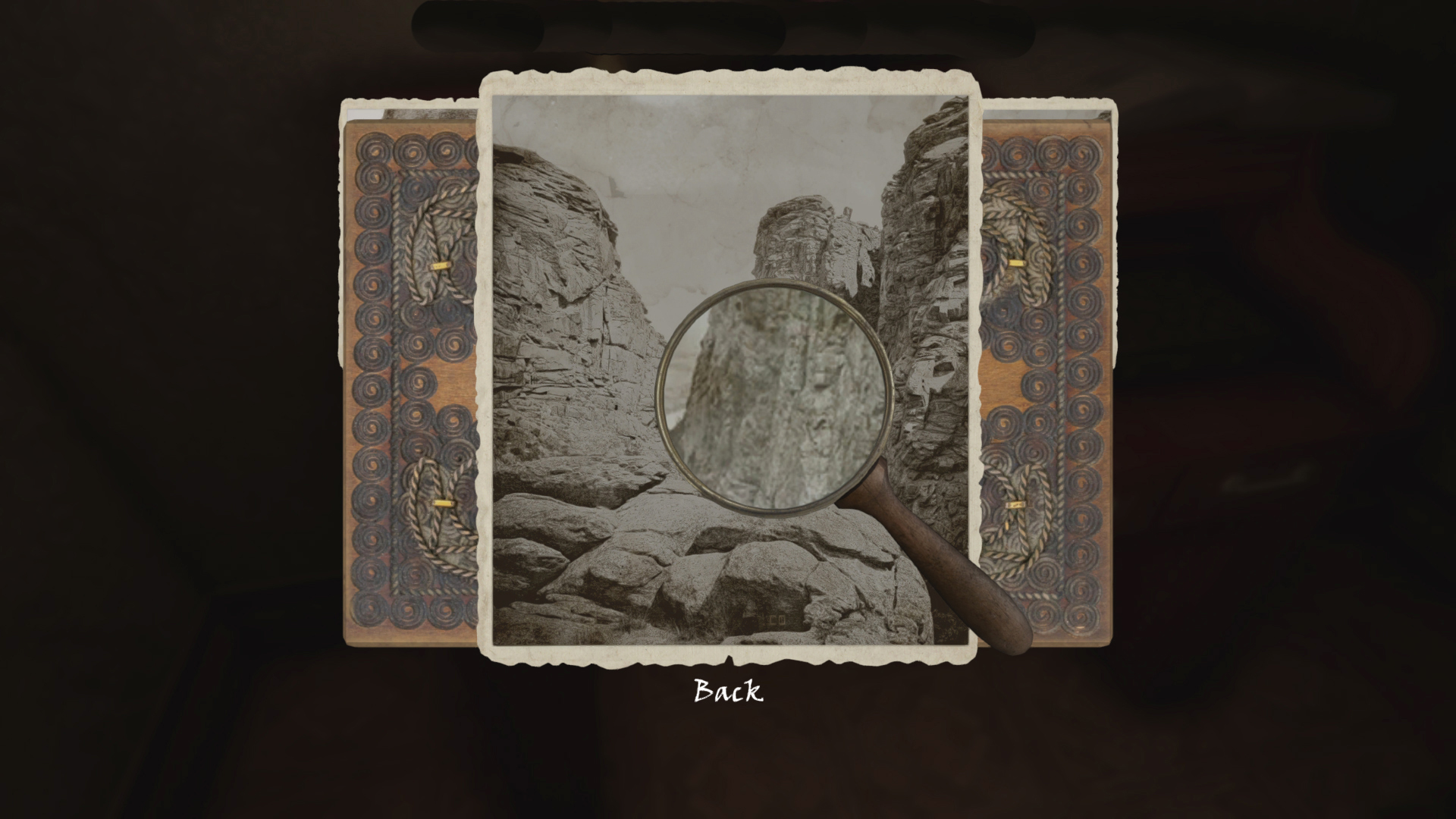
Get an in-depth look at House of Caravan through various videos and screenshots.
Load More
System requirements
These are the minimum specifications needed to play the game. For the best experience, we recommend that you verify them.
Windows
- OS *: Windows XP SP2 or higher
- Processor: Quadcore 2.40GHz
- Memory: 3 GB RAM
- Graphics: Video card with 512MB of VRAM
- DirectX: Version 9.0c
- Storage: 1 GB available space
MacOS
- OS: MAC OSX v10.6 Snow Leopard or higher
- Processor: Quadcore 2.40GHz
- Memory: 3 GB RAM
- Graphics: Video card with 512MB of VRAM
- Storage: 1 GB available space
Steam Price & Best Deals
User reviews & Ratings
Explore reviews from Steam users sharing their experiences and what they love about the game.
---{ Graphics }--- ☐ You forget what reality is ☐ Beautiful ☐ Good ☑ Decent ☐ Bad ☐ Don‘t look too long at it ☐ MS-DOS ---{ Gameplay }--- ☐ Very good ☐ Good ☑ It's just gameplay ☐ Mehh ☐ Watch paint dry instead ☐ Just don't ---{ Audio }--- ☐ Eargasm ☐ Very good ☑ Good ☐ Not too bad ☐ Bad ☐ I'm now deaf ---{ Audience }--- ☐ Kids ☐ Teens ☑ Adults ☐ Grandma ---{ PC Requirements }--- ☑ Check if you can run paint ☐ Potato ☐ Decent ☐ Fast ☐ Rich boi ☐ Ask NASA if they have a spare computer ---{ Game Size }--- ☑ Floppy Disk ☐ Old Fashioned ☐ Workable ☐ Big ☐ Will eat 15% of your 1TB hard drive ☐ You will want an entire hard drive to hold it ☐ You will need to invest in a black hole to hold all the data ---{ Difficulty }--- ☐ Just press 'W' ☑ Easy ☐ Easy to learn / Hard to master ☐ Significant brain usage ☐ Difficult ☐ Dark Souls ---{ Grind }--- ☑ Nothing to grind ☐ Only if u care about leaderboards/ranks ☐ Isn't necessary to progress ☐ Average grind level ☐ Too much grind ☐ You'll need a second life for grinding ---{ Story }--- ☐ No Story ☐ Some lore ☑ Average ☐ Good ☐ Lovely ☐ It'll replace your life ---{ Game Time }--- ☐ Long enough for a cup of coffee ☑ Short ☐ Average ☐ Long ☐ To infinity and beyond ---{ Price }--- ☐ It's free! ☐ Worth the price ☐ If it's on sale ☑ If u have some spare money left ☐ Not recommended ☐ You could also just burn your money ---{ Bugs }--- ☐ Never heard of ☑ Minor bugs ☐ Can get annoying ☐ ARK: Survival Evolved ☐ The game itself is a big terrarium for bugs ---{ ? / 10 }--- ☐ 1 ☐ 2 ☐ 3 ☐ 4 ☑ 5 ☐ 6 ☐ 7 ☐ 8 ☐ 9 ☐ 10
Before I continue, I will mention this is a rough recommend. A low recommend, if you will. In The House of Caravan, you spend the game exploring a house, you have limited lighting, and must make use of matches to light things in the environment, and a flashlight with limited battery life (I only managed to find a couple of batteries during the game). You mostly go around, looking and collecting items for puzzles, and keys to unlock doors. It's a first-person adventure game where you freely walk around, and has some slight horror tones, though nothing particularly scary happens (there's two light jump scares and some strange audio cues at points, and the house starts shaking at random intervals, but nothing particularly spooky happens from it).
A special thanks to the developers for making such an amazing game. The atmosphere in House of Caravan scratches all the itchs of the Edwardian era. The puzzles is well made and well thought, made me rethink many times in an enjoyable way. I also had fun breaking and throwing every single thing insight deemed unimportant hahahaha.
House of Caravan, developed by Rosebud Games and published by Senpai Industrial Studios, is a compact first-person exploration and puzzle title that immerses the player in a foreboding, early twentieth-century mansion filled with secrets, decay, and eerie stillness. The story begins with a simple but unsettling premise: a young boy named Lester Barnard is abducted while walking home from school and awakens in a strange, candlelit manor. With no memory of how he arrived and no idea who took him, the player must explore the house room by room, piecing together clues, solving environmental puzzles, and uncovering the grim truth hidden behind its locked doors. What follows is a slow, atmospheric experience that places more emphasis on unease and curiosity than on overt horror, relying on mood and subtle storytelling to pull you in. The atmosphere of House of Caravan is easily its strongest asset. Every room in the mansion is meticulously constructed to evoke a sense of quiet dread—creaking floors, heavy wooden furniture, dust motes suspended in candlelight, and the lingering suggestion that something terrible once happened here. The game’s art direction leans toward realism but with slightly exaggerated textures that make the environment feel both believable and uncanny. It doesn’t bombard the player with jump scares or monsters; instead, it cultivates tension through isolation and uncertainty. The subdued color palette of browns, grays, and muted golds, combined with carefully placed light sources, gives the game an antique, almost painterly quality. Exploration becomes an exercise in patience and observation as the silence of the house amplifies every small sound—the flick of a match, the creak of a door, the distant rumble of thunder. The result is a convincing sense of immersion that recalls the unsettling stillness of classic gothic horror literature. Gameplay in House of Caravan follows a familiar pattern for fans of first-person exploration adventures, often referred to as “walking simulators.” Players navigate through interconnected rooms, searching drawers, unlocking doors, and collecting key items to advance. The puzzles are simple but fitting within the world—connecting circuits, aligning mechanisms, or locating hidden keys to open secret chambers. Each challenge is grounded in the environment and tied to the house’s logic, which prevents them from feeling arbitrary. However, their simplicity may disappoint players looking for deeper or more inventive mechanics. Much of the game involves exploring for exploration’s sake, slowly uncovering fragments of information that shed light on the mansion’s inhabitants. These moments are strengthened by environmental storytelling—books, letters, and objects scattered throughout hint at a family steeped in tragedy and moral corruption. This restrained approach to narrative encourages players to piece the story together at their own pace, making discovery itself the game’s central reward. Despite its potential, House of Caravan is ultimately constrained by its brevity and lack of mechanical depth. The entire experience can be completed in under two hours, and while the setting is rich with atmosphere, there is little variation in what you do. Once you’ve grown accustomed to the slow pace of opening drawers, reading notes, and turning keys, the rhythm begins to feel repetitive. The mansion is impressively detailed, but the exploration never evolves beyond its initial loop—there are no new mechanics introduced, no escalating sense of threat, and little narrative payoff. The story’s resolution, while intriguing in concept, arrives abruptly and leaves many questions unanswered. The game clearly aspires to deliver a psychological mystery, but its limited scope prevents it from delving into its themes with real complexity. Instead, it ends just as the tension begins to build, leaving the player with the sense of having glimpsed the surface of something deeper that was never fully explored. The sound design and music, though minimal, play an important role in maintaining the game’s mood. The near absence of a soundtrack allows ambient noises to dominate—crackling fires, echoing footsteps, and the soft hum of electricity are all rendered with care. When music does emerge, it’s subtle and melancholic, heightening the tension without overwhelming it. Voice acting appears in sparse moments, but performances are inconsistent, sometimes breaking the immersion rather than enhancing it. Technically, the game runs smoothly and its minimalistic design ensures accessibility on a wide range of hardware, though small physics glitches and occasional clipping can disrupt the immersion. Interacting with objects can feel clunky at times, with collision detection that causes items to behave oddly when manipulated. These flaws don’t cripple the experience, but they reveal the limitations of the game’s budget and scope. What lingers most after playing House of Caravan is its atmosphere. Rosebud Games succeeds in crafting a setting that feels lived in and haunted by memory, even if the actual horrors remain unseen. It’s a game that thrives on anticipation—the fear of what might be lurking behind a door rather than what actually appears. This slow-burn approach won’t appeal to everyone; players expecting a more traditional horror experience with danger or chase sequences will find the experience too subdued. But for those who appreciate moody, introspective storytelling in the vein of Gone Home or Amnesia: A Machine for Pigs, there’s something hauntingly compelling about its restrained design. It’s a game that invites you to linger, to examine the small details, and to draw your own conclusions about the strange events that transpired within the house. Ultimately, House of Caravan is an atmospheric experiment that shines in tone and setting but falters in substance. Its haunting environment and carefully paced exploration make it an enjoyable short experience, but its lack of narrative development and depth leaves it feeling incomplete. The game captures the essence of isolation and curiosity that defines classic gothic fiction, yet it never fully transforms those elements into a memorable or emotionally resonant story. Still, for players who enjoy slow-paced exploration games and value ambiance over complexity, House of Caravan offers a brief but evocative escape into a world of candlelit mystery and quiet dread—a ghost story told not through screams or specters, but through the weight of silence in an empty, echoing house. Rating: 6/10
Similar games
View all

Aporia: Beyond The Valley
CRYNEGINE Indie Game of 2017. Featuring an incredibly detailed ancient world and a breathtaking soundtrack, Aporia: Beyond the Valley takes open world storytelling to new heights of adventure.

Among the Sleep - Enhanced Edition
Among the Sleep: Enhanced Edition is a new and improved version of the award winning first person horror adventure. In the game you play as a small child trapped in a weird nightmare where you go looking for your mom.

The Music Machine
A teenage girl and the vengeful ghost possessing her stumble onto horrors of cosmic proportions as the latter searches for a way to murder the former.

The Guest
'The Guest' is a gloomy adventure full of enigmas where the exploration of your surroundings comes to prominence; puzzles, secrets and riddles will help you discover who has locked you in this somber hotel room and most importantly, why.

OH DEMON! Fix my TV
In this horror, comedy, and puzzle game, you will play as a demon summoned by an old woman to fix her television, sending you on an adventure beyond all reason.

The Final Take
Relive dark footage recorded from the perspective of multiple characters in this unique first person horror.

Penumbra Overture
Penumbra: Overture is a first person survival horror game, emphasizing on survival and problem solving instead of mindless violence and gore.
The Hat Man: Shadow Ward
Based on a true story, discover the horror of the Canton insane asylum as you attempt to rescue your daughter. Experience the scariest game of 2014.

Doorways: Prelude
Doorways is an immersive horror adventure, featuring a complex story and deep atmosphere.

Perception
An award-winning narrative thriller about a blind woman’s journey to uncover the truth about the mansion from her nightmares, or else become one of its victims.

Ether One
Ether One is a first person adventure that deals with the fragility of the human mind. There are two paths in the world you can choose from. At its core is a story exploration path free from puzzles where you can unfold the story at your own pace.
Frequently Asked Questions
House of Caravan is currently priced at 1.99€ on Steam.
No, House of Caravan is currently not on sale. You can purchase it for 1.99€ on Steam.
Yes, House of Caravan received 537 positive votes out of a total of 793 achieving a rating of 6.53.
😐
House of Caravan was developed by Rosebud Games and published by Senpai Industrial Studios.
Yes, House of Caravan is playable and fully supported on Windows.
Yes, House of Caravan is playable and fully supported on MacOS.
No, House of Caravan is not playable on Linux.
This information about House of Caravan is not available yet.
This information about House of Caravan is not available yet.
No, House of Caravan does not support VR.
House of Caravan is a single-player game.
No, House of Caravan does not currently offer any DLC.
No, House of Caravan does not support mods via Steam Workshop.
No, House of Caravan does not support Steam Remote Play.
Yes, House of Caravan is enabled for Steam Family Sharing. This means you can share the game with authorized users from your Steam Library, allowing them to play it on their own accounts. For more details on how the feature works, you can read the original Steam Family Sharing announcement or visit the Steam Family Sharing user guide and FAQ page.
You can find solutions or submit a support ticket by visiting the Steam Support page for House of Caravan.
Data sources
The information presented on this page is sourced from reliable APIs to ensure accuracy and relevance. We utilize the Steam API to gather data on game details, including titles, descriptions, prices, and user reviews. This allows us to provide you with the most up-to-date information directly from the Steam platform.
Additionally, we incorporate data from the SteamSpy API, which offers insights into game sales and player statistics. This helps us present a comprehensive view of each game's popularity and performance within the gaming community.
Last Updates| Steam data | 24 August 2026 14:17 UTC |
|---|---|
| SteamSpy data | 06 September 2026 08:10 UTC |
| Steam price | 12 September 2026 18:45 UTC |
| Steam reviews | 11 September 2026 21:51 UTC |
If you'd like to dive deeper into the details about House of Caravan, we invite you to check out a few dedicated websites that offer extensive information and insights. These platforms provide valuable data, analysis, and user-generated reports to enhance your understanding of the game and its performance.
- SteamDB - A comprehensive database of everything on Steam about House of Caravan
- SteamCharts - Analysis of House of Caravan concurrent players on Steam
- ProtonDB - Crowdsourced reports on Linux and Steam Deck House of Caravan compatibility
Game modes
Features
Online players
1
Developer
Rosebud Games
Publisher
Senpai Industrial Studios
Release
16 Apr 2015
Platforms
Clicking and buying through these links helps us earn a commission to maintain our services.