Qbeh-1: The Atlas Cube
A serene first-person puzzle platformer set across strikingly beautiful worlds. Place and remove cubes to solve handcrafted puzzles, discover hidden secrets, and lose yourself in an atmosphere unlike anything else. Includes a full level editor and Steam Workshop support.
Sync your Steam wishlist to find the lowest game prices instantly. No login required, just paste your Steam profile URL!
⚡ Try Wishlist Radar!
Sync your Steam wishlist to find the lowest game prices instantly. No login required!
⚡ Try Wishlist Radar!
Close

The Star Named EOS on Steam
Quick menu
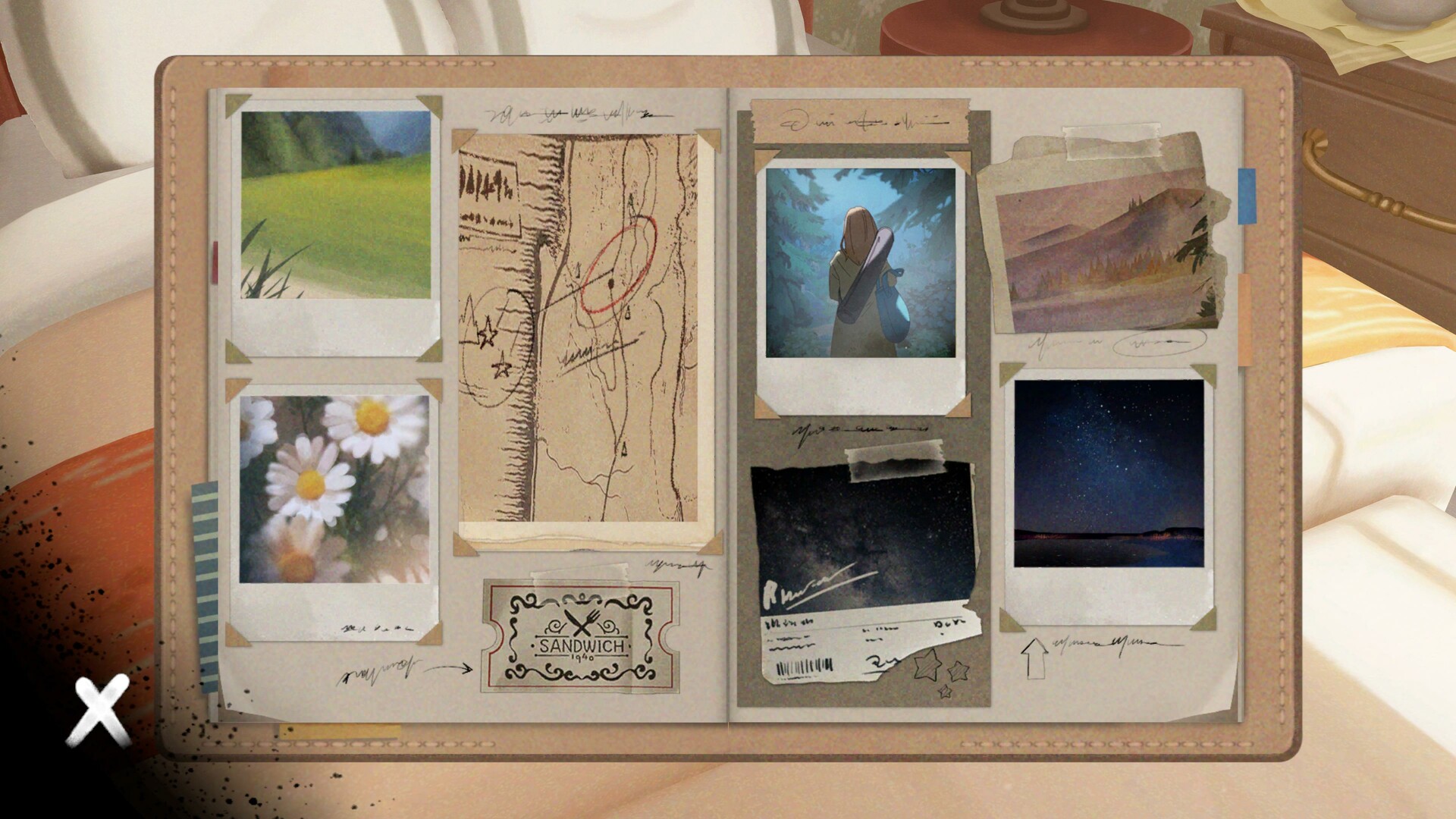
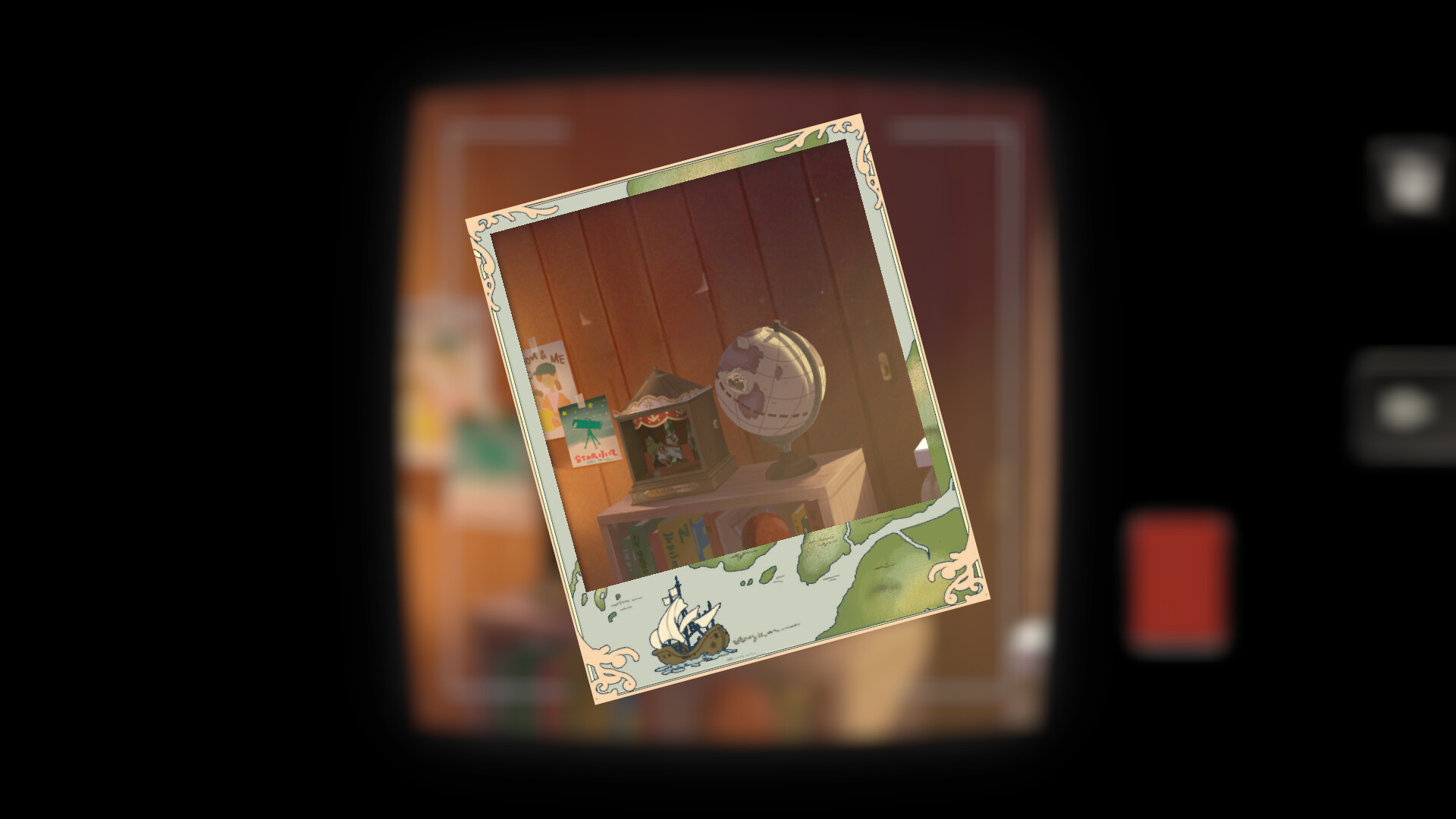
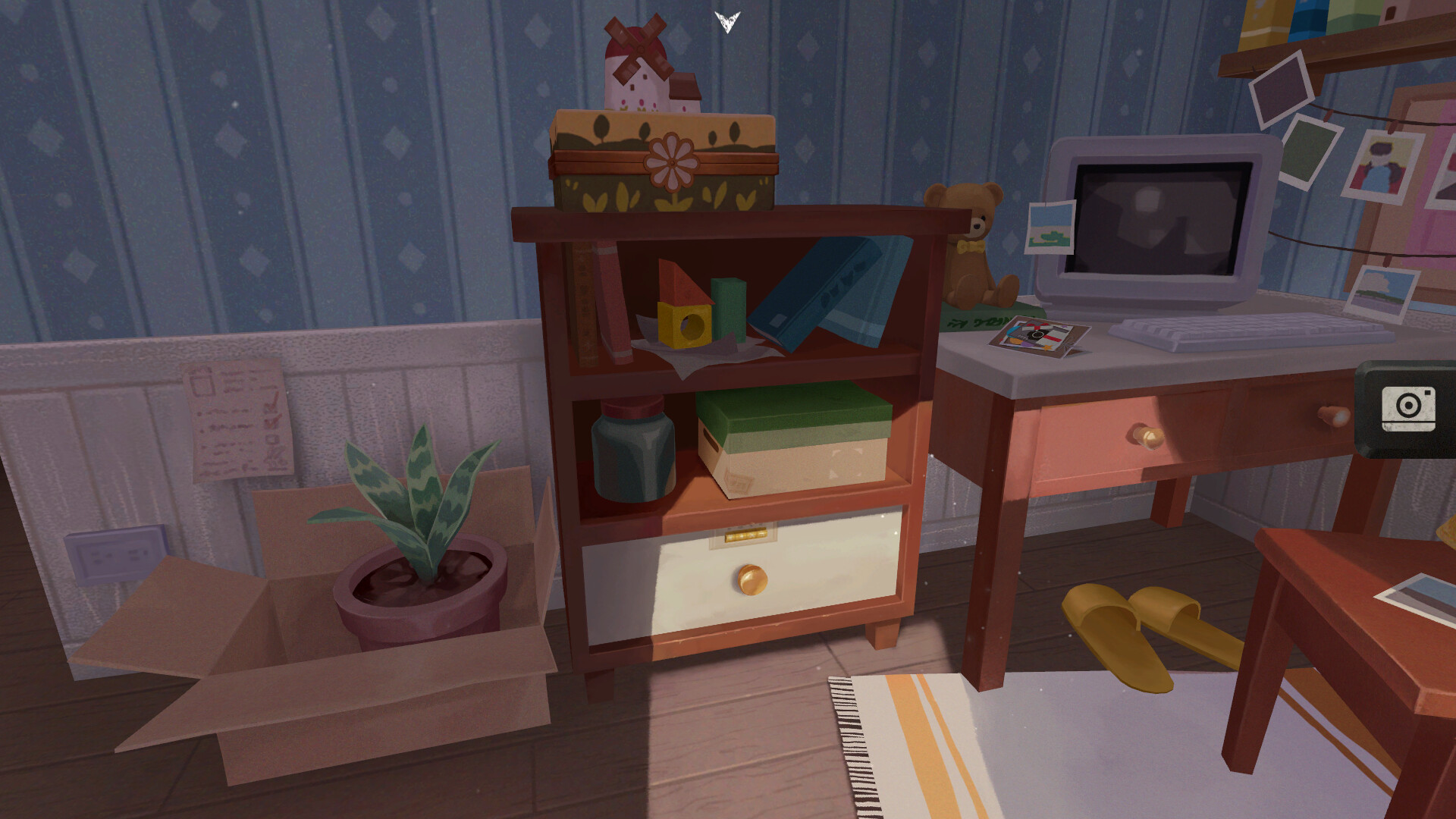
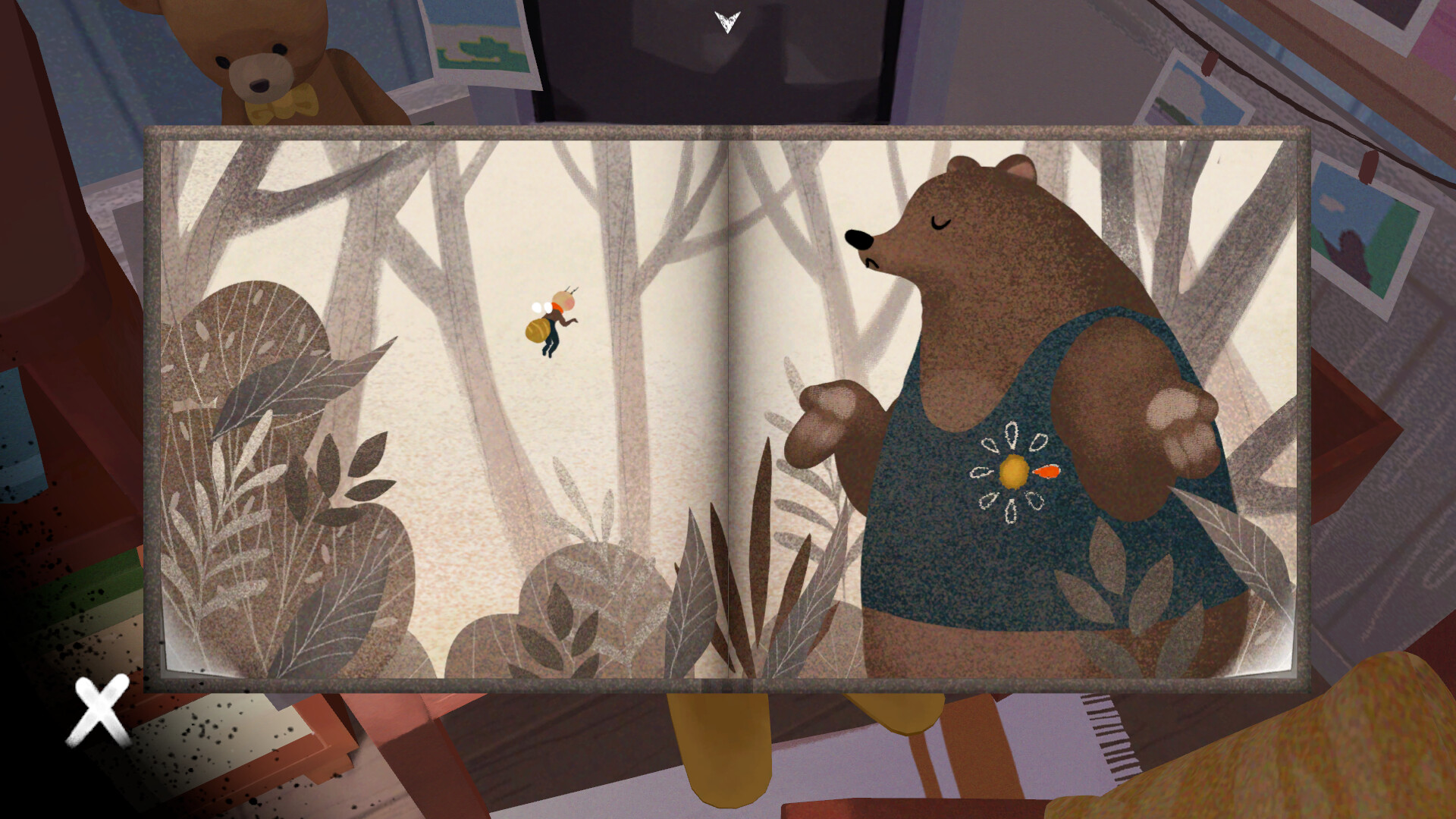
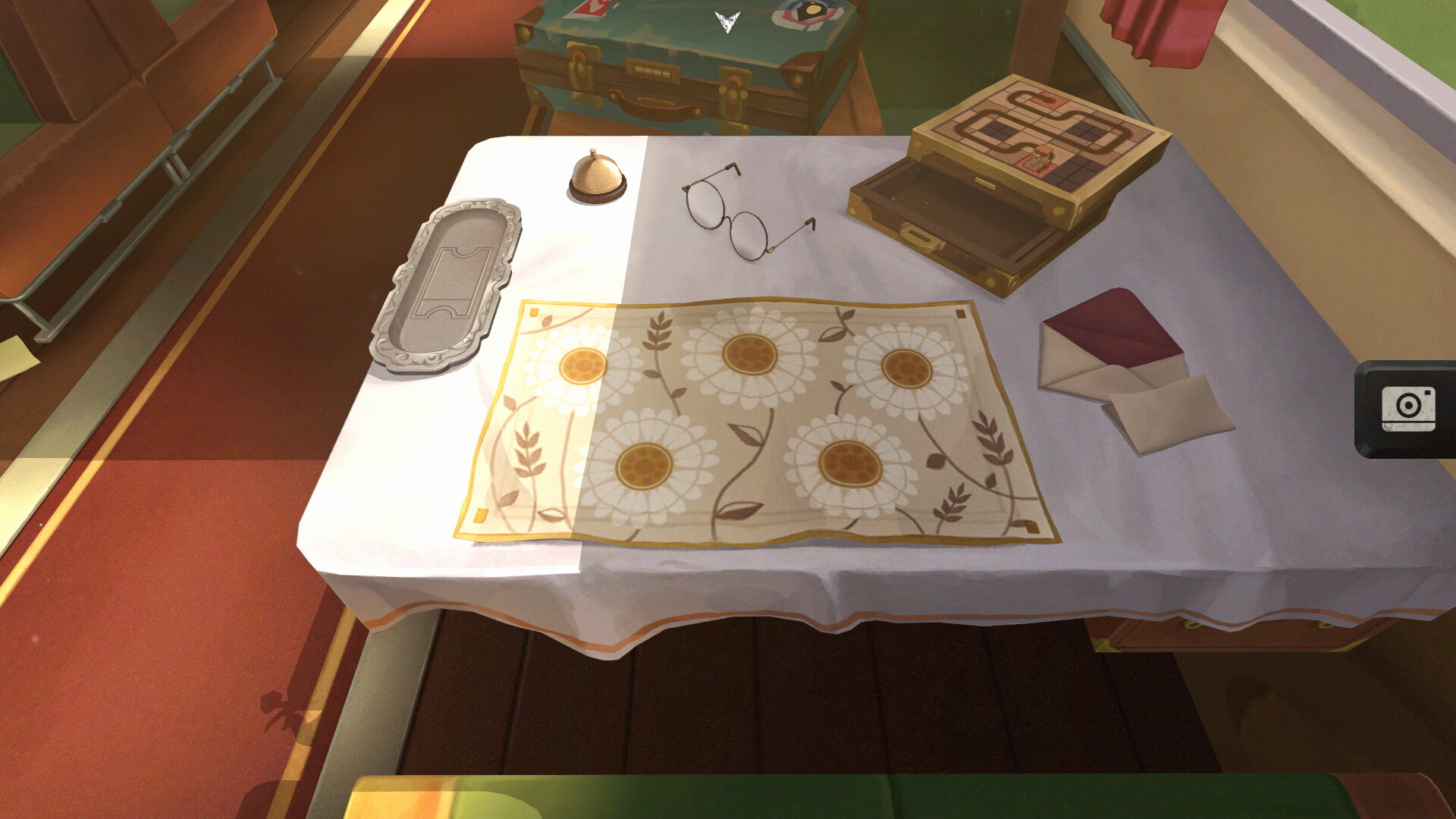
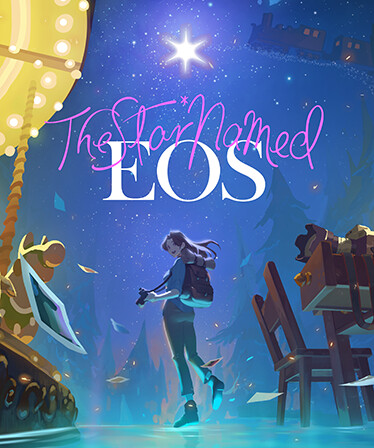
The Star Named EOS is a story-rich puzzle adventure built around photography. Recreate compositions of past photos to uncover the truth of a family mystery. Experience a harmonious mixture of beautiful hand-drawn art and engaging puzzles on a journey of reminiscence.
The Star Named EOS is a first-person, anime and casual game
developed by Silver Lining Studio
and published by PLAYISM.
Released on July 22nd 2024 is available on Windows, MacOS, Steam Deck and Steam Machine
in 11 languages: English, Traditional Chinese, Japanese, French, Italian, German, Spanish - Spain, Russian, Simplified Chinese, Korean and Ukrainian.
It has received 518 reviews of which 487 were positive and 31 were negative resulting in a rating of 8.7 out of 10. 😎
The game is currently priced at 14.99€ on Steam, but you can find it for 0.90€ on Eneba.
The Steam community has classified The Star Named EOS into these genres:
First-Person
Anime
Casual
Hidden Object
Atmospheric
360 Video
Puzzle
Hand-drawn
Indie
Singleplayer
Adventure
Stylized
Point & Click
Short
Story Rich
Exploration
Interactive Fiction
Surreal
Relaxing
Linear
Here is the detailed breakdown of supported languages for The Star Named EOS:
| UI | Subtitle | Audio | |
|---|---|---|---|
| English | |||
| German | |||
| French | |||
| Italian | |||
| Korean | |||
| Spanish - Spain | |||
| Simplified Chinese | |||
| Traditional Chinese | |||
| Russian | |||
| Japanese | |||
| Ukrainian |
Media & Screenshots
Get an in-depth look at The Star Named EOS through various videos and screenshots.
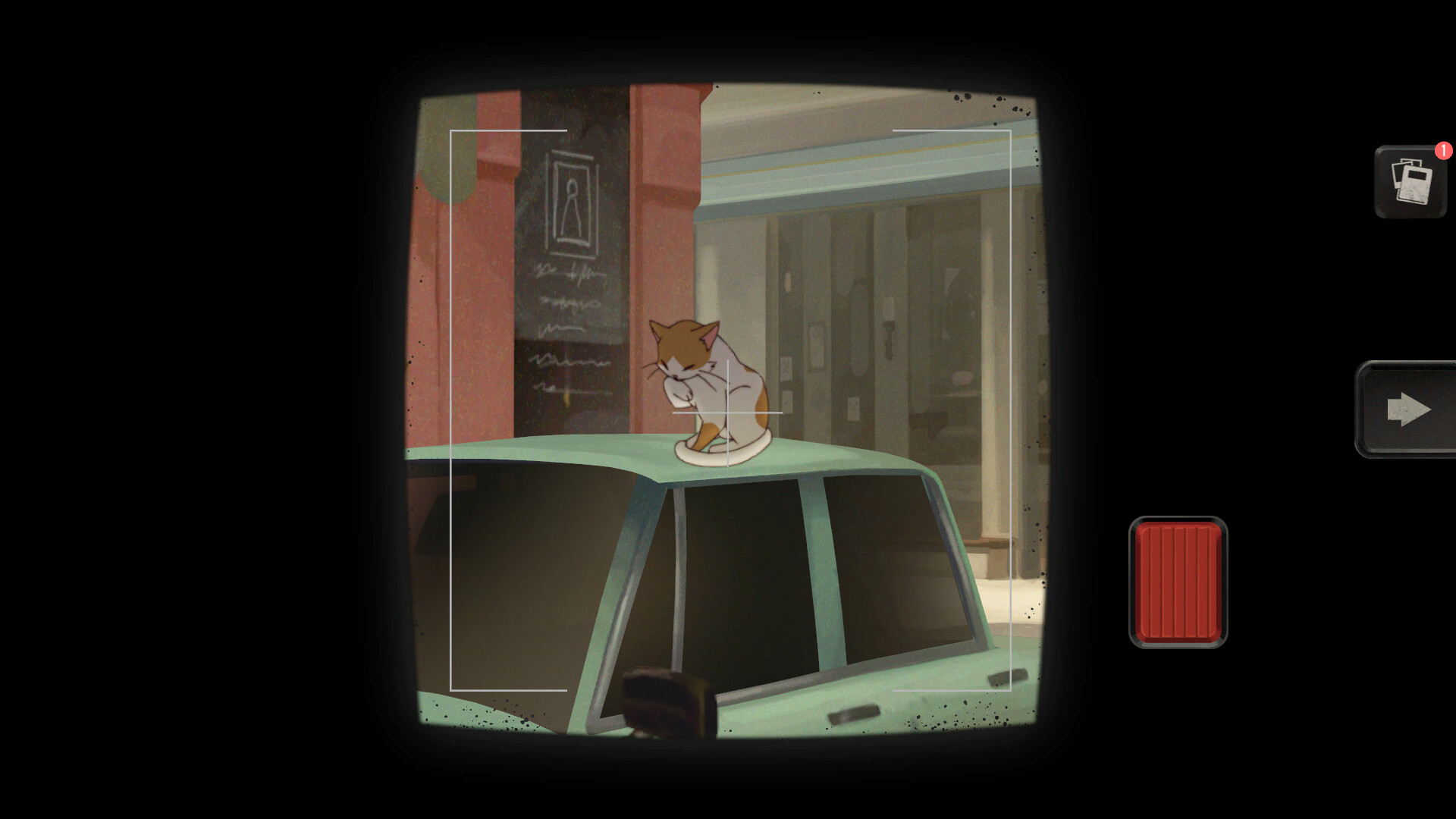
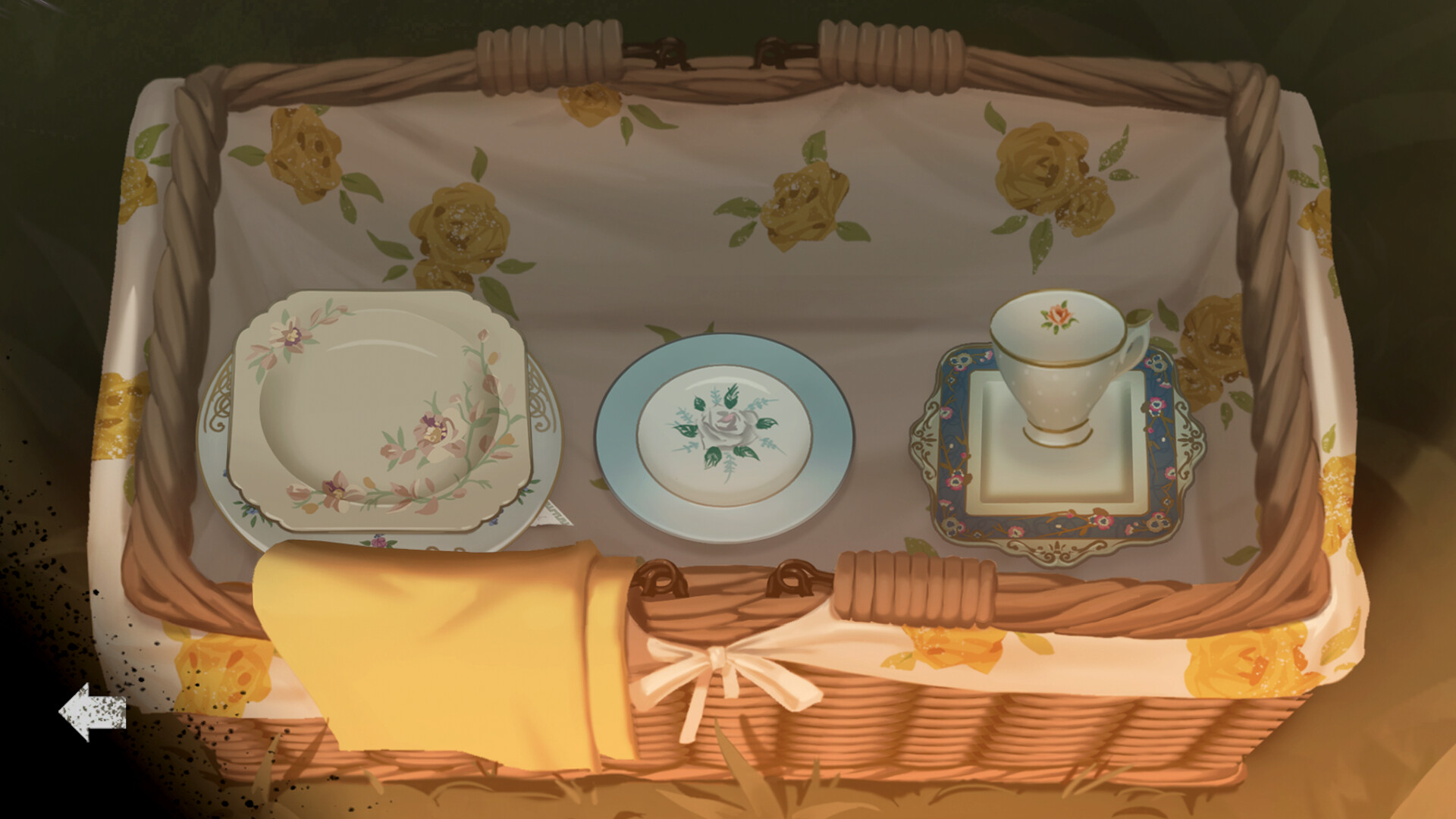
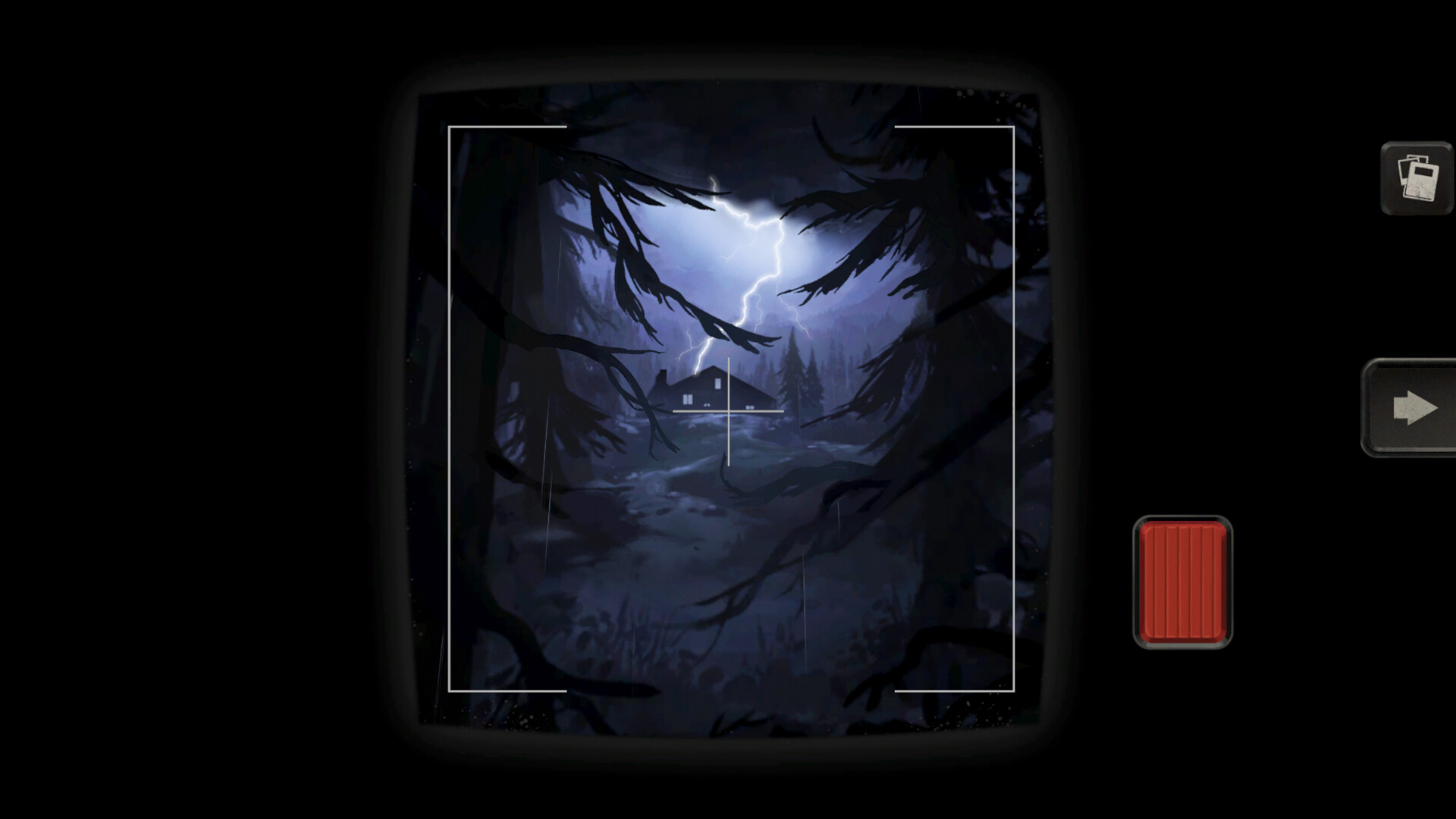
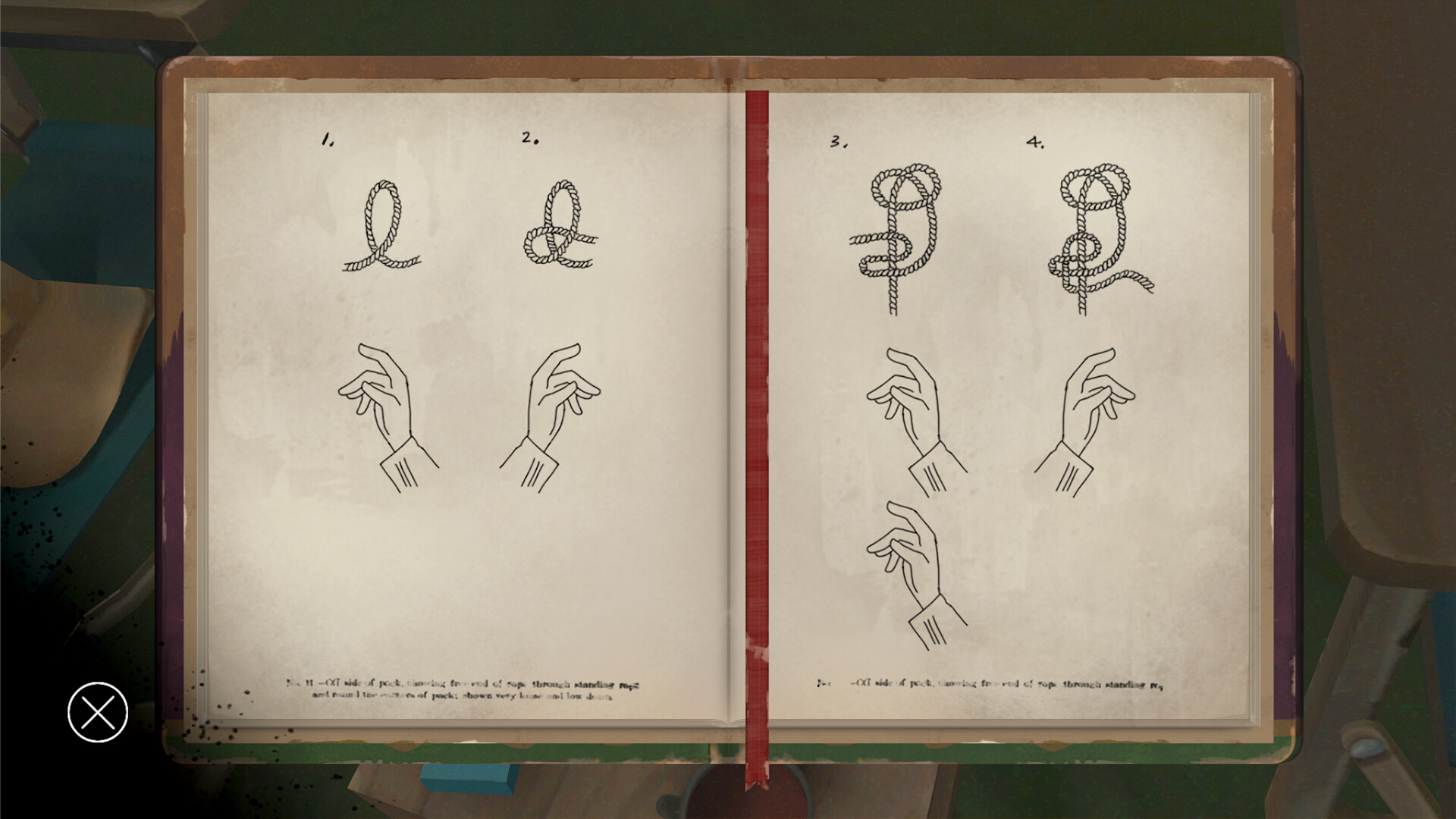
Load More


System requirements
These are the minimum specifications needed to play the game. For the best experience, we recommend that you verify them.
Windows
- Requires a 64-bit processor and operating system
- OS *: Windows 7, 64-bit
- Processor: Intel Core i3
- Memory: 4 GB RAM
- Graphics: 1GB RAM, OpenGL 3.3
- DirectX: Version 9.0
- Storage: 2 GB available space
MacOS
- OS: OS X 10.12
- Processor: Intel Core i3
- Memory: 4 GB RAM
- Graphics: 1GB RAM, OpenGL 3.3
- Storage: 2 GB available space
Steam Price & Best Deals
User reviews & Ratings
Explore reviews from Steam users sharing their experiences and what they love about the game.
Oh my... I was looking for a cute, cozy puzzle game, and I got exactly that, but I just wasn’t expecting it to make me tear up at the end! This game is a short story about a son retracing his mother’s journey through memories, photos and little puzzles. The hand-drawn artwork is absolutely gorgeous, and the music fits the atmosphere perfectly. The puzzles are creative without taking away from the calm feeling. I did get a little confused at times, but honestly, I think that was part of the fun. The game really encourages you to slow down, look around and pay attention to the little details. And if you do get stuck, there’s a hint option that gives you a little push in the right direction, which I really appreciated at some points. I’m honestly amazed by how much this little game managed to make me feel in such a short amount of time. It’s clearly made with so much love and care, and it's an easy recommendation from me! 📷𓏲 .⋆☕ https://steamcommunity.com/sharedfiles/filedetails/?id=3787372918
What a stunning game. I was expecting some enjoyable puzzling with thoughtful but lighthearted themes in the story, and that's what you get for the majority of the game. But then the story surprises you by pulling on your heartstrings with such beauty and earnestness. It made me emotional. I'm not always very good at solving some puzzles in games, so I'm not the best judge of how well put together a game puzzle is, but I found the puzzling side of the game enjoyable, even though there were a few of the puzzles I had to look up some help for. (How many times can I say puzzle, lol.) The art and storytelling are absolutely fantastic, and there are aspects of both that remind me a tiny bit of Ghibli. I don't know if other players would pick up on it, but I did, and I really liked it. I would definitely recommend this game.
Similar games
View all

FIND ALL 7: Japan
Immerse yourself in an exciting adventure in Find All 7: Japan! You will have to explore the unique scenery of an ancient temple and a colorful summer festival. Look for hidden items and color this mysterious painted world.
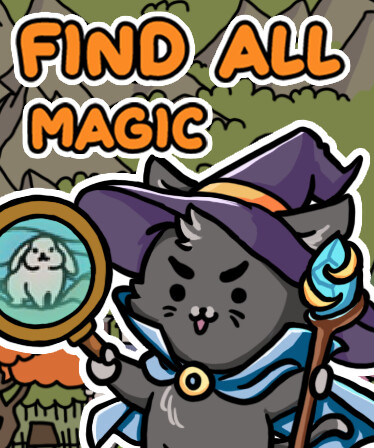
FIND ALL 4: Magic
Find over 800 cute animals and objects in a lot of levels of varying difficulty. The magical black and white world comes alive after coloring. Relax and enjoy playing.
Alchemy Mysteries: Prague Legends
Follow orphan Eva on a trip to mystical Prague in Alchemy Mysteries: Prague Legends.

The Last Dream: Developer's Edition
“Reality and dreams are about to become entwined…..” The Last Dream: Developer's Edition" is a casual adventure game which, despite having some classic casual elements, will also offer a greater challenge for more experienced gamers.

Ghost Files: The Face of Guilt
Lead the Police investigation in the afterlife!
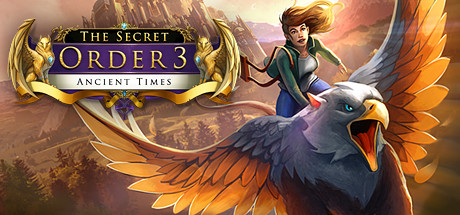
The Secret Order 3: Ancient Times
Find a way to destroy the ancient artifacts!
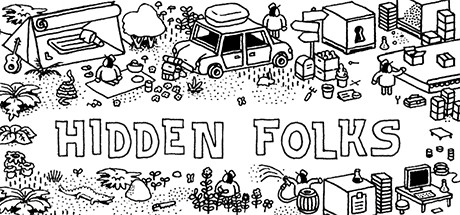
Hidden Folks
Search for hidden folks in hand-drawn, interactive, miniature landscapes. Unfurl tent flaps, cut through bushes, slam doors, and poke some crocodiles! Rooooaaaarrrr!!!!!
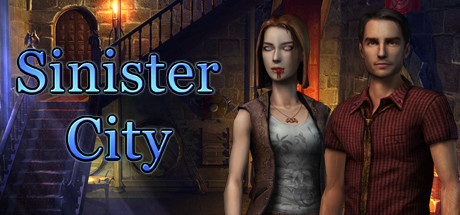
Sinister City
Who would name their town Sinister City? Vampires, of course! When John discovers his bride-to-be has been kidnapped by Sinister City's number one bloodsucker, there's only one thing to do - search for hidden objects! And kill vampires! Or at least insult them until they give your girl back.

Melissa K. and the Heart of Gold Collector's Edition
Welcome to a beautiful Adventure set in a unique interactive 3D world full of mysterious puzzles and Hidden Objects. Prepare for an unforgettable experience!

Frankenstein: Master of Death
Victor Frankenstein, an old friend and a brilliant scientist has managed to resurrect the dead! However the border between life and death is fragile and Victor has learned the hard way that this balance should not be tempered with...

Frequently Asked Questions
The Star Named EOS is currently priced at 14.99€ on Steam.
No, The Star Named EOS is currently not on sale. You can purchase it for 14.99€ on Steam.
Yes, The Star Named EOS received 487 positive votes out of a total of 518 achieving a rating of 8.73.
😎
The Star Named EOS was developed by Silver Lining Studio and published by PLAYISM.
Yes, The Star Named EOS is playable and fully supported on Windows.
Yes, The Star Named EOS is playable and fully supported on MacOS.
No, The Star Named EOS is not playable on Linux.
Yes, The Star Named EOS is playable and fully supported on Steam Deck.
Yes, The Star Named EOS is playable and fully supported on Steam Machine.
No, The Star Named EOS does not support VR.
The Star Named EOS is a single-player game.
Yes, there are 2 DLCs available for The Star Named EOS. Explore additional content available for The Star Named EOS on Steam.
No, The Star Named EOS does not support mods via Steam Workshop.
No, The Star Named EOS does not support Steam Remote Play.
Yes, The Star Named EOS is enabled for Steam Family Sharing. This means you can share the game with authorized users from your Steam Library, allowing them to play it on their own accounts. For more details on how the feature works, you can read the original Steam Family Sharing announcement or visit the Steam Family Sharing user guide and FAQ page.
You can find solutions or submit a support ticket by visiting the Steam Support page for The Star Named EOS.
Data sources
The information presented on this page is sourced from reliable APIs to ensure accuracy and relevance. We utilize the Steam API to gather data on game details, including titles, descriptions, prices, and user reviews. This allows us to provide you with the most up-to-date information directly from the Steam platform.
Additionally, we incorporate data from the SteamSpy API, which offers insights into game sales and player statistics. This helps us present a comprehensive view of each game's popularity and performance within the gaming community.
Last Updates| Steam data | 20 October 2026 07:05 UTC |
|---|---|
| SteamSpy data | 21 October 2026 08:09 UTC |
| Steam price | 26 October 2026 20:09 UTC |
| Steam reviews | 22 October 2026 18:09 UTC |
If you'd like to dive deeper into the details about The Star Named EOS, we invite you to check out a few dedicated websites that offer extensive information and insights. These platforms provide valuable data, analysis, and user-generated reports to enhance your understanding of the game and its performance.
- SteamDB - A comprehensive database of everything on Steam about The Star Named EOS
- SteamCharts - Analysis of The Star Named EOS concurrent players on Steam
- ProtonDB - Crowdsourced reports on Linux and Steam Deck The Star Named EOS compatibility
 14.99€
Visit Store
14.99€
Visit Store
 🔥 Deal
-94%
14.99€
0.90€
Buy Now
🔥 Deal
-94%
14.99€
0.90€
Buy Now
 -94%
14.99€
0.97€
Visit Store
-94%
14.99€
0.97€
Visit Store
 -90%
14.99€
1.54€
Visit Store
-90%
14.99€
1.54€
Visit Store
Game modes
Features
Online players
1
Developer
Silver Lining Studio
Publisher
PLAYISM
Release
22 Jul 2024
Platforms
Clicking and buying through these links helps us earn a commission to maintain our services.