

Faery - Legends of Avalon
Faery: Legends of Avalon is a big role playing game packed with a very distinctive ambience and graphic style. Create your character, embark in a great adventure and discover the fantastic world of Avalon!
Sync your Steam wishlist to find the lowest game prices instantly. No login required, just paste your Steam profile URL!
⚡ Try Wishlist Radar!
Sync your Steam wishlist to find the lowest game prices instantly. No login required!
⚡ Try Wishlist Radar!
Close

The Temple of Elemental Evil on Steam
Quick menu
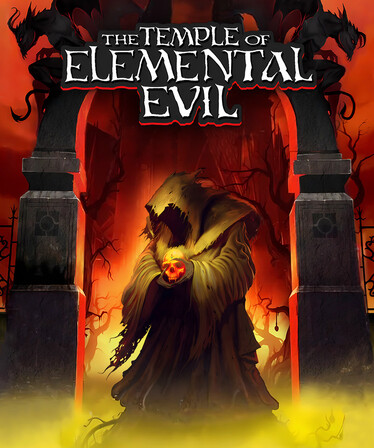
Years ago a demoness’s elemental cult ruled from a temple near Nulb until the Circle of Eight razed it. Now bandits stalk Hommlet and dark forces gather at the ruins. In this classic party‑based D&D RPG, unmask their true purpose and confront the reborn evil before chaos engulfs the land.
The Temple of Elemental Evil is a rpg, turn-based and fantasy game
developed by Troika Games
and published by SNEG.
Released on December 10th 2025 is available on Windows, Steam Deck and Steam Machine.
It has received 366 reviews of which 260 were positive and 106 were negative resulting in a rating of 6.8 out of 10. 😐
The game is currently priced at 9.75€ on Steam, but you can find it for 8.59€ on Instant Gaming.
The Steam community has classified The Temple of Elemental Evil into these genres:
RPG
Turn-Based
Fantasy
Singleplayer
Isometric
Story Rich
Adventure
Choices Matter
Turn-Based Combat
CRPG
Here is the detailed breakdown of supported languages for The Temple of Elemental Evil:
| UI | Subtitle | Audio | |
|---|---|---|---|
| English |
Media & Screenshots
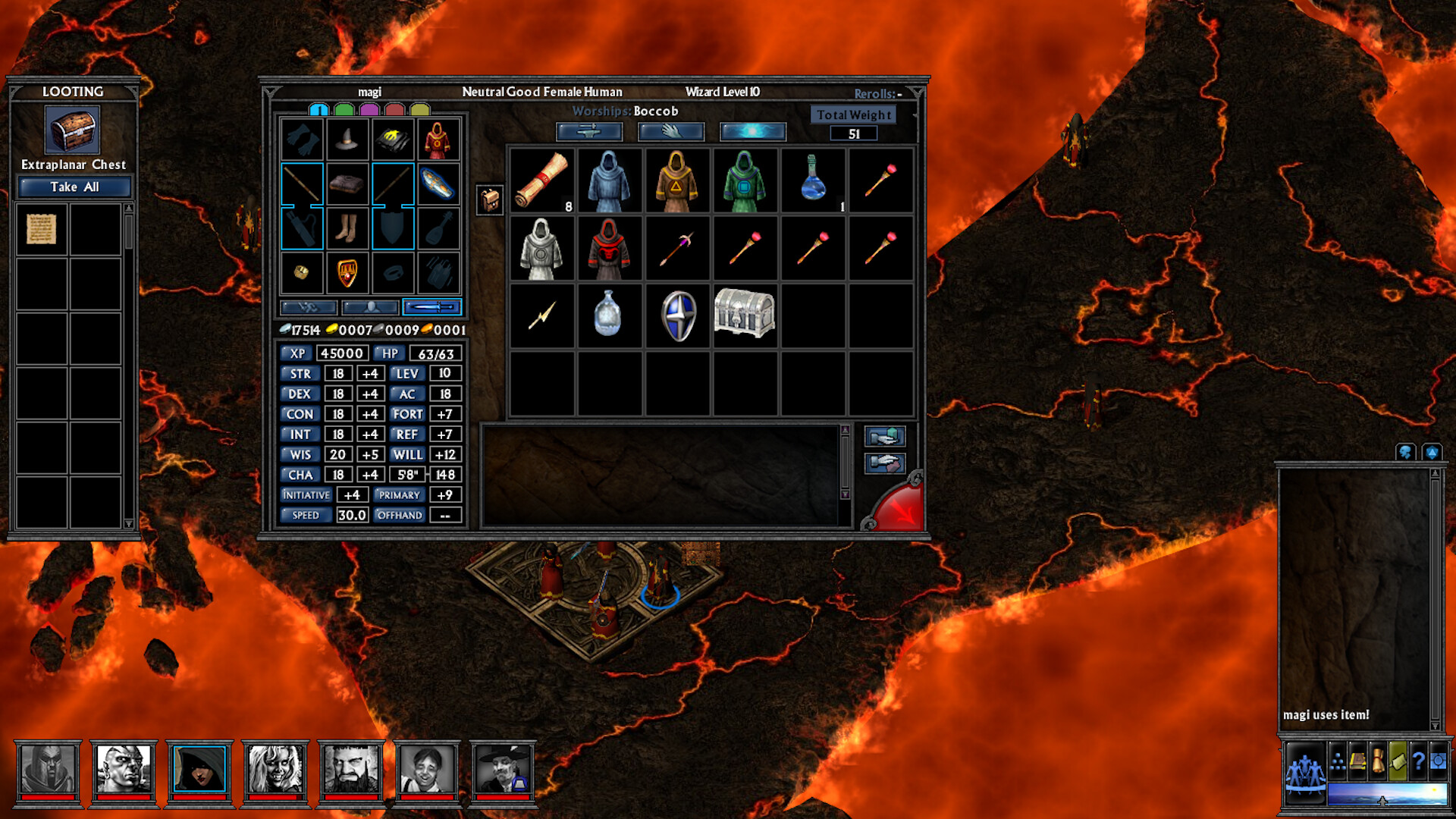
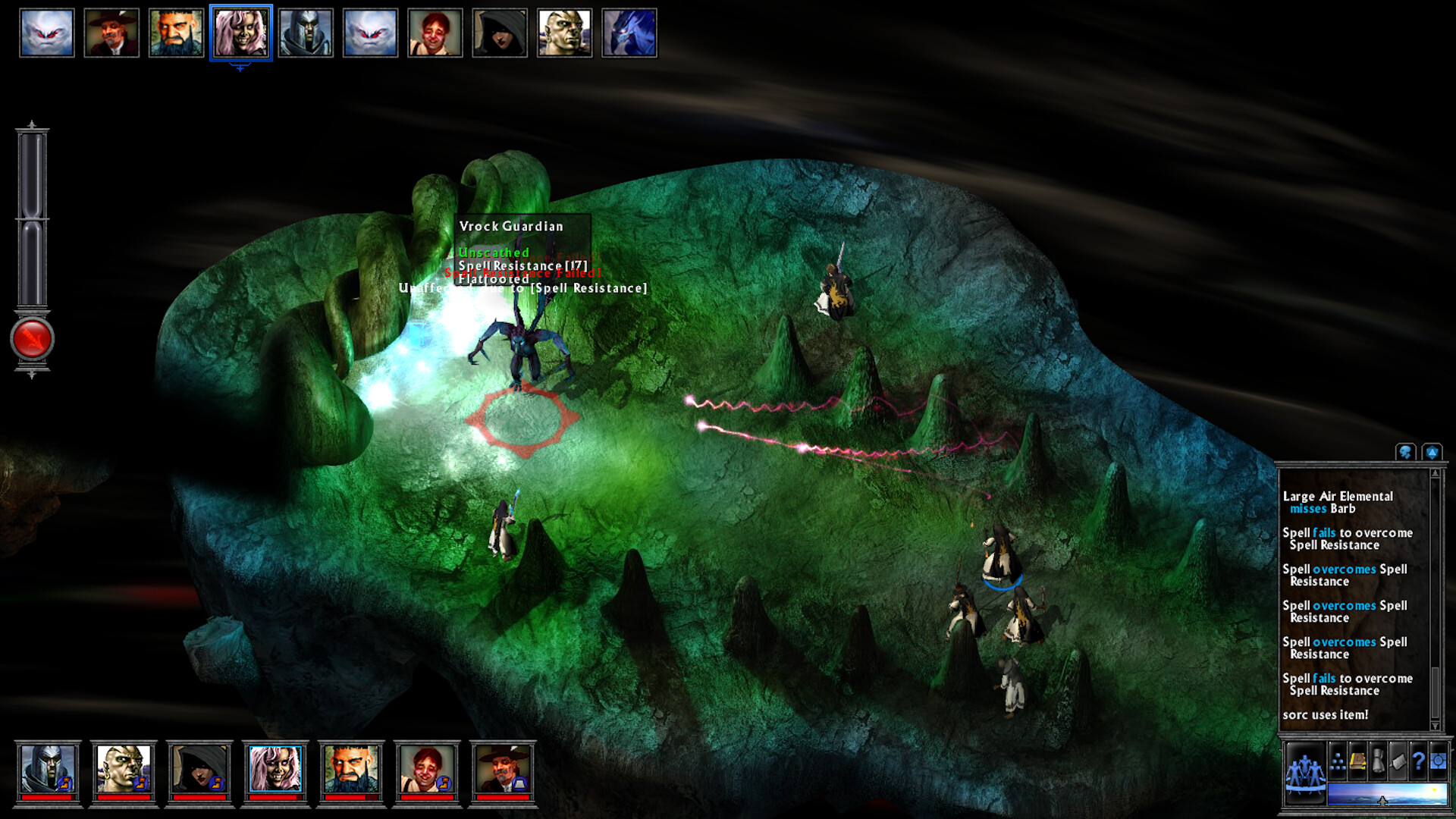
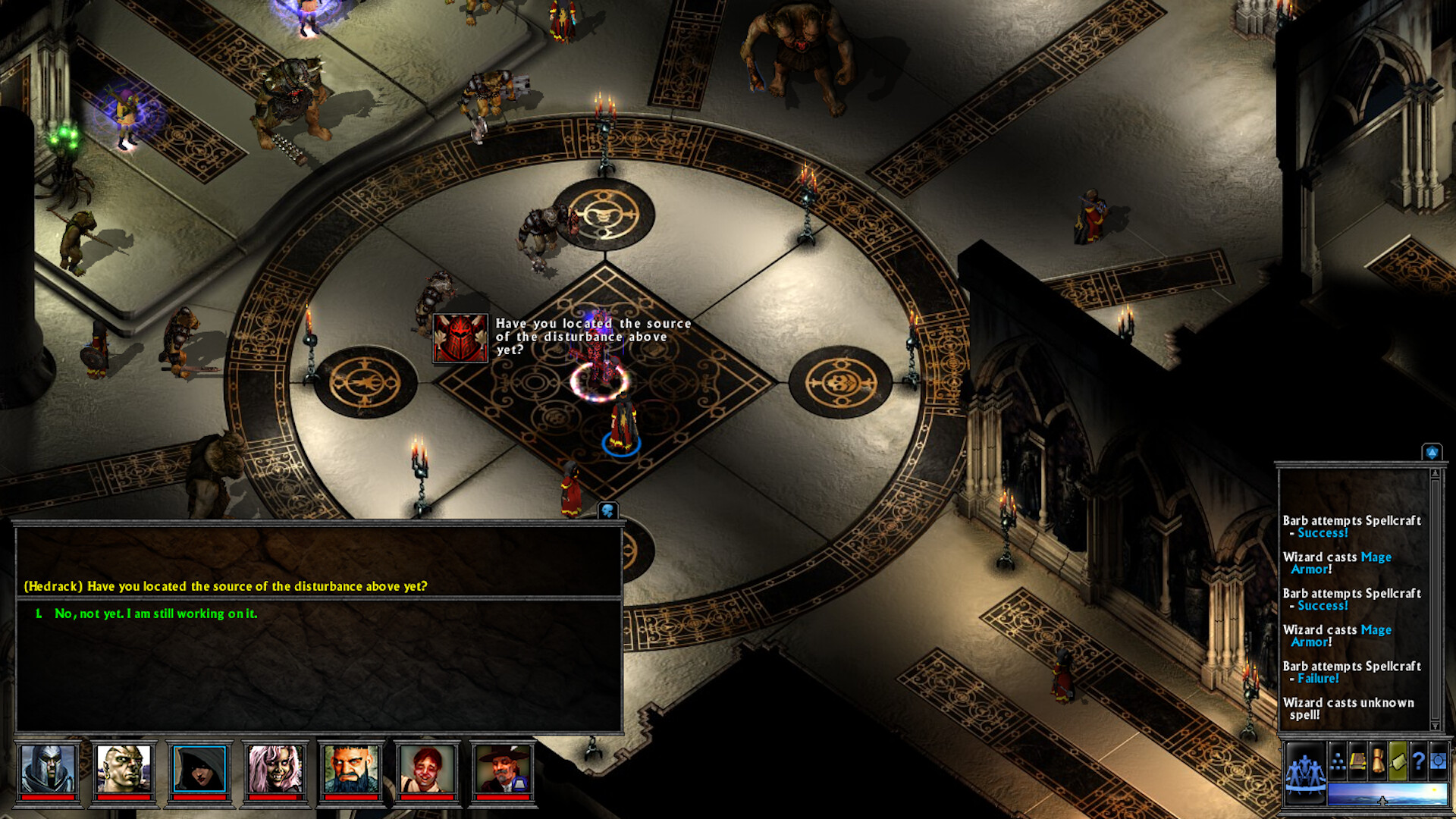
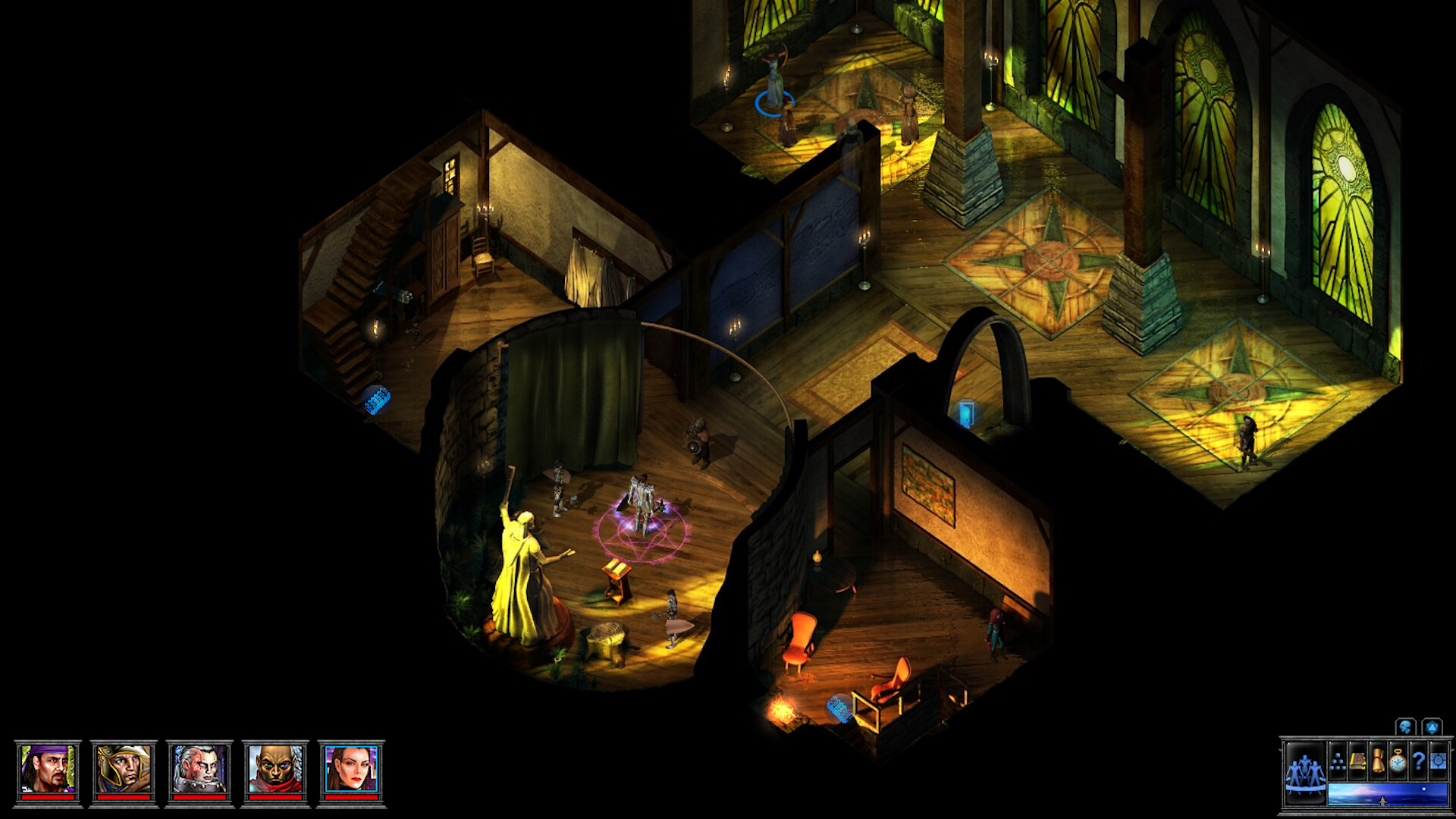
Get an in-depth look at The Temple of Elemental Evil through various videos and screenshots.
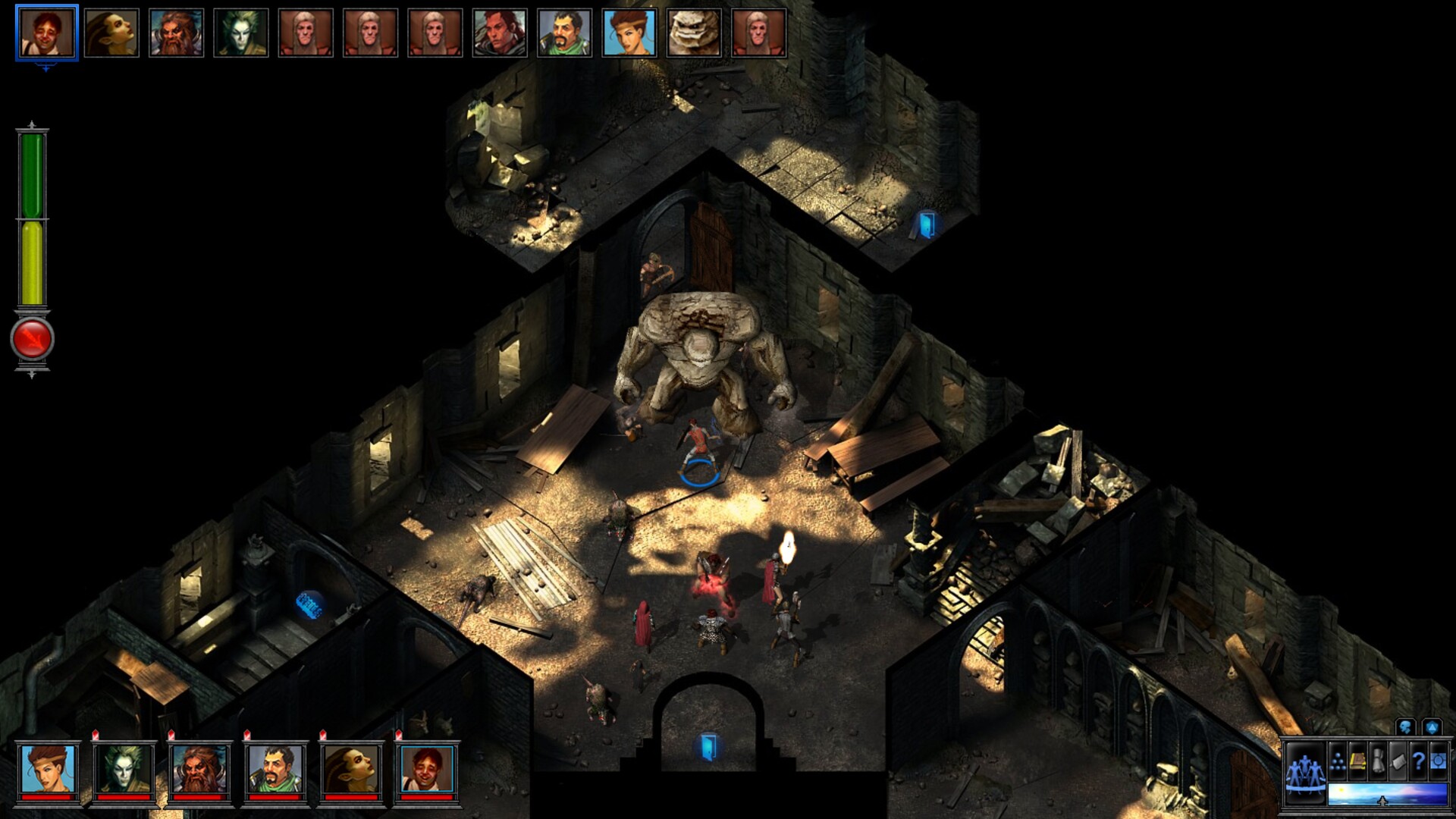
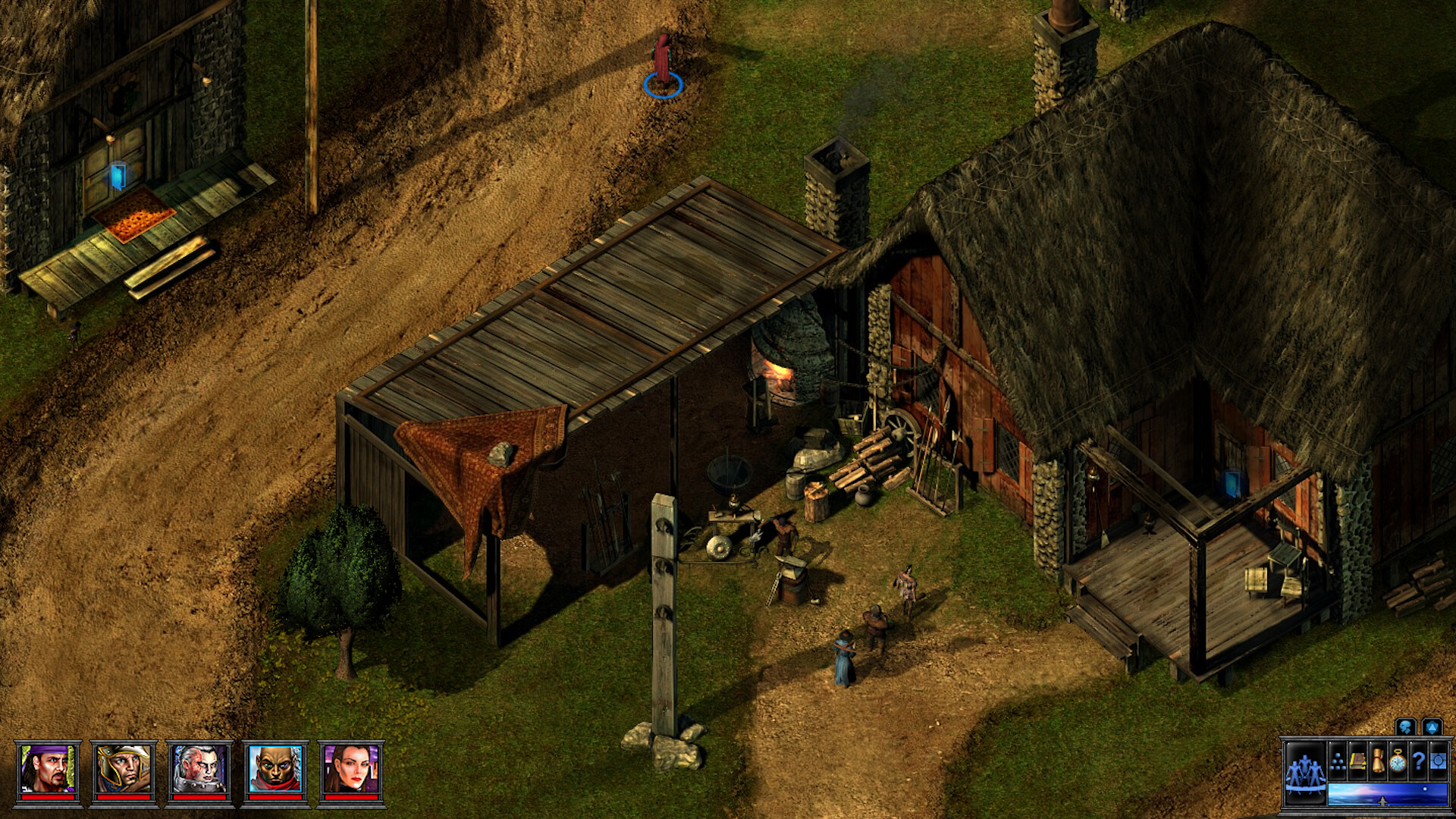
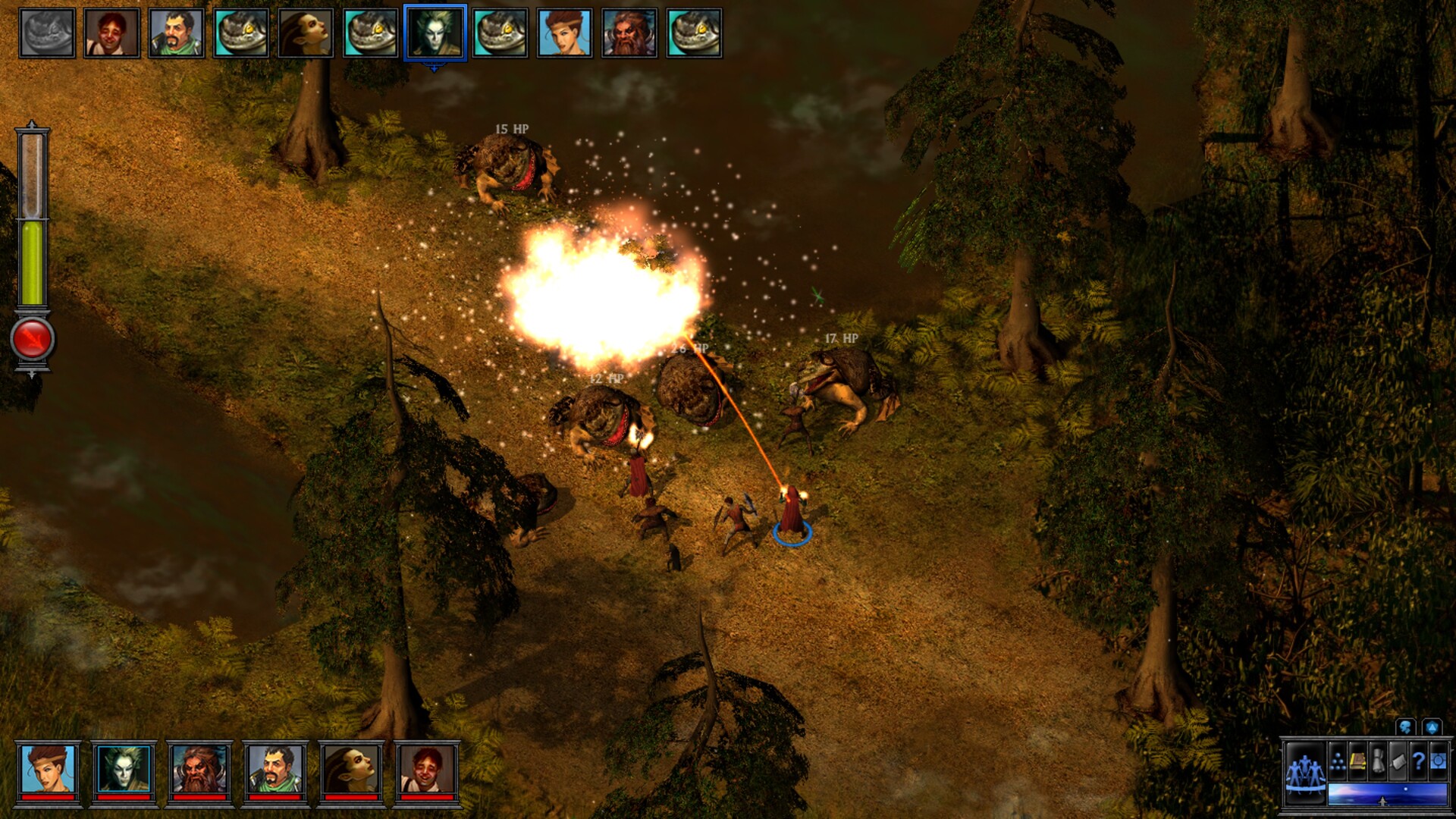
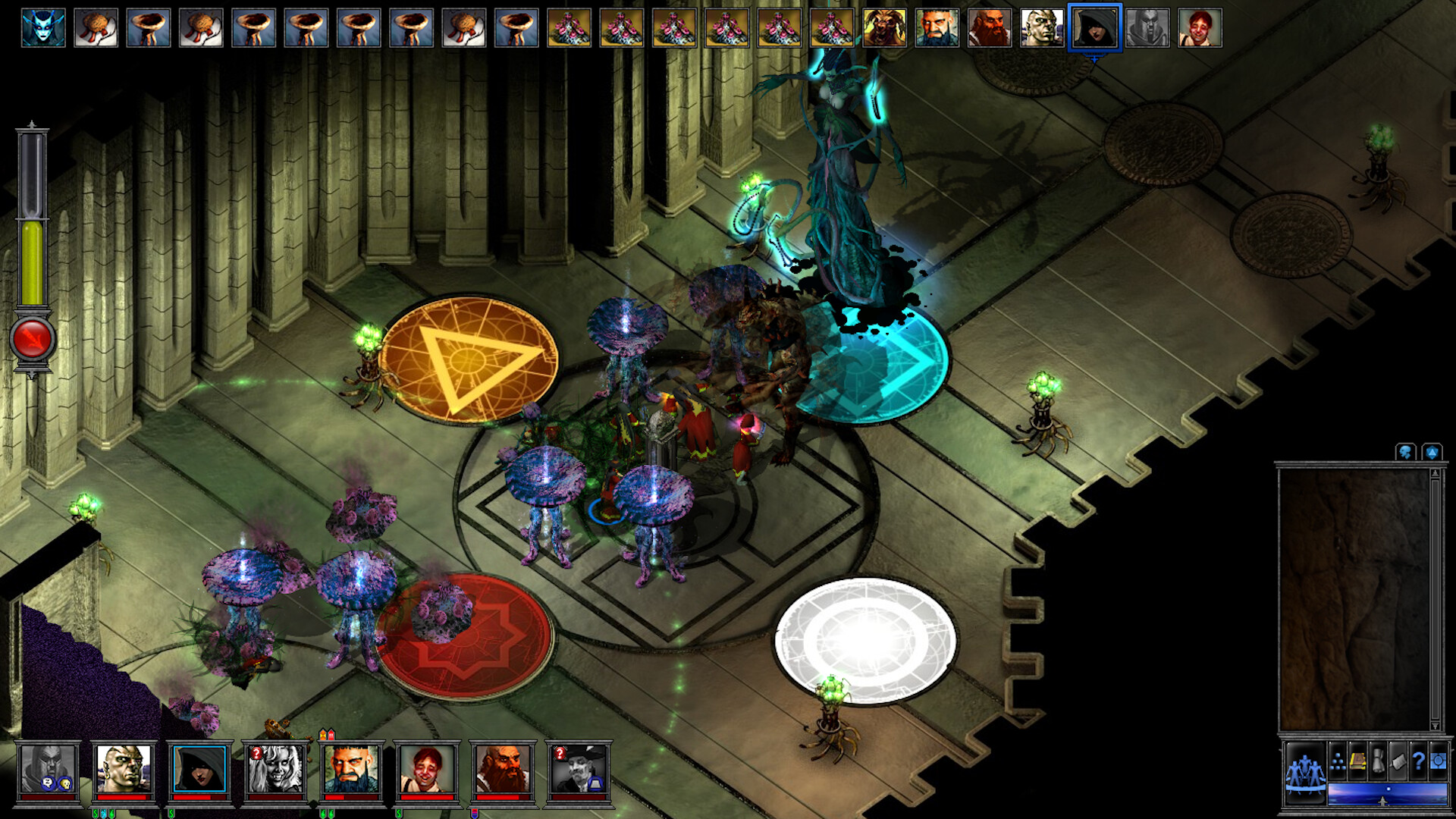
Load More
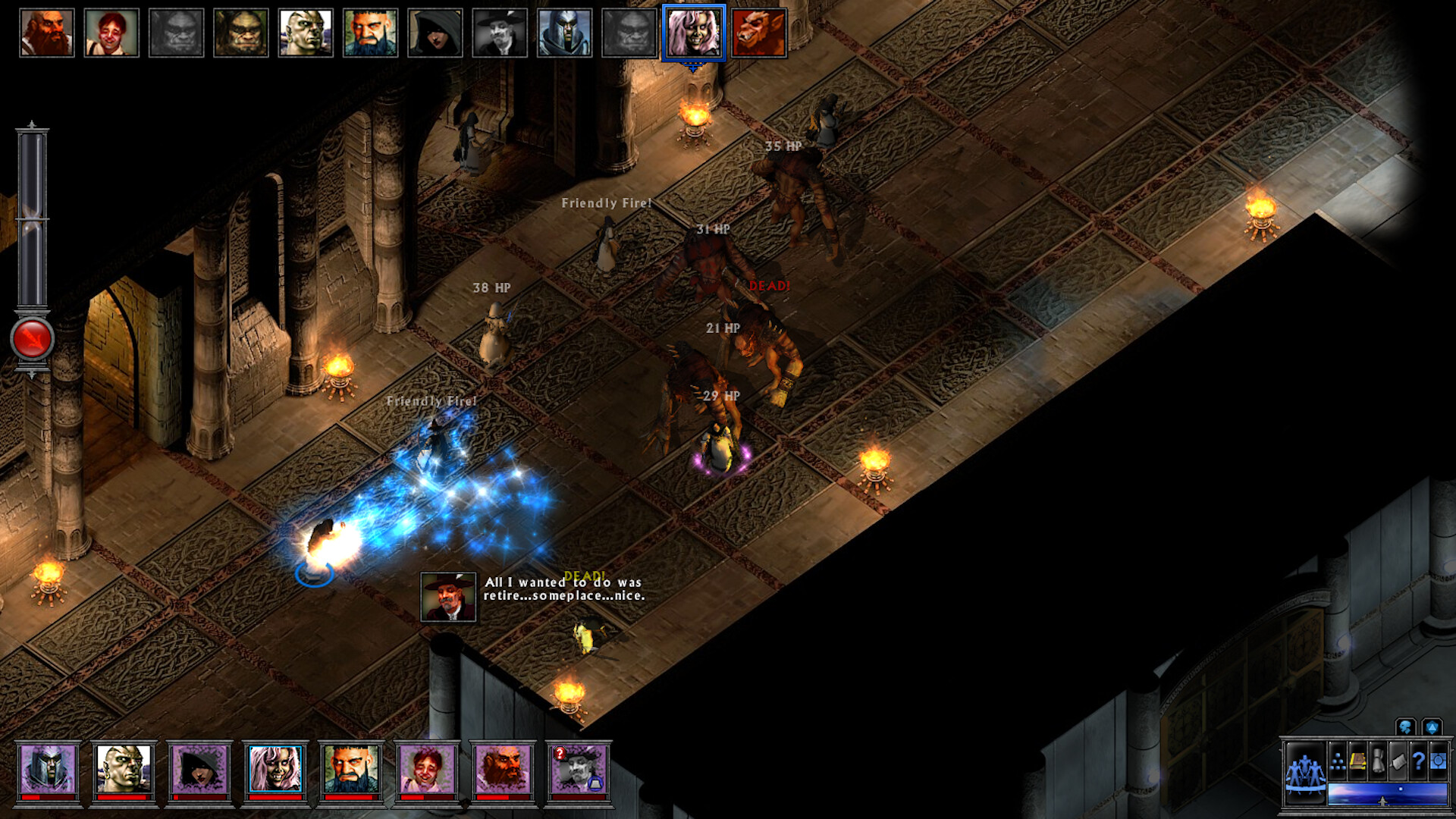
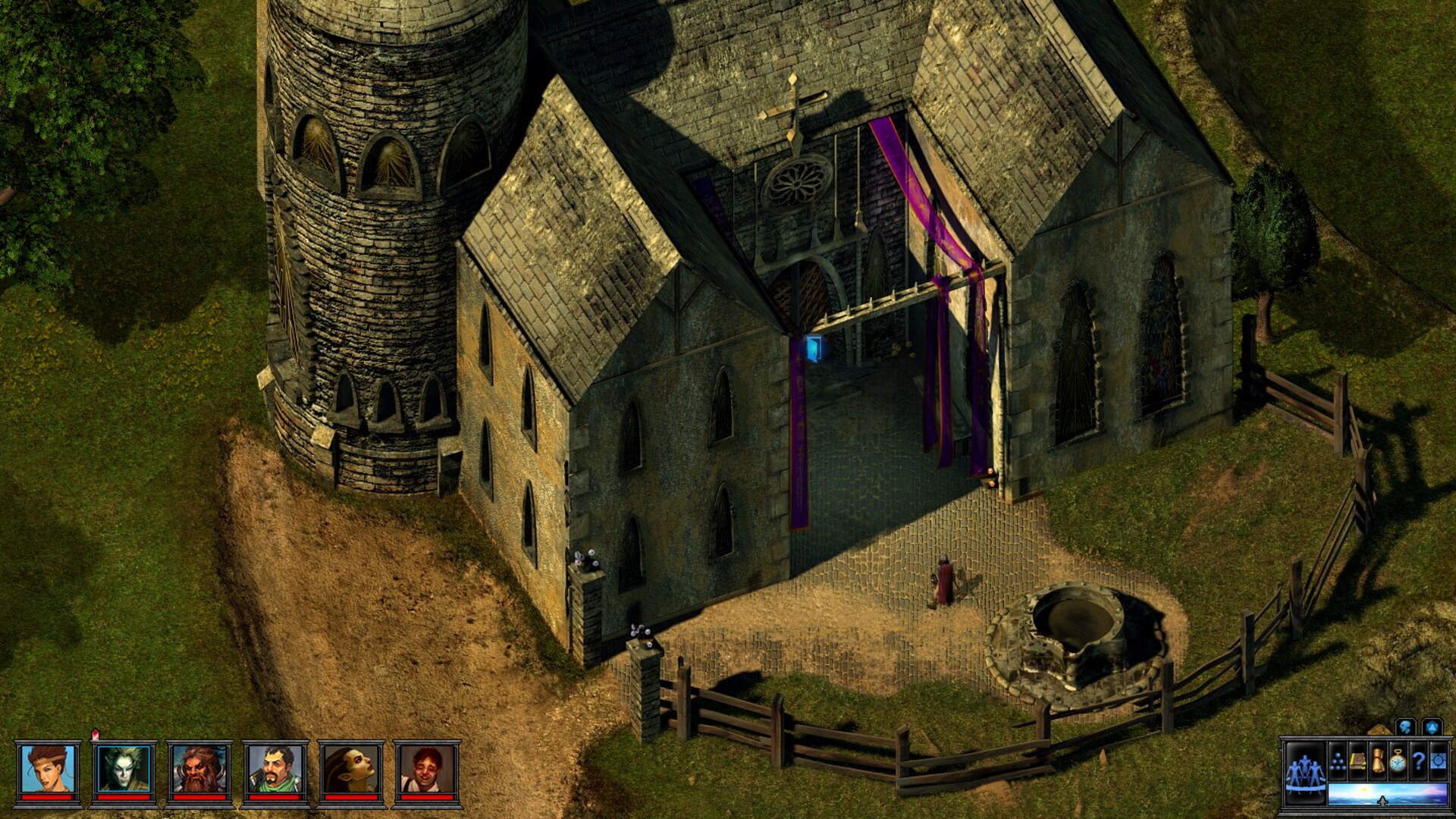
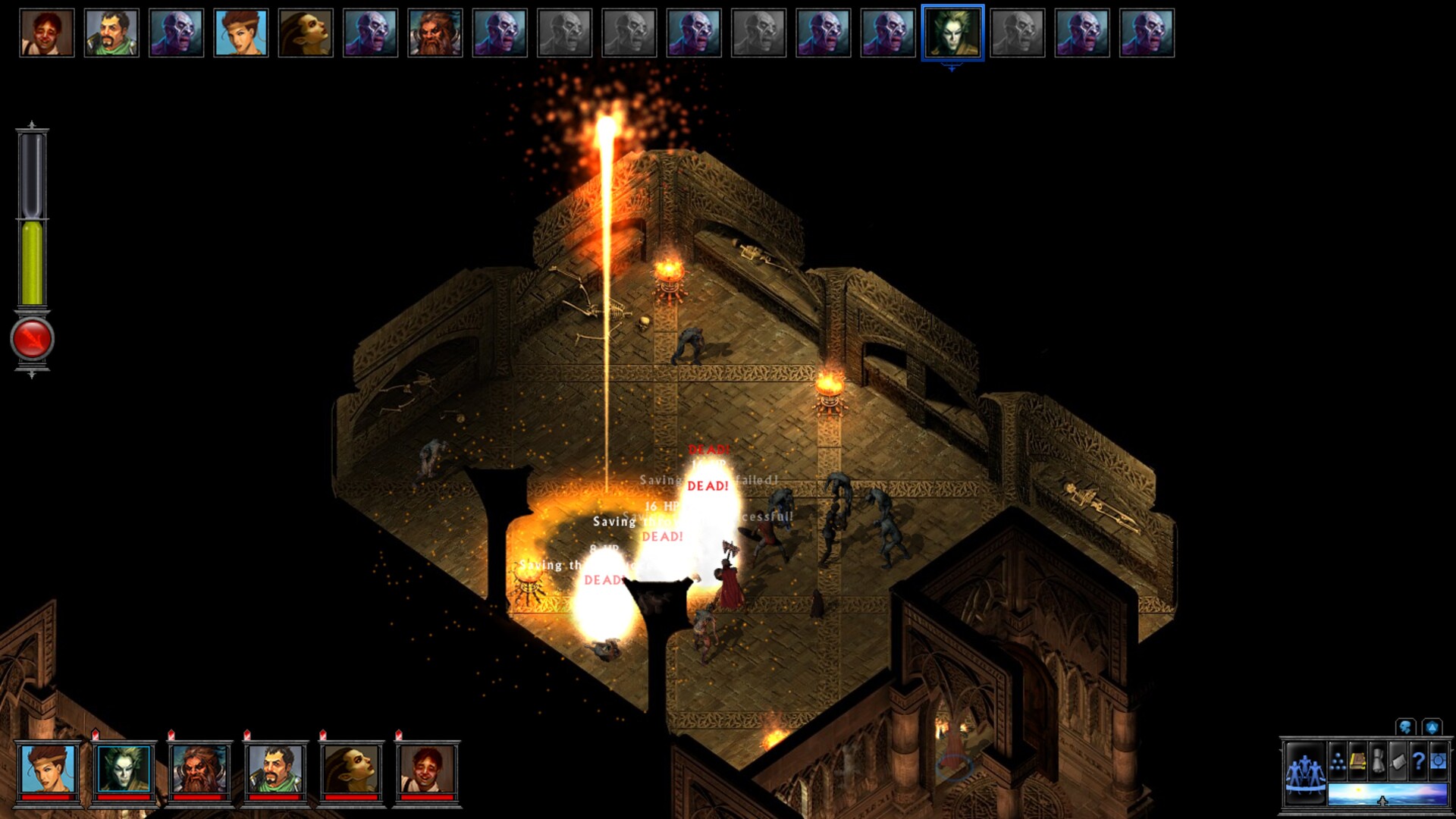
System requirements
These are the minimum specifications needed to play the game. For the best experience, we recommend that you verify them.
Windows
- OS: Windows 10 / 11
- Processor: 64-bit processor
- Memory: 8 GB RAM
- Graphics: NVIDIA GeForce GTX1060/AMD Radeon RX550
- DirectX: Version 10
- Storage: 4 GB available space
Steam Price & Best Deals
User reviews & Ratings
Explore reviews from Steam users sharing their experiences and what they love about the game.
one of those old school rpgs that really deserves more love and its heavily focused on classic dungeon exploration, turn based combat and a huge amount of freedom in how you build and play your party. the game is based on the d&d rules, so theres a lot of character customization, different classes, spells and strategies to experiment with and the world is full of quests and dangerous encounters. the graphics are definitely dated in a good nostalgic way so its a great choice for anyone who loves classic d&d games and old school adventures!!
My Initial Experience I love D&D (with 3.5 being my favorite edition), CRPGS, and the other games Troika worked on, so I was excited to play a CRPG set in the famed Temple of Elemental Evil module that I only ever heard about. I had a physical copy back in the day, but the farthest I ever got into the game was completing the first major dungeon (the Moathouse). Baldur's Gate II was my standard for what I expected out of a D&D CRPG. I enjoyed the story and narrative structure, having a singular "main character" that I then recruited unique NPC party members that were all fully fleshed out characters with personality and their own personal questlines and goals. So I was let down when the game started with me having to create my own party of up to 5 characters that felt more like a strategic set of stats instead of "real characters" with personalities or stories of their own. Between that, the clunky UI, and the rather thin story/quests/NPCs, I found myself never getting around to finish it back then. Despite its flaws, the game always stuck with me with how much attention to detail to the 3.5e ruleset - being the most accurate simulation of that edition in video games (as many of the other D&D games were real-time with pause [RTWP] instead of turn-based). However, I lost my copy of the game over the years so I was never able to give it another shot until now. It took me about 55 hours to complete a entire playthrough with a full, good-aligned party. What I Appreciate Revisiting it Now Here is a short list of what I love about ToEE: -Only officially licensed turn-based 3.5e D&D game. -This version is more complete, restoring cut content from the original release (there was a lesbian in a brothel in the 2nd town, and WOTC didn't want a lesbian in the game because they thought it would force them to get a mature rating instead of teen - so the entire brothel and all the quests connected with it got cut). -Allows all the tactical options of D&D 3.5 - including charging, readying actions, delaying initiative, casting defensively, 5-foot steps, flanking, touch & flat-footed ACs, attacks of opportunities, run action, trip attacks, disarm, withdrawal, fighting defensively, etc. -Attacks of opportunities and all rules related to them are pretty accurately implemented (including having the tumble skill work to be able to avoid them). -Full range of feats with lots of tactical options including: combat expertise/power attack allowing rules consistent adjustment (instead of a simple on/off switch) - including power attack doing more damage if using a 2-handed weapon. -Metamagic feats & spontaneous spellcasting for clerics/druids. -Clear UI on using AoE spells to see exactly (and how many) targets will be hit by a spell before casting. -Wide range of spells that feel pretty accurate to the rules and work how you would expect them to (e.g. casting dispel magic or break enchantment on an NPC that appears mind controlled will break the charm). -Access to item creation feats allowing you to make/enchant whatever magic items you want to fit your builds. -Only D&D game to include the spiked chain weapon (the only reach weapon capable of hitting adjacent enemies), allowing for some truly fun fighter builds when combined with combat reflexes for more attacks of opportunities, great cleave, and having a spellcaster casting enlarge to further extend the reach. With power attack on, any enemy that entered my large-sized fighter's reach entered a meat grinder. Between the attacks of opportunities and the great cleave feat, sometimes my fighter would kill 6 enemies before even taking his first turn. -Many different paths to explore the titular Temple dungeon to the point where I reached the ending by finding a path skipping several levels of the dungeon, unlocking the path to the hidden level where the final boss was, and made a deal with a Demon Lord instead of fighting due to being way under-leveled/under geared to actually win the fight, "beating" the game at about the 20-30 hour mark. I of course reloaded my last save and went back to finish all of the rest of the content I skipped. Criticisms The game is very punishing and challenging as it is rules accurate to D&D 3.5 to a fault. If you are not familiar with D&D 3.5 rules, you will have a frustrating time progressing through the game and overcoming the obstacles presented as the game does not do an effective enough job to onboard people that are unfamiliar with the rules. D&D 3.5 is my favorite and most played edition, but it had been about a decade or so since I last ran a game with these rules and realized I forgot more 3.5 rules than there are total rules to remember in 5e. As I kept playing, the rules came back to me and I was able to find my stride. I'm just thankful I didn't have to worry about relearning the rules for grappling. -Be prepared to be looking at the combat log to find out the reason you aren't doing any damage because the enemy has damage resistance that can only be overcome by silvered or good-aligned weapons. Hope you happened to find a holy weapon, or made sure one of your party members took an item creation feat to apply the holy property to your weapons. -Many of the spaces where combat takes place in the dungeon are cramped. This can make it unclear where you characters can move in combat, sometimes making it impossible to get your frontliners into melee - especially if there are large/enlarged combatants in the fight. Because of this, I'd recommend not having too many melee-focused characters in your party. -However, ranged combat gets numerous penalties which makes it almost a waste of a turn to take a shot unless you stack numerous feats to avoid this. -For example, if your party fighter is engaged in melee (as he should be), and you try to use your ranged character to shoot that enemy, you will get a -4 penalty for firing into melee (without precise shot feat), while the enemy gets a +4 cover bonus to AC because your fighter is likely providing "cover" to the enemy - which is often unavoidable due to the cramped combat spaces (if you take another feat you reduce this cover bonus to only a +2). And there is also a chance you may be getting a -2 (or higher) range increment penalty if you are too far. So with this effective -8 to -10 penalty, you are only going to be hitting these AC 20+ enemies on a natural 20. -Range weapon attacks are further frustrated by the inability to tell when an enemy is benefiting from cover or you have ranged penalties for distance before making the attack (I only know after I miss by reading the calculation in the combat log). The in game help says holding a certain key is supposed to show when a target is benefiting from cover. But no amount of hitting the button appeared to do anything. -The game has a ton of tactical, item, skill, and spell options in combat that they use a radial menu to support. This gets very cumbersome and time consuming to do when every turn I would have to right click and navigate several tiers of a radial menu to just cast a simple spell. This led me to sometimes just skipping my spellcaster's turns in combat if the fight was not that deadly just so I can get combat done quicker by having my martial classes do the dirty work. -The game says there is a way to hotkey certain actions, but whenever I tried to hotkey something I used frequently (such as the charge action, a spell or a wand), the game said that it that action/item cannot be assigned to a hotkey. I could not find a single thing I could hotkey, so I just gave up trying. I'm not sure if this is a bug. -I had a few crashes, but fortunately I save often so I did not lose much time. -Nearly every text document was bugged and displayed a note with no text. I had to Google what the text was supposed to say, but it was hard as many of them had a generic/reused name such as "tattered note." -Inventory, encumbrance, and selling loot is a chore.
I have the original CDs from way back when, and the game is still installed on a very old Windows Vista PC. Out of curiosity, I decided to try the Steam version on a newer PC to see if any improvements were made. I am using Gentoo Linux with the IceWM desktop, 16gb ram and a Radeon RX580 4gb graphics card. Proton Hotfix allows Linux to play this game easily. I have cleared the moat house, so the review is up to this point. Changes/Improvements ------------------------- There is no longer a lone goblin by the church, which never made any sense so it was right for that to be removed. Performance is better than my Windows Vista PC, especially in large battles where the old Model-T PC would stutter and sometimes crash from hardware insufficiency. NPCs no longer auto-loot, becoming encumbered from items that cannot be dropped or sold from the inventory. Before the fix, you had to fill up an NPC's inventory slots with ale, goodberries, or other things that can't be sold. I n the original game, I had to reload several times when the NPC sold a valuable magic item I forgot to swap out. The merchants now restock sling bullets. Before the fix, there was no place to get sling bullets when you ran out. Game Issues/Bugs -------------------- (probably a Linux issue) I cannot use the escape key to bypass the opening scene, and (first time playing) when creating a character, I could not type into the text box. To solve this, I used ctrl+alt+left or right arrow key to go to another workspace then return to the game workspace. Alt-tab also works. Problem solved. I do not know why that works, only my intuition told me to do it. Encounters with stirges does not initiate combat: you have to manually have a character attack a stirge for combat to begin. If you do not attack them but engage in combat somewhere else, after the combat you cannot loot a body or open a chest. In the moat house, only after going back and fighting the stirges could I open the chest and loot the lizard. It also happened in Emridy Meadows: I could not open the rainbow rock. This was because I turned undead and somewhere was an unfought skeleton. I exited the game and loaded a save from before skeletons were turned. For Neutral Good parties, sometimes the opening scene won't finish loading, also sometimes happens if you try to bypass the movie with the escape key. The fix is to exit Steam and start over. No Improvements ------------------- If an NPC gets to an area transition door first, you have to manually move that NPC out of the way and move a PC to click on the door. Pathfinding can fail sometimes for a large group, leaving characters stranded or scattered. I am still in love with Fruella: "To death do us part, honey, and don't you forget it!" Fun fact: Long ago, I finished a game with Ed, Ed, and Ted. Conclusion ------------ Overall, the game is little different from the original but it captures the feel of D&D. This re-release is not a major upgrade, only some minor tweaks and improvements. I had hoped they would have expanded some of the quests and added dialogue, such as more Fruella, but finding the original voice actors would have been difficult or impossible, and it would have increased the price of the game. $9.99 is reasonable for an old game like this. I had fun, although it can get a bit tedious manually moving and directing your characters in combat. Next, I would like to see NWN2 ported to Steam, as well as some old Avalon Hill games like Third Reich, although TableTop Simulator has these games.
Alright. The Temple of Elemental Evil is done and dusted. I'm sure I'll play this a few more times in the future to see more variations of what is possible, but for now, I played a good-aligned run and saw two endings; an ending where Zuggtomoy is banished and the ending attached to destroying a specific golden item. :) https://steamcommunity.com/sharedfiles/filedetails/?id=3642461801 As someone intimately familiar with 3.5e AD&D, this game is very much second nature to me from a rules perspective, and as someone who also knows The Temple of Elemental Evil backwards and forwards, the actual adventure is also very comfortable for me. So, it really becomes a simple exercise of getting used to the isometric CRPG presentation. Which, that's my favorite genre of gaming, so...you know. Without a background in at least 3e AD&D though, I think new players will find this game to be far more challenging and with a greater barrier to entry than is typical of modern CRPGs especially. Because, despite all the welcome adjustments and the far improved functionality SNEG brought to the table with this release, this is very much an old video game based on an even older TTRPG gaming system and adventure. So, be aware of this before diving in. Without at least a cursory understanding of 3.5e AD&D, the struggle will be real. With that said, this is an honest adaptation of one of the most famous of dungeon crawls. All the things you might remember from the classic adventure are here. And if something is missing, I didn't notice or it wasn't relevant to my playthrough and didn't reveal its absence. If anything, for me, this is a reminder of what also could have been. Can you imagine being able to play through T1-4 as the intro to the grander adventure that continues forward into A1-4, G1-3, D1-3 and finally Q1? Especially as they were re-written in the large module format with better tie-ins. IYKYK. I know WoTC is into doing their own thing with D&D but actually finding and funding suitable devs to bring the entire campaign to life in 3.5e would be something truly epic. And arguably would be like printing money. Anyway, this version does clean-up most of the issues I had with the original release and does tweak some stuff as well. IMO, it was a cleaner experience and was definitely not the crash fest the original was. And although I played this version on Steam, I also appreciate that SNEG gave existing owners on GoG the ability to choose the original version or this version when downloading the game. Which they did for free. Very cool. Right. So, this is your classic party-based isometric CRPG, turn-based dungeon crawl with lots of different factions all vying for power and lots of different ways to resolve things. You can play as good, neutral, evil. Whatever you want. The game has something for you. Actually, it's probably an easier game if you were to play as an evil-aligned group due to faction options that open up to you. But it is of course satisfying to play as a good party. You have five PCs, which you can generate yourself or use pre-gens. Or a combination thereof. You also have three party slots available for recruitable NPCs. Of which there are many. I went with the classic combo of Otis, Elmo, and Furnok; but I think you can't really go wrong with whomever. Although you will typically want to have recruited whomever you're going to stick with before you get past the first level of the TOEE so they can also level up. Otis starts at lvl 10 (the level cap in this game), but most of the recruitable NPCs will need time to level up. Speaking of leveling up, I do want to offer some advice here. There is no HP maxing available. It's all a die roll. So, as you are leveling your character up, save before actually doing so. Although it would not be in the spirit of the game necessarily to keep reloading until you get max hp, I think you want to at least get half max. So, 5+ for Fighter/Paladins, 4+ for Clerics/Rangers, 3+ for Rogues/Bards, 2+ for Wizards. That sort of thing. And speaking of saving: save early, save often. You can even save mid-battle. And it's also worth noting that while you can wander off and sleep/heal, your enemies can't rest to heal. So, retreat and come back if you need to. The damage you did to a boss previously should remain intact. At worst, you might have to sacrifice a party member temporarily so the party can escape. https://steamcommunity.com/sharedfiles/filedetails/?id=3637768830 There are of course issues with the game. SNEG did a good job, but they didn't catch everything. The old trader UI is terrible. Sliding one item at a time is laborious at best. Some of the party UI is similarly out-of-date and not what I'd call user friendly. Cameras move well and can now be controlled with WASD, which is great. What they can't do is scroll in or out. Which sucks. Crowd control spells always work better against your party than against your enemies, and some of them, such as fear and confusion, your party will generally fail their saves for regardless of your stats. Also, a shockingly large number of enemies have a well-developed tumble skill, which is a huge factor in combat. None of these things are bugs, but they are reminders of how much CRPGs have improved since this game's original release. Also, in addition to a level cap, there is also an XP cap, and unfortunately, once you hit your level cap and assuming you have selected the ability/abilities to craft various enchanted items, you can no longer do so since they cost XP, you've maxed out your XP, and can't have negative XP that would technically reduce your level again. Some actual bugs though. Sometimes even though combat has ended, the game doesn't recognize the changed status and won't allow you to interact with doors, bodies, etc... the only way out of this bug is to reload a previous save or somehow manage to trigger another battle. Fake triggers don't seem to work. Although no longer a crash-fest, the game did crash to desktop about eight times during my 55-hour playthrough. There were also several instance related bugs such as a gate crashing, removing access to a specific area. Also, on occasion, the game will select a target for your attacks/spells rather than allow you to do so. The worst bug IMO though is tied to "The Butcher of Hommlett". How it works is, if NPCs in your party who are from Hommlett die, it counts towards this. If three die, you are branded the butcher, all services are shut off for you in that town, and you will be attacked on sight, not only by guards, but potentially also by your own NPC party members. However, what the game doesn't do is recognize when you have Raised a fallen NPC follower from the dead, restoring them to life. So, let's say Elmo has died on three separate occasions on your run. That's it. Insult to injury being that he himself will also attack you once the Butcher status triggers, lol. https://steamcommunity.com/sharedfiles/filedetails/?id=3633253610 So, with this game, the good significantly outweighs the bad, but the bad is very definitely there to be found. IMO, this is a game you 100% must play if you are a fan of old CRPGs and/or 3.5e AD&D. You are THE target audience. Gamers without those preferences or experience would be well served to consider familiarizing yourselves with the 3.5e ruleset, at least via the Player's Handbook, which you can find as a free PDF in plenty of places online. If you aren't willing to do so, this might not be the game for you. And as a reminder, if you already owned TOEE on GoG, you also own this new version there as well. If you found this review helpful and would be interested in supporting my Curator group, [url=https://store.steampowered.com/curator/32549618/]Robilar's Reviews , it would be appreciated. Cheers. Also follow [url=https://store.steampowered.com/curator/32732116-IndieGems/]IndieGems for more reviews like this one.
This game will not hold your hand. That is the absolute first thing you need to remember if you are going to play ToEE. That goes for new and old RPG players alike. This game was made during an era where game design was a guessing game, balance was 'We're shipping it and never thinking about it again' and bugs were just there forever. Troika Games did not do good QA work, their games were a mess. It is only through the work of hundreds of modders and dedicated community members that this game is playable, as well as SNEG for packaging it all up nicely. This port is just that, a port. It is not a Remaster, it is not a Remake, it is not an Upscale, it is a port with minimal changes to make it function. The source code for ToEE was lost decades ago- No known copies of it exist, severely limiting the real changes that can be made by any company that would ever work on a product like this. Other reviewers are really acting in bad faith on this game, bluntly. If you picked this game up, complained it had an issue it still had in 2003, and expected a remaster for 9$, that is on you, not a single other human being alive. At this price point there was never any, and I mean any, chance of this being that. It is what it is. If you want to go back in time to a point where CRPGs were absolutely bonkers and made no sense and sometimes made you want to break your keyboard in half? This is it, this is the granddaddy of them all. If you go into this thinking it will hold your hand, or that it's going to be as polished as anything companies like Owlcat, Larian, etc make: You are expecting something this was never stated to be. You are being dishonest to yourself and to what you are looking at. Don't be the guy that drags a 2003 CRPG made for probably under a million dollars into the mud because it wasn't as full featured as a baldur's gate or a icewind dale. The story is quite good- Better than the source material actually which is kind of bad, if we're being totally honest. It knows what it wants to do and say better than a lot of games you'll play today. But you should also remember while playing it: Video Games were different, sensibilities were different. There's some stuff in this game that looks really weird when filtered through a modern lens, and that has to be acknowledged and understood. This game will kick your ass a lot. Save OFTEN. Do not feel any shame for winding back to a save or using a bug or exploit you find to ease the burden. At least once during playing this game you're going to crash out and want to run through your wall in sheer rage. But also, that's what makes you a human being. Take that inexhaustible human spirit into the Temple of Elemental Evil and tell St. Cuthbert that he's dumb and you're going to blow up his garage. Believe in the me who believes in you playing this game to completion.
Similar games
View all
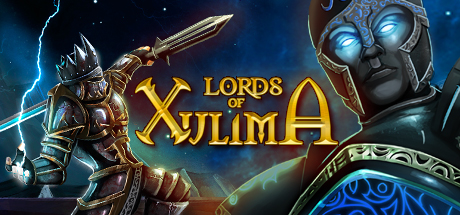
Lords of Xulima
Lords of Xulima is a challenging Role-playing game set on the mythical continent of Xulima, where Gods and humans once walked side by side. Experience a genuine RPG featuring over 100 hours of gameplay, and discover one of the most epic sagas ever told.
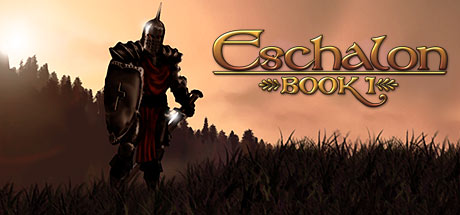
Eschalon: Book I
Eschalon: Book I is an old-school role-playing game that will take you across massive outdoor environments and deep into dozens of sprawling dungeons as you seek to uncover the mystery of who you are. It features a tile-built, turn-based game world where the result of absolutely every action is rolled, calculated or statistically...
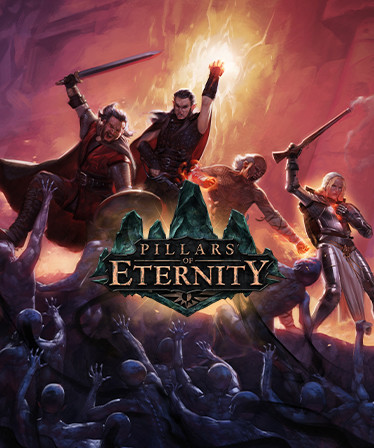
Pillars of Eternity
Prepare to be enchanted by a world where the choices you make and the paths you choose shape your destiny. Obsidian Entertainment, the developer of Fallout: New Vegas™ and South Park: The Stick of Truth™, together with Paradox Interactive is proud to present Pillars of Eternity.
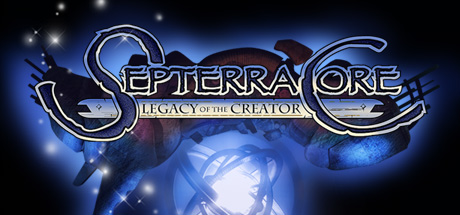
Septerra Core
At the very heart of Septerra lies the Core, a huge Biocomputer. Seven continents at different elevations, each with its own unique people and culture, orbit around the Core.According to an ancient prophecy, Septerra's continents will one day converge and join in orbit together on one level - this is the Legacy of Marduk, the Creator's...

FINAL FANTASY IV: THE AFTER YEARS
Take part in the epic sequel that unfolds nearly two decades after the events of FINAL FANTASY IV. Now enhanced for Windows PC.

Ruined King: A League of Legends Story
Rise Against Ruin - Unite a party of League of Legends Champions, explore Bilgewater and set sail for the Shadow Isles to uncover the secrets of the deadly Black Mist in this immersive turn-based RPG.
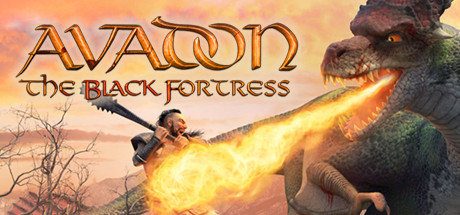
Avadon: The Black Fortress
Avadon: The Black Fortress is an epic, Indie fantasy role-playing saga. You will serve the keep of Avadon, working as a spy and warrior to fight the enemies of your homeland. As a servant of the Black Fortress, your word is law. Use your power to crush a growing rebellion! (Or join it.)
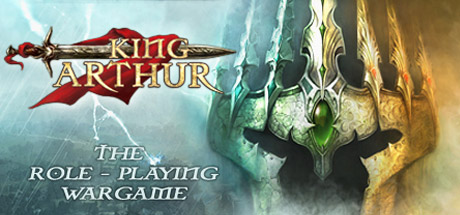
King Arthur - The Role-playing Wargame
Welcome to the lost age of chivalry, where magic and myth is alive, and you are destined to be one of the living legends: Arthur, the son of Uther Pendragon, the Once and Future King of the prophecies. Fulfill your destiny and claim your rightful place on the throne of Britannia.

Shadowrun: Hong Kong - Extended Edition
Shadowrun: Hong Kong - Extended Edition is the capstone title in Harebrained Schemes' Shadowrun series - and now includes the all-new, 6+ hr Shadows of Hong Kong Bonus Campaign. Experience the most impressive Shadowrun RPG yet, hailed as one of the best cRPG / strategy games of 2015!

Shadowrun: Dragonfall - Director's Cut
Harebrained Schemes' biggest Shadowrun game to date, and the definitive Shadowrun RPG experience available on PC. Now a standalone title with tons of new content & improvements!

Pillars of Eternity II: Deadfire
Patch 5.0 - Turn-based mode and The Ultimate challenge out now! Pursue a rogue god over land and sea in the sequel to the multi-award-winning RPG Pillars of Eternity. Captain your ship on a dangerous voyage of discovery across the vast unexplored archipelago region of the Deadfire.
Frequently Asked Questions
The Temple of Elemental Evil is currently priced at 9.75€ on Steam.
No, The Temple of Elemental Evil is currently not on sale. You can purchase it for 9.75€ on Steam.
Yes, The Temple of Elemental Evil received 260 positive votes out of a total of 366 achieving a rating of 6.75.
😐
The Temple of Elemental Evil was developed by Troika Games and published by SNEG.
Yes, The Temple of Elemental Evil is playable and fully supported on Windows.
No, The Temple of Elemental Evil is not playable on MacOS.
No, The Temple of Elemental Evil is not playable on Linux.
Yes, The Temple of Elemental Evil is playable on Steam Deck, though it might require a few minor tweaks. Make sure to check the Steam store page and community feedback on ProtonDB for exact compatibility details.
Yes, The Temple of Elemental Evil is playable on Steam Machine, though it might require a few minor tweaks. Make sure to check the Steam store page and community feedback on ProtonDB for exact compatibility details.
No, The Temple of Elemental Evil does not support VR.
The Temple of Elemental Evil is a single-player game.
No, The Temple of Elemental Evil does not currently offer any DLC.
No, The Temple of Elemental Evil does not support mods via Steam Workshop.
No, The Temple of Elemental Evil does not support Steam Remote Play.
Yes, The Temple of Elemental Evil is enabled for Steam Family Sharing. This means you can share the game with authorized users from your Steam Library, allowing them to play it on their own accounts. For more details on how the feature works, you can read the original Steam Family Sharing announcement or visit the Steam Family Sharing user guide and FAQ page.
You can find solutions or submit a support ticket by visiting the Steam Support page for The Temple of Elemental Evil.
Data sources
The information presented on this page is sourced from reliable APIs to ensure accuracy and relevance. We utilize the Steam API to gather data on game details, including titles, descriptions, prices, and user reviews. This allows us to provide you with the most up-to-date information directly from the Steam platform.
Additionally, we incorporate data from the SteamSpy API, which offers insights into game sales and player statistics. This helps us present a comprehensive view of each game's popularity and performance within the gaming community.
Last Updates| Steam data | 20 October 2026 21:01 UTC |
|---|---|
| SteamSpy data | 23 October 2026 09:08 UTC |
| Steam price | 26 October 2026 15:33 UTC |
| Steam reviews | 19 October 2026 06:11 UTC |
If you'd like to dive deeper into the details about The Temple of Elemental Evil, we invite you to check out a few dedicated websites that offer extensive information and insights. These platforms provide valuable data, analysis, and user-generated reports to enhance your understanding of the game and its performance.
- SteamDB - A comprehensive database of everything on Steam about The Temple of Elemental Evil
- SteamCharts - Analysis of The Temple of Elemental Evil concurrent players on Steam
- ProtonDB - Crowdsourced reports on Linux and Steam Deck The Temple of Elemental Evil compatibility
Game modes
Features
Online players
24
Developer
Troika Games
Publisher
SNEG
Release
10 Dec 2025
Platforms
Clicking and buying through these links helps us earn a commission to maintain our services.