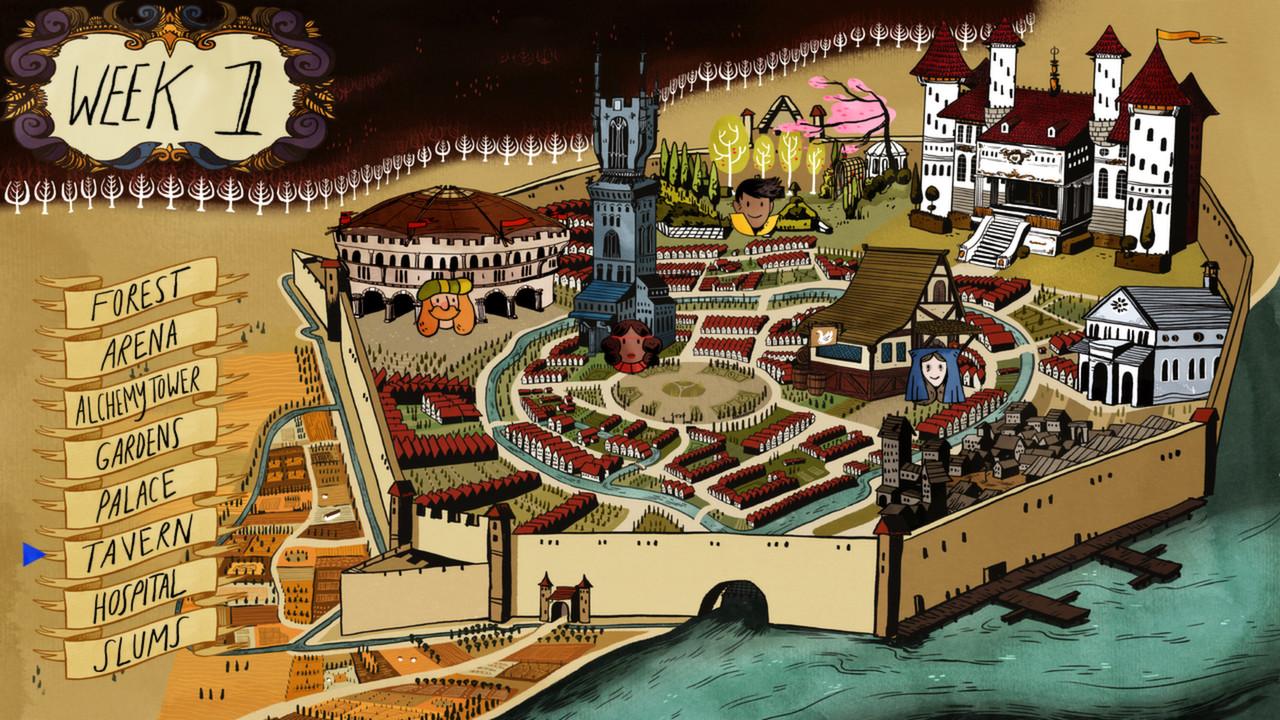
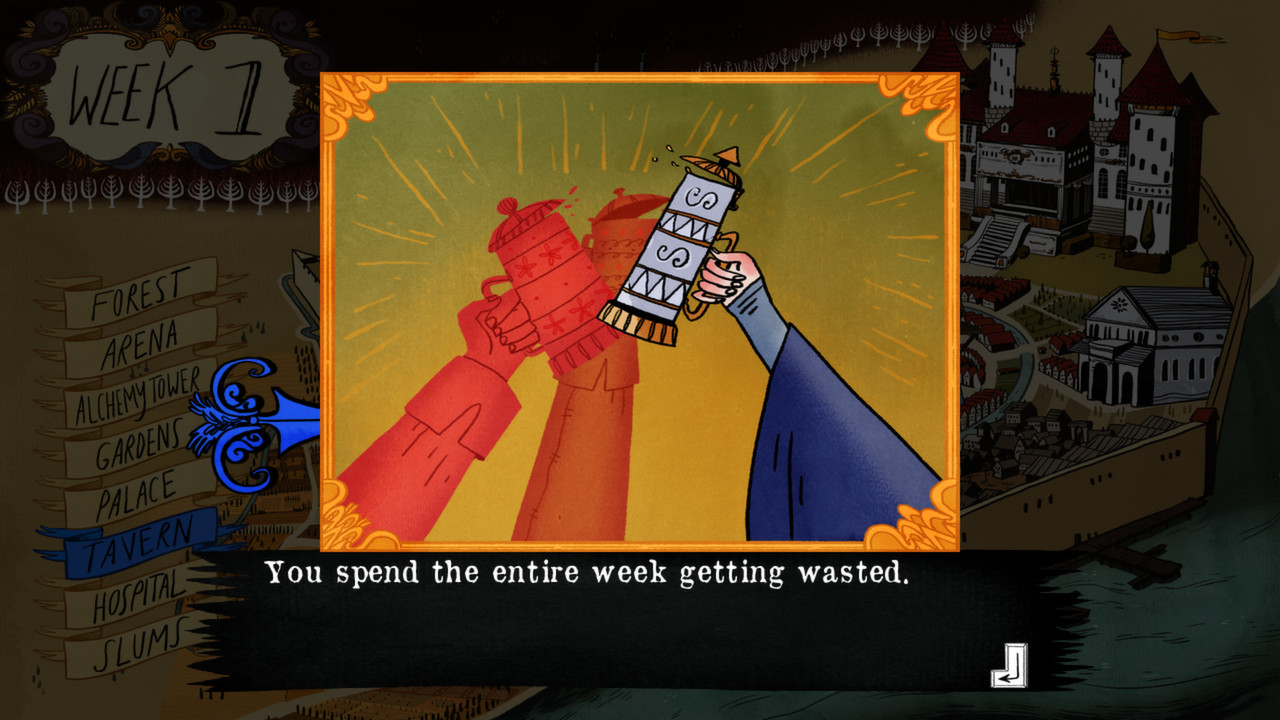
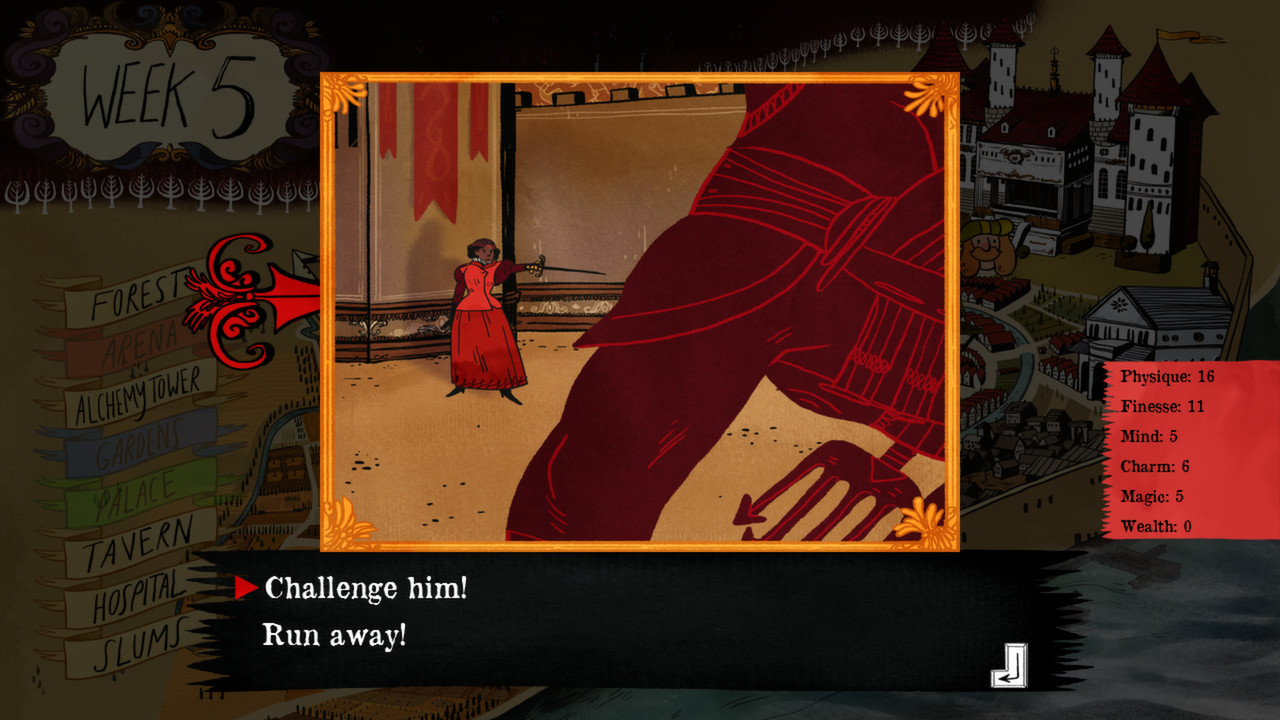
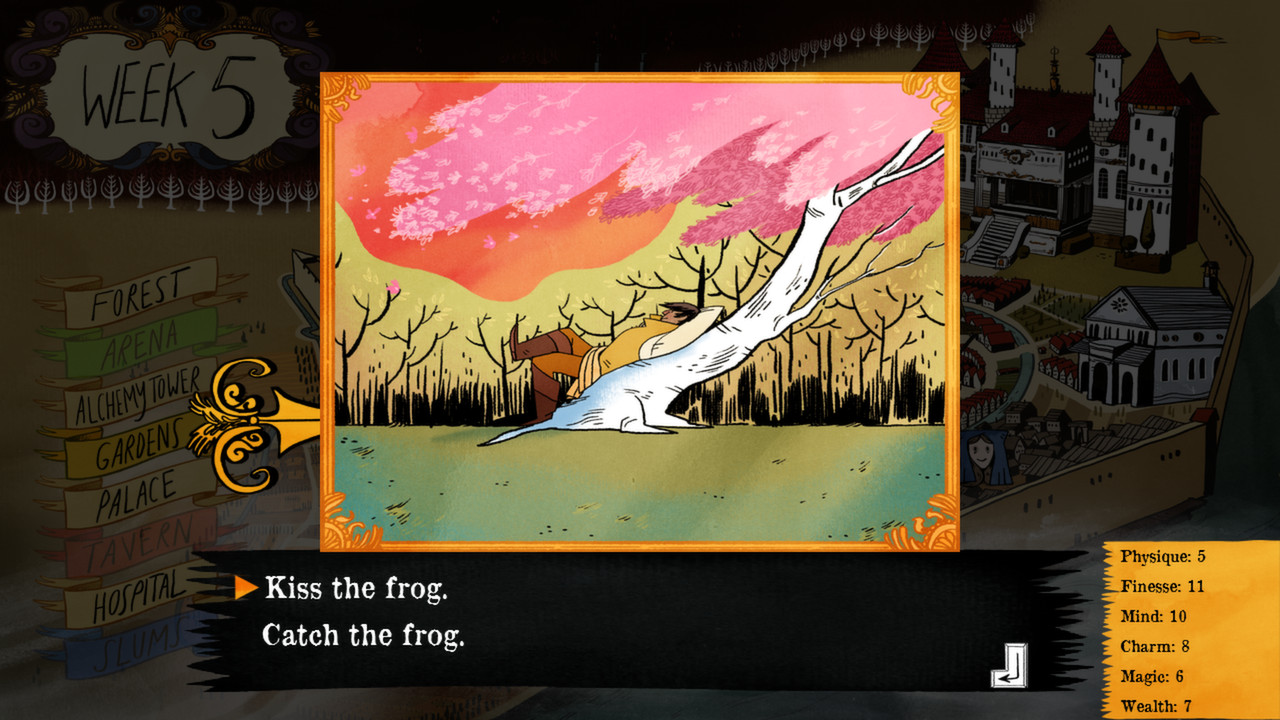
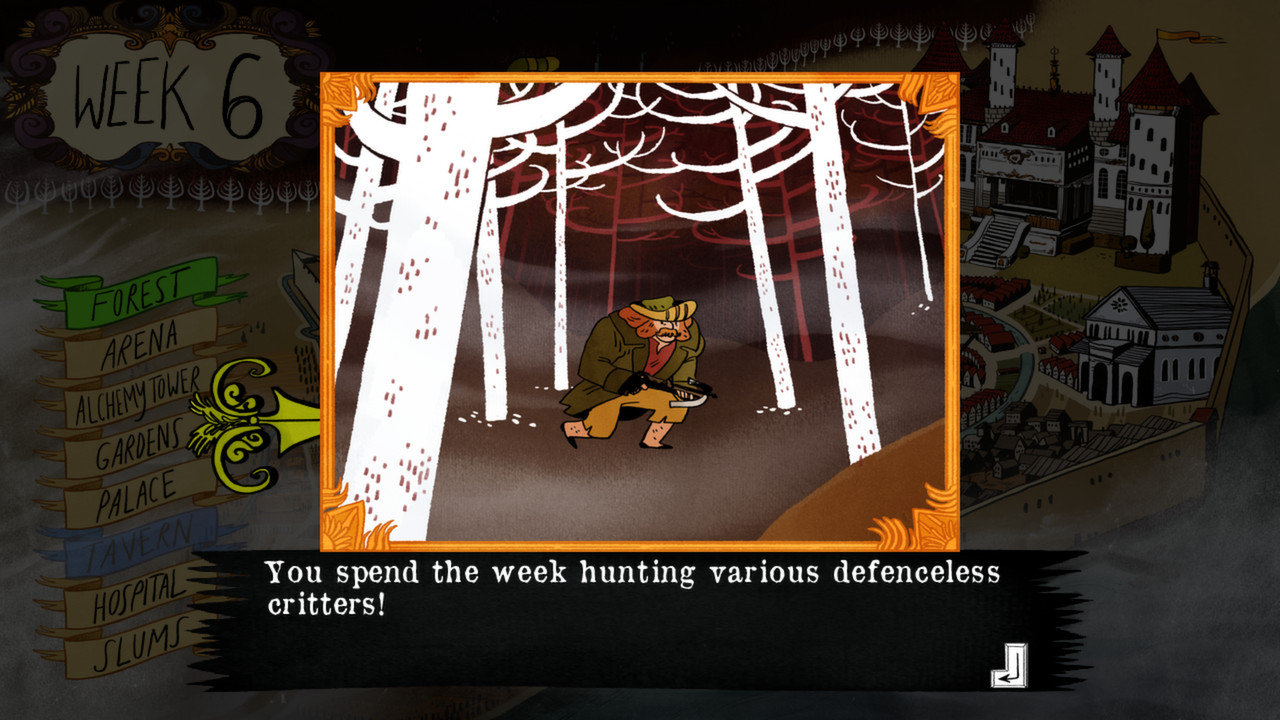
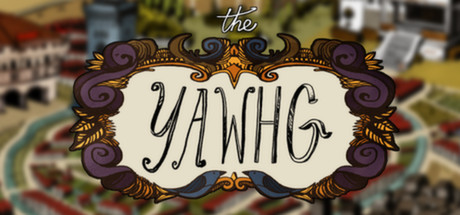
The Yawhg is a strikingly original blend of narrative experimentation and interactive storytelling that turns the concept of fate into a playful yet melancholic experience. Developed by Damian Sommer and Emily Carroll, the game combines a choose-your-own-adventure structure with board-game simplicity to create something that feels both ephemeral and unforgettable. Set in a small, vaguely medieval town, the premise is deceptively straightforward: a mysterious disaster known as the Yawhg is coming, and you have six weeks to prepare. During those six turns, you and up to three other players guide your chosen characters through a series of locations, making choices that determine how each of them spends their final days before the cataclysm. What begins as a lighthearted round of weekly decisions quickly becomes a surprisingly emotional reflection on how people react when they know that everything they love might soon end. Each turn presents a handful of locations—the tavern, the alchemy tower, the slums, the gardens, the arena—and at each place, two choices await. Will you help the sick in the hospital, study magic in the tower, or drink away your anxieties at the bar? Every decision subtly alters your character’s traits, such as Mind, Physique, Charm, or Wealth, which later determine how effective they’ll be when the Yawhg finally strikes. But beyond mere stat changes, these choices unfold into miniature stories. Sometimes you find yourself rescuing a lost child in the forest; other times, you might accidentally summon a spirit, earn the town’s admiration, or descend into despair. The writing is sharp, concise, and evocative—each vignette just long enough to establish a situation, deliver a twist, and move you on. Though the choices are simple, their accumulation over six turns weaves a surprisingly rich narrative tapestry. It feels less like a strict progression and more like watching a character grow through a series of half-remembered folk tales. Visually, The Yawhg is defined by Emily Carroll’s distinctive art style, which merges fairy-tale whimsy with gothic eeriness. Each scene feels like an illustration from a storybook, rendered in saturated colors and subtle texture that give the game its dreamlike tone. The art conveys emotion even in stillness, with expressions and postures that say as much as the words. Complementing the visuals is a haunting soundtrack by Ryan Roth and Halina Heron that flows between wistful melodies and uneasy tension. The music and sound design create an atmosphere that feels simultaneously comforting and foreboding, perfectly matching the sense of calm before an inevitable storm. The minimal presentation works to the game’s advantage: rather than overwhelming players with effects or spectacle, it allows the mood, art, and words to carry emotional weight. When the final week passes and the Yawhg descends, the game shifts into its end phase, where everything you’ve done comes full circle. The storm destroys the town, and each character’s fate depends on how you shaped them. A strong, brave adventurer might lead survivors to safety, while a self-absorbed aristocrat may flee or fail others. The reconstruction phase plays out through brief epilogues that reveal how your choices affected the future. Sometimes they end with redemption, sometimes tragedy, and sometimes strange, ironic twists that reflect the randomness of life. It’s here that the game’s quiet power reveals itself—the realization that even the most frivolous decisions along the way might ripple into lasting consequences. Every playthrough becomes a small parable about resilience, failure, and the unknowable nature of destiny. While The Yawhg’s storytelling is compelling, its brevity and simplicity are deliberate. A complete session lasts only about thirty to forty minutes, making it ideal for short bursts or group play. The game thrives in multiplayer mode, where up to four people share the same unfolding story, laughing, debating, or groaning at the absurdity of their characters’ lives. It feels like a digital campfire story that everyone helps tell, and the social interaction enhances the humor and emotional beats in a way single-player mode can’t fully replicate. Yet even solo, the game holds up as a meditative experience. The limited number of events ensures you will start to see repetition after multiple runs, but new combinations and outcomes continue to emerge thanks to subtle variables and branching consequences. The repetition itself becomes part of the game’s theme—a sense that history repeats, that fate replays itself in different forms. For all its charm, The Yawhg doesn’t aim for depth in the traditional sense. It doesn’t sprawl across dozens of hours or overwhelm you with branching dialogue trees. Instead, it uses brevity as a storytelling weapon. Each vignette feels like a sketch, and the gaps between them invite imagination. The humor veers from whimsical to grim, and the tone oscillates between absurd and sincere, maintaining a delicate balance that few narrative games manage to achieve. Even when outcomes seem random or unfair, they reinforce the idea that no one can truly prepare for what’s coming—that the Yawhg, as both a literal storm and a metaphor, is inevitable. You can only choose how you live in the time you have. What makes The Yawhg memorable is how much humanity it packs into its short runtime. It invites reflection without preaching, evokes emotion without melodrama, and turns storytelling into a shared experience rather than a solitary journey. The collaboration between Sommer and Carroll results in a game that feels handmade and intimate, like a folktale whispered between friends. Its mechanics are simple, its art stylized, and its tone playful, but beneath the surface lies a haunting meditation on community, survival, and the fragile beauty of choice. Even after the credits roll, the stories you created linger, not because of how complex they were, but because of how real they felt in the moment. The Yawhg may only last a brief while, but like the storm it depicts, its impact is felt long after it has passed. Rating: 8/10
Expand the review