
Mercenaries Blaze
“Mercenaries Blaze”is the 5th fantasy tactical simulation RPG. Turn-based battles are carried out on an isometric map. Attack and defense results vary depending on the direction you face, distance and elevation, making gameplay challenging enough to satisfy the even pickiest strategy lovers.
Sync your Steam wishlist to find the lowest game prices instantly. No login required, just paste your Steam profile URL!
⚡ Try Wishlist Radar!
Sync your Steam wishlist to find the lowest game prices instantly. No login required!
⚡ Try Wishlist Radar!
Close

Tinyfolks on Steam
Quick menu
Train your folks, defeat monsters and upgrade your town!
Tinyfolks is a tactical rpg, rpg and tactical game
developed by Pierre Vandermaesen
and published by VANDERMAESEN GAMES.
Released on June 01st 2022 is available on Windows, MacOS and Linux
in 4 languages: English, French, Spanish - Spain and Simplified Chinese.
It has received 1,072 reviews of which 997 were positive and 75 were negative resulting in a rating of 8.8 out of 10. 😎
The game is currently priced at 3.99€ on Steam.
The Steam community has classified Tinyfolks into these genres:
Tactical RPG
RPG
Tactical
Pixel Graphics
Turn-Based Tactics
Minimalist
Retro
Strategy
Turn-Based Strategy
2D
Roguelike
Strategy RPG
Fantasy
Magic
Medieval
Old School
Class-Based
Combat
Crafting
Resource Management
Here is the detailed breakdown of supported languages for Tinyfolks:
| UI | Subtitle | Audio | |
|---|---|---|---|
| English | |||
| French | |||
| Spanish - Spain | |||
| Simplified Chinese |
Media & Screenshots
Get an in-depth look at Tinyfolks through various videos and screenshots.
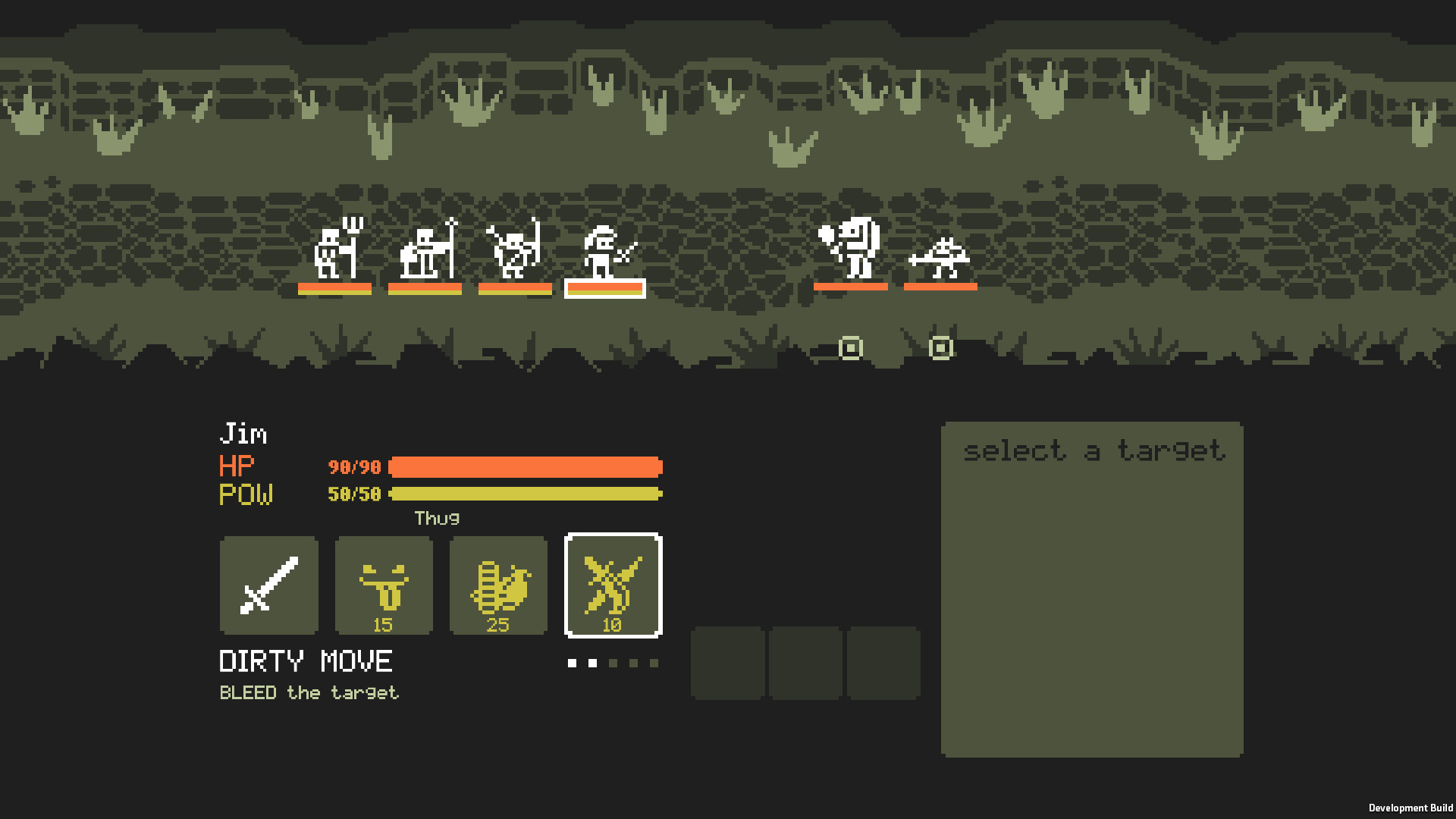
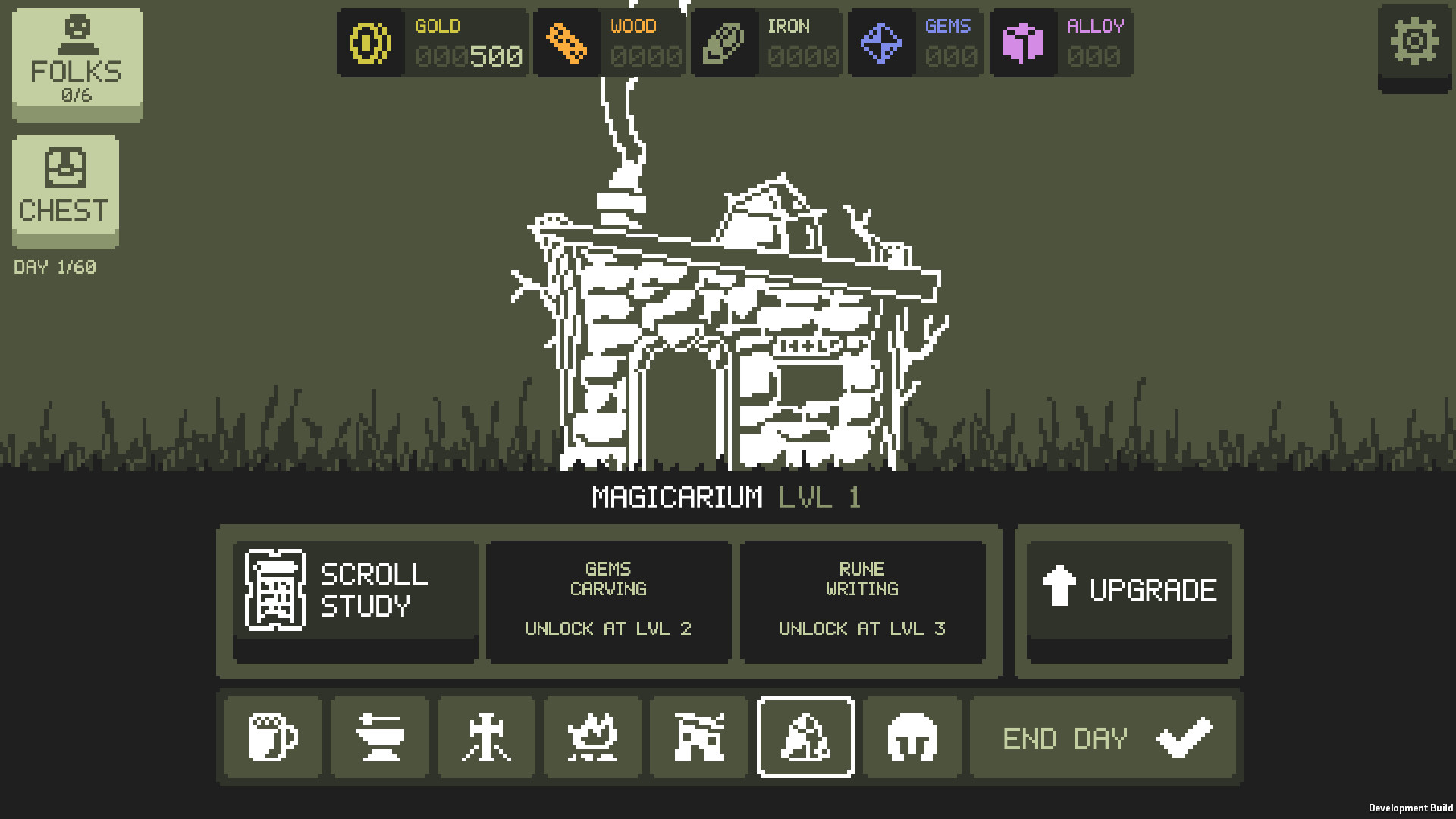
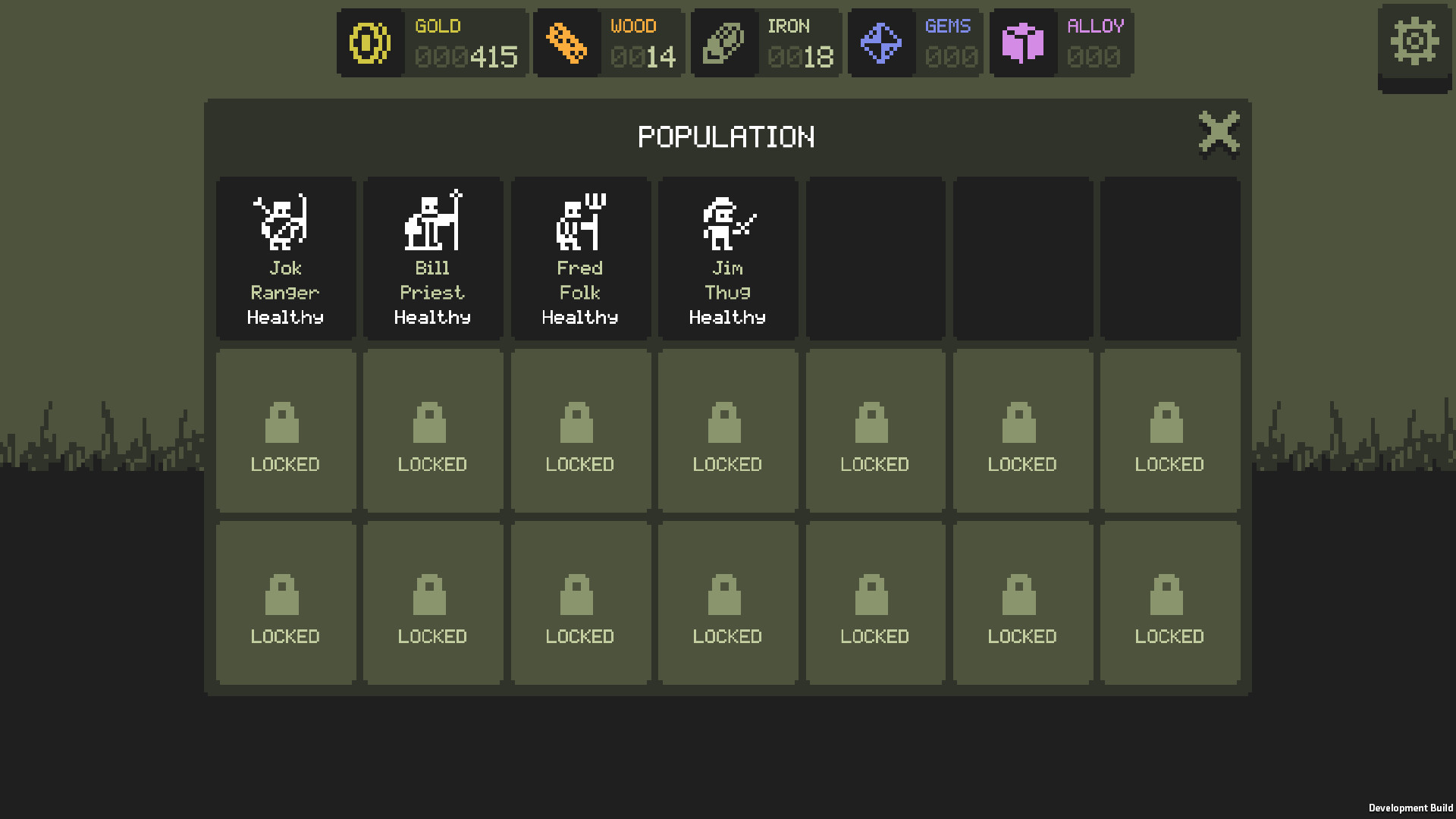
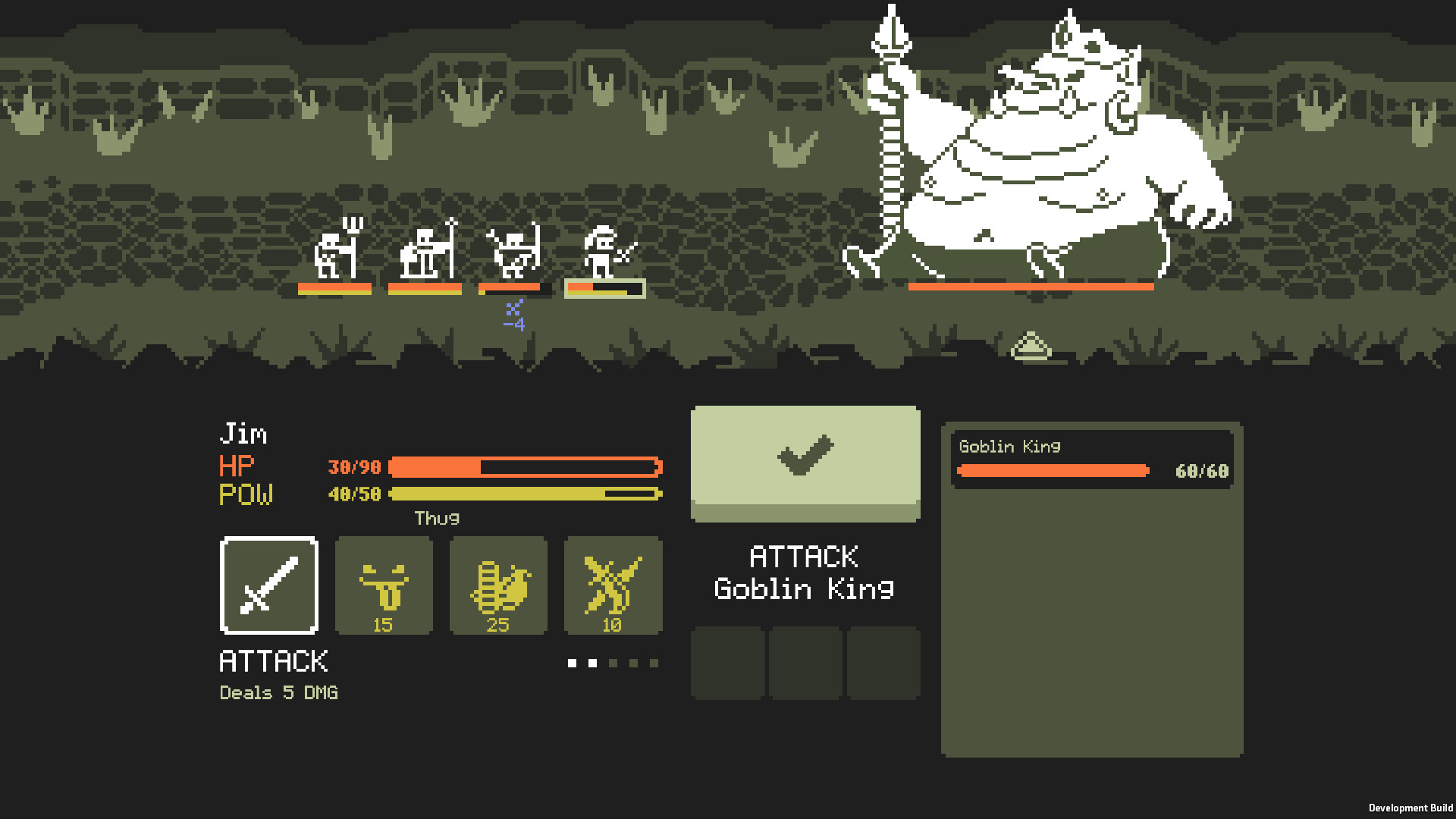

System requirements
These are the minimum specifications needed to play the game. For the best experience, we recommend that you verify them.
Windows
- OS: Windows 10
- Processor: Dual-core CPU @ 2GHz
- Memory: 3 GB RAM
- Graphics: GeForce GT 630 or AMD Radeon HD 7450
- Storage: 200 MB available space
MacOS
- OS: macOS 10.13
- Processor: Dual-core CPU @ 2GHz
- Memory: 3 GB RAM
- Graphics: GeForce GT 630 or AMD Radeon HD 7450
- Storage: 200 MB available space
Linux
- OS: Ubuntu 16.04+
- Processor: SSE2 instruction set support.
- Memory: 3 GB RAM
- Graphics: Graphics card with DX10 (shader model 4.0) capabilities.
- Storage: 200 MB available space
Steam Price & Best Deals
User reviews & Ratings
Explore reviews from Steam users sharing their experiences and what they love about the game.
Basically a bite-sized Darkest Dungeon. Reclaim your castle in 45 days, or the dark forces that reside there will destroy the entire realm. You start off with just your king and a tavern that can recruit a single peasant each day. Head out on adventures to earn gold and resources, then use them to build new structures and upgrade existing ones. Each of your characters can have two levels of training, which determines what class they end up with (including your king, who starts off with the unique class Monarch.) For instance, a peasant trained with one round of melee training will turn into a Warrior. Training them in melee a second time will turn them into a Berserker, or in magic for a Sorcerer, or in faith for a Monk, etc. Individual characters can have their weapons and armor upgraded (mage upgrades make their spells cheaper, while melee upgrades upgrade HP) for increasing costs; and there are also research upgrades that can improve your party as a whole. Finally, there are artifacts and items. Each character can equip one artifact, which can be freely switched between characters while you're in town. Artifacts have a variety of effects, such as increasing HP, providing immunity to status effects, or improving your own abilities. You can also bring three items on each expedition, most of which are healing items, although direct-damage and buff items are available as well. And that's essentially the game loop. A run on normal difficulty can be completed in just a couple of hours, and beating the game unlocks various challenge modes and higher difficulty levels. Graphics are basic, but functional; the music is surprisingly catchy, and the price is good - recommended!
Short game with limited replayability but let's you explore new classes by training units in different combination of buildings. It's mildly tactical but serviceable for the game of this size. One negative is that some UX could be better and some tooltips would've been good to have.
Similar games
View all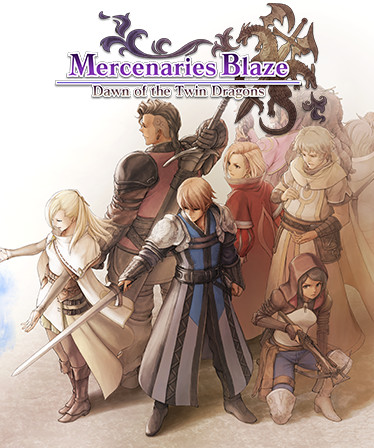

Jagged Alliance 3
The country of Grand Chien is thrown into chaos when the elected president goes missing and the paramilitary force known as “the Legion” seizes control. Hire mercs, meet interesting characters, and fight in tactically deep turn-based combat in this true successor to a beloved franchise.
Wargroove
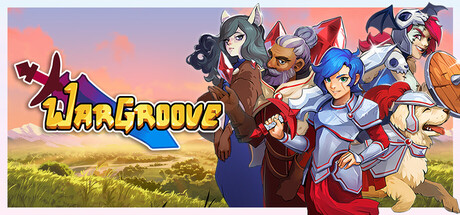
Take to the battlefield with Wargroove, a strategy game for up to 4 players! Choose your Commander and wage turn-based war on battling factions. Design and share maps, cut-scenes and campaigns with easy-to-use editors and in-depth customization tools!

Fae Tactics
In Fae Tactics, follow a young magic user named Peony on her journey across a vibrant world full of mystery and danger. Summon allies, cast spells, and befriend a motley crew of characters as you dive into the growing conflicts between man and magical beings known as fae.
Requiem of Reuinis
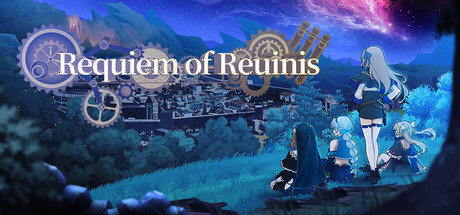
A Magic Tower-style Strategy RPG with alchemy and progression. Play as Tasia and explore lost ruins with your companions. No unwinnable dead ends — plan your days freely, build your loadout, gather resources, and uncover the truth behind the [Calamity].
Tenebris: Terra Incognita
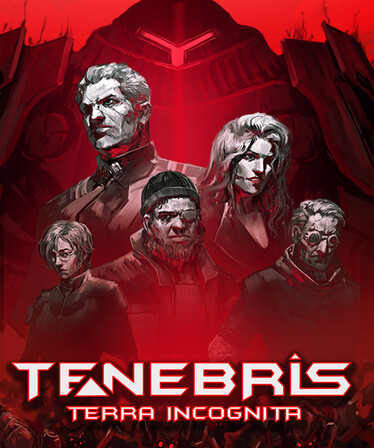
A turn-based tactical RPG. Experiment with the talent trees of 23 heroes. Combine abilities with equipment. Defeat 17 terrifying bosses and uncover the secrets of the planet Tenebris!
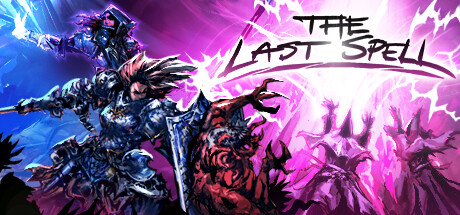
The Last Spell
Defend the last bastion of humanity with your squad of heroes! Exterminate fiendish monsters with magic and brute force by night and re-build your battered city defenses by day in this tactical RPG with rogue-lite mechanics.

Chroma Squad
Tactical RPG about 5 stunt actors who decide to quit their jobs and start their own Power Rangers-inspired TV show! Cast actors, upgrade your studio, craft Mechas of cardboard and duct tape. Once the cameras are rolling, control your cast of 5 colored-jumpsuit-clad warriors in turn-based battles.
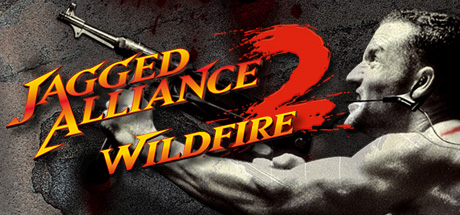
Jagged Alliance 2 - Wildfire
Even if the regime is totally inept and corrupt, don't suppose for a moment that you as the liberator will be greeted with open arms.JAGGED ALLIANCE 2: WILDFIRE brings you back to Arulco. The population is being terrorized by a reckless army; in the meantime the main export goods are drugs.
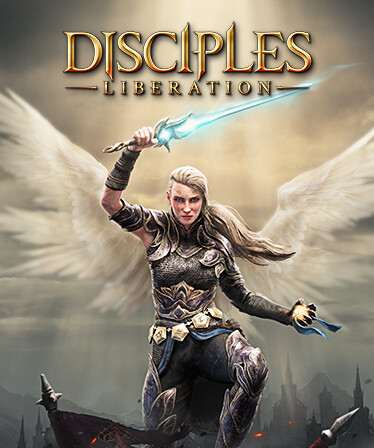
Disciples: Liberation
Disciples: Liberation is a mature, dark fantasy strategy RPG with turn-based combat. Liberate the land of Nevendaar and uncover the endless stories hidden within this richly detailed world where every decision has a consequence, and every wrong move could be deadly.

Silent Storm Gold Edition
Silent Storm from leading Russian developer Nival is a true 3D tactical turn-based Role-Playing-Game set against the backdrop of WWII. As the conflict rages on the frontlines, you’ll be leading a small multinational squad behind enemy lines to gather information and wreak havoc on your enemies while trying to thwart a mysterious new...

The Three Kingdoms: The Tales of Jian An
This is a historical strategy game set in the Three Kingdoms era, told from Liu Bei's perspective. It covers the Yellow Turban Rebellion to early Three Kingdoms. Featuring classic turn-based gameplay, it reinterprets historical events, offering both engaging battles and rich cultural insights.
Frequently Asked Questions
Tinyfolks is currently priced at 3.99€ on Steam.
No, Tinyfolks is currently not on sale. You can purchase it for 3.99€ on Steam.
Yes, Tinyfolks received 997 positive votes out of a total of 1,072 achieving a rating of 8.77.
😎
Tinyfolks was developed by Pierre Vandermaesen and published by VANDERMAESEN GAMES.
Yes, Tinyfolks is playable and fully supported on Windows.
Yes, Tinyfolks is playable and fully supported on MacOS.
Yes, Tinyfolks is playable and fully supported on Linux.
This information about Tinyfolks is not available yet.
This information about Tinyfolks is not available yet.
No, Tinyfolks does not support VR.
Tinyfolks is a single-player game.
Yes, there is a DLC available for Tinyfolks. Explore additional content available for Tinyfolks on Steam.
No, Tinyfolks does not support mods via Steam Workshop.
No, Tinyfolks does not support Steam Remote Play.
Yes, Tinyfolks is enabled for Steam Family Sharing. This means you can share the game with authorized users from your Steam Library, allowing them to play it on their own accounts. For more details on how the feature works, you can read the original Steam Family Sharing announcement or visit the Steam Family Sharing user guide and FAQ page.
You can find solutions or submit a support ticket by visiting the Steam Support page for Tinyfolks.
Data sources
The information presented on this page is sourced from reliable APIs to ensure accuracy and relevance. We utilize the Steam API to gather data on game details, including titles, descriptions, prices, and user reviews. This allows us to provide you with the most up-to-date information directly from the Steam platform.
Additionally, we incorporate data from the SteamSpy API, which offers insights into game sales and player statistics. This helps us present a comprehensive view of each game's popularity and performance within the gaming community.
Last Updates| Steam data | 06 October 2026 21:06 UTC |
|---|---|
| SteamSpy data | 16 October 2026 12:33 UTC |
| Steam price | 27 October 2026 03:41 UTC |
| Steam reviews | 19 October 2026 17:58 UTC |
If you'd like to dive deeper into the details about Tinyfolks, we invite you to check out a few dedicated websites that offer extensive information and insights. These platforms provide valuable data, analysis, and user-generated reports to enhance your understanding of the game and its performance.
- SteamDB - A comprehensive database of everything on Steam about Tinyfolks
- SteamCharts - Analysis of Tinyfolks concurrent players on Steam
- ProtonDB - Crowdsourced reports on Linux and Steam Deck Tinyfolks compatibility

Game modes
Features
Online players
3
Developer
Pierre Vandermaesen
Publisher
VANDERMAESEN GAMES
Release
01 Jun 2022
Platforms