
Noob - The Factionless
Lead a team of adventurers to the highest rank of all guilds!
Sync your Steam wishlist to find the lowest game prices instantly. No login required, just paste your Steam profile URL!
⚡ Try Wishlist Radar!
Sync your Steam wishlist to find the lowest game prices instantly. No login required!
⚡ Try Wishlist Radar!
Close

Those Who Rule on Steam
Quick menu
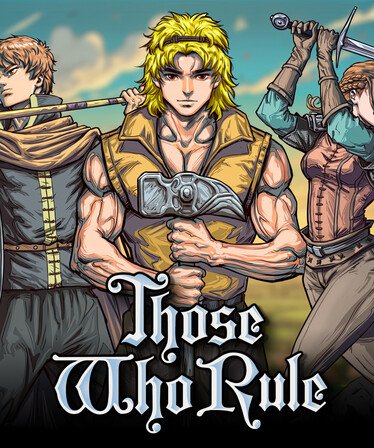
Join three fresh recruits caught in a web of betrayal as war looms over the land. Lead your band of heroes through tactical turn-based battles, master unique abilities, and forge powerful gear to turn the tide of battle. Will you unravel the conspiracy driving the conflict—or be consumed by it?
Those Who Rule is a tactical rpg, turn-based tactics and rpg game
developed and published by Eldin Turulja.
Released on January 27th 2025 is available on Windows, Steam Deck and Steam Machine.
It has received 1,133 reviews of which 1,020 were positive and 113 were negative resulting in a rating of 8.5 out of 10. 😎
The game is currently priced at 8.74€ on Steam with a 50% discount.
The Steam community has classified Those Who Rule into these genres:
Tactical RPG
Turn-Based Tactics
RPG
Strategy RPG
Turn-Based Strategy
Party-Based RPG
Story Rich
Perma Death
CRPG
Difficult
Strategy
Character Customization
JRPG
Isometric
Medieval
Choices Matter
Turn-Based Combat
Hex Grid
Tactical
Grid-Based Movement
Here is the detailed breakdown of supported languages for Those Who Rule:
| UI | Subtitle | Audio | |
|---|---|---|---|
| English |
Media & Screenshots
Get an in-depth look at Those Who Rule through various videos and screenshots.


Load More


System requirements
These are the minimum specifications needed to play the game. For the best experience, we recommend that you verify them.
Windows
- Requires a 64-bit processor and operating system
- OS: Windows 10, 11
- Processor: i5
- Memory: 4 GB RAM
- Graphics: OpenGL 2.0 compatible video card with 2 GB VRAM
- Storage: 4 GB available space
Steam Price & Best Deals
User reviews & Ratings
Explore reviews from Steam users sharing their experiences and what they love about the game.
Those Who Rule is deceptively fun. At first, it seems like a pretty simple tactical RPG. Move your units, attack enemies, use abilities, capture territory, repeat. The systems are easy to pick up, and the early battles are genuinely relaxing in that “I understand what I'm doing” kind of way. You get popups and hand-holding. Permadeath is on hold even if you selected it for the first chapters. Then the game decides you've had enough fun. Because Normal difficulty feels like Hard. Those Who Rule gradually turns into an XCOM-style tactical game where positioning and initiative become absolutely critical. A single bad engagement can snowball into a disaster, and suddenly you're spending several minutes staring at the battlefield trying to figure out whether moving one unit two spaces forward is going to get everyone killed. One of the most interesting things about the combat is its retaliatory structure. Getting attacked can actually be advantageous compared to attacking first. If you commit to an attack, you may expose yourself to the enemy's retaliation. But if you let the enemy come to you, you can often heal, counterattack, or otherwise exploit the fact that they've committed themselves. So you get this bizarre but familiar tactical rhythm: Move forward. Do nothing. End turn. Let the enemy come to you. Punish them for doing so. It's very reminiscent of the Beaglerush Maneuver in XCOM. In XCOM, getting discovered during your own turn can be catastrophic, while having the aliens discover you during their turn can be hugely beneficial because they effectively spend their activation revealing themselves instead of attacking. Those Who Rule creates a similar incentive: you often want the opponent to be the one who commits first. And this becomes increasingly important as the difficulty ramps up. Also, the game is well aware of this and will toss maps at you that force you forward. Constantly. The game doesn't necessarily feel complicated at first. That's what makes the transition so funny. You start out thinking you're playing a straightforward strategy RPG, and eventually you're doing full XCOM-style threat assessment before every move: If I kill this guy, who gets to attack next? If I move here, what can reach me? If I trigger these enemies now, whose turn is it? Can I afford to let this unit get hit? Did the guy with the Two-Handed Axe just one shot my full health Crusader? And it's not just the battles you have to be prescient about. You also have to anticipate what's going to happen on the map. Events unfold while you're managing your army, and making the right decision isn't always about what's immediately in front of you. You have to think ahead about what an event might trigger, where you'll need to be afterward, and whether the decision you're making now is going to leave you completely unprepared for what happens next. That adds another layer of XCOM-like anxiety: you're not just planning your next turn, you're trying to anticipate the consequences of the next several turns. And then there's the character progression, which can make the difficulty brutal in its own right. You can't respec your characters, so making the wrong choices when leveling them can leave you stuck with a build that simply isn't suited to what you're going to face later. That's particularly punishing because the classes clearly hard-counter one another. Putting the wrong abilities or stats into a character isn't just a matter of being slightly less optimal. Eventually you can find yourself bringing a character into a matchup where their entire kit is poorly suited to the enemy in front of them. So you're simultaneously trying to figure out the tactical combat, anticipate events on the map, and make permanent character-building decisions without necessarily knowing what you'll need later. The systems themselves remain relatively simple. It's their interactions that become complicated. Positioning, abilities, terrain, unit roles, retaliation, character builds, class matchups, and the events happening across the map all start mattering simultaneously. Those Who Rule is deceptively simple right up until it isn't. It's fun almost immediately, but the game gradually reveals that underneath its approachable presentation is a pretty demanding tactical system. Normal doesn't feel like the comfortable default difficulty you might expect. It feels like the game expects you to actually understand the combat and have a plan for what's coming next, while also hoping you haven't accidentally screwed up your characters three hours ago. Basically: It starts as a charming little tactical RPG and slowly turns into XCOM/Tactics Ogre. That doesn't mean I don't recommend it, or that it's not a pleasant game to play. It's also very cheap, which makes it attractive. And there's always Casual difficulty without Permadeath if you don't want quite as much suffering. The main thing is that you should probably go in with your eyes open. Your leveling choices are permanent. Classes can hard-counter each other. Events on the map need to be anticipated rather than simply reacted to. Sometimes the best move really is to advance and do absolutely nothing. Money is tight. And yes, the difficulty is going to ramp up considerably even if you're playing on Normal. Knowing that from the start makes a huge difference. You can actually plan around these systems instead of getting blindsided several hours into the game when you realize the character you spent all that time building is terrible for the matchup you're now stuck dealing with. It's a fun game. Just understand what you're signing up for before you start. Because eventually you're going to miss a 93% hit, get retaliated to death, stare at the screen in disbelief, and wonder why you didn't play on Casual.
I just finished this epic turn-based strategic combat game last night and I just wanted to share some of my thoughts on it while my memory is still fresh. I love games of this genre, and my favourites include XCom 2, Jagged Alliance 3, Wartales, Divinity: Original Sin 2, Battle Brothers, etc. Likes: - The storytelling was epic. Totally engaging, with twists and turns and some tough decision making. - The combat system was well thought out, feels polished and I experienced no bugs during my entire run. - The classes are varied, and the 2 tier promotion gives room to more strategic possibilities. - The flow from one battle scene to another feels engaging and natural. - Loot from battle chests and enemy units are always good to have. - Needing to fulfill certain requirements to hire special units is definitely fun. I'll need to redo Noah's ;) Suggestions: - No saving options during the battle, when there are large number of units involved, can mean redoing the entire battle when you make even the tiniest mistake. My suggestion, make this an option for like Ironman mode or something where death is permanent and there are no save options during battle. But allow for more casual players to have an alternative game option where they can choose otherwise. - Cut scenes (unlike the dialogue scenes) normally feature just a map with a voice narration. I was hoping to see something different here, maybe some short animated scenes rather than mostly static ones, with the option to replay these cut scenes elsewhere subsequently. - Units not used in the roster normally collect dust after getting left behind since their experience level will be below the mission par, which is a waste since this will discourage the rotation of units. Maybe give a reasonable token experience to all units in the roster that didn't participate in the latest battle every mission, say 3/4 of what the participating units get. This will help ensure that less used units do not become obsolete. - Units are allowed to reposition after their turn ends. Some directions are not possible if there is no empty space in that direction, due to barriers, etc. I think this is either an oversight or a bug and that units should be allowed all directions for repositioning regardless. An example is an unit on the left facing 2 units on the right, except that this unit on the left cannot reposition to face right due to an obstacle on the immediate right. This means choosing a different facing which allows the right units to have a better chance to flank and backstab that unit on the left, which feels wrong somehow. - Have the market refresh itself with new weapons periodically other than staple ones? This will keep the market useful long after the units attain the uber version of their staple arms and armor. - Having voice actors for the existing dialogues? Regardless of my suggestions, this was an epic game and I have fond memories of the countless battles with my ragtag team of Rangers and I'm definitely looking forward to its sequel. "Rangers Lead the Way!" :)
Just finished the game after about 60 hours. It took longer than expected because I'd completed it without any deaths to my crew. Simply put, this is a phenomenal indie game. While the game isn't flashy by any means, where it matters, it delivers. The combat system is done very well; there is plenty of nuance in how you can control and position your troops to maximize success. From beginning to end, the game engages the player. Lose focus and make one too many mistakes and you will be severely punished for it. Also, rather than random maps, all the maps are fixed. They are well curated and I get a sense that the game had gone through a lot of play testing and the maps thoroughly tweaked so that everything on it matters, from where the enemy soldiers are placed, to the positions of the various terrain (i.e. terrain such as bushes / rocks offer tactical advantages / disadvantages). The weapon and gear system is also well thought out. Weapon progression is gradual, with most weapons you find being sidegrades. Early game weapons can still remain relevant mid to late game which is good as coin is not easy to come by and the player is not punished for upgrading early game weapons. As for the story, while it's not ground breaking, it is fairly interesting with some political intrigue. Music is also decent. The only minor quibble I have with the game is the RNG of the character leveling system. While I understand the intent of the designer, it does feel bad when your character gets only one +1 stat upgrade when it levels up. On the flipside though, I do find myself fist pumping when the stars aligned and all the stats get upgraded, so there's that. The designer has included a fixed upgrade option for those who prefer a more predictable leveling system but I think the game still plays better with the default random option. All in all, if you are into tactical turn based games (think Fire Emblem, Final Fantasy Tactics), this is a must buy. The game is reasonably priced for the amount of play time you get out of it, and it is obviously a game done with a lot of passion. Designer, if you are reading, great job! Hopefully, a sequel in the works.
Those Who Rule is a very small team's love letter to the old Fire Emblem RPGs. Its made with a lot of heart, but as a small team made it; the game is something of an unpolished gem. There is good content and gameplay in here, but there is also a lot of grit and unsanded edges that drags the game down. If it was possible to give a game a neutral review I believe that would be warranted. Since it isn't, let me apply a big IF to my recommendation. This game is worth playing IF you are hungry for that old GBA/Game Cube era Fire Emblem feeling and you don't mind some jank. If either of those aren't true, you should probably pass. With that out of the way, lets talk about the game. Its Fire Emblem but with some mechanics changed around. Its a turn based game, There are weapon affinities, a damage calculation preview, certain marked enemies drop items when killed, true-hit % system, consumable healing items that units can skip their turn to use, etc. Characters basically have fire emblem stats, 4 speed is the difference between double attacking or not, you can do the damage calculations in your head because its just strength + weapon attack - enemy def, etc. So, whats different? The game is hex based instead of grid based, this means that each unit has 6 tiles surrounding them. This is done because you get to pick the direction your unit is facing. Attacks from the front deal the lowest damage and have the highest chance of being evaded. Attacks from behind deal additional damage and have a lower evasion chance. There are no "critical hits" because you can get them for free by stabbing an enemy in the back. To prevent "backstab fishing" from being the main gameplay mechanic, each unit equipped with a melee unit has a zone of control around them. Units lose all remaining movement if they take a step into an enemy zone of control. Thus your "Knight" doesn't just defend the hex they are on, they also prevent enemies from bypassing the surrounding 6 hexes. This isn't a perfect solution to every problem as there are ranged units, units that can bypass Zone of Control, and lastly if you put two units to surround the Knight (one going clockwise and one going counter clockwise) you can eventually get one to its back for easy damage. The Knight will have to pick one to face, leaving itself open. There are other differences too, equipment works much differently than a regular fire emblem game. Everything you equip to your character has passive and/or active abilities. Wielding a Sword feels different from wielding an Axe not just because each has different damage/hit stats but because each has a different passive ability. This helps make up for the lack of a weapon triangle (though Hammers still exist to explode armored units). Additionally, weapons/items don't have durability instead some of their abilities have limited uses per chapter. Your character can carry up to 3 weapons, two accessories, and a shield. However, each item has a weight and each character has a weight limit preventing them from just loading up on all the best gear. You need to choose whether to wield a couple weaker weapons or just one powerful one; whether to use a heavier shield or have room to equip additional accessories. This system is actually really good and one of the things that kept me invested in the game as we got to later chapters. There are 6 basic classes, these classes each come with a basic ability and each character has their own unique ability. Then, each basic class has 3 choices for upgrades at level 10 to an advanced class, some of these overlap between the basic classes. For example; both the basic armored unit and the basic healer can evolve into the Crusader advanced class. The advanced classes add another two abilities to the mix, on top of the basic ability and character ability. Finally, at level 20, a unit will advance from Advanced Classes to Expert Classes. Expert classes grant a final two abilities, for a total of 6 abilities per unit. Unfortunately, your choice of Expert Classes is locked in based on your starting class. It would have been nice to have the advanced class determine your expert class options; as this would give more options for replayability and build diversity. Okay, all of this is well and good, but why don't you recommend the game without an *IF* associated with your recommendation? Four reasons. My first reason is that the combat system really breaks down at high level. Late game enemy units require extremely specific answers: there are units with absurd dodge, absurd defense, complete status immunity, immunity to zone of control, that always attack first and perform all their attacks before you can strike back, and more. If you don't have the right tool for the job (high accuracy, defense bypasses, status immunity bypass, correct positioning, and defensive walls respectively) you are likely to just lose a unit. If you do have the right tool for the job, its a cake walk. More so, late game all units will have one of 4 levels of defense: Basically Invincible, Incredibly Tough, Dies in Three Attacks, or Dies instantly. Most of the allied cast should, in my humble opinion, be inbetween Incredibly Tough and Dies in Three Attacks. Unfortunately, this is not the case. Some of that could be bad growths on my end, but from personal experience it feels like most of the cast dies far too quickly. Of my whole band of 30+ characters, I would say about 8-10 of them could be attacked by more than two enemy units and survive. Some of those are dodge tanks too, so they die if they're hit past their evasion. This goes into my second reason; the game is hard and will kill your units: even on normal. This isn't a bad thing, but the game does not have any kind of mid-battle save. If you're like me, you don't let your units die, and that means that any mistake during (especially late game) very long and difficult chapters resets you to square one. That is part of the fire emblem experience, but I feel like its worth pointing out. My third reason is a little pettier, but its about the game itself. The game was made by a small team and it shows. The option to see where enemies can attack sometimes causes it to stay on screen but be in the wrong spot, you can't see enemy attack range while moving your units (a problem when you've got to move your skirmisher 2 squares after their action), the game will switch your weapons for you or highlight skills you don't mean to use (thus clicking too fast through things can cause you to screw up, mis place a unit, and start the whole map over again), and you can't open the main menu during enemy turns so you have to wait the entire way through the enemy turn to restart the mission. My fourth and final reason is that there are various story kerfuffles; the party escapes on a pirate ship across the ocean to a landlocked section of the same continent they started on, characters appear or disappear with little warning (what happened to Mathias, where did Jorah come from, etc), and I'm sure I've forgotten others. Despite all the above issues, The game is inexpensive, there might be a sequel, and the author actually responds to message boards which is a point in their favor. The class/equipment systems kept me hooked even when the game got a little janky. The game was solid and you'll like it IF you like fire emblem and don't mind some indie developer jank. It took me about 40 hours to beat, though I bet you could beat it in much less if you knew what you were doing, didn't care about unit losses, or were going through the game a second time.
This an indie solo passion project that everyone who has enjoyed a Fire Emblem game should be throwing their money at. I'm coming at this as someone who hates Fire Emblem games because the fundamental gameplay loop feels tragically beholden to a 30 year old formula. But I'm also someone that has played and beaten just about every game in the series because I'm a starving, degenerate fiend for tactical RPGs and Fire Emblem has a junk food appeal to it. I didn't enjoy watching the later seasons of Game of Thrones, either, but dammit, I was committed and there was nothing else like it on television. Those Who Rule is genuinely novel in a lot of interesting ways. Yes, it follows a lot the same formula that Fire Emblem does, but the developer seems to actually understand enough about what makes those games tiresome to make impactful key changes. To name a few highlights: -- Hexes, Zone of Control, and the importance of character facing add a strategic nuance to the game that actually matters. -- Removal of critical hits gets rid of a layer of variance that makes turns more predictable and therefore more reliant on your choices. -- Swords, Lances, and Axes exist, but there is no weapon triangle. Nonetheless, each weapon has its own unique features that feel meaningfully different. Lances are accurate and let you attack before the enemy does even if they initiate combat; Swords get bonuses for flanking, backstabbing, and Avoid; Axes ignore a portion of defense. -- Shields (and three different variants of them!) give you a health pool that recharges at the beginning of every round and added importance around flanking. -- Two-handed weapons provide additional character options in lieu of shields. Axes ignore shields entirely; Lances and Swords both hit more than one target. -- Your characters get active abilities outside of attacking or healing based on their class and weapons. -- There are a handful of buffs and debuffs that can be applied in a handful of ways. -- Weapons can be forged, but also enchanted using scrolls that you buy or find. -- No cavalry; no fliers. No magic. -- Characters can equip up to 2 accessories that give them various special abilities or benefits. -- Endurance is a stat that increases the amount of equipment you can carry; each piece of gear or enchantment has a weight that contributes to the total held. And I haven't even hit on the bevy of things that Those Who Rule steals from Fire Emblem that it just does exceptionally well. It cuts a lot of bloat and adds a lot of quality of life. Non-generic weapons feel meaningfully unique. Characters promote automatically and can choose one of three different classes at each tier -- some of which overlap, which means there are a lot of interesting combinations to play with. Anybody can talk to recruitable characters, which removes some of the frustration and guesswork. Optional objectives are frequent throughout chapters, broadcast immediately, and add a lovely additional challenge to maps. The story is... actually good? The dialogue is... believably written? The characters are... typically pretty interesting? I really took this for granted until after I beat the game and looked at the landscape of other indie games in the genre that I couldn't drag myself through more than the first three chapters because I hated everything about the premise, the dialogue, and the characters. Look, if you actually hate Fire Emblem (and I don't mean "hnnggh, stupid sexy Dmitri ORKOing the battlefield..."), Those Who Rule probably isn't going to be the game for you. But, it might! This game falls into many of the same pitfalls as Fire Emblem. For instance: A majority of the strategy revolves around carefully exploiting the AI during enemy phase and things slowly fall apart into superpowered hilarity by the time you get your second promotion. But these issues didn't feel as... stark and cloying as they do with most Fire Emblem games? My one true gripe: I played the game predominantly on Steam Deck and the controller implementation is... rough in a lot of places. Menu navigation is oftentimes actively frustrating because the controls don't work intuitively. Using L and R to scroll through your units is weird, because when you exit out of the menu it goes back to the unit you originally selected. Around Chapter 8, my inventory got large enough that it permanently broke and started skipping around randomly (?) when I hit up and down instead of going in order. Tooltips too frequently disappear off screen. These issues were annoying, but not gamebreakingly bad. I was shocked by how enamored I was by this game; by how easily it gripped me in the first couple chapters and never let go. I was frustrated when I spent an hour in a chapter and lost a unit and my OCD demanded I restart, but I always knew it was my stupidity or impatience that was the cause. Those Who Rule always feels more than fair. And it's fun! It rewards mastery in a compelling way. This is such a good game, man. Stop reading my review and play it.
Similar games
View all
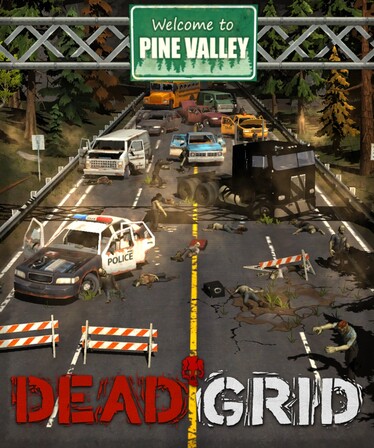
Dead Grid
Dead Grid is a turn-based strategy game set in a post-apocalyptic world overrun by zombies, infused with an 80s retro vibe. Lead a squad of elite mercenaries, fight relentless hordes, discover survivors, and build up your camp with hundreds of scavenged upgrades.
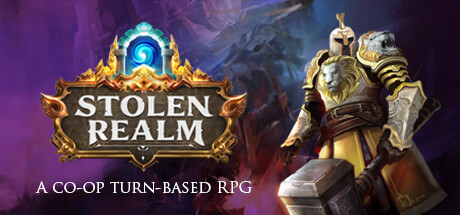
Stolen Realm
Stolen Realm is a simultaneous turn-based tactical dungeon crawling looter with action RPG elements where you control up to 6 heroes, solo or through online co-op, venturing forth in adventures set in a high-fantasy, low-poly world.
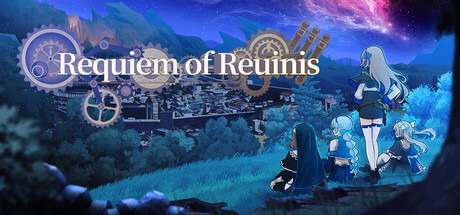
Requiem of Reuinis
A Magic Tower-style Strategy RPG with alchemy and progression. Play as Tasia and explore lost ruins with your companions. No unwinnable dead ends — plan your days freely, build your loadout, gather resources, and uncover the truth behind the [Calamity].

Templar Battleforce
An addictive mix of strategic combat and army building, with the precision of an RPG. Design your squad members' exact build of equipment and talents to create unique fireteam combinations. Step into the pilot suit of a Leviathan mech, lead the Templar Knights in turn-based tactical warfare.
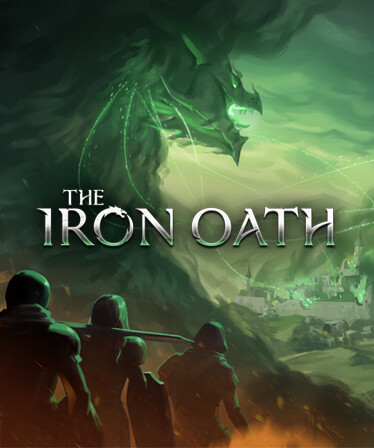
The Iron Oath
Command, endure, and prosper in The Iron Oath, a turn-based tactical RPG where the fate of your mercenary company rests on your decisions. Customize your roster, build your renown, and discover the secrets that await in the medieval fantasy realm of Caelum.

The Three Kingdoms: The Tales of Jian An
This is a historical strategy game set in the Three Kingdoms era, told from Liu Bei's perspective. It covers the Yellow Turban Rebellion to early Three Kingdoms. Featuring classic turn-based gameplay, it reinterprets historical events, offering both engaging battles and rich cultural insights.
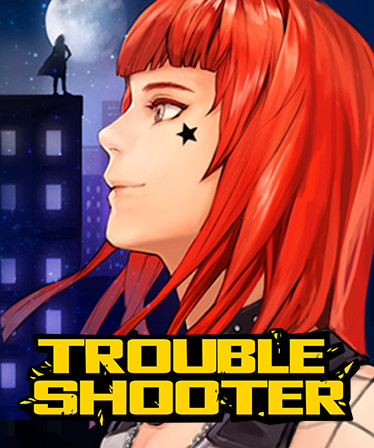
TROUBLESHOOTER: Abandoned Children
TROUBLESHOOTER: Abandoned Children is the first season of a turn-based strategy SRPG that takes place in the world of Troubleshooter.

Age of Fear: The Undead King
Play as either Sir Edward, a noble Knight defending the Human Kingdom, or Krill, a wicked Necromancer with an unearthly lust for power! The Age of Fear series is a deep and complex turn-based strategy (full of humour!) that fuses a tabletop wargame with RPG elements.
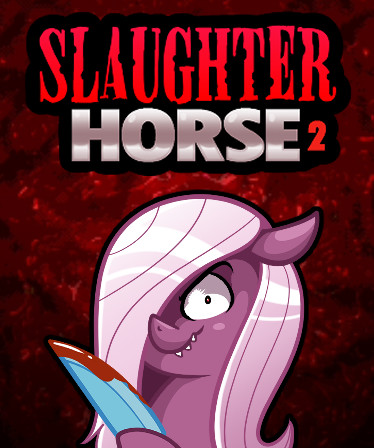
Slaughter Horse 2
Use deduction, murder and trust your luck to eliminate the town council and rule over the helpless cartoon horses in a twisted strategy RPG.
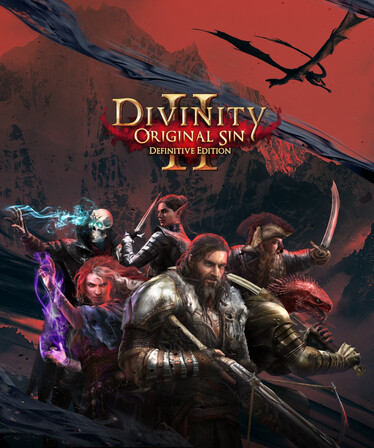
Divinity: Original Sin 2 - Definitive Edition
The critically acclaimed RPG that raised the bar, from the creators of Baldur's Gate 3. Gather your party. Master deep, tactical combat. Venture as a party of up to four - but know that only one of you will have the chance to become a God.
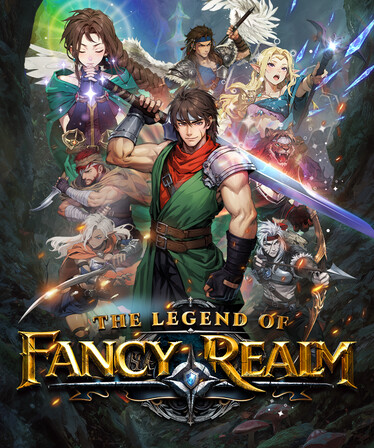
The Legend of Fancy Realm Remake
The Legend of Fancy Realm Remake is a story driven tactical RPG that brings a long cherished SRPG classic back to life. Set in a vast fantasy world shaped by ancient wars, the game weaves together turn based tactical combat and character focused storytelling, where every decision carries weight.
Frequently Asked Questions
Those Who Rule is currently priced at 8.74€ on Steam.
Yes, Those Who Rule is currently available at a 50% discount. You can purchase it for 8.74€ on Steam.
Yes, Those Who Rule received 1,020 positive votes out of a total of 1,133 achieving a rating of 8.52.
😎
Those Who Rule was developed and published by Eldin Turulja.
Yes, Those Who Rule is playable and fully supported on Windows.
No, Those Who Rule is not playable on MacOS.
No, Those Who Rule is not playable on Linux.
Yes, Those Who Rule is playable and fully supported on Steam Deck.
Yes, Those Who Rule is playable and fully supported on Steam Machine.
No, Those Who Rule does not support VR.
Those Who Rule is a single-player game.
No, Those Who Rule does not currently offer any DLC.
No, Those Who Rule does not support mods via Steam Workshop.
No, Those Who Rule does not support Steam Remote Play.
Yes, Those Who Rule is enabled for Steam Family Sharing. This means you can share the game with authorized users from your Steam Library, allowing them to play it on their own accounts. For more details on how the feature works, you can read the original Steam Family Sharing announcement or visit the Steam Family Sharing user guide and FAQ page.
You can find solutions or submit a support ticket by visiting the Steam Support page for Those Who Rule.
Data sources
The information presented on this page is sourced from reliable APIs to ensure accuracy and relevance. We utilize the Steam API to gather data on game details, including titles, descriptions, prices, and user reviews. This allows us to provide you with the most up-to-date information directly from the Steam platform.
Additionally, we incorporate data from the SteamSpy API, which offers insights into game sales and player statistics. This helps us present a comprehensive view of each game's popularity and performance within the gaming community.
Last Updates| Steam data | 11 October 2026 05:02 UTC |
|---|---|
| SteamSpy data | 20 October 2026 06:44 UTC |
| Steam price | 26 October 2026 19:27 UTC |
| Steam reviews | 22 October 2026 15:49 UTC |
If you'd like to dive deeper into the details about Those Who Rule, we invite you to check out a few dedicated websites that offer extensive information and insights. These platforms provide valuable data, analysis, and user-generated reports to enhance your understanding of the game and its performance.
- SteamDB - A comprehensive database of everything on Steam about Those Who Rule
- SteamCharts - Analysis of Those Who Rule concurrent players on Steam
- ProtonDB - Crowdsourced reports on Linux and Steam Deck Those Who Rule compatibility
Game modes
Features
Online players
45
Developer
Eldin Turulja
Publisher
Eldin Turulja
Release
27 Jan 2025
Platforms