
Pajama Sam 3: You Are What You Eat From Your Head To Your Feet
Pajama Sam chases down some snickering cookies, only to find himself in the midst of a food squabble!
Sync your Steam wishlist to find the lowest game prices instantly. No login required, just paste your Steam profile URL!
⚡ Try Wishlist Radar!
Sync your Steam wishlist to find the lowest game prices instantly. No login required!
⚡ Try Wishlist Radar!
Close

Titanic: Adventure Out Of Time on Steam
Quick menu
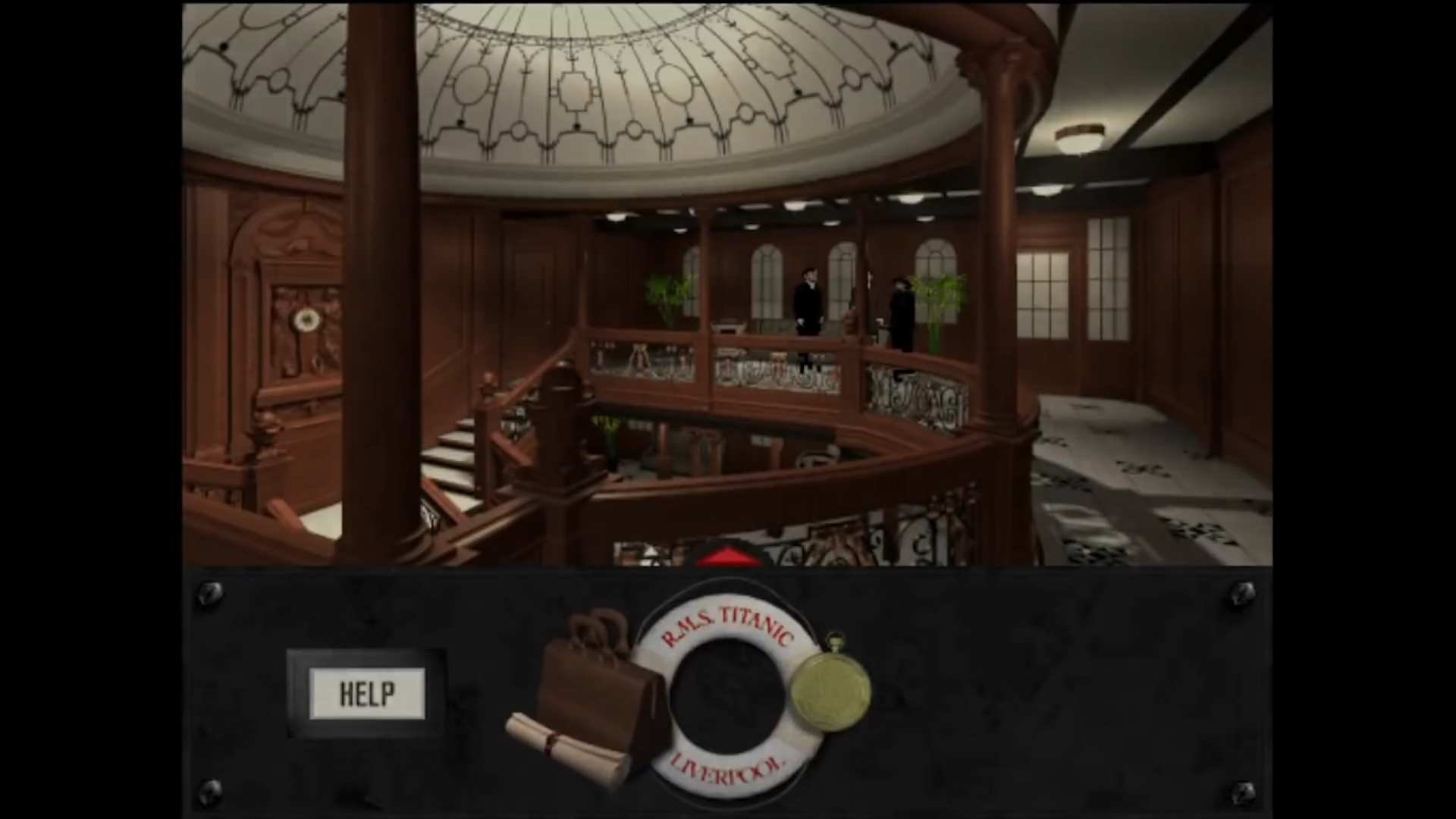
Intrigue and adventure await you on board the Titanic, the most famous ocean liner in history. As a British secret agent on a vital mission, it is up to you to change the course of history as you explore the world’s most luxurious ocean vessel in all its original splendour.
Titanic: Adventure Out Of Time is a adventure, casual and simulation game
developed by Cyberflix Incorporated
and published by GTE Entertainment, Nightdive Studios and Atari.
Released on April 26th 2018 is available only on Windows.
It has received 396 reviews of which 344 were positive and 52 were negative resulting in a rating of 8.1 out of 10. 😎
The game is currently priced at 4.99€ on Steam.
The Steam community has classified Titanic: Adventure Out Of Time into these genres:
Media & Screenshots
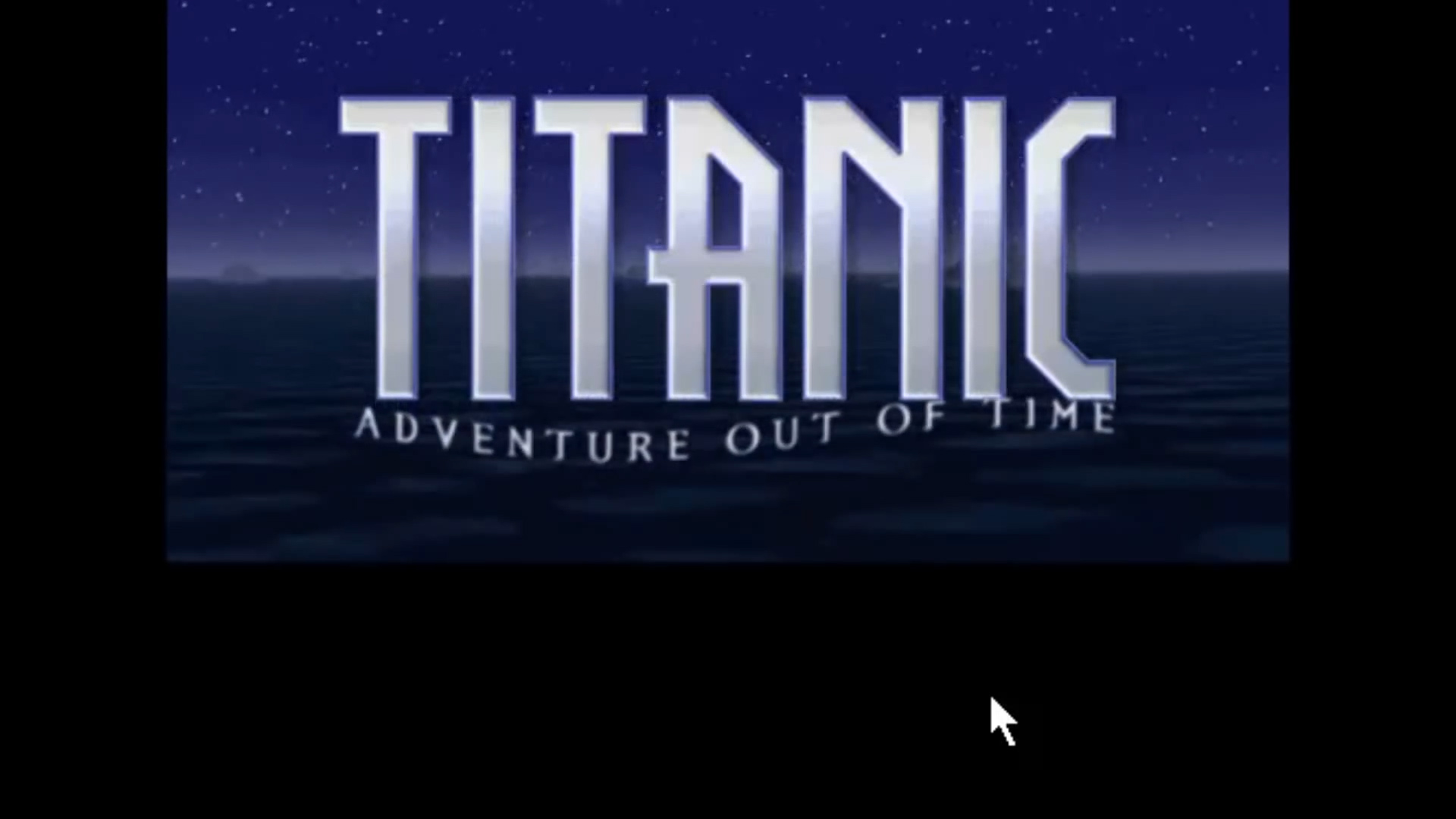
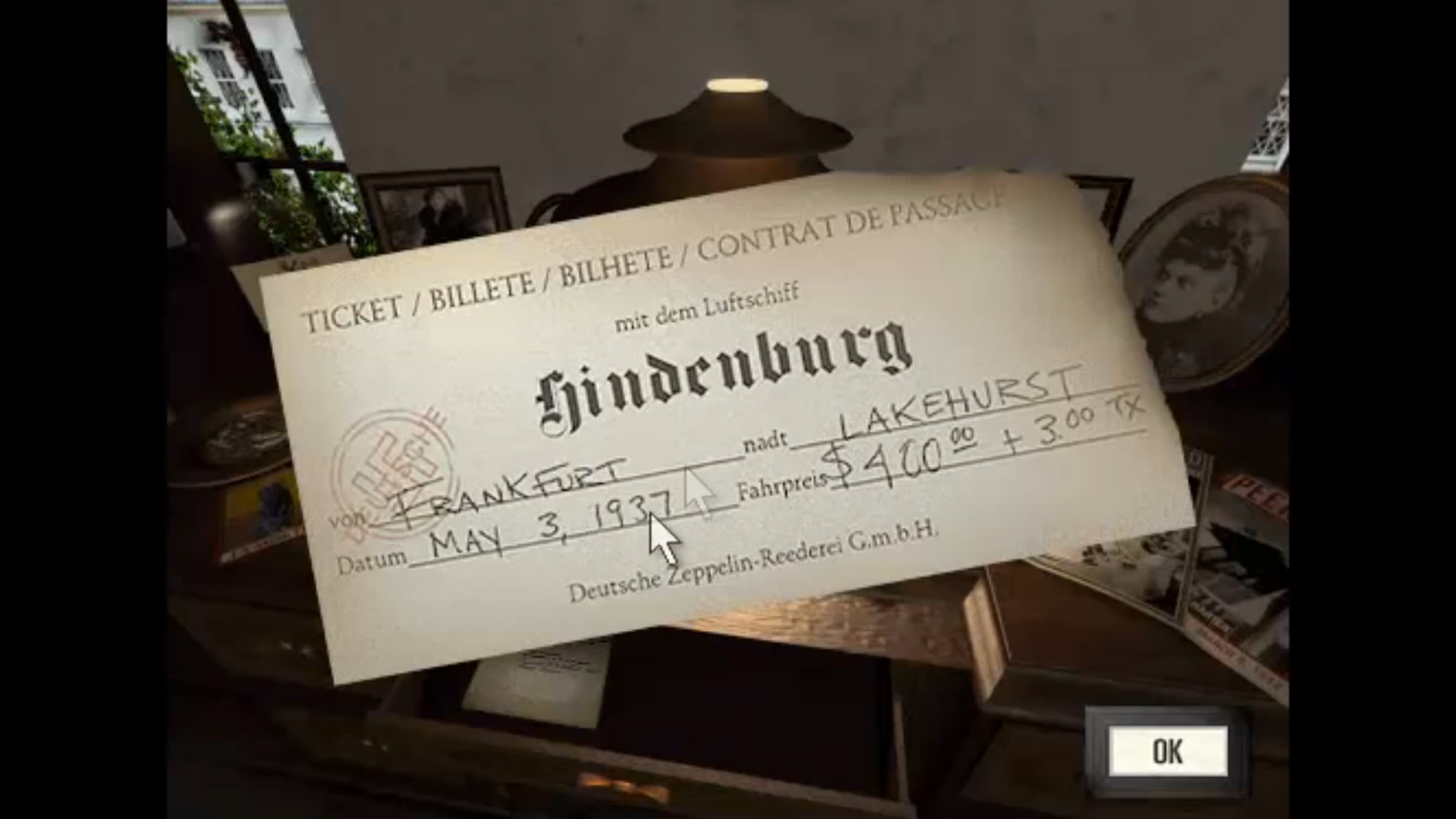
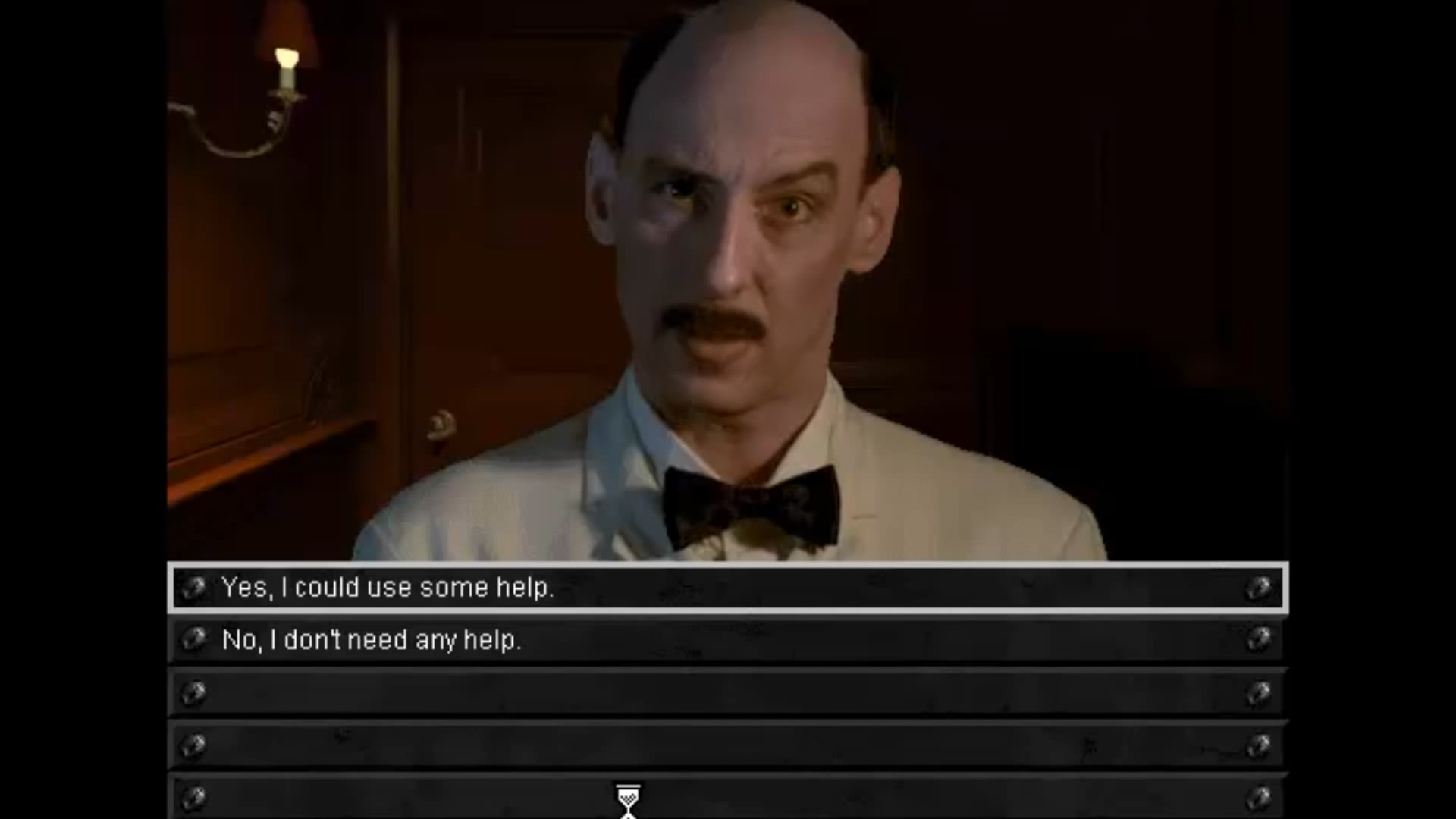
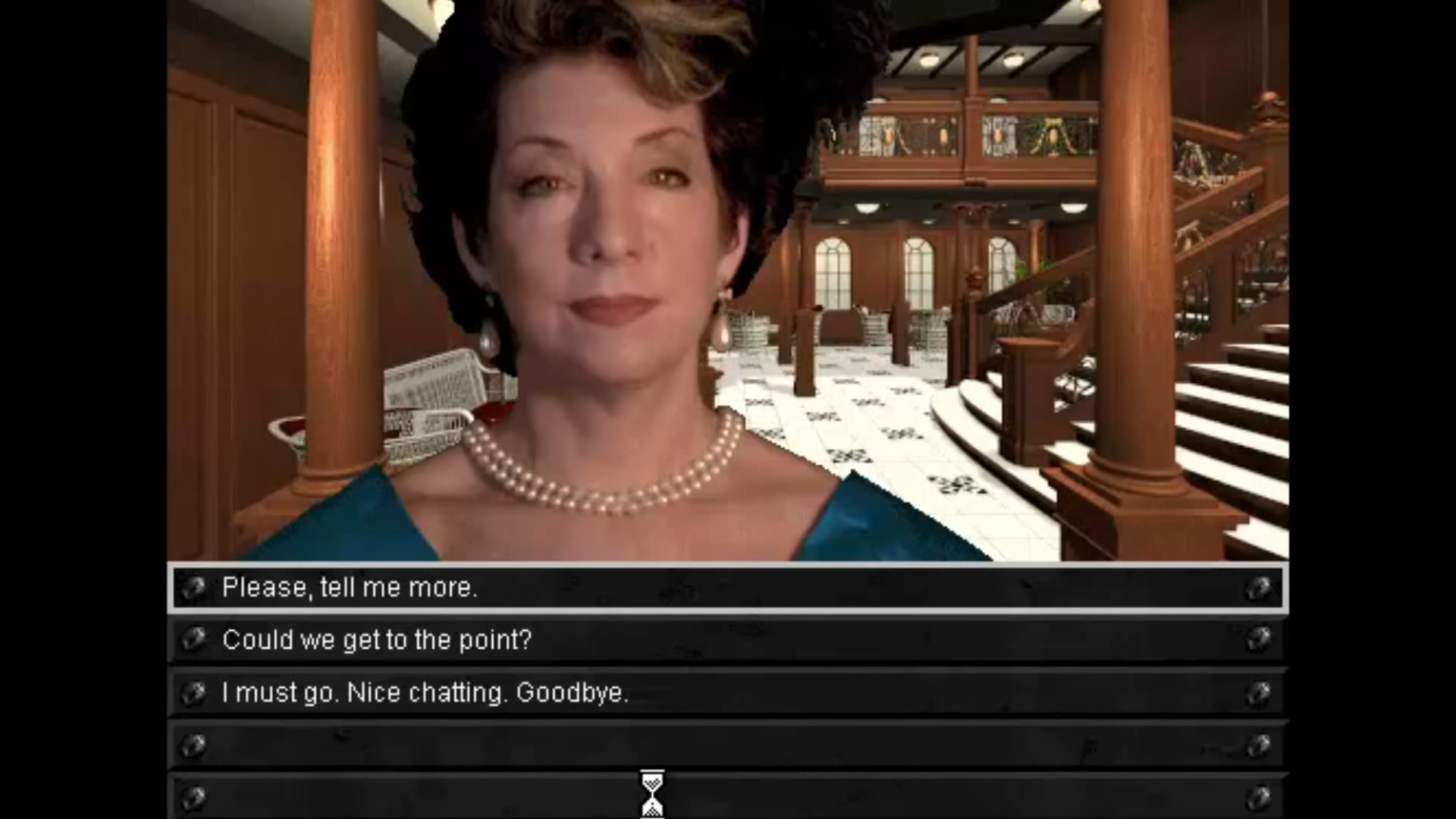
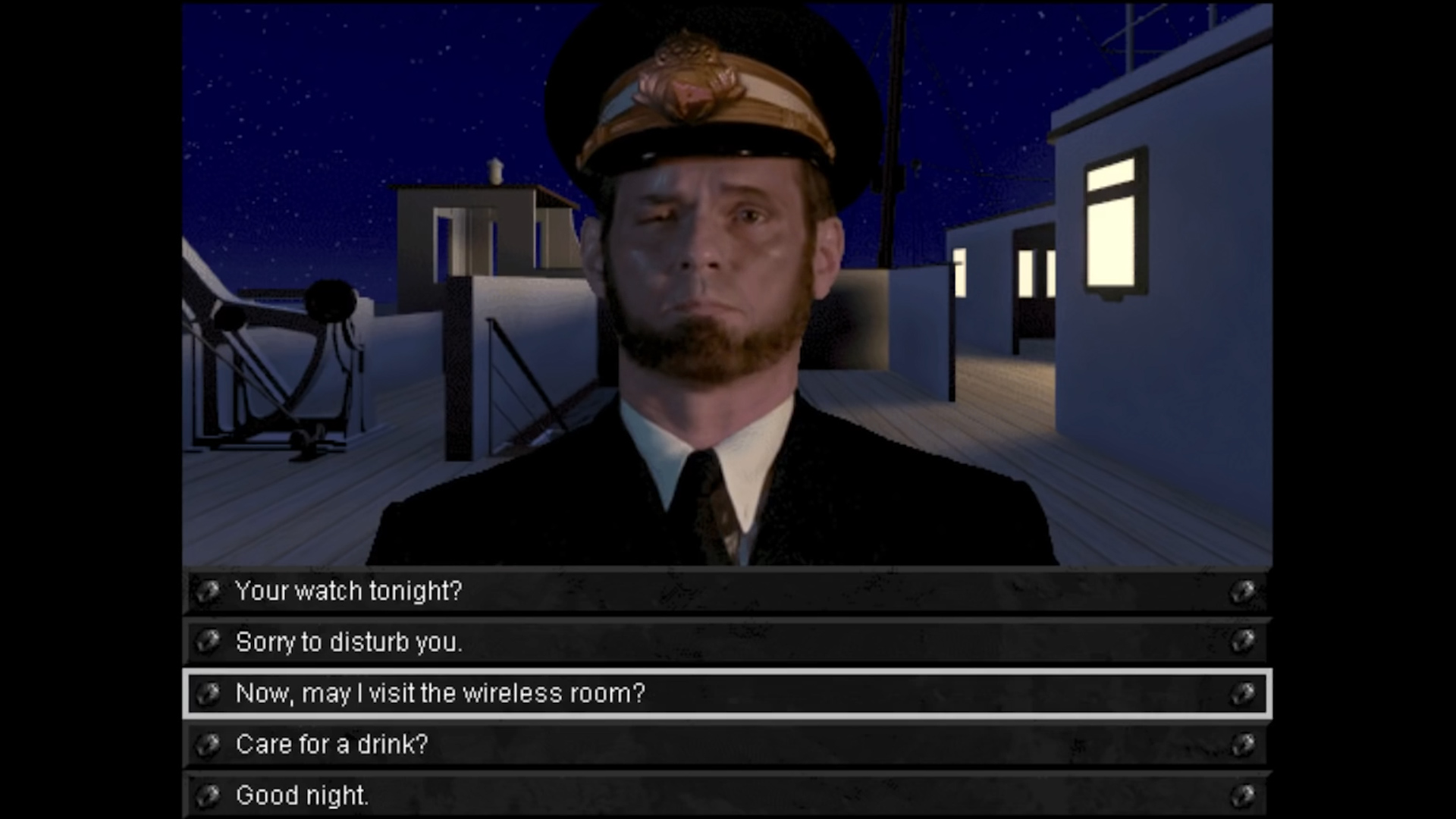
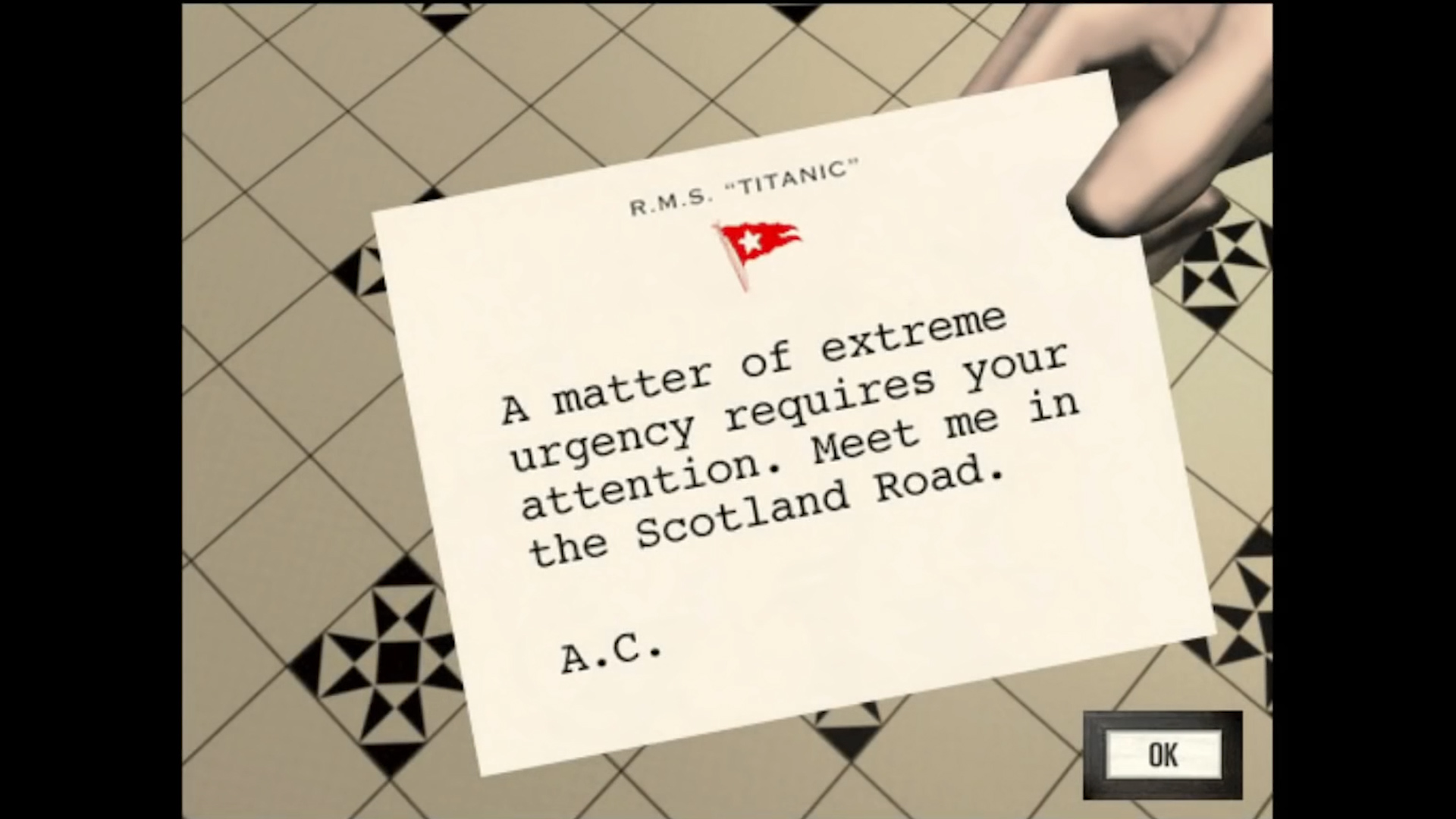
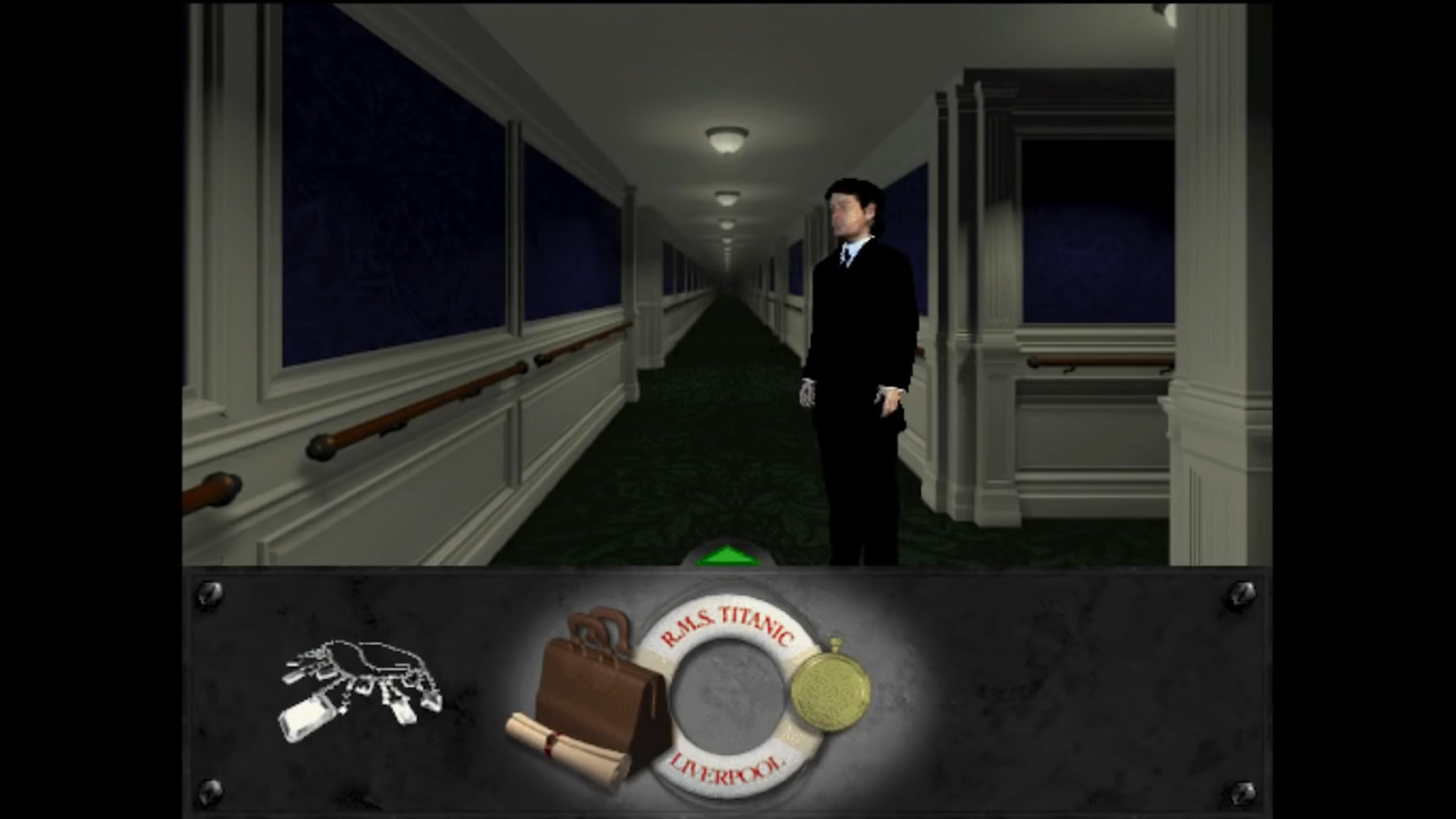
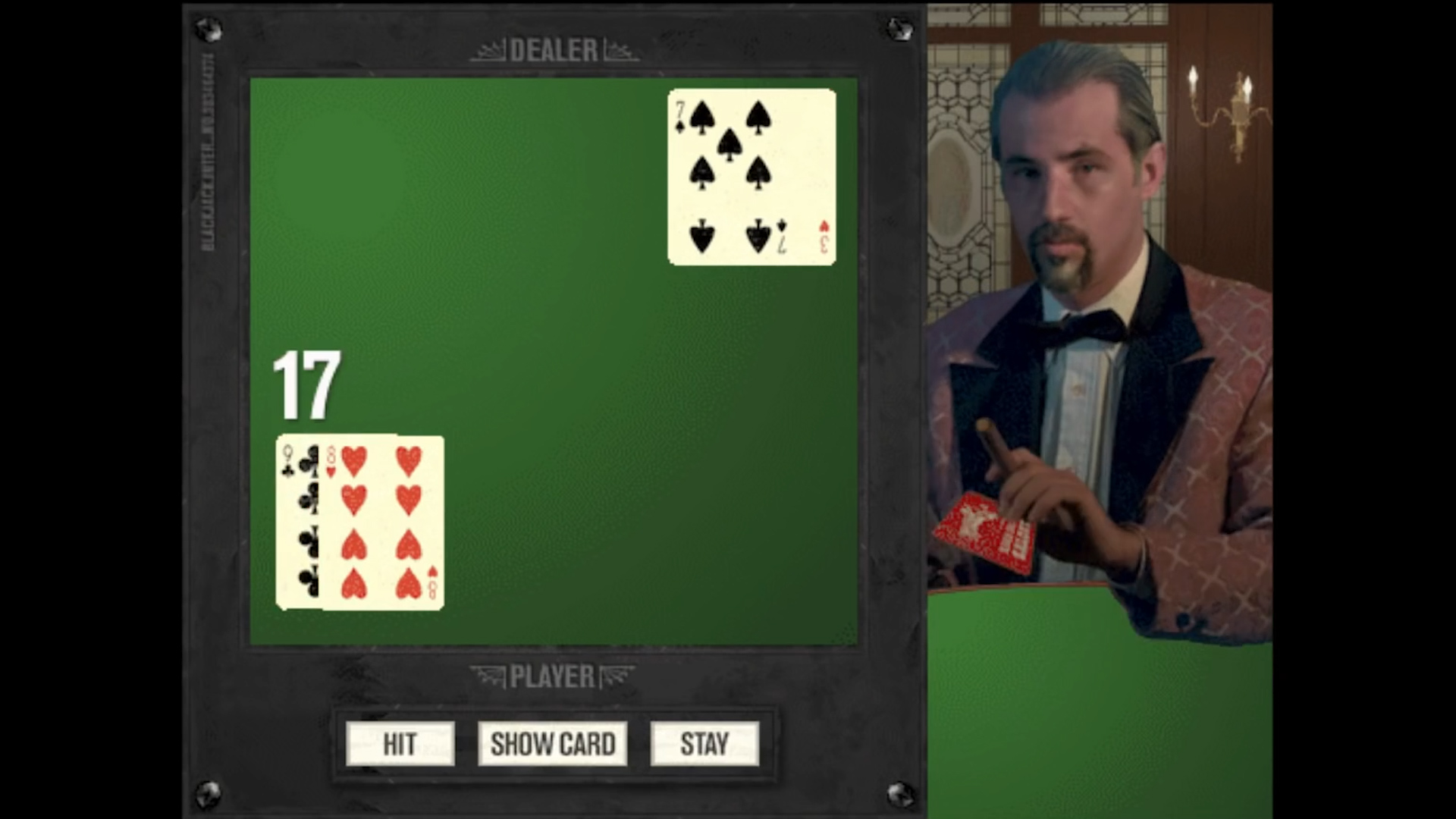
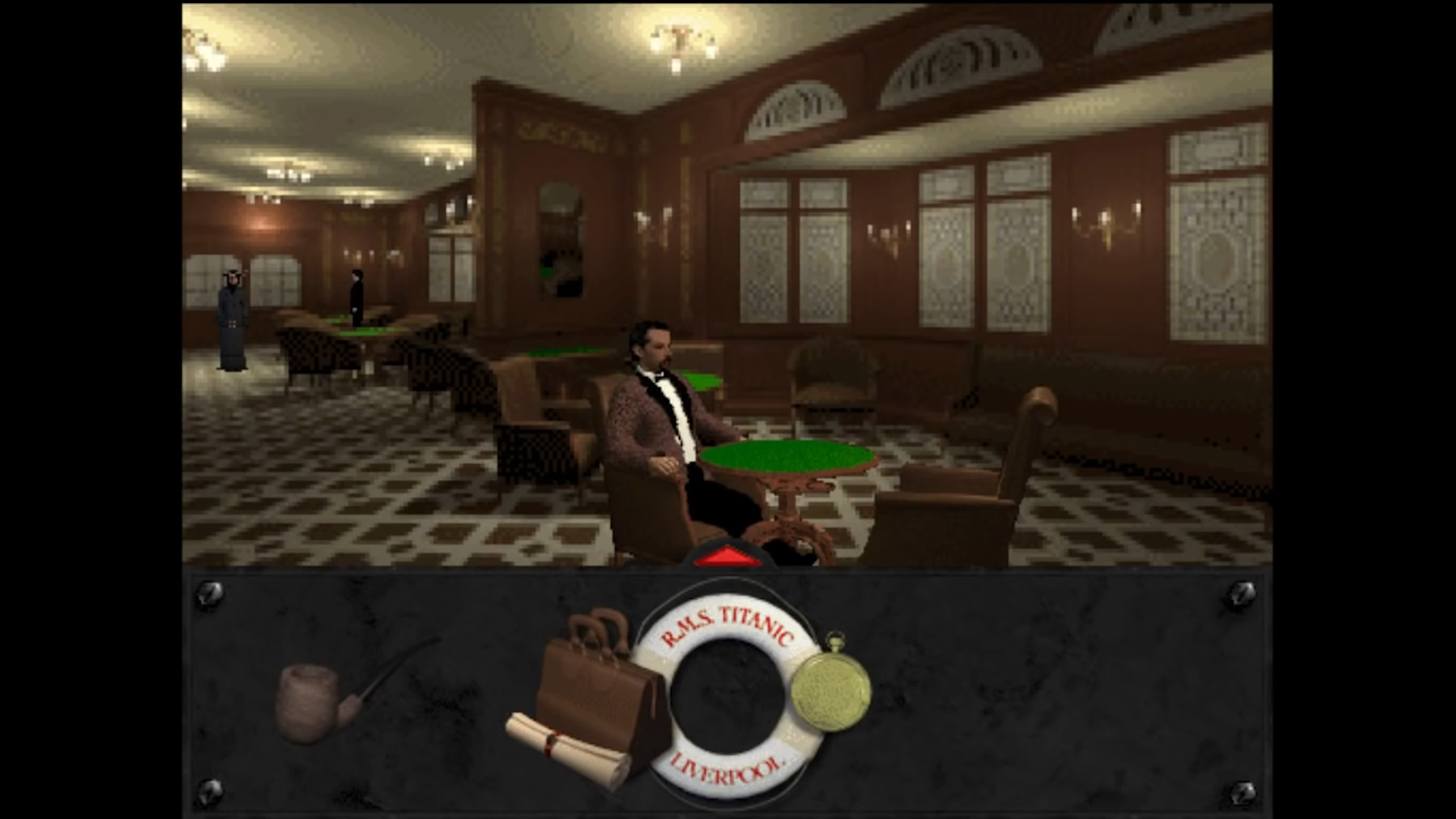
Get an in-depth look at Titanic: Adventure Out Of Time through various videos and screenshots.
Load More

System requirements
These are the minimum specifications needed to play the game. For the best experience, we recommend that you verify them.
Windows
- OS: Windows 95 or windows 3.1
- Processor: 486/66 or faster processor
- Memory: 8 MB RAM
- Graphics: Super VGA video card and colour monitor
- Storage: 1 GB available space
- Sound Card: 100% Windows compatible sound card
Steam Price & Best Deals
User reviews & Ratings
Explore reviews from Steam users sharing their experiences and what they love about the game.
I gots tons a nostalgia with this game. You're on the Titanic doing spy ♥♥♥♥ with cool writing and alternate history, tons and tons of replay value in this game with like 8 different endings (9 if you count going down with the ship as an ending), and each playthrough will play out differently in terms of how you accomplish your goals. There are multiple ways to make progress in this game, with no single "right" option, and just because you achieved success in one playthrough doesn't mean you've seen everything. I don't know how in detail I can go without getting into some spoiler territory, but despite being a 90s PC adventure game, this isn't your standard point and click like Monkey Island. If you end up playing this game and enjoying it, I HIGHLY encourage you check out Dust: A Tale of the Wired West. Made by the same developers in the same engine, this game is a pseudo-sequel to Dust, and it's absolutely worth your time.
I was SO excited to see this game on Steam! This was one of my favorite games when I was younger, and I have so many memories of playing it over and over again... despite never actually managing to beat it. There's something incredibly nostalgic about being back aboard the Titanic, wandering the ship, talking to passengers, collecting clues, and trying to figure out what I'm supposed to do before time runs out. The graphics and controls definitely show the game's age, but honestly, that's part of the charm for me. It feels exactly like the game I remember. After YEARS of never making it to the end, I have officially returned with one goal: I am finally going to beat this game! If you grew up playing old school adventure games, especially this one, getting to experience it again is such a fun trip down memory lane. Now excuse me while I attempt to change history... and hopefully not spend another 20 years trying to finish it. Update: I FINALLY BEAT IT!!! after trying to finish this game for years, I finally made it all the way to the end! I can officially say I made it off the Titanic, childhood me would be very impressed and proud!
If you want to have a fantastic, immersive point-and-click adventure from back in the day, this should be your first game. It really is a gem of its genre. You can play it over and over again, too, with many different endings to get. In fact, the game is so detailed and varied that you will want to keep notes as you play---not just to help you replay for different endings, but to keep all the bits and biddles you get from characters straight. I don't know about you, but a game where I need to keep notes is A plus in my book! And for amateur "rivet counters" like myself, you will absolutely delight in the visual details of this game. I want to say it was the most detailed model of Titanic made prior to James Cameron's movie. Now of course with Titanic Honor and Glory's project, the model of the ship in AOOT doesn't seem QUITE as special, but you still won't have a better story to poke around in the ship with. Speaking of Honor and Glory's project, if you get Project 401, there are several easter eggs hidden in their Titanic model that pay homage to AOOT!
Incredible game. It's a little clunky, but you'll have fun with this one. I played this as a kid back in the late 90s, so it holds a nostalgic place for. There's something about the creepy setting of being on the Titanic and the ambient soundtrack. They weave in WW1 geopolitical themes, and the fact that there's this 'old world' sort of spy dynamic to it all is just icing on the cake. Expect it to feel like an old school 90s game, and don't go in with high expectations. Just enjoy a slow burn, retro sort of experience. You can't go wrong getting this on sale for $0.89!
Similar games
View all

Airport Madness: World Edition
Insanely addictive, easy to learn, impossible to master! Airport Madness is an airport strategy game. Designed by real air traffic controllers, Airport Madness captures the fun aspects of air traffic control. The decisions and actions you make in this game are identical to real-world airport ops.
Amerzone: The Explorer’s Legacy (1999)
The first adventure from the author of Syberia and Syberia 2, Benoît Sokal. In Amerzone you'll travel through enchanting landscapes, from Brittany to tropical forest. You'll have to solve the mystery of these famous white birds…
Putt-Putt Travels Through Time
Mr. Firebird's time machine has gone haywire and Putt-Putt's® best pal Pep, is lost somewhere in time.
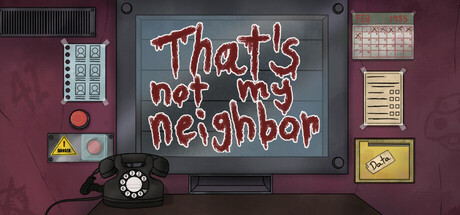
That's not my Neighbor
It's 1955, and for unknown reasons, doppelgangers are more common than usual. Therefore, the Department of Doppelganger Detection (D.D.D.) has taken action. You are the doorman of an apartment complex, and you must decide whether to let in those who claim to be your neighbors.

Freddi Fish 3: The Case of the Stolen Conch Shell
The Great Conch Shell has been stolen and it's up to Freddi Fish and Luther to catch the culprit!

Adventure of a Lifetime
I'm going to get it back! The important treasure that has sunk in the ocean! Set in the southern island World Heritage Site, Ogasawara Islands, a city boy, a runaway girl and a local girl meet in summer, sparking the growth and deepening of love and friendship.
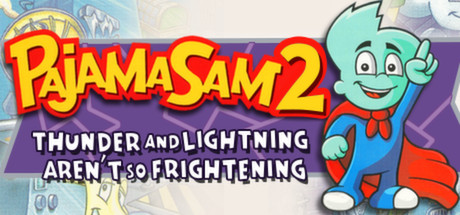
Pajama Sam 2: Thunder And Lightning Aren't So Frightening
Join Pajama Sam, the world's youngest superhero as he journeys to World Wide Weather, the storm-stirring factory in the sky!
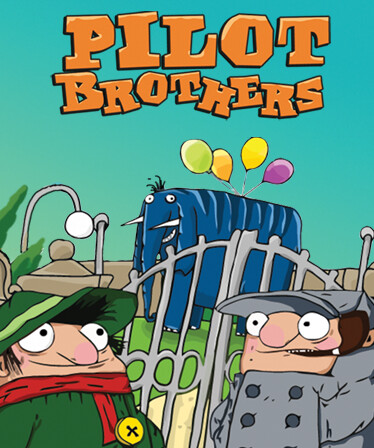
Pilot Brothers
The case of the stolen elephant! Elephant... Rare... Striped. ...has been kept for many years by an animal trader named Karbophos. Being unable to overcome abuse, it escaped and found a home at the zoo in our city. This is definitely Karbophos's work. To the zoo!
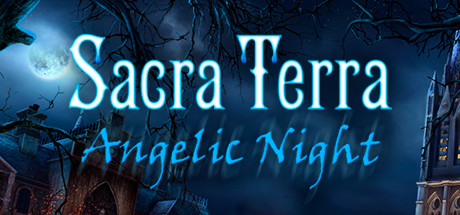
Sacra Terra: Angelic Night
Use your cunning to defeat the demons of the Seven Deadly Sins and rescue humanity from destruction!

Heart's Medicine - Hospital Heat
The long awaited sequel to "Heart's Medicine - Time to Heal". An intense, but also funny, medical drama that deals with a lot of life-changing decisions. Become an aspiring doctor at Little Creek Hospital!

RUSH: A Disney PIXAR Adventure
Rush: A Disney•Pixar Adventure invites families and fans of all ages to experience the worlds of six beloved Disney•Pixar films like never before. Team up with characters from The Incredibles, Ratatouille, Up, Cars, Toy Story, and Finding Dory to solve puzzles and uncover hidden secrets.
Frequently Asked Questions
Titanic: Adventure Out Of Time is currently priced at 4.99€ on Steam.
No, Titanic: Adventure Out Of Time is currently not on sale. You can purchase it for 4.99€ on Steam.
Yes, Titanic: Adventure Out Of Time received 344 positive votes out of a total of 396 achieving a rating of 8.08.
😎
Titanic: Adventure Out Of Time was developed by Cyberflix Incorporated and published by GTE Entertainment, Nightdive Studios and Atari.
Yes, Titanic: Adventure Out Of Time is playable and fully supported on Windows.
No, Titanic: Adventure Out Of Time is not playable on MacOS.
No, Titanic: Adventure Out Of Time is not playable on Linux.
This information about Titanic: Adventure Out Of Time is not available yet.
This information about Titanic: Adventure Out Of Time is not available yet.
No, Titanic: Adventure Out Of Time does not support VR.
Titanic: Adventure Out Of Time is a single-player game.
No, Titanic: Adventure Out Of Time does not currently offer any DLC.
No, Titanic: Adventure Out Of Time does not support mods via Steam Workshop.
No, Titanic: Adventure Out Of Time does not support Steam Remote Play.
Yes, Titanic: Adventure Out Of Time is enabled for Steam Family Sharing. This means you can share the game with authorized users from your Steam Library, allowing them to play it on their own accounts. For more details on how the feature works, you can read the original Steam Family Sharing announcement or visit the Steam Family Sharing user guide and FAQ page.
You can find solutions or submit a support ticket by visiting the Steam Support page for Titanic: Adventure Out Of Time.
Data sources
The information presented on this page is sourced from reliable APIs to ensure accuracy and relevance. We utilize the Steam API to gather data on game details, including titles, descriptions, prices, and user reviews. This allows us to provide you with the most up-to-date information directly from the Steam platform.
Additionally, we incorporate data from the SteamSpy API, which offers insights into game sales and player statistics. This helps us present a comprehensive view of each game's popularity and performance within the gaming community.
Last Updates| Steam data | 20 September 2026 10:03 UTC |
|---|---|
| SteamSpy data | 22 October 2026 00:34 UTC |
| Steam price | 27 October 2026 03:57 UTC |
| Steam reviews | 20 October 2026 09:47 UTC |
If you'd like to dive deeper into the details about Titanic: Adventure Out Of Time, we invite you to check out a few dedicated websites that offer extensive information and insights. These platforms provide valuable data, analysis, and user-generated reports to enhance your understanding of the game and its performance.
- SteamDB - A comprehensive database of everything on Steam about Titanic: Adventure Out Of Time
- SteamCharts - Analysis of Titanic: Adventure Out Of Time concurrent players on Steam
- ProtonDB - Crowdsourced reports on Linux and Steam Deck Titanic: Adventure Out Of Time compatibility

Game modes
Features
Online players
5
Developer
Cyberflix Incorporated
Publisher
GTE Entertainment,
Nightdive Studios,
Atari
Release
26 Apr 2018
Platforms