


Industry Giant 2
Economic booms, stock market crashes, oil crises, upswings, triumphs... Now you can become the greatest power in industry!
Sync your Steam wishlist to find the lowest game prices instantly. No login required, just paste your Steam profile URL!
⚡ Try Wishlist Radar!
Sync your Steam wishlist to find the lowest game prices instantly. No login required!
⚡ Try Wishlist Radar!
Close

TransOcean: The Shipping Company on Steam
Quick menu
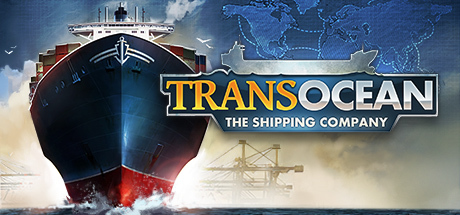
TransOcean – The Shipping Company is your ticket to the world of gigantic ships and transnational transport empires. Build a mighty fleet of modern merchant ships and conquer the seven seas.
TransOcean: The Shipping Company is a simulation, strategy and management game
developed by Deck13 Hamburg
and published by astragon Entertainment .
Released on September 23rd 2014 is available on Windows, MacOS, Steam Deck and Steam Machine
in 10 languages: English, French, Italian, German, Spanish - Spain, Hungarian, Czech, Polish, Russian and Traditional Chinese.
It has received 835 reviews of which 618 were positive and 217 were negative resulting in a rating of 7.1 out of 10. 😊
The game is currently priced at 19.99€ on Steam, but you can find it for 0.66€ on K4G.
The Steam community has classified TransOcean: The Shipping Company into these genres:
Here is the detailed breakdown of supported languages for TransOcean: The Shipping Company:
| UI | Subtitle | Audio | |
|---|---|---|---|
| English | |||
| German | |||
| French | |||
| Italian | |||
| Spanish - Spain | |||
| Traditional Chinese | |||
| Russian | |||
| Polish | |||
| Hungarian | |||
| Czech |
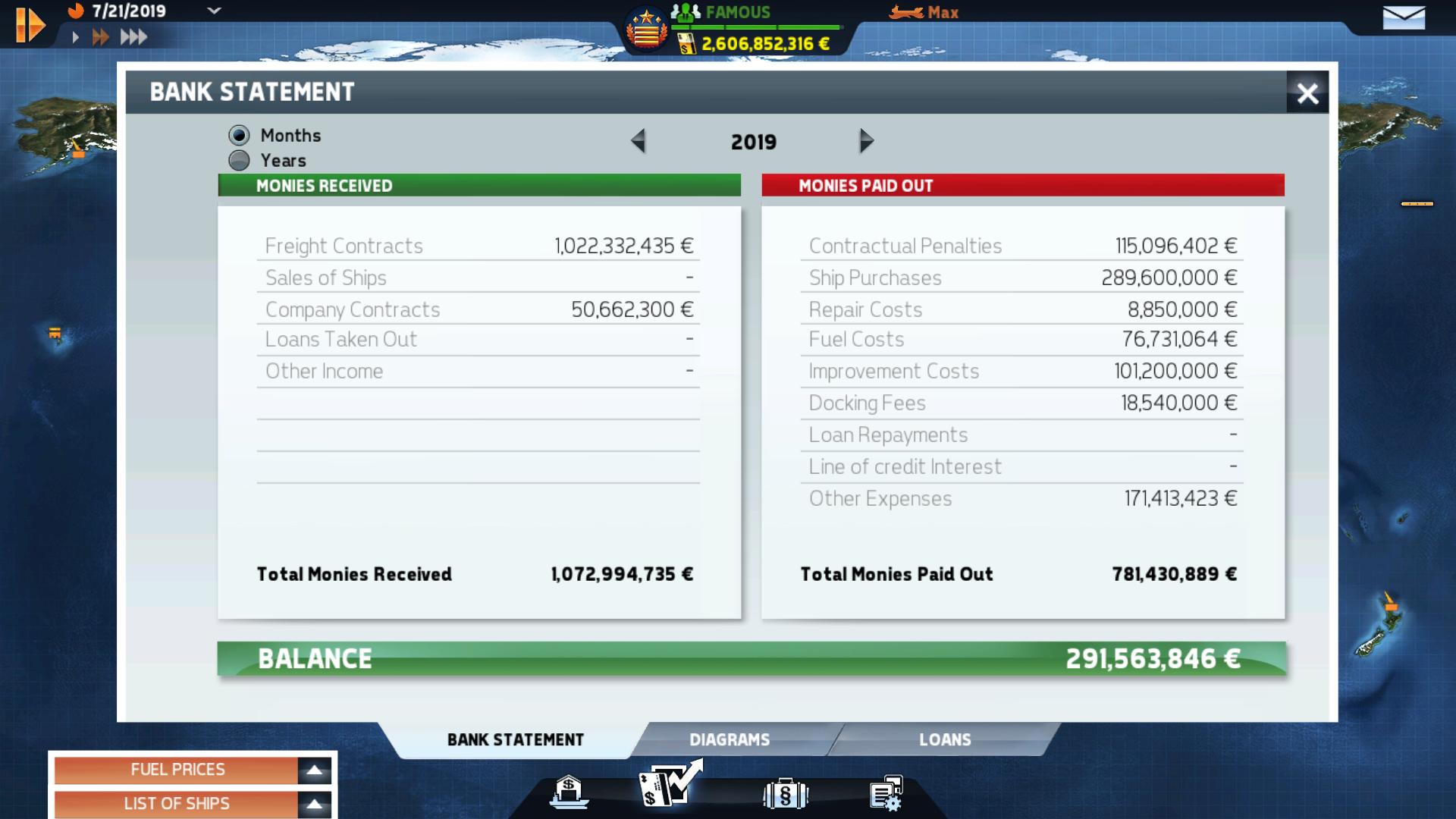
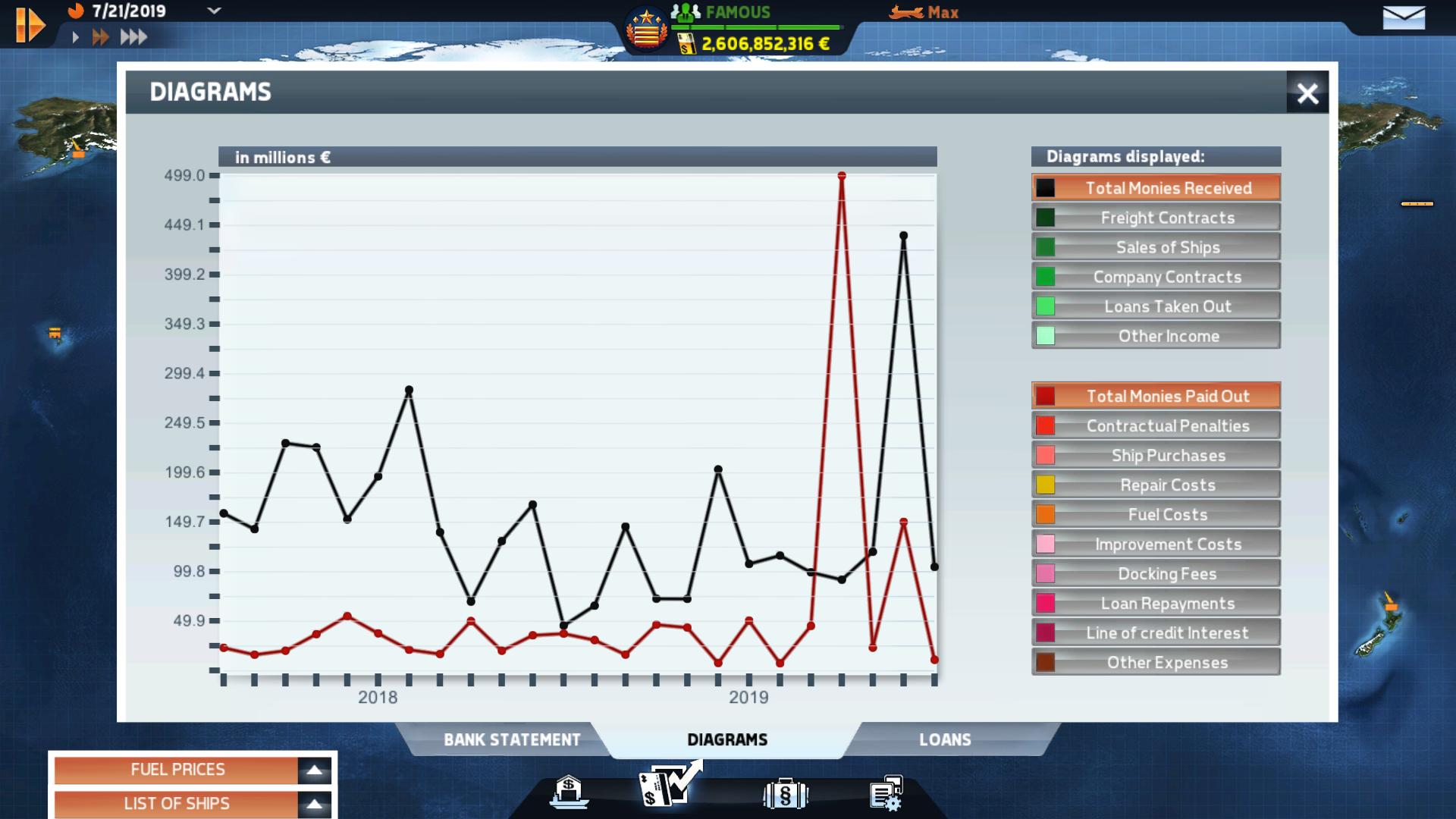
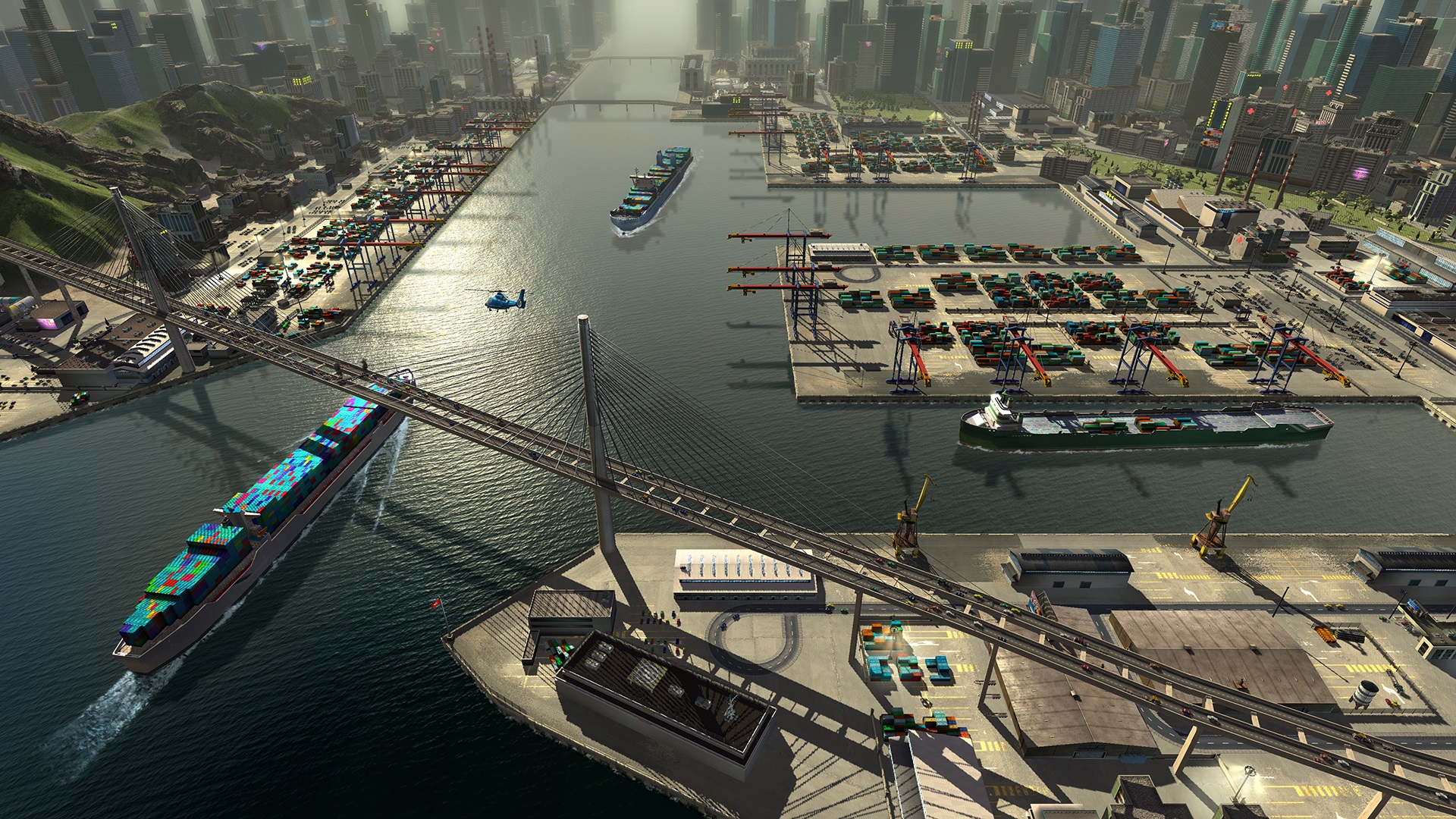
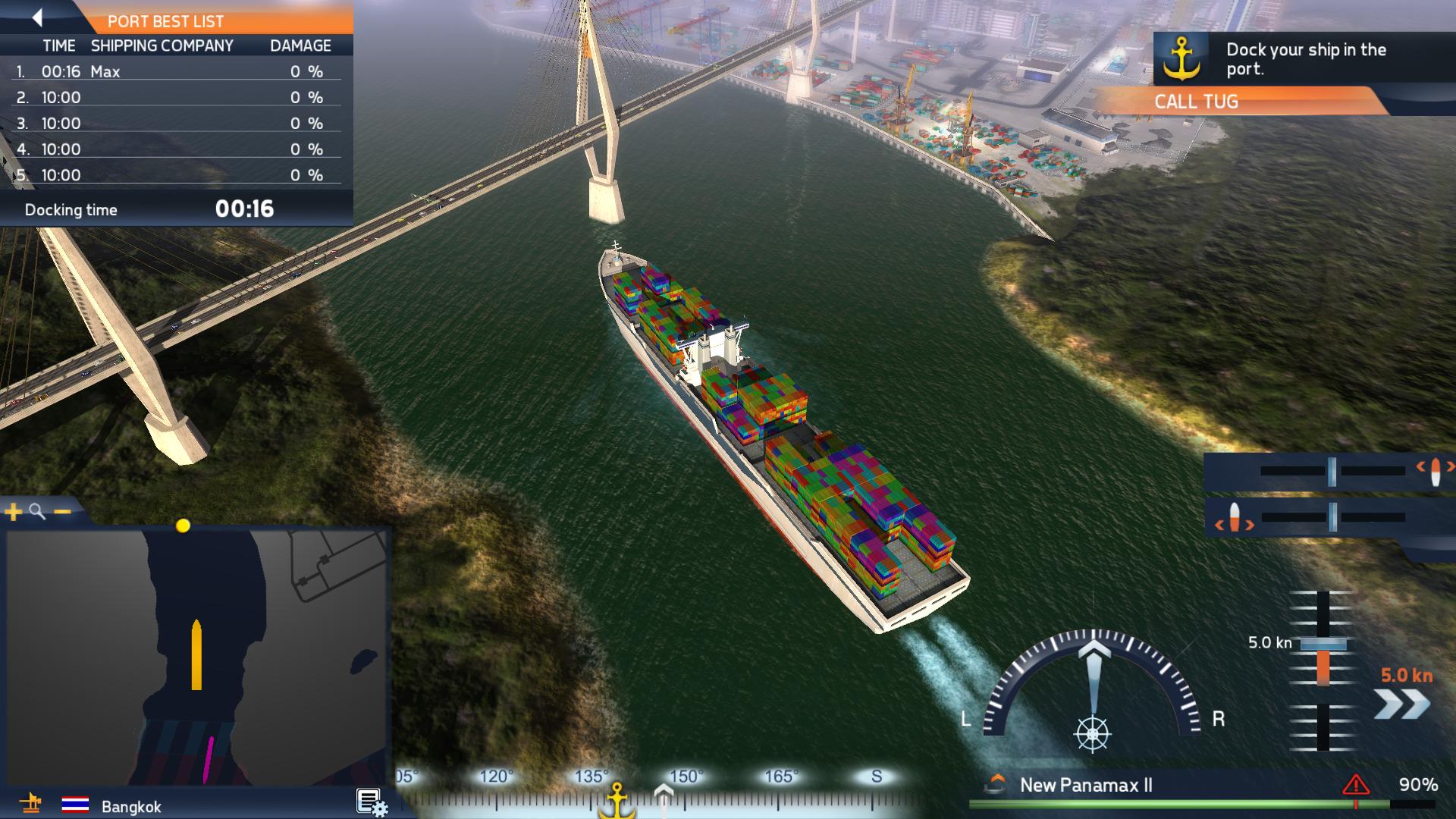
Media & Screenshots
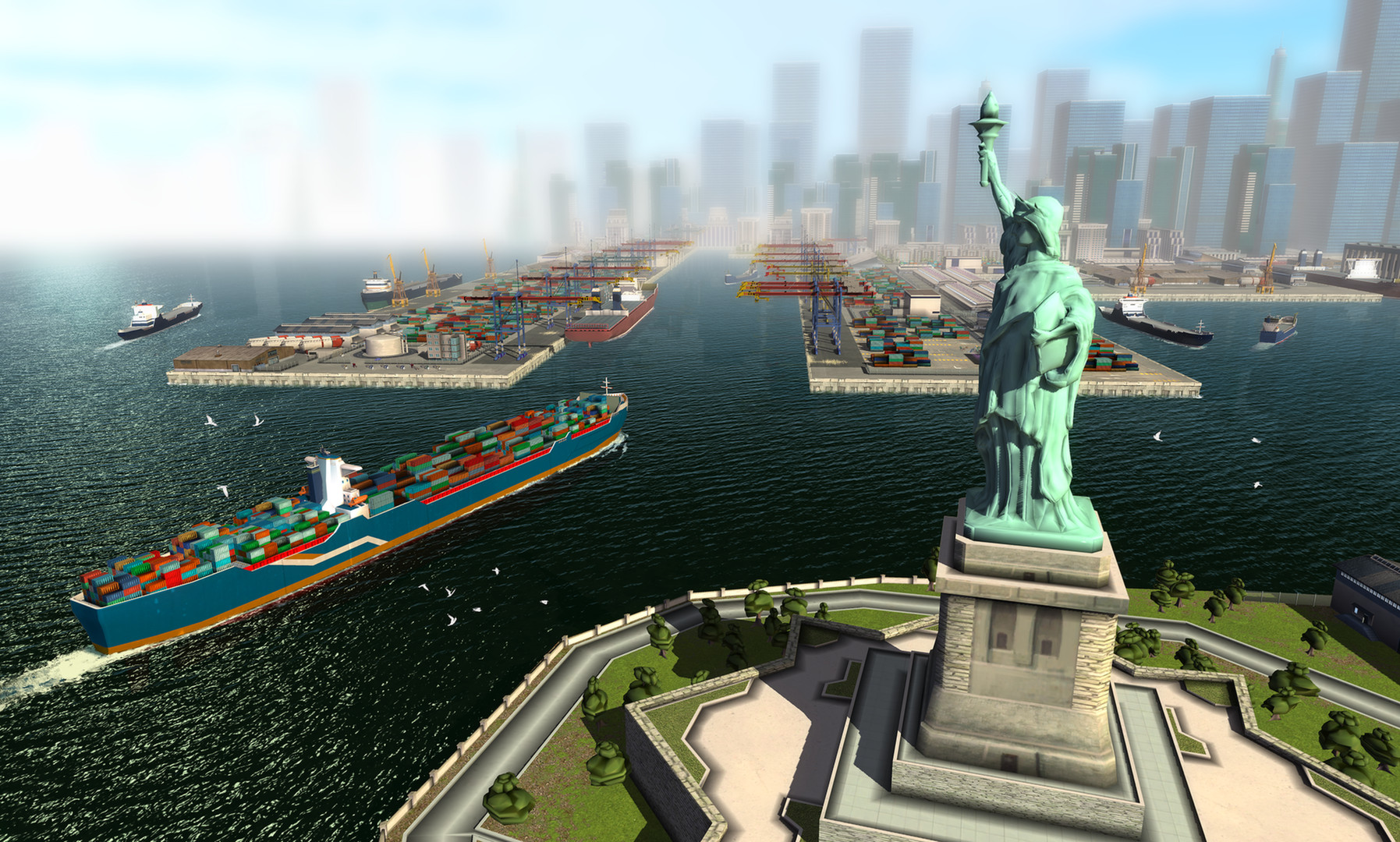
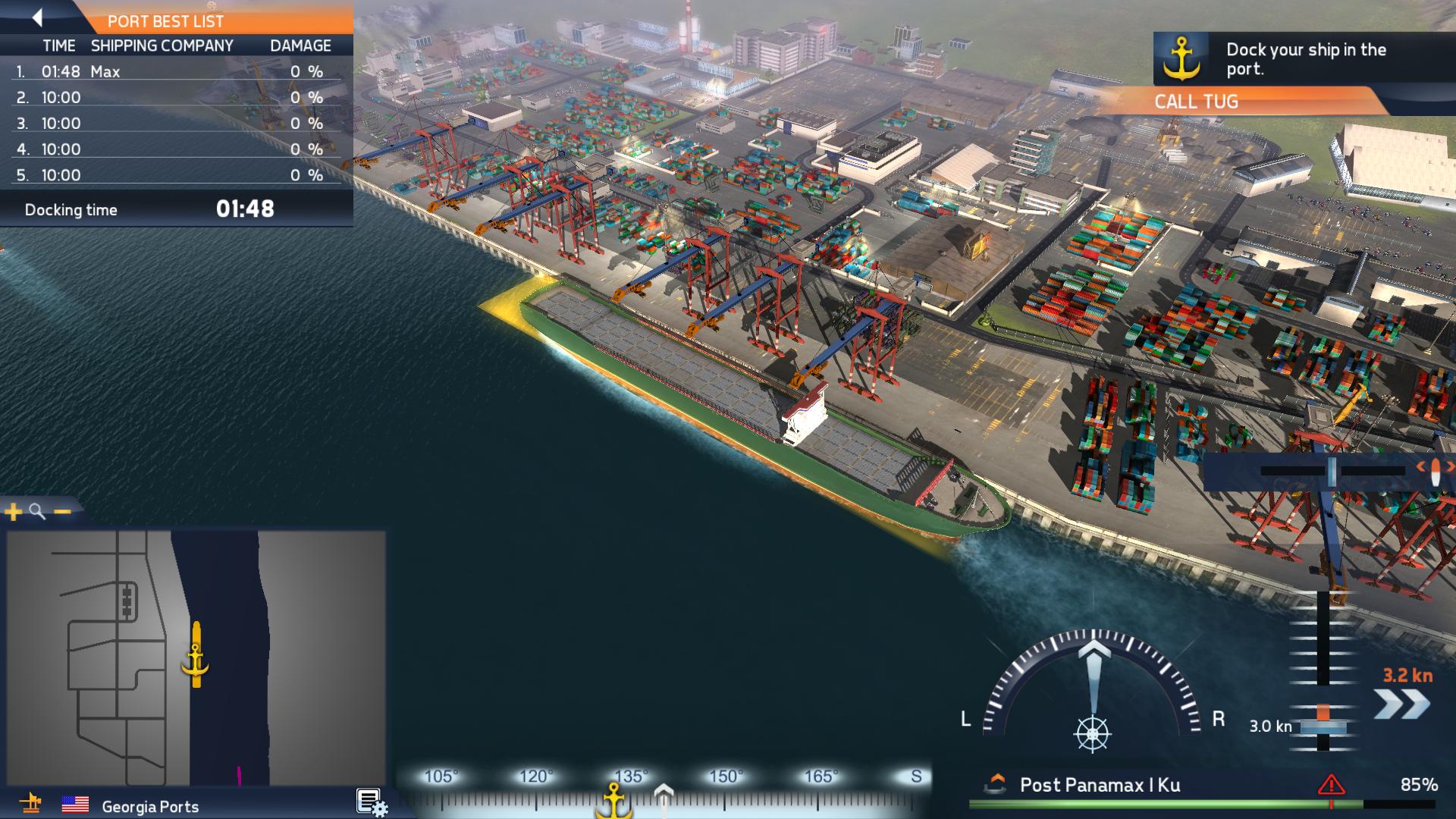
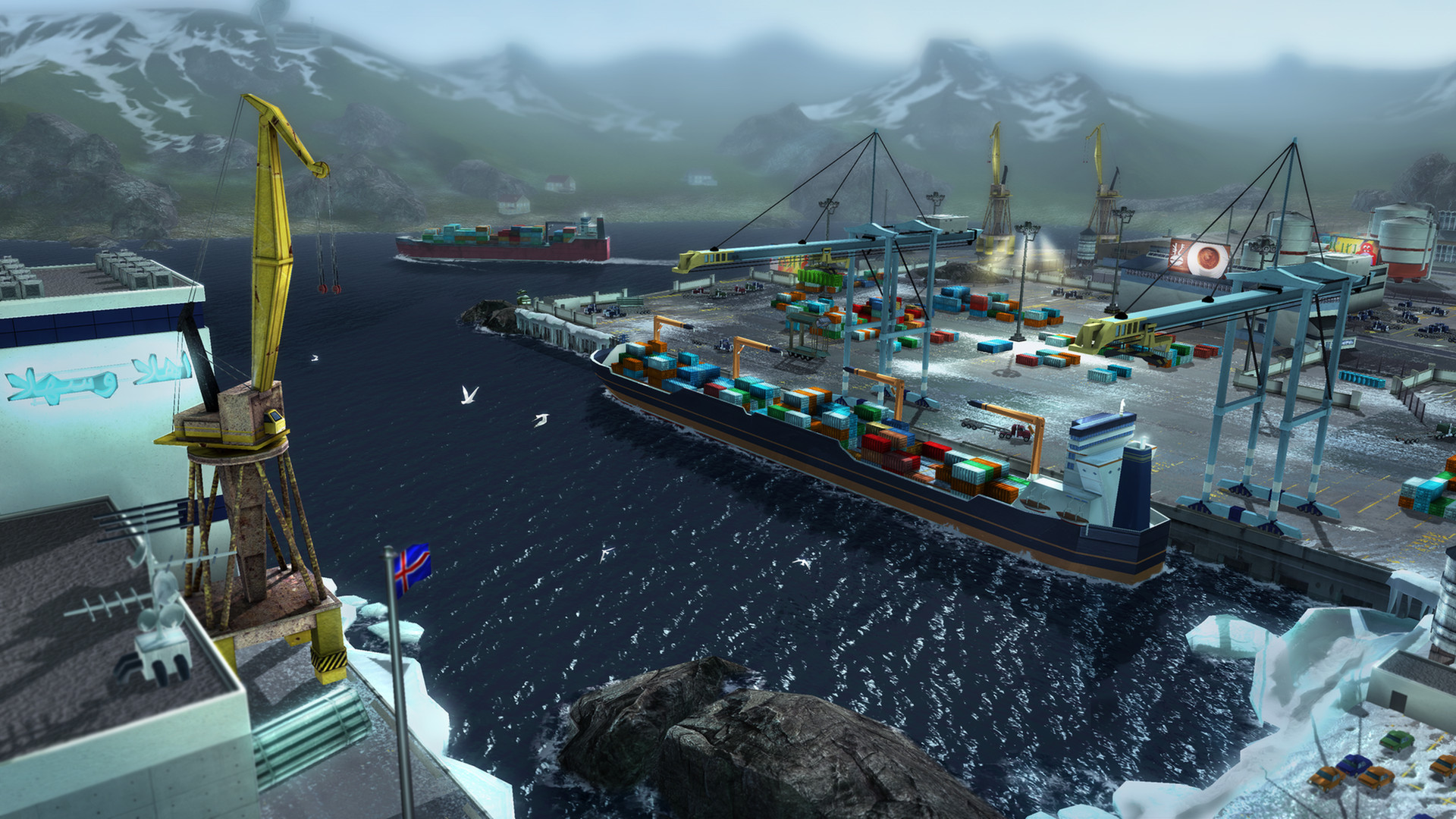
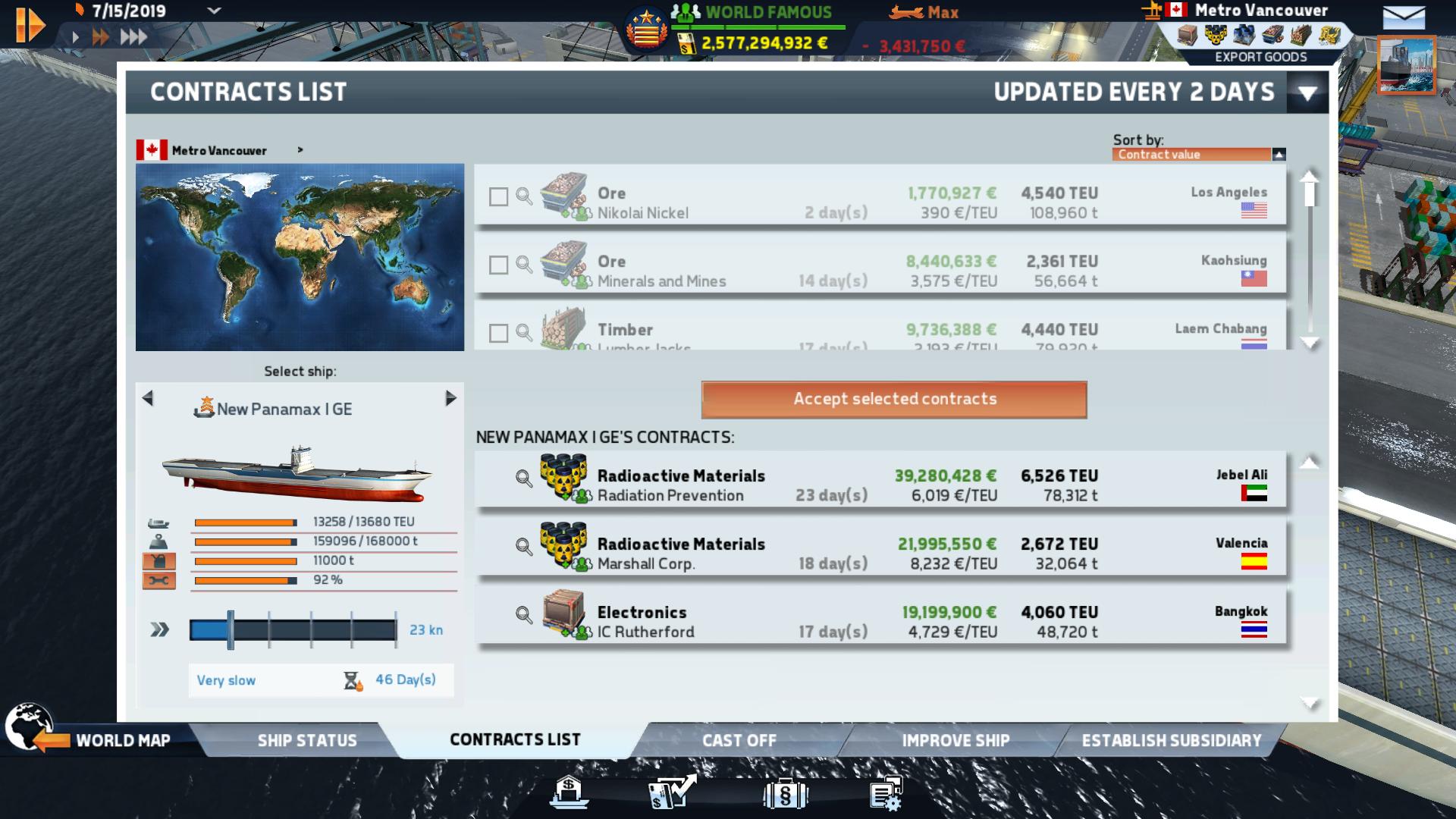
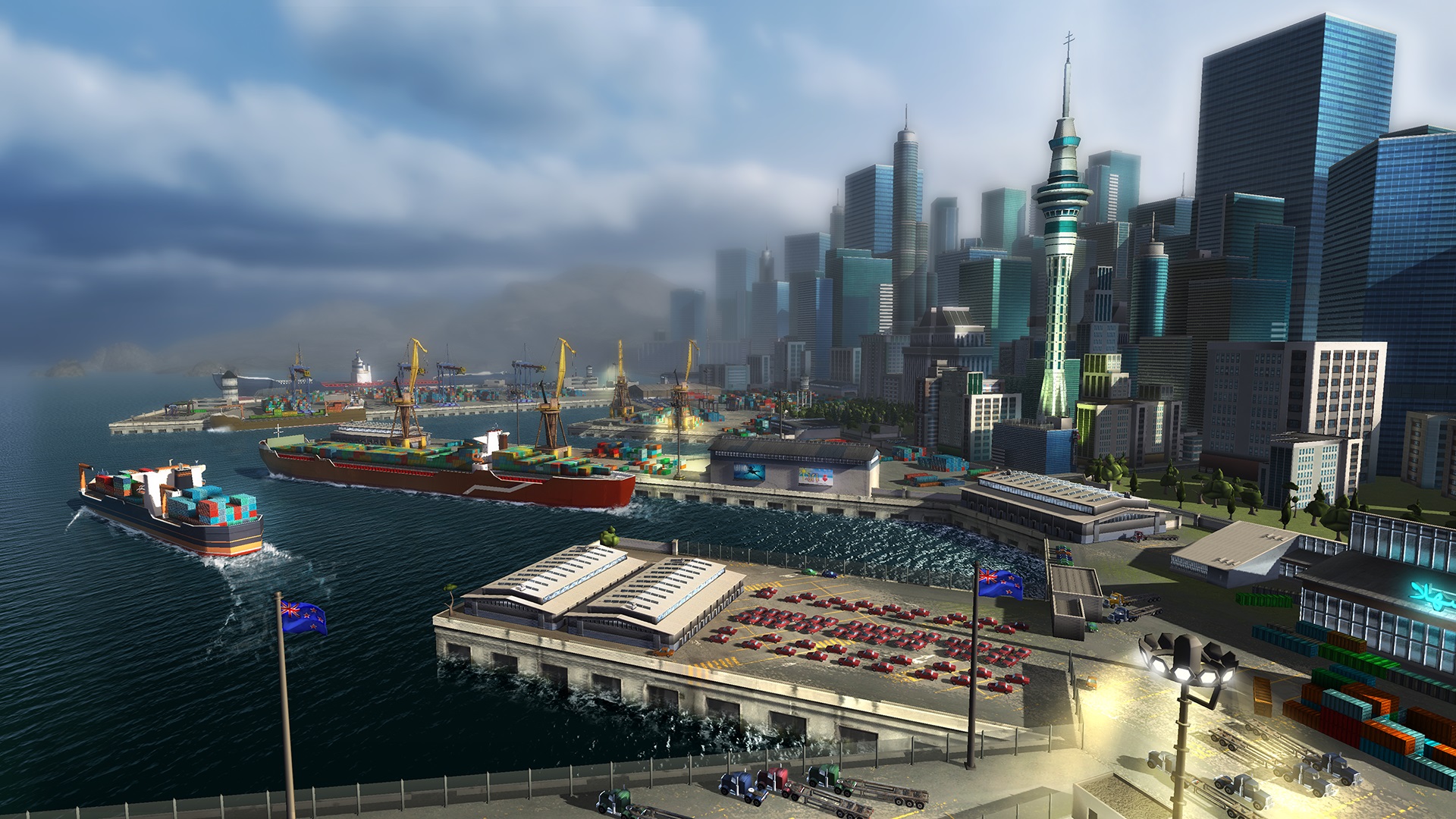
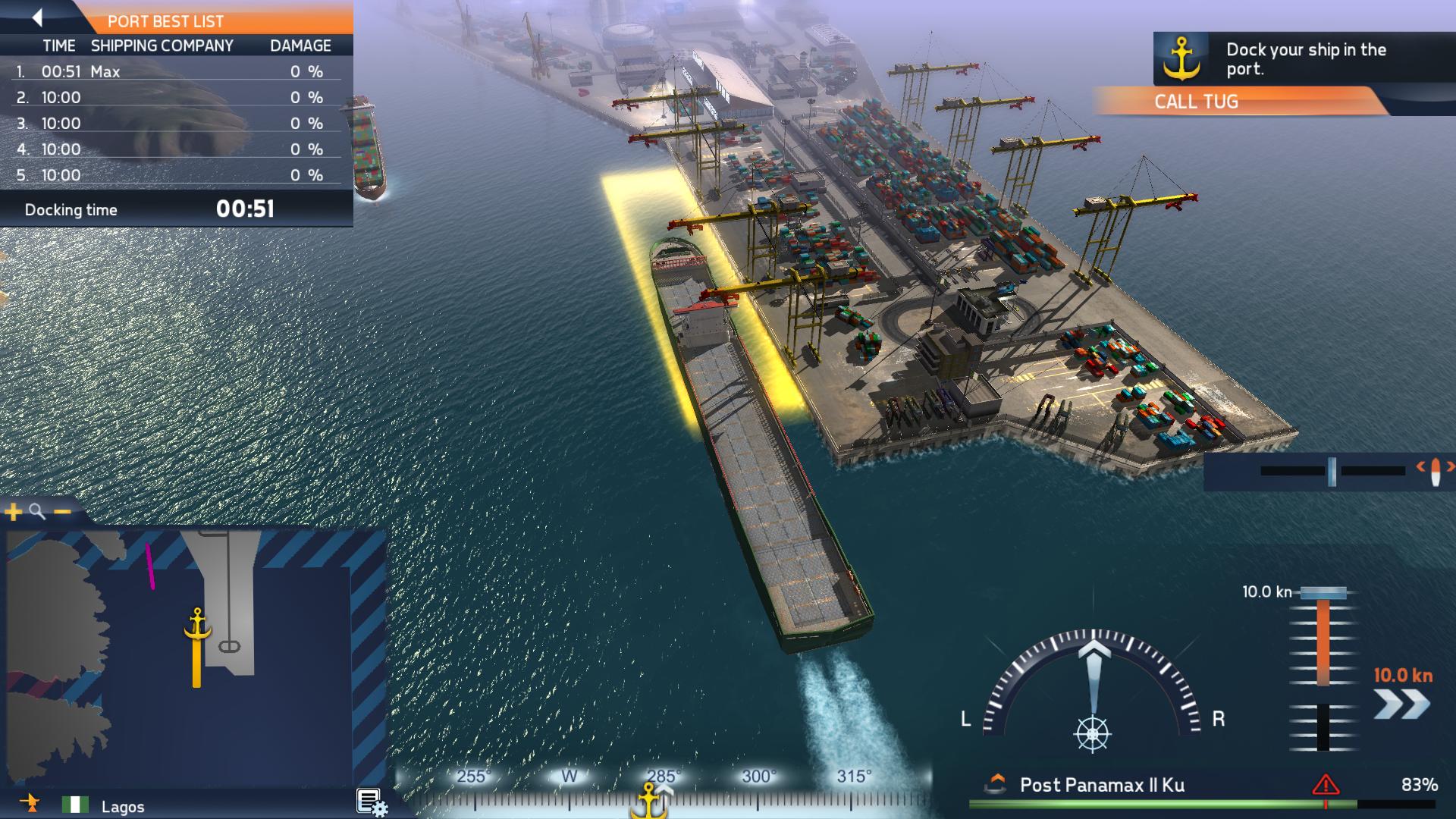
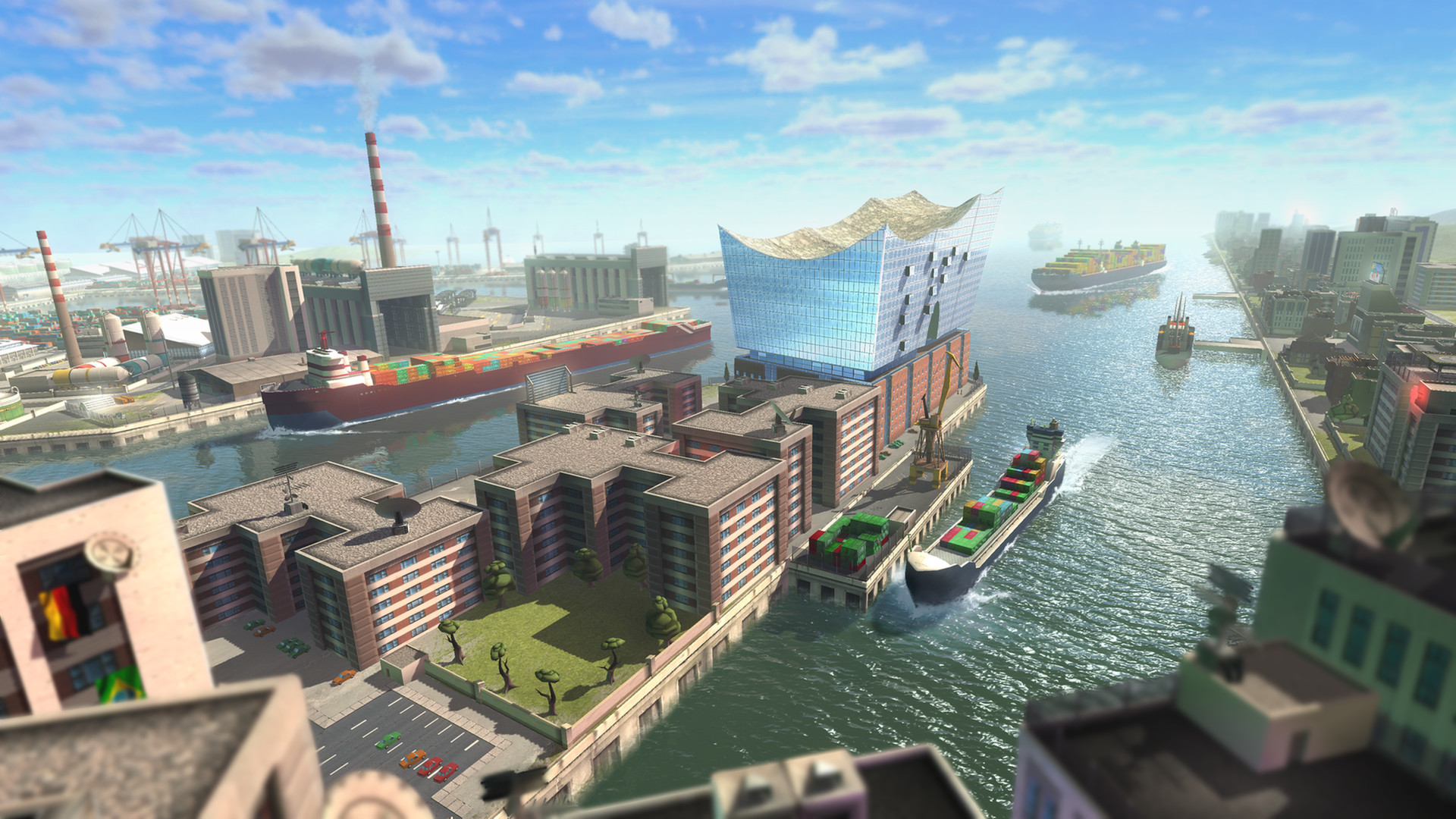
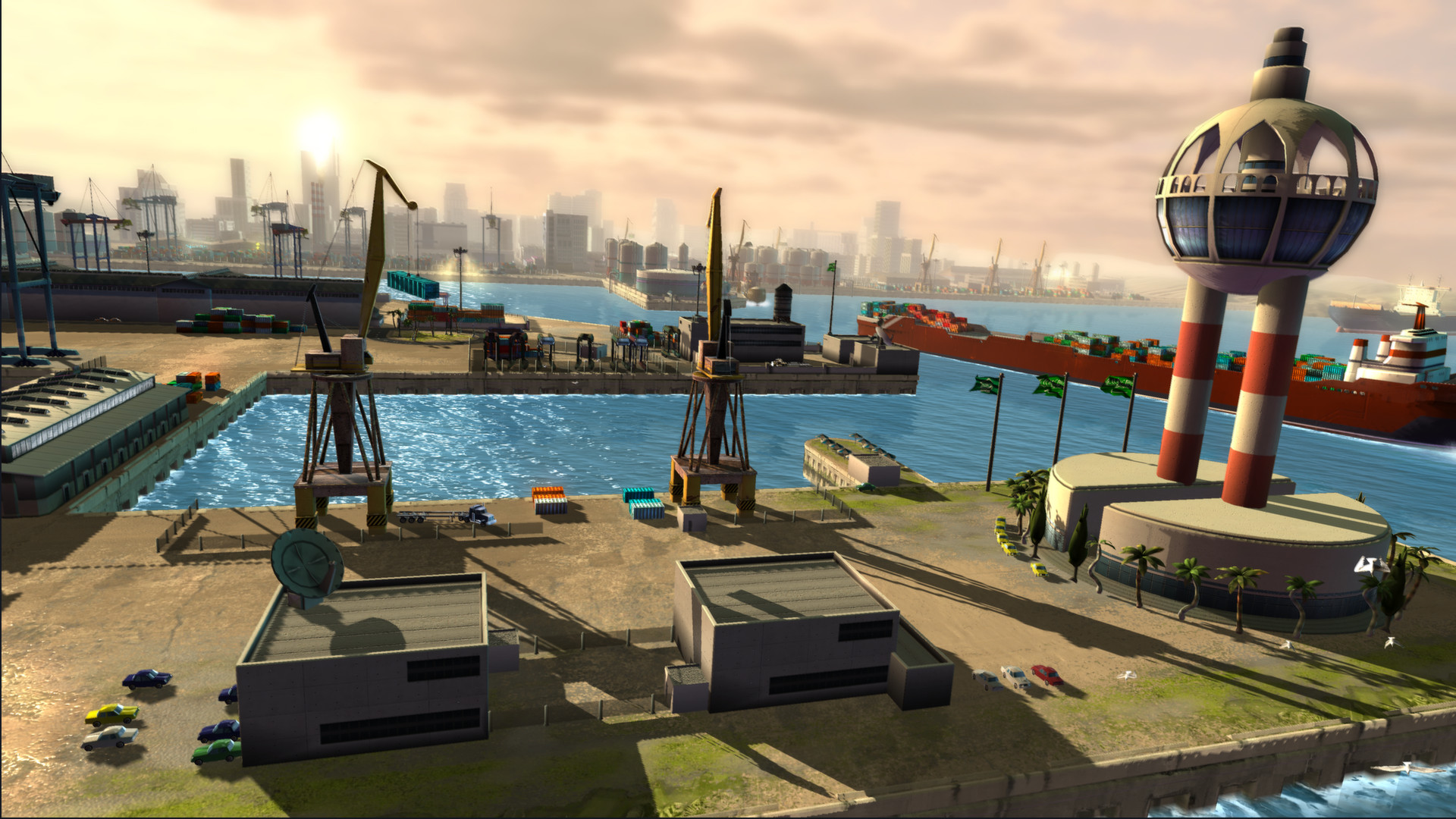
Get an in-depth look at TransOcean: The Shipping Company through various videos and screenshots.
Load More
System requirements
These are the minimum specifications needed to play the game. For the best experience, we recommend that you verify them.
Windows
- OS *: Windows Vista/7/8
- Processor: Dual Core 2 GHz (AMD or Intel)
- Memory: 4 GB RAM
- Graphics: Nvidia Geforce 7600 Series/ATI Radeon X1600 or better (min. 256 MB VRAM)
- DirectX: Version 9.0
- Storage: 5 GB available space
- Sound Card: n/a
MacOS
- OS: Mac OS X 10.7 or higher (64-Bit)
- Processor: 2.0 GHz CPU or higher
- Memory: 4 GB RAM
- Graphics: Nvidia Geforce 8600, ATI Radeon X2600 or higher (min. 512 MB VRAM)
- Storage: 5 GB available space
- Sound Card: n/a
- Additional Notes: The game does not support newer OSX versions than 10.14 (Mojave)
Steam Price & Best Deals
User reviews & Ratings
Explore reviews from Steam users sharing their experiences and what they love about the game.
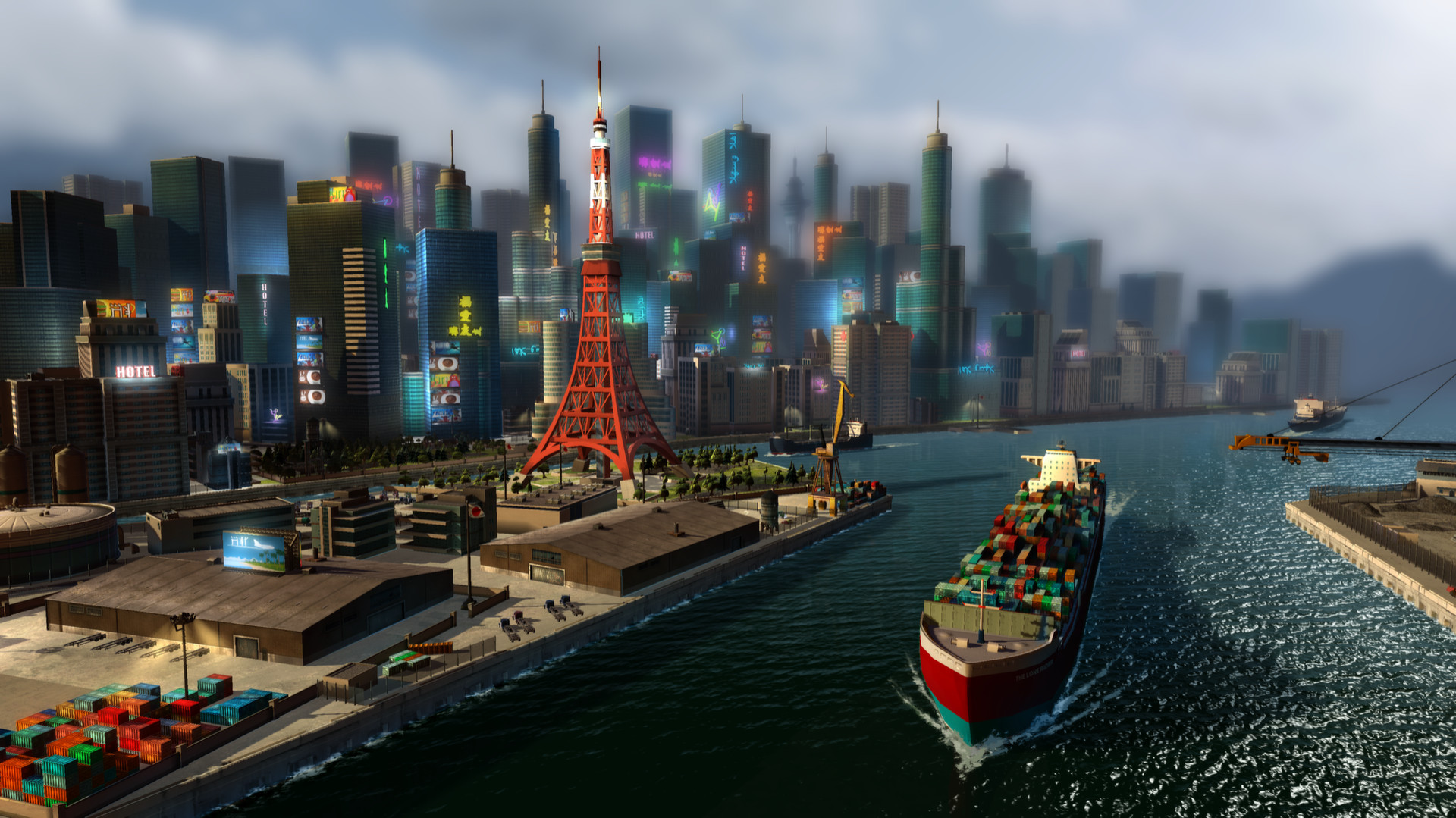
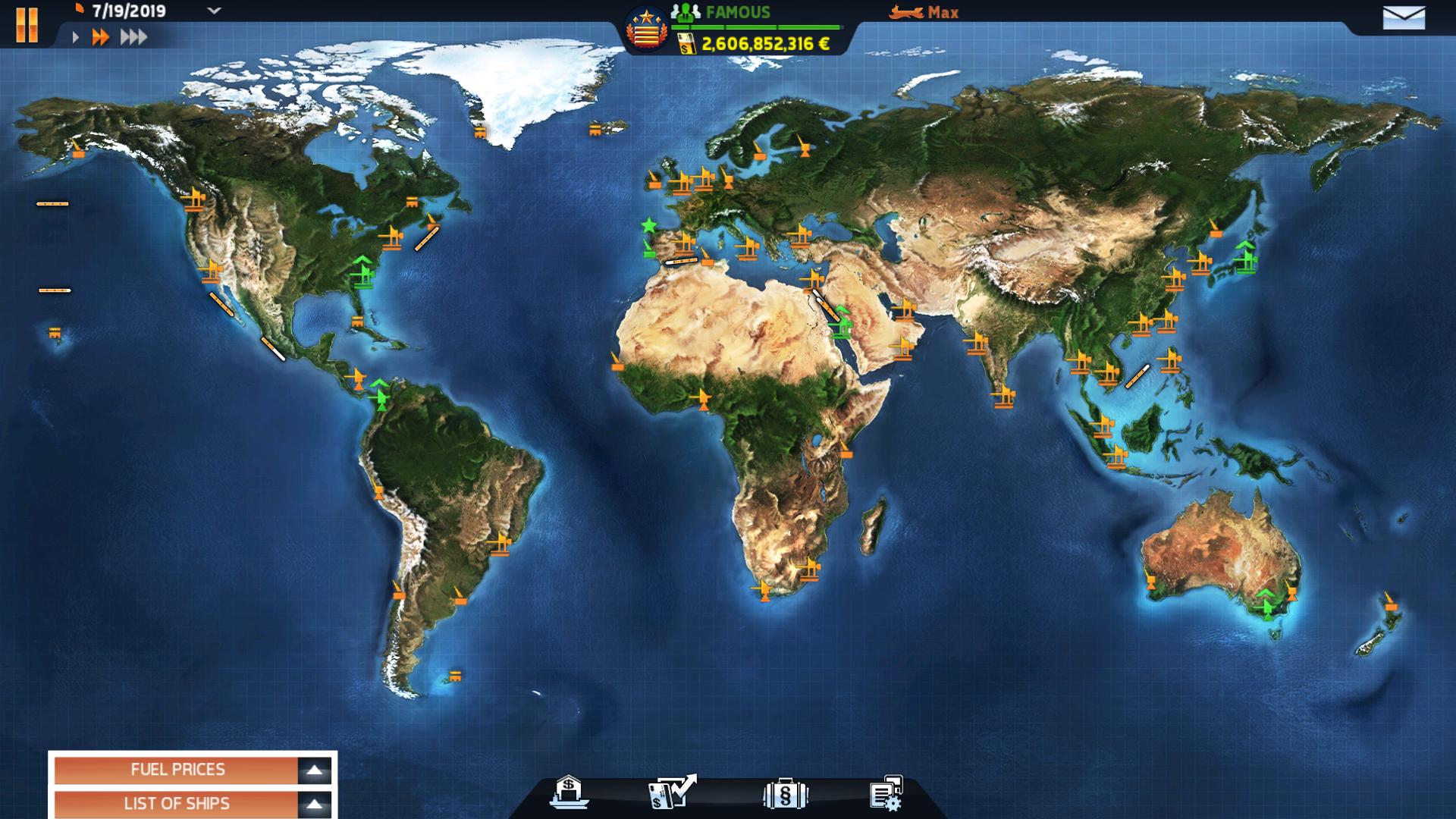
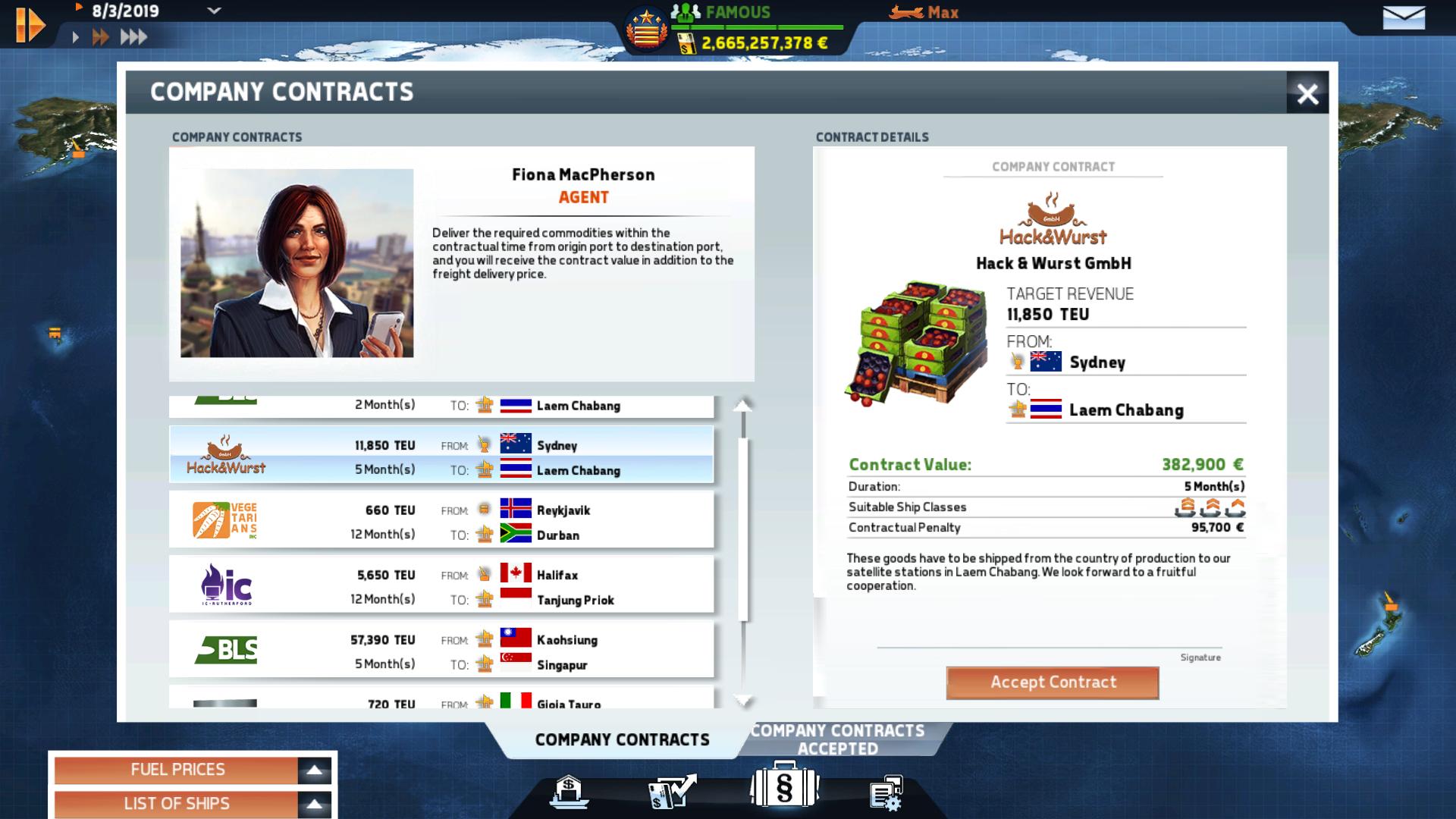
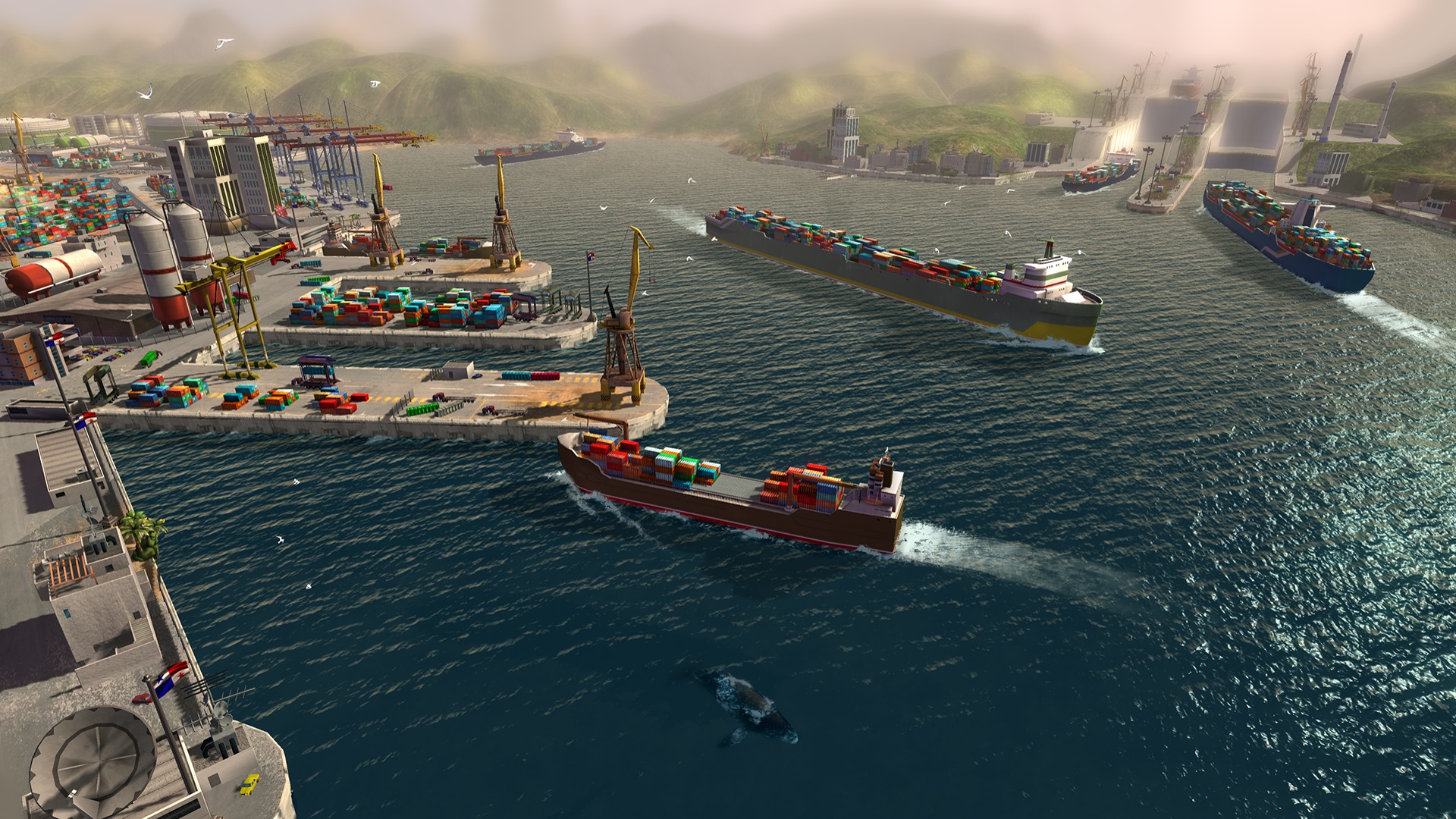
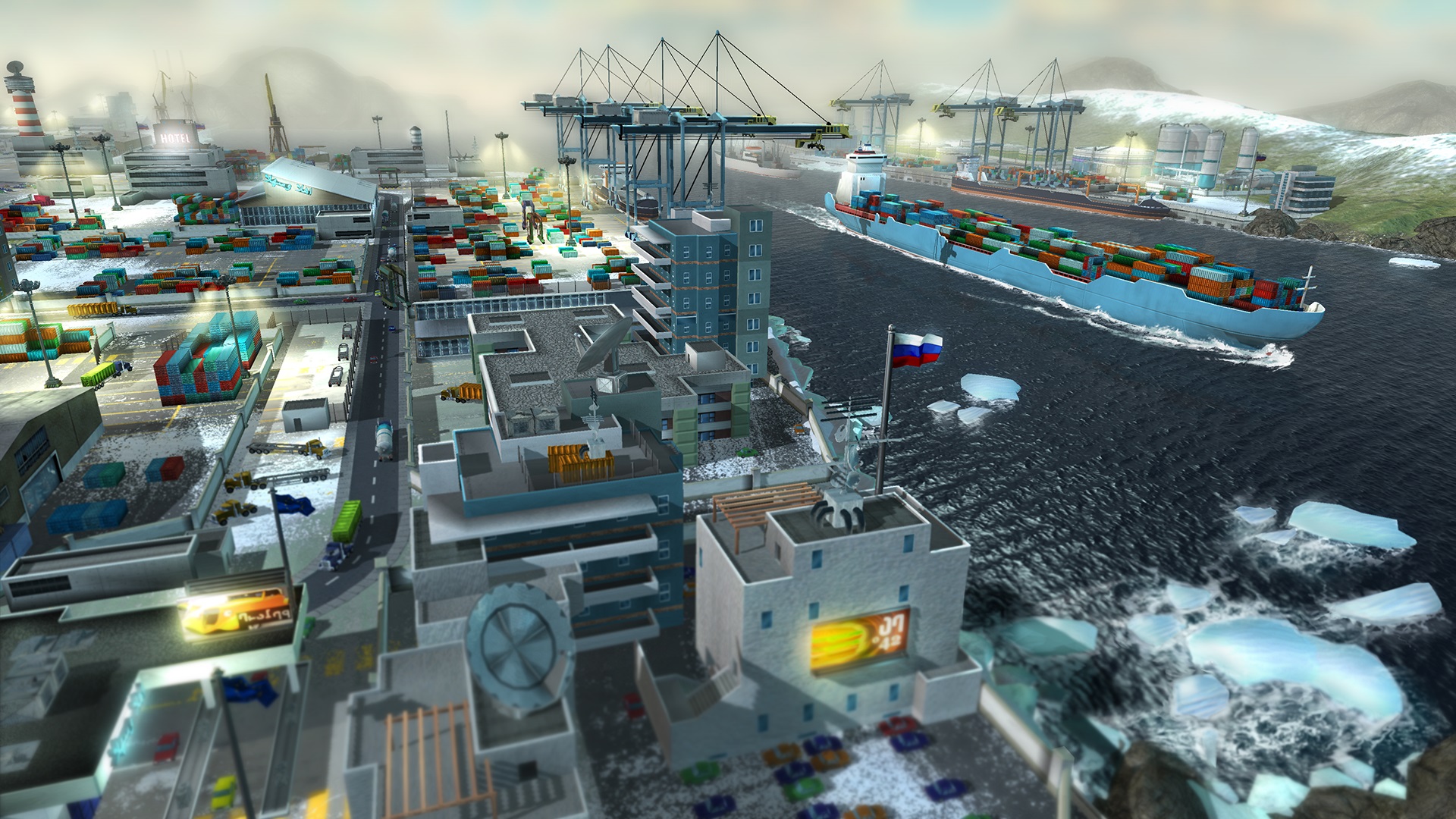
TransOcean: The Shipping Company delivers an engaging maritime business simulation that places players in control of an expanding international shipping enterprise. Developed by Deck13 Hamburg and published by astragon Entertainment, the game focuses on commercial transportation, strategic investments, and logistical management rather than naval combat or action-oriented adventures. Starting with limited resources, players gradually build a profitable shipping company by completing cargo contracts, acquiring vessels, and establishing trade routes across the world. Its greatest appeal comes from the satisfaction of transforming a modest operation into a powerful commercial empire through careful planning and intelligent financial decisions. The core gameplay revolves around transporting goods between international harbors while balancing profitability, operating expenses, and delivery schedules. Each contract presents different financial opportunities, requiring players to consider transportation distances, cargo requirements, and the capabilities of their available ships. Accepting the highest-paying assignment is not always the smartest decision, particularly when fuel expenses and lengthy journeys reduce potential earnings. This creates an enjoyable economic puzzle where efficiency matters as much as expansion. Early progression feels particularly rewarding because every successful delivery contributes directly to the company's financial stability and future purchasing power. The extensive network of 55 harbors provides an appealing sense of global scale. Recognizable international destinations and important maritime passages introduce geographical considerations that influence shipping decisions. Routes involving the Panama Canal and Suez Canal become especially significant when managing larger vessels that may encounter restrictions. Players must therefore consider accessibility and travel efficiency rather than relying exclusively on direct routes. Although the geographical systems are simplified compared with professional maritime simulations, they successfully communicate the practical challenges of international cargo transportation. Fleet management represents another substantial strength, offering 20 ship classes with different operational characteristics. Purchasing additional vessels increases transportation capacity and opens new commercial opportunities, but expansion also introduces maintenance expenses and greater financial responsibilities. Larger ships can generate impressive revenue through substantial cargo deliveries, yet their higher costs and harbor limitations make them unsuitable for every assignment. Maintaining a diverse fleet becomes increasingly important as business operations expand. This relationship between investment, transportation efficiency, and financial sustainability creates meaningful decisions throughout the early and middle stages of progression. The economic system adds depth through fluctuating commodity prices, 22 trade goods, and changing transportation opportunities. Players must respond to market conditions while maintaining their company's reputation through reliable deliveries. Riskier commercial arrangements, including questionable cargo opportunities, introduce additional considerations involving potential profits and consequences. These mechanics provide enough complexity to encourage strategic thinking without overwhelming newcomers with excessive financial calculations. However, experienced business simulation enthusiasts may eventually discover that the underlying economic model lacks the sophistication necessary to sustain consistently challenging decisions over extended sessions. One distinctive feature is the opportunity to manually control cargo vessels during harbor arrivals and departures. Steering enormous commercial ships introduces a welcome change of pace from contract management and financial planning. Their slow movement and limited maneuverability emphasize the scale of maritime transportation, making successful docking procedures surprisingly satisfying. Nevertheless, these sequences can become repetitive when operating numerous vessels. Fortunately, automated navigation options allow players to reduce unnecessary micromanagement and concentrate on the broader responsibilities of running their company. Unexpected circumstances such as storms, piracy threats, and other operational disruptions contribute additional uncertainty. These events can interfere with transportation plans and encourage players to maintain financial reserves rather than investing every available resource into expansion. Although such complications provide welcome variety, they rarely transform the experience into an especially demanding crisis-management simulation. The game remains primarily focused on economic progression and logistical optimization, making it better suited to players who enjoy methodical strategic decisions rather than constant emergencies. Visually, the game presents a functional but noticeably dated representation of maritime commerce. Cargo vessels possess sufficient detail to communicate their industrial scale, while harbor environments and recognizable landmarks provide geographical variety. The world map serves as an effective management interface, allowing players to monitor operations across multiple destinations. However, environmental textures, animations, and menu designs reveal the game's age. The sound design is similarly modest, featuring appropriate maritime ambience without particularly memorable musical compositions. While neither presentation element is exceptional, both generally support the slower pace of commercial management. The primary weakness becomes apparent during prolonged sessions, particularly after establishing a financially successful shipping network. Contract selection, vessel purchases, and delivery supervision can gradually become routine, reducing the excitement associated with earlier progression. Managing an increasingly large fleet also exposes interface limitations, occasionally making administrative responsibilities more cumbersome than necessary. Players seeking exceptionally deep economic modeling or constantly evolving strategic challenges may find the later stages insufficiently demanding. Nevertheless, those who appreciate incremental business growth and transportation optimization can still enjoy the steady satisfaction of expanding their commercial influence. Steam Deck compatibility is officially classified as Playable, meaning the game can run on Valve's handheld, although its menu-heavy interface may require touchscreen interaction or customized controller configurations. The smaller display can also make prolonged fleet management less comfortable than playing with a mouse and keyboard. Nevertheless, handheld compatibility provides additional flexibility for players who enjoy managing their shipping operations away from a desktop computer. Overall, TransOcean: The Shipping Company is an enjoyable maritime management simulator that successfully captures the satisfaction of building a global transportation empire. Its strongest qualities include strategic fleet expansion, international route planning, accessible economic mechanics, and rewarding financial progression. Although its dated presentation, repetitive late-game activities, and occasional interface frustrations prevent it from reaching greater heights, the experience remains worthwhile for enthusiasts of logistics and business simulations. A satisfying maritime business simulator offering engaging fleet management and strategic trading opportunities, particularly appealing to players who enjoy gradual economic growth and international transportation logistics. Rating: 7/10
I still love it, even in the year of 2026! I am still playing it and love it when I can play in my own way.. Graphics maxed out and 'Hard' game settings, starting with only one ship, a 'Light Carrier-F' in Lisboa, Portugal. It's a bit hard at first but working my way up in ranks, I enjoy it so much in the small scale. It doesn't get more fun at all with 8 'Post-Panamax' Carriers roaming the world.. I prefer to stay in Europe and feel like I am one of those great, daring sailors who put in all money they had, took loans and started a small shipping company with one ship on the Swedish west coast in the 1950's.. Managing it closely and count every drop of diesel fuel, it is very fun in my old views of the world. Still a great and contemplative game! https://steamcommunity.com/sharedfiles/filedetails/?id=3814583278
If you loved Ports of Call then you should grab this game. If you like sitting calmly and watching your wealth grow and grow as you upgrade ships and slowly replace older models, then you should try this game. I don't remember manually steering into and out of port being as time consuming as it is in this game, in the end I came to the conclusion that I was spending so much time steering in and out it wasn't cost effective and started using tugs, I haven't tried it with side thrusters yet. I seem to have runs of bad luck like the Random Number Generator hits a bad spot and I'm saving sailors, going around reefs and putting out fires. I haven't gotten to the stage I have the best ships, or maybe even the second best, it's hard to tell, but it's a lot of fun for me, but I love trading games - in space, rail roads or on the seven seas I've always enjoyed making fake game cash and running an empire. If you have any doubt, grab it on the bigger discounts. I'm not really sure there is enough gameplay in the gameplay loop for full price but for me it's a thumbs up.
Was feeling a 40 year old itch to play Ports of Call and this fit the bill. Very satisfying. Clearly inspired by the original work, if not just modernized and emulated. Well done. Only gripes are you probably aren't going to sink weeks into this game and it seems super crashy, but the frequent auto-saves help with the latter.
Similar games
View all

Mad Games Tycoon
Form your own game studio set in the early 1980s in a small garage. Develop your own game ideas, create a team and develop megahit video games. Research new technologies, train your staff and upgrade your office space, going from a lowly garage to a huge building. Expand your business and dominate the world market for video games!

Ninja Tycoon
Recruit Ninjas, Hire Workers, build your base, train your Ninjas and send them on Missions!
Game Dev Studio
Welcome to your own Game Dev Studio! How will you run your own offices and ascend to greatness in the gaming industry?
Startup Company
Startup Company is a business simulation sandbox game where you’re the CEO of a new company. Your job is to build your very own website and compete against the largest tech giants on the planet!

The Guild Gold Edition
It’s the year 1400- the late Middle Ages. Europe sees the dawn of the golden age of the new departures and the free spirit. Under the rule of the bourgeoisie and businessmen, more and more towns are emerging from the clutches of the aristocracy and are achieving independence, power and wealth.
Capitalism 2
Create and control the business empire of your dreams. This in-depth strategy game covers almost every aspect of business that could be encountered in the real world.

Tube Tycoon
The only game of its kind where you can feel like a real internet celebrity! Record videos, interact with your subscribers, buy better equipment and gain fame!

Coffee Shop Tycoon
Manage your own coffee shop and control every detail to make it the most popular one in town! Roast your own beans and create your recipes. Hire and train your staff, manage your economy and marketing, and destroy your competition to become the ultimate legal coffee monopoly in Coffee Shop Tycoon.

Casino Inc.
Classic strategy game from 2003. Run your own casino in the 1970s. It's classy. It's glitzy. It's all yours. Take a gamble. Start small with a slot machine or two. Employ some staff. People will be talking about your place from coast to coast. Includes The Management Expansion Pack.

Tavern Tycoon - Dragon's Hangover
Run your fantasy RPG tavern - let travellers take shelter for the night and serve 'em the best mead of their life with a good dose of humor.
Patrician III
Become a fellow of the famous medieval Hanse trading association in the 13th century. Manage the politics, prestige and economic success in your city and the known parts of Europe!
Frequently Asked Questions
TransOcean: The Shipping Company is currently priced at 19.99€ on Steam.
No, TransOcean: The Shipping Company is currently not on sale. You can purchase it for 19.99€ on Steam.
Yes, TransOcean: The Shipping Company received 618 positive votes out of a total of 835 achieving a rating of 7.08.
😊
TransOcean: The Shipping Company was developed by Deck13 Hamburg and published by astragon Entertainment .
Yes, TransOcean: The Shipping Company is playable and fully supported on Windows.
Yes, TransOcean: The Shipping Company is playable and fully supported on MacOS.
No, TransOcean: The Shipping Company is not playable on Linux.
Yes, TransOcean: The Shipping Company is playable on Steam Deck, though it might require a few minor tweaks. Make sure to check the Steam store page and community feedback on ProtonDB for exact compatibility details.
Yes, TransOcean: The Shipping Company is playable on Steam Machine, though it might require a few minor tweaks. Make sure to check the Steam store page and community feedback on ProtonDB for exact compatibility details.
No, TransOcean: The Shipping Company does not support VR.
TransOcean: The Shipping Company is a single-player game.
No, TransOcean: The Shipping Company does not currently offer any DLC.
No, TransOcean: The Shipping Company does not support mods via Steam Workshop.
No, TransOcean: The Shipping Company does not support Steam Remote Play.
Yes, TransOcean: The Shipping Company is enabled for Steam Family Sharing. This means you can share the game with authorized users from your Steam Library, allowing them to play it on their own accounts. For more details on how the feature works, you can read the original Steam Family Sharing announcement or visit the Steam Family Sharing user guide and FAQ page.
You can find solutions or submit a support ticket by visiting the Steam Support page for TransOcean: The Shipping Company.
Data sources
The information presented on this page is sourced from reliable APIs to ensure accuracy and relevance. We utilize the Steam API to gather data on game details, including titles, descriptions, prices, and user reviews. This allows us to provide you with the most up-to-date information directly from the Steam platform.
Additionally, we incorporate data from the SteamSpy API, which offers insights into game sales and player statistics. This helps us present a comprehensive view of each game's popularity and performance within the gaming community.
Last Updates| Steam data | 15 October 2026 06:58 UTC |
|---|---|
| SteamSpy data | 26 October 2026 20:09 UTC |
| Steam price | 27 October 2026 04:01 UTC |
| Steam reviews | 20 October 2026 22:09 UTC |
If you'd like to dive deeper into the details about TransOcean: The Shipping Company, we invite you to check out a few dedicated websites that offer extensive information and insights. These platforms provide valuable data, analysis, and user-generated reports to enhance your understanding of the game and its performance.
- SteamDB - A comprehensive database of everything on Steam about TransOcean: The Shipping Company
- SteamCharts - Analysis of TransOcean: The Shipping Company concurrent players on Steam
- ProtonDB - Crowdsourced reports on Linux and Steam Deck TransOcean: The Shipping Company compatibility
Game modes
Features
Online players
11
Developer
Deck13 Hamburg
Publisher
astragon Entertainment
Release
23 Sep 2014
Platforms
Clicking and buying through these links helps us earn a commission to maintain our services.