
Tavern Tycoon - Dragon's Hangover
Run your fantasy RPG tavern - let travellers take shelter for the night and serve 'em the best mead of their life with a good dose of humor.
Sync your Steam wishlist to find the lowest game prices instantly. No login required, just paste your Steam profile URL!
⚡ Try Wishlist Radar!
Sync your Steam wishlist to find the lowest game prices instantly. No login required!
⚡ Try Wishlist Radar!
Close

Casino Inc. on Steam
Quick menu
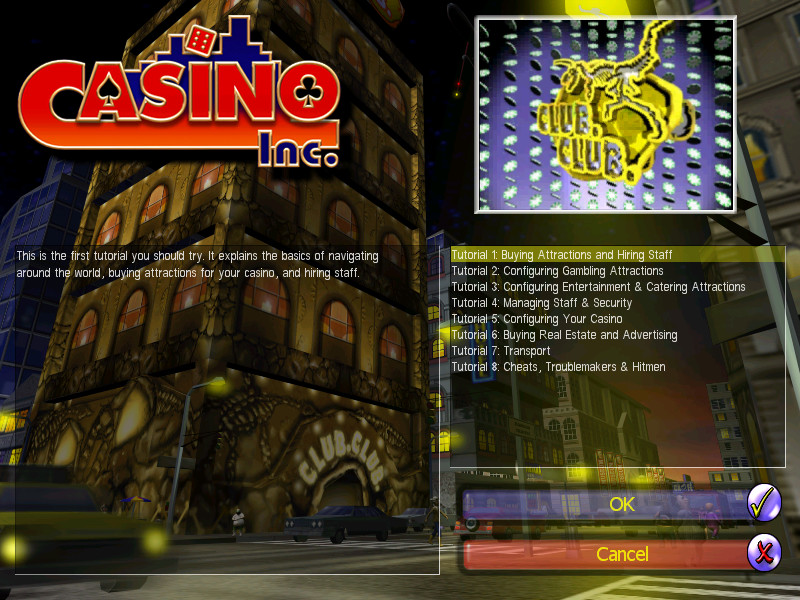
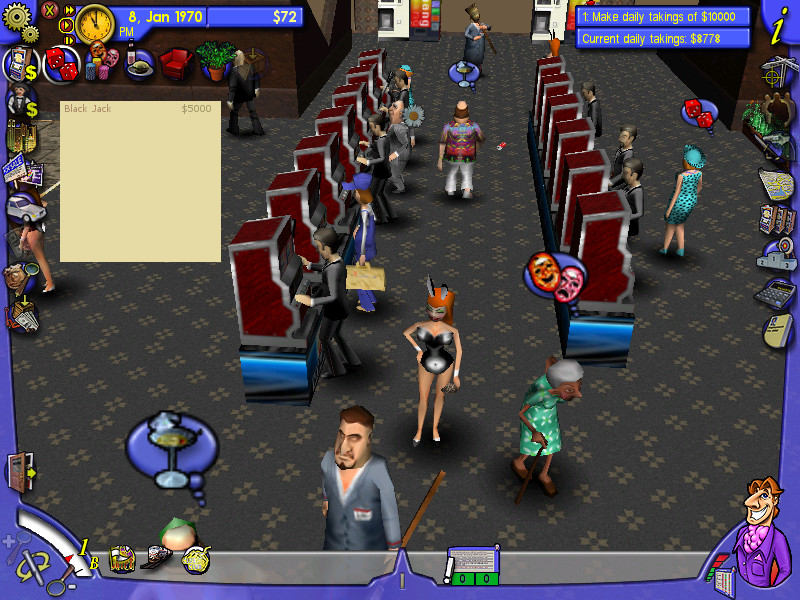
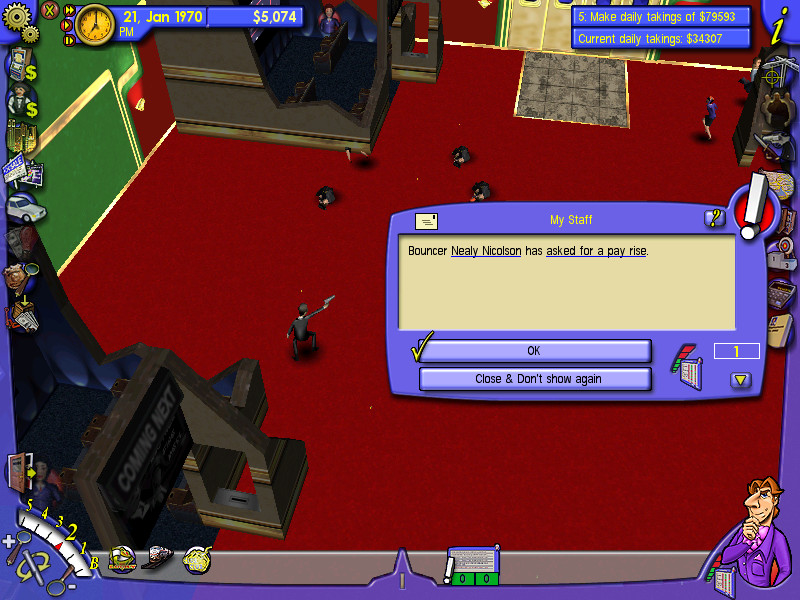
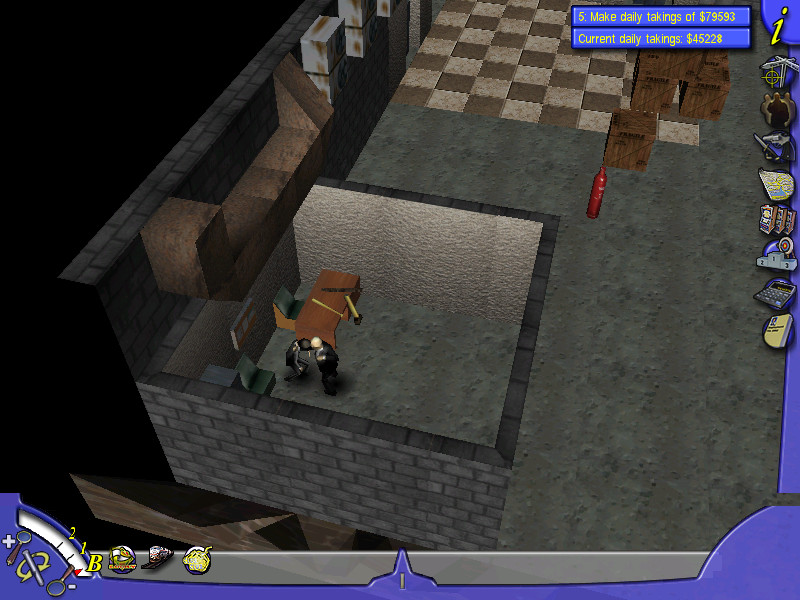
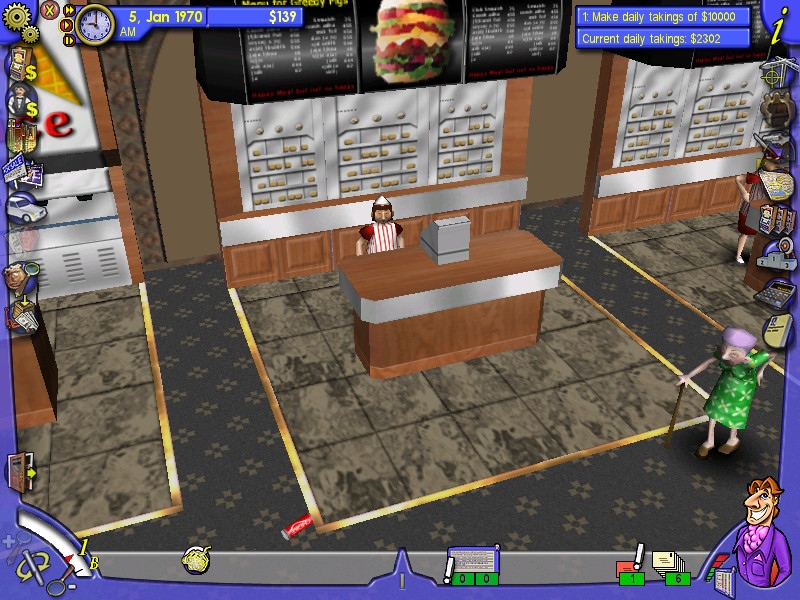
Classic strategy game from 2003. Run your own casino in the 1970s. It's classy. It's glitzy. It's all yours. Take a gamble. Start small with a slot machine or two. Employ some staff. People will be talking about your place from coast to coast. Includes The Management Expansion Pack.
Casino Inc. is a simulation, strategy and management game
developed by Hothouse Creations Ltd
and published by Alternative Software Ltd.
Released on April 17th 2015 is available only on Windows.
It has received 347 reviews of which 295 were positive and 52 were negative resulting in a rating of 7.9 out of 10. 😊
The game is currently priced at 5.21€ on Steam.
The Steam community has classified Casino Inc. into these genres:
Media & Screenshots
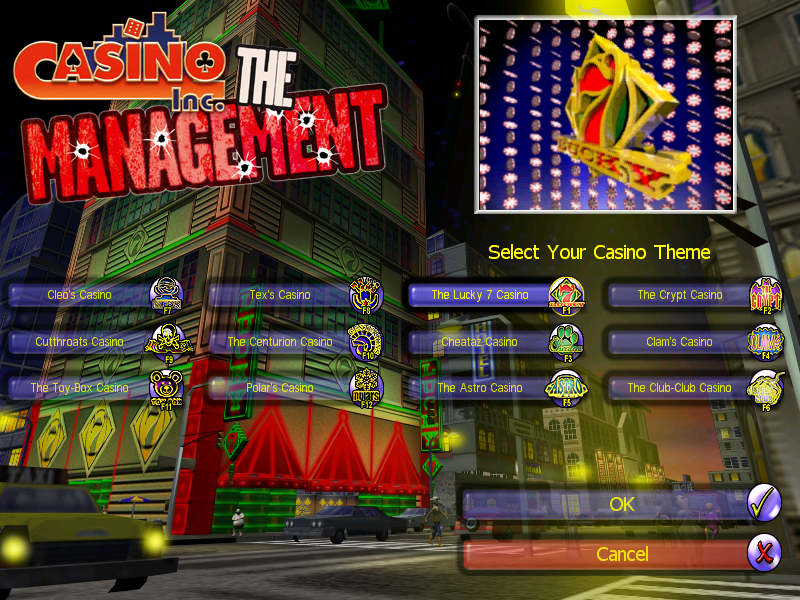
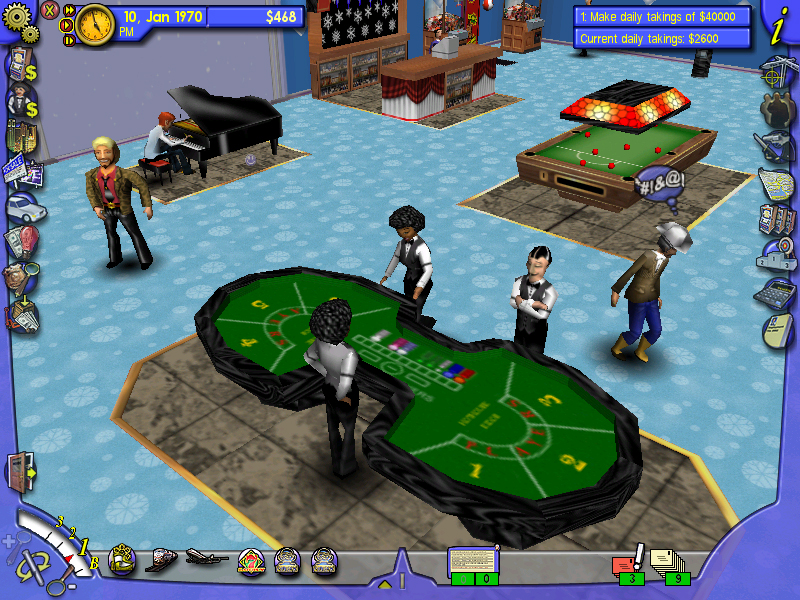
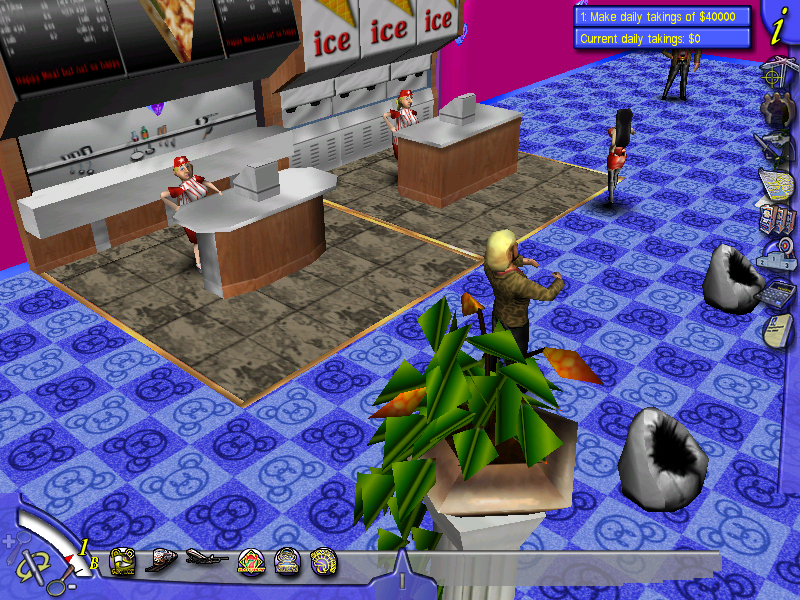
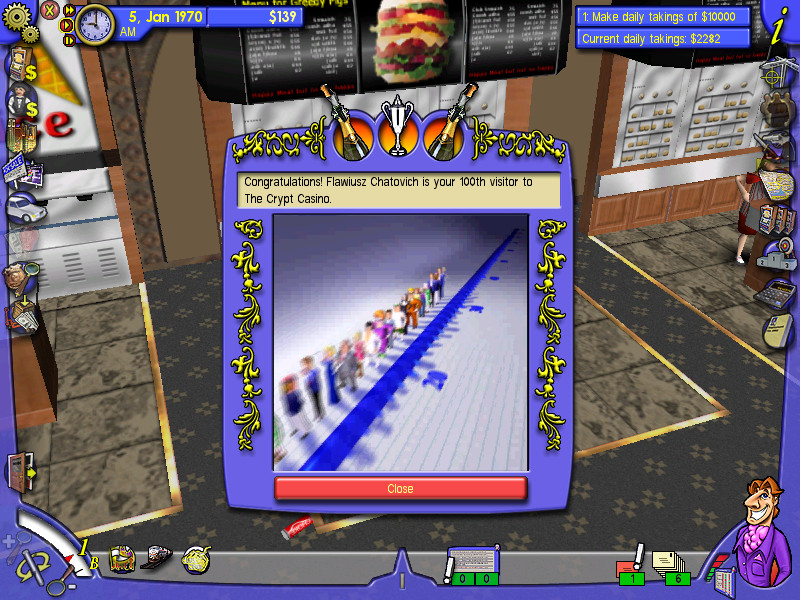
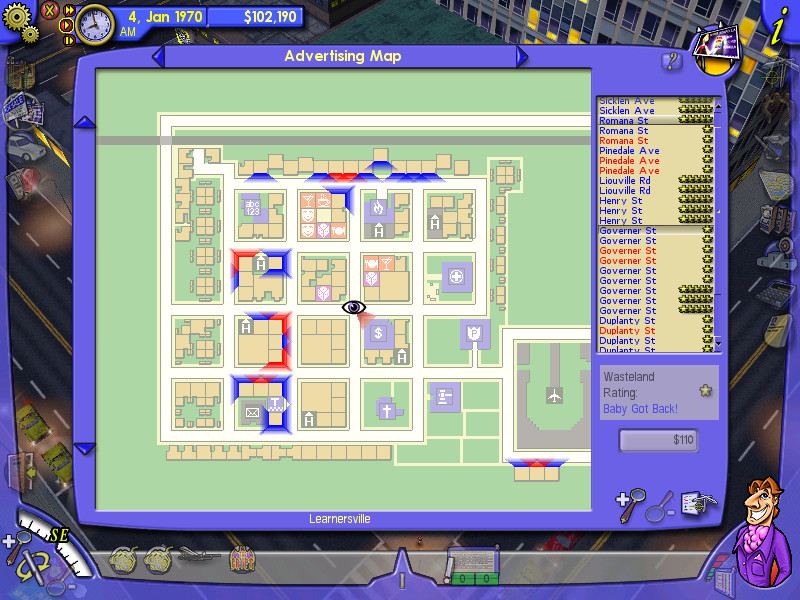
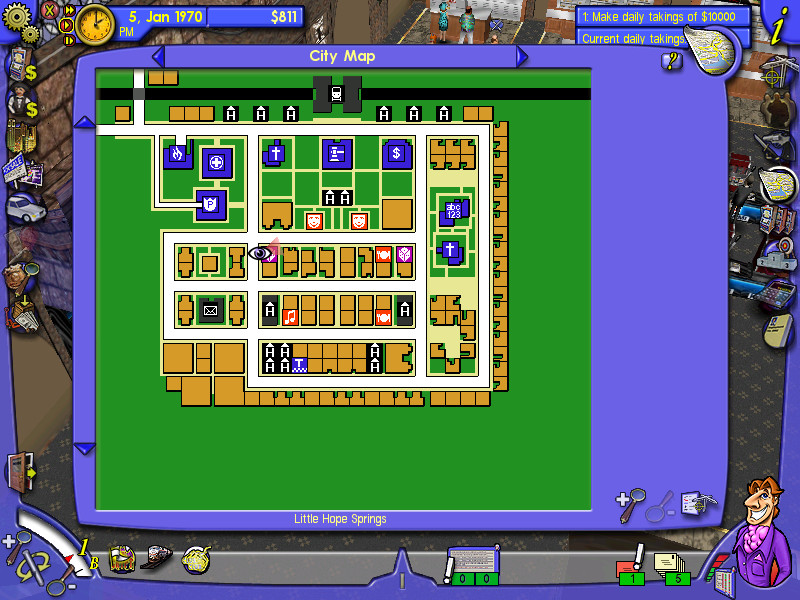
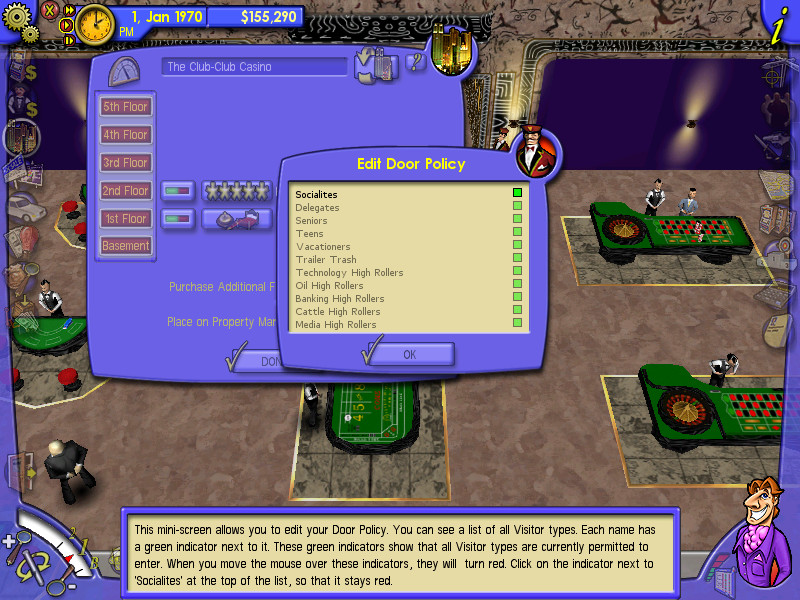
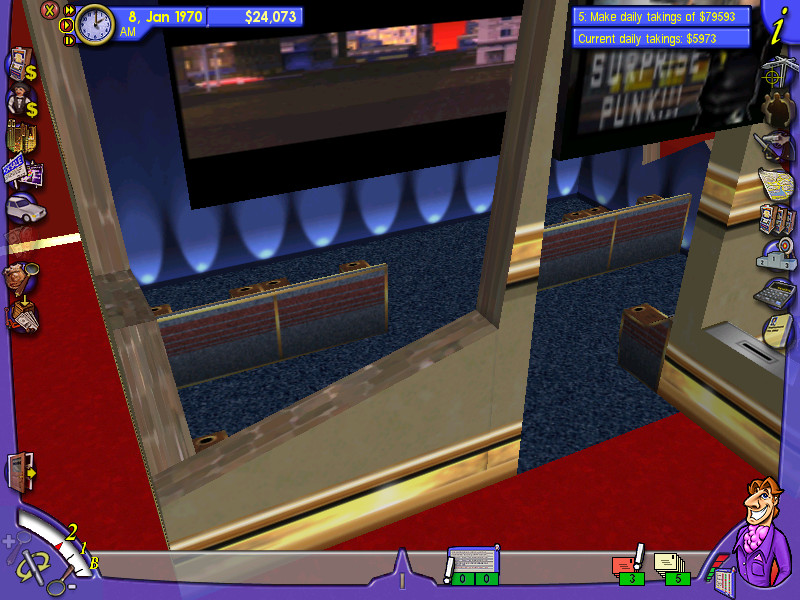
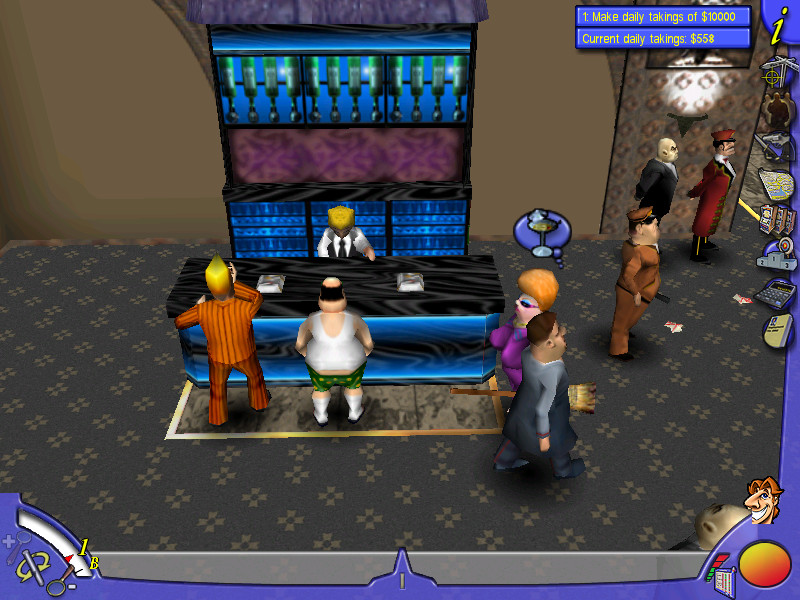
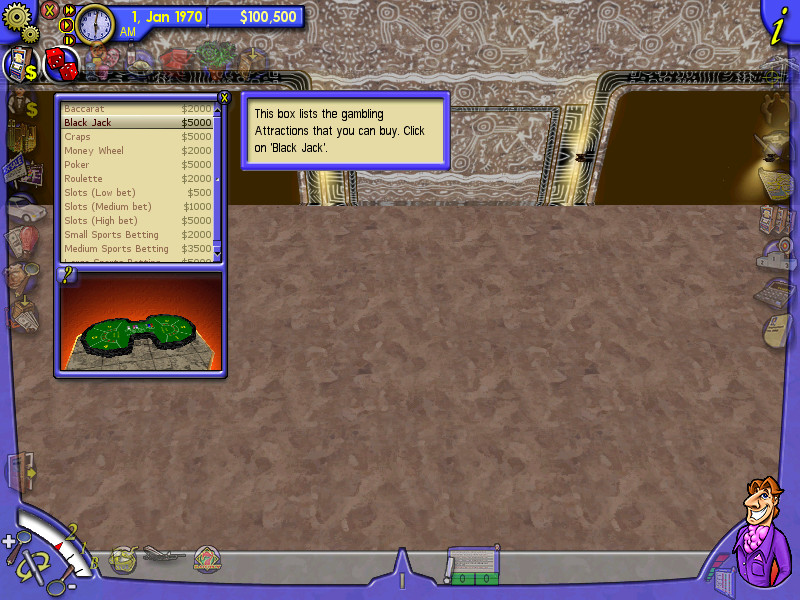
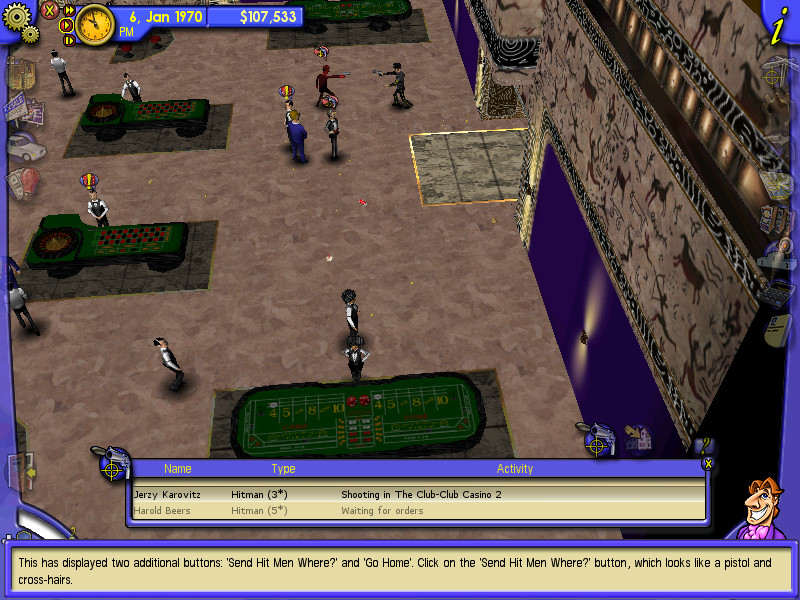
Get an in-depth look at Casino Inc. through various videos and screenshots.


Load More







System requirements
These are the minimum specifications needed to play the game. For the best experience, we recommend that you verify them.
Windows
- OS *: Windows XP/Vista/7/8/10
- Processor: Pentium 2 450 or better
- Memory: 64 MB RAM
- Graphics: 16MB 3D Graphics Card
- DirectX: Version 8.1
- Storage: 2 GB available space
- Sound Card: Windows Compatible
- Additional Notes: Please note: This is an old game, on some PC setups, it may not work. Check the discussions for advice
Steam Price & Best Deals
User reviews & Ratings
Explore reviews from Steam users sharing their experiences and what they love about the game.
Casino Inc, A really fun tycoon style game where you build and manage your casino in the 1970s. Easily the best casino managment game to date, nothing compares to this. A real gem from 2003. If you like old tycoon games like Theme Hospital, Rollecoaster Tycoon, Pizza Syndicate and so on you gonna love this. Works fine on Windows 11 after some minor tweaking using dgVoodoo2 and starting the game from the game directory, not Steam! No problems with antipiracy shenanigans and no need for 3rd party cracked exe's.
Casino Inc is a management simulation that embraces the extravagant and morally questionable world of the casino business with surprising confidence. Set during the flashy atmosphere of the 1970s, the game places players in control of building a gambling empire from the ground up, starting with a modest establishment and eventually expanding into sprawling entertainment complexes filled with gaming tables, hotels, bars, restaurants, and attractions. While the game immediately reveals its age through its visuals and interface, the depth of its mechanics and the personality behind its design allow it to remain remarkably engaging even years after its original release. What makes Casino Inc stand out from many other tycoon games is how much attention it gives to the behavior of both customers and competitors. Success is not simply about placing slot machines and waiting for profits to appear. Players must carefully analyze the preferences of different guests, balancing entertainment options to attract a wide range of visitors. High rollers seek luxurious gambling environments while casual tourists are drawn toward more relaxed attractions. Building a successful casino requires understanding these different audiences and designing the establishment around their habits, spending patterns, and expectations. The progression system creates a satisfying sense of growth throughout the experience. Early stages focus on surviving with limited finances and basic facilities, but as revenue increases, casinos evolve into enormous entertainment hubs packed with activity. Expanding floor space, adding hotel services, improving décor, and introducing new attractions all contribute to the feeling of building something larger and more ambitious over time. Watching crowds fill the casino floor and seeing profits rise steadily gives the game a rewarding momentum that keeps players invested for long sessions. One of the game’s most memorable features is its willingness to explore the darker side of casino competition. Rival businesses are not passive opponents quietly operating in the background. Competitors actively interfere with one another, and players are encouraged to use dirty tactics to gain advantages. Sabotage, intimidation, and criminal activity become part of the business strategy, creating an atmosphere where greed and corruption play major roles. This unusual mechanic adds unpredictability to the experience and gives the game a distinct identity compared to more traditional management simulations that focus entirely on economics and expansion. The simulation systems themselves are deeper than they initially appear. Players must manage staffing, security, maintenance, transportation, customer satisfaction, and advertising while keeping the casino profitable. Transportation systems such as buses and limousines can improve visitor traffic, while entertainment services help encourage guests to stay longer and spend more money. As casinos become larger and more complex, the balancing act between expansion costs and income generation becomes increasingly demanding. This complexity gives Casino Inc a strategic layer that rewards careful planning and experimentation. The included Management Expansion Pack significantly enhances the experience by introducing additional content, casinos, cities, and gameplay possibilities. These additions help extend replay value and make the game feel far more substantial. Managing multiple casinos across different locations creates a larger sense of ambition, turning the experience from a simple business simulator into a broader empire-building game. For players who enjoy detailed tycoon mechanics, the amount of content available provides many hours of experimentation and strategic growth. Visually, the game undeniably shows its early 2000s origins. Character models and animations are simplistic by modern standards, and the interface can feel outdated and cluttered during busy moments. However, the isometric perspective works effectively for monitoring casino operations, and there is still a certain charm to watching crowds move through colorful gambling halls filled with activity. The presentation may not impress modern audiences looking for graphical polish, but it succeeds in creating a lively atmosphere that suits the game’s flashy casino theme. The sound design complements the setting well enough to strengthen immersion. Casino floors are filled with the noise of slot machines, crowds, and constant activity, helping create the feeling of operating a busy entertainment venue. The soundtrack captures the glamorous yet slightly shady tone the game aims for, reinforcing the atmosphere of excess, ambition, and competition that defines the experience. Unfortunately, Casino Inc also carries several frustrations tied to its age. Technical problems and compatibility issues can make the game difficult to run smoothly on modern systems without adjustments or community fixes. The interface occasionally feels clumsy, especially during larger stages where micromanagement becomes intense. As casino empires expand, maintaining control over every system can become exhausting, requiring constant attention to small details that some players may find overwhelming rather than enjoyable. Despite these flaws, the game remains surprisingly addictive because of how many interconnected systems it successfully combines. Few management games capture both the glamorous and corrupt sides of running a casino as effectively as Casino Inc. The balance between expansion, customer management, competition, and sabotage creates an experience that feels chaotic in an entertaining way. There is always another attraction to build, another rival to outmaneuver, or another financial risk to take in pursuit of greater profits. Casino Inc may not possess the technical refinement or modern presentation of newer tycoon titles, but its ambition and personality still make it memorable. The game delivers a deep and entertaining casino management experience filled with strategy, customization, and unpredictable rivalries. For fans of classic simulation games willing to overlook outdated visuals and occasional technical frustrations, it remains a rewarding and distinctive title that offers far more depth than its aging appearance initially suggests. Rating: 8/10
First off: download the patch for this game online. Makes it playable on modern computers and fixes all the problems people have with running it. Second off: this is both a fantastic management simulator and the funniest game on Earth. You get to balance running a casino with managing a cohort of cheats, vandals and hitmen, you can bribe brothels, set off bombs in other casinos, build empires and buy out every building in the city, beat up customers in your basement. It's just fun after fun.
This game Obviously need some setup to work on modern rigs. Namely that some systems may fall victim to false triggering of the anti piracy systems, or the requirement of an FPS limiter The controls are a nightmare too. However, is it worth the effort? I think it is. The gameplay is absolute peak 10/10 I NEED A NEW TRAILERRRR
Similar games
View all
RollerCoaster Tycoon Classic
Create incredible parks in the original rollercoaster sim from Chris Sawyer.

TransOcean: The Shipping Company
TransOcean – The Shipping Company is your ticket to the world of gigantic ships and transnational transport empires. Build a mighty fleet of modern merchant ships and conquer the seven seas.

GamersGoMakers
In GamersGoMakers, you found a little company creating the first video games in history. Create your first game with only basic sound and simple graphics available in the year 1980. You´re one of the pioneers entering the rising global market for computer games.

Chris Sawyer's Locomotion
Explore a vast and detailed world and build a Transportation Empire!

Ninja Tycoon
Recruit Ninjas, Hire Workers, build your base, train your Ninjas and send them on Missions!

Railroad Tycoon II Platinum
Includes Railroad Tycoon II and the expansion The Second Century It can take you from New York to South Africa. It can take you from the year 1804 to the year 2000. It can take you from penniless manual laborer to powerful multi-millionaire.

The Guild Gold Edition
It’s the year 1400- the late Middle Ages. Europe sees the dawn of the golden age of the new departures and the free spirit. Under the rule of the bourgeoisie and businessmen, more and more towns are emerging from the clutches of the aristocracy and are achieving independence, power and wealth.

Industry Giant 2
Economic booms, stock market crashes, oil crises, upswings, triumphs... Now you can become the greatest power in industry!

Battle Royale Tycoon
Design and build arenas for your guests to fight in, keep them happy, your workers paid and make a profit!

Cities in Motion
Manage transportation for commuters in four of the world's greatest cities - Vienna, Helsinki, Berlin, and Amsterdam

Tropico Reloaded
TROPICO RELOADED is the ultimate game compilation for hobby-dictators and those dreaming of their own Caribbean island. Tropico combines real-time strategy and simulation elements with a healthy dose of political intrigue and Caribbean flair to create a unique and critically acclaimed game experience.
Frequently Asked Questions
Casino Inc. is currently priced at 5.21€ on Steam.
No, Casino Inc. is currently not on sale. You can purchase it for 5.21€ on Steam.
Yes, Casino Inc. received 295 positive votes out of a total of 347 achieving a rating of 7.90.
😊
Casino Inc. was developed by Hothouse Creations Ltd and published by Alternative Software Ltd.
Yes, Casino Inc. is playable and fully supported on Windows.
No, Casino Inc. is not playable on MacOS.
No, Casino Inc. is not playable on Linux.
No, Casino Inc. is not playable on Steam Deck.
No, Casino Inc. is not playable on Steam Machine.
No, Casino Inc. does not support VR.
Casino Inc. is a single-player game.
No, Casino Inc. does not currently offer any DLC.
No, Casino Inc. does not support mods via Steam Workshop.
No, Casino Inc. does not support Steam Remote Play.
Yes, Casino Inc. is enabled for Steam Family Sharing. This means you can share the game with authorized users from your Steam Library, allowing them to play it on their own accounts. For more details on how the feature works, you can read the original Steam Family Sharing announcement or visit the Steam Family Sharing user guide and FAQ page.
You can find solutions or submit a support ticket by visiting the Steam Support page for Casino Inc..
Data sources
The information presented on this page is sourced from reliable APIs to ensure accuracy and relevance. We utilize the Steam API to gather data on game details, including titles, descriptions, prices, and user reviews. This allows us to provide you with the most up-to-date information directly from the Steam platform.
Additionally, we incorporate data from the SteamSpy API, which offers insights into game sales and player statistics. This helps us present a comprehensive view of each game's popularity and performance within the gaming community.
Last Updates| Steam data | 20 September 2026 09:07 UTC |
|---|---|
| SteamSpy data | 15 October 2026 05:33 UTC |
| Steam price | 27 October 2026 20:05 UTC |
| Steam reviews | 22 October 2026 09:51 UTC |
If you'd like to dive deeper into the details about Casino Inc., we invite you to check out a few dedicated websites that offer extensive information and insights. These platforms provide valuable data, analysis, and user-generated reports to enhance your understanding of the game and its performance.
- SteamDB - A comprehensive database of everything on Steam about Casino Inc.
- SteamCharts - Analysis of Casino Inc. concurrent players on Steam
- ProtonDB - Crowdsourced reports on Linux and Steam Deck Casino Inc. compatibility

Game modes
Features
Online players
3
Developer
Hothouse Creations Ltd
Publisher
Alternative Software Ltd
Release
17 Apr 2015
Platforms