

Dustoff Heli Rescue
"I need a Dustoff!" became an all-too-familiar call on the airwaves of jungle wars. Now take off with your rescue helicopter and search and save the life of the wounded soldiers in the field, often under fire. If you can't, nobody else can!
Sync your Steam wishlist to track the lowest game prices instantly. No login required, just paste your Steam profile URL!
⚡ Try Wishlist Radar!
Sync your Steam wishlist to track the lowest game prices instantly. No login required!
⚡ Try Wishlist Radar!
Close

Ultratron on Steam - User reviews, Price & Information
Quick menu
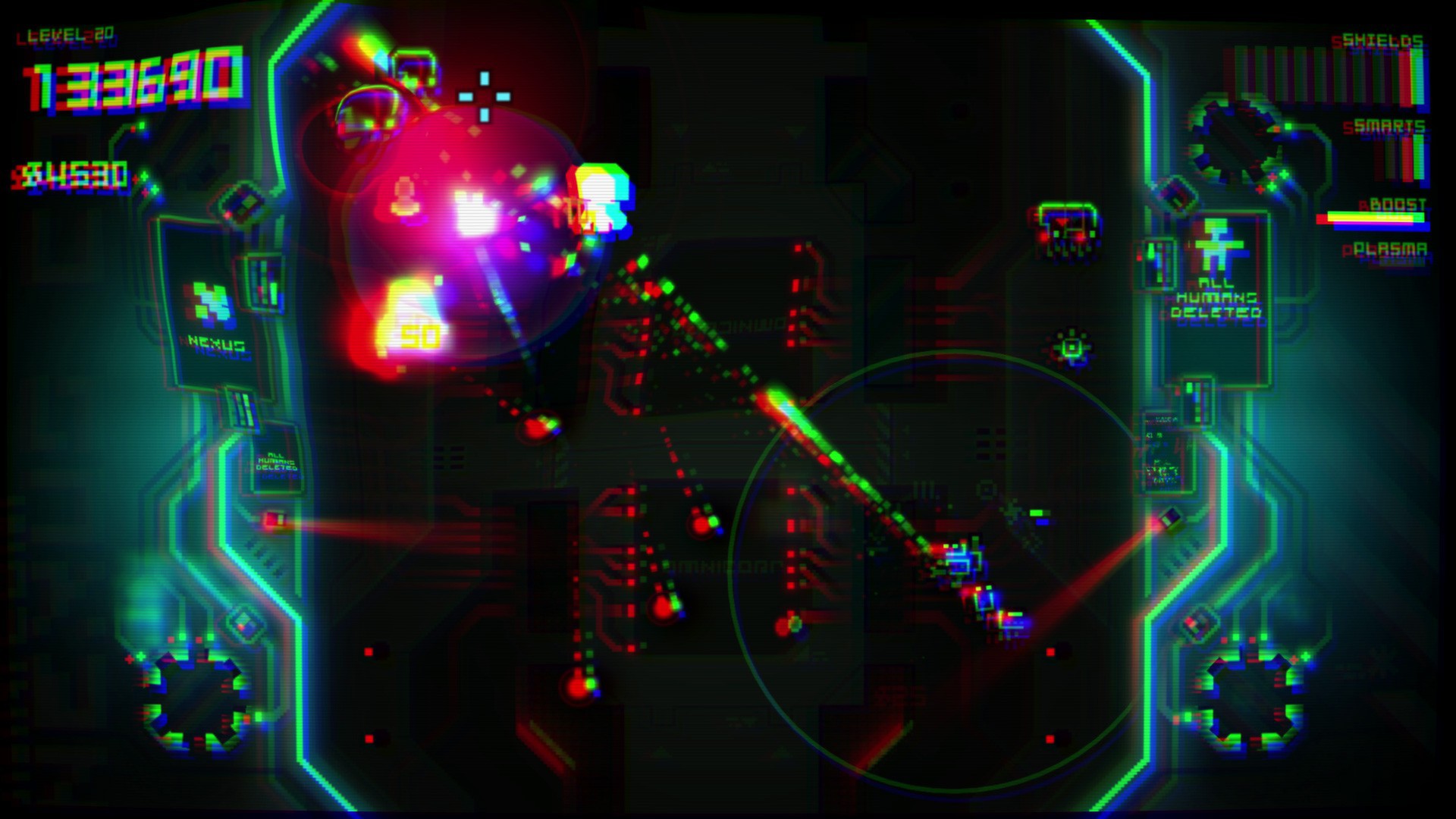
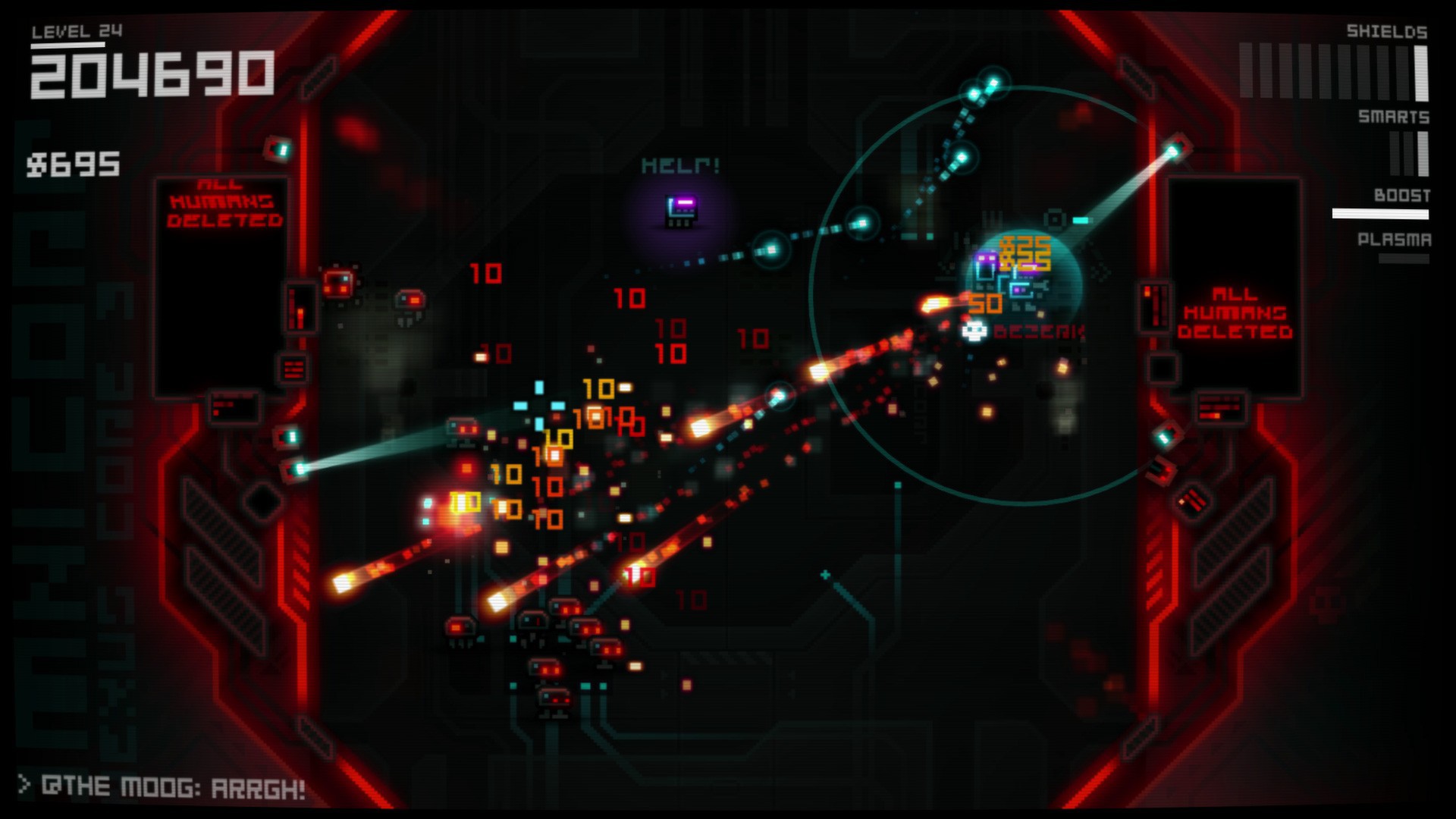
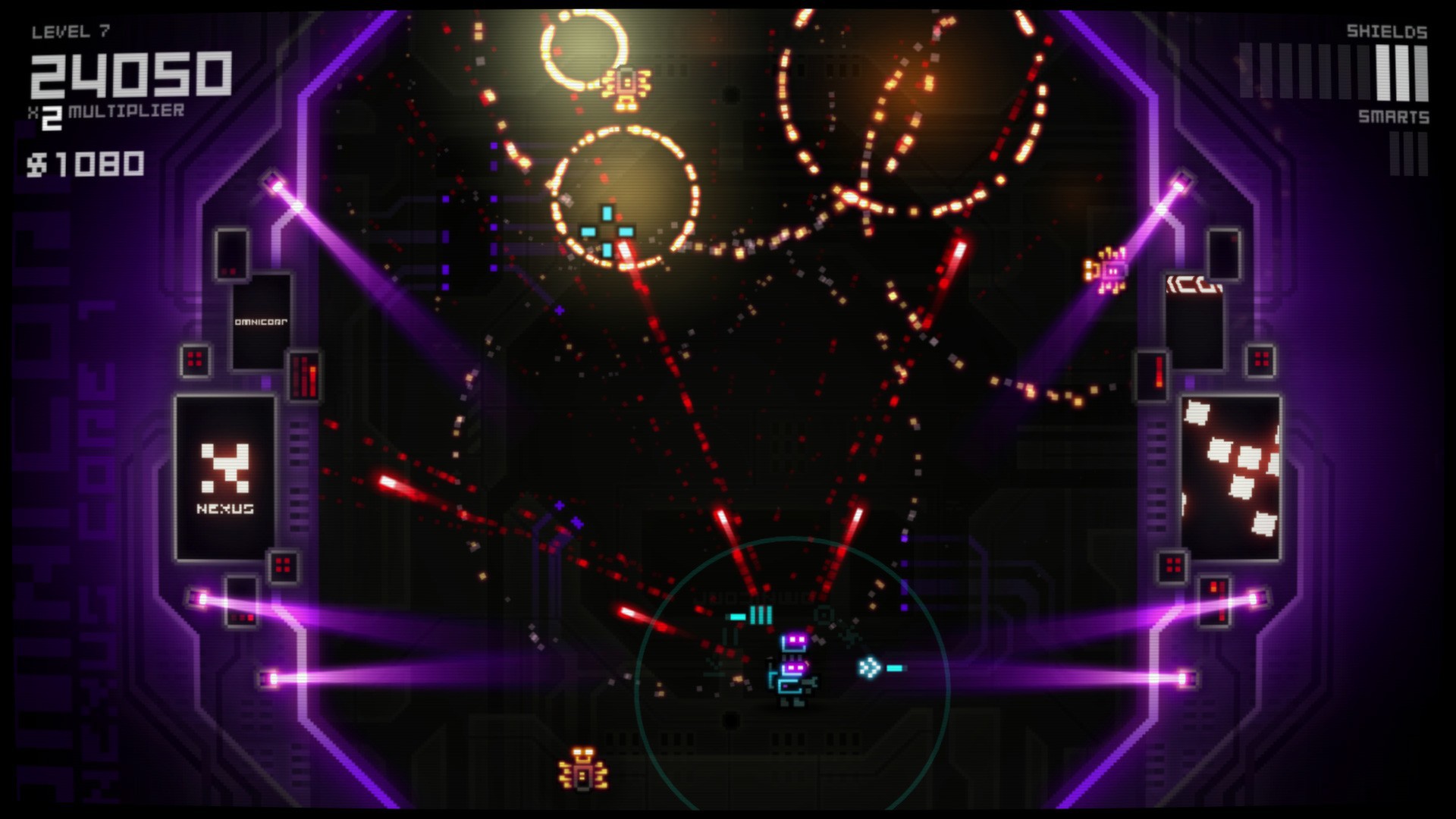
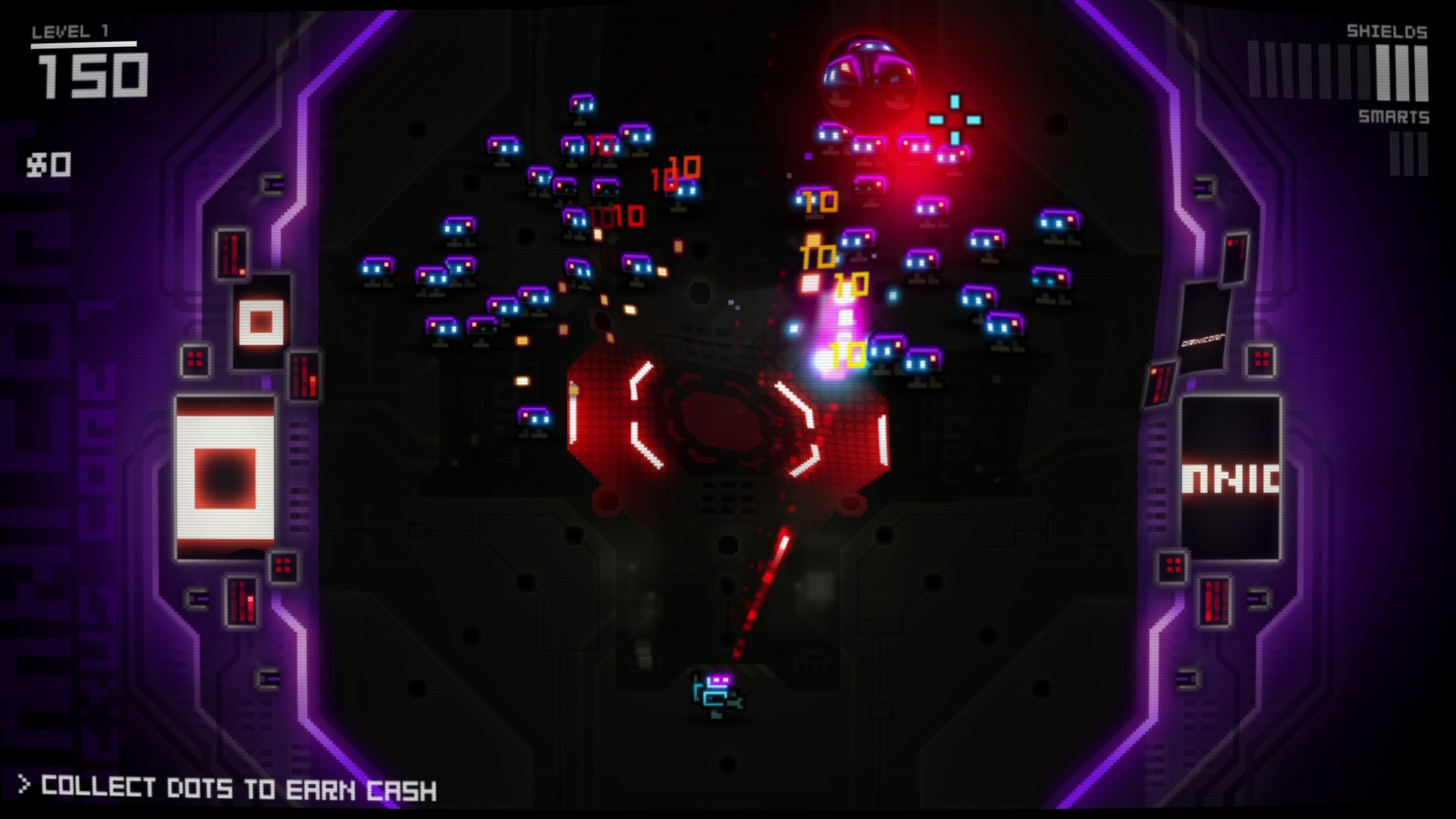
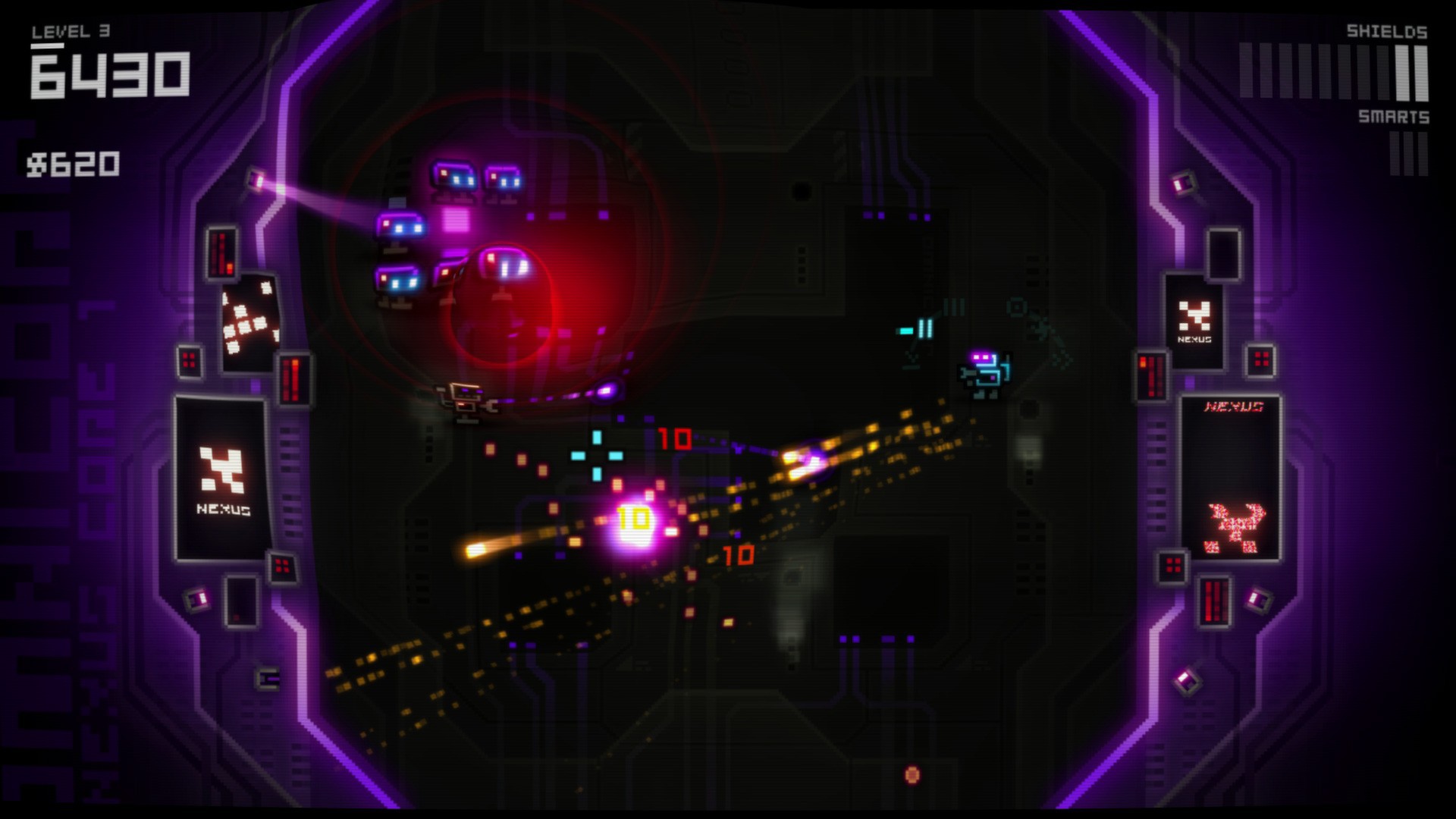
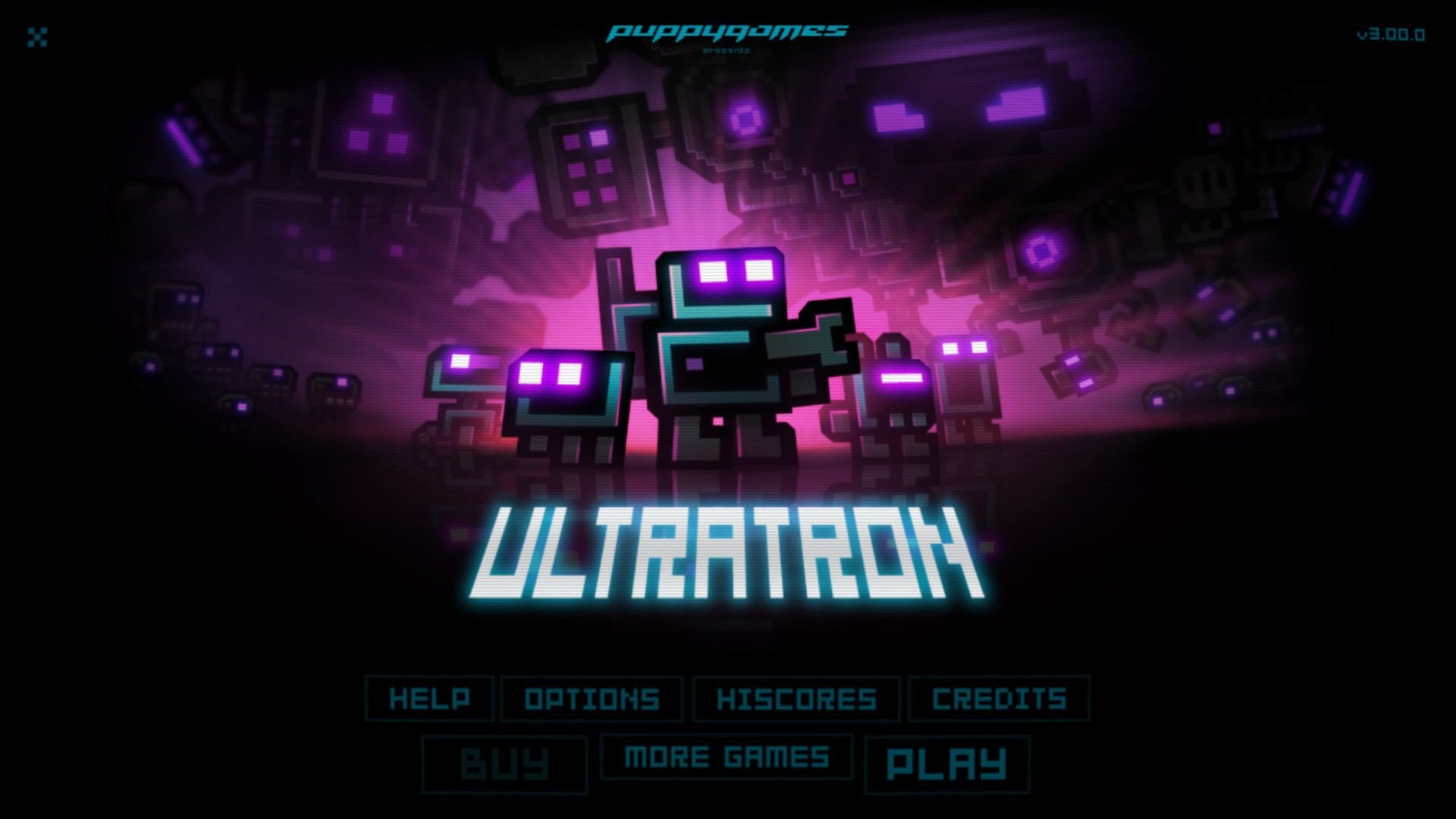
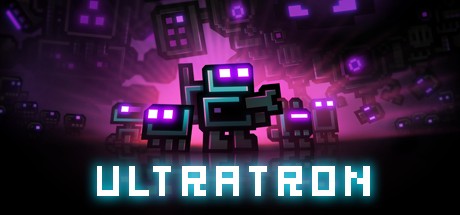
Experience the addictive gameplay of old-school arcade favourites, updated and improved for the 21st century! Unique retro-futuristic sound and graphics, player responsive difficulty, and a subtle system of tactics combined with classic gameplay make Ultratron a fun and hypnotic arcade blast.
Ultratron is a indie, action and arcade game
developed and published by Puppygames.
Released on March 18th 2013 is available in English on Windows, MacOS and Linux.
It has received 685 reviews of which 605 were positive and 80 were negative resulting in a rating of 8.3 out of 10. 😎
The game is currently priced at 9.75€ on Steam, but you can find it for 4.77€ on G2A.
The Steam community has classified Ultratron into these genres:
Media & Screenshots
Get an in-depth look at Ultratron through various videos and screenshots.
Load More
System requirements
These are the minimum specifications needed to play the game. For the best experience, we recommend that you verify them.
Windows
- OS *:Windows XP
- Processor:1GHz
- Memory:512 MB RAM
- Graphics:OpenGL1.5 capable graphics card
- Hard Drive:550 MB HD space
MacOS
- OS:OSX 10.7
- Processor:1GHz Intel
- Memory:512 MB RAM
- Graphics:OpenGL1.5 capable graphics card
- Hard Drive:580 MB HD space
Linux
- Processor:1GHz
- Memory:512 MB RAM
- Graphics:OpenGL1.5 capable graphics card
- Hard Drive:580 MB HD space
Steam Price & Best Deals
User reviews & Ratings
Explore reviews from Steam users sharing their experiences and what they love about the game.
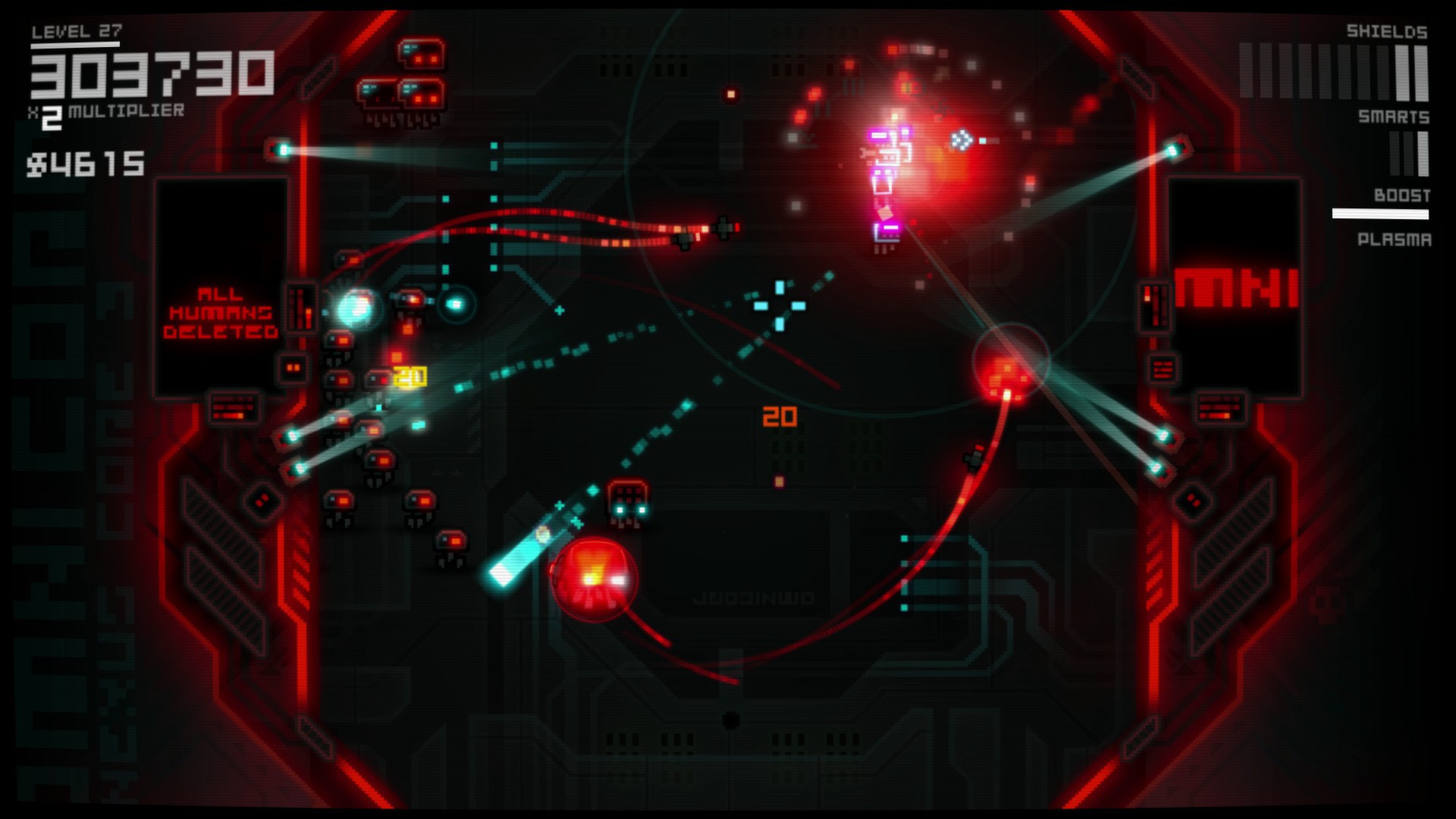
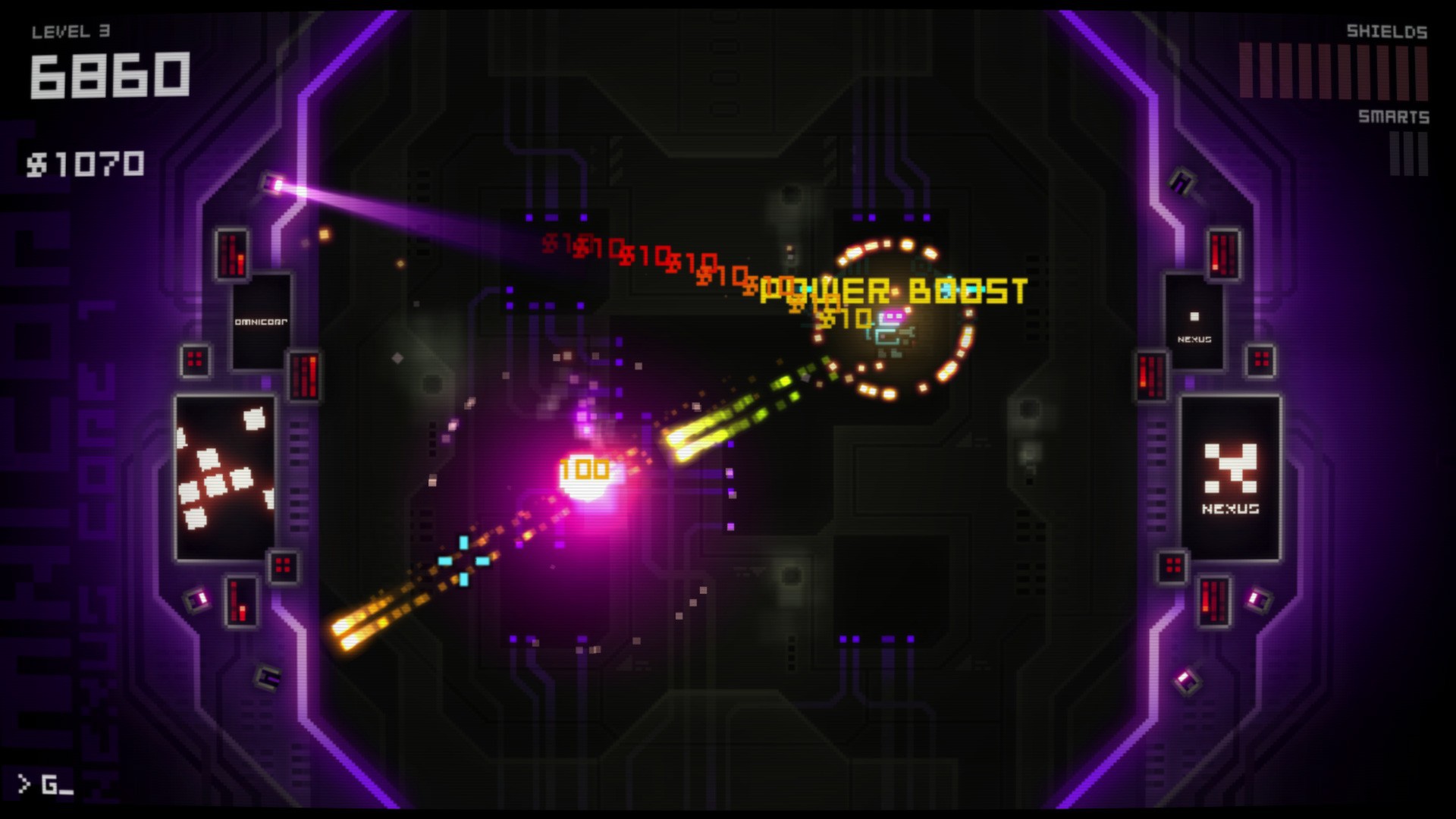
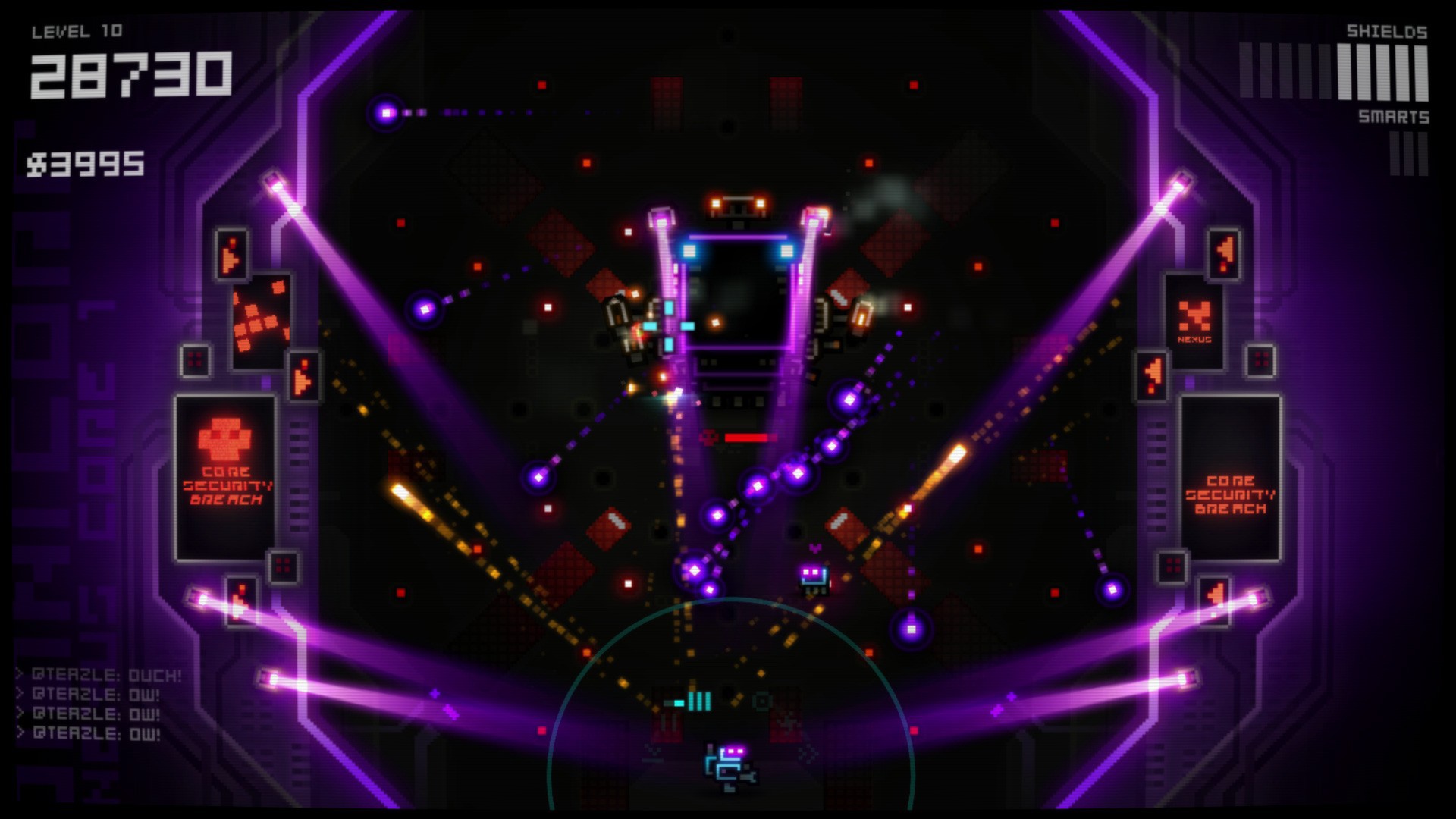
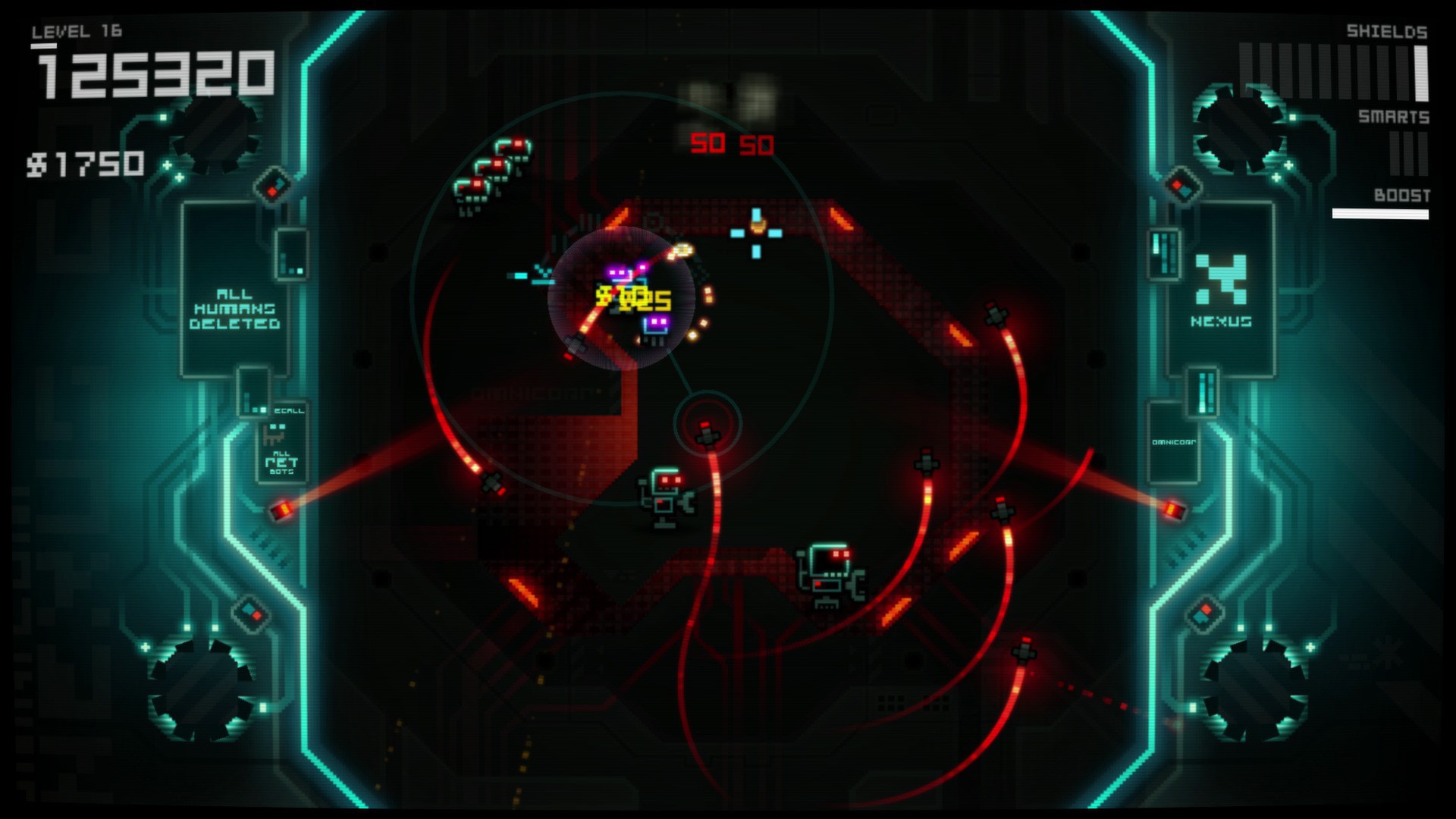
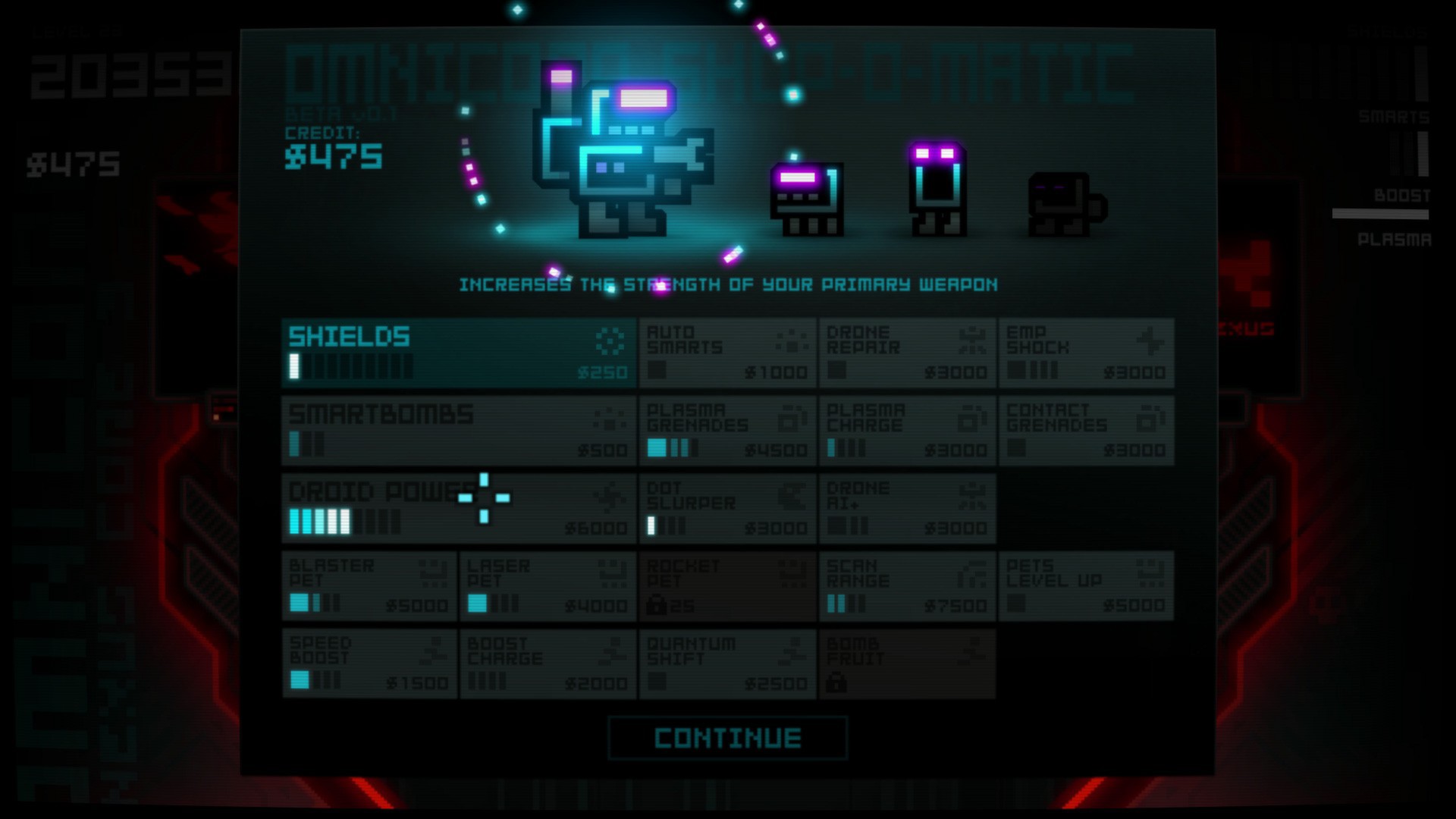
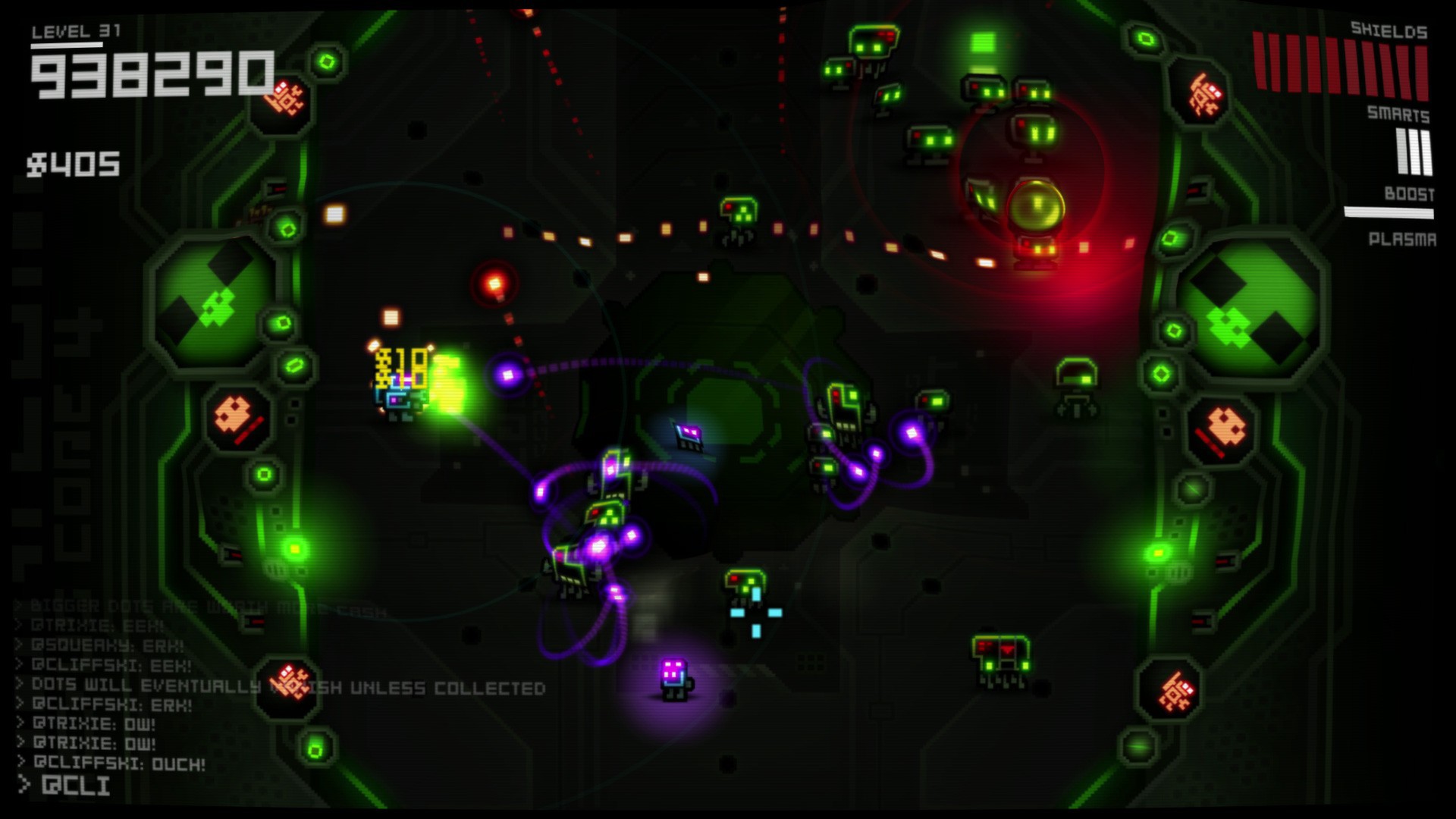
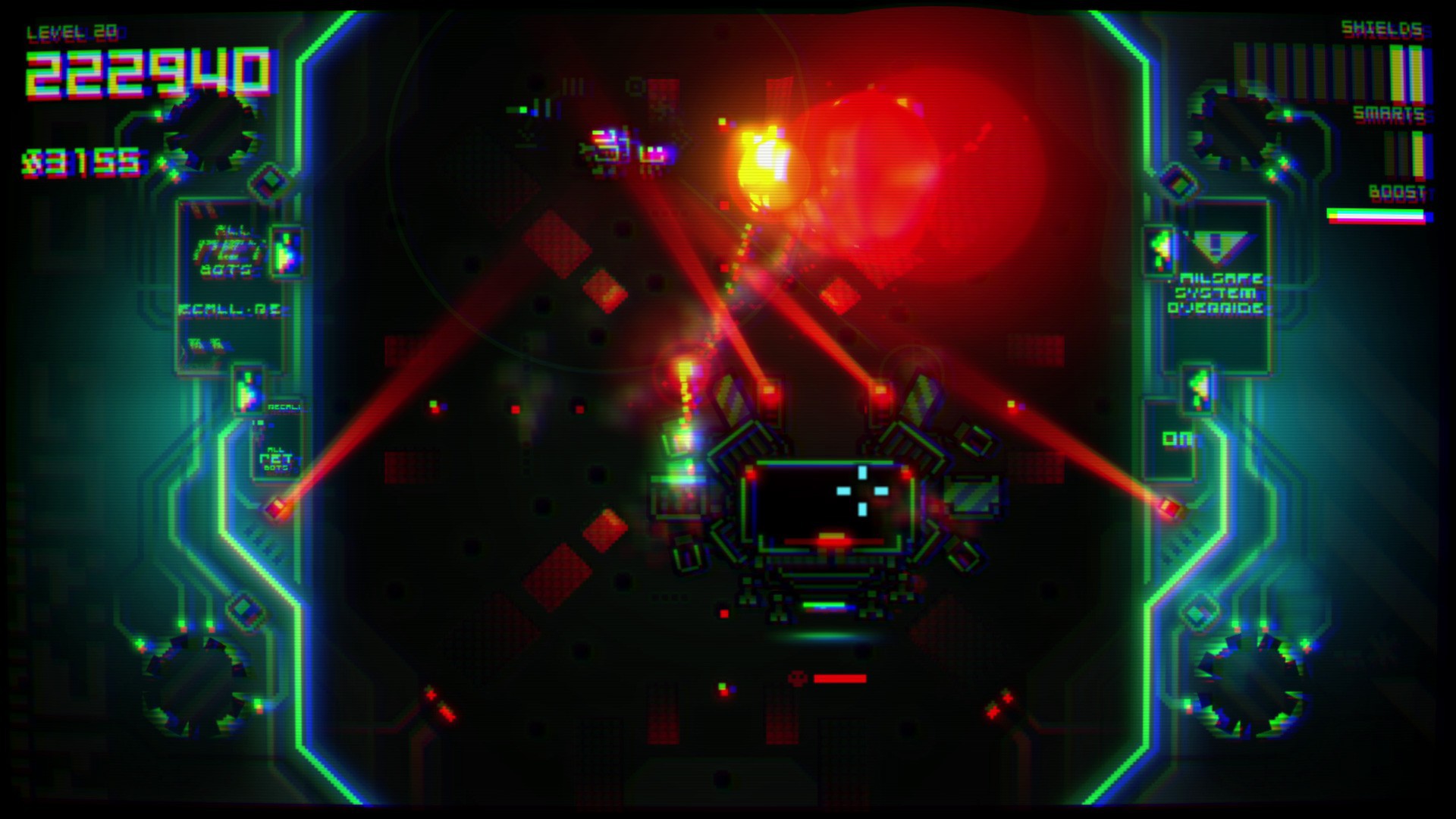
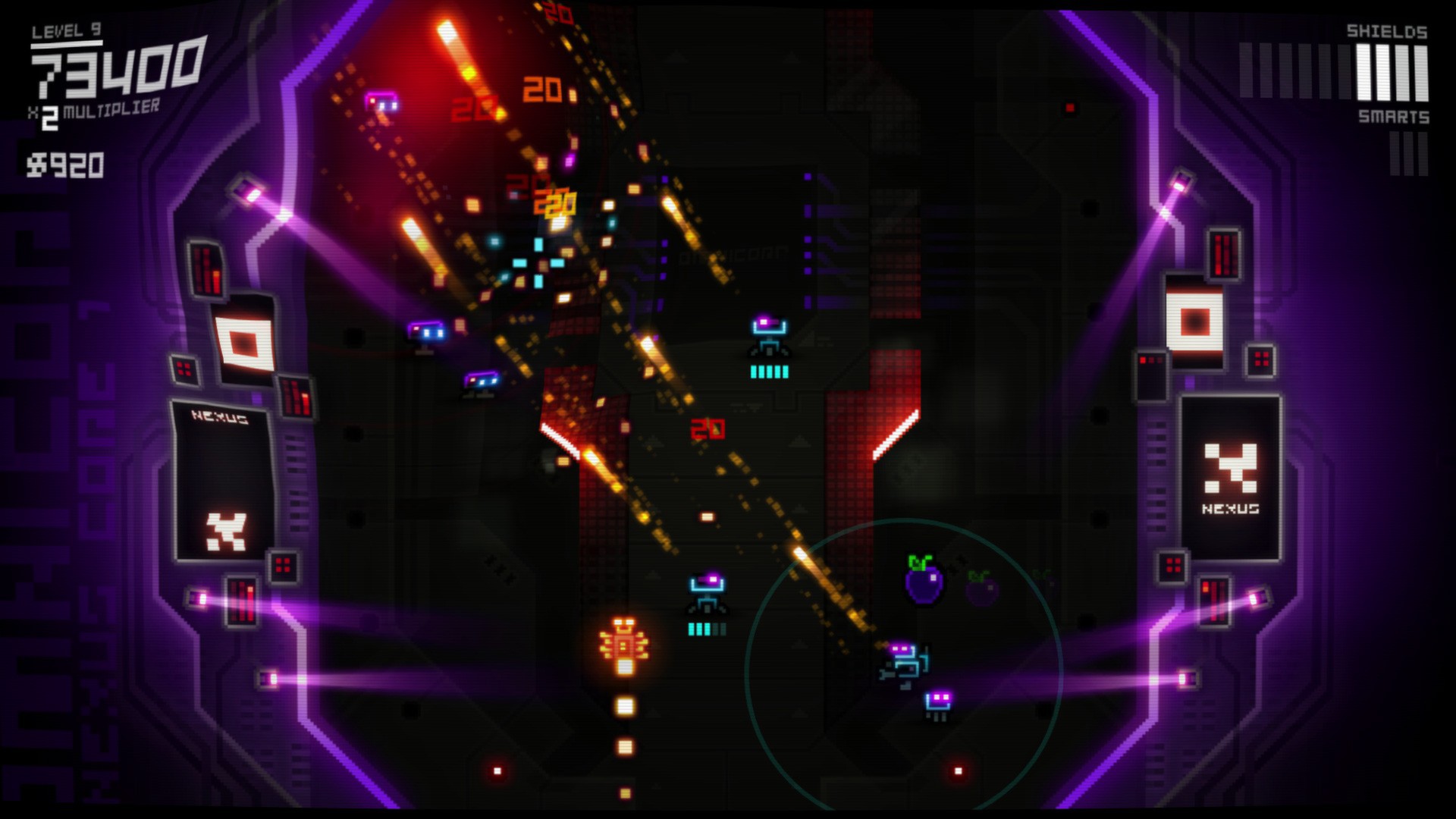
Ultratron is a fast-paced twin-stick shooter that takes the spirit of classic arcade games and modernizes it with stylish visuals, addictive progression systems, and nonstop action. Developed by Puppy Games, the title clearly draws inspiration from legendary arcade shooters such as Robotron: 2084, but it does far more than simply imitate retro design. Instead, it builds upon those foundations with modern mechanics, layered upgrades, and a gameplay loop centered entirely around reflexes, survival, and score chasing. The result is an intense and highly polished arcade experience that feels both nostalgic and surprisingly fresh. The game’s setup is simple but effective. Humanity has already fallen to an army of murderous machines, leaving players in control of the last surviving battle droid capable of resisting the robotic uprising. There is no complicated narrative or lengthy world-building because Ultratron understands exactly what type of experience it wants to deliver. The story merely provides an excuse to throw players into wave after wave of deadly enemies while explosions and lasers consume the screen. This arcade-style simplicity works perfectly because the game’s primary focus is momentum and gameplay intensity rather than cinematic storytelling. The combat mechanics are immediately satisfying. Like most twin-stick shooters, movement and aiming are controlled separately, allowing players to fire in one direction while dodging attacks in another. The controls feel extremely responsive, which is critical for a game built around split-second reactions and constant movement. Every encounter quickly becomes a balancing act between aggression and survival as enemies flood the arena from every angle. Players are constantly weaving between projectiles, eliminating threats, and collecting dropped energy shards before they disappear. The gameplay remains frantic from beginning to end, but the precision of the controls prevents the chaos from ever feeling unfair. One of the game’s best features is its upgrade system, which adds surprising depth to the arcade formula. Defeated enemies drop collectible currency that can be spent between stages on a wide range of enhancements. Players can improve weapons, increase movement speed, strengthen shields, unlock drones, and gain various automated abilities that significantly alter the flow of combat. This progression system creates a satisfying sense of growth throughout each run, transforming the player from a fragile combat unit into an overwhelming machine of destruction by the later stages. Deciding which upgrades to prioritize also introduces a strategic element that keeps runs feeling dynamic rather than repetitive. The enemy variety contributes heavily to the game’s pacing and tension. Different robotic units behave in unique ways, constantly forcing players to adjust their movement and attack priorities. Some enemies rush aggressively toward the player, others fire projectile patterns across the arena, while certain units deploy mines or spawn additional threats that quickly overwhelm careless players. Boss battles raise the intensity even further by introducing enormous mechanical enemies capable of covering the screen with devastating attacks. The escalating difficulty keeps the gameplay engaging because players are always being pushed to improve their reflexes and positioning. Visually, Ultratron fully embraces a vibrant neon aesthetic inspired by classic arcade cabinets and retro science fiction. Bright lasers, glowing explosions, colorful particle effects, and futuristic enemy designs create an almost hypnotic visual style. The screen frequently erupts into overwhelming chaos filled with flashing lights and destruction, but this sensory overload becomes part of the game’s identity. Every stage feels energetic and visually aggressive, reinforcing the constant pressure players experience during combat. The retro-inspired presentation succeeds because it feels modernized rather than outdated, preserving old-school arcade energy while benefiting from contemporary visual effects. The soundtrack complements the gameplay perfectly. Pulsing electronic music and energetic synth-heavy tracks maintain a constant sense of momentum throughout the campaign. The audio design keeps players emotionally engaged even during repeated attempts because the music intensifies the excitement of combat and the satisfaction of survival. Combined with the glowing visuals and nonstop enemy swarms, the soundtrack helps create an arcade atmosphere that feels immersive and adrenaline-fueled. Another major strength is replayability. Ultratron is built around score chasing and repeated attempts, encouraging players to constantly improve their performance and experiment with different upgrade paths. Randomized elements and varying enemy encounters help ensure that no two runs feel completely identical. Online leaderboards add additional incentive for competitive players who enjoy mastering mechanics and optimizing strategies for higher scores. Cooperative play further enhances the experience by allowing a second player to join the chaos, transforming the game into an even more frantic arcade challenge. The pacing throughout the game is remarkably strong. Short upgrade breaks between levels provide just enough downtime before the action intensifies again, creating a satisfying rhythm that keeps players hooked for extended sessions. Assault levels and special encounters dramatically increase enemy density and aggression, producing some of the game’s most exhilarating moments. Even after dozens of stages, the constant escalation prevents the experience from losing momentum. Despite its strengths, Ultratron does have some limitations. The core gameplay loop remains relatively consistent throughout the campaign, which means players seeking narrative variety or dramatically changing environments may eventually notice the repetition. The visual chaos can also become overwhelming during later stages, occasionally making it difficult to track enemy projectiles or important pickups amidst the explosions and particle effects. Additionally, newcomers to twin-stick shooters may initially struggle with the intense difficulty spikes introduced during the second half of the game. However, the challenge is also one of the reasons the game remains so satisfying. Ultratron rewards practice, quick reflexes, and careful movement rather than relying on luck. Every failed attempt feels like an opportunity to improve rather than a punishment. The game constantly pushes players toward mastery while maintaining a rewarding sense of progression through its upgrade systems. What ultimately makes Ultratron memorable is how completely it commits to arcade design philosophy. It does not waste time with unnecessary complexity or cinematic distractions. Instead, it focuses entirely on delivering pure action, constant intensity, and addictive score-driven gameplay. Every mechanic, visual effect, and musical track exists to support the experience of surviving overwhelming odds while becoming stronger and more efficient with every attempt. For fans of twin-stick shooters and retro-inspired arcade games, Ultratron remains one of the strongest examples of the genre. Its responsive controls, satisfying progression systems, stylish presentation, and relentless pacing combine to create a deeply addictive experience that captures the spirit of classic arcade gaming while still feeling modern and refined. Even years after release, it continues to stand out as a polished and exhilarating shooter that rewards both skill and persistence. Rating: 8/10
If you want to experience exploding circuits and caffeinated robot butts, then this is the game for you! Not just a sad excuse for human entertainment in a Twin Stick Shooter retro themed game, but Ultratron is the lovechild of chaos, lasers, and your best childhood nightmares mashed into forty gloriously pixelated levels of mayhem. You start out as an adorable little robot — and you get to murder, I mean defeat, a bunch of evil robot motherfers: Bellum, Lues, Leiunitas, and Letum. These tin-can bastards destroyed Earth, so naturally, your tiny metal ass is here for revenge. I’m talking teeth-grinding, keyboard-smashing, “holy sh*t my brain just ejaculated pure joy” satisfying. Ultratron is a glorious, insane, laser-scorched, robot-murdering joyride that will have your brain, hands, and soul screaming every ten seconds. Not a perfect game by any means but enough to grant you fun for the price tag you’ll have in a single-player arcade shooter that also doubles as you keep going. Just be mindful of your sanity that you will lose especially in later levels, Not to mention the bills that will rake up for your therapy session for the built-up thousands of kilograms of rage. I just died 47 times and I’m begging for another round. Play it. Curse it. Love it. And remember: if your droids level up faster than you, they’re probably judging you. Respect the robots.
Similar games
View all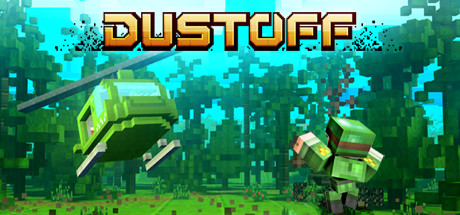
Droid Assault
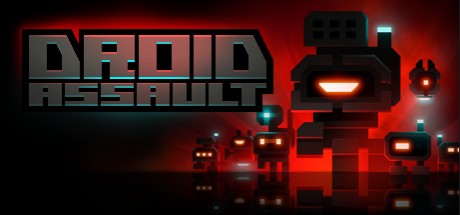
Play Droid Assault and experience running blaster battles with hordes of rampaging killer robots! Discover a unique tactical arcade shooter, with the fun addictive gameplay of 8-bit classics. You'll need your wits and the help of your acquired droid squad to stay alive in this fast-paced retro actionfest.

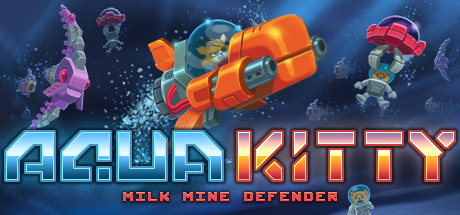
Aqua Kitty - Milk Mine Defender
Aqua Kitty is a fast paced retro styled submarine arcade shooter with optional 2 player local Co-op.Blast through hordes of mechanical sea monsters in your kitty sub and defend the deep sea milk mining kittens!THE MILK MUST FLOW!
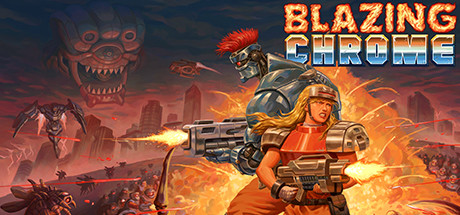
Blazing Chrome
In Blazing Chrome, bring your best pal and kick some metal butts to free the humankind while enjoying a classic run’n’gun, fully loaded with action and exciting fights!
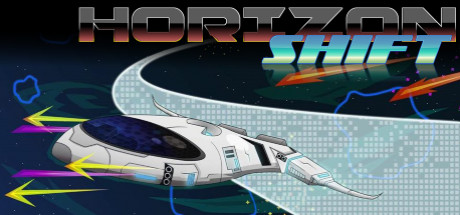
Horizon Shift
Horizon Shift is an explosive wave based single screen shooter with a ton of new ideas and platformer elements. Do what it takes to protect your horizon from the ever encroaching enemy attack!

Death's Hangover
Death's Hangover is a ball and bat game, featuring horror elements, mature comedy and themes.
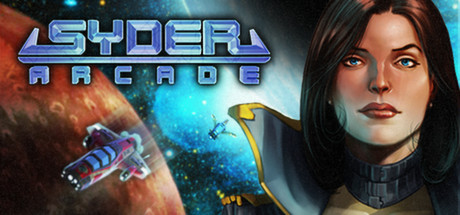
Syder Arcade
Killing zombies never gets old, but sometimes you just need a break. Get back to some serious old-school gaming with Syder Arcade! Syder Arcade is a love letter to Amiga games of the ‘90s, no coins, no upgrade grinding, just your tenacity and a motherload of alien invaders.


UBERMOSH Vol.3
The third volume of the arcade series UBERMOSH.

Super Galaxy Squadron EX Turbo
Super Galaxy Squadron is a fast-paced vertical shooter designed for human beings as well as SHMUP veterans. Featuring multiple game modes, a challenging but merciful difficulty curve, forgiving health system, and SEVENTEEN playable ships.
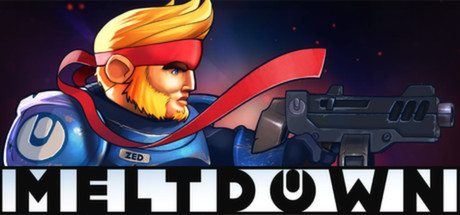
Meltdown
Meltdown is a tactical arcade shooter featuring both singleplayer and intense online multiplayer. Become the most skilled soldier, choose your weapons, get the best upgrades, buckle up and start your mission. Be careful, each enemy has it’s own combat style, special AI and gear. Adapt to them to survive!
Frequently Asked Questions
Ultratron is currently priced at 9.75€ on Steam.
No, Ultratron is currently not on sale. You can purchase it for 9.75€ on Steam.
Yes, Ultratron received 605 positive votes out of a total of 685 achieving a rating of 8.30.
😎
Ultratron was developed and published by Puppygames.
Yes, Ultratron is playable and fully supported on Windows.
Yes, Ultratron is playable and fully supported on MacOS.
Yes, Ultratron is playable and fully supported on Linux.
This information about Ultratron is not available yet.
This information about Ultratron is not available yet.
No, Ultratron does not support VR.
Ultratron offers both single-player and multi-player modes.
Ultratron offers both Co-op and PvP modes.
Yes, there is a DLC available for Ultratron. Explore additional content available for Ultratron on Steam.
No, Ultratron does not support mods via Steam Workshop.
Yes, Ultratron supports Remote Play on TV and Remote Play Together. Discover more about Steam Remote Play.
Yes, Ultratron is enabled for Steam Family Sharing. This means you can share the game with authorized users from your Steam Library, allowing them to play it on their own accounts. For more details on how the feature works, you can read the original Steam Family Sharing announcement or visit the Steam Family Sharing user guide and FAQ page.
You can find solutions or submit a support ticket by visiting the Steam Support page for Ultratron.
Data sources
The information presented on this page is sourced from reliable APIs to ensure accuracy and relevance. We utilize the Steam API to gather data on game details, including titles, descriptions, prices, and user reviews. This allows us to provide you with the most up-to-date information directly from the Steam platform.
Additionally, we incorporate data from the SteamSpy API, which offers insights into game sales and player statistics. This helps us present a comprehensive view of each game's popularity and performance within the gaming community.
Last Updates| Steam data | 03 September 2026 14:26 UTC |
|---|---|
| SteamSpy data | 04 September 2026 23:38 UTC |
| Steam price | 13 September 2026 02:43 UTC |
| Steam reviews | 11 September 2026 09:45 UTC |
If you'd like to dive deeper into the details about Ultratron, we invite you to check out a few dedicated websites that offer extensive information and insights. These platforms provide valuable data, analysis, and user-generated reports to enhance your understanding of the game and its performance.
- SteamDB - A comprehensive database of everything on Steam about Ultratron
- SteamCharts - Analysis of Ultratron concurrent players on Steam
- ProtonDB - Crowdsourced reports on Linux and Steam Deck Ultratron compatibility
Game modes
Features
Online players
0
Developer
Puppygames
Publisher
Puppygames
Release
18 Mar 2013
Platforms
Remote Play
Clicking and buying through these links helps us earn a commission to maintain our services.