Heroes of Annihilated Empires
Heroes of Annihilated Empires - is a fantasy-based game from GSC Game World in the genre of RTS vs RPG for PC. 4 unique races awaits for the heroes, who want to fight in an Epic scale battles!
Sync your Steam wishlist to find the lowest game prices instantly. No login required, just paste your Steam profile URL!
⚡ Try Wishlist Radar!
Sync your Steam wishlist to find the lowest game prices instantly. No login required!
⚡ Try Wishlist Radar!
Close

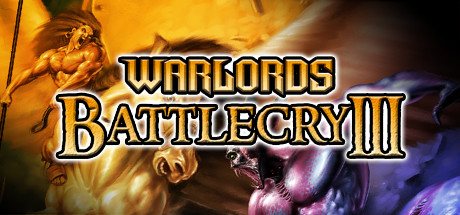
Warlords Battlecry III on Steam
Quick menu
Warlords Battlecry III is the next installment in the award-winning Warlords Battlecry series. Builds upon the famous features of previous Battlecry titles such as the outstanding AI, innovative gameplay and hero system that has made this brand renowned throughout the RTS genre.
Warlords Battlecry III is a strategy, rts and rpg game
developed by Infinite Interactive
and published by Retroism and Enlight Software Limited.
Released on January 22nd 2016 is available only on Windows.
It has received 934 reviews of which 781 were positive and 153 were negative resulting in a rating of 7.9 out of 10. 😊
The game is currently priced at 9.99€ on Steam, but you can find it for 5.15€ on Eneba.
The Steam community has classified Warlords Battlecry III into these genres:
Media & Screenshots
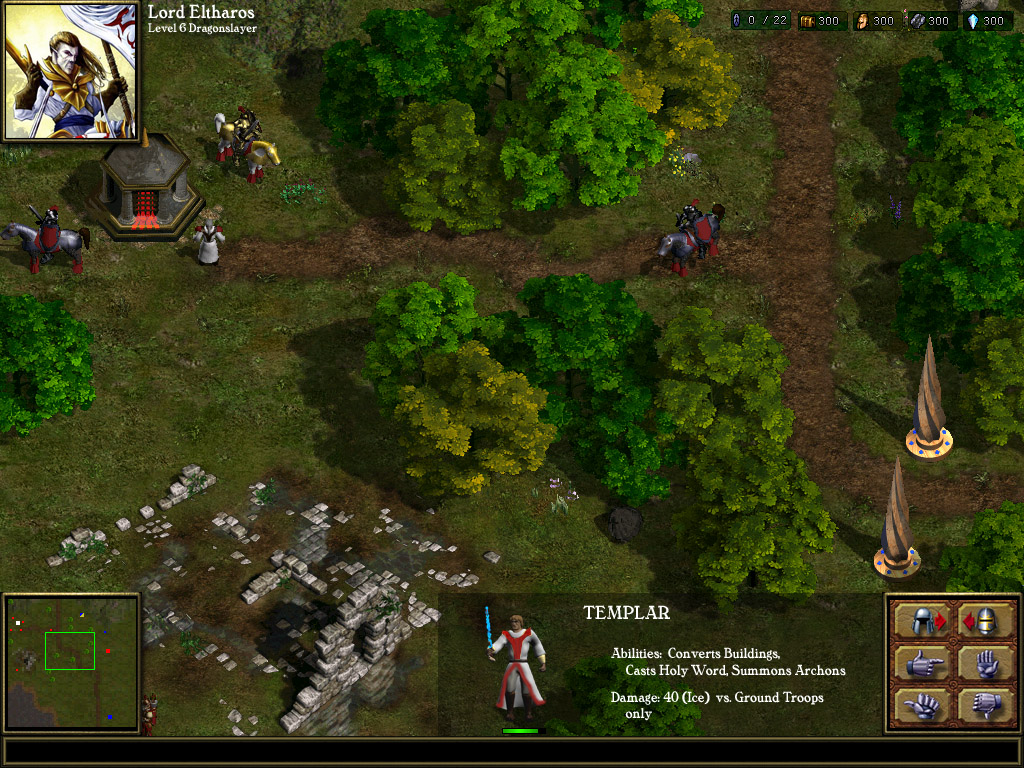
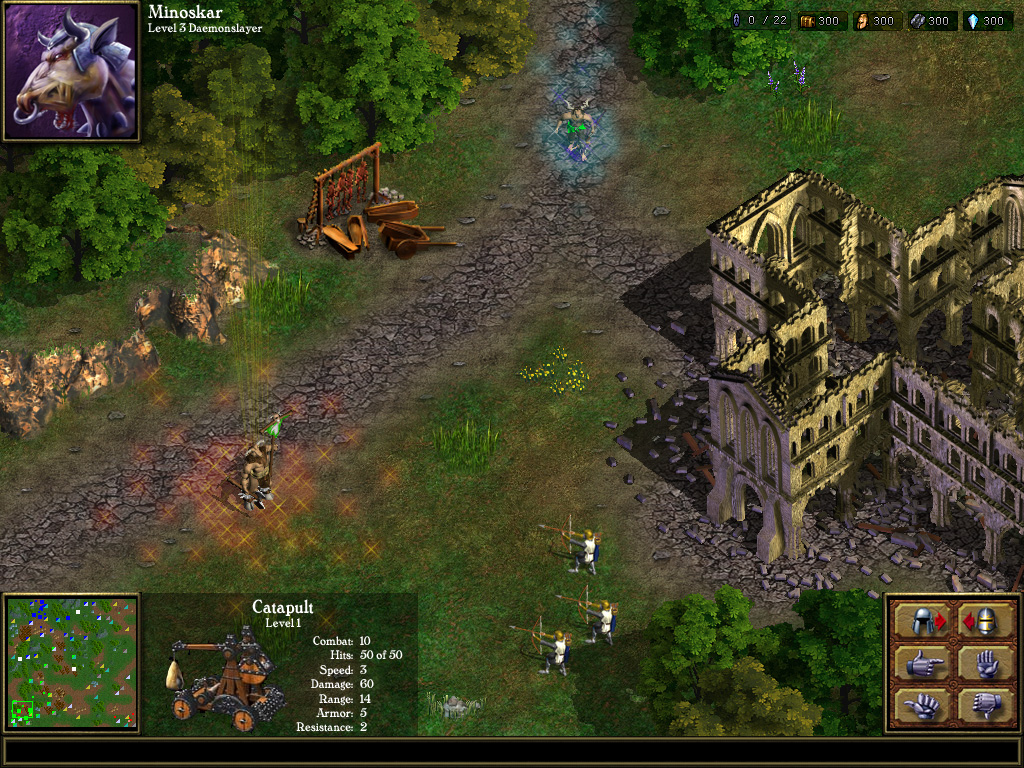
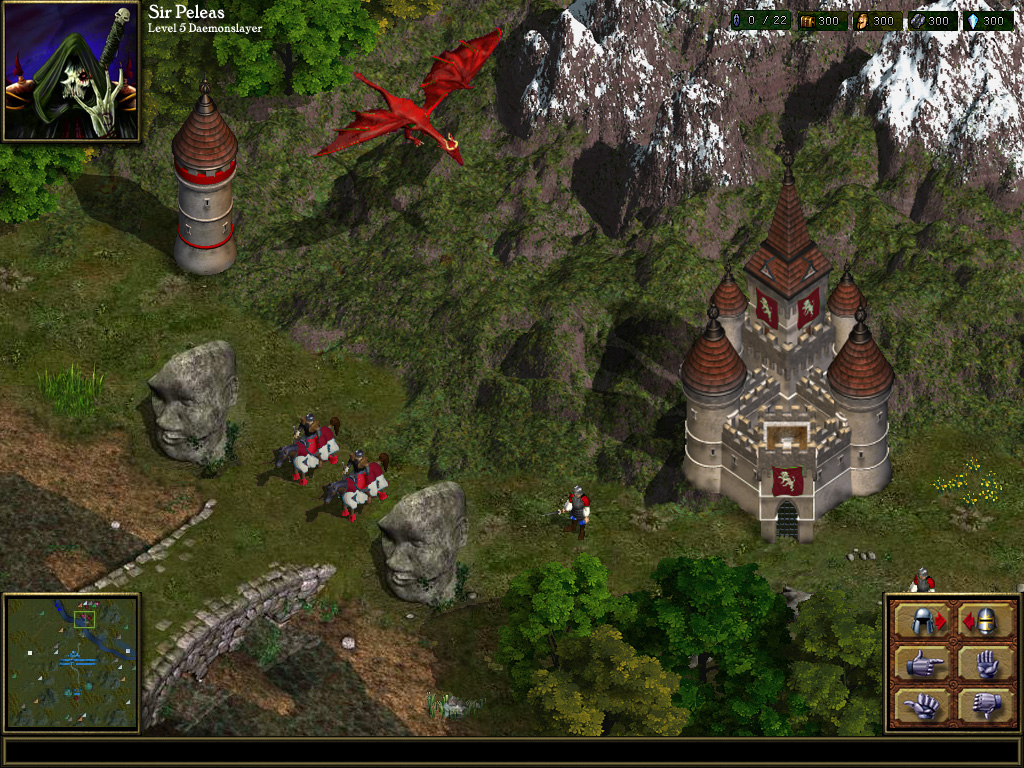
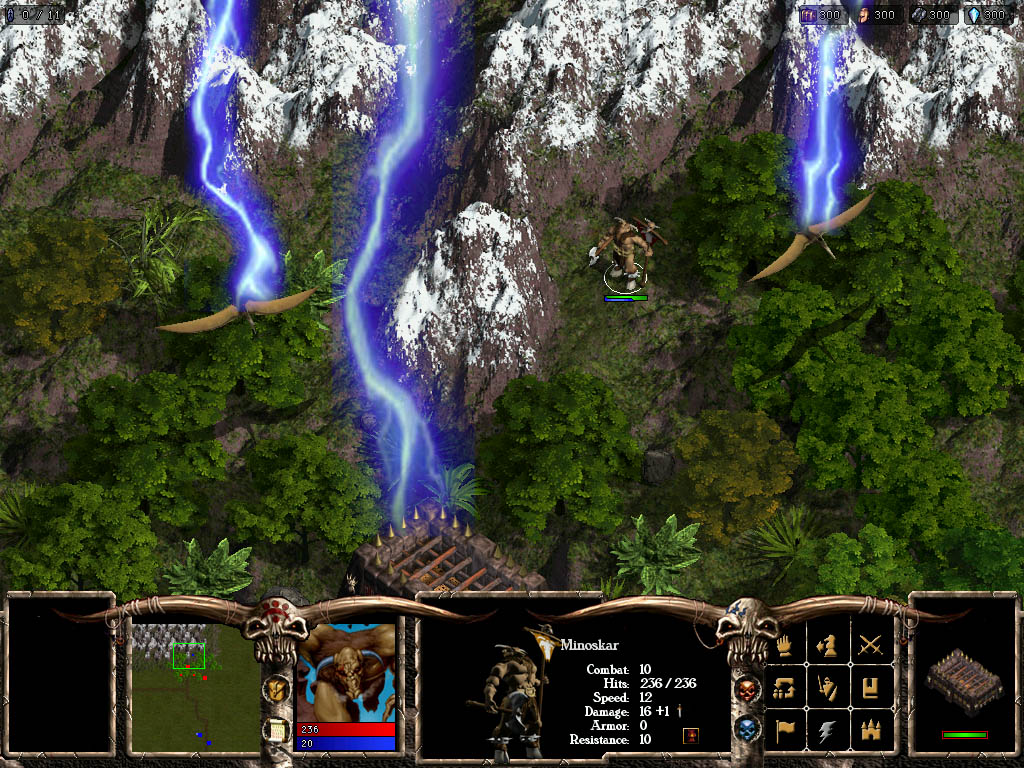
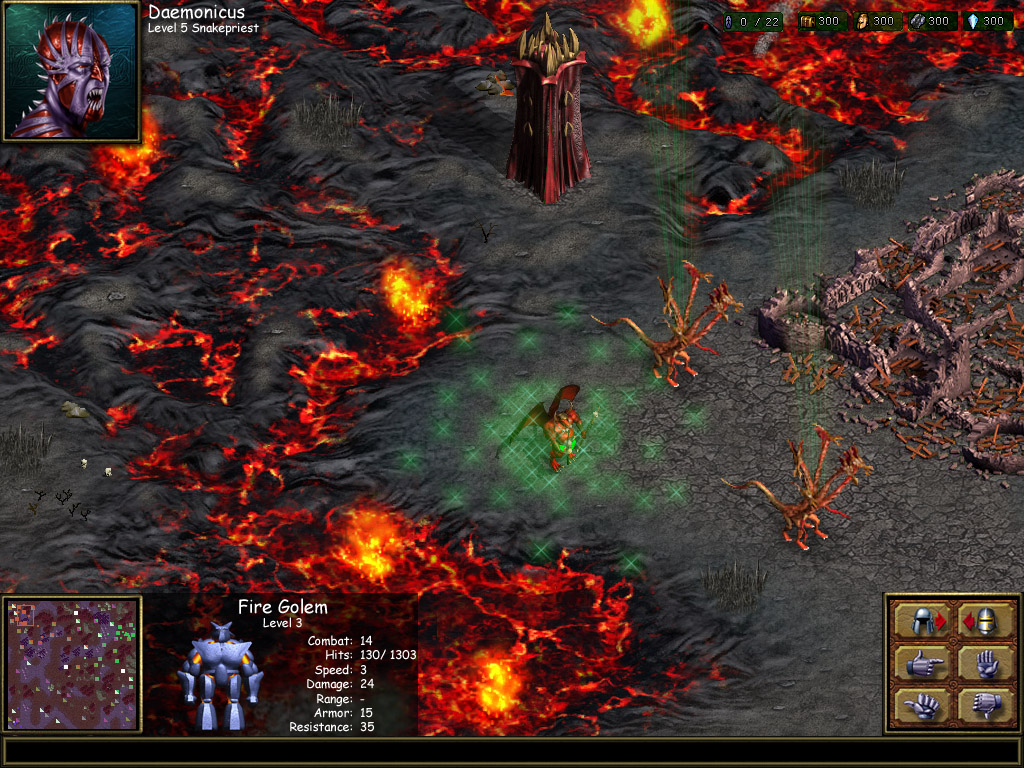
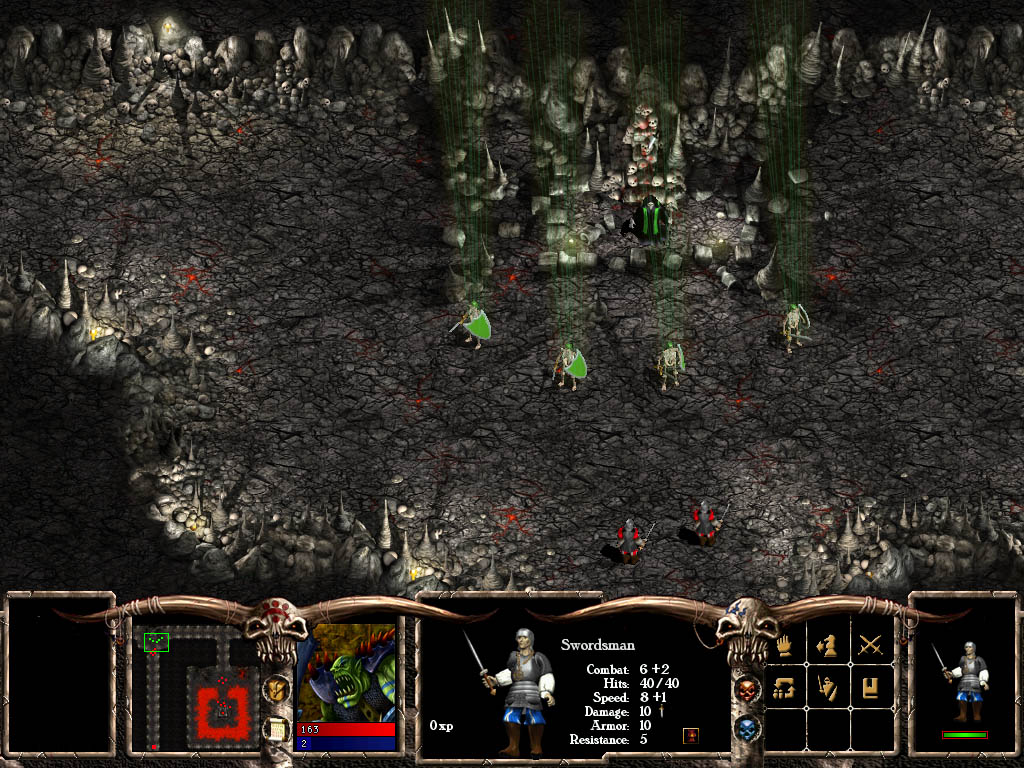
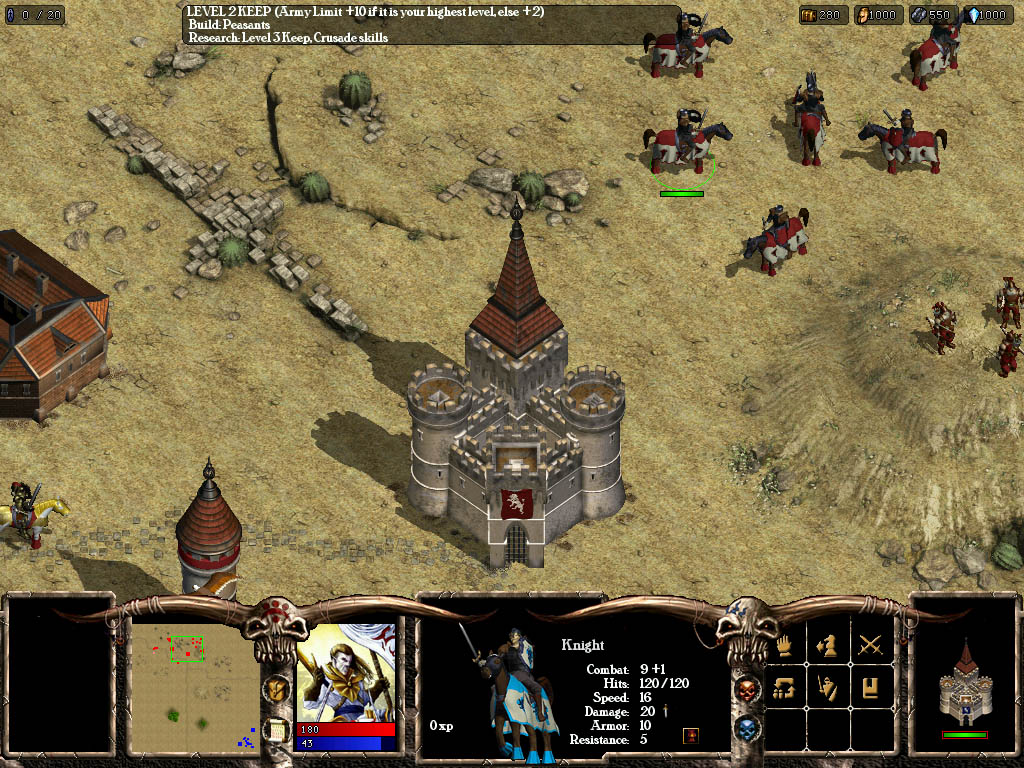
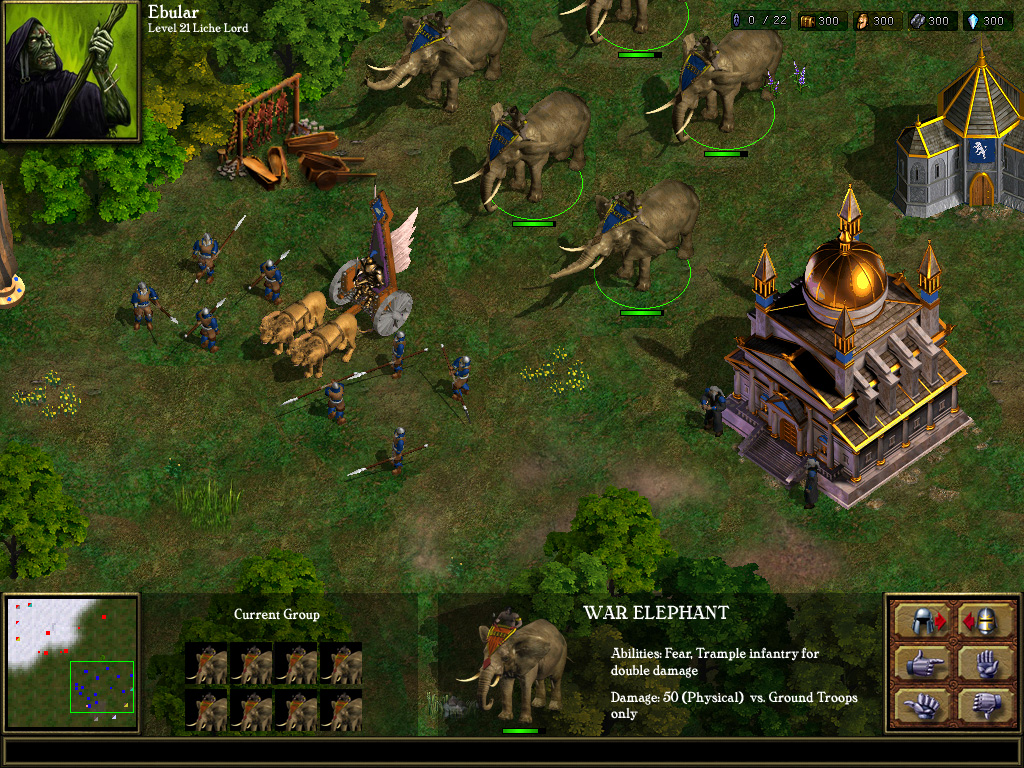
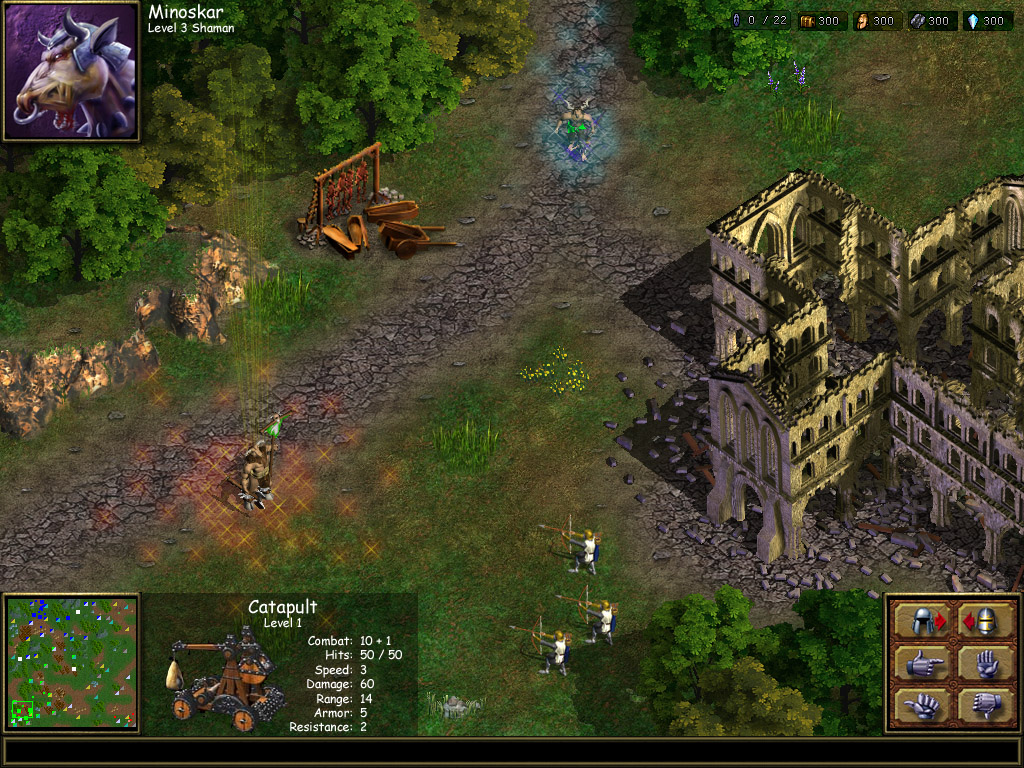
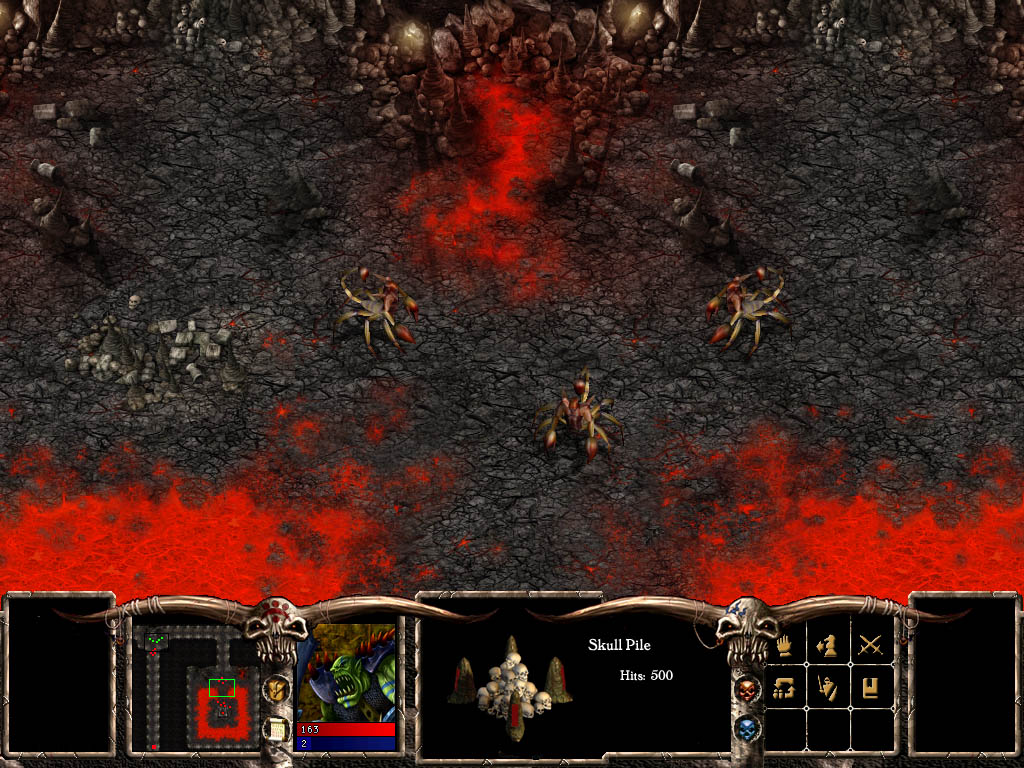
Get an in-depth look at Warlords Battlecry III through various videos and screenshots.
Load More
System requirements
These are the minimum specifications needed to play the game. For the best experience, we recommend that you verify them.
Windows
- OS *: Windows 98 / ME / 2000 / XP / Vista / 7
- Processor: 1.0 GHz Processor
- Memory: 128 MB RAM
- Graphics: 100% DirectX compatible graphics
- Storage: 1 GB available space
- Sound Card: 100% DirectX compatible card or onboard sound
Steam Price & Best Deals
User reviews & Ratings
Explore reviews from Steam users sharing their experiences and what they love about the game.
My first RTS was Age of Empires 1 and 2, I grow up on those games. Later they were followed by Warlords Battlecry 3 and Dawn of War Darkcrusade. My favorite remains Age of Empires 2. --Anyway, Warlords Battlecry 3 is a lot of fun. Different races are always a massive plus to me when they contain differently designed units. Like I'm a big fan of playing as Huns, Mongels, or Chinese is Age of Empires 2, but it isn't nearly as cool as make the choice of Orkz, Imperial Guard, or Necrons in Dawn of War RTS games. So it's awesome being able to pick unit races like demons, lizard/reptiles, elves... etc. One really cool aspect in this game is that your units can level up. Nothing crazy happens, but it does increase their stats. This includes a unit you choose to take with you in your honorguard, as long as they stay alive. If they die, they stay dead. The idea is pretty cool and I'd like to see it more in the RTS genre, even if it's only for singleplayer/campaign modes. It adds a bit of a challenge to the player to try and keep higher leveled honorguard unit alive when fighting with armies. If they live by the time you complete your map, you get to take them with you to the next. Cool concept to me. Fun game.
Warlords Battlecry III is an underrated RTS ( Real-Time Strategy) classic with an incredible amount of content. With countless heroes, races, units, and customization options, every campaign can feel different, giving the game excellent replay value. The RPG (Role-Playing Game) elements add real depth, allowing you to develop your hero across multiple battles while experimenting with different strategies and army compositions. Even after all these years, it remains one of the most unique real-time strategy games ever made. If you're a fan of classic RTS games with RPG mechanics, Warlords Battlecry III is absolutely worth playing.
Similar games
View all
SpellForce 3 Soul Harvest
Three years after the Purity Wars, Nortander is on the cusp of a new era.
Might and Magic: Heroes VII Trial by Fire
Five years after the epic events of Might & Magic Heroes VII, lead the new Fortress faction to define the destiny of the Dwarves and shed light on some of the darkest chapters of their history.
Warrior Kings: Battles
Warrior Kings: Battles maintains the excitement that made Warrior Kings a leading RTS. It is a stand-alone title that adds a new strategic and tactical dimension to the series.

Tzar: The Burden of the Crown
Tzar: The Burden of the Crown is an RTS classic by Haemimont Games, originally released in 2000

SpellForce 2 - Anniversary Edition
SpellForce 2 - Anniversary Edition presents the award-winning SpellForce saga hits: "SpellForce 2 – Shadow Wars" and the add-on "SpellForce 2 – Dragon Storm" for a spectacular game experience!

Lords of Magic: Special Edition
Urak, once peaceful, is now a land of darkness, chaos and death. The people yearn for a champion to drive away the forces of evil. That champion is you.
KnightShift
Do you like Real Time Strategy? or are Role Playing Games your preference…Why not try both genres in one? … or even both separately? …In one game: KnightShift!In a mystical world beyond fantasy and imagination, where corruption and disaster go hand in hand, not all is as it seems.
Sudden Strike Gold
Set in World War 2, Sudden Strike offers revolutionary real-time-strategy gameplay. Command Russian, German, French, American and British armies in large scale battles including urban warfare, beach landings and aerial invasions. Whichever tactics you choose, you will find it in Sudden Strike!
Metal Fatigue
Metal Fatigue is a real-time strategy game taking the genre to new heights - literally. Build and customize your massive Combots to dominate the three battlefield levels simultaneously - from orbit, to the surface, and even underground!
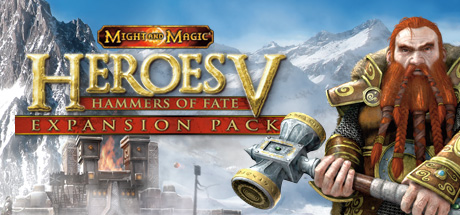
Heroes of Might & Magic V: Hammers of Fate
Take part in a thrilling new adventure in the world of Ashan with the Hammers of Fate expansion. Discover uncharted territories and experience new ways of playing Heroes of Might & Magic V. Introducing a brand-new Dwarves faction, made up of heroic warriors and rune magic adepts who stalk the deepest mountains and most hostile regions of...
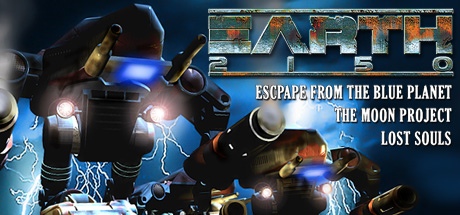
Earth 2150 Trilogy
Your heroes and your armies will need strong leadership to take them on a spellbinding odyssey that has everything a gamer’s heart could wish for breathtaking worlds in space, battles against cunning enemies and even downright treason from your own government faction - are you up to it?
Frequently Asked Questions
Warlords Battlecry III is currently priced at 9.99€ on Steam.
No, Warlords Battlecry III is currently not on sale. You can purchase it for 9.99€ on Steam.
Yes, Warlords Battlecry III received 781 positive votes out of a total of 934 achieving a rating of 7.93.
😊
Warlords Battlecry III was developed by Infinite Interactive and published by Retroism and Enlight Software Limited.
Yes, Warlords Battlecry III is playable and fully supported on Windows.
No, Warlords Battlecry III is not playable on MacOS.
No, Warlords Battlecry III is not playable on Linux.
No, Warlords Battlecry III is not playable on Steam Deck.
No, Warlords Battlecry III is not playable on Steam Machine.
No, Warlords Battlecry III does not support VR.
Warlords Battlecry III is a single-player game.
No, Warlords Battlecry III does not currently offer any DLC.
No, Warlords Battlecry III does not support mods via Steam Workshop.
No, Warlords Battlecry III does not support Steam Remote Play.
Yes, Warlords Battlecry III is enabled for Steam Family Sharing. This means you can share the game with authorized users from your Steam Library, allowing them to play it on their own accounts. For more details on how the feature works, you can read the original Steam Family Sharing announcement or visit the Steam Family Sharing user guide and FAQ page.
You can find solutions or submit a support ticket by visiting the Steam Support page for Warlords Battlecry III.
Data sources
The information presented on this page is sourced from reliable APIs to ensure accuracy and relevance. We utilize the Steam API to gather data on game details, including titles, descriptions, prices, and user reviews. This allows us to provide you with the most up-to-date information directly from the Steam platform.
Additionally, we incorporate data from the SteamSpy API, which offers insights into game sales and player statistics. This helps us present a comprehensive view of each game's popularity and performance within the gaming community.
Last Updates| Steam data | 22 September 2026 21:15 UTC |
|---|---|
| SteamSpy data | 15 October 2026 01:38 UTC |
| Steam price | 26 October 2026 20:05 UTC |
| Steam reviews | 22 October 2026 06:01 UTC |
If you'd like to dive deeper into the details about Warlords Battlecry III, we invite you to check out a few dedicated websites that offer extensive information and insights. These platforms provide valuable data, analysis, and user-generated reports to enhance your understanding of the game and its performance.
- SteamDB - A comprehensive database of everything on Steam about Warlords Battlecry III
- SteamCharts - Analysis of Warlords Battlecry III concurrent players on Steam
- ProtonDB - Crowdsourced reports on Linux and Steam Deck Warlords Battlecry III compatibility
 9.99€
Visit Store
9.99€
Visit Store
 🔥 Deal
-49%
9.99€
5.15€
Buy Now
🔥 Deal
-49%
9.99€
5.15€
Buy Now
 -45%
9.99€
5.57€
Visit Store
-45%
9.99€
5.57€
Visit Store
 -28%
9.99€
7.21€
Visit Store
-28%
9.99€
7.21€
Visit Store
Game modes
Features
Online players
18
Developer
Infinite Interactive
Publisher
Retroism,
Enlight Software Limited
Release
22 Jan 2016
Platforms
Clicking and buying through these links helps us earn a commission to maintain our services.