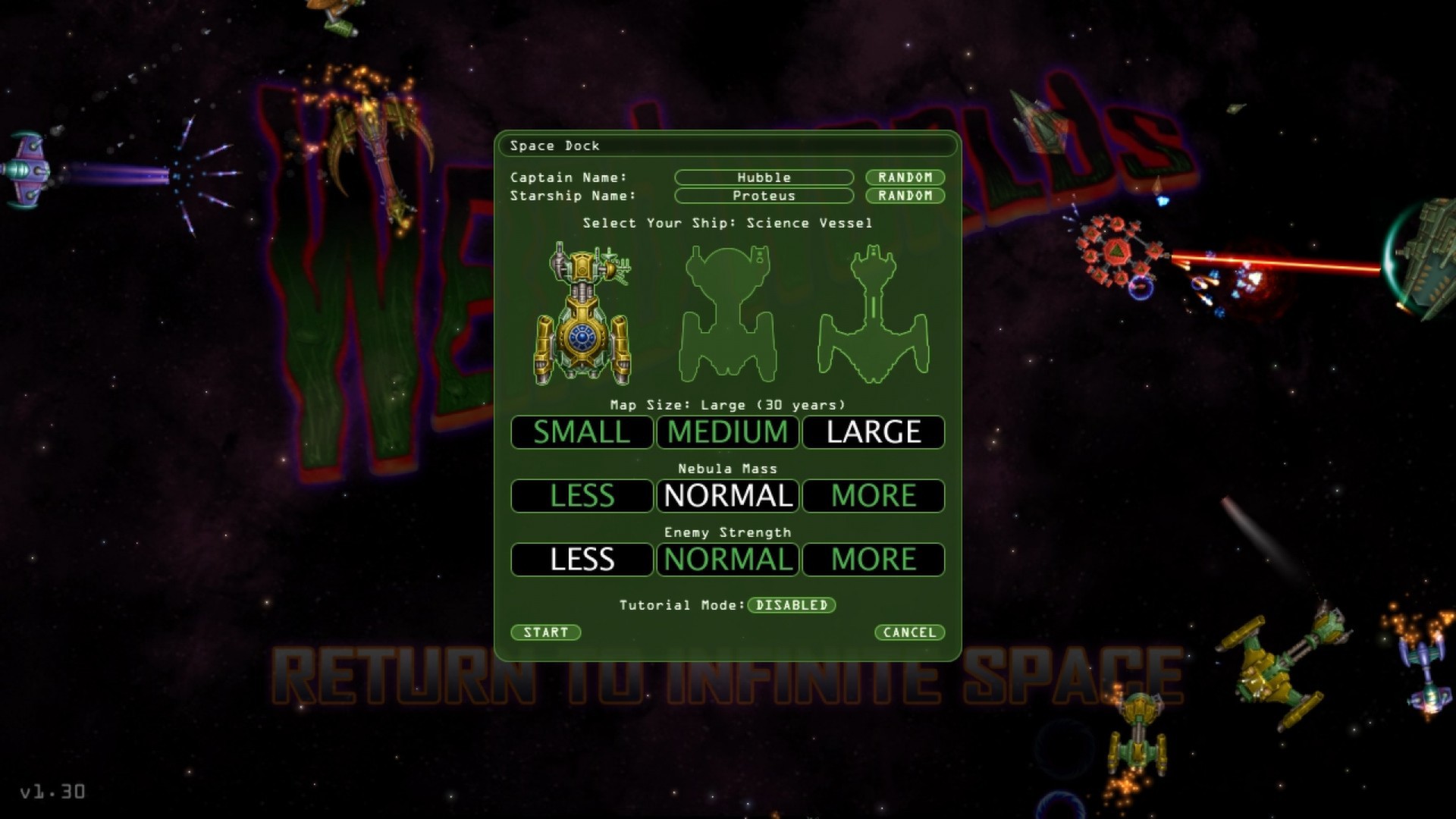
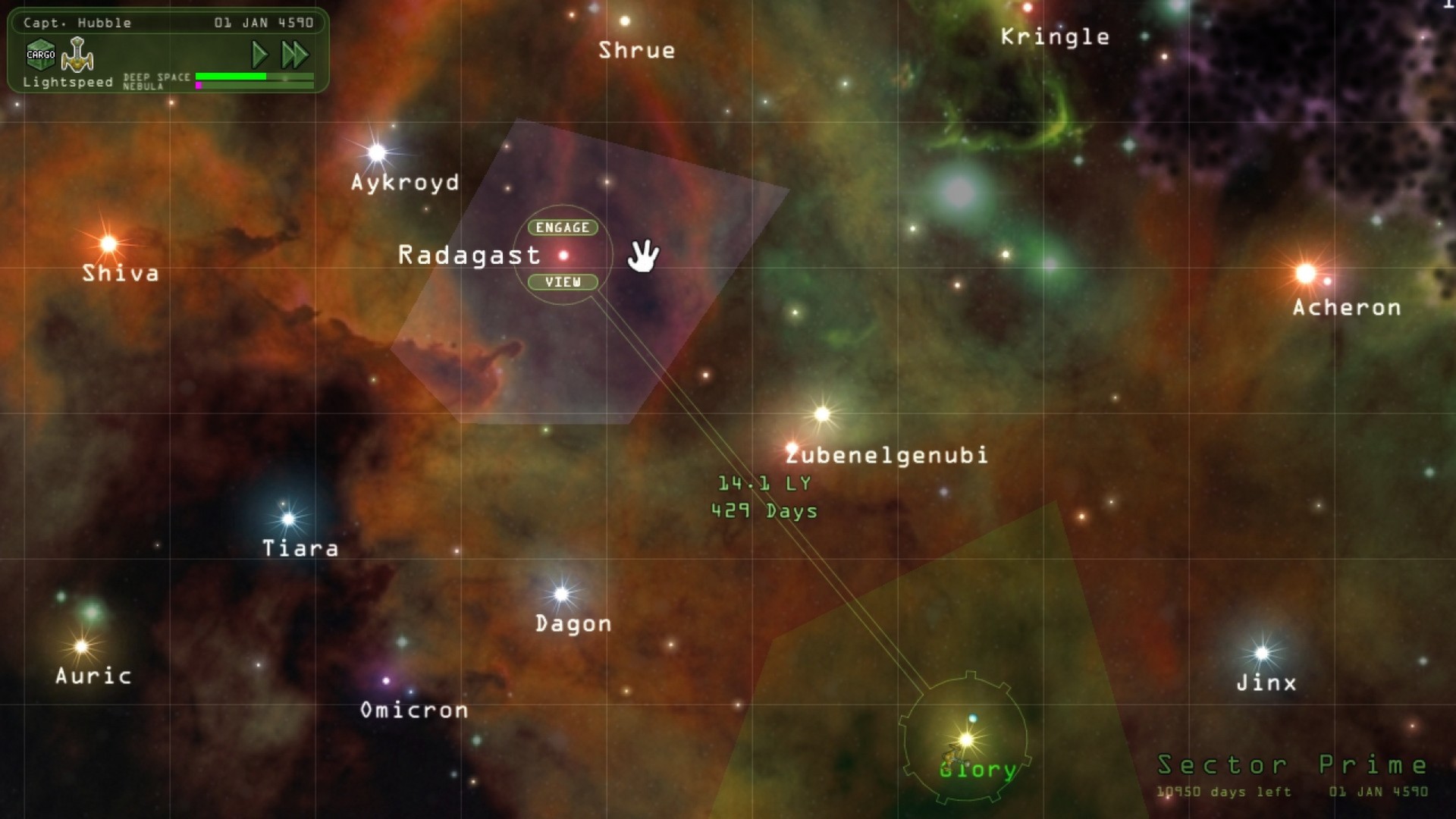
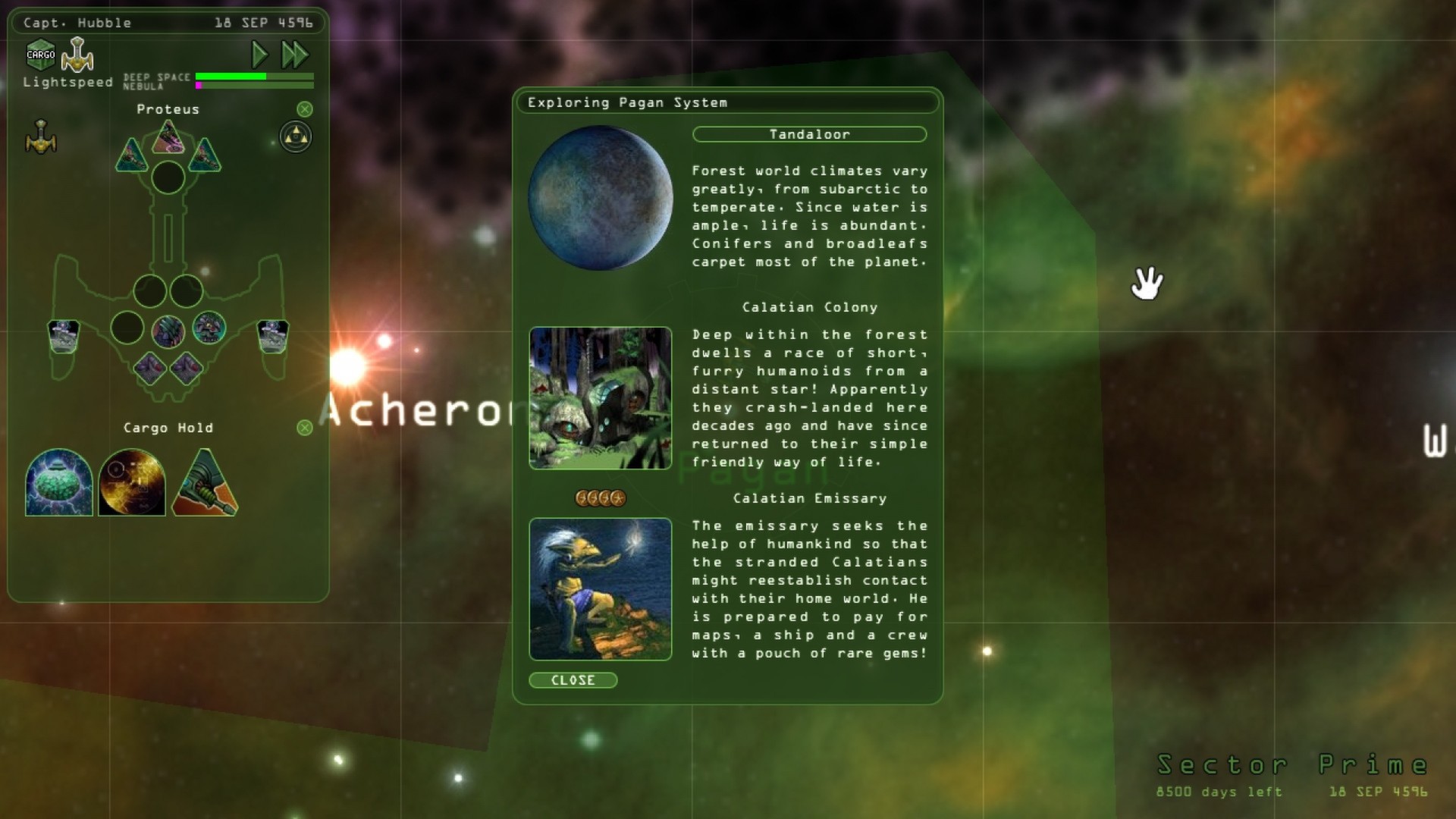
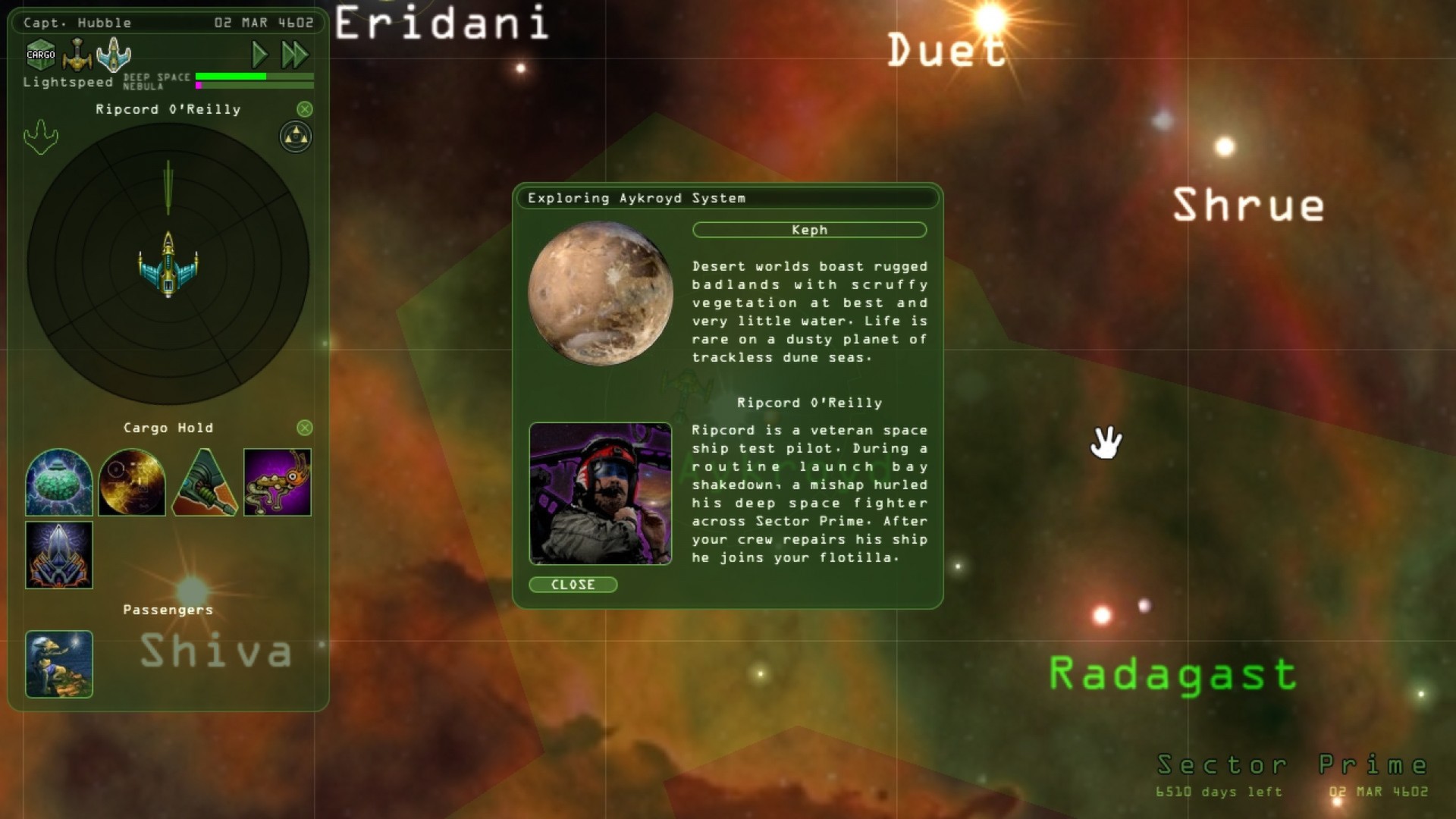
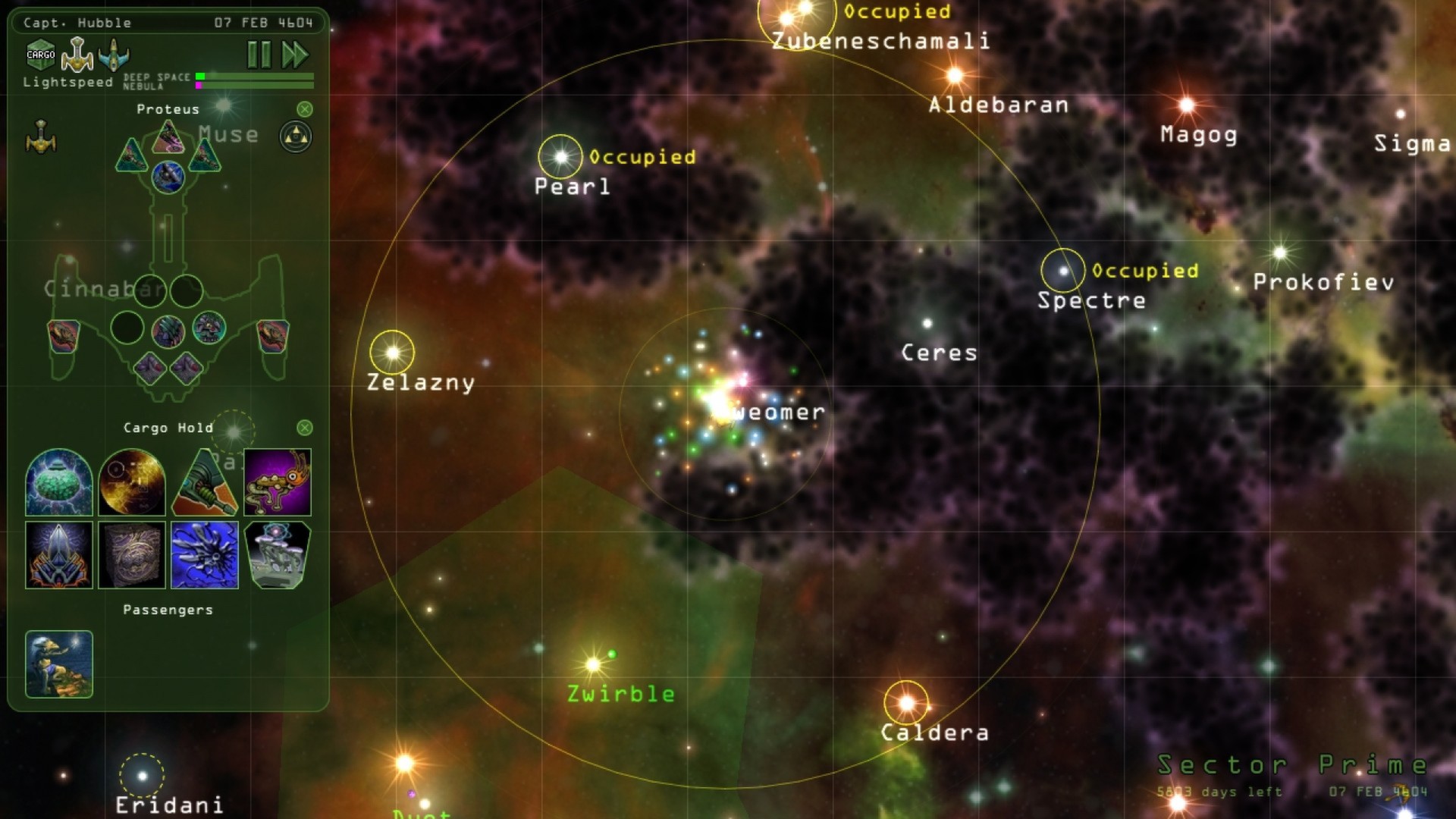
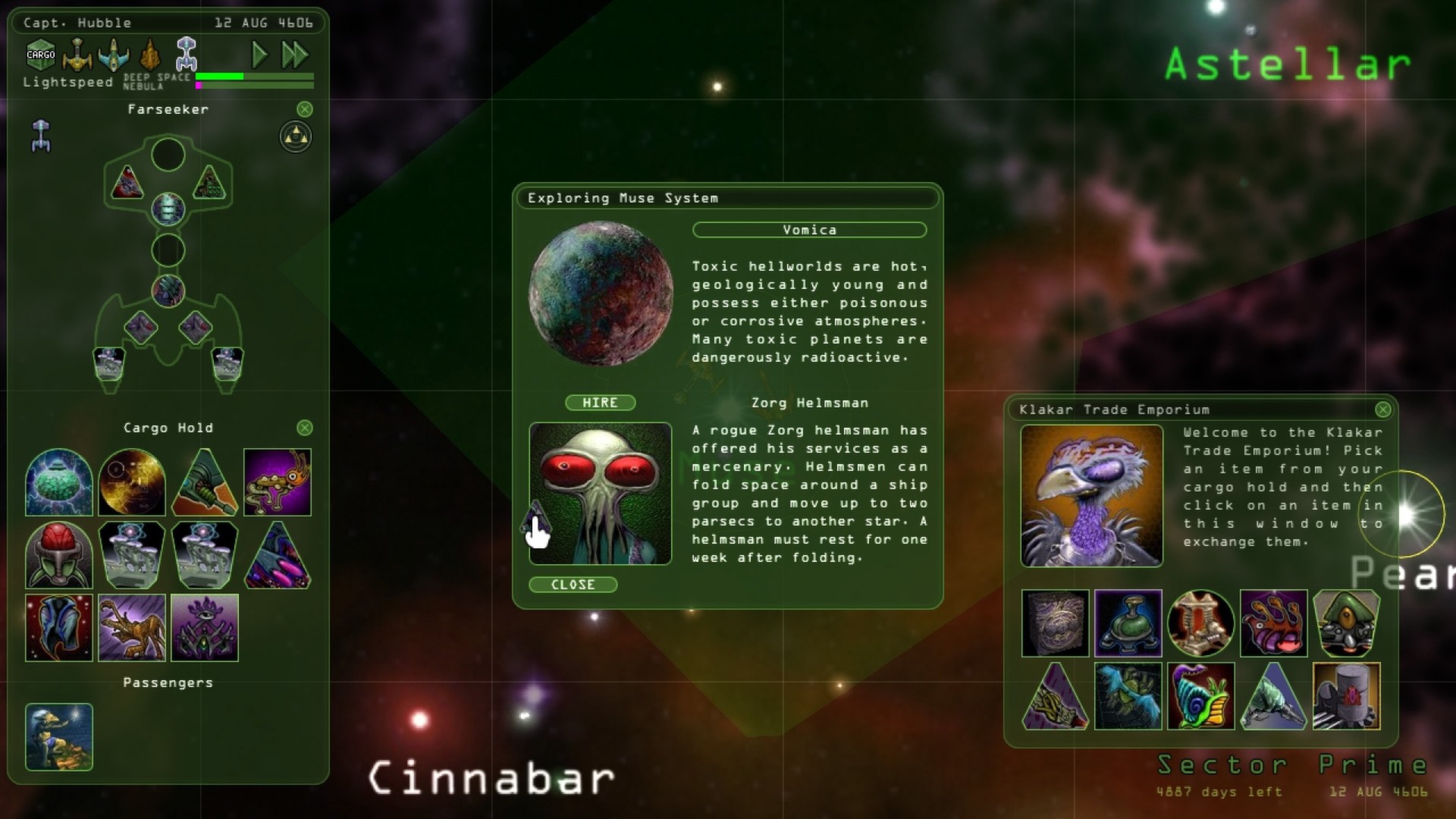
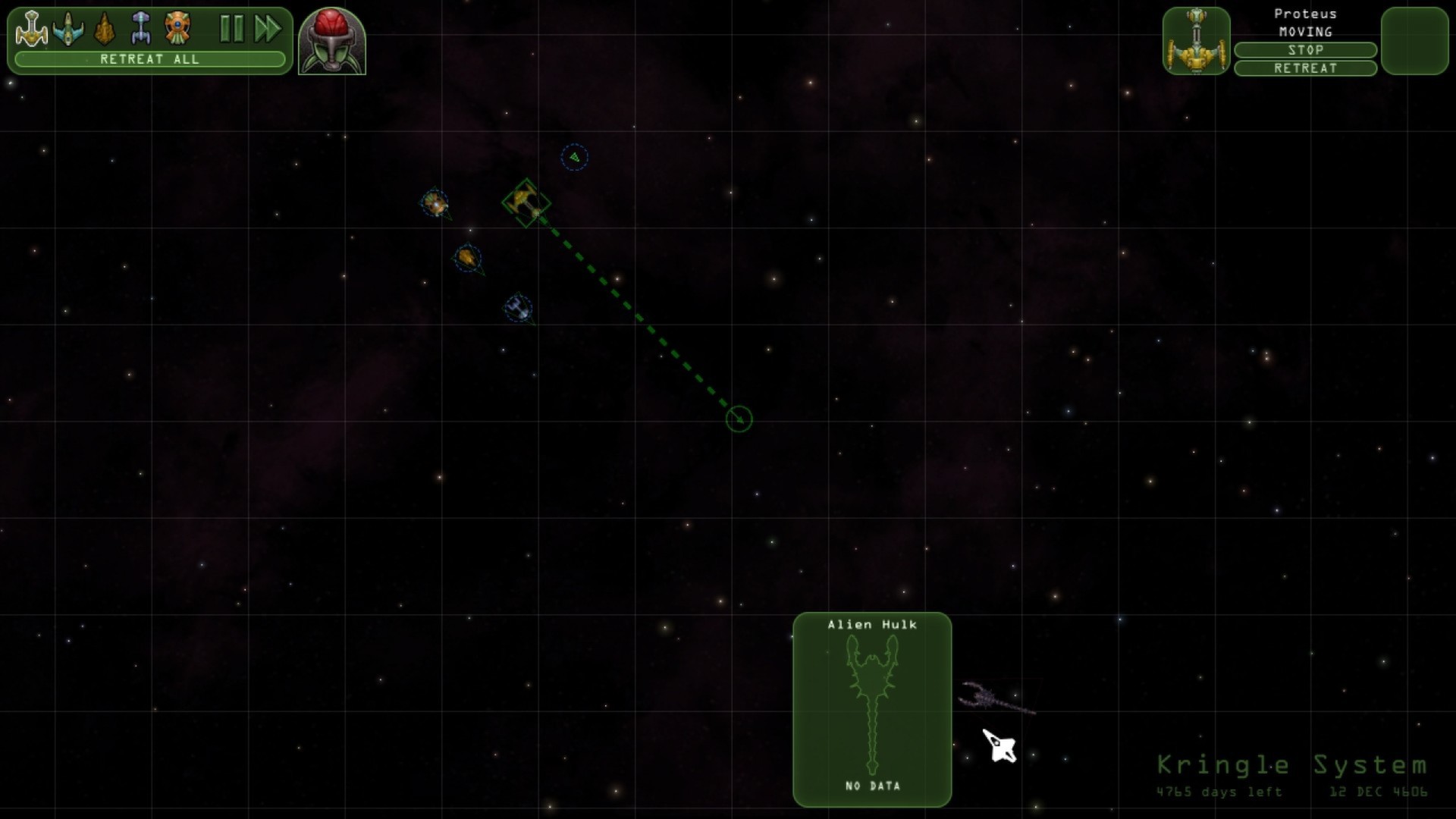
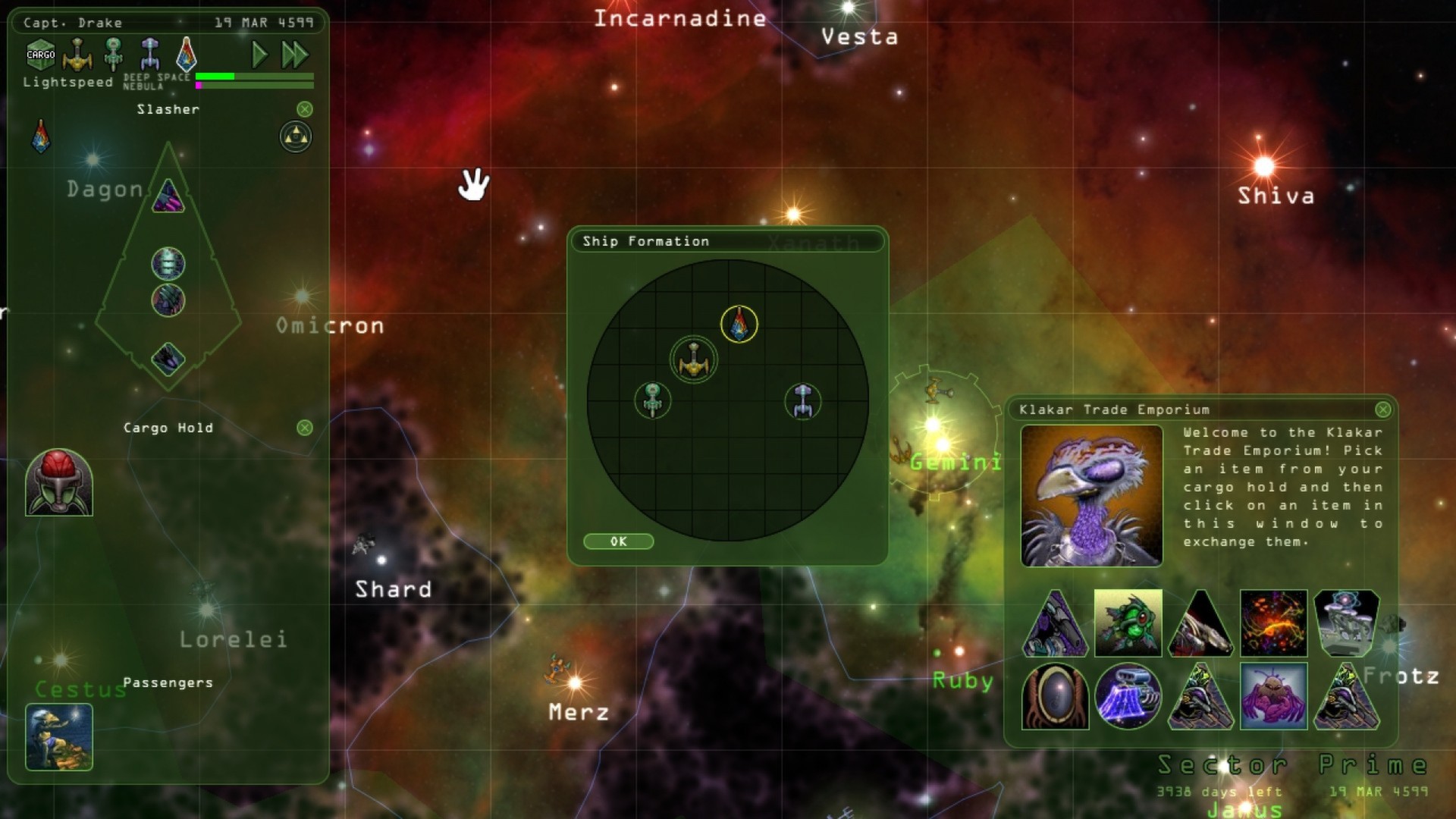
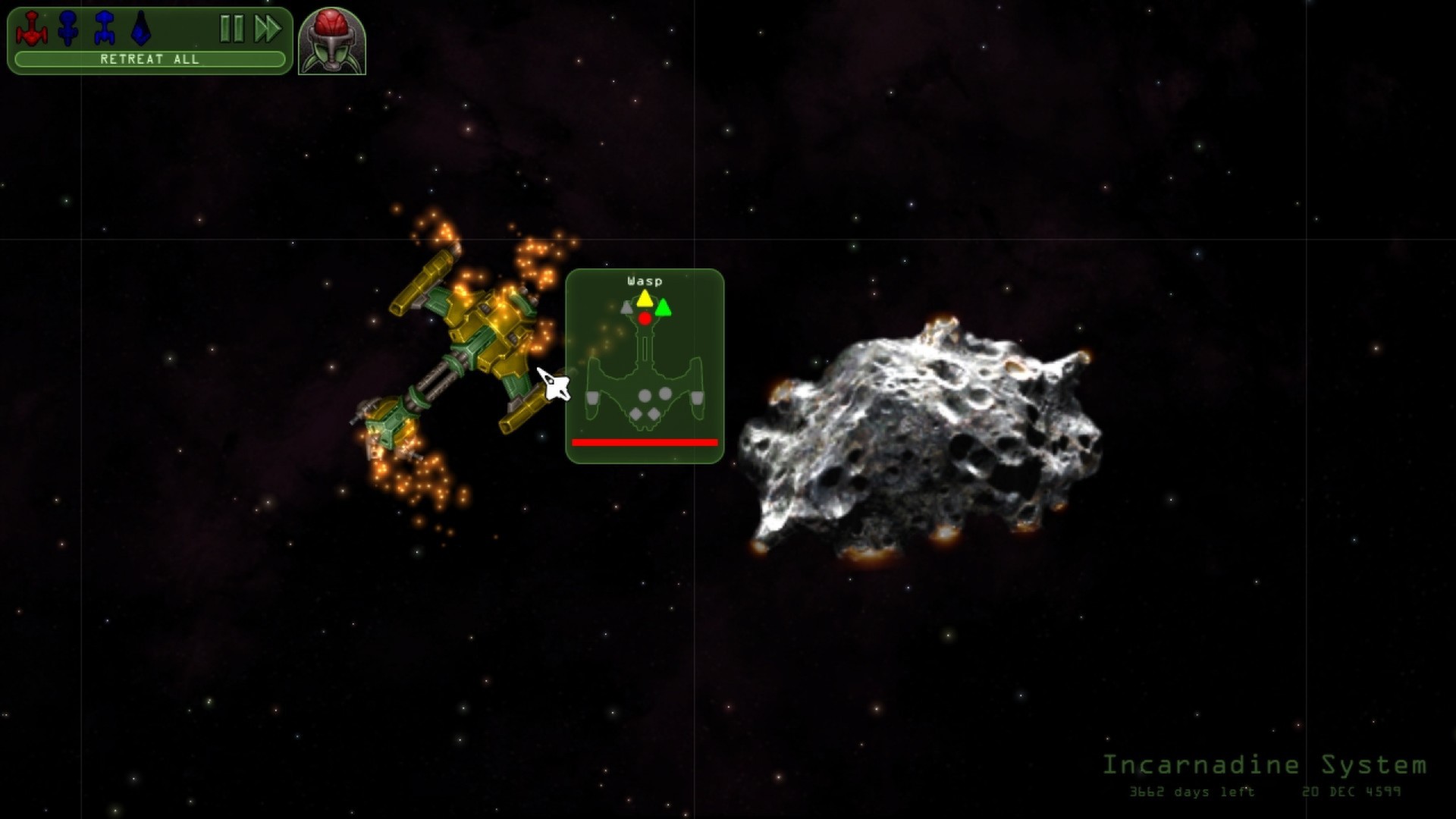
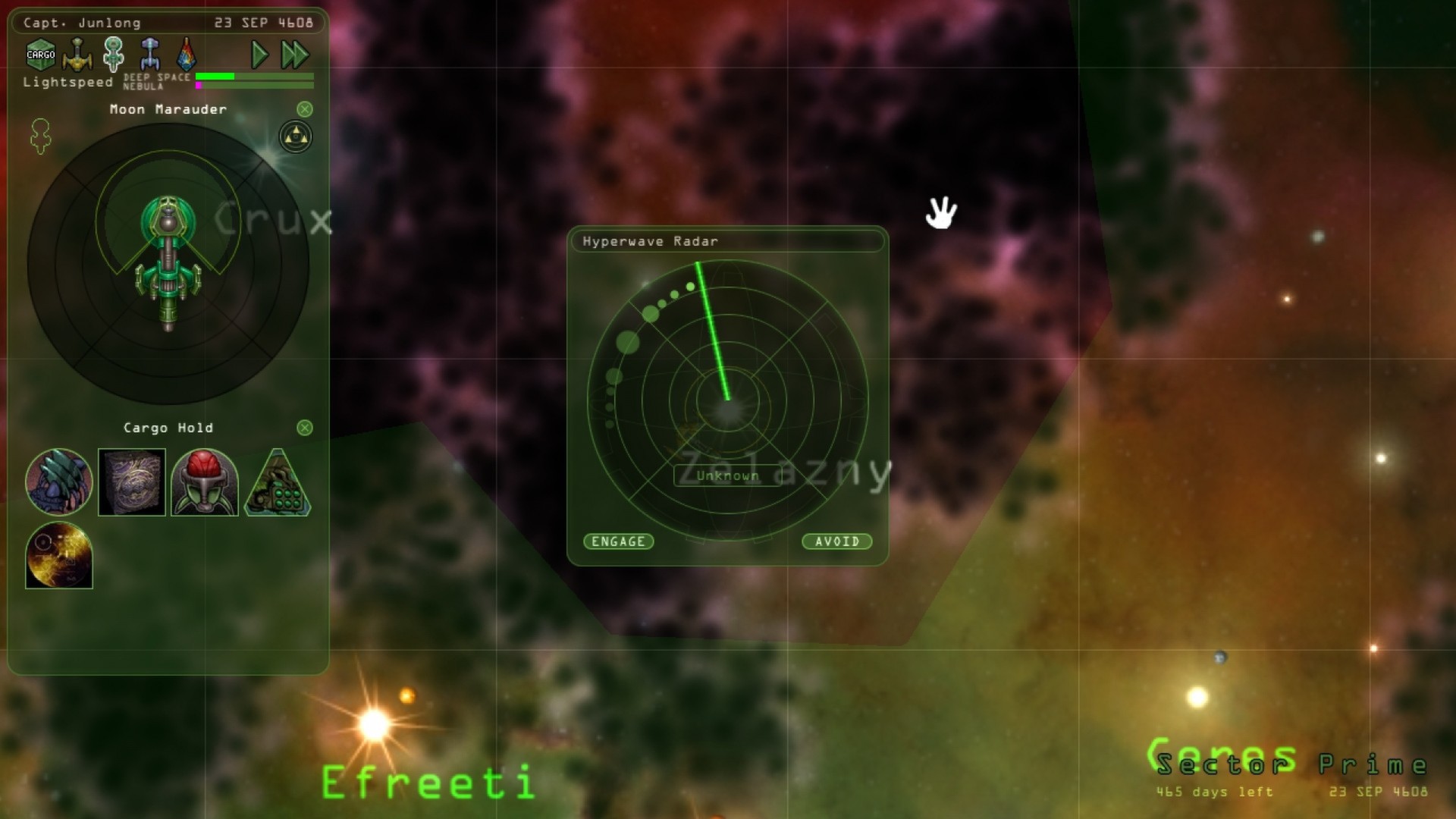
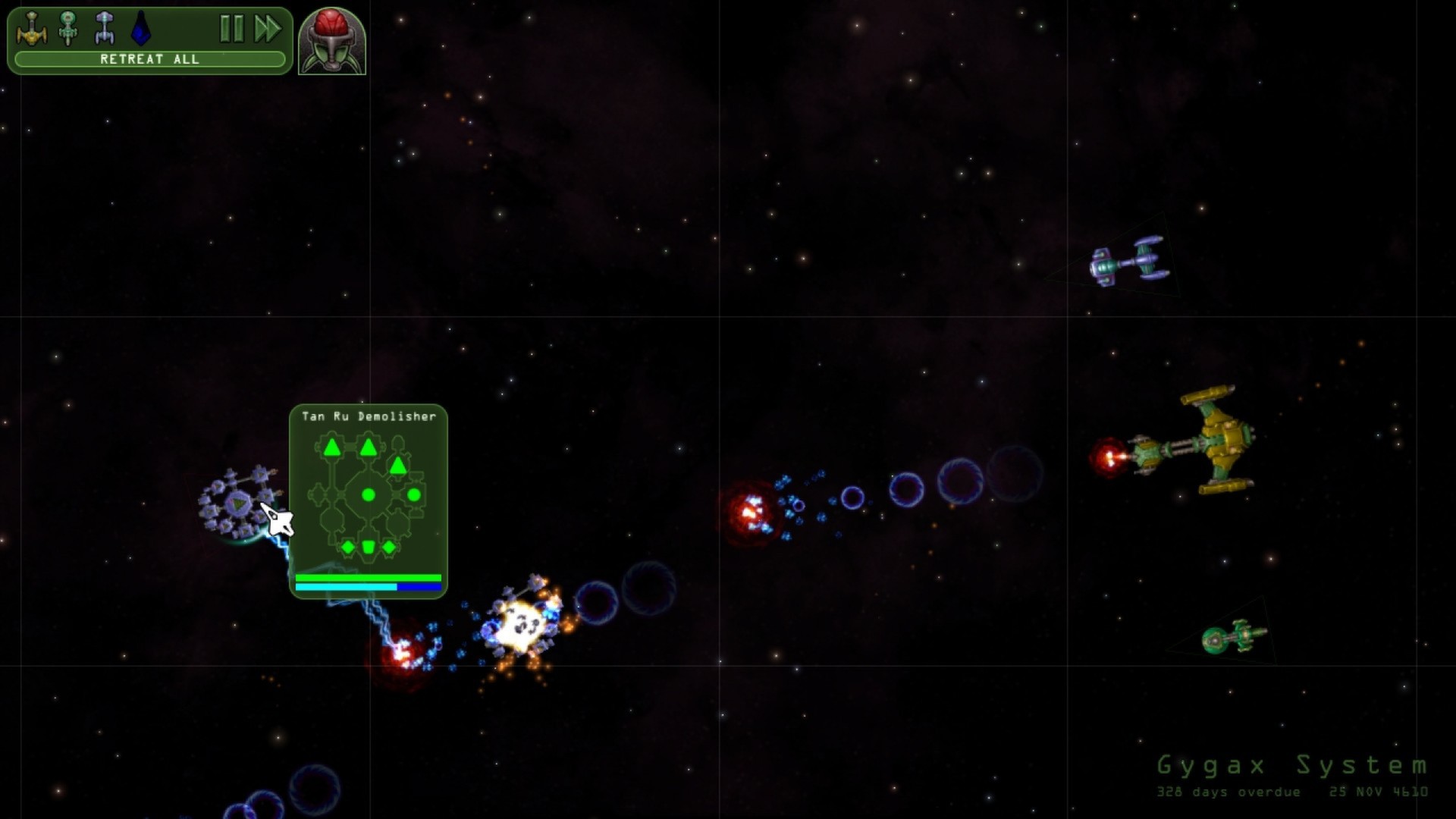
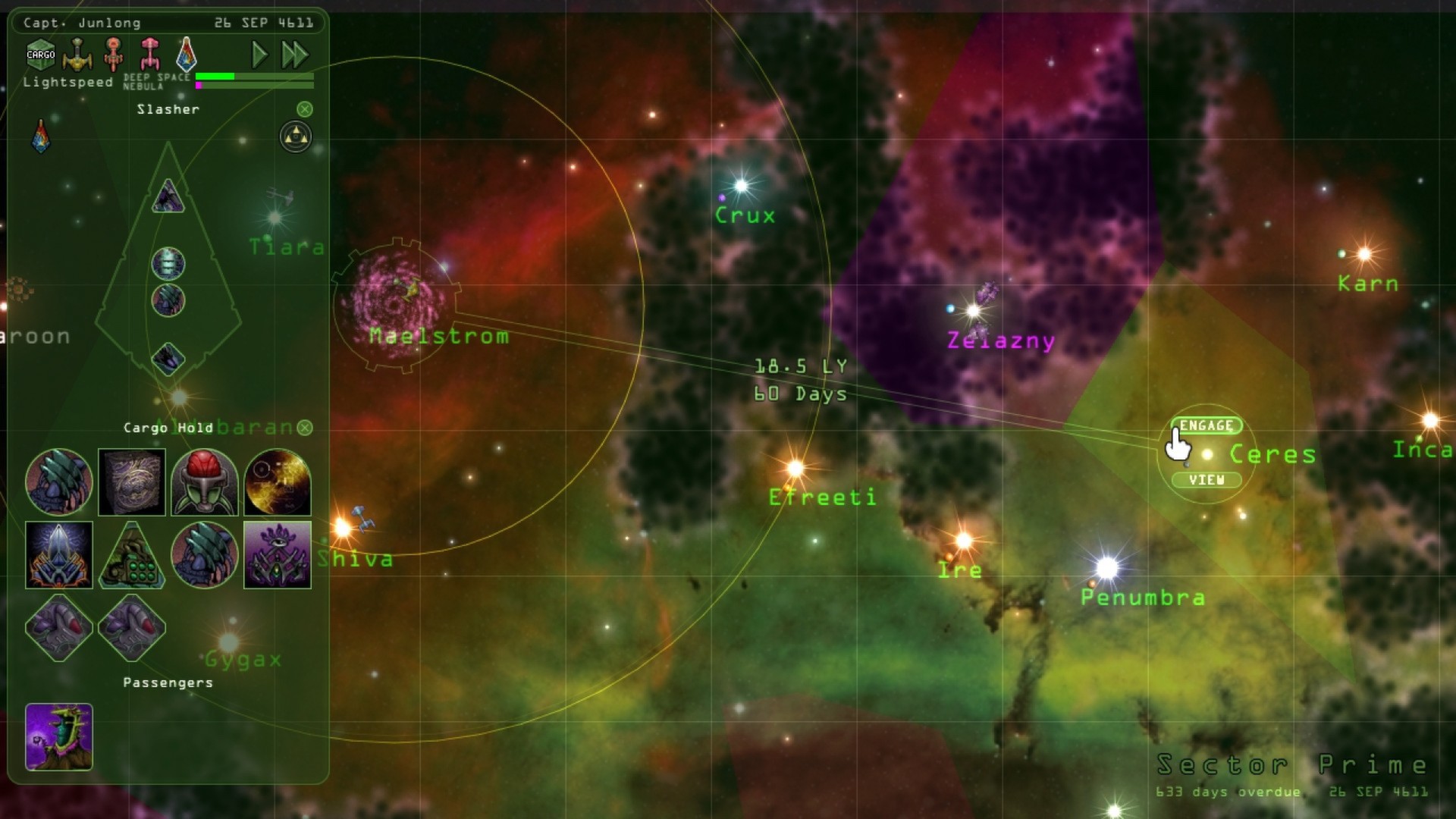
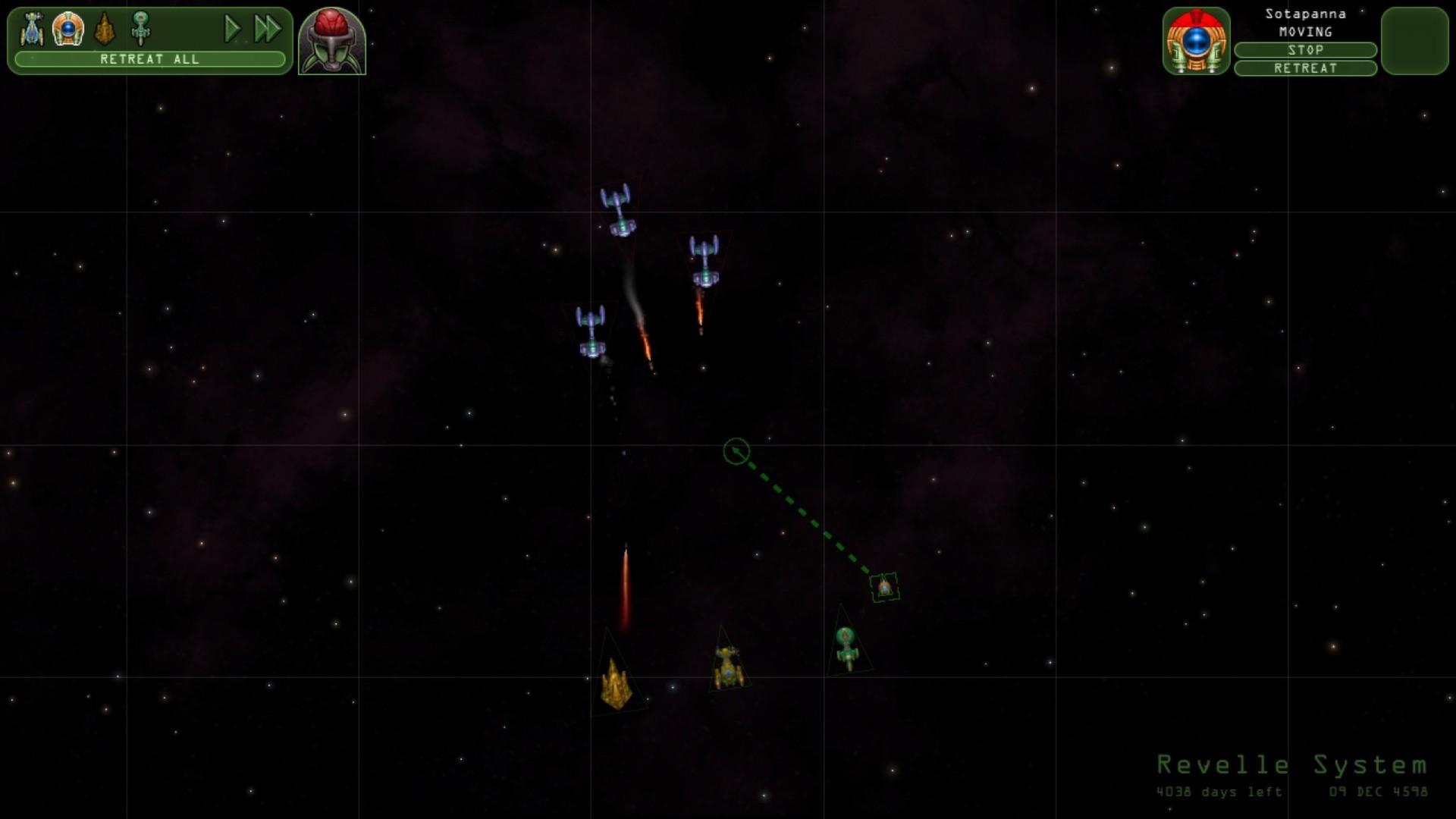
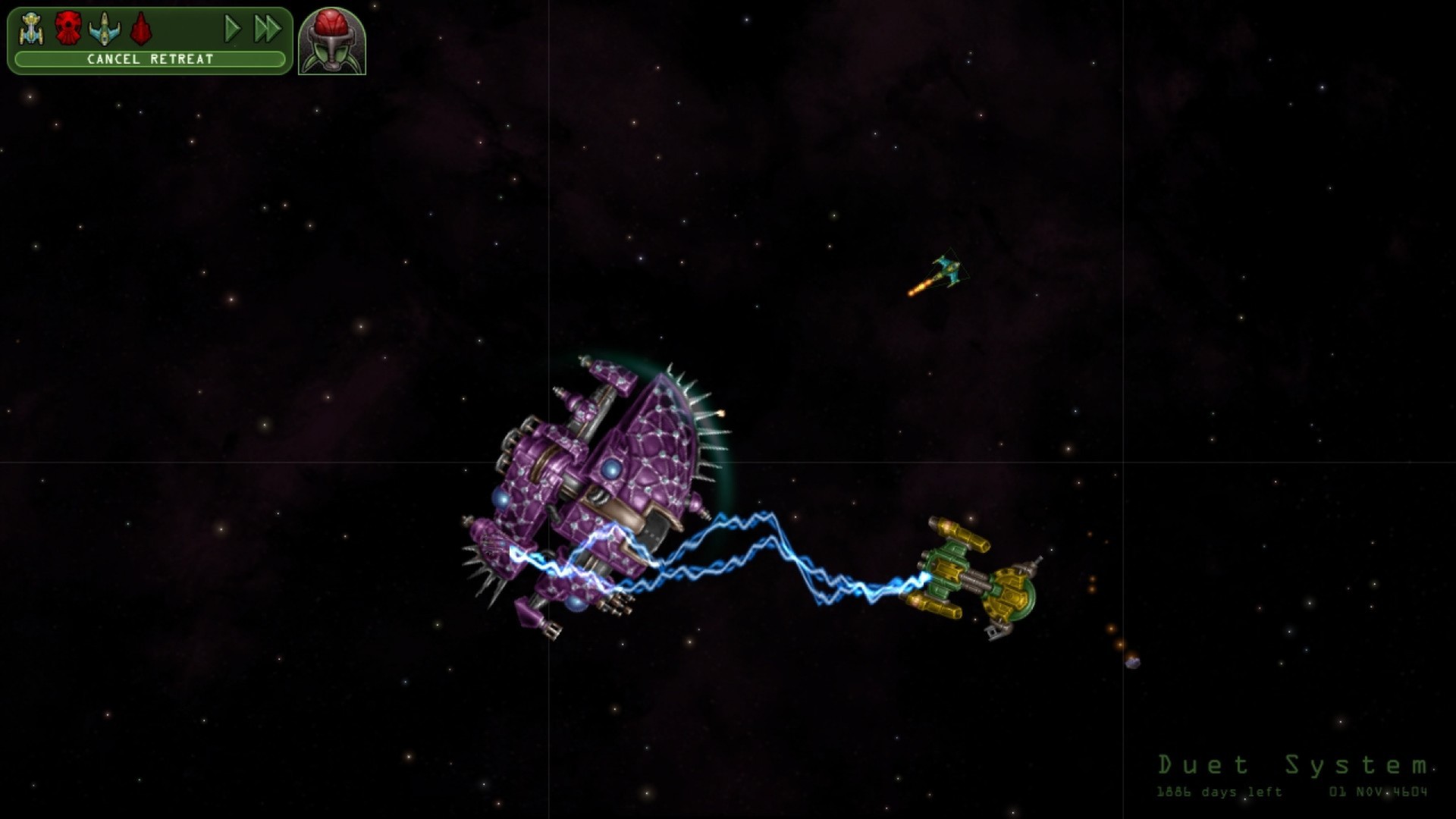
Weird Worlds: Return to Infinite Space is a compact space exploration adventure that manages to capture the excitement of discovering an unpredictable galaxy without demanding dozens of hours from the player. Developed and published by Digital Eel, the game combines randomized exploration, roguelike elements, tactical decision-making, equipment collection, and real-time spacecraft combat into expeditions designed to be completed relatively quickly. Instead of building an enormous persistent galactic empire, the experience focuses on individual voyages where the objective is to explore as much as possible, uncover valuable discoveries, survive dangerous encounters, and return with something worthwhile. The randomly generated galaxy is central to the experience. Each expedition rearranges stars, encounters, alien civilizations, unusual lifeforms, artifacts, hazards, and other discoveries, meaning that a familiar strategy cannot simply be repeated indefinitely. One journey might provide powerful technology almost immediately, while another can leave the player poorly equipped when a dangerous encounter appears. This unpredictability creates much of the tension. Visiting another star always carries the possibility of finding something valuable, but exploration also consumes precious time and can expose the ship to increasingly serious threats. Navigation has more strategy than its straightforward presentation initially suggests. Traveling between systems requires players to consider distance, available time, dangerous regions, and the potential value of unexplored locations. Curiosity constantly competes with caution. An unexplored star just beyond the current route may contain an extraordinary artifact, useful equipment, or an important event, but pursuing it can also leave less time to reach other destinations or escape trouble. The game is particularly good at encouraging the classic explorer's mistake of making one more risky journey because the next discovery might be exceptional. Combat changes the pace through real-time encounters between spacecraft. Battles emphasize ship capabilities, installed equipment, movement, weapon effectiveness, and tactical positioning without becoming an overwhelmingly complicated simulation. Finding better technology can dramatically transform combat performance, so exploration and fighting naturally support one another. At the same time, possessing stronger equipment does not make every confrontation sensible. Recognizing when an enemy is too dangerous and avoiding unnecessary destruction is just as important as knowing how to win a favorable engagement. Artifacts and technology provide some of the strongest incentives to keep exploring. Discovering unfamiliar objects is satisfying because their usefulness and significance are not always immediately obvious. Repeated play gradually teaches the player which discoveries deserve attention and which combinations of equipment can dramatically improve a ship. This creates an interesting form of progression based largely on player knowledge. Even though individual expeditions eventually end, experience gained from previous runs makes future decisions more informed. The universe itself has considerable personality. Strange alien species, unusual planets, bizarre lifeforms, unexpected events, and eccentric science-fiction concepts prevent exploration from feeling sterile. Rather than presenting space as an entirely serious or scientifically rigorous environment, the game embraces imaginative and occasionally humorous ideas. This gives the galaxy an identity that complements the procedural structure. Random generation can sometimes produce uneven expeditions, but the unusual collection of encounters helps ensure that successful runs can develop memorable stories of their own. The short-session design is particularly effective. Many space games require substantial commitment before their systems become rewarding, whereas this one compresses exploration, discovery, danger, improvement, combat, and conclusion into a much smaller timeframe. Losing a promising expedition can still be disappointing, but starting again is easy because another procedurally generated adventure is waiting. This makes the game unusually suitable for both quick sessions and extended periods where several expeditions are played consecutively. Its battle simulator provides additional value by allowing players to experiment with spacecraft combat separately from the main exploration experience. Mod support is another meaningful strength, particularly for a game built around replayability. Community-created modifications can extend the variety available after the standard encounters and discoveries have become familiar. These additions reinforce a design already focused on experimentation rather than a single linear campaign. The presentation is clearly from an older era and should be approached with appropriate expectations. Visuals are functional and colorful rather than technically elaborate, while the interface can feel dated compared with contemporary strategy and roguelike games. Nevertheless, the unusual artwork and science-fiction aesthetic complement the game's playful personality. Its relatively modest presentation also helps keep attention focused on exploration and decision-making rather than spectacle. Steam Deck compatibility is officially categorized as Playable rather than fully Verified. Performance with the default graphics configuration is considered suitable, and the game can run successfully on SteamOS. However, handheld players should expect compromises. Some functionality is not fully accessible through the default controller configuration, touchscreen interaction or a community controller layout may occasionally be useful, and text entry can require manually opening the virtual keyboard. Some interface text may also appear small, while certain prompts can display keyboard, mouse, or non-Steam Deck controller icons. It is therefore functional on the Deck, but the experience is less seamless than a fully optimized handheld release. The largest potential weakness is that the intentionally compact design will not satisfy players looking for a deep 4X strategy game, persistent empire building, extensive diplomacy, or a massive story campaign. Random generation can also create runs where luck plays a significant role in available equipment and encounters. Yet these limitations are closely connected to what makes the game distinctive. It is designed around short, unpredictable adventures where adaptation matters more than long-term optimization. Weird Worlds: Return to Infinite Space remains an appealing example of how a relatively small game can create substantial replayability through procedural exploration and meaningful uncertainty. Its mixture of star-system exploration, unusual discoveries, tactical combat, artifacts, aliens, randomized events, and rapid campaign structure gives it an identity that remains difficult to confuse with conventional space strategy games. For players who enjoy roguelike unpredictability and want an entire science-fiction expedition compressed into a manageable session, it offers an inventive and highly replayable journey through a wonderfully strange universe. Rating: 7/10