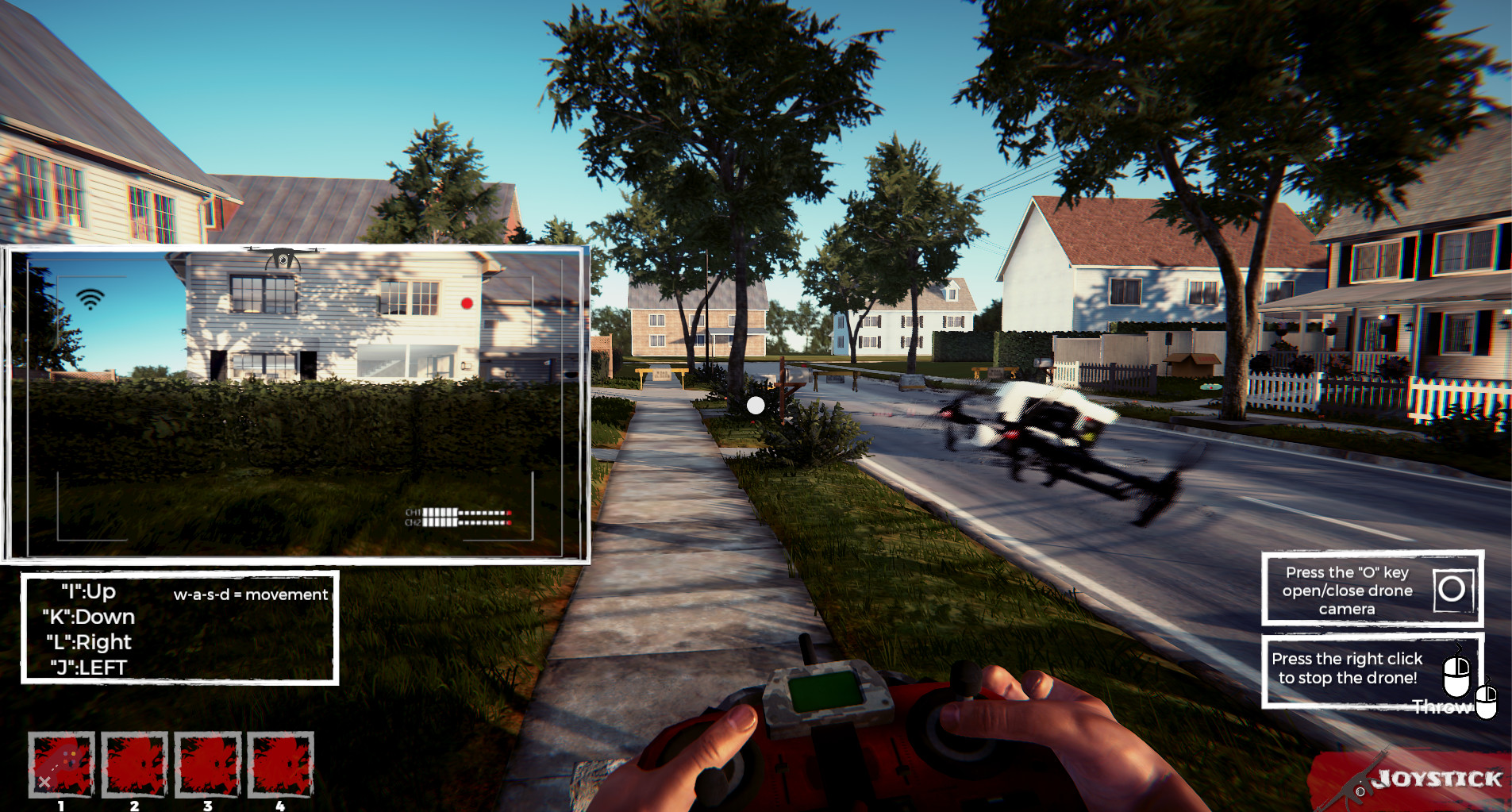
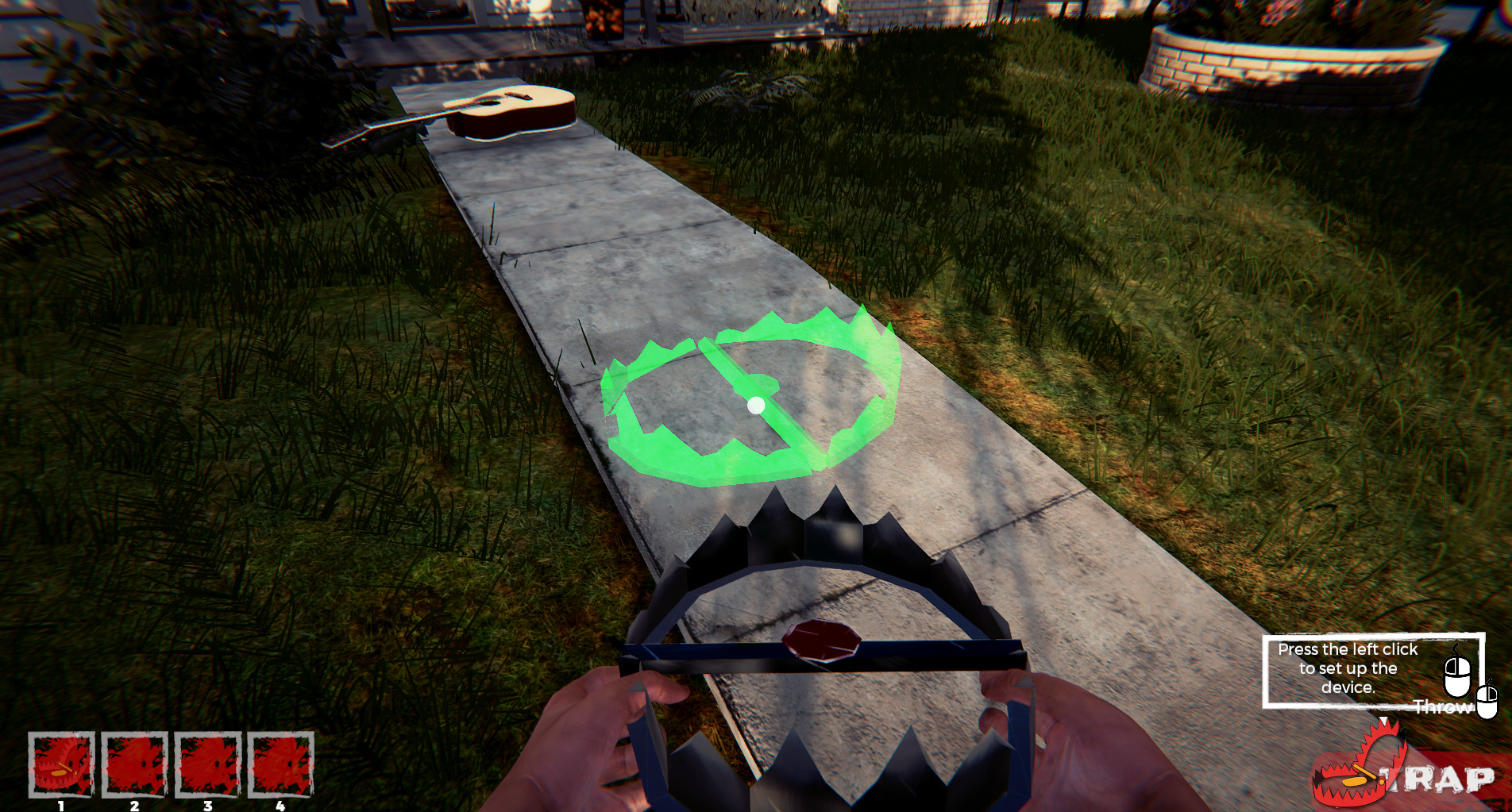
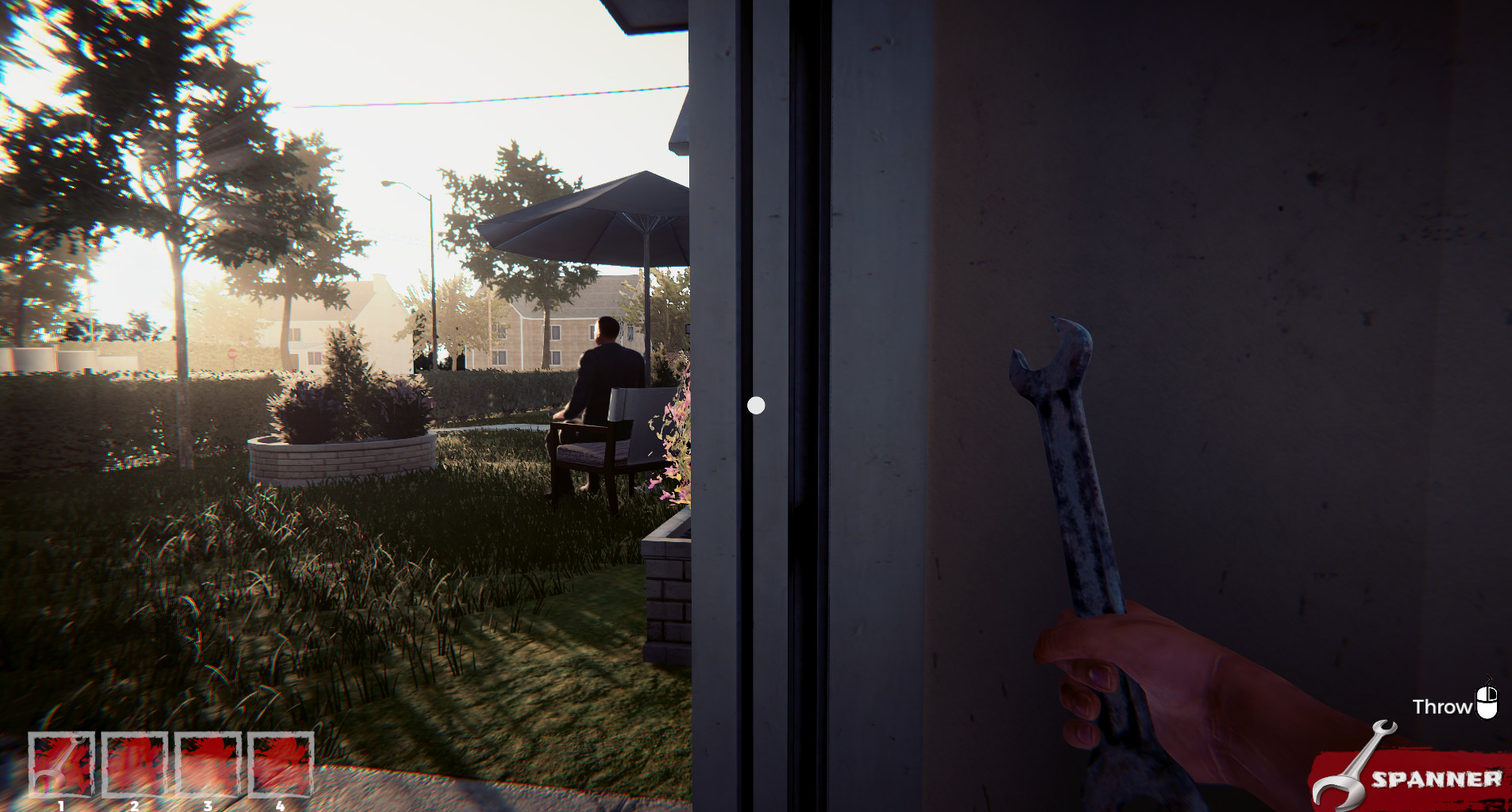
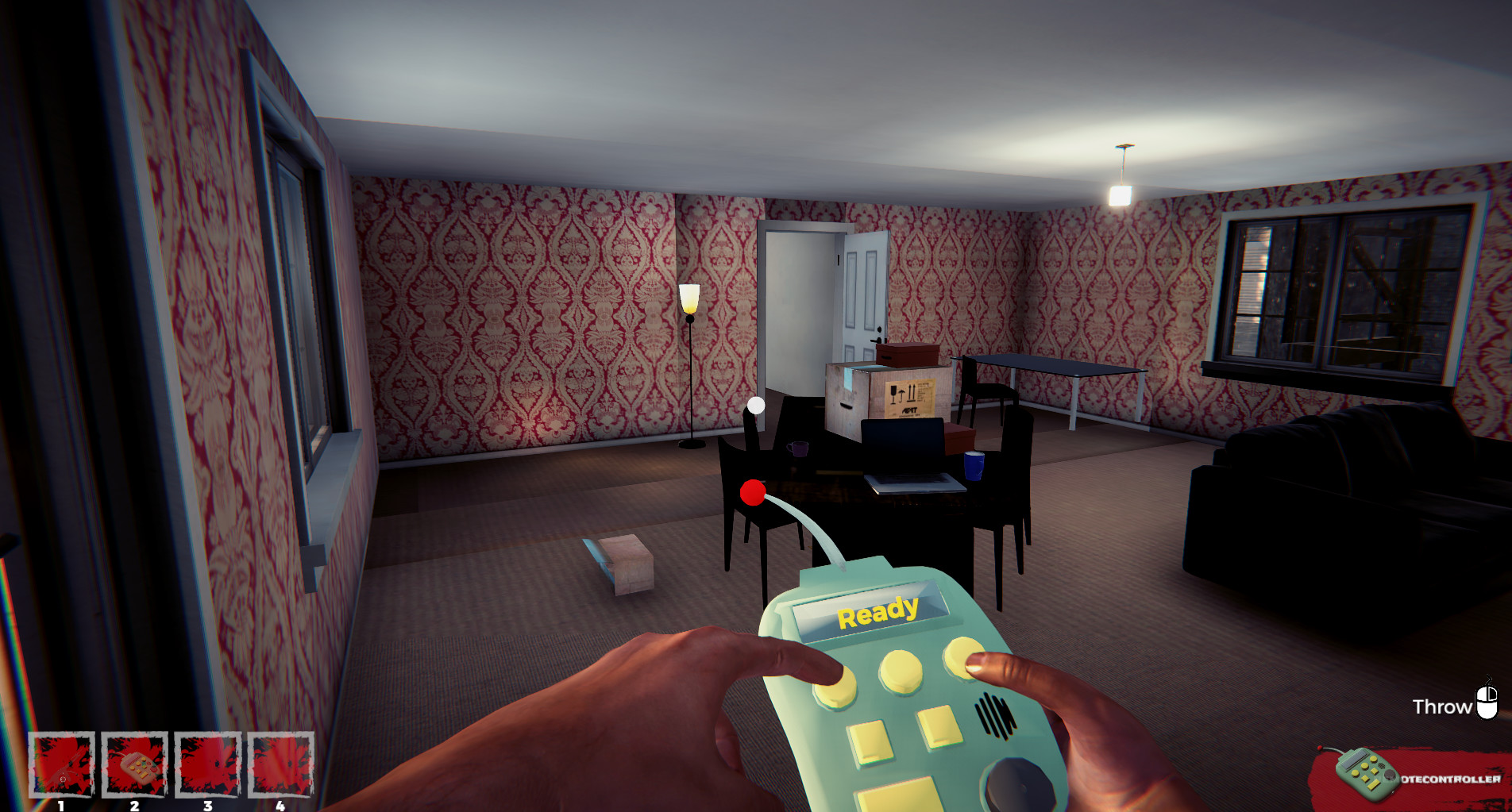
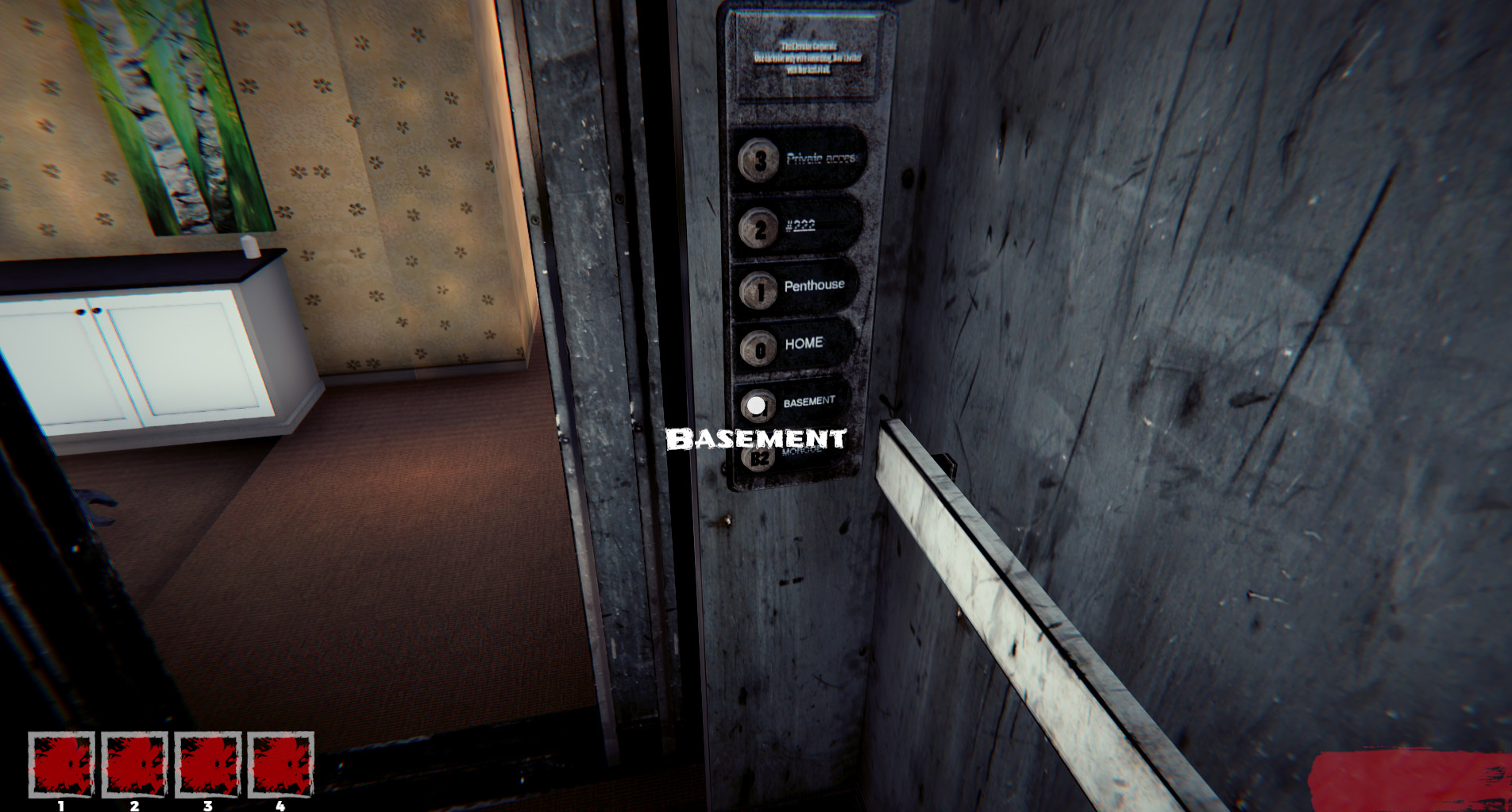
Who Is This Man, developed and published by Cocopo, is an unusual and offbeat indie stealth game that combines elements of simulation, sandbox experimentation, and dark comedy. The premise is simple but immediately intriguing: you play as a mysterious operative who has moved into a suburban neighborhood, and your mission is to infiltrate the home of a peculiar neighbor—“the man” in question—to uncover his secrets, steal valuable objects, and set up surveillance equipment without being caught. It’s a concept that feels like a parody of suburban paranoia, merging the curiosity of games like Hello Neighbor with the scavenging and upgrade systems of a light stealth simulator. The tone oscillates between humor and tension, and the gameplay quickly reveals itself as a blend of sneaking, exploration, and trial-and-error puzzle solving. For an indie project, it’s a bold and eccentric take on home invasion as a game mechanic. The experience begins with a modest introduction, throwing the player into a neighborhood that feels both ordinary and unnervingly quiet. The visual design is simple and stylized—houses are boxy, colors bright yet muted, and the environment evokes the feeling of a dreamlike suburbia rather than a realistic one. Your objective is straightforward: enter the man’s house and investigate without being discovered. The first few minutes are spent learning the rhythms of your target’s behavior, finding entry points, and familiarizing yourself with the layout of the house. The game doesn’t hold your hand, offering little in the way of tutorials or guidance, which contributes to its atmosphere of uncertainty. You rely on your own observation and improvisation to get through each run, and that unpredictability—both in the neighbor’s reactions and in your own improvisation—forms the core of the experience. The gameplay loop revolves around stealth and incremental progression. Each successful infiltration allows you to steal valuables and gather information, which can then be sold or reported to earn money. This income becomes crucial for purchasing better equipment—gadgets such as cameras, drones, bear traps, and invisibility devices that make subsequent infiltrations more manageable. The process gives the game a light strategic layer, as you must decide how to spend your limited resources to make each mission more efficient. The more you play, the better equipped you become, and the more elaborate your operations grow. The game rewards patience and experimentation: you can brute-force your way through early missions, but success later on depends on learning the environment, planning routes, and outsmarting your unpredictable adversary. The balance between stealth and discovery creates a steady rhythm that keeps players engaged, even if the repetition of the core loop eventually sets in. A defining aspect of Who Is This Man is its peculiar atmosphere. There’s an ever-present tension between comedy and suspense—the absurdity of sneaking through a cartoonish neighborhood contrasts with the genuine anxiety of being caught. The neighbor’s AI is unpredictable, and his reactions can range from comical to terrifying. Sometimes he wanders aimlessly, oblivious to your presence; other times he becomes alarmingly aggressive, forcing you to escape in a panic. The unpredictability of his behavior adds excitement but also frustration, as the AI can feel inconsistent, occasionally detecting you through walls or reacting erratically. This inconsistency contributes to the game’s charm as much as it exposes its technical limitations. There’s an unpolished yet endearing quality to the chaos, a sense that the game is less about perfect mechanics and more about embracing the bizarre scenarios that emerge from its sandbox systems. Visually and technically, Who Is This Man is clearly a low-budget production, but it manages to establish a distinct personality. The art style leans into simplicity, and the environments—though basic—are functional and colorful. The lighting effects help create moments of eerie ambience during nighttime infiltrations, while the minimal soundtrack emphasizes quiet tension punctuated by sudden bursts of sound when the neighbor catches you. Performance-wise, the game runs smoothly on most systems, though minor bugs and awkward animations occasionally break immersion. The controls are responsive enough for the game’s pace, but certain interactions—such as object handling or climbing—can feel clumsy. It’s evident that Cocopo prioritized creativity and atmosphere over polish, and while that approach leads to rough edges, it also gives the game an experimental spirit that’s rare among indie stealth titles. The upgrade and economy system gives the experience a sense of progression beyond simple repetition. Each successful mission allows you to reinvest in new gear, making future infiltrations easier or more elaborate. The ability to use tools like security cameras or drones adds an element of strategy, letting you plan attacks rather than relying on instinct. These mechanics encourage experimentation, but their depth is limited—the game never fully develops into a true simulation, nor does it expand its systems enough to sustain long-term engagement. After a few hours, most players will have seen the bulk of what the game offers. Yet, the repetition is softened by the game’s personality: every run is slightly unpredictable, and the tension of sneaking through the neighbor’s house never entirely disappears. Where Who Is This Man struggles most is in coherence. The game seems torn between wanting to be a serious stealth simulator and an absurdist comedy. Its tone swings wildly from eerie suspense to slapstick mishaps, and the lack of narrative structure or clear progression leaves players wondering what the ultimate goal really is. The fun of experimenting within its systems often outweighs any sense of story or payoff, but for players who crave direction or narrative closure, the experience can feel hollow. Despite these shortcomings, there’s an undeniable appeal in its freedom and unpredictability—it’s the kind of game that thrives on player-created moments rather than scripted drama. Whether you’re setting up elaborate traps, spying from rooftops, or simply experimenting with the AI, the game invites creativity through chaos. In the end, Who Is This Man occupies a peculiar niche in the indie gaming space. It’s rough, unpolished, and occasionally nonsensical, but it’s also imaginative, playful, and full of strange charm. The premise of suburban espionage is novel enough to carry the experience, and its unpredictable AI, combined with its sandbox-style design, ensures that no two infiltrations feel quite the same. It won’t satisfy players looking for refined mechanics or narrative sophistication, but it offers a refreshing dose of weirdness and tension for those who enjoy experimenting with emergent gameplay. Much like its mysterious neighbor, the game itself is strange, unpredictable, and oddly compelling—a flawed but fascinating curiosity that rewards those willing to embrace its eccentricity. Rating: 7/10
Expand the review